








![É DAS GRANDES! A TERRA ESTÁ NESTE MOMENTO SENDO BOMBARDEADA POR UMA TEMPESTADE SOLAR G4 [EU AVISEI]](https://i.ytimg.com/vi/sAHcijqcgrk/hqdefault.jpg)
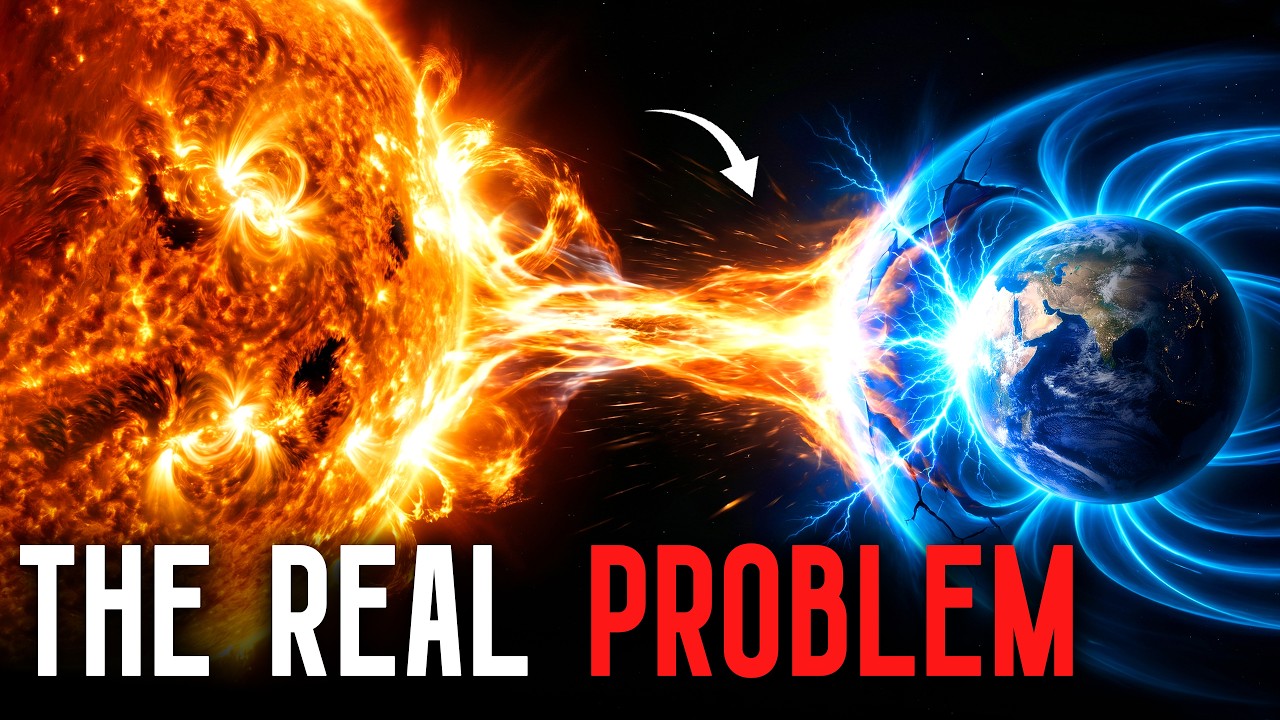








The solar wind interacts with Earth's magnetosphere through magnetic reconnection at the dayside boundary when the interplanetary magnetic field (IMF) is southward-directed, transferring energy from the solar wind into Earth's space environment; this process triggers geomagnetic storms (lasting several days, observed globally, injecting particles into the radiation belt) and geomagnetic substorms (brief disturbances lasting a few hours, observed primarily at polar regions, releasing energy from the magnetotail and injecting particles into the high-latitude ionosphere), with the severity measured using indices such as KP index (planetary three-hour range index, 0-9 scale), DST index (hourly disturbance storm time index), and CA index (1-minute resolution).
Solar Wind-Magnetosphere Coupling and Geomagnetic Storms | Space Environment 04
Added:[Music] [Music] Hello everyone, welcome to this SUM and PEL online course on space environment and it is effects on orbital spacecrafts. So in the uh last session we explained what is interplanetary magnetic field and we have seen how the interplanetary that is the magnetic field is it behaves in the sun's outer atmosphere that is the corona and how then it is transported or driven by the solar wind to the interplanetary space.
Then we described how this magnetic field and the solar wind it corrotates with the rotation of the sun and and there is the interaction of slow solar wind as well as the first solar wind and that gives rise to co-rotating interaction regions. So co- rotating interaction regions means as we explained that it generates the shock waves of it is a forward shock waves as well as the reverse shock waves. So in order to explain uh this uh two phenomena that is the interplanetary magnetic field IMF as well as the co-rotating magnetic regions we explained what is the coronal structure what is coronal loops then what are the open streamers then pseudo streamers and um the helmet streamers as well as the coronal holes. So today in this uh session uh I'll explain how this magnetic field reaches to the our earth's magnetosphere and how it uh how it interacts that is the solar wind interacts with our uh earth's magnetic uh field that is called the magneettosphere.
So our today's the topic is coupling of solar wind to the earth's magnetosphere and theosphere. So here we'll uh see the phenomena this is called the geomagnetic storm and geomagnetic substorm and the geomagnetic indices. So geomagnetic indices basically this is the the matrices by which you know what is the magnitude of the geomagnetic storm how severe is the storm. So uh let us now see how the solar wind and the magnetic sphere interaction happens.
So in this illustration you can see the solar winds. So this is the corona the solar winds guided by the or along with the magnetic field it reaches to the uh our sun's magnet that is our earth's magnetic field the magnetus sphere and you see this our magnetic field is here is not symmetrical I'll show you the in the next figures in fact when I do not consider the interaction of the solar interaction the magnetic field large magnetic field is a dipolar it is symmetric ical but you see in this case where the day side where it is looking uh to the sun side it is compressed and it is elongated in the on the other side. So what happens whenever the solar wind they reaches the earth it sends a flurry of the charged particles into the magnetosphere along the earth's magnetic lines towards the poles. Now the charge uh it gets trapped by the magnetic field. It cannot you know cross the magnetic field. So this is the properties of the char a moving charge when when a moving charge a charge moves in the magnetic field. So the the charge gets trapped or it gets gated by the magnetic field. So as a result of this thing the charge particles it cannot enter directly to our that is the magnetosphere and we'll see that the interaction of these particles with the earth's atmosphere it produce the glowing aurora displays above the polar regions. When the solar wind encounters the earth, it deflects by our planet's magnetic field causing most of the solar winds energetic particles to flow around and beyond. So the region that meets and blocks the solar wind it is called the magnetosphere. So this part we will call it the magnetosphere.
This part this part is called the magnetosphere.
So uh the solar wind flows continuously and that the outward flow carries along the solar magnetic field and the rotation of the sun results in the fields being drawn out in a spiral pattern that already we have seen and whose angle angle that depends on the velocity of the wind.
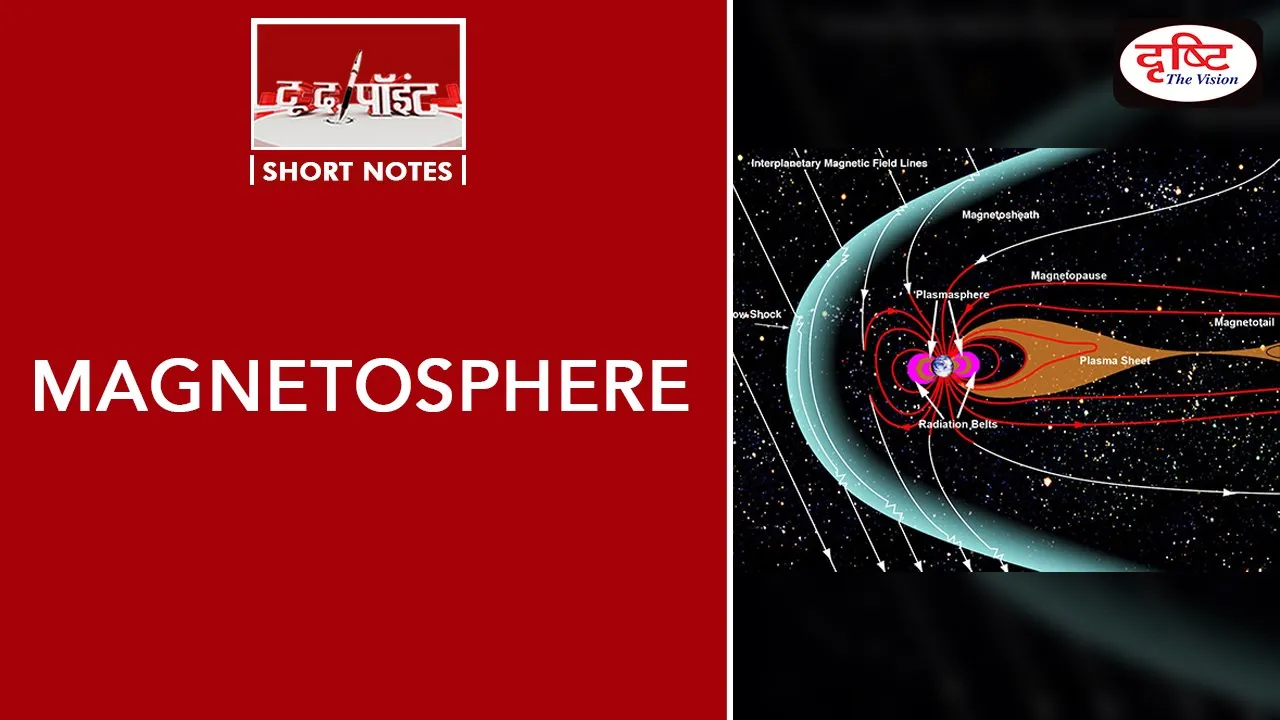
So here we can see uh that is this is the IMF that is the magnetic. So these lines if I consider these lines these lines are the interplanetary magnetic field and if you see this is this uh the direction is in the southward uh direction. Okay. So in this reason so what so there is a magnetic reconnection happens and the um the magnetic field the breaks breaks down. Okay. So, so this reason where this happens. So, you can see this uh whenever the magnetic field is um this is the IMF it is interacting with the earth's magnetic field. Uh something like a bow shock is formed. So I in the next slide we'll I'll I'll try to explain what is the bowshock and then there is you know there is a boundary that is called the magneto. So in the magneto pose what is happening that is the magnetic pressure of the IMF and the earth's magnetic the geomagnetic field they cancel each other their intensity is the same so this is called the magneto so inside the magneto will not find this the IMF so as if it is shielding it so the simplest view of the total phenomena is that the magneettosphere presents an obstacle so it is it's it just presents obstacle to the passage of the solar wind uh in a manner something like a blunt body in aerodynamic uh flow. The interaction of the uh flow that results in uh a shock wave followed by a shocked gas region and the boundary layer of the subsonic uh flow around the magneto magnetosphere with the free surface of the magnetosphere itself determining the detail flow properties near the boundary.
So what is shock wave? So basically a shockwave is uh a type of you know the propagating disturbances that moves faster than the local speed of the sound in the medium. So this uh in the physics this term is uh used. So like an ordinary wave the shock wave carries energy and can propagate through a medium but is characterized by an abrupt nearly discontinuous change in pressure, temperature and the density of the medium. So already we have seen that is the co-rotating interaction reason.
there is a reverse forward shock and there is a reverse shock because of the uh the discontinuity of the the velocity of of the um first solar wind as well as the slow uh solar wind and here it shows that is how this magnetic that is corating magnetic field when it is spreading in the interplanetary space if you consider the earth in between so it forms a sheath and you are having a forward shock as well a reverse shock so The reverse shock whatever we have seen in the earlier picture that that that that reverse shock it interacts with the earth's magnetic field and as a result of that we get a uh something like uh the bow shock or the magneto all these things the results of this uh uh when this the shock wave it interacts with the our sun's our earth's magnetic field. So now let us see what what is the uh how the earth's magneettosphere looks like. The magnetosphere is the reason around the planet dominated by the planet's magnetic field and other planets in our solar system is they have also magneettosphere but earth is the strongest one of the all the rocky planets.
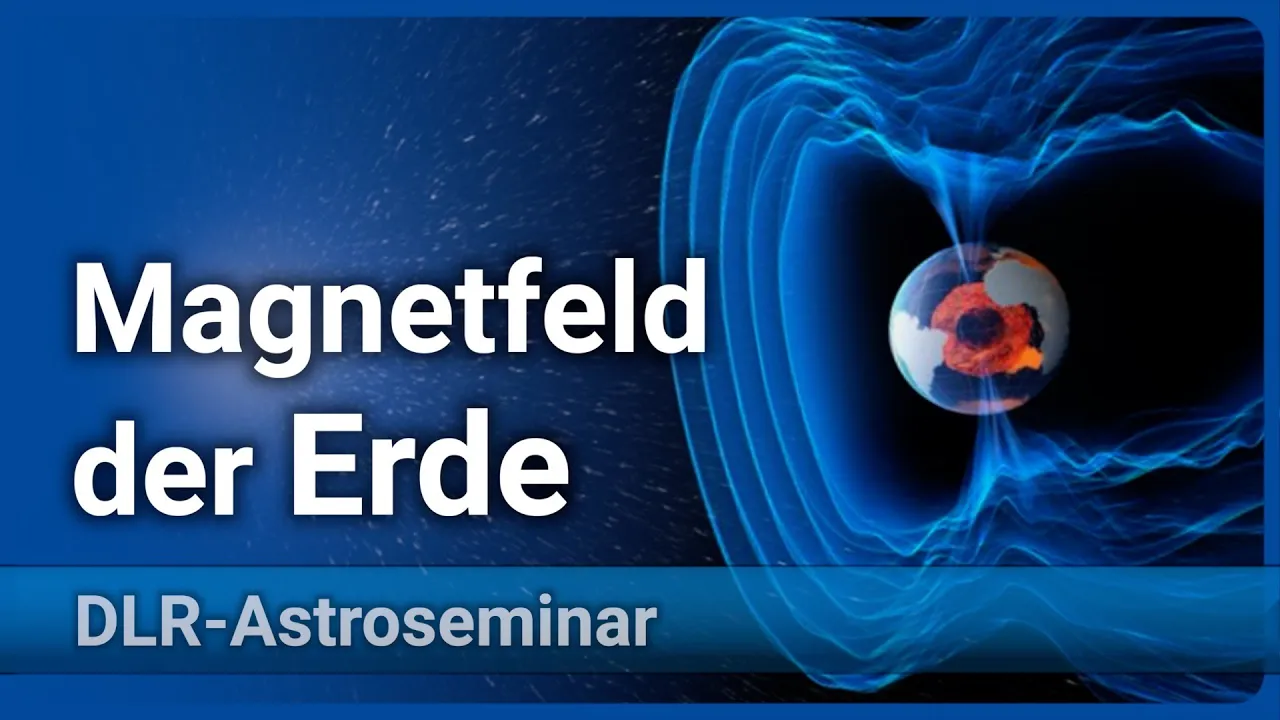
uh it is basically this magnet uh the earth's magnetic is for magnetism is formed because of a phenomena called the dynamo mechanism and the similar thing happens in the sun also this is for the all planet stars the the reason that it it is having a magnetic field it is because of the dynamama effect so as you see when we do not consider that is the interplanetary magnetic field as well as the solar wind the magnetic field lines are very much symmetrical it is very symmetrical. This is the lower one shows a the 3D uh the 3D illustrations of the magnetic field lines. And so so this is in the absence of the um any uh disturbing field like the um interplanetary magnetic field and it is um uh so this the life on the earth it is been saved by this uh the magnetic field. So whatever the charged particles they cannot directly enter to the our earth's atmosphere. Of course, Earth's atmosphere also saves us from the um the harmful radiation of this.
So, the magneettosphere, it as I said, it shields our home um planet from the solar and the cosmic particle radiation uh as well as the erosion of the atmosphere by the solar wind, the constant uh flow of the charged particles steaming off the sun. So when the solar wind encounters the earth uh it is deflected by our planet's magnetic field. So as we have already seen in the uh earlier illustrations uh it is deflected it cannot directly enter to the uh earth's space. So as if the magnetic field it deflects it. So so because of this earth's magnetic field this causes most of the solar wind synerggetic particles to flow around around and beyond us.
So the region that meets uh and blocks the solar wind is called the magneettosphere.
Now what is bshock? So we can understand the bosshock by uh illustration. So it owes its name uh to the analogy of the uh bow uh wave that so the bowshock owes its name to the analogy with the bow wave that appears on the surface of the sea when a ship is moving through the water. So when a ship is something like the obstacle uh towards the against the current and so what happens whatever just at the nearby that uh the boat the particles or this uh this current the water particles they got deflected in fact that the that speed is reduced there. So similar thing happens whenever the earth's uh the solar wind guided by the uh interplaneted magnetic field. It interacts with the sun's magnetic uh uh earth's magnetic field. So in the bshock uh if I want to define it, it is the boundary at which the speed of the uh stellar wind abruptly drops as a result of the of its approach towards the uh magnetos. So this shows this illustration shows how the solar wind uh when it is moving. So uh this a bow shock is formed like that thing and all this uh the solar wind they are deflected they cannot enter uh to the magneetto sphere. So they are shielded by the magnetos or magneetto sheet. So the uh the B shock is the shock surface where the solar wind is suddenly uh slowed down from the supersonic to sonic velocities.
This already I said what is a magneettos. So this is uh clearer when I consider this illustrations. So again you see this is the interplanetary magnetic field uh and this uh along with the things solar winch and then it is interacting with the earth's magnetosphere. So there is a magneetto sheath. So this boundary this boundary is called the magneetto pause. So this is the boundary over which so so inside this you are having the magnetosphere and and this boundary where this speed reduces this this is that interacts with the magnetic field this we are calling the bshock that already we explained. So the magneetto is the abrupt boundary between the magneettosphere and the surrounding plasma. So the magneetto pause is where where the pressure of the interplanetary magnetic field it balances that of the geomagnetic field and in planetary science the magneetto is the boundary between the planet's magnetic field and the solar wind. Now the location of the magneetto p it is determined by the balance between the pressure of the dynamic planetary magnetic field and the dynamic pressure of the solar wind. As the solar wind pressure increases and decreases the magneetto moves inward and outward in response. So this magneetto is not fixed again it depends on what is the dynamics of the solar wind. So during the uh solar activity or the solar maximum or solar minimum this magneetto that is the location of the magneto will vary. So the next is the magneto tail. So what is the magneetto tail? As we understand by the name magneetto tail. So uh some form of the the uh a tail is formed by the the night side of the uh so one is the sun side and we have seen the this interplanetary magnetic field it is it is swept away in the towards the back side of the desite. So that is called the magneto tail. So the magneto is the reason of the magneettosphere of a celestial body like our earth that is swept back by the solar wind in the direction away from the sun. So you can see this one. So so this portion it is called the magneto tail. So this portion and here this is called the tail lobe.
And so this part already we explained what is the bosshock and the magneto paw uh magneto sheath. So in contrast to the day side of the magnetosphere the so day side is compressed and confined by the solar wind the night side is stretched out. So this is just opposite wherever in the day side the magnetic field lines of the geomagnetic field lines are the stretched towards the center of the earth. Whereas during the night time it is getting elongated and it is getting stressed out. This part of the magneettosphere is quite dynamic and large changes take place there and ions and electrons are often energized.
uh this we'll see when we explain the uh geomagnetic storm and geomagnetic substrum how the magnet in the magneto tail because of the the magnetic reconnection uh this plasma particles that is the solar wind the particles uh how they get um become more energetic and then it moves towards the earth and it gives rise to various phenomena like geomagnetic storm and geomagnetic substorm. So already I said the reconnection between the magnetic field lines in the earth's magneetto tail under disturbed geomagnetic conditions.
So this results in the acceleration of the electrons uh into uh the high atmosphere producing active and sometimes extensive displays of the aurora and uh this also interacts with the our the spacecrafts and it can we'll we'll see how this type of uh energetic charge particles they they are very harmful to our spacecrafts. So this magnetic reconnection what I said this is the happens whenever uh this um this magnetic field lines that is two opposite directed magnetic field lines uh they get so two so magnetic reconnection means there is two opposite directed magnetic field lines uh they touch each other and then the magnetic energy whatever the stored magnetic energy that is transferred to the particles and uh as a kinetic energy. So the temperature of those um particles they're enhanced and this gives rise to the phenomenon like geomagnetic storm as well as geomagnetic substorm. So now let us uh try to explain what is geomagnetic uh storm. So we'll take the case of the south word IMF and as you have seen there are uh two um locations where uh there is the phenomena of the magnetic reconnection is happening. one place where this this is the day side and the other is the during that the tail side or or the night side um is happening because of this uh interaction of this IMF. So here we are considering a southward IMF. So and this uh gives me another view in uh to understand that how solar wind is getting coupled to the our earth's magneettosphere.
So this geomagnetic storm these are triggered by the earth's uh this when when the earth's encounter with the southward IMF.
So this is earth's magnetic field.
encounters with the southward IMF when the high pressure regions are formed and the interaction of low and high speeded solar wind streams that corroted to with the sun.
So geomagnetic storms are classified either as recurrent or non-recurrent.
recurrence storms uh this corresponding with the sun's rotation over the 27 days and as I said this is uh 27 days at the polar region and 25 days at the equatorial region equatorial region So this recurring storms most frequently occur during the solar uh minimum and the declining phase of the solar uh uh cycle. Non recurring storms frequently occur during the solar maximum when the solar cycle is at its high peak and uh these storms are caused by coronal mass ejection CMS and already you know the CMS is a collection of the charged particles and typically the CMAs encountered with the interplanary shock waves. Now in order to understand how the geomagnetic storm and substorm happens just let us uh consider this illustration. So as you have seen so here uh there is a magnetic reconnection and then there is the relooping of the magnetic field. So exactly how it happens just it can be explained by this illustration. So this is a southward IMF which is interdicting with the uh that is the northward geomagnetic field and this is the reconnection point. So then it's it settled down like this and formally and then based on the what is the pressure what is the intensity of this solar uh wind uh or there is it can in the event of coronal mass ejections or the solar flare. So this things happens and then there can be this is the reconnection reconnection happens and when the reconnection happens uh that it snaps back. So here it is this the particles energy becomes particles energy gets enhanced.
Okay. So, uh this already I said that is a geomagnetic storm occurs when there is a very efficient exchange of energy from the solar wind uh into the space and surrounding the uh earth. So this happens this energy exchange. It happens by the magnetic reconnection and these terms results from the variations in the solar wind that produces major uh changes in the current plasma and the fields in the earth's magneettosphere.
Solar wind conditions that are effective for creating geomagnetic storms are sustained. It can be from several to many hours uh periods of highspeed solar wind. Most importantly south or directed solar wind magnetic field. So this all southward of the magnetic field opposite to the direction of the earth's magnetic field at the day side of the magnetosphere.
The condition is effective for transferring energy from the solar wind into earth's magneettosphere.
So this is the way that is um the energy of the or the interaction of the solar wind with our geomagnetic field it happens and this gives this type of phenomena like the geomagnetic storm.
Now geomagnetic substorm. So a substorm sometimes referred to as a magneettospheric substorms or an auroral substorm is a brief disturbance in the earth's magneettosphere that causes energy to be released from the tail of the magneettosphere and injected into the high latitude anosphere that whatever we explained in the previous uh slides how that is the energy can be released from the tail uh of the magnetosphere and the particles goes back and can be coupled to the orural regions. Virtually a substorm is seen as a sudden brightening and increased movements at the orodal arcs. Substorms are first described qualitatively in terms of uh Christian uh vertical length which he called the uh polar elementary storms and Sydney Chapman used the term substorm about 1960 which is now this uh standard term. Now what is the you know difference between the geomagnetic storm and geomagnetic substorm? uh basically the substrs are distinct from the geomagnetic storms. The letter takes place over the period of several days and are observed from anywhere on the earth and it inject a large number of ions into the outer radiation belt and occurs once or twice a month during the maximum of the solar cycle and a few times of year during the solar minimum.
Substance on the other hand, it takes place over a period of a few hours and are observed primarily at the polar regions do not inject many particles into the radiation belt and are relatively frequent often occurring only a few hours apart from uh each other.
Substance can be more intense and occur more frequently during a geomagnetic storm when one substrate.
The source of the magnetic disturbances observed in the earth's surface during a geomagnetic storms is the ring current that will so basically because of the ring current it opposite the earth's magnetic field. So during a geomagnetic storm what I we find there is a decrease in the um in the earth's u the horizontal component of the earth's magnetic field. So we'll come to that this is called the uh indices and that will be explained in the next slide. So uh as I said I mentioned ring current. A ring current uh is an electric current carried by charged particles trapped in the planet's magnet sphere. It is caused by the longitudinal drift of the energetic particles at the range of 10 to 200 kilo electron volt. There are some matrices or there are some terms by using which we can understand what is the magnitude of the geomagnetic storm.
So these are called the geomagnetic indices. There are uh various indices like KP index, AP index, then DST, then symmetrical age, cage. So, so I'll try to explain a few of them. What is K index? So, K index is basically a quasi logarithmic local index of the three-hourly range in the magnetic activity relative to an assumed quite de curve for a single geomagnetic geomagnetic observatory site. It was first introduced by J. battles in 1938 and it consists of a single digit from 0 to uh 0 through 9 uh for each 3hourly interval and it is derived from the maximum fluctuations of the horizontal components observed on a magneettometer during a 3-hour interval. The level K comes from the uh German word that is conser meaning characteristic detect planetary K index or KP index. The planetary three-hour range index KP is the mean standard of the K index from 13th geomagnetic observations between 45° to 60° northern or southern geomagnetic latitude. KP is an indicator of the disturbances of the earth's magnetic field and is used by the space weather prediction centers to decide whether a geomagnetic alerts and warnings need to be issued for the users who are affected by these disturbances.
Now the scale 0 to 9 is expressed uh in thirds of a unit means five it can be like five minus it is it can five is 5 minus is four 2x 3 5 is 5 and then 5 plus is 5 1/3 so this way from 0 to 9 again there are three more indices are put in between so this planetary index is designed to measure the solar particle radiation by its magnetic effects the 3-hourly IP index is derived D from the cape index as follows. So this shows that is how the cap index is a index is derived from the cap index.
And another index is called the GST index. This is the disturbance of the storm time. As I said because of the when there is a geomagnetic storm uh there is a a decrease in the earth's magnetic field because of the ring current and this gives disturbance in the so this is called the disturbance storm times out dst index. So a negative dst value means the earth's magnetic field is weakened. Uh this is an hourly index.
Then another is the cage is essentially the same as the dst index but having a different time uh resolution only and it is having a 1 minute time resolution.
And geomagnetic storm scale. So generally it is 1 to five. These are geomagnetic scale used. So G1 is the minor that is KP 5 then moderate KP 6.
Then strong is KP 7. Sever is KP8 and extreme is KP 9. So in today's thing we have covered basically the interplanetary field IMF is interaction with with earth's magnetosphere earth's magnetosphere and the result is like the result is geomagnetic storm and substorm.
And the last topic we covered that is the geomagnetic magnetic indices like KP index, K index, uh CMH, DST all these things. So with this conclude today's sessions. Thank you very much.
Up Next

Magnetic Reconnection vs. Cosmic Plasma: Alfvén's Critique
@SpaceWeatherNewsS0s
27.2K views•2017-08-18

21cm Hyperfine Transition in Neutral Hydrogen: Radio Astronomy Basics
@AaronRobertParsons
12.4K views•2011-10-13

Ceptr Oscillations & Stability in Stars: Gamma Condition
@IITKanpurNPTEL
334 views•2021-04-16

Entropy and the Second Law of Thermodynamics Explained
@veritasium
27.5M views•2023-07-01
Related Study Plans & Knowledge Roadmaps
Structured learning paths in Physics