

















This lecture covers fundamental molecular biology techniques including PCR (Polymerase Chain Reaction), invented by Kary Mullis, which uses heat-stable Taq polymerase to exponentially amplify specific DNA sequences through denaturation, annealing, and extension cycles; real-time PCR for quantitative gene expression analysis using SYBR Green or TaqMan probe technologies; and classical hybridization techniques including Southern blotting (DNA detection), Northern blotting (RNA detection), and Western blotting (protein detection), each utilizing membrane transfer and specific probes or antibodies for molecular analysis.
Molecular Biology Techniques: PCR and Hybridization Methods Explained
Added:The chemical structure of DNA and RNA, including complementary base pairing rules and 5' to 3' directionality.
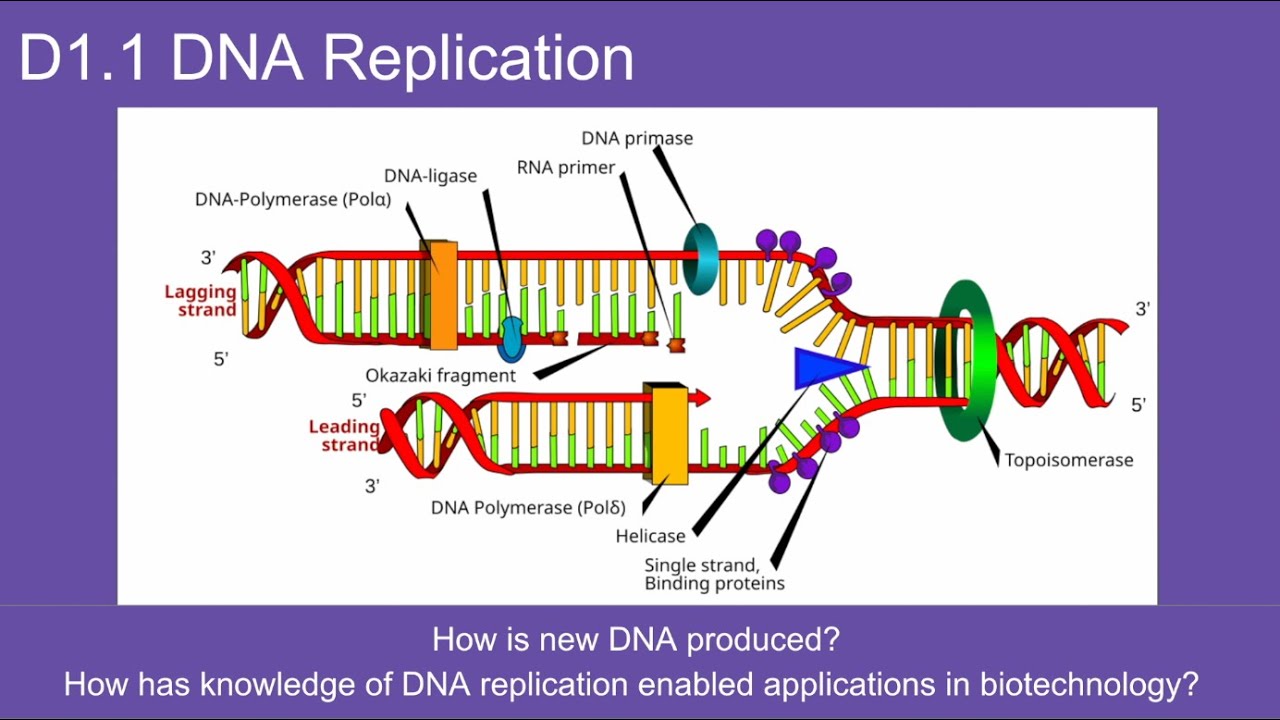
The fundamental mechanism of natural DNA replication, specifically the role of DNA polymerase and primers.
The Central Dogma of molecular biology, explaining how genetic information flows from DNA to RNA to protein.
The basic principles of gel electrophoresis, including how biomolecules migrate through a matrix based on size and charge.
Advanced DNA sequencing methodologies, including Sanger sequencing and Next-Generation Sequencing (NGS).
Quantitative PCR (qPCR) data analysis techniques, such as calculating Ct values and absolute versus relative quantification.
Recombinant DNA technology and gene cloning, involving plasmid vectors and restriction enzymes.
Practical applications of these techniques in forensic science (DNA profiling) and clinical diagnostics (viral load testing).
45.4K views0likes1:11:33Original Release: 2012-03-26
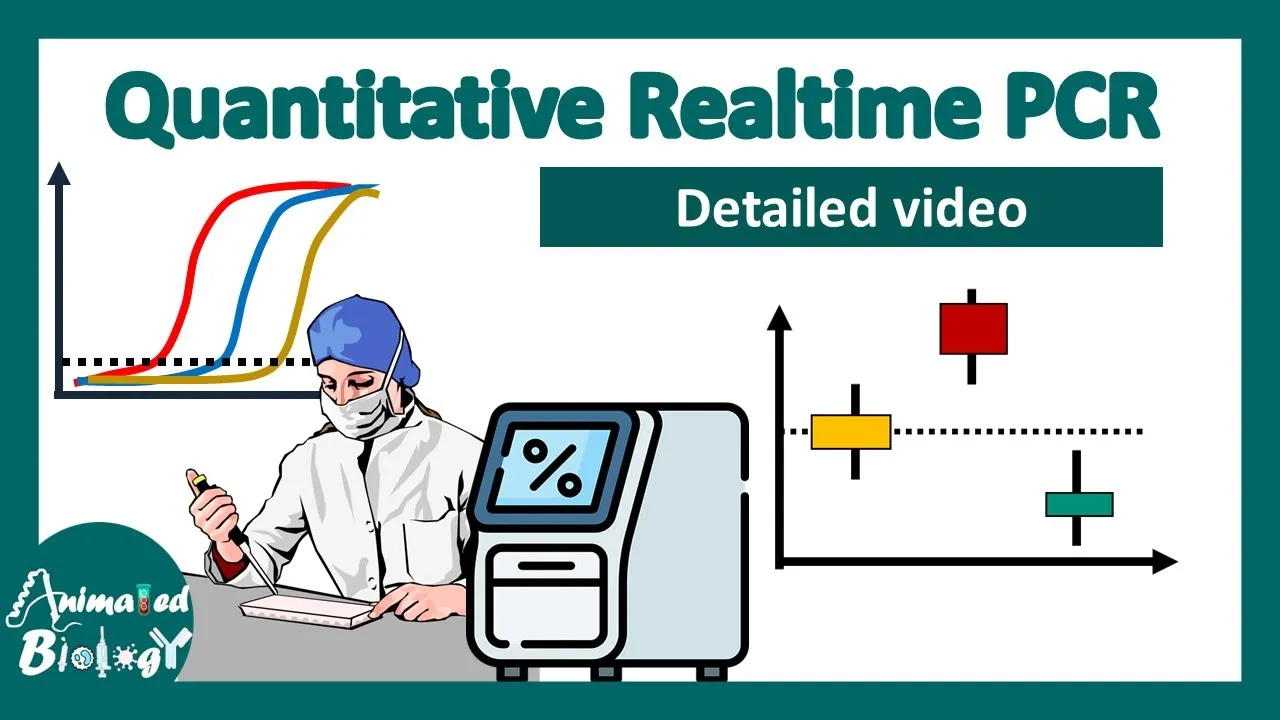
okay hi folks so this is a podcast version of the molecular biology techniques lecture from the molecular genetics module here to biomed what i'm going to be talking about for the next 45 minutes or so are some of the technical details that underpin I guess the major core methodologies that you would use were you to pursue a career in modern molecular biology and specifically PCR and derivatives of PCR technology and some of the hybridization techniques which kind of go hand in hand with PCR for molecular biology research and for diagnostic work as well so those of you who remember the module at level one Human Genetics will have seen this slightly maniacal looking character here before this is Professor Kary Mullis a Nobel Prize winner is a guy who invented PCR in the 80s and we're going to start the tour today by revisiting PCR and a little bit more detail than we covered it last year and also looking at some more advanced variations on on that technique so specifically we'll start with a bit of history of PCR and the Annoying technology of basic conventional PCR itself some of the applications we can use for PCR we're also going to discuss a relatively recent or not I guess who came around in the early part of the last decades just in the nooks tab the new millennia an advancement in the PCR technology known as real-time PCR and we'll talk about real-time PCR is how it differs from conventional PCR what i'm Vantage's it offers the research scientists or diagnostic scientists and what some of the applications of that advanced technology are what we'll do then is we'll go on to discuss some of the classical hybridization technologies which exist in molecular biology specifically southern blotting western blotting and northern blotting each of these different techniques is concerned with the analysis of a different product from the genome specifically northern blotting is particularly interested in our there southern blotting is interested in DNA and Western blotting is interested in protein we'll discuss how each of these different techniques works how we actually carry out the techniques and what they actually use folding us to detecting these different different things on our own gels and membranes etc and we'll finish with a summary just to pull everything together so really what you need to take away from these this lecture is firstly you need to understand the technology that drives PCR and real-time PCR particularly you need to understand what components go into a PCR to make it work what those components actually doing that PCR reaction and how we can manipulate those components to try and troubleshoot a PCR reaction isn't working you also need some appreciation of what real-time PCR is the chemistry that underpins it and it can be used to do more advanced or carry out more advanced analyses of gene expression etc and secondly you need to be aware of the common hybridization techniques and understand how they differ one or two of these techniques have been replaced now by real-time quantitative PCR however Western blotting is still very prolific used at a very high level throughout for our research and in diagnostic situations also so it's important your long-standing of all of these techniques by the end of the lecture and by the time you finished engaging with wider reading of course so here he is we've seen him when it sells before Kary Mullis perhaps it needed some day of Kary Mullis his special intellect stroke class a drug induced here's to actually come up with the idea of PCR in the first place it was a bit of you know it was a bit of a conceptual leap forward really what what what molix realized that in the days that you could in essence in the tube using a few simple reagents the copy what goes on in the cell during DNA replication so you'll find out next year in medical genetics DNA replication is a very complex lie regulated event during cell division however the actual look some bolts of how you make more DNA from a DNA template is actually quite straightforward you don't need that many things to make that your chemical reaction work that's good I guess what bullish realized and he also realized that one of the major obstacles to actually producing new DNA from existing DNA was circumvent able via the use of enzymes which are isolated from special type of bacteria which were he resistant so we'll talking body to about what exactly these elements are now so firstly though just to stab the cord from Wallace the beauty of PCR really is that beginning with a single molecule the genetic material DNA PTI can generate 100 billion similar molecules in an afternoon there actually is easy to execute requires no more than a test tube a few simple reagents and a source of heat so you notice it's simplicity that basically makes PCR such a fantastic technique such a fantastic method to have a you disposal when you're carrying out research in the lab it's cheap see if it's quick its robust it works 99% of the time as long as everything's set up correctly it's a really really robust powerful technique and the underlying mechanism of PC has essentially based on a basic understanding of nucleic acid biochemistry the sort of thing you were covering biological molecules I'm sure and cell biology and passing image genetics at level one certainly I live in Canada a level if you did a little biology and that in essence is that in order to make more DNA you essentially need just a few different things you need a DNA template you need some short oligonucleotide DNA primers the reason you need those primers is a DNA polymerase the enzyme which copies new DNA cannot just bang into a templates that making DNA it requires a shor primer region which generates a double in Paris portion to the temple in order to bind and then start making new copies and obviously when it makes the new DNA it needs to make the new DNA out of something and that something is these deoxynucleotides so these individual is T CS and GS which go to make up the new DNA strand so bullies realizing you through these four things into a test tube and applied heat in the right order at the right amount and you could in theory make more DNA the trick really was this enzyme here tak DNA polymerase which is the deal if M raise that Kary Mullis realized it would enable him to do PCR as a chain reaction as a exponential event in an afternoon as opposed to rather long-winded and inefficient method which had been used up to that point so obviously one of the major issues about PCR will see when we look at the actual steps required to get it to work is the fact that at some point you need to heat the PCR reaction up to a point which causes the disruption the melting of the double-stranded DNA that you're using as a template mel to melt double-stranded DNA you need to heat it to quite a high temperature 90 to 95 degrees that causes a DNA double strand to melt hydrogen bombs are effectively holding together the base pairs dissolve in effect longer ceased to function and the two strands separate once the two strands separate you then have the basis for complementary base pairing between the template strands and the primers and that's then what allows a PCR to go ahead however obviously once you've heated the reaction up to 92 degrees any enzymes in there which normally operate at 37 degrees from bacteria tend to be pretty much screwed tend to be completely denatured and certainly vastly reduced in efficiency and activity however mulish realize that if you were to use actually a DNA polymerase enzyme which you obtained from one of these bacteria that lived in these hot springs such as a bacterial thermos aquaticus then the enzymes of this bacteria must be very resistant to heat these this is a bacteria that exists in hot springs all put up around 80 degrees Celsius and rightly as Molly asthma listened suspected it turned out that this was exactly the case and that this DNA polymerase from thermus aquaticus or tack DNA polymerase was very heat stable he could heat it over and over and repeated cycles at 90 degrees without very much reduction in activity at all so that was Kim the final piece of the jigsaw PCR really this thermal stable put the UNEP limit so how does PCR work well there's a PCA a link to a PCR animation here it's very similar to the one I showed you guys in Human Genetics and if you click the link it should take to the web page but I don't want to go over that now in this podcast that I think it's necessary you can do that yourself in your own time just from the normal slides are available on blackboard but I will reiterate what the three basic steps of the PCR are so we've already mentioned the first step which is DNA tradition of the template so generally speaking the PCR will use a DNA template of double-stranded DNA so just DNA that might be from a flake of skin at forensic scene from a blood sample which has been taken in a hospital from mummified DNA found in ancient Egypt genomic DNA is double-stranded in nature so DNA exists in its native form as a double-stranded molecule now in order to present in order to make PCR work you need to separate those double strands in the cells your DNA replication this occurs at the replication fork and requires a lot of complex enzymic reactions involving helicase enzymes which are wine the DNA etc it's a very ordered complex thing which can't be really replicate in the test tube however you can achieve the same thing you can separate in two strands of DNA simply by heating them up to around 94 degrees Celsius so this temperature the two strands the DNA the double the DNA double helix will fall away from one another leaving you with two single-stranded pieces of DNA once you've melted the double-stranded DNA you then lower the temperature of the PCR to such a point that the PCR primers will anneal to their complimentary sequences so remember a key thing about PCR is it allows you to copy this but see region of DNA doesn't randomly copy DNA copies whatever region you telic to copy and you tell it to copy specific region by virtue of the design of your oligonucleotide primers you know so if you do some mathematics on the likelihood of discovering or a genome such as our room which is around three four billion base pairs if you do some mathematics on the likelihood of a room of 20 nucleotides twenty-eight C's GS and T's of occurring what more than once by chance in that genome you'll find that the probability is around well just below one so in essence what that means is if you design an older nucleotide primer there's 20 nucleotides long so for example a CG a CT T random is C's T's and G's until you have a primer that's 20 bases for 20 base pairs long that primer by chance should only anneal to one thing in the 3 a bit in a genome 3 billion base pairs long yeah so it's just it's just probability so in other words a primer that you design will be specific for a specific area specific region of that genome so once these primers have annealed to the double strand to the toy to the melted single-stranded DNA template you then raise the temperature of the reaction to 72 degrees Celsius the reason you raise it to that temperature is that's the actual optimum temperature for this DNA polymerase from tack thermus aquaticus to function so if you raise it to 32 degrees Celsius this type polymerase that's copying the DNA from the complimentary DNA strand so produce a new strand of DNA and the crux of the matter is that PCI will turn one DNA sequence into 1 billion DNA sequences in just 30 cycles by our exponential expansion of the number of sequences that have been copied again that's covered in this PCR I'm an animation it's very clear to see how that works so what will form focus on really today and in this podcast is the reagent go into the PCR so by now what you should all know up you should all know what PCR is you've encountered it in ethics you should have a basic understanding that PCR is a technique by which you can copy specific sequences of DNA if you don't understand that you need to revisit some of the year will notes and make sure you familiar with that before you try and understand this next bit on PCR so what we're talking about now are the actual reagents that you would put into a tube if you were to go to the G flow labs now and try and setup a PCR reaction so we've just finished with level 3 projects earlier projects a lot of project students have been doing PCR some successfully so very successful over the last four weeks these are the reagents and those students will have been using in the lab in order to get their PCs to work so as you can see there's a reaction buffer so all enzymic driven reactions that you set up in a lab will cover reaction buffer there's also magnesium chloride which provides magnesium ions to the reaction we have a DNA template with our primers we have the DNA polymerase we have the oxygen nucleotides and then we have water so what I want to do now is just go through each of these Tesla contributes to the PCR reaction so you have a better understanding of what the reagents are use for in the actual exponent itself so if we start with the reaction buffer the main purpose of the reaction buffer is to stabilize the DNA polymerase enzyme so remember these enzymes are all isolated from E coli or from other bacteria and operate within the cytoplasm of those particular organisms now the cytoplasm of those organisms contains specific environments regards to salts etc other such things electrolytes and what the reaction buffer does is it tries to mimic the natural environment of the enzyme with a gas to those salts concentrations etc so that when you run the reaction in a test tube the enzyme feels at home it's going to it's going to get half as much activity hopefully in that test tube because of the provision of the correct balance of salts from the reaction buffer as if whatever if it was function in the actual cell itself so that's what the reaction buffer does Xterra is a DNA polymerase can really get these reaction buffers from companies the supplied is a ten times stock and generally consists of just a couple of different salts potassium alright and tris-hcl truce is a ph buffer so it maintains a ph of the reaction the next three agents magnesium chloride it's really there to provide magnesium ions to the reaction and this is very important because my museums an essential core factor of the DNA polymerase enzyme so in other words if you don't have any magnesium ions in your PCR it's going to severely impair the function of the DNA polymerase enzyme so activity the polymers is going to be drastically reduced however this relates back to troubleshooting PC hours you need to be aware that having too much magnesium chloride present in the PCR reaction can actually be a bad thing excuse me and result in nonspecific priming during the PCR so generally it's included in a reaction a final concentration between 1 and 3 milli molar the magnesium chloride so too little the enzyme DNA polymerase enzyme won't work properly too much it can lead to nonspecific priming so the primers rather than just bind into their complimentary sequence can start binding to sequences with 18 90% complimentary identity yeah so maybe of those 20 base pairs in your primer 18 of the same to an normally that wouldn't bind properly in the PCR if it's too much magnesium in there than the PCR becomes a lot less force it and the primers stat binding all over the place and rather than just producing lots and lots and lots of a specific region of the genome you produce lots and lots and lots of all sorts of different regions of the genome yeah which is not much used to you at the end of the day I guess the experiment trying to do so the template so this is obviously the actual DNA which we're going to copy from so most country in the region to be amplified you can't see it I'm going to PCR up a particular gene and then isolate DNA from a source where that genes not present so from a mutant whether genes deleted for example you actually need very very very small amounts of DNA template for the PCR to work in fact it's often preferable to have two little almost template than too much and that's for the simple reason that a lot of DNA template such a genomic DNA or material that's been isolated from forensic scenes or whatever contains contaminants and if you have a high amount of DNA template present in the reaction you also by virtue have a high amounts of contaminants and these contaminants can interfere with how the DNA polymerase works and the efficiency and our robust the PCR reaction itself is so it's better actually to have less DNA template that you in theory need one molecule to get it to work because about having less they've also got less contaminating factors which can inhibit how well the PCR actually works so the next thing is very important organ Ookla type primers so these primers should be 100% specific to the region you interested in amplifying you need a forward and a reverse primer again if you look at the cartoon for PCI you'll see how this works effectively one PCR primer causes DNA polymerase to copy the DNA sequence in one direction and then the reverse primer causes it to copy the DNA sequence in the other direction however you need to realize that in both cases DNA polymerases in a five prime to three prime direction only you can only replicate DNA five prime to three prime it's impossible to do it the other way around because of the chemistry of the reaction if you've not covered that already then we'll we'll be covering in HTML achill genetics so because of that you need to realize that whilst the five prime primer design is very straightforward it's effectively the same as what the DNA sequence is that you're trying to amplify the reverse primer needs to be designed so that it's complimentary and the reverse of the coding strand sequence I believe there are exercises for you to do primer design later in the module so I'm not going to too much detail about how you do that again it's a sort that you can look at in the wider reading it's not as complex as it sounds there and I will maybe go through in a little bit more detail in this in this lecture as well later on if we've got so the other thing to realize is that ideally primers should have similar annealing temperature so remember the second stage of the PCR is to drop the temperatur to a point where the primers will anneal to the template so you don't want a primer in the forward orientation that will anneal at 60 degrees and worn in the reverse orientation that will anneal at 50 degrees because in order to get the reaction to work then you have to drop the temperature to the lowest common denominator for the annealing step ie 50 degrees and that can mean that the primer that wouldn't heal at 60 as a potential now it when you're not specifically to other regions because you're reducing the actual stringency of the reaction with respect to the annealing temperature of the forward primer so just to give you a little example then this will be a forward primer here this is a region of DNA 5 prime to 3 Prime so if we were designing a reverse primer to this region of DNA you wouldn't design as a GGC tt ie what if we were designing the forward primer you would have to do the complements and the reverse of the sequence you interested in so in other words you have to do the reverse so we started this end and the primal needs of the complementary sequence so it will be t t g g a it just like we see here t TG g and then see a g c c t-- c a g c CT yeah so it's fairly easy wouldn't you've gone through a couple of examples to get what you need to do to design these primers and if you draw the things out on a double stranded piece of DNA sequence you'll see why you need to do it like that because by designing it in this orientation it will cause the primer to anneal in such a way they will copy the it will copy the non-coding strand in a 5 prime to 3 prime direction so the polymer is enzyme itself and obviously very important we already talked about its thermostable properties this is the enzyme responsible for actually copying the DNA and making new DNA from the template these usually tack glimmer is this is the most common it's very cheap it works well however in certain circumstances other heat-stable polymerases are used it's sometimes important that the polymerization using has a very high fidelity in other words it doesn't make any mistake to get copies of DNA one disadvantage of tat polymerase is it does not have a proofreading mechanism so some polymerase is such as PFU proofreading polymerases are able to kind of double check every base that they add during a PCR in order to make sure it's definitely the correct base in other words it's definitely the base it's complementary to the template and it does this by virtue of having earth 3 prime to 5 prime exonuclease activity so if it makes a mistake and adds a T opposite of G for example instead of cutting it see opposite that G it can remove the mistake and another correct base a PF u plenaries tack can do that d NCP's this is the actual nuts and bolts of what gets added to the grinding NH in the coming fall flavors B op C here TP g TP c TP and TTP and finally the reaction is made up to a volume with water waters there because it's the medium for the reaction we know that water is effectively what makes up most living organisms larger volumes of water can actually help with a reaction because again it dilutes away impurities at present so if you've got very small reaction volume it can concentrate those impurities simply dilute that into a larger volume of reaction those impurities get down into the way and that can help getting the PCR to work so a little bit more about primer design than this I've kind of cover this a little bit already I've talked to over these points a little bit but I'll go over them again because I think it's a confusing aspect to PCR it won't do any having this pill podcast to cover it twice I think to read a specific forward and reverse primer the reverse primers prime three prime to five prime like we've said and therefore it needs to be the reversing complementary sequence of the target these things should have comparable annealing temperatures and in reality we don't do this thing by eye and just pluck these sequences out of thin air you can use algorithms and online software now to help in prime a design and there's are links to a couple of examples of that so just to talk through this actual example what's going on up here very simple example for designing primers we've got a gene here this is the air TG of the gene and this is the termination curdle obviously the gene is found on a double stranded piece of DNA the coding strand includes a gene sequence in a five prime to three prime manner the non-coding strand runs three prime to five prime against the coding strand yeah so the five prime primer design that we will design here will just be as it as the DNA sequence as it appears in the coding strand of the template so you would never have a primer obviously the three three bases long because it wouldn't work generally they need to be at least eighteen so they're specific enough to only recognize one thing in the G human genome but for this example I just want to keep it simple so we've designed the prime that recognizes just three bases in the gene here and then with the ATG and then we've designed a reverse primer and we want that so basically Prime from the very end of the gene is te but we don't design the sequence of that reverse primer test here we need to do the reverse in the complement so it's TT a for that sequence now what happens when you Mel these two strands and the needle those primers is the five prime primer which has got an air TG sequence will recognize the complementary sequence it exists in the three prime melted strand of the template here so opposite this air there will be a T opposite is T there will be an air and opposite this gwc and the five prime prime will bind to that complimentary tea in C region two prime off the non-coding strand here and when we repeat our procedure we'll copy a replica of this strength plus now the T te R primal we've designed that will anneal to the end of the gene in the coding strand so the primer will flip over T te R will bind to air T and then remember that we've got the five prime end of this reverse primer over here and the three prime end of the reverse primer over here much like it is in the non-coding strand down here which normally alleles to this region so what that means is because it's annealed in this fashion 5 prime to 3 prime we can carry out PCR in this direction so remember PCR DNA replication only ever occurs five prime to three prime so because it's annealed in this orientation we can go from five prime to three prime and carry out PCR here so what you have during the PCR reaction is you have the forward primer binding 5 prime to 3 prime against a non-coding strand and getting copied in this direction and then the reverse primer binding to the coding strand 5 prime to 3 Prime and going in this direction so every cycle the PCR you double the number of templates that you begin with so if you begin with 2 and then you've got for the next cycle you'll have 8 so on and so forth what this is down here is a simple formula for calculating the melting temperature of ala girls you can have a look at that measure the realities again you get informed of the melting temperature of any parameters you design these days from the companies you buy them from all the cakes on online software programs which you can use for free to determine the actual melting temperature of your primers based on their sequence so what does PCR look like well the easiest way of seeing with your PCR reactions words once you've run the cycle in the machine you still run it on a gel so you're looking at see if the PCR initially is amplified LED in it and then importantly as a amplify the DNA that you want is the DNA correct so because we designed the primers and we know where those primers are going to bind in the genome we already know the predicted size of the PCR products we know how big a region of DNA were trying to copy and amplify so say for example the gene you're trying to PCR is 1,000 base pairs the PCR products we are looking for on an agarose gel will be 1,000 base pairs in size so if we have something on a gel that's 5,000 base pairs in size with PC out something but it's not the right thing so in order to separate PCR reactions and in fact DNA in general we can do this by something called agarose gel electrophoresis I'm not gonna go into the details of this because you have a practical on eleven semester but effectively the DNA is run through a jelly-like substance which is effectively a matrix through which the DNA can move smaller pieces of DNA moves through the mid-to it's easier than larger pieces of DNA thus the gel separates DNA according to size that's exemplified nicely here these are DNA ladder markers each fragment represents a piece of DNA of a specific size which we can use for determining the size then of our PCR product the reason we can see the PCR products is that the gels are stained with something called aphelion bromide will mention that in the DNA damage lecture actually alleged later in the module Fenian bromide intercalates between the base pairs of DNA and flores's when hit with UV light when bound to DNA so the reason we see these bright bands here is because the aphelion bromide is bound to the DNA and that's causing the DNA to fluoresce when we hit this gel with UV you'll see all this in the practical later in semester so what we're actually looking at here at the top is a PCR as works very well with a positive control for the PCR here that we've got a lot of PCR product present for a huge amount of DNA and then we've tried to amplify the same gene from several samples and for some of those samples we can see a clear single DNA species PCR product of a specific size which tells us that in those particular samples that gene is present important we also have a negative control here which is blank if this negative control gave AB and you would start questioning the data because it's possible that the samples are being contaminated perhaps by yourself of skin cells etc fall into the tubes during the setting up of the experiment you can also see here this is just a currently try to show you how great their particular PCR enzyme is but it exemplifies a nice point of the bottom I'm going to talk about briefly this is these are the PCR products these smaller brands here and actually PCR product or something called primer dimers and this is where the PCR doesn't work very well and the primers give you a band on the GL due to the fact that the primers have anneal to one another so this is quite a common problem in PCR and is one of the many things that you need to troubleshoot when actually set the PCR reaction up for yourself so speaking of troubleshooting pcs how to actually go about doing that well there are several aspects of a PC that can be optimized the first thing that you can try changing is the annealing temperature of the PCR so I've already mentioned the fact that depending on the sequence of the primers that you use the primers will anneal to the template DNA at a specific temperature so if you design a primer pair and the they both have the same melting temperature that temperature is 60 degrees if after you've separated the template strands by eating them to 94 degrees you drop the annealing temperature of the reaction in the next step that's a 65 degrees in other words five degrees hotter than the annealing temperature of your primers chances are that the conditions in the tube will not be conducive for those primers to be able to anneal to the actual template so the temperature is still too hot for the hydrogen bonds to form between the primer base pairs and the complementary base pairs that existed the target template DNA if you drop into sixty degrees the temperature is just on the cusp of where those hydrogen bonds can form and that primer can anneal in a complementary fashion to the template DNA you might think we'll why take a chance just drop in to 50 degrees then you know that the primers are definitely going to anneal that's right we'll definitely anneal but by dropping it a long way below the melting temperature of the primer you're allowing the primer potentially to anneal no specifically to other sequences which adds 100 percent complimentary to the sequence of DNA that occurs in that primer that's an important thing to realize so one thing you can also if your PCR isn't working and you're not getting any product is you can reduce your kneeling temperature be less stringent about how the primer back to the template if you see in too many nonspecific products on your gel such as we're seeing down here where there's just a smear of all different sized product one thing that you can do is raise the annealing temperature of this PCR reaction so you make it more stringent so the primers really do have to find the sequence which is 100% the same complementary as the those that are carrying the primer in order to anneal the second thing you can alter is a magnesium concentration of the reaction so we've already talked about how hmm my knees iam is important because it's a cofactor for the enzyme but if you have too much there it can lead to nonspecific products being produced during the PCR and that's example if I'm actually in this gel here here we've got PCR with one a specific band for the Picea products were expecting and this has got a reaction concentration of 1 millimolar magnesium chloride if it raise that by just one milli molar to 2 milli molar you can see here that there's all sorts of nonspecific products in addition to the correct banshees still they're being produced in the PCEHR and that's not what we want we don't want a big mishmash of all sorts of things in the PCR reaction at the end of the end of the experiment we just want one specific species of DNA we're trying to amplify so adjusting magnesium concentration can help with optimization of PCR if you're not seeing anything increase its the if you start seeing a product if you've seen too many nonspecific bands decrease the magnesium concentration see if it clings a PC arrow another important things the amount of template that use in the PCR reaction we already talked about that too much can inhibit the PCR if it were impurities present obviously you need a certain amount of stag material works very little and the final thing is enhancing reagents which often including PCR such as DMS ER dimethyl sulfoxide these reagents assist in the actual melting of the template DNA so we know it can melt the na by heating it to 94 degrees however sometimes that process isn't 100% efficient and the inclusion of compounds which is DMS sorts of the reaction help the dupe the template double-stranded template DNA melt in the first place which means you get better priming more efficient PCR so that's just some of the ways you can modify a PCR you can look in the textbooks and cortex and online to find other aspects of how you can troubleshoot pcs there excellent examples of a troubleshoot pcs from the companies that sell these PC are enzymes so again I can mention in the lecture on a pizza tags etc often the best source material for extrusion is a company websites actually produce and sell these enzymes to research so then just to finish with just the whistle whistle another guy about just our important PCI arrays to molecular biology we always put it into context render stand the word or train imagine a world sorry without copy machines or printers where every paper report and book have to be typed out are printed by hand in biology the equivalent most researchers and companies having to work with minuscule quantities of DNA and proteins not to produce by plants animals and people so before PCR we had no way of making Madhi in here other than to isolate it from the actual source from the cells from the plants from the animals from the from the bacteria whatever there were no we've artificially reproducibly creating more DNA to work with and it's only Melissa's invention piece yeah that's really allowed us to do that in the last 20 30 years now yes and without it there would be no modern molecular biology there will be no human genome project there will be no molecular genetics module so you may say that you know that would be a good thing but it's a really really fundamentally important piece of biology and it's PCR it's in place very important understand how it works so the summary of it is it can make milligram amounts of DNA from piccola grams of starter material the clever bit is use of this thermos table DNA polymerase which allows you to cycle the PCR to do rounds of this denaturation annealing extension denaturation annealing extension over and over without compromising the activity of the DNA polymerase and it's a cornerstone of modern molecular genetics so that's conventional PCR some of it recovered at level 1 so the some repetition there there's some new stuff about the reagents but now I want to talk about something that's a little bit clever and more advanced that came on the scene around 10 years ago I say clever but really for the most part real-time PCR or quantitative PCR sometimes called is in effect just like conventional PCR it uses the same effective chemistry as since the same technologies as conventional PCI does the only really clever bit is how we detect the PCI products at the end of the experiment or importantly throughout the experiment actually for real-time peace here so when you do a conventional PCI one of the things that's a bit of a pain is that you only know if it's worked at the end of the actual experiment when you get the PCA reaction and as we saw a couple of slides 10 a couple of slides ago you load that PCR reaction onto a gel and agarose gel run it standing within the umbrella mag and see whether you have a band of the correct size in real time PCR the process is very different we detect whether or not we getting the correct PCR products during the cycle itself so during the PCR cycle itself and this affords exquisite sensitivity and possible it will produce what's called quantitative data and I'll talk about how we can use that production of quantitative data to determine laws of gene expression let in a few slides tag another technique which goes hand-in-hand with real-time PCR is this reverse transcriptase process and this is what this is a mechanism by which were able to convert mRNA which we can isolate from the cell into a cDNA complementary DNA copy which can then be used for PCR one thing I do not want to see anybody write anything ever in an exam question is PC airing from mRNA or from I've seen people write PCM from proteins which you know people rather beyond help to be honest but you must understand you can only PCR from a DNA template it's the only way it works so if you're interested in trying to use PCR to detect mRNA levels you must first convert that mRNA into a CD in it and that's done via this reverse transcriptase process this reverse transcriptase enzyme so how do we actually reverse transcribed the mRNA then what we use I've just alluded to this reverse transcriptase enzyme is originally identified in viruses HIV virus retroviruses these are viruses which have RNA genomes in order to replicate there Genomes copy more genomes the first have to convert the RNA genome into DNA the DNA is then replicated and made back into an RNA copy and then enzymes which does that is reverse transcriptase so what reverse transcriptase does is it takes the mRNA uses as a template and copies see DNA from that mRNA template so when you use reverse transcriptase in an experimental situation in the lab you're effectively creating a DNA copy of an mRNA template using the reverse transcriptase enzyme which is a kind of a clever type of DNA polymerase there are different ways of priming from mRNA you should all be aware again by now that mRNA is in the millions cells and human cells possess this polyadenylated tail we mentioned it briefly again in the previous lecture on a eukaryotic trunk luketic expression vectors so one way that you can prime from an mRNA is to use a primer which is called an obligor DT primer it's effectively a run of T residues and those T residues bind to the polyadenylated tails which is found in all in our all in all mRNA Soret and acts as a temp primer template and for the reverse transcriptase i'm going to come along and copy a cDNA from that from the mRNA molecule there are other examples I've run the maxilla primers gene specific primers you can read about in the cortex and online terminal what some of the way the reading is available so let's say we've generated a cDNA copy of some mRNA then when we want to use that cDNA now as a template in a conventional PCR reaction so this was used for numerous applications such as constructing so-called cDNA libraries for gene expression profiling for the chlorine expression of eukaryotic genes in prokaryotic cells which we talked about briefly in the last lecture but the limitations of conventional PCR remain in other words we can only detect whether the PC has worked whether we've managed to amplify something from these cDNA copies at the end of the actual reaction the end of the experiment so in other words is post-processing required of the sample the other thing to realize is that when you look on a gel a PDA a band from a PCR reaction you'd actually looking at what's been detected in the so called part of the range of the the experiment so if you think about what's going on during a PCR reaction you've got this exponential increase in the number of DNA molecules present in the tube so every time you do a cycle in the PCR it doubles the number of DNA molecules present if it's working properly now that's true to a point however eventually what happens in the actual PCR reaction is the number of DNA molecules begins to plateau it plateaus for several reasons including the fact that some of the reagents may become limiting than the dntps the activity of the enzyme etc but the important to realize is that when you look at what PCR products on the gel at the end of the conventional PCR you're actually detecting the PCR products at the end of the cycle in this plateau range here and you can get some variability in the amount of PCR and that you get but generally not much and the variability that is there is difficult to quantify accurately so real-time PCR differs massively and in the respect that rather than detecting whether or not you have a PC approach at the end of the reaction and we're looking at the plot Orange you actually test whether or not you're getting PCR products throughout the reaction so you're detecting during the exponential range of a PCR and there are two major techniques and technologies which exist and I want to tell you about a little bit about today that allow you to do this real-time detection of PCR products the first is cyber green down in the second is TaqMan probes the two were very very different methods over the major advantage of each is that cyber green is cheap and sensitive and the major advantage of the techmount probe is it's very specific and it gives you the ability to do something called multiplex in the PCR which is to do PCR against several different targets in the same tube so how do the work well in essence all cyber green is a dive at banks to the minor groove of double DNA when it binds to the double-stranded groove of DNA it will fluoresce so it's similar to earth idiom bromide in that respect so what happens in the real 10 PC is as a PC I progress inside the green binds to newly amplified PCR products and if you shone blue light onto the PCR action after each cycle any cyber green balance of these PC apples will fluoresce and give off a certain amount of light so in other words the amount of light given off by the cyber green is directly proportional to the amount of double-stranded DNA in that tube so if you have a PCR reaction that's working really well the amount of DNA is doubling every cycle every cycle and you shoot blue lighter that that PCR reaction you should see an ever-increasing amount of this green light coming off from the cyber green molecules now there's a big limitation to cyber green and that's because cyber green based or any double-stranded DNA molecule including false positive signals which can be produced or nonspecific PCR bands so whilst you might be seeing a green signal from your reaction you're not sure whether you've seen that because your actual PCR products have been produced or whether or not you're actually detecting the production of these nonspecific PCR species which we saw on the gel earlier on when we were talking about troubleshooting PCR reactions so tapman probes are more complex another example is another type of technology called molecular beacons as you can tell from the register trim about tack man is a commercialize name for these so you can look online again but they're companies that sell these things and there's information on there for wider reading I'm not going to go in a massive amount of detail about how this work other than to say it uses a technology called fret fluorescence resonance energy transfer so that sounds horrendously complex well let me just explain and hopefully you'll see that it's not that difficult to understand so how these TaqMan probes work is that they're effectively like a third primer so you'll design attack mount probe so in such a way that it binds in the middle of the region of DNA which you're interested in them fine so between the two points where your forward and reverse primer will anneal so TaqMan Pro Bowl bang in between your folding reverse primer and it contains its five prime end of fluorescent flora fur and at the three prime end what's called its quencher molecule and while it's bound to the template here the flora fall fluoresce and give off light when it's excited with a particular evidence of life in the machine but whilst it's bound to the template here that signal that's given off by the flu and fold immediately be quenched by the quencher so in other words you don't detect any fluorescence signal however as your PCR progresses an extension occurs so this is the DNA polymerase moving along with template copying the template DNA when it encounters this tapman probe the DNA polymerase by virtue of 5 prime to 3 prime exonuclease activity dislodges and chews up this technolon probe causing the fluorescent power of the Pearl to be dissociated from the quencher and when this happens when you excite the reaction tube with blue light the fluorescent part of the Pearl which is now dissociated from the quencher is able to emit light and this can be detected in the machine as a signal so the beauty of this system is that you will already tektite when this probe is dislodged from the template so if you detect I would you know that the PCR is working because you're producing an extra copy of DNA and you know the DNA that you're producing must be the right thing because the tamper will only bind to the specific gene that you're interested in amplifying yeah so the fluorescence that you generate is directly relevant to the amount of the actual gene tag that you trying to PC arrow this gif image here exemplifies what actually goes on during a reaction and summarizes some of the points I've just talked about so you can see the temporal bounce of the template here the PCR comes along dislodges a report which starts emitting light and I can be detected in the machine so we've talked briefly about the advantages these are summarized in the table here big advantage is at atmanah very specific can be multiplexed so you can run several of these things in the same tube by simply giving that floor of four on the 5-prime end a different color so we talked about these different fluorescent tags a little bit in the last lecture on the eucharistic plasmids same principle here give one tack man probing and Sergey near a red signal the other tack man problem is gene be a green world and the third type man probe against gene see a yellow one and you can detect which color you're seeing after each cycle of the PCR reaction and depending on how much red green and yellow blue and yellow whatever gets emitted from the tube that gives you an indication about how much of each of those genes is being PCR not surprisingly the big disadvantage of tat man is the costs associated with designing the probes cyber green is cheap and nasty it works very sensitive there are issues with nonspecific binding to DNA and therefore false positive results so this is a real-time PCR machine it looks like Geiger's alien or something the obviously designed by a man it's quite phallic this is one of the best ones around at the moment cost around 35 grand so these things are expensive there are only found really in well-funded research laboratories and obviously companies pharmaceutical companies diagnostic labs in the NHS for the same price you could have an rs4 I know which I'd rather have not about you so this is a slightly more impressive machine in my opinion very I'm digressing some slightly that the point is a korvac machine in northern real-time pcr machines produce dr2 such as what we're seeing here in the right figure so what you're looking at in this figure is real-time PCR which is progressing along the bottom here this is a number of cycles which appreciates being runner you have a negative control here which is purple I believe and then you've got different amounts of starting template DNA which has been put into the PCR reaction so the blue line just a point five nanograms put in the pink line five nanograms so on and so forth now if you look carefully here you'll see that during after about 22 cycles of the PCR the PCR reaction which had the most template DNA stats to fluoresce or give off a fluorescent signal that's detected above this so-called threat threshold range here so in other words it takes fewer cycles to begin to detect a PCR product when we used 500 nanograms of starting material compared to when we use say five milligrams yeah now that's pretty straightforward logic if you've masked that material there what's the region that you're likely to see PCI pods a little earlier than if you've stayed with much less material this actual experiments derived from tumor samples which will be subjected to real-time PCR and it's just an example of how little tumor DNA can be detected using this technology so the detention of residual disease and cancer is very important this ability to be a detector needle in a haystack one errant tumor cell which is escaped reception by a surgery and might be still a wrap flowing around in the bloodstream I'll talk a little bit more about this threshold is here and how it's used to detect gene expression levels uh-huh so I'll mentioned earlier about the plateau phase this is where we normally traditionally will detect PCR product on a gel and I've talked about in real-time PCR how would it TEKT in the actual production of PC applets you in the exponential phase here and because it's a straight line this obviously you can draw parallels between the amount that you detecting and the amount of starting material its quantifiable you can do statistics on this idea this is exemplified here so we've got a five full dilution series here so this is the same PCR but the actual starting material has been diluted fivefold in each case now if we're to look at the end result of this PCR in other words that PCR products which exist in the plateau fear is very little difference in the actual amount of PCR products that we get at the end of the PCR here independent of the actual dilution series that have been carried out so if you were to run each of these different PC erections on the gel you would see bands for each PCR reaction and those bands would be of a similar intensity so you wouldn't really be of able to see whether or not you thought there was any difference in the amount of stay material there and an experiment however if we look during the exponential phase can see that the PC erection with the more starting material again gives us a product fire earlier during the cycles of the PC are the ones which have very little stair material so while during the exponential phase we can see big differences and consistent space and if you notice between each faithful dilution in the plateau fear is that distinct you can't make that you can't distinguish between the samples in that way so it's a nice example of how important it is to actually detect production of PC apples during the expects potential fades if you want to actually be able to look conserve able things with the data so volatile throw about this threshold this line which exists above which we tend to start looking at the peak we are 10 PC our data and that's got a specific name it's called the cycle threshold or C T value and we use this to assess changes in gene expression prior to and after treatment with drugs for example however in order to do that in order to really look at gene expression levels you also need to have something called a reference gene present so in other words if you're going to say that the addition of a drug to a particular group of cells cause the expression of a certain gene to increase you need to have a baseline from which you can make that statement you need to have a reference gene which doesn't change when you treat with those drugs so you can say look the baseline the reference gene remains the same and respective of whether we treat with the drug or not however when we treat with the drug our gene of interest is expressed at threefold higher level it's actually best to use at least two reference genes so that you can have a belt and braces approach ensure that neither are affected by the treatment and it's only the gene of interest that is actually affected in the experiment so this is shown here and there's also a link here to some of the more complex nuances around the mathematics for calculating gene expression differences I don't want to go up too much detail this Doggett freaked out by this slide please I don't expect you to fully understand the mathematics behind delta delta CT value etc what I want you to appreciate from this is that in order to steer that there is a difference between a treated cell and an untreated cell with regards to the expression level of a certain gene you need to first sure that the expression of a reference gene a housekeeping gene is not altered in that experiment yeah and that's exemplified here so the blue and the purple lines represent the reference genes prior to and after treatment with this particular vitamin you can see the reference gene and property in the control and the vitamin treatment is very similar with regards to when it goes over the threshold when we start seeing PCR products however our gene of interest prior to treatment is expressed at a very low level in other words only very late in the PCR do we stand to detect it when we treat with the actual vitamin here suddenly that gene expression is greatly increased because we're able to detect the gene fat earlier in the PCR reaction yeah so hopefully you understand that if you understand that that's fine if you want to look into the mathematics of delta delta CT feel free but don't feel is all you need to really fully understand certainly need to know that it's an appropriate means for testing differences in gene expression I would consider the knowledge of how it works to be one of the remit of extra reading so how do we use real-time PCR then well it can also be used to be honest whatever user additional PCR so with the exception really of cloning genes you would use real time to actually bullpup a particular genes for then cloning into a trunk into an expression construct we certainly use now to in the whole range of different diagnostic capacity primarily because of its speed and sensitivity so you can use it to quantify the amount of virus at present so if somebody's known to be infected with a virus you can do viral Lord part of HIV which just talked about concern gene expression levels so this kind of data can be very important technical trials and new chemo drugs for example DNA damage measurements can be used quality control pathogen detection and different bacteria who can be detected using PCR based Tecna it's genotyping so we can do all sorts of different awesome things with the with real-time PCR and again you can read about these in the cortex books and do a little bit more while they're reading on some of the other some of the applications that they exist one thing I do want to talk about in a bit more detail is this concept of using real time PCR to detect minimal residual disease so somewhere where it's particularly useful in something like CML where we know that the cancer is caused by a particular translocation event to produce it Philadelphia chromosome so the BCR Abel camera chimeric protein here that's produced is unique to tumor cells so normal cells don't have this fusion protein and BCR Abel so if you design primers which span this translation event and we'll only PCR product if this translocation event is present you can use those primers to detect whether or not you've got any CML cells left following treatment with chemo a real-time PCR can be used to in theory detect one leukemic cell in the body because a single CML selling potentially fatal to the individual is just one cell escapes treatment that can obviously then we replicate amplify up and lead to emission lead to relapse for the patient back to leukemic steer so I've just summarized some the advantages here for real-time PC I'm not going to go over those again then again you can look at these in the actual proper PowerPoint slides if you wish which with a long black pod so I want to finish them by just quickly going over some hybridization techniques are also very important for molecular biology don't expect too long on these because of all of them now a default but it's important you know about each of these and what they are so they all tend to work by immobilizing something on a membrane that memory is normally natural cellulose and that lead facilitates a continued analysis of a sample via the specific hybridization of a probe and the probe is what detects the actual reagent you're interested in looking at B that DNA RNA or protein depending on what type of block you're doing whether it's sort of northern or western that probably different I'm going to talk about those things briefly the next few slides so southern blotting is concerned with the detection of specific DNA sequences and it was pioneered by Professor Ed Sullivan if that's all view LeBlanc techniques accounting named in reference to him so there wasn't a jolly Western and a frank northern or a Mohammed northern they were inventing those techniques the reason they're called western and northern blotting it because southern ed saw them develop sort of blowing first piece pcs kind of Eclipse to them blocking now but it still does offer would major advantage nearly it can tell you how many tangs particular particular genomic sequences are curing PC I will tell you whether that sequence is there in a sample southern blotting kaftan tell you how many times it appears so if you've got duplication of a gene for example in a genome PC I will tell you that Jews present may not tell you those duplicates it Peter sort of what income cellular and it works by detecting different sequences of DNA by virtue of a little DNA or RNA probe so what we've got here is basically just an image of how this process works southern use a noun a throat today we use probes at PC have arrived so DNA probes it's important to realize that the probes need to be denatured prior to use so we're trying to use a probe to anneal to a particular region of DNA that we're interested in so just like in PCR the DNA that were trying to the techniques of denatured on the membrane so that the DNA becomes single-stranded and the probe that we use in these medina h and so that is single-stranded too so in effect when you run this with a block you run the DNA out on a gel separate that dealing on a gel transferred to a membrane and then the membrane is incubated with a label probe single-stranded label probe it will recognize the sequence of interest and that then will be detected very also really got radiography the example shown here is a probe which recognizes a specific break point in the chromosome the represents a translocation event and as you can see here on the gels control would and control to don't have that translocation event present the body got the one species of DNA has identified in the probe however T x-15 has got two different DNA species present and that's because one of the chromosomes and this individual actually contains his translocation of anything so it's reduced in size compared to the wild-type version northern blotting so this is the this is conservative detection of our RNA sequence technically very similar to southern blotting again because we can now we use real-time PCR to detect mRNA levels northern blotting is not as important as it once was but again it some people still consider it the gold standard for looking at RNA because you're actually looking at the RNA itself rather than just inferring how much Carinae is there by a PCR technique you have two separate early on a gel it comes into formaldehyde that's because our Bernie likes to form secondary structures with itself you know that from just looking at tRNA the ship those molecules are RNA likes to fold up in weird and wonderful ways so you need to prevent it from doing that otherwise it can stop the probe which we want to use to detect the RNA from actually working so you need to run these gels in denaturing conditions and the denaturing conditions that have inclusion of formaldehyde we use label probes again to detect specific areas so these are probes which you've got complimentary sequence to the Armony we're interested in and it be labeled with either radioactivity so that they will give a Bandhan on autoradiograph gel or more recently we've developed non radioactive techniques which will emit light and also be able to be detected on these also really reforms it's a big problem without a degradation hour and is very difficult to work with however with the improved commercial kits that are available now even project students can extract arenít as i just proved it the very fine layer projects okay so northern blot stone so northern blots I primarily use or I guess traditionally primarily used for detecting changes in gene expression so from that point of view that being largely replaced now or or certainly a lot of research labs of the place know them what's with quantitative real-time PCR as a way of analyzing just how much mRNA has been is being produced for a particular gene in a Cell oh but it's come back to the fore recently as a technique were also analyzing the expression of micro RNAs which were a specific type of regulatory our and edible discussing later on in the module it's a difficult technique northern blotting partly because of how easy it is for RNAs watching it degraded DNA is incredibly stable molecule takes a lot to degrade DNA RNA is very unstable it's very easy for our knee to get degraded and lost during an experimental procedure so for that reason alone northern blotting it's technically quite tricky this is a little bit of data here showing them a northern blot that was carried out looking at expression of some viral in our net here you've got a loading controls this is another control here this is what it's ribosomal RNA it's one of the areas that for the ribosomal machinery and this is a particular mRNA expressed by a virus and we can see here different expression levels of the mRNA present depending on whether or not we look at nuclear material or cytoplasmic material so this is looking at the expression of a particular virus mRNA and whether it was ads in the nucleus of the cell of a cytoplasm of a cell and we can see here in this example that most of the mRNA is in the nucleus and not in the cytoplasm because we are this from control again this loading control for the experiment which shows that those in a lack of viral mRNA here because the experiments gone wrong because we load in control they showed a nice level of ribosomal RNA this sample so that's similar to the control head for the rt-pcr previous slide the final technique is western blotting this is a technique that it's still largely used for detecting protein expression it's possible to detect the expression of proteins via mass spectrometry however Western blotting is still used to confirm experiments which have been obtained using mass spec so this is still very much of the four of both research and diagnostics it works by separating protein samples on a slightly different type of gel totally separate be a nail namely this poly acrylamide gel so polychrome a gels are a lot thinner they're also chemically set and the slightly difference of the matrix which exists for DNA agarose gels over the principle the same it is effectively a matrix which are proteins are running through and the tensor rule through this matrix clubs size once you've separated proteins out on a gel according to size you simply transfer those proteins then across to a membrane and then you can use antibodies this times a way of probing the member of specific proteins so remember that antibodies can be raised to be specific against any protein or epitope that you wish and the general is specific down to just a single amino acid change in some cases so it's possible to raise very specific antibodies to even particular mutants of a gene and thus operati detention ultimate least via are generally by this process called chemiluminescence in essence all this means is the secondary antibody issues which recognizes the first antibody and attach the secondary antibody is a particular chemical group which allows like to be given off when you treat with the chemiluminescent reagent such as luminol so this is a little bit more information about how you actually go about running a Western blot effectively you isolate total protease from the cells but that sort of broadly separated various eyes on this point for my gel and then you transfer the proceeds from that gel across to a membrane potential about just passing an electric current across the gel in the membrane in our thoughts for the Western blotting tank so this is an SDS page the Western blot so first the blotting of a protein onto the membrane itself so there's another gift here which kind of shows how you detect that protein on the membrane which is on there so with this customer last slide how we use a primary antibody that's specific for a particular epitope of the protein however to see that primary antibody will then use a secondary antibody which contains this particular enzyme that allows like to be given off when Y is given off of a secondary enzyme and we expose a membrane to another really rough film that light was also in the presence of a band so this isn't obviously here for this western blot with a control here where we're not expressing the GFP protein and then we have a limb where we are expressing the GFP protein off of the PDGF the expression comes forth we talked about in the last lecture and you can see you have there clear band representative of the GFP protein running at the correct expected size of that protein on the SDS page most of what's useful sorts of things looking at protein protein interactions from a diagnostic point of view it's still used to diagnose HIV and mikkel disease and it's also got important role to play in proteomics so this is a 2d gel each of these spots is representative of a different protein for the proteome what you were doing proteomics often is to either treat or intrigue cells say with a drug and run parallel to D gels and you've been looking for slide shifts in the position of these spots so it can give you square eyes looking at these things really but you're looking for slight differences in the presence or absence of these spots which would indicate loss or gain of a protein expression as a result of the treatment of the drug okay so just to summarize what we talked about earlier on that's a real-time PCR rapidly replacing conventional PCI and it uses one or two chemistry so degree not Sackman PCEHR importantly real-time PCR detects the PCR product as the actual PCR and it's running in the machine so it detects it during the exponential phase and amplification because of that is truly quantitative provided that you have necessary reference gene controls and it's widely used in both research and diagnostic labs and also then just quickly to summarize these hybridization techniques the mid remember that sort of blocking is relate to identifying specific sequences of DNA using a label probe northern blotting we're interested in edits find specific sequences of RNA using a little probe and in both cases these probes can be DNA or RNA western blotting is different here we're identifying specific protein we do use a probe we use an antibody whether it's whether protein so the main thing if you don't remember anything about those hybridization settings please try to remember that so I realize that's a long lecture the podcast is actually gone on a little longer than the actual lecture will do we'll have done one of the advantage of the podcast is and obviously are not constant some constant 250 minutes so it's been a bit rambling in places apologize for that but hopefully it'll be useful as a revision it again for anybody who wants to revisit this lecture as I've said before hopefully I'll be podcasting all of my lectures on Molecular Genetics this year so that you can revisit them as your prior to the exam thank you
Up Next

32:42
STR Loci and PCR Genotyping: DNA Identification Explained
@maryclancy9034
289 views•2021-02-25
50:12
Bacterial Communication: Quorum Sensing and Biofilm Formation Explained
@JHUAAP
12.6K views•2011-06-28

5:35
Enteric Nervous System Explained: The Gut's Brain | Neurobiology Lecture
@alumniu6029
438 views•2018-09-12

7:08
Bacteriophages: Earth's Deadliest Killers and Future Antibiotics
@kurzgesagt
34.6M views•2018-05-13
Related Study Plans & Knowledge Roadmaps
Structured learning paths in Biology
biology
RNAi: Biogenesis, RISC & Gene Silencing
01Molecular Biology Foundations: DNA to Protein
02Introduction to RNA Interference (RNAi)
03Molecular Biogenesis of miRNA and siRNA
+ 2 more learning modules
10h5 modules
Explore Roadmap
biology
Mycorrhizae: Signaling, Biophysics & Ecology
01Foundations of Mycorrhizal Symbiosis
02Molecular Signaling and Root Colonization
03Biophysics and Bioenergetics of Nutrient Exchange
+ 1 more learning modules
11h4 modules
Explore Roadmap
biology
Circadian Clocks: TTFL, SCN & Periphery
01Foundations of Molecular Biology & Gene Expression
02Introduction to Chronobiology and Actograms
03The Core TTFL: Molecular Architecture of the Clock
+ 3 more learning modules
14h6 modules
Explore Roadmap
biology
Population Genetics: Math, Drift & Selection
01Genetic & Probability Foundations
02The Hardy-Weinberg Principle and Baseline Models
03Mathematical Modeling of Natural Selection
+ 3 more learning modules
18h6 modules
Explore Roadmap