









![The Science and Practice of Peatland Restoration [CNCS Virtual Seminar Series]](https://i.ytimg.com/vi_webp/NsVje5ugoRM/maxresdefault.webp)








Mangrove forests provide essential ecosystem services including coastal protection, biodiversity support, and significant carbon sequestration (five times more than tropical rainforests), yet they face severe global decline due to conversion for shrimp farming and other developments; effective restoration requires community-based ecological approaches that repair natural waterways and terrain rather than relying solely on mass planting, as this method enables natural regeneration and creates sustainable livelihoods for local communities while addressing the root causes of mangrove destruction.
Ecological Mangrove Restoration Methods on Thailand's Andaman Coast
Added:Basic Mangrove Ecology: Understanding the unique biological adaptations of mangrove species, such as salt-tolerance and pneumatophores, and their roles in coastal food webs.
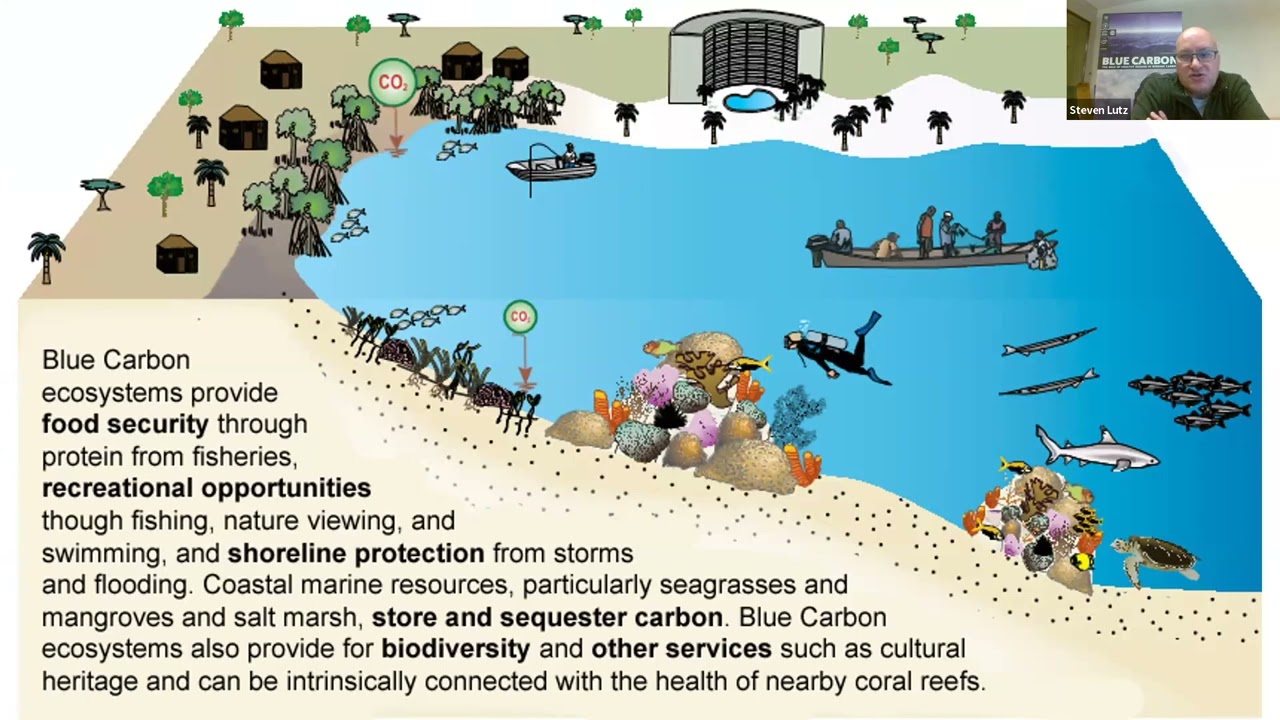
The Blue Carbon Concept: Familiarity with how coastal marine ecosystems (mangroves, salt marshes, seagrasses) capture and store atmospheric carbon dioxide, aiding in climate change mitigation.
Anthropogenic Threats to Coastal Forests: Knowledge of the primary drivers of mangrove deforestation, such as shrimp aquaculture expansion, coastal development, and charcoal production, particularly in Southeast Asia.
Principles of Restoration Ecology: Distinguishing between simple tree-planting (which often uses monocultures and fails) and ecological restoration, which focuses on recovering ecosystem function and biodiversity.
Hydrological and Topographical Rehabilitation: Studying how to assess and restore natural tidal flows and elevations, which are critical for the self-recruitment of diverse mangrove species.
Socio-Economic Frameworks of Community-Based Conservation: Examining co-management structures, land-tenure rights, and sustainable livelihood incentives (e.g., ecotourism, sustainable fisheries) that ensure long-term community stewardship.
Blue Carbon Finance and Policy: Investigating how mangrove restoration projects are certified and funded through international carbon credit markets (e.g., REDD+ frameworks, voluntary carbon markets).
Comparative Global Coastal Management: Analyzing the success and failure rates of CBEMR programs in other geographical regions (such as Indonesia, Bangladesh, or West Africa) to synthesize global best practices.
108.4K views1.8Klikes10:01Original Release: 2019-03-21
[Music] a typical early morning in southern Thailand fishermen are out on boats often before sunrise a decent catch back on land and women are digging for shellfish during low tide once caches have been sorted out and any extras have been sold at the market preparations for dinner can be made people here are intrinsically connected to the sea their lives depend on it a key to happiness and life here is a healthy mangrove forest mangroves ensure the Seas are rich and biodiverse they provide essential goods and food for locals and they also protect the land and coastal communities from rising sea levels and ever-increasing storms mangrove forests are one of the world's most threatened tropical ecosystems not understood nor protected huge areas have been cleared to make way for urban and tourist developments and agricultural expansion at least half of all mangrove forests in Thailand have been destroyed most of it for intensive shrimp farming businesses the steep decline of these habitats still continue today with little responsibility taken for the protection of existing mangrove forests recent studies and recognition of their importance has brought mangroves forward into the limelight of marine conservation and it's not just people in the tropics that benefit from these coastal forests mangroves serve as nurseries to a huge number of marine species and contribute to a significant part of our essential seafood resources all around the globe mangroves have also been found to sequester five times more carbon in its rich soils than tropical rainforest their important role in tackling climate change has resulted in increased global awareness and international support towards restoring and conserving these coastal forests mass planting projects have been very popular however the majority of seedlings die due to two main reasons planting the wrong species in the wrong locations or because the socio-economic issues causing mangrove loss haven't been solved prior to restoration now we see many failed plantations along the coast particularly on the mudflat areas planting alone if you're successful which rarely happens you end up with a monoculture plantation which is nothing like the original mangrove forests that existed before one organization has taken on a more holistic method of restoration with much better results it's called community based ecological mangrove restoration and the key to the success is learning from nature and collaborating with local communities the mangrove Action project in Thailand has been able to demonstrate that their effective methods of mangrove restoration is in everyone's interests and eliminates the reasons for failure one of our main projects really used to show that the old abandoned shrimp ponds can be returned back to mangroves so we have now three thirteen sites along along the Andaman Coast implementing the community-based ecological mangrove restoration method these are all really quite small sites and our mission is basically to demonstrate the methodology showing that these ponds can be restored a lot of research and analysis is involved at the start of any project knowledge of the local species the waterways and tides the context the communities is all taken into consideration when developing a plan any site that has experienced mangrove loss and clearing will have had its natural systems and terrain affected the waterways always need to be repaired and reconnected with surrounding areas with adjustments made to the disturbed topography this part of the project involves a lot of channel digging and Earth shifting and it's an opportunity for volunteers from around the world to lend the communities a helping hand this method of restoration ensures that seeds and nutrients are naturally distributed and trees grow in their correct zones guaranteeing richer biodiversity and a true natural mangrove forest with all the benefits in Nam mr. Kang like one out here hello I'm poppin my dang dong oh my goodness now I can go away we can pan come on you know banco de vikke they doing them Lenya copy lingo but nom nom yeah come on you aren't they boom I couldn't even hear in that appendix apart from war in Kenya and Namco come on I couldn't couldn't I got that good or bad some more yet some PR going yeah yeah my god anyway they got Towanda super caught might even Tonya me that iPhone couldn't be picked up the now monitoring and training workshops are held regularly with community members throughout the project to ensure a successful restoration whilst developing sustainable locally led conservation initiatives to benefit the communities and to take pressure off existing mangroves this empowering process creates a sense of ownership every project outcome is different depending on the area needs of the communities and potential opportunities the people of nine am village in Krabi province have created a sustainable and positive model for the management of their mangrove to support their restoration project the villagers here formed an Appy culture group and used bees to assist with the pollination of certain mangrove species qapla Quadra kuznia copious Winona County yeah - Piper some case or neck appointee by Charlie Collier llama Lea blue poodle oh yeah so an Ingo yaki I put the zero Leonie wound yeah Sumati etre papers on kids on appointed by challenge nine wife Nicole guys sang achieved Ayodhya Captain America aponogeton died way sagar cherubim on mine twenty battalion tipon by yamaha yama lego poly penumbra onion lakota meal in lights and lights and each map near caught up in dr. Boone kaboom kaboom me they call me Popeye II don't add to me me paying not me wiley-ieee knee bent on the village now has more than 300 beehives and generates an alternative and sustainable income from the various honey products with ten percent of the profits going straight back into a community conservation fund and their activities aren't going unnoticed with neighboring communities interested in learning their new skills and visitors coming from around the globe to see their project and buy their products boom it's a boomy tempo like a McCrimmon what's a boule like at each one called trouble yeah monkey Pepitone keeping your network on coke and infernally p'malee anti Barletta paycheck archive at ET multi-tap improve from nominally I think in a contract ID Martone we now recognize that a world without the rainforest by the sea wouldn't just mean a dismal scenario for coastal communities but would ultimately affect us all and our planet there is a growing urgency to increase the global area of mangrove forests and we are seeing bigger more ambitious projects to shift into a more positive direction globally much of it is about awareness and education knowledge exchange and bringing together partners for smarter more effective solutions to mangrove conservation and recovery our message would be to look more closely at nature and given the chance nature can self repair and restore itself much better than we could ever attempt to recreate it we would love to see our methods of regeneration being implemented at a larger scale so that mangroves have a better chance of survival and coastal people a brighter future [Music] you [Music]
Up Next
8:36
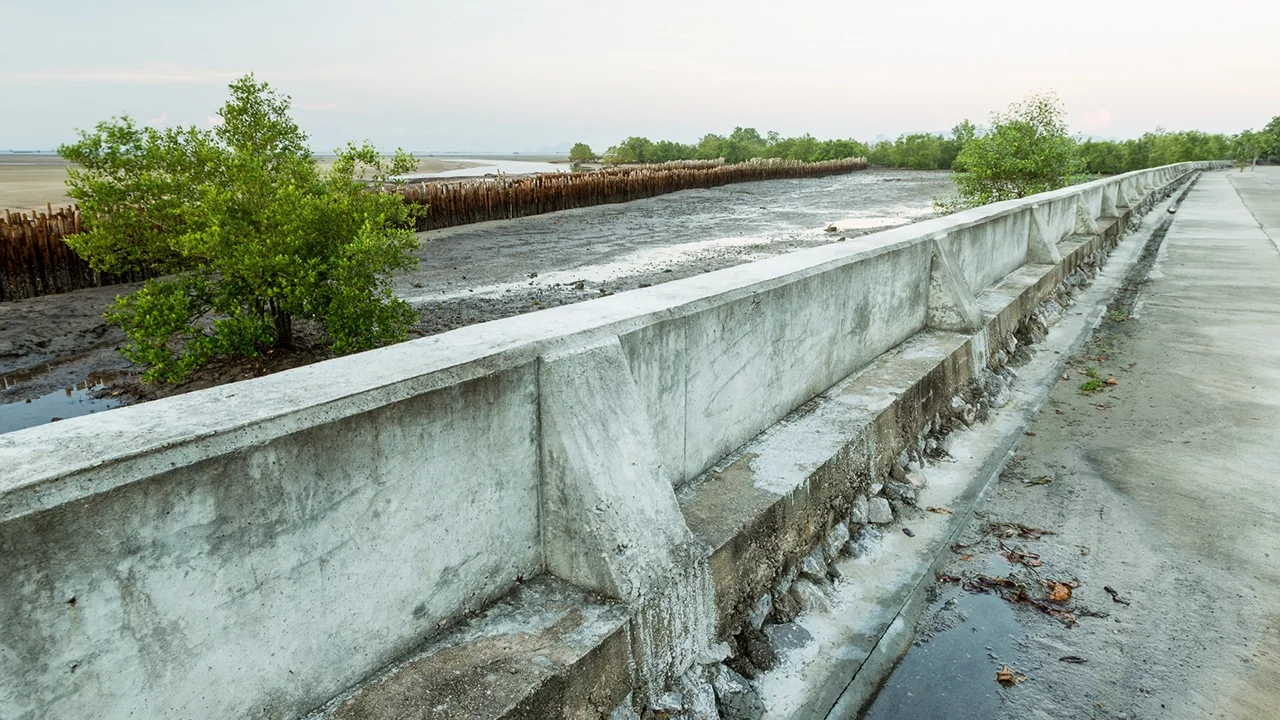
Mangrove Restoration: Nature-Based Disaster Risk Reduction
@MangroveActionProject-MAP
26.7K views•2016-05-02

15:54
Life in Biosphere 2: Sustainable Ecosystems & Human Survival
@TED
334.9K views•2009-06-16
14:30
Microplastics Everywhere: How Plastic Impacts Our Lives
@TEDx
100.9K views•2018-05-08
10:28
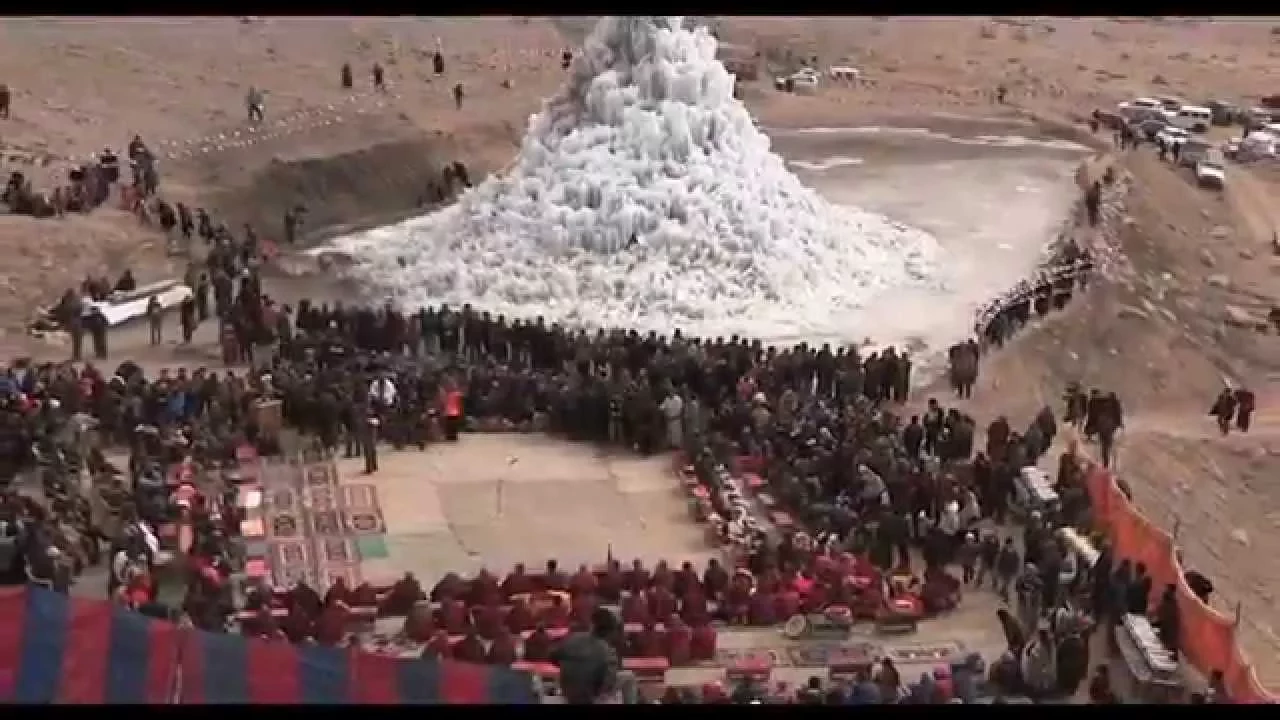
Ice Stupa Artificial Glaciers: Solving Ladakh's Water Crisis
@SonamWangchuk66
3.2M views•2015-05-03
Related Study Plans & Knowledge Roadmaps
Structured learning paths in Environmental Science
environmental-science
Ocean Noise: Cetacean Impacts & Mitigation
01Fundamentals of Underwater Acoustics
02Marine Mammal Bioacoustics
03Anthropogenic Noise: Shipping & Seismic Surveying
+ 2 more learning modules
16h5 modules
Explore Roadmap
environmental-science
Road Ecology: Corridors, Overpasses & Fencing
01Foundations of Habitat Fragmentation and Carnivore Ecology
02The Road Barrier: Ecological Impacts of Transport Infrastructure
03Principles of Ecological Corridors and Connectivity Mapping
+ 3 more learning modules
14h6 modules
Explore Roadmap
environmental-science
Ocean Acidification: Kelp Buffering & Shellfish
01Fundamentals of Ocean Chemistry & pH
02Chemical Pathways of Coastal Acidification
03Bivalve Physiology & Calcification Under Stress
+ 2 more learning modules
18h5 modules
Explore Roadmap
environmental-science
Ice Stupas: Glacial Retreat & Water Security
01Foundations of Glaciology & Mountain Hydrology
02Climate Change and Glacial Retreat Dynamics
03The Science of Ice Stupas & Artificial Glaciers
+ 2 more learning modules
14h5 modules
Explore Roadmap