






![Les solutions basées sur la nature sont-elles bonnes [...] face au changement climatique? - V. DUVAT](https://i.ytimg.com/vi/mYc7XxfARnI/maxresdefault.jpg)












Mangrove forests serve as critical natural buffers that protect coastal communities from storms, wind, and erosion by reducing wave height by up to two-thirds; however, over the past 50 years, mangroves have been severely depleted, particularly in Southeast Asia where shrimp aquaculture has destroyed at least half of Thailand's mangrove forests, but community-based ecological restoration methods can successfully convert abandoned shrimp ponds back into thriving mangrove ecosystems that provide superior coastal protection while sequestering 3-5 times more carbon per hectare than tropical rainforests.
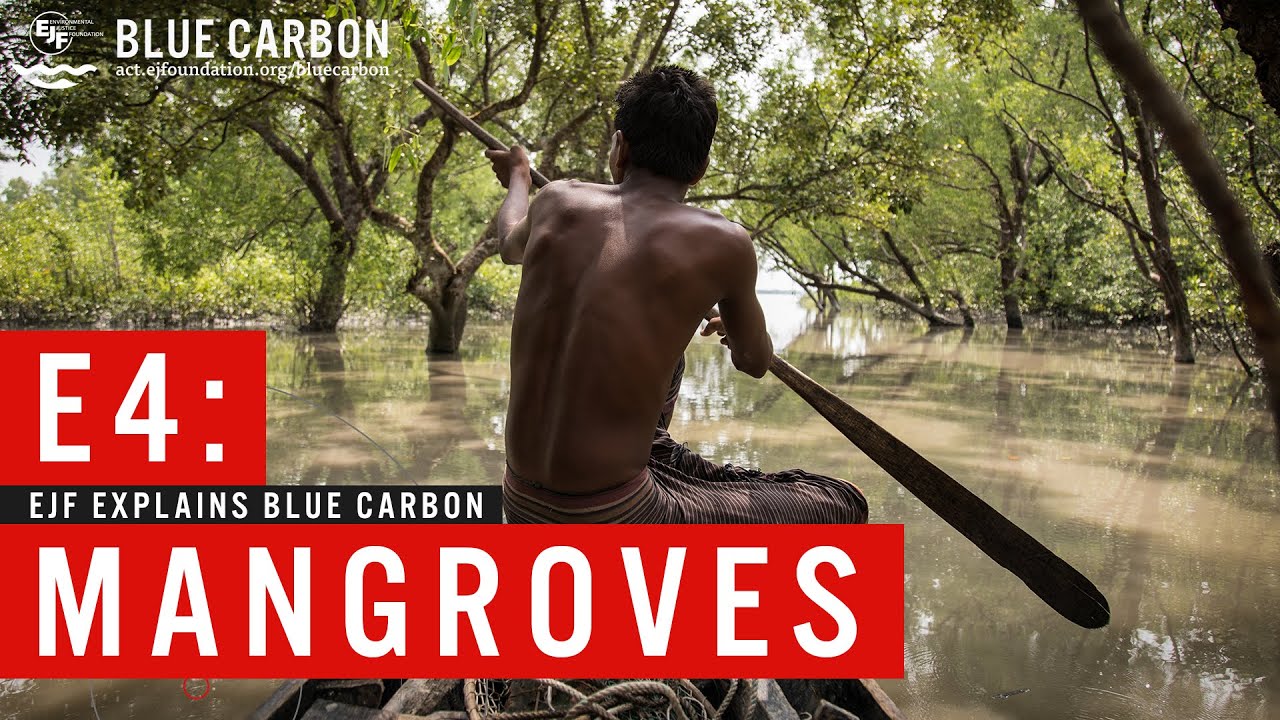
Mangrove Restoration: Nature-Based Disaster Risk Reduction
Added:The ecological characteristics of mangrove ecosystems, including their adaptation to saline coastal environments and intertidal zones.
Fundamental concepts of coastal hazards, such as storm surges, wave attenuation, and coastal erosion.
The distinction between active ecological restoration (re-establishing natural processes) and simple monoculture tree planting.
The basic definition of Nature-Based Solutions (NbS) and how ecosystems can function as protective infrastructure.
Blue Carbon science and the role of mangrove ecosystems in global carbon sequestration and climate mitigation markets.
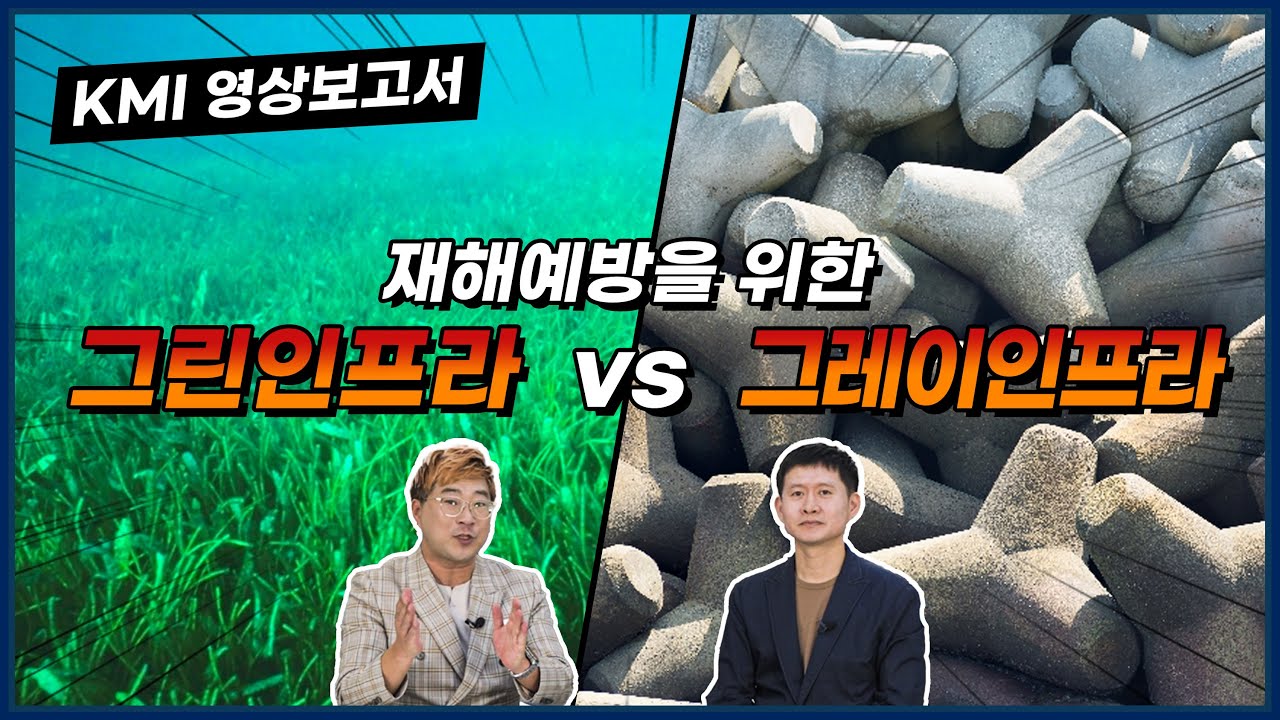
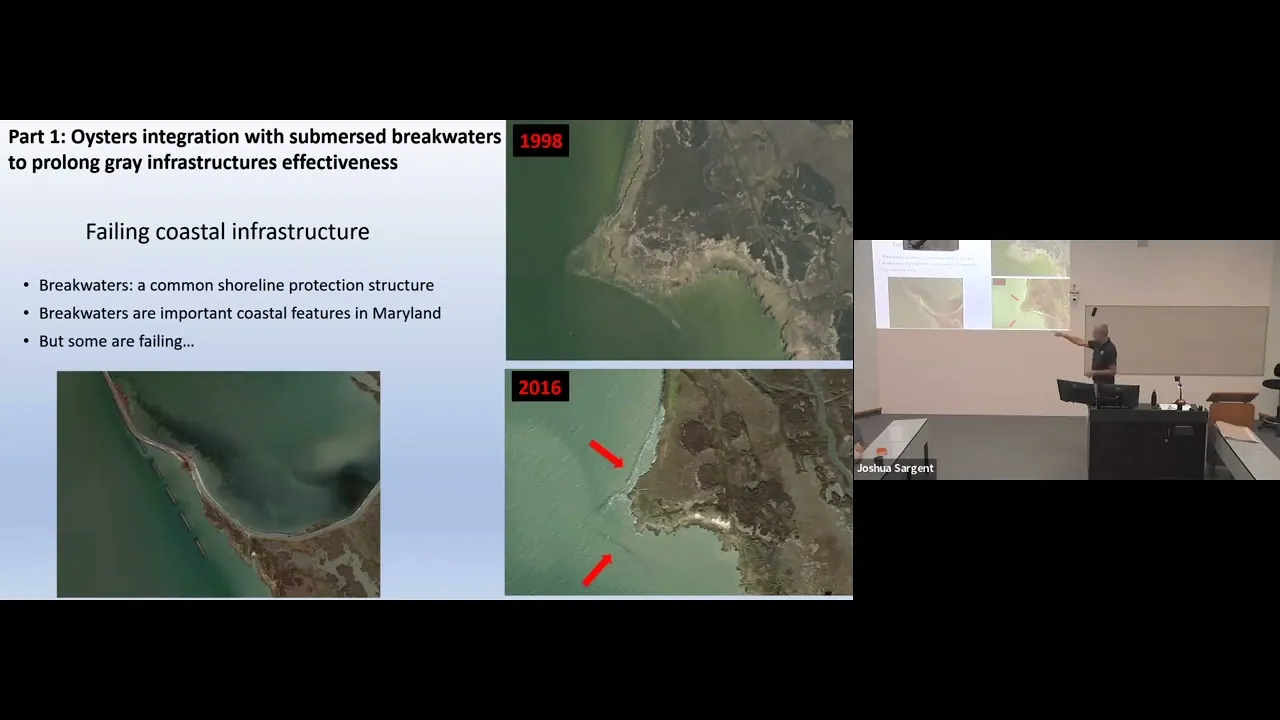
Comparative evaluation of green (nature-based) versus grey (engineered seawalls, dikes) coastal defense infrastructure.
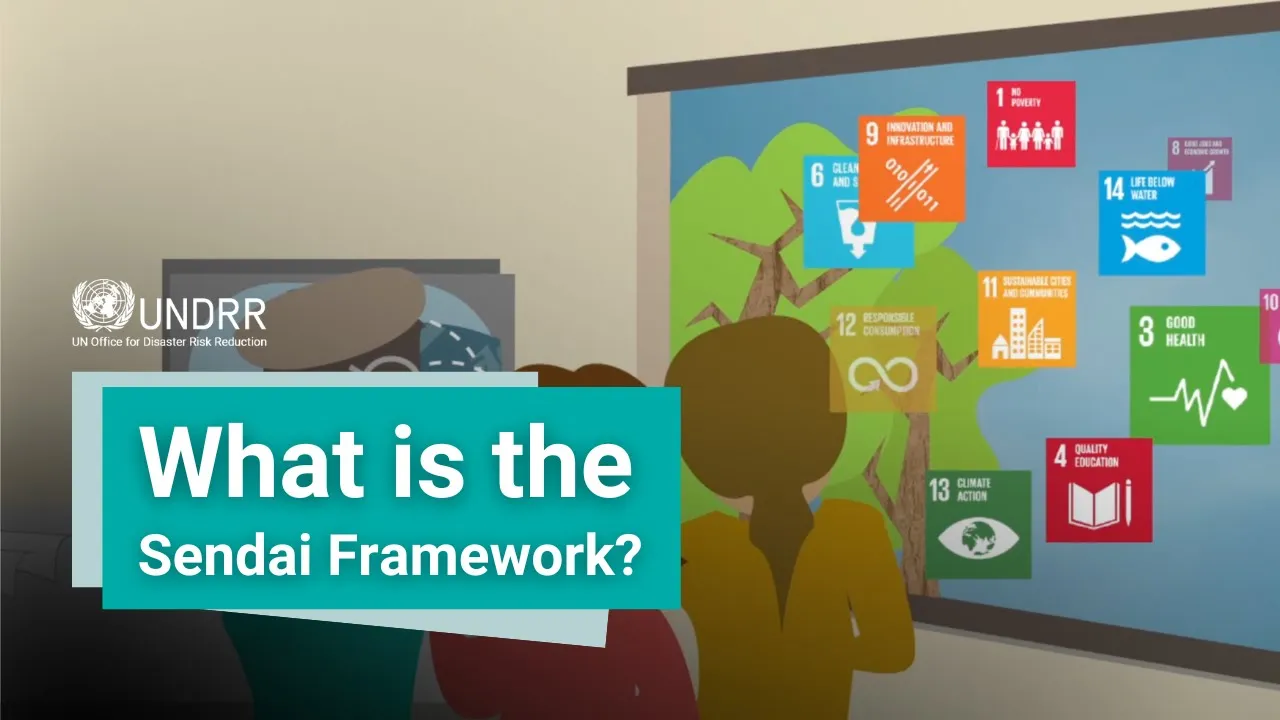
International frameworks and policies governing disaster risk, such as the Sendai Framework for Disaster Risk Reduction.
Advanced community-based co-management models and the integration of traditional ecological knowledge (TEK) in conservation policy.
26.7K views350likes8:36Original Release: 2016-05-02
The coastal mangrove forest is really the buffer between land and sea, playing the critical role of protecting the land and coastal communities from storms, wind and erosion.
Growing in the tidal beach zone, a 100m deep forest can weaken the destructive forces of a tropical storm and reduce wave height by as much as two thirds.
And with climate change, sea levels are rising and storms are becoming more intense.
Our coastlines and their communities are more vulnerable than ever.
As well as being nature’s shock absorbers, they have shaped the way people live on tropical coastlines for thousands of years, providing us with many essential goods and services.
Mangrove forests are rich in biodiversity and are important nursery grounds for many commercial fish species.
They supply firewood, building materials, medicines and a wide variety of foods to local people, and provide other economic opportunities such as eco-tourism initiatives.
Over the last 50 years, mangroves have depleted greatly.
The number one cause of destruction in Thailand, like other countries in SE Asia, has been shrimp aquaculture, which boomed from the mid 80s to the late 90s.
At least half of the mangrove forests in Thailand have been completely lost and a lot of what’s remaining is degraded.
Many shrimp farms are abandoned after just a few years.
There are now successful sustainable methods to restore abandoned ponds back into mangrove forests.
Today we’re on Koh Klang. It’s an island on the west coast of Southern Thailand in the Krabi River Estuary.
It’s a RAMSAR site for its significant importance at a global level and is populated mostly by Muslim communities of small-scale fisher families.
The low lying island has a highest elevation of about 1 metre above sea level making the 5,000 or so locals extremely vulnerable to any storm that hits the coast here, particularly in monsoon season.
Also erosion is happening very rapidly, especially on the exposed southern coastline where land is being lost up to 3 metres per year.
Khun Nit has lived here all her life, on the southern coast of the island, and she’s had to relocate her house inland 5 times in the last 20 years.
Her interest in mangroves grew as a result and is now an active community representative spreading the importance of mangroves Like the rest of Thailand, Koh Klang experienced a huge loss of their mangrove forests having been converted into shrimp farms.
Intensive farming for profits led to widespread diseases and contaminated farms were abandoned after just a few years.
One of Imam’s abandoned ponds is now a model restoration site for the EPIC project.
MAP has been restoring abandoned shrimp ponds back to mangroves using a method we call Community-Based Ecological Mangrove Restoration.
This holistic approach emphasizes restoring the hydrology of the site to facilitate natural mangrove regeneration.
The restored hydrology ensures that every species will grow in the correct zone, creating a more biodiverse mangrove forest, and avoiding the common problems of monoculture plantations.
Collaborating with communities is critical to the success of these projects.
They provide physical help, and local expertise and ideas.
We add to their local knowledge with technical understanding and equipment.
They are involved in all phases, from the planning stage, through implementation to long-term monitoring and protection.
This empowering process creates a sense of ownership for the long-term success of the project.
Still in it’s early stages of restoration after 3 years, we are already seeing a lot of marine life come back.
This has been very encouraging to people on the island.
As a coastal defense, restoring mangroves is more cost effective than building and maintaining concrete sea walls, and overcomes many of the problems with artificial walls, such as accelerating erosion elsewhere as waves are deflected downshore and standing sea water behind the walls when they are breached.
A healthy mangrove ecosystem has hugely valuable unseen impacts.
Their organic-rich soils have the ability to sequester 3 to 5 times more carbon per hectare than tropical rainforests.
They also protect coral reefs by trapping sediments and absorbing nutrients from the water, maintaining the health of our oceans.
Here, we are demonstrating the model of Community-based Ecological Mangrove Restoration at a small scale for others to follow at a larger scale.
There are over 250,000 hectares of abandoned shrimp ponds across the coastlines of SE Asia, perhaps nearly double that around the world.
Our vision is to restore these back into lush mangroves with the local people, greatly improving their lives, securing a more sustainable future, and ensuring the most effective protection from storms for generations to come.
Up Next

59:24
Climate Resiliency Planning in Miami-Dade | Everglades Law Center
@VoLoFoundation
105 views•2024-10-11

15:54
Life in Biosphere 2: Sustainable Ecosystems & Human Survival
@TED
334.9K views•2009-06-16
10:01
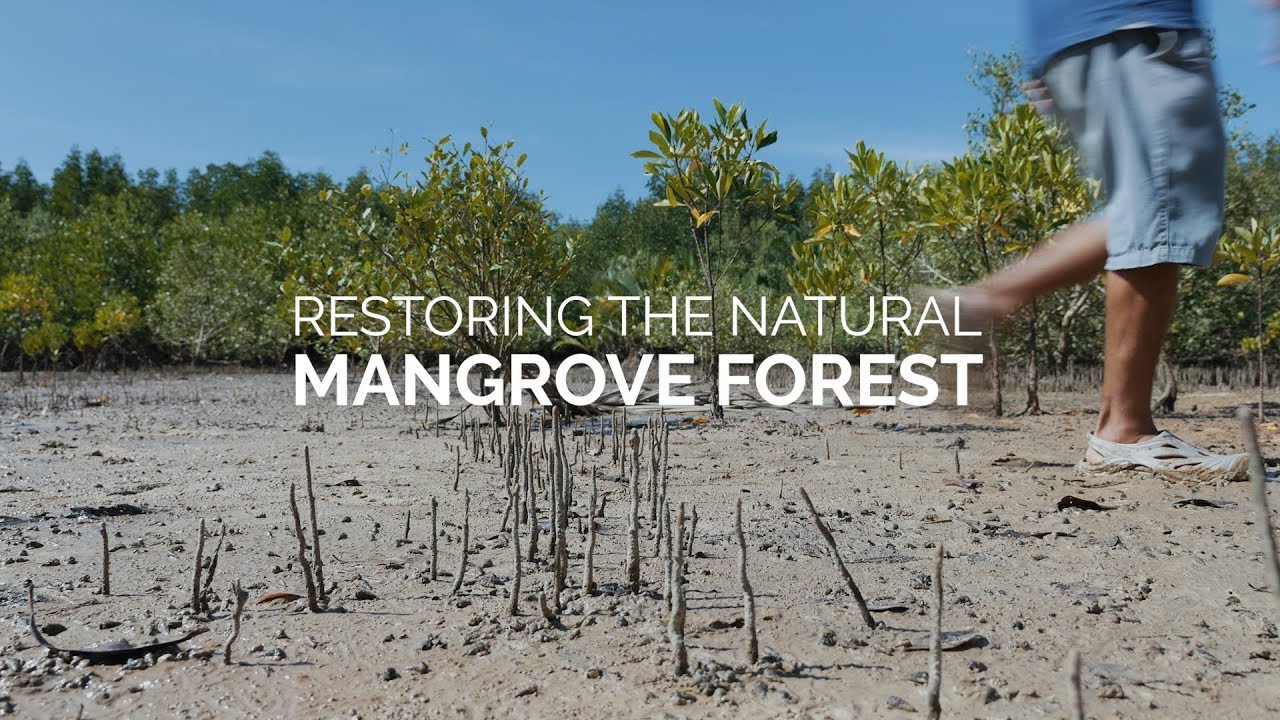
Ecological Mangrove Restoration Methods on Thailand's Andaman Coast
@MangroveActionProject-MAP
108.4K views•2019-03-21
10:28
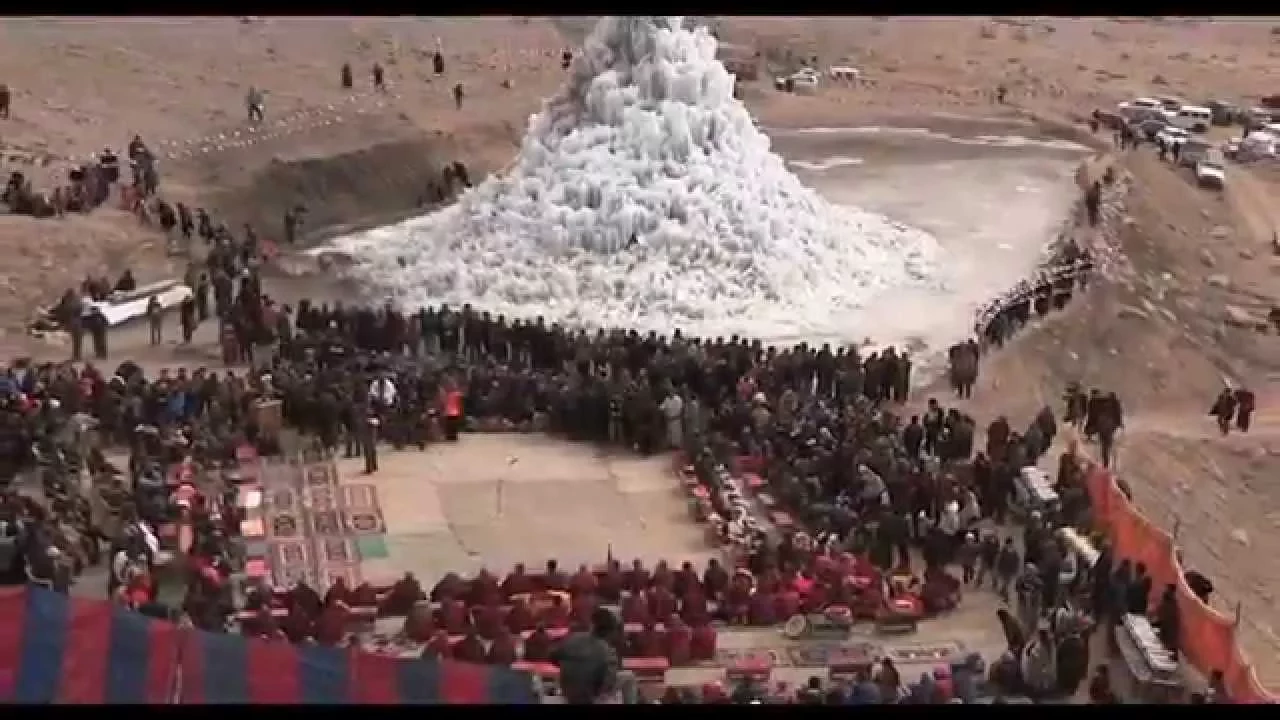
Ice Stupa Artificial Glaciers: Solving Ladakh's Water Crisis
@SonamWangchuk66
3.2M views•2015-05-03
Related Study Plans & Knowledge Roadmaps
Structured learning paths in Environmental Science
environmental-science
Ocean Noise: Cetacean Impacts & Mitigation
01Fundamentals of Underwater Acoustics
02Marine Mammal Bioacoustics
03Anthropogenic Noise: Shipping & Seismic Surveying
+ 2 more learning modules
16h5 modules
Explore Roadmap
environmental-science
Road Ecology: Corridors, Overpasses & Fencing
01Foundations of Habitat Fragmentation and Carnivore Ecology
02The Road Barrier: Ecological Impacts of Transport Infrastructure
03Principles of Ecological Corridors and Connectivity Mapping
+ 3 more learning modules
14h6 modules
Explore Roadmap
environmental-science
Ocean Acidification: Kelp Buffering & Shellfish
01Fundamentals of Ocean Chemistry & pH
02Chemical Pathways of Coastal Acidification
03Bivalve Physiology & Calcification Under Stress
+ 2 more learning modules
18h5 modules
Explore Roadmap
environmental-science
Ice Stupas: Glacial Retreat & Water Security
01Foundations of Glaciology & Mountain Hydrology
02Climate Change and Glacial Retreat Dynamics
03The Science of Ice Stupas & Artificial Glaciers
+ 2 more learning modules
14h5 modules
Explore Roadmap