















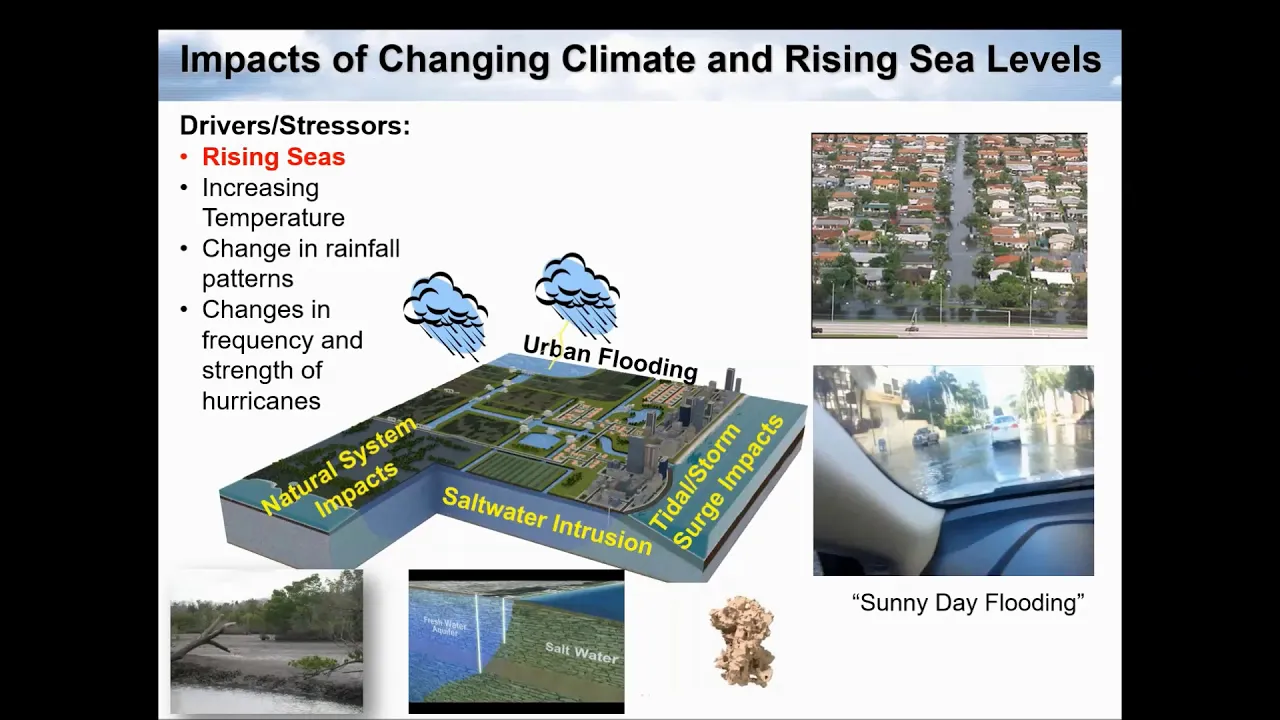



Miami-Dade County faces complex climate resiliency challenges due to interconnected environmental issues including disrupted hydrology from historical canal construction and urban development, which has degraded water quality and ecosystem health; these challenges are compounded by climate change impacts such as rising sea levels and altered precipitation patterns. Effective climate adaptation requires integrated approaches that connect water quality management, ecosystem preservation, and sustainable urban planning, as demonstrated by collaborative efforts between organizations like the Everglades Law Center, Miami Waterkeeper, and Tropical Audubon Society to advance policies like the impervious surface ordinance and protect critical habitats like the Pine Rocklands while opposing developments that threaten ecosystem restoration projects like the BBCR plan.
Climate Resiliency Planning in Miami-Dade | Everglades Law Center
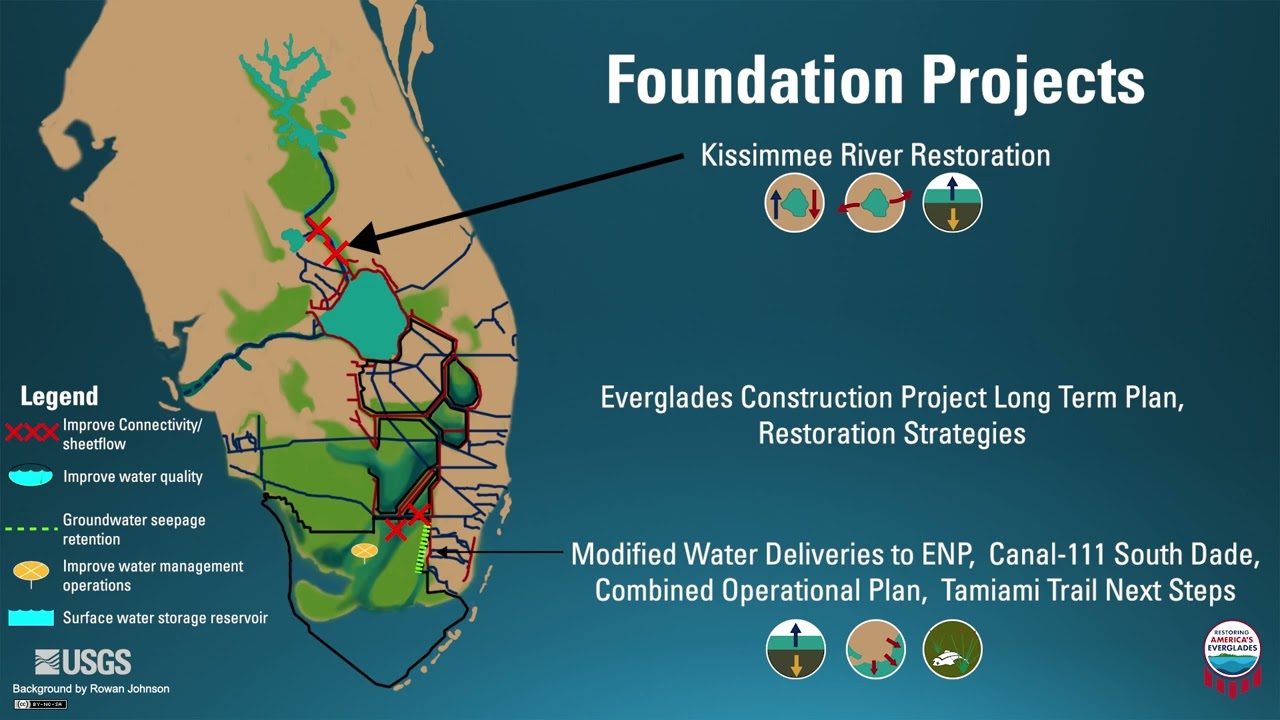
Added:for I think we'll just wait a couple minutes while people trickle in um yeah we'll give another two two or three minutes e for folks just coming in we're just going to wait another minute or so as people uh get on the zoom and then we'll get started thanks for your patience e e okay folks it's about 5 after the hour so we're going to get started thank you all for coming um welcome to Everglades Law Center Florida climate week panel on climate resiliency in Miami Dade County thank you all for joining us uh my name is Franchesca de Julio I'm a Staff attorney with Everglades Law Center we're a South Florida uh based nonprofit Law Firm that works on environmental issues throughout the historical footprint of the Everglades so really all of South Florida and we're so excited to be a part of AA foundation's great event this year and we're really delighted to be joined by a number of our colleagues and partners to talk about some of the opportunities and obstacles that our County faces uh in combating climate change and meeting environmental goals so um I'd first just like to say how happy I am to see so many people joining um particularly in the aftermath of hurricane Milton and Helen our thoughts go out to everybody affected um it's been a wild two weeks particularly for the West Coast of Florida so um I think in light of you know two recent hurricanes uh one after another uh working together to talk about and address climate resiliency issues uh is more important than ever so thanks everyone for for joining um today uh in this panel specifically we'll be we'll be talking about the intersecting environmental issues that underly and affect Miami D's climate resiliency and we'll be looking at the geographical hydrological ecological and infrastructural issues that make climate planning in this region particularly important and often difficult and we'll be talking about um gaps in our current regulatory schemes and considering legal policy and educational and Outreach opportunities to create a more resilient future here in Miami date so I will share my screen got a couple of slides here for everyone um one moment all right can everyone see that yes yes okay thank you Lauren all right so we have some wonderful panelists today um three experts uh in all of these climate resiliency issues whove worked in this region and throughout Florida on environmental issues for many years and you'll see up here that there are actually four four people named um and unfortunately uh one of our panelists Rachel roie from EDF will not be able to join us today due to impacts from Hurricane Milton um and we'll we'll miss her insight and her expertise but we'll still cover a lot of the same topics and we'll have a great discussion so um I will give our panelists a quick intro and let them say hello and um Talk a bit about their experience and their work and then of course we'll hear more about uh all the work they do throughout the panel so first up I'll intro Audrey Sue who is policy director with Miami water keeper Audrey would you like to give us just a quick summary of your experience and your work with water keeper sure thank you so much Franchesca it's a pleasure to see everybody today and hope that everybody is safe after the storm I am the policy director with Miami water keeper I've been here about three years um running the policy shop means I wear a lot of different hats but I think you'll most often find me slaving over a hot laptop and uh looking deep into government regulation and trying to pull the levers of policy that promote clean water uh prior to coming to Miami water keeper I did environmental Consulting working on behalf of developers and prior to that I was with the core of engineers as a regular later thank you Audrey um next I'll turn to Lauren jitis who is the senior conservation director with tropical aabon society which is the local chapter here in Miami dat of the National otoban Society Lauren go ahead sure hi everyone thanks for being here very happy to be here myself today um so I'm the senior conservation director with tropical aabon Society and our mission is to protect and conserve South Florida ecosystems focusing on birds other wildlife and their habitat and what I do is the conservation aspect so it is a lot of policy work um I am meeting with our elected officials attending County Commission meetings and advocating you know for our Wild Spaces um I'm also involved with uh you know Everglades restoration projects bisc Bay um and preserving also um um our endangered species that reside here in Miami County before uh my job at Tropical I was also in the Consulting World um and worked for developers as well I was a coastal scientist and did a lot of coastal work and prior to that I worked for Florida Fish and Wildlife um where I was working with sea turtles thank you thanks Lauren uh and finally we have my boss uh uh executive director of Everglades Law Center Elizabeth F Carpenter hi thanks Franchesca um I I think Franchesca did a great job kind of summarizing the work that Everglades Law Center does um but yes I'm Elizabeth T Carpenter the executive director and our mission at ELC is to excuse me is to uh Advocate negotiate and when necessary litigate to protect and preserve South Florida's ecosystems and communities and that's really what we do a mixture of advocacy litigation and Community work um across the entire historic Everglades ecosystem which is really Orlando down to the Keys um and we work with our wonderful partners uh like Lauren and and Audrey at Tropical aabon and Miami water keeper and and many others to make sure that we're addressing um environmental concerns throughout the ecosystem holistically um and as effectively as we can so happy to see everyone here today thanks Elizabeth um and thanks everybody for introducing yourselves um I wanted to give uh all of our panelists that opportunity to say say hello and sort of talk about the work that their respective organizations do because the purpose of this panel really is to point out that while we don't all work in exactly the same areas um for example some of our work focuses more on habitat and species conservation some on water pollution and some on sustainable development urban planning issues um we all sort of have a through line in our work um that is intersected by by climate change and um a number of different environmental issues that are impacted by that so we collectively use a variety of tools including legal and Regulatory intervention like litigation uh education and Outreach scientific monitoring and policy and advocacy tools like lobbying um but we want to work in a more integrated way and to uh recognize that all of the environmental issues that we try to tackle are not silos and there's a push and pull and a balance that we're working to um to hit between um our built environments and our natural environments and um Miami's ability to mitigate and adapt to the impacts of climate change will affect both of these built and natural environments and it's becoming increasingly necessary to understand this overlap uh between these uh variety of environmental issues and develop resiliency solutions that are um that work together that are not too redundant and that do not like step on each other's toes um across issues across agencies and across stakeholders so all of that to say uh that working together is really important having these discussions is really important um and yeah with that I will I will jump into some questions for our panelists so first up is Audrey um Miami water Keepers work uh as implied by the name focuses heavily on water quality which is really a great connector of all of our work and climate issues here in Florida so could you just start by giving us a brief overview of the historical and natural hydrology of the region just to sort of set us up for this discussion sure absolutely and totally agree with you water is the connector between our organizations and the work we do and Miami water keeper always starts with the science and the science we need to establish a baseline so thinking back to the Bas line before urbanization South Florida was once largely a Continuum of wetlands from the Everglades to the Bay water used to course slowly and approximately west to east Feathering to the coast freshening estuaries and life in South Florida is adapted for those conditions fresh nutrient limited phosphorus limited water and because water moved so slowly and through natural filters like wetland things like sediment nitrogen and phosphorus would settle out or be taken up by plants and that resulted in clear clean water and when my parents moved here in the 60s they said that biscane bay used to be gin clear but in order to urbanize we drained the wetlands by carving through porest Limestone substrate we carved a network of canals to drain the water off the land and we've covered the land in impervious surfaces like concrete and asphalt and this has disrupted the natural filtering capacity of the landscape our Bay is as we all know bcan bay is no longer gin clear but often a chalky gray thanks to these anthropogenic changes in hydrology and destruction of ecosystems can you go to the next slide please so South Florida's ecosystems are dependent on water they're dependent on the quality quantity timing and duration of water if you get those right you get amazing biodiversity from east to west they would be our coral reefs our Dunes our mangroves our freshwater wetlands and all of these impart multiple benefits to human beings as well lined up from east to west they act like a series of speed bumps to slow down dangerous storm surge so that's our historic Baseline thanks Audrey um and you you started to touch on this a bit or at least maybe maybe I just start to see the connections because I work in this area but can you can you discuss a bit how um current water quality um and the current state of things after all of these many changes over the past Century um how these current water quality issues in Miami Dade are tied to broader climate resiliency issues and off of that what policy changes do you think are necessary to protect our waterways from climate impacts I think the first thing to remember is that climate change is a forceful driver of hydrologic change when I think of climate change I think of hydrolic change and people often think of rising Seas as an indicator of climate change and that's true though in South Florida waters underneath our feet are also Rising so this porous Lime Rock sponge on which Miami is built is influenced by both water falling from the sky and seas pushing over land and through porous Lime Rock through that aquafer beneath our feet and Rising groundwater inundates underground infrastructure so I want to use septics as an example of the water quality challenges in Miami dat County um so just using this one example um we have approximately 120,000 septic tanks in Miami dat and many of them are becoming compromised if not not outright failing due to this Rising groundwater inundating tanks leads to Flushing of raw sewage into the ground and surface water um we think that septic tanks at Homes located close to the Bay are quickly transferring sewage into canals and Bay Waters and I've lived along a canal in a neighborhood that is um on septic we didn't have Municipal sewage connection and I could smell it after a heavy rainstorm it's pretty awful so so the policy change is to require owners of septics to convert to the municipal sewage system so that there's no open drain fields at each home that can be inundated and this is expensive um another policy option is to provide financial help to homeowners um Miami day does have a recent septic ordinance that Miami that Miami water keeper supports um because it updates standards for septics and the county ALS Al has a septic sewer trust fund that we support but we believe it needs a lot more help and funding so I think the big picture is that we need these big top- down government controls to compel change but they're going to be expensive and average people are going to need financial help thank thanks Audrey um based off that I I you know I know all the the great work that water keeper does and um I know that your role involves policy advocacy and legal action um often working alongside uh the attorneys at Everglades Law Center and I wanted to give you the opportunity to uh discuss a recent legal or policy win that Miami water keeper has been involved in uh to advance climate resiliency in the region or uh improve water quality conditions in the region and yeah based on that what what lessons can we learn also sure um there was a big recent win this is our impervious surface ordinance and you know impervious surfaces roads sidewalks parking lots they you know prevent water from soaking into the ground and this of course leads to increased storm water runoff which carries pollutants into our Waters exacerbates flooding and reduces that groundwater Aquifer recharge um this is problematic without climate change but if you add changes in precipitation patterns because climate change also means hydrolic change um the issue becomes much worse so climate change means more variation around a central mean longer dry spells and then these massive rain events rain bombs and that means that the soil has less capacity there's less dry soil to hold on to water um so this is why this recent passage of the countywide impervia surface ordinance is real Boon and it sets standards for storm water quantity and quality it requires erosion controls and it promotes the use of permeable materials and greenstorm water infrastructure so I've included this image of something I think is greenstorm water infrastructure it's a tree um so basically GSI takes inspiration from how Mother Nature used to treat storm water captures it holds it slows it down and treats it close to where it falls before releasing it and the benefits of this ordinance include reduced flood risk and improved water quality from requiring things like GSI and this is critical to resilience efforts so Miami water Keepers involvement was to work with Everglades Law Center on really pushing and promoting this ordinance while also in the background trying to make it better and I know that tropical udon was involved as well so um many members many groups came out to support it and I think that setting up action alerts and uh having folks go down to County Hall and comment in favor really um gave the Commissioners the confidence that this would be good and widely supported I think lesson learned is that you know if people pay attention to what's going on in government then we can all do great things love that Audrey I also I love the I love the picture I think a lot of folks don't necessarily think of green infrastructure or um you know important important change like that is just being a tree we can just fall back on existing natural features that will improve our cities and our our landscape design um thank you so much so I think that Segways quite nicely actually into some questions I wanted to pose to Elizabeth um on the sort of other side of the coin um as an attorney and as someone who understands the Regulatory and statutory Frameworks in place in Miami um what are some of the major obstacles standing in the way of resiliency Audrey Audrey just spoke to the um the big strides we've made in our our new storm water ordinance but what's what's left standing that you could see Improvement for yeah thanks Franchesca so um yeah as Audrey mentioned there's so much room for improvement in the way that we approach some of these things but I'd say two of the biggest hurdles um that we see with our work at Everglades Law Center is the complexity of the regulatory framew work and the complexity of the ecosystem so kind of to address the first one the complexity of the regulatory framework um in a lot of instances especially when it comes to local municipalities implementing resiliency efforts local municipalities are having to look at local ordinances County ordinances state and federal so there's quite the the stacking of Permitting and regulatory requirements and I think where we see this coming up against some problems uh the most is again with those small local governments a great example of this is the stormw water report card that we actually engag with Miami water keeper so uh ELC and Miami water keeper were interested in how well local municipalities in Miami D County were complying with storm water regulations governing the discharge of pollutants where it's being discharged the infrastructure the maintenance of the infrastructure things like that so we did a deep dive into what was actually required and then uh looked at every municipality to see whether or not those municipalities were complying with those requirements and we found that not a single m municipality in Miami day County at the time we did the report card about two years ago not a single municipality was actually fully in compliance with the regulatory requirements and um that that really ran a very broad gamut from large municipalities like Miami Beach that were maybe missed a thing here or there but we're doing a pretty good job to smaller municipalities that maybe only had one full-time staff member and were having a lot harder time wrapping their heads around the regulatory requirements and then complying with those requirements and so the discrepancy in resources among local governments overlaid with the complexity of the regulatory requirements um you know causes some issues with compliance and with our progress towards climate resiliency and so once we realize this uh ELC Miami water keeper started meeting with those local those those smaller local municipalities to see how we could help them bridge that Gap in understanding the regulatory requirements and then connecting them with resources or with County resources um and other organizations who could help bridge that education Gap and the resource Gap so that's something that we're always working towards um in dealing with the complexity of issues and the uh the complexity of issues and the the diversity of resources around that and uh the second thing I mentioned was the complexity of the ecosystem so I know we Audrey did did a wonderful job to kind of describing the broader Everglades ecosystem and that is a thing that Franchesca and I talk about all the time that run into it when we say uh we have to save the Everglades or we're the Everglades Law Center most folks think that the Everglades is just Everglades National Park but the Everglades ecosystem uh is the entire Watershed which begins just south of Orlando and runs all the way down to the keys so when we talk about how projects um in Lake okachobee or in Martin County actually are impacting our resiliency and climate efforts in Miami day County that seems really attenuated to folks but water is Flowing from the north through Lake Oobi down through water conservation areas into Everglades National Park and through our porest Limestone through Miami day County and bisane Bay so um a great example of this is the lake Kobi system operating manual which the Army Corps of Engineers um just finalized and this basically is the schedule that determines where how and in what quantities water from Lake Oobi is getting distributed um including distributed South so if we want to make that the Everglades and the Everglades National Park both both the Everglades ecosystem and the park are fully hydrated so that we can have drinking water for roughly nine million people in Miami Jade and Broward counties so we can have a full aquifer that keeps saltwater out of our drinking water and so we can be completely resilient to to climate we need to look at how water is coming out of Lake okobi and so explaining or um working with local governments on understanding the interconnectedness of the ecosystem um you know is a is is a complex issue that I think all of our organizations um have to have to deal with as we're advocating or pushing for a particular climate resilience measure um and the same goes into play with uh some development threats which which I hoping we're going to talk about a little bit later but sometimes we oppose a particular development on the west side of Miami Dade County and it's not immediately clear to some policy makers or community members why something on the west side of Miami Dade County actually impacts the health of bis Gan Bay and it's because of that hydrological connection in the very low um line area we have in Miami day County thanks Elizabeth and yes we are going to talk about development issues um that actually Segways perfectly into my next question for you um you you talked about the interconnectedness of the system um and that's that's really right it's it's not just the water in our backyards it's not just the parts of the Everglades that Miami did County directly butts but the entire system is connected all the way from Lake Oobi out through um the keys and into biscane Bay so um considering we're we're really a pocket of urban area um in the midst of all of these sensitive ecosystems um and highly bi biodiverse ecosystems um what issues have have you encountered that reflect these sort of dueling pressures of the growing population of Miami and the super uh Urban landscape of much of Miami uh and the worsening effects of climate change yeah I think that's a that's a great question Franchesca and I think um one of the biggest issues is um timing you know we're moving forward with a lot of phenomenal restoration projects and climate resilience projects happening in Miami Dade County um and most of those projects need or will be utilizing some of the very limited remaining open land we have and so when we're planning these projects what we're seeing at the same time is that development threats and urban expansion are coming in and trying to VI build in that those last pieces of remaining land that we have and so that conflict between you know our long-term ability to live in Miami Dade County based on the climate resilient and restoration meas we Implement now and growth is something we're constantly fighting and that actually you know litigation is just one small piece of whatever glazes Law Center does but this type of conflict um you know is one of the the pieces that we end up seeing the most litigation within the Furon and actually I think I have some slides I'd love to use um one of the biggest ecosystem restoration projects in Miami day County as an example to talk about that conflict and one of the pieces of litigation um that we've been working on with our partners to prevent that conflict from happening so um the comprehensive Everglades restoration plan it also known as serp is the federal government's project to ReStore the greater Everglades ecosystem and the flow of water naturally through that system one of the projects within that uh actually encompasses all of Miami day County so you guys will see that here on the map on the right um and that's referred to as the biscane bay Southeastern Everglades ecosystem restoration plan or BBC because uh everyone knows environmentalists love their acronyms as does the Army Corp of Engineers so this project is by far the most significant ecosystem restoration project that the federal government is involved in in Miami day County um is specifically addressed to restoring biscane Bay so the graphic I I just I love this graphic because the the implementation project is very complicated but it kind of shows the four main goals uh one of them is to keep Everglades water in the Everglades so we have that drinking water and that saltwater intrusion prevention the second one is to uh well improve I guess the second one is to improve Coastal Welling which you'll see in the bottom kind of Northeast and and South portions of the map in the blue and one of the and then the third most significant I'd say is to move water from the north end of Miami day County where there's too much water from storm water Urban Development and runoff to the south portion of Miami day County and bis Gane Bay where biscane Bay desperately needs the addition of clean freshw water flow because it's far too saline down there um and then add additional water to the syst system because we're not getting enough fresh water in bisc Bay so as you can see this is a really massive project we've been planning it for three plus years and the project is still not being completed because of the scale and the potential uh significant benefits that this can bring want hit the next slide so as we're working on this wonderful everglaze restoration project we um you know Miami day county has this very unique thing that not All Counties have but it's wonderful in the Miami day County called the Urban Development boundary and you'll see that uh on the map on the right that's what the black line is and the idea is that we don't want to uh develop with sprawl and have Urban Development grow South and West until all of the land within the Urban Development boundary has been utilized and we've run out of land one of the motivating reasion for this is to protect open land and agriculture for some of the ecosystem benefits we've already been talking about climate resilience drinking water habitat for for um endangered and Indigenous species and so um that's that's one of the tools we have in our toolbox to protect the open land for restoration while the the environment is growing or I'm sorry while the urban area is growing and so I don't want to read these things on the left piece by piece um but you know I just want to draw everyone's attention to the last bullet points which shows what the udb is intended to protect outside of the which is Wetlands agriculture water quality drinking water habitat the list goes on and on so next slide so we have this great restoration project we have a line in place in Miami day County to protect the land we need for that restoration project but then in comes a development threat and again this is just one example of many of the threats that we're seeing in Miami day County um so this particular threat that that all of our organizations pushed back on is called the South State logistic and Technology District if you look at the map on the right you can see that red star showing where this proposed development was outside of the Urban Development boundary uh the proposal was for 400 Acres of industrial property but the problem is is that there's enough land inside of the Urban Development boundary for an additional 400 Acres of industrial property so there's no need to move uh the Urban Development boundary and allow this development outside of this area which currently is agriculture lands can you hit the next slide so this is a picture of that particular property and not only is there no need to move the Urban Development boundary for this but the particular land in question is included in every single alternative for bbcr for our ecosystem restoration project and that's what this map is showing on the right here with the red circles and uh this is one of the best performing components of vbcr that is designed to restore biscane Bay and um it's included as a water preserve area in both of these move on to the next slide so we have ecosystem restoration we have a proposed development threat that is intended to uh a a development threat that is conflicting directly with that restoration and here's some of the negative impacts that we're expecting to see from that the property has been flagged as a water preserve area in every single alternative as I mentioned one of the best performing components of BBC in all of the modeling runs this particular land would be filled with water uh and would be used to improve water quality quantity and salinity to restore near short habitats in biscane Bay and would also serve as a barrier for climate change and storm surge um not to mention the pretty significant habitat impacts of Paving over open land that is being used um as a habitat for a number of endangered species so um unfortunately because of the complexity of the ecosystem here not everybody realizes the implications of a development like this in the face of a restoration project and a focus on restoring bis gain Bay so this project was unfortunately approved and the Everglades Law Center along with some of our wonderful Partners um and our client Dr Nita Lewis challenged the approval of this project and we are currently in litigation against the county and the developers to make sure that this project doesn't move forward so that bbcr and other ecosystem restoration projects can um we've actually won that case in the lower court and that is up on appeal right now um but we are you know we are going to keep up the good fight and in a good position on that now um but yeah I just wanted to use this as an example of some of the conflicts that we're seeing and some of the pressures that you mentioned Franchesca between the growth of the urban environment and the climate resiliency efforts that our our our organization our partner organizations are working towards thank you Elizabeth I I totally agree I think that's a really great example of um a really multifaceted issue in Miami Data you know it affects the water it affects how we use the land it affects um our Urban and our natural environments and it of course will all be impacted by climate change so um now Lauren um on to you um I wanted to ask you um as senior conservation director for an organization uh with a mission to protect and preserve Wildlife biodiversity in South Florida and namely Birds um how do we balance the immediate need for climate adaptation um and our need to really uh ramp up our response to climate change which can often mean infrastructural changes uh with our need for long-term ecosystem preservation great question thanks Franchesca so balancing immediate climate adaptation needs with long-term ecosystem preservation I would say involves a multifaceted approach um which I'll summarize in five steps so first it's really really critical to incorporate integrated planning where you could combine adaptation strategies with conservation efforts so for example you know we touched on this a little bit earlier but utilizing green infrastructure can help manage flood risk while also supporting biodiversity so at Tropical aabon Society I know Miami water keeper and ever's Law Center as well we're always advocating for green infrastructure solutions for climate adaptation like for example um preserving or creating Wetlands right so we know that Wetlands support a wide array of bird and Wildlife biodiversity um but unfortunately many of our wetlands are you know under threat um including our Wetlands of regional significance and they're under Threat by Urban Development and sprawl which Elizabeth talked about a little bit earlier so we're always trying to meet with our elected officials and local governments to educate them on the importance of preserving wetlands and other sensitive ecosystems as it relates to climate adaptation and how our community can leverage development strategies to preserve natural lands and critical environmental areas um second I wanted to say and talk about it's so important to involve local communities in the decision-making process right local communities they have the traditional knowledge they have the vested interest in both adaptation and preservation so for example we talked a lot about Everglades restoration but this is a great example because the federal governments the Army Corps of Engineers and the state the south Florida water managment District um and other uh state agencies have been very mindful in including local communities in the planning and implementation of Everglades restoration and that's something that all of our our groups here are continuously endorsing and being part of um third I would like to to say it I think it's really necessary to PRI prioritize restoration of degraded ecosystems because that can provide immediate benefits right like flood control um while also enhancing long-term resilience and biodiversity so I love to bring up this example of a degraded ecosystem so the pine Rocklands um Pine Rocklands are considered a globally critically impaired habitat that's unique to South Florida and the Bahamas but unfortunately in Miami day County um there's only less than one.2% of this forests that exist out of outside of Everglades National Park the these forests are extremely biodiverse they they hold uh over 20 federally listed species and they're but they're so important for Community benefits as well not just biodiversity but Community benefits right they counteract the urban heat island effect so that's caused by dense concentrations of pavement and buildings that absorb and retain heat they could help with other resiliency efforts you know they take in flood water um so it's really really important that we prioritize restoration of this degrad ecosystem um Miami County has taken great strides here um they established the environmentally endangered lands program or eel all referred to and I'll speak a little bit about that later um and they also increase funding for acquiring lands like Pine Rocklands or other environmentally sensitive lands like mangroves and coastal areas um and and and funding to maintain those lands I also want to talk about education I think that that's probably the fourth step right that's so critical is education and awareness um and it's important to raise awareness about the importance of adaptation and ecosystem preservation um and that helps Foster a culture of sustainability right so uh our organization at Tropical aabon Society we run a free adult education program called the tropical aabon ambassador program where we teach about South Florida's sensitive ecosystems and then we also teach um Advocates had to become more engaged and educated um and how they could really advocate for the ecosystems they love um in their communities so it's very rewarding to see ambassadors graduate from this program they come with me to County Commission meetings or meetings with other elected officials and they they utilize the power of their voices um and and to protect those those sensitive areas and then I would say finally it's really important to implement flexible strategies that that can evolve right based on new and changing conditions so that allows for adjustments as both climate impacts and ecosystem Health are you know evaluated and monitored so as we're seeing with Everglades restoration it's it's flexible so they're using flexible strategies and adaptive management um you know uh the comprehensive Everglades restoration plan there was the yellow book right that was the plan for Everglades restoration but that could be that needs to be adaptive so if science guides us in a Direction that's different from original planning that's how adaptive management works thank you Lauren um and that touched that touched on a a couple different topics that we've we've gotten to earlier um and I wanted to ask you uh a little more specifically about some of these uh sensitive native ecosystems in Miami Dade um how how can these adapt better to climate change and what can we do um to make sure these aren't um too negatively impacted so yeah so and like to ramp up our response right to climate change impacts right so as we talked about Miami County does have a lot of different sensitive ecosystems I mentioned the Everglades Pine Rocklands Wetlands there's there's more you know our coral reefs our sea grasses and each play a critical role in you know biodiversity environmental health um but they also help hugely with our response to climate change um and also as we protect and restore those are so again I'm going to mention the Everglades but I love returning to that example because they are critical they're critical component of a broader climate action strategy uh providing you know they provide environmental economic and social benefits that could help mitigate and adapt to the impacts of climate change so uh as many of us are aware you know the Everglades is able to capture and restore carbon dioxide right so they do that it does that through carbon sequestration so that reduces greenhouse gas levels in the atmosphere it also acts as a natural sponge so it absorbs that you know access uh excessive rainfall it reduces flood risk that which is very very important as climate change leads to more intense and frequent storms but it's been a challenge right um to preserve the lands for environmental restoration as you know Elizabeth explained earlier um it's constantly under threat um from Urban Development in sprawl so just talking here you know I know Elizabeth touched on this but we do have what the Urban Development boundary line as you could see on uh the slide here and I just want to be clear that this does identify areas where Urban Development may occur through the year of 2030 um so all land within the boundary is permitted for development consideration while areas outside of that line um essentially is is not permitted for development so it really acts as that barrier to prevent development from coming too close to environmentally sensitive lands like the Everglades and as you could see in the map here we're we're showing you know we see the Urban Development boundary line in black and then you could also see the wetlands of Ral significance and also the overlay of the conservation conserv comprehensive Everglades restoration plan um you know and so unfortunately a lot of development threats uh towards Everglades restoration is probably our biggest challenge uh to date thank you Lauren um and I also wanted to give you the opportunity to highlight um um one of your well one of Tropicals and one of your personally also recent successes um in protecting some of these uh ecologically important lands um and specifically the really great work tropical did in uh engaging with the public leveraging um public input and advocacy and Outreach uh and that is as you know the Miami Wilds campaign so can you give us a little a little bit of background on uh what that issue was and tell us a bit um about what lessons you think we can learn from your success there and how we can leverage that same sort of advocacy and Outreach toward uh improving our resiliency efforts of course yes so um this was probably one of the B biggest you know wins of my career so I love talking about um this this particular project so I I'll begin by talking about Miami Wilds right um so this was a project it was uh for for in in in the works for for many many years where a outside of Zoo Miami there is some land there that's owned by the county that the county leased to a private developer to essentially build a water park okay and this water park uh was going to sit right in the Richmond Pine Rocklands so that's the largest track of pine Rocklands the largest uh you know intact track of pine Rocklands outside of the park Evers National Park and it also included a critical habitat for several different insect species um for uh Florida Bon and a bad and also um snakes and other other species as well so this was obviously such a concern for us because they were going to build this you know water park right in this sensitive ecosystem um and so we were actually last year successful in uh you know defending and and stopping this project and I'll talk a little bit about that so first it was really what led to that success was partnership we partnered with so many different organizations um Center for biological diversity back conservation International um local groups like The Pine Rocklin Coalition um and so that that was so great because each of us had a part to play um we all you know we were Outsourcing we are working all together to uh put a stop to this and to also uh you know mobilize the community with our different memberships and and groups that we work with we also what was really critical is Le uh leveraging social media influencers actually so we work with Luca Martinez who has millions of followers on his social media and he creates these great videos um and and he did this whole video about the pine Rocklands and how they're going to be building this water park there and that just got people so upset you know uh really the tear jerker the emotional piece right um we also got celebrities um involved so Lou agir he's on local new news 10 Channel 10 here and he is a Emmy Award wi- winning journalist and he does a segment here called Don't trash our treasure and he did a whole segment of this and interviewed many different people so that got right the the message out there more and then finally um Ron McGill Ron McGill actually works for Zoo Miami and he works for the county but he spoke out against this project as a private citizen and that was huge like that was like the turning point to really you know how could a County employee be speaking out against this project you know this is a a county project even though the county was leasing the land to a private developer the intention was to bring in some uh more funding to towards the zoo and they were going to charge for parking and all these things so that was really uh you know helpful in our success also legal challenges so we got you know Center for biological diversity did an amazing job um part of the land that was released to the developers was owned by the National Park Serv and the National Park Service actually released the land to the county without doing um Endangered Species Act consultation so we were able to challenge it there legally because you cannot take a federal action uh without doing that and then finally as you can you know see in these photos here we had this huge rally so all of us came together um and it was about 400 people that marched outside of Zoo Miami and said you know please don't put a park here um and we also uh top right photo is is of me you know uh speaking at County Commission and meetings and we got many of these folks speaking at these meetings meeting with our elected officials and saying please don't do this so this was a huge success it we defeated the project um and but Lessons Learned is you do not need to be all of the things I just listed right each partner and person brought a different element to the how we defeated it it allowed us to be successful because everybody played a part and I think we could leverage this sort of work towards impr proving our uh resiliency efforts by uh talking about wins right if you launch you know awareness campaigns that draws inspiration from other successful initiatives you know that that's kind of how you get the people's uh people inspired everybody loves a success story and you could utilize the social media you could utilize community events and other public Outreach to mobilize the community uh talk about wins and then get other people behind next steps I also think encouraging communities to promote a cult of resilience and kind of adopt behaviors and practices that contribute to Long uh long-term sustainability so if we just start small it's a Snowball Effect right one Community starts it the next the other community wants to do it as well it's that Snowball Effect and always you know collaborate with organizations with other people um utilize your network that's what leads to successful campaigns you don't have to work for the government you don't have to work for a nonprofit to make things happen I've seen amazing individuals that have uh started movements and have been successful and I think a recent example of that too is what we we came together Miami water keeper engage Miami Miami and other partners uh hold a line Coalition um we recently advocated for uh the environmentally endangered lands program that I referenced earlier so this program is significantly underfunded but can really help with our resiliency efforts because they can acquire lands like coastal areas and mangroves um Pine Rocklands and protect them and and maintain and restore them and in the most recent mayor's budget hearing uh you know did not have enough funding but we advocated we spoke we wrote letters and we were able to get an additional two million dedicated to the yield program so I would say that's a win and that's just by working together to make that win thanks thanks Lauren I think that really said it all um I also think that that connects well with um I see we're coming up on 2 o' but that that connects well with one final question I'd like to just pose to all of you about um this is a leading question um about an example of a successful collaboration uh between organizations or agencies or any stakeholders um and how it's led to an more integrated approach uh to climate resiliency in the region and if you can't tell I am asking about the back Bas study and our work on um that major major study in Miami D so open to whoever wants to discuss do you mind if I break the seal on the back based study like can't full hour without talking about it I know I know jump in yeah so um I know that there's folks on the call who aren't from Miami I don't believe they are but uh we have um you know issues with sea level rise impacting maybe billions of dollars worth of property um and you know that's best case scenario worst case scenario is that you know people are going to be injured or die because of dangerous postal storm surge flooding and to that end the core has come to town and proposed to help Miami Dade um adapt to uh hurricane driven storm surge driven flooding in our region and uh the Army Corps does what the Army Corps does they built stuff um back in 2018 2019 they came to town uh they did some Outreach and engagement and uh even so they proposed a very large wall at the end a you know billion dollar wall multi-billion dollar wall and to Lauren's Point um their Community engagement was not great so what happened when they proposed a wall a lot of people got very angry and this was a very rare time when the environmental Community when scientists Academia and developers all came together and said we don't want a stupid wall in front of Miami D County that's going to have so many unintended consequences and we do have a powerful mayor who listened to the people she negotiated a doover with uh the assistant Secretary of the army and now we're in this reset period so in this reset period um I want to speak to our collaboration on this call Everglades Law Center tropical oton um environmental defense fund I'm I'm sorry that Rachel Ro couldn't be here Miami waterkeeper and Everglades Foundation have come together to form what I believe is a significant advocacy Coalition and push back um and we brought the community with us I think that summarizing what the core is doing um you know lines and dots on a map um in these giant engineer plans and making them accessible to the public along with uh landcape architect who created those renderings was really powerful in changing the calculus of of the project so in this last round of um feasibility and preliminary design the the core is no longer proposing a wall but really I think listening better and entertaining nature-based Solutions much more nature-based features that we could Implement Reef restoration mangroves Wetlands as well as focusing on um historically marginalized communities so protecting those communities as opposed to protecting areas that are you know have high property values so I really want to give kudos and credit to my fellow panelists and to Francesca for forming this Coalition bringing Community with us and letting the core and the county know that a wall in front of our city is not going to work and I personally think if you try and pick a fight with the ocean and try and keep it out you're going to lose can i h jump in to respond as well Franchesca uh that so well said Audrey and I just wanted to jump in to um add another point about uh what both you and Lauren said about collaboration and how valuable that is um ridel Roa who can't be here today uh and her team at the environmental defense fund have done a phenomenal job um bringing lessons learned from other organizations um other organizations and other National Brazilian projects in New York St Augustine colure County um and bringing that to the table for Miami J County and really working to make this a better Project based on uh Lessons Learned nationally so I really appreciate that and to also add to Lauren's point about how each organization brings a different skill set how incredibly valuable that is for the South day Logistics Center for example um the wonderful Partners here on this call in addition to the amazing work from The Hold the Line coalition autobond the Everglades and others none of this could be done without the team effort of all these organizations and their individual expertise so just can't stress them enough how valuable that is thanks Elizabeth and thanks Audrey um all right we are oh my gosh we are one minute away from 2m so um I am I'm gonna say we're going to wrap it up um I do have I think if anyone has any questions and wants to post them in the chat that would be great I don't know if I can currently see the chat but yeah thank you all so much for attending and um oh there it is thank you Valerie yes um Everglades Law Center works up in Broward as well so we are we cover the entire uh really all of South Florida um the historic footprint of the Everglades so up from the headwaters up new Orlando all the way all the way down out to the ocean thanks I think I'll just add I know that we're at the top of the hour if anyone else has questions you can post them on wova in the chat and we could always you know respond to those questions for you all Yes um also this recording we were recording and this will be posted um on the Florida climate week website and uh so if you ever want to come back and revisit or share with others please do thank you everyone thank you bye bye thank you so much everyone
Up Next
Soil Microbiome Restoration: Dr. David Johnson Interview
@InSearchofSoil
19K views•2020-10-28

Life in Biosphere 2: Sustainable Ecosystems & Human Survival
@TED
334.9K views•2009-06-16
Microplastics Everywhere: How Plastic Impacts Our Lives
@TEDx
100.9K views•2018-05-08
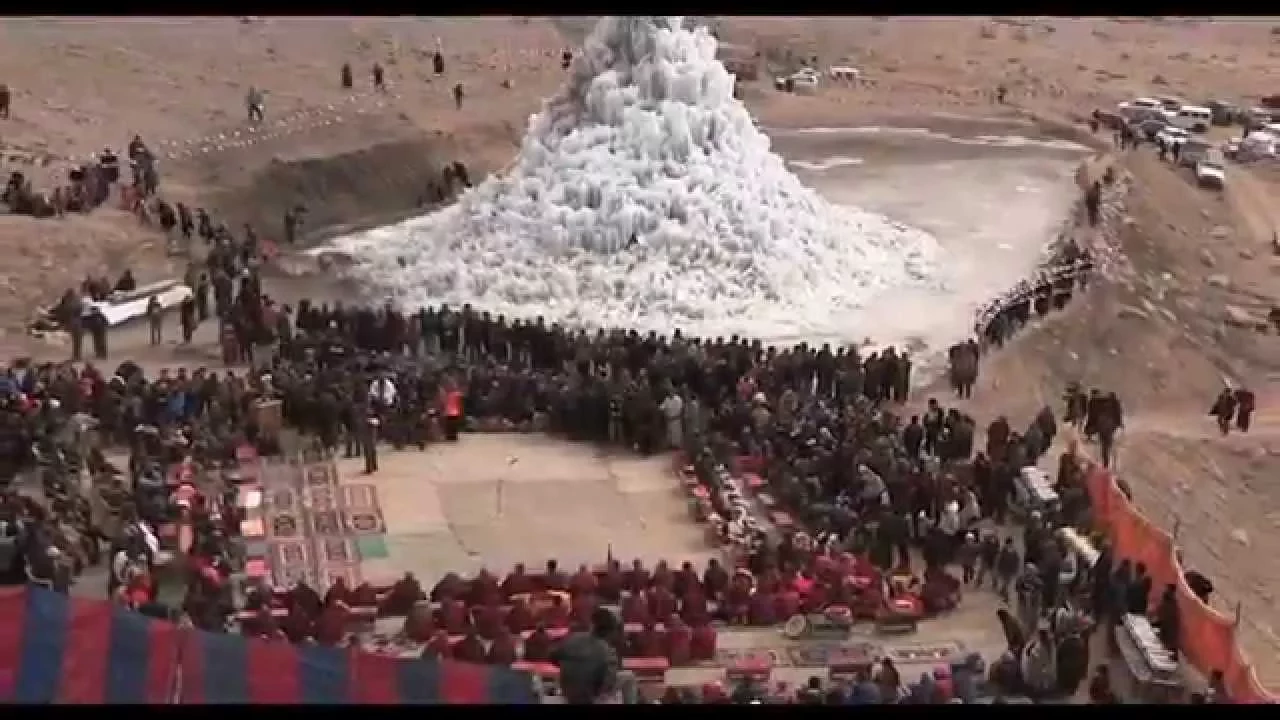
Ice Stupa Artificial Glaciers: Solving Ladakh's Water Crisis
@SonamWangchuk66
3.2M views•2015-05-03
Related Study Plans & Knowledge Roadmaps
Structured learning paths in Environmental Science