Silver nanoparticles can be synthesized using a green chemistry approach by boiling fresh plant leaves (such as pandan, bottle brush, or limply) in deionized water at 80°C to create a leaf extract that acts as both a reducing and capping agent; this extract is then added dropwise to a heated silver nitrate solution (60-70°C) until a light yellow color appears, indicating successful nanoparticle formation.
Silver Nanoparticle Synthesis Using Leaf Extract | Green Nanotechnology
Added:Deep Dive
Basic Nanotechnology Concepts: Understanding the nanoscale (1-100 nm) and why materials at this scale exhibit unique physical and chemical properties.

नैनो प्रौद्योगिकी (Nano Technology) | General Science | Most Important Questions |By Dr. Prakash Sir
67.3K
Nanotechnology is the study and manipulation of matter at the nanoscale (1-100 nanometers, where 1 nanometer = 10^-9 meters). At this scale, materials exhibit unique properties different from bulk form. For example, rubber becomes conductive at nanoscale. Richard Phillips Feynman is recognized as the father of nanotechnology for his 1969 lecture at Caltech. The term 'nano' comes from Greek, meaning 'dwarf' or 'small'. Nanotechnology enables creation of lightweight conductive materials like conductive plastics.
Click to watch →
NCERT || class 11 || lecture 2 || chapter -- Some basic concepts of chemistry || development of chem
66.1K
The Charaka Samhita describes extreme reduction of particle size of metals, which is now termed nanotechnology. Ancient Indian texts also describe the use of bhasmas (metal calxes) in the treatment of elements. Modern science has proven that bhasmas contain nanoparticles of metals. This demonstrates that ancient Indians achieved what we now call nanotechnology without modern equipment, using heat treatment and chemical processes to create ultra-fine metal particles.
Click to watch →
CH.16 GREEN CHEMISTRY and NANOCHEMISTRY One Shot Class12 HSC Board 🔥Semester Ka Hacker ASC
52.7K
Nanotechnology involves the design, characterization, production, and application of structures, devices, and systems by controlling shape, size, and organization at the nanometer scale (1-100 nm). Nanoscience is the study of phenomena and manipulation of materials at atomic, molecular, and supramolecular scales where properties differ significantly from bulk materials. Key concepts include: zero-dimensional nanomaterials (nanoparticles with all three dimensions at nanoscale), one-dimensional nanomaterials (nanowires, nanorods with two dimensions at nanoscale), and two-dimensional nanomaterials (thin films with one dimension at nanoscale).
Click to watch →

Intro to #nanotubes & #nanotechnology | Lesson 02 | Rice University w Dr James Tour #nasa #graphene
23.8K
Nanotechnology emerged from Richard Feynman's 1960 vision of manipulating matter at atomic scales. The U.S. government invested approximately $40 billion through the National Nanotechnology Initiative starting in 1999 under Clinton, expanding under subsequent administrations. The field is defined as understanding and controlling matter at 1-100 nanometer scales where unique phenomena enable novel applications. This interdisciplinary field forced chemists, physicists, and engineers to collaborate using common frameworks. The discovery of C60 Buckminsterfullerene at Rice University in 1985 by Richard Smalley, Bob Curl, and Harold Kroto exemplifies how nanotechnology advances require persistence through initial skepticism, ultimately earning the Nobel Prize in Chemistry in 1996.
Click to watch →

Fizik bilimine giriş konu anlatımı -1 | 50 Günde TYT Fizik Kampı | 1.Gün 1.Video
942.7K
Nanotechnology involves manipulating matter at the atomic scale (one billionth of a meter). At this scale, materials exhibit dramatically different properties than in their bulk form. For example, normally brittle materials can become flexible, and normally colored materials can appear different. This allows for the creation of 'smart materials' like shape-memory metals that return to their original shape when heated, and superhydrophobic surfaces that repel liquids.
Click to watch →
Deep Dive
Fundamentals of Redox Chemistry: Comprehending reduction-oxidation reactions, specifically how metal ions (Ag+) are chemically reduced to neutral metallic atoms (Ag0).
الاكسدة و الارجاع 🧪 | الملخص لي راح يسهل عليك فهم الوحدة كاملة 🔥 سنة ثانية ثانوي 2️⃣
34.5K
Oxidation is the process of losing electrons, while reduction is the process of gaining electrons. An oxidizing agent gains electrons and is reduced, while a reducing agent loses electrons and is oxidized. These processes always occur simultaneously in redox reactions. To balance half-equations: first balance atoms (especially diatomic molecules) by multiplying coefficients, then balance charge by adding electrons to the side with greater positive charge. The oxidizing agent always has a greater positive charge because it needs to gain electrons to reach a more stable state. A redox reaction involves electron transfer from a reducing agent to an oxidizing agent. To write overall redox equations: balance atoms and charge in each half-equation, ensure electrons lost equals electrons gained, multiply half-equations by coefficients to equalize electrons, then add and cancel electrons.
Click to watch →

تأسيس الكهربية - شرح وااافي لمعنى الأكسدة والاختزال - د عبدالله حبشي 2023
71.8K
Redox chemistry centers on two fundamental processes: oxidation (loss of electrons) and reduction (gain of electrons). Atoms consist of protons (positive charge) and electrons (negative charge). When atoms lose electrons, they become positive ions (cations); when they gain electrons, they become negative ions (anions). Oxidation increases positive charge, while reduction decreases it. These processes are coupled and always occur together because electrons cannot exist freely—they must be transferred from one species to another. The species that undergoes oxidation is the reducing agent (causes reduction in another species), while the species that undergoes reduction is the oxidizing agent (causes oxidation in another species). These agents are always found among the reactants, not products. To identify them, calculate oxidation states of all elements in reactants and products, then identify which species undergoes oxidation (increase in oxidation state) and which undergoes reduction (decrease in oxidation state). Key oxidation states to remember: elements in elemental form have oxidation state 0, hydrogen is +1 in compounds, sodium and potassium are +1, magnesium is +2, oxygen is -2 in most compounds, and chlorine is -1 in compounds.
Click to watch →
Oxidation and Reduction (Redox Reactions) | Chemical Reactions and Equations | Class 10 SSC | CBSE
366.1K
Redox reactions combine oxidation and reduction processes. Oxidation means: (1) adding oxygen (magnesium + oxygen → magnesium oxide), (2) removing hydrogen (magnesium hydride → magnesium + hydrogen), or (3) losing electrons (iron(II) → iron(III)). Reduction means: (1) adding hydrogen (vegetable oil → ghee), (2) removing oxygen (copper oxide + hydrogen → copper), or (3) gaining electrons. Oxidizing agents like potassium dichromate, hydrogen peroxide, and potassium permanganate provide oxygen or accept electrons, getting reduced themselves. Reducing agents like hydrogen remove oxygen or donate electrons, getting oxidized. These processes always occur together in redox reactions.
Click to watch →
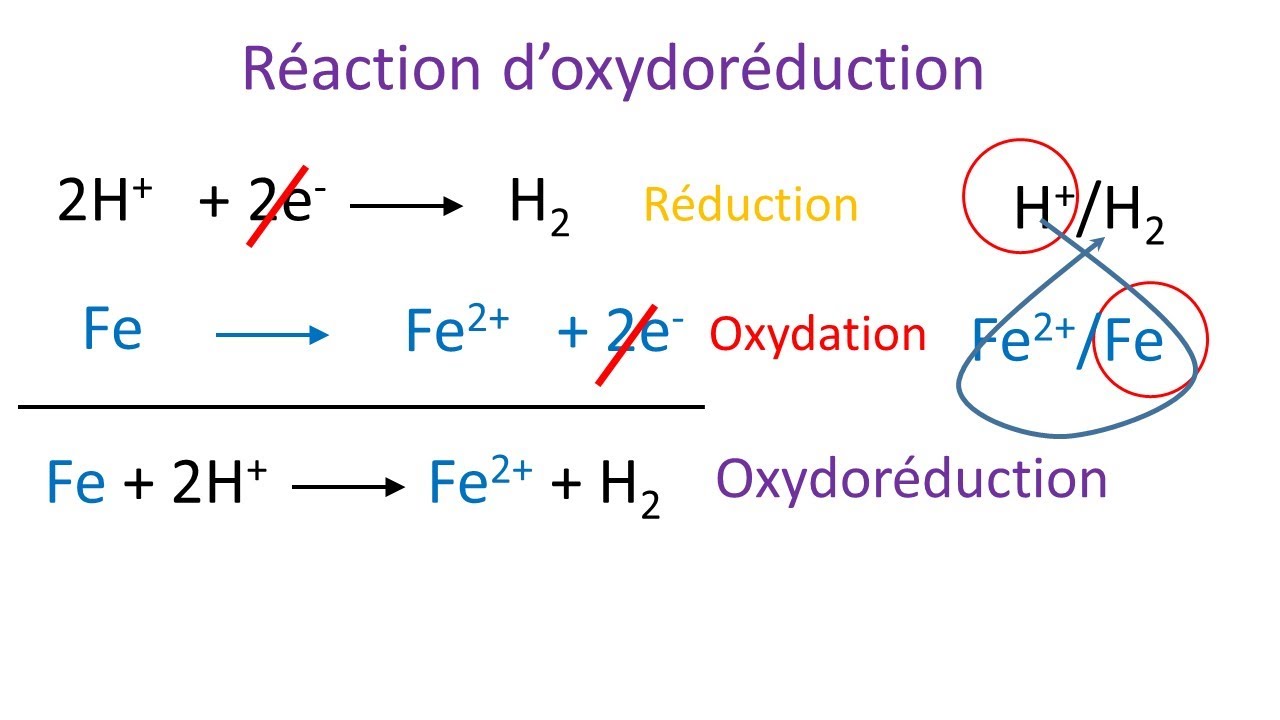
Oxydoréduction - cours complet
332.4K
Redox chemistry involves electron transfer processes. Oxidation is defined as loss of electrons (e.g., Fe → Fe²⁺ + 2e⁻), while reduction is gain of electrons (e.g., O₂ + 4H⁺ + 4e⁻ → 2H₂O). A redox couple consists of a reducing agent and its oxidized form, such as Ag⁺/Ag. These couples are denoted with oxidized form first, followed by a bar and reduced form (e.g., Ag⁺|Ag). The general principle is that oxidants gain electrons (reduction) while reductants lose electrons (oxidation).
Click to watch →
المتابعة الزمنية من الالف الى الياء بكل بساطة Bac 2026
97K
This comprehensive section covers the foundational principles of redox chemistry and reaction stoichiometry. Key topics include: chemical transformations where substances change into different substances, oxidation as electron loss and reduction as electron gain, oxidizing agents that gain electrons and reducing agents that lose electrons. The section covers essential physical quantities: concentration (mol/L), volume (L), mass (g), molar mass (g/mol), gas volume (L), molar volume (L/mol), pressure (Pa, bar, atm, hPa), and temperature (K). Essential formulas include: concentration = n/V, mass = n × M, PV = nRT (ideal gas law), density = m/V, purity percentage = (pure mass/impure mass) × 100, and commercial solution concentration = (10 × P × ρ)/M. The section also covers limiting reactants and stoichiometric conditions: a reaction is complete when either there is a limiting reactant whose amount becomes zero first, or the mixture is in stoichiometric conditions where both reactants are completely consumed. To determine the limiting reactant, calculate X_max = initial amount / stoichiometric coefficient for each reactant; the reactant with the smallest X_max is the limiting reactant. Methods for identifying the limiting reactant include calculating X_max for each reactant, using given statements about final amounts, or deriving from product data.
Click to watch →
Deep Dive
Plant Biochemistry and Phytochemicals: Familiarity with biomolecules like polyphenols, flavonoids, and terpenoids, which act as natural reducing and stabilizing (capping) agents.
![[Alimentos] Como melhorar a imunidade de forma natural](https://i.ytimg.com/vi/IN5eVpqVFsI/maxresdefault.jpg)
[Alimentos] Como melhorar a imunidade de forma natural
29K
Fitoquímicos (phytochemicals) are bioactive compounds that plants develop as defense mechanisms against predators, fungi, and environmental stress. These compounds serve as the plant's 'antibodies' and are essential for human immune health. Plants in their natural environment develop these compounds to survive, and consuming them provides humans with these beneficial compounds. The food matrix concept emphasizes that whole foods contain the complete nutritional composition that cannot be replicated by isolated supplements.
Click to watch →
প্লান্ট বায়োকেমিস্ট্রি | Plant Biochemistry - Class 1 | NU 3rd Year 2025 | Botany Department
1.5K
Plants contain various biochemical compounds: carbohydrates (sugars), amino acids, proteins, enzymes and coenzymes, lipids, nucleic acids, terpenoids, pigments, vitamins, phytohormones, organic acids, alkaloids, phenolic compounds, antibiotics, glycosides, resins, and tannins. This comprehensive overview forms the foundation for understanding plant biochemistry and the diverse chemical substances that plants produce for various biological functions.
Click to watch →
ALL MCQ Biology Asked in SSC CGL From 1999 to 2016
194K
This extensive section explores plant biology, biochemistry, and microbiology. Plant topics include fructose as the sweetest sugar, leaves as plant lungs, foliar transpiration through stomata, and guard cells regulating water loss. Biochemistry covers enzymes as protein catalysts, glucose as a hexose sugar, and mitochondria as cellular powerhouses. Microbiology addresses typhoid fever caused by Salmonella Typhi, ringworm as a fungal disease, and biological wastewater treatment using bacteria and protozoa. Additional topics include the nervous system's role in balance, penicillin for cancer treatment, and the role of microorganisms in environmental processes.
Click to watch →
Crop Production Important Questions // CG PAT 2025 IMPORTANT QUESTIONS।।
19.5K
This section covers plant biochemistry and measurement instruments: (1) Tomato red color is caused by Lycopene (green by chlorophyll, yellow by carotene); (2) Chili pungency is caused by Capsaicin, red color by Capsanthin; (3) Dates are 'King of Dry Fruits', Millets are 'Poor People's Grain'; (4) Soil moisture is measured by Tensiometer; (5) NABARD established July 12, 1982, as apex agricultural bank based on Srinivasan Committee recommendations.
Click to watch →

RRB NTPC Undergraduate Exam Review 2025 | 12 Aug Science All Shift Question | RRB NTPC Exam Analysis
8.3K
This segment covers plant biology and biochemistry: (1) Photorespiration uses glycolate as its substrate, occurring when RuBisCO binds oxygen instead of carbon dioxide; (2) Methane is the common gas in both natural gas and biogas; (3) Companion cells are unique to angiosperms and provide metabolic support to sieve tube elements; (4) Bacteria and fungi primarily function as decomposers in ecosystems, breaking down organic matter and returning nutrients to the soil.
Click to watch →
Deep Dive
Standard Laboratory Safety and Solution Prep: Basic skills in handling silver nitrate (AgNO3), preparing molar solutions, and adhering to personal protective equipment (PPE) protocols.
تمرين مقترح 03 هندسة الطرائق لسنة 2 ثانوي
8.2K
A standard solution has known concentration and volume, with concentration expressed as mass concentration or molarity. Laboratory safety requires wearing gloves, reading chemical labels, avoiding fire sources, toxic gases, and harmful vapors. To calculate solute mass for solution preparation, use: mass = concentration × volume × molar mass. For example, preparing 0.1 L of 0.5 mol/L solution with molar mass 134 g/mol requires 6.7 grams of solute.
Click to watch →

مكتسبات قبلية 3 : زجاجيات وسائل المخبر ، إحتياطات أمنية ، بروتوكولات التمديد والتخفيف
310
This section covers essential laboratory safety protocols and solution preparation procedures. Three critical safety measures include wearing lab coats to protect clothing and skin from chemical spills and hot liquids, wearing gloves to protect hands from harmful chemicals and hot surfaces, and wearing safety goggles to protect eyes from chemical splashes and flying debris. For preparing solutions from solids: weigh the required mass using an electronic balance, transfer to a volumetric flask using a funnel, add distilled water to dissolve, fill to the calibration mark, stopper and invert to mix, then label with chemical formula and molar concentration. For dilution: use a volumetric pipette to measure the concentrated solution volume, transfer to a new volumetric flask, add distilled water to mix, fill to the calibration mark, stopper and invert to mix, then label with the diluted solution's formula and concentration.
Click to watch →
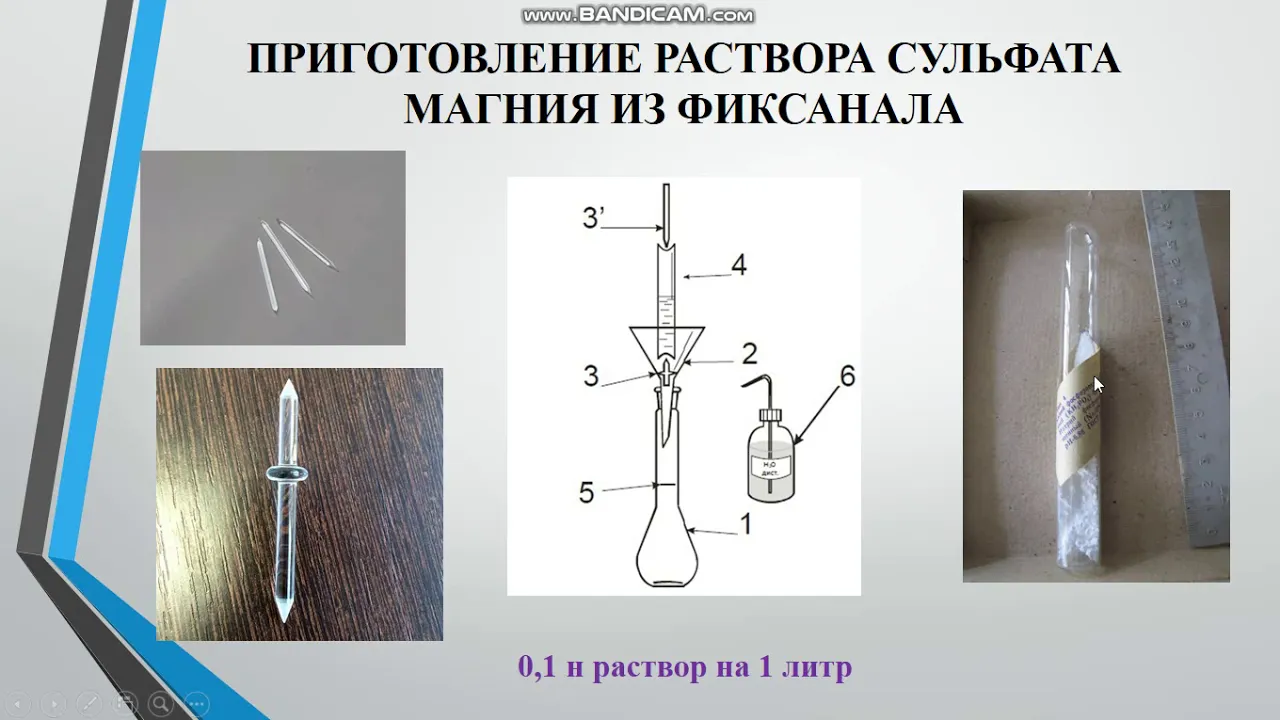
Кузьмич Е.С. Приготовление рабочего раствора Трилона Б и установка его концентрации.
3.5K
This comprehensive section covers essential laboratory safety protocols and solution preparation techniques. Safety rules include: individual protective equipment for all workers, prohibition of cracked glassware, fume hood use for toxic substances, proper chemical storage, and fire safety training. Solution preparation involves calculating Trilon B mass using the formula: Normality × Volume × Equivalent Weight / 1000. Ammoniacal buffer is prepared by dissolving 20g ammonium chloride in 100ml water, adding 100ml concentrated ammonia, and diluting to 1 liter. Standard magnesium sulfate solution is prepared from Fixanal by breaking the ampoule, washing contents with distilled water, and diluting to 1 liter to achieve 0.05N concentration.
Click to watch →

화학분석기사 작업형실습 안내동영상-이매스
46K
This comprehensive section covers essential laboratory preparation for chemical analysis experiments. Students must bring calculators, experiment notebooks, pipettes, volumetric flasks, markers, and pens. EMS provides volumetric flasks for free. Equipment functions include pipettes for liquid transfer and measurement, filter paper for weighing, wash bottles for rinsing, test tubes for absorbance measurements, hot plates for heating, and electronic balances for precise mass measurement. Safety protocols require wearing rubber gloves and working in fume hoods when handling hydrochloric and sulfuric acids, which release harmful vapors and can cause skin injuries. Report standards mandate using black pens, prohibiting colored pens for general writing, and avoiding discussions with other examinees. The section details standard phosphate solution preparation, including calculating required mass of potassium dihydrogen phosphate (KH2PO4) for 1000 ppm solution in 1 liter, accounting for purity (99.9%), and determining molar mass (136.09 g/mol). Proper technique requires dissolving reagent completely before filling to calibration mark, using distilled water and wash bottles for precise filling, and labeling all solutions with contents and concentration.
Click to watch →
![অধ্যায় ০৬ - মোলের ধারণা ও রাসায়নিক গণনা - পরীক্ষণসমূহ (Experiments) [SSC]](https://i.ytimg.com/vi/ZluVDdJdR5U/maxresdefault.jpg)
অধ্যায় ০৬ - মোলের ধারণা ও রাসায়নিক গণনা - পরীক্ষণসমূহ (Experiments) [SSC]
9.1K
Accurate solution preparation requires: (1) Using dry, pure solute to prevent contamination; (2) Using distilled water to avoid unwanted ion reactions; (3) Following proper weighing techniques (tare method); (4) Reading volumes at the lower meniscus; (5) Following instructor guidelines and textbook procedures. Laboratory safety demands careful handling of glassware and electrical equipment, protecting both the experimenter and peers.
Click to watch →
Prerequisite Knowledge
- Concept 01Basic Nanotechnology Concepts: Understanding the nanoscale (1-100 nm) and why materials at this scale exhibit unique physical and chemical properties.
- Concept 02Fundamentals of Redox Chemistry: Comprehending reduction-oxidation reactions, specifically how metal ions (Ag+) are chemically reduced to neutral metallic atoms (Ag0).
- Concept 03Plant Biochemistry and Phytochemicals: Familiarity with biomolecules like polyphenols, flavonoids, and terpenoids, which act as natural reducing and stabilizing (capping) agents.
- Concept 04Standard Laboratory Safety and Solution Prep: Basic skills in handling silver nitrate (AgNO3), preparing molar solutions, and adhering to personal protective equipment (PPE) protocols.
Subsequent Learning
- Step 01Advanced Characterization Techniques: Learning how to quantitatively analyze nanoparticles using UV-Vis Spectroscopy, Transmission Electron Microscopy (TEM), and Dynamic Light Scattering (DLS).
- Step 02Synthesis Optimization: Investigating how varying parameters like temperature, pH, reaction time, and precursor concentration affect the size and shape of the nanoparticles.
- Step 03Biomedical and Environmental Applications: Exploring the practical uses of green-synthesized silver nanoparticles in antimicrobial coatings, wound dressings, water purification, and biosensors.
- Step 04Ecotoxicology and Nano-safety: Studying the potential environmental impact, cellular toxicity, and bioaccumulation of engineered nanoparticles in ecosystems.
Setup
Synthesis
Setup
0:03Playing Section
- 1
Collect fresh leaves, wash, cut, and boil in water at 80°C.
- 2
Filter extract; use as reducing and capping agent.
- 3
Weigh 10 mg silver nitrate in 50 ml deionized water.
Standardization, Reproducibility, and Scale-Up Limitations of Green Synthesis
While plant-mediated 'green' synthesis is celebrated for being eco-friendly and cost-effective, critics highlight significant limitations compared to traditional chemical and physical methods. The primary issue is the lack of reproducibility and standardization. Plant extracts contain complex, variable mixtures of biomolecules that fluctuate based on season, geographic location, and harvesting conditions. This variability makes it extremely difficult to control the precise size, shape, and monodispersity of the nanoparticles, which are critical for medical and industrial applications. Additionally, industrial scale-up remains highly challenging due to the instability of plant extracts over time. Furthermore, experts caution against the 'green' label, as the resulting silver nanoparticles still possess inherent toxicity and pose ecotoxicological risks to aquatic and soil ecosystems, regardless of the synthesis method used.
Deep Dive
Advanced Characterization Techniques: Learning how to quantitatively analyze nanoparticles using UV-Vis Spectroscopy, Transmission Electron Microscopy (TEM), and Dynamic Light Scattering (DLS).
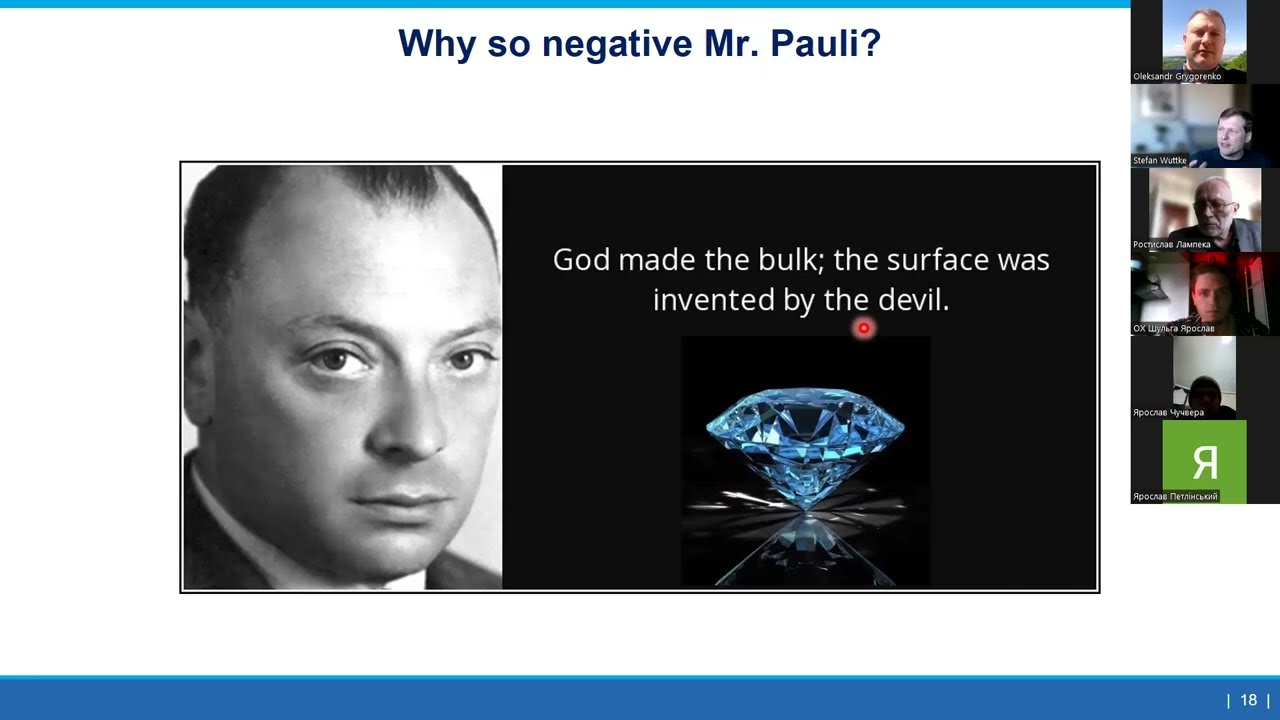
Invited lecture 11 "Advanced Characterization Techniques" (Prof. Wuttke)
186
Human history is divided into eras named after materials: Stone Age, Bronze Age, Iron Age, Silicon Age, and the emerging nanobiomaterials age. Materials science combines organic, inorganic, analytical, and physical chemistry into a unified discipline. Heterogeneous catalysis is the dominant technology in chemical production, accounting for approximately 90% of industrial chemical synthesis. It enables efficient and cost-effective material production and plays a crucial role in waste management by converting waste into useful products. Unlike thermodynamics, catalysis belongs to kinetics, focusing on reaction rates and activation barriers. The Haber-Bosch process for ammonia synthesis exemplifies catalytic importance, requiring decades of research and multiple Nobel Prizes to understand. Understanding even simple reactions requires comprehending complex networks of elementary steps at catalyst surfaces. A fundamental goal is establishing structure-activity relationships correlating macroscopic properties with molecular-level understanding of active sites and reaction mechanisms. Electromagnetic radiation consists of waves characterized by wavelength and frequency, with energy determined by Planck's constant (E = hν). Molecular vibrations can be modeled as masses connected by springs, where stretching and bending motions produce distinct vibrational modes. The Beer-Lambert law (A = εlc) relates absorbance to concentration, path length, and molar extinction coefficient. Infrared spectroscopy detects molecular vibrations through absorption, with stronger bonds and lighter atoms producing higher vibration frequencies. FTIR spectroscopy uses interferometers and Fourier transformation for superior resolution. Diagnostic spectral regions include the fingerprint region (1500-400 cm⁻¹), double/triple bond region (~2000-2500 cm⁻¹), and hydrogen bonding region (~3000-3500 cm⁻¹). In situ IR spectroscopy studies catalysts under controlled conditions using probe molecules like CO to reveal acidity, basicity, and redox properties. CO's HOMO is antibonding, so electron withdrawal causes blue shifts indicating Lewis acidity strength.
Click to watch →

Posgrado en Ciencia e Ingeniería en Materiales en el Centro de Física Aplicada y Tecnología Avanzada
625
Advanced characterization relies on electron microscopy achieving nanometer resolution through shorter electron wavelengths compared to optical microscopy's hundreds of nanometer limit. The National Laboratory for Materials Characterization provides certified services including X-ray diffraction for crystallography and fluorescence microscopy for three-dimensional reconstructions. The program maintains international PNPC accreditation, reflecting high faculty quality and research output. Research opportunities exist in fluorescent biomaterials derived from biomass, with investigators like Gonzalo Ramírez García and Edén Morales Narváez specializing in biosensors and organic-derived fluorescent materials. The program offers double degree partnerships with international institutions like University of Groningen.
Click to watch →

XRD has Changed! The D6 PHASER Launch Event.
2.2K
The universal stage enables advanced measurements previously requiring floor-standing systems. Grazing incidence diffraction (GID) characterizes thin films by measuring low-angle diffraction, useful for phase identification and depth-resolved residual stress analysis using multi-hkl methods. X-ray reflectometry measures specular reflection intensity versus angle to determine thin layer thickness, roughness, and density. Residual stress analysis exploits elastic deformation of atomic structures, plotting unit cell strain versus PSI angle to determine biaxial stress tensors. Texture analysis measures crystallite orientations using pole figures generated from multiple scans at different chi angles, revealing orientation distributions critical for optimizing material properties. These techniques—residual stress, texture, GID, and XRR—are now accessible on benchtop platforms, democratizing advanced materials characterization for broader scientific and industrial communities.
Click to watch →

Free Certified Bootcamp | Battery Materials to Digital Twins | Career in EV & Energy Storage (2025)
411
Battery development begins with understanding fundamental components: anodes (graphite with silicon options), cathodes (NMC, LFP, or other chemistries), electrolytes, and separators. Material characterization employs XRD for crystal structure analysis, SEM for morphology examination, and XPS for elemental composition determination. Electrochemical testing includes cyclic voltammetry to assess oxidation-reduction capabilities, galvanostatic charge-discharge testing to measure capacity and calculate energy/power density, and electrochemical impedance spectroscopy to study charge transfer kinetics and lithium ion diffusion. These techniques enable prediction of material behavior under various operating conditions before full cell fabrication. Advanced battery technologies under development include solid-state batteries offering inherent safety advantages over flammable liquid electrolytes, sodium-ion batteries as alternatives to lithium-ion chemistries, and redox flow batteries for grid storage applications.
Click to watch →

ESTUDIO TEÓRICO-EXPERIMENTAL... DE MATERIALES CON ESTRUCTURA PEROVSKITA | Dr. J. I. Villa Hernández
440
Advanced characterization combines multiple techniques for comprehensive material understanding. XRD pattern refinement provides lattice parameters, space groups, and atomic positions. XPS identifies chemical environments and oxidation states, detecting mixed valence species. Mössbauer spectroscopy definitively determines iron valence states. Optical gap measurements using Kubo-Castellano formalism validate theoretical predictions. These complementary techniques enable correlation between synthesis conditions, crystal structure, and electronic/magnetic properties, essential for rational material design.
Click to watch →
Deep Dive
Synthesis Optimization: Investigating how varying parameters like temperature, pH, reaction time, and precursor concentration affect the size and shape of the nanoparticles.

Path of Exile 3.6: ITEM SYNTHESIS Guide - With an Example - Implicit Control, Base, ilvl etc
218.3K
Executing synthesis optimally requires: (1) Using three identical bases to guarantee desired base type; (2) Ensuring at least one item has item level 84/86 for quality output; (3) Restricting modifier pools through scouring to maximize desired implicit probabilities; (4) Accepting that some randomness remains despite careful planning. The ideal outcome includes the desired base, correct item level, and only the intended implicit modifiers. Results should then be scoured and crafted further. Persistence through multiple attempts with similar setups increases success probability.
Click to watch →
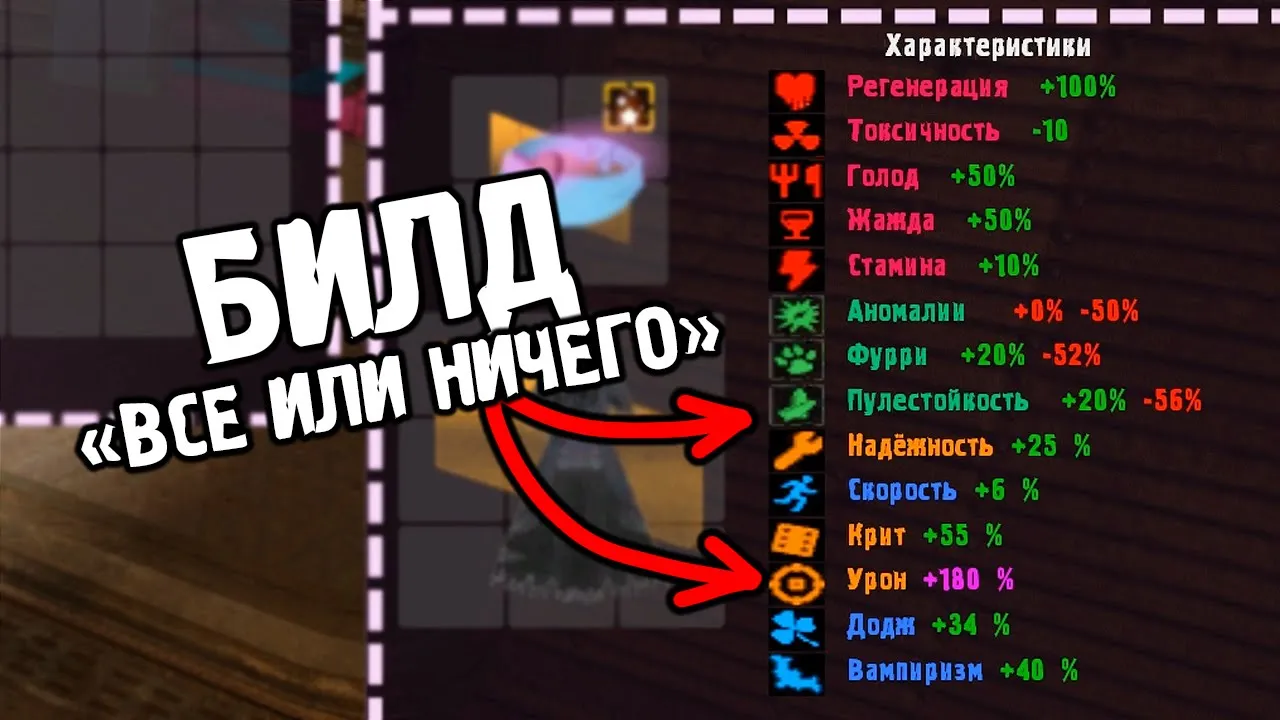
Собрал Финальную Сборку Артефактов - STALKER Закон Шляпки #12
40.9K
This segment demonstrates the artifact synthesis system where players combine multiple artifacts to create 'wonderous artifacts' with unique properties. The player synthesizes artifacts like the 'Electrocorset' and 'Gothic Makeup' to create powerful combinations. The segment illustrates how synthesis rewards players who collect and experiment with different artifacts, creating unique builds that combine properties from multiple sources. The player also explores critical hit mechanics and their impact on damage output, calculating effective damage with 180% damage increase and 55% crit chance, resulting in approximately 8,000 damage for critical hits versus 2,000 for normal hits.
Click to watch →

ESPERIMENTI NEL LABORATORIO DI ST3PNY !!
23.4K
This segment covers advanced synthesis techniques and laboratory optimization. Players learn to use multiple synthesis machines simultaneously to increase production efficiency. The game introduces the merge machine, which allows combining three identical creatures to create a stronger version. Players must manage their laboratory space, organize resources, and strategically decide which creatures to keep versus sell. The segment demonstrates how players can scale their operations from individual experiments to full-scale production.
Click to watch →

QUADRUPLICAZIONE Space Astronomy E37
34.6K
This segment covers chemical synthesis and production optimization strategies. The chemical infuser combines hydrogen and chlorine gases to create hydrogen chloride, demonstrating how automated systems can synthesize compounds. Speed upgrades significantly increase production velocity, while gas upgrades reduce resource consumption. The system demonstrates how combining multiple optimization strategies creates efficient production systems. The final output shows quadrupled production rates, illustrating how systematic optimization of production systems can dramatically increase efficiency and output.
Click to watch →

This build will be NEARLY IMMORTAL against Uber Bosses! - EA Juggernaut Update
127.9K
This segment covers the endgame optimization process for the Juggernaut build. The goal is to achieve 90 maximum fire resistance while maintaining damage output. Key strategies include: replacing the amulet with Champion's amulet plus two fire seals to increase fire resistance from 21 to 23, and using Polaric Devastation to replace the semi-perfect Vermilion ring. For item synthesis, target items with item level 86 or higher, use Creaking Chimerel to reroll implicits, and imprint good implicits first. The ideal bow should have 18-19 natural attack speed plus unique monster bonuses. The build aims for 10-15 million damage for better Uber Elder survivability.
Click to watch →
Deep Dive
Biomedical and Environmental Applications: Exploring the practical uses of green-synthesized silver nanoparticles in antimicrobial coatings, wound dressings, water purification, and biosensors.
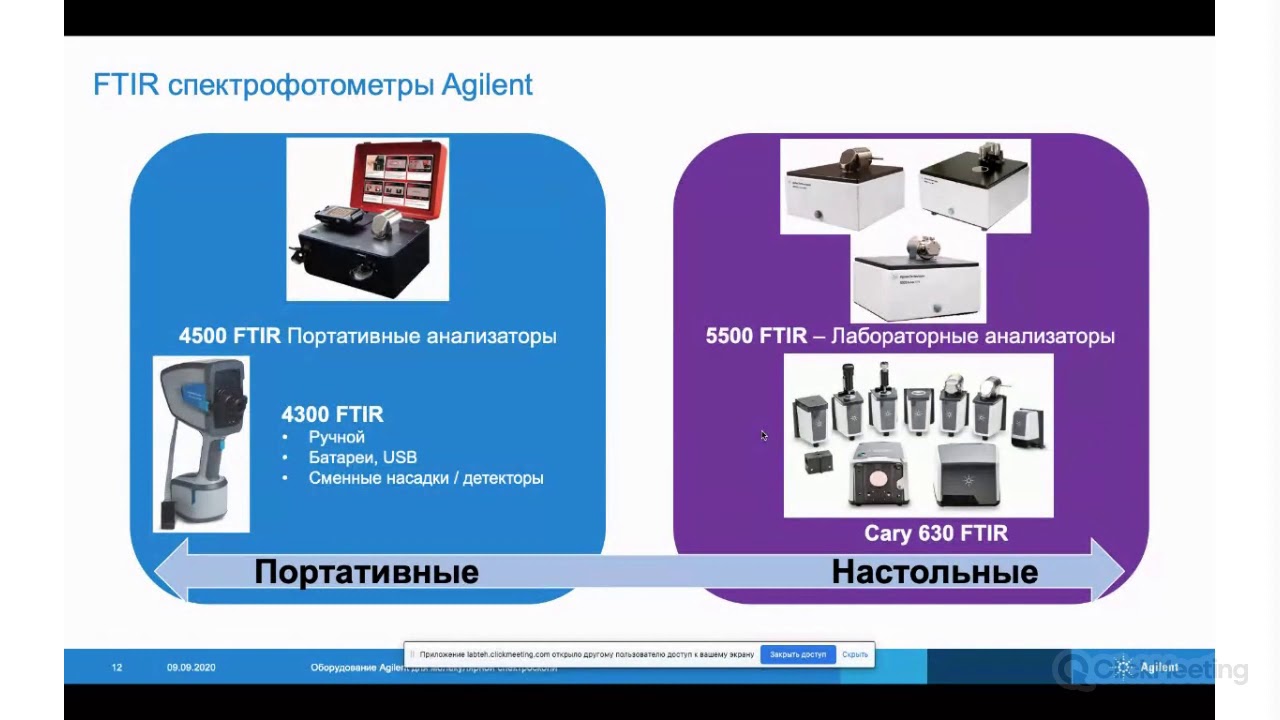
Молекулярная спектроскопия Agilent
123
The iD7 system has applications in biomedical research including cancer diagnosis and Alzheimer's disease detection, where infrared spectral imaging can identify characteristic molecular signatures associated with different diseases. The system can analyze multi-layer polymer films used in packaging applications, identifying individual layers and their thicknesses for films as thin as 2-6 micrometers. The system is being developed for microplastic detection in environmental samples and food products, where research has shown microplastics accumulate in marine organisms and enter the human food chain. The system can identify and quantify microplastic particles as small as 10 micrometers, providing a tool for environmental monitoring and food safety assessment.
Click to watch →

Introduction to Synthetic Biology with Dr. Lalinka Herath
423
Synthetic biology has significant biomedical applications including engineered therapies (reprogramming T-cells to target cancer cells), diagnostic tools (microorganisms detecting disease biomarkers and emitting signals), and engineered drugs. Environmental applications include bio-remediation using engineered microorganisms to consume petroleum compounds from oil spills and convert them into environmentally friendly compounds. These applications demonstrate how synthetic biology can address both health challenges and environmental pollution through targeted biological solutions.
Click to watch →

Profesor Riset: Andri Hardiansyah
295
Graphene nanomaterials can be synthesized and characterized for diverse applications in nanobiotechnology, including biosensors for biomolecules, tissue engineering composites, drug delivery systems, and environmental remediation, demonstrating how functional nanomaterials enable innovative solutions across multiple scientific domains.
Click to watch →

जैव प्रौद्योगिकी एवं उसके उपयोग ll Class 12 ll MCQs ll 2024 ll NCERT ll
434
This section covers advanced biotechnology applications. Bone marrow transplantation can treat ADA deficiency in children. Bt toxin contains Cry proteins responsible for insecticidal activity. Superbugs are genetically modified microorganisms used in bioremediation to break down petroleum hydrocarbons. These applications demonstrate how biotechnology addresses both medical conditions and environmental challenges through genetic engineering and microbial manipulation.
Click to watch →
The Armourers and Brasiers' Cambridge Forum 2021: Brief encounters
298
This segment explores functional materials designed for specific applications. Microfluidic force sensors enable precision joint replacement surgery by measuring applied forces through capacitance changes from fluid displacement in sub-millimeter channels. Plasmonic magnesium nanoparticles offer advantages over traditional plasmonic metals (gold, silver) due to superior performance in the visible spectrum, earth abundance, and biocompatibility. Their unique hexagonal crystal structure enables distinctive nanoparticle morphologies with tunable localized surface plasmon resonances. Light-responsive Pickering emulsions use photoswitch-grafted particles to achieve controlled droplet release without physical disruption, enabling applications in microreactors, molecular storage, and targeted drug delivery.
Click to watch →
Deep Dive
Ecotoxicology and Nano-safety: Studying the potential environmental impact, cellular toxicity, and bioaccumulation of engineered nanoparticles in ecosystems.
Free Workshop (Hybrid Event) - BIOMAT Project: working with SMEs to create a more sustainable Europe
141
Nano safety assessment follows a tiered approach evaluating release and exposure during production and use, environmental safety, and human safety. Tier 1 assesses actual nanomaterial release through leaching tests and monitoring campaigns for fine and ultrafine particulate matter. Tier 2 evaluates human exposure through respiratory deposition analysis. Tier 3 assesses environmental safety using aquatic models like zebrafish for ecotoxicity. Tier 4 evaluates human safety through cytotoxicity, inflammation, and genotoxicity testing. Tier 5 provides deeper understanding through developmental neurotoxicity studies. Companies can select tiers based on their specific needs and risk profiles.
Click to watch →

Nanomaterials in the Environment: Sources, Risks, and Exposure Pathways Talk by Prof. Peter C.Raynor
111
Engineered nanomaterials exert toxicity through multiple mechanisms: cell membrane disruption and puncturing, protein oxidation/destabilization, DNA damage, reactive oxygen species production, electron transport inhibition, and ion release. Comparative ecotoxicity studies reveal silver, zerovalent iron, and zinc oxide nanoparticles have highest toxicity potential in both freshwater and seawater. Carbon nanotubes, ferrofluids, cerium oxide, titanium dioxide, and silica show lower toxicity. Specific effects include antibacterial properties of single-walled carbon nanotubes, cytotoxicity of multi-walled carbon nanotubes, bactericidal properties of nano-silver, photocatalytic activity of titanium dioxide producing reactive oxygen species, and mild toxicity of nano-silica. However, most studies use laboratory concentrations unlikely reflecting real-world conditions.
Click to watch →

Effects of nanomaterials on organisms and ecosystems | Martina Vijver | TEDxBoerhaavedistrictStudio
6.7K
Current nanomaterial safety testing protocols, which typically assess acute toxicity over short timeframes, significantly underestimate environmental risks because they overlook multi-generational effects and complex organism-organism interactions; research demonstrates that extending exposure duration and examining community-level impacts reveals adverse effects at concentrations much lower than those detected in standard laboratory tests.
Click to watch →
NOÇÕES BÁSICAS SOBRE ECOTOXICOLOGIA
3.5K
Ecotoxicology is the scientific study of the toxic effects of pollutants on the environment, including their impacts on humans, animals, plants, and ecosystems; it involves identifying harmful chemical substances such as metals, hormones, petroleum derivatives, dioxins, pesticides, and nanoparticles, and uses bioassays with indicator organisms to assess toxicity levels and monitor environmental contamination.
Click to watch →

What We Know about NanoEHS: Environment Webinar
200
This presentation outlines the scientific community's approach to understanding nanomaterial ecological impacts: (1) Strategic prioritization focused on nanomaterials with highest exposure probability rather than studying all types; (2) Ecosystem services framework examining food production, waste treatment, and nutrient cycling rather than generic toxicity tests; (3) Life cycle transformation consideration—nanomaterials form heterostructures with natural particles, altering bioavailability; (4) Multi-level biological assessment from biomolecular to ecosystem scales; (5) Bioaccumulation and trophic transfer concerns examined through plant-insect and microbial pathways; (6) Mechanistic understanding linking nanomaterial properties to biological effects for safer design; (7) Omics approaches (transcriptomics, proteomics, metabolomics) for detecting sub-lethal effects at low concentrations; (8) Transferable methodologies applicable to nanoplastics and emerging particle challenges.
Click to watch →
Setup
Synthesis
Setup
0:03- 1
Collect fresh leaves, wash, cut, and boil in water at 80°C.
- 2
Filter extract; use as reducing and capping agent.
- 3
Weigh 10 mg silver nitrate in 50 ml deionized water.
Standardization, Reproducibility, and Scale-Up Limitations of Green Synthesis
While plant-mediated 'green' synthesis is celebrated for being eco-friendly and cost-effective, critics highlight significant limitations compared to traditional chemical and physical methods. The primary issue is the lack of reproducibility and standardization. Plant extracts contain complex, variable mixtures of biomolecules that fluctuate based on season, geographic location, and harvesting conditions. This variability makes it extremely difficult to control the precise size, shape, and monodispersity of the nanoparticles, which are critical for medical and industrial applications. Additionally, industrial scale-up remains highly challenging due to the instability of plant extracts over time. Furthermore, experts caution against the 'green' label, as the resulting silver nanoparticles still possess inherent toxicity and pose ecotoxicological risks to aquatic and soil ecosystems, regardless of the synthesis method used.
Basic Nanotechnology Concepts: Understanding the nanoscale (1-100 nm) and why materials at this scale exhibit unique physical and chemical properties.
Fundamentals of Redox Chemistry: Comprehending reduction-oxidation reactions, specifically how metal ions (Ag+) are chemically reduced to neutral metallic atoms (Ag0).
Plant Biochemistry and Phytochemicals: Familiarity with biomolecules like polyphenols, flavonoids, and terpenoids, which act as natural reducing and stabilizing (capping) agents.
Standard Laboratory Safety and Solution Prep: Basic skills in handling silver nitrate (AgNO3), preparing molar solutions, and adhering to personal protective equipment (PPE) protocols.
Advanced Characterization Techniques: Learning how to quantitatively analyze nanoparticles using UV-Vis Spectroscopy, Transmission Electron Microscopy (TEM), and Dynamic Light Scattering (DLS).
Synthesis Optimization: Investigating how varying parameters like temperature, pH, reaction time, and precursor concentration affect the size and shape of the nanoparticles.
Biomedical and Environmental Applications: Exploring the practical uses of green-synthesized silver nanoparticles in antimicrobial coatings, wound dressings, water purification, and biosensors.
Ecotoxicology and Nano-safety: Studying the potential environmental impact, cellular toxicity, and bioaccumulation of engineered nanoparticles in ecosystems.
151.4K views4.5Klikes3:00@InstananoOriginal Release: 2017-08-30
in stone on Oh calm nanotechnology at instant welcome to instantly know calm in this video we will know the synthesis of silver nanoparticles by using leaf extract before starting the synthesis I want to give you very important advice wear lab coat lab shoes I protection and follow the lab safety instructions properly avoid the interaction of light with silver nitrate solution last but not the least please like share and subscribe to install nano calm so here is the Fantas checklist we need a beaker conical flask magnetic stirrer magnetic bead and burek chemical checklist includes silver nitrate deionized water and leaves of desired plant firstly collect the fresh leaves of desired plant like because panda bottle brush or limply at six wash the leaves properly with deionized water now cut the leaves into small fine pieces set up the vehicle on the magnetic stirrer take 25 gram of freshly cut leaves in hundred ml of deionized water and set the temperature to 80 degree Celsius after some time the water will turn greenish indicates the formation of leaf extract in water now filter of the extract and pour it in the puree this extract would be used as reducing and capping agent for nanoparticle synthesis in the next step take 10 mg of silver nitrate in 50 ml of deionized water also don't forget to cover the conical flask with aluminum foil to avoid the photo degradation of silver set the temperature to 60 to 70 degree Celsius now at the leaf extract drop wise very slowly until the light yellow color forms stop further adding of leaf extract after color change to yellow finally congratulations this light yellow color indicates the formation of silver nanoparticles in water is like night [Music] for more information please log on to insta and Comm [Music]
Up Next

2:21
Nanoparticles for Drug Delivery: How Nanomedicine Targets Cancer
@mmiller99131234
126.4K views•2016-04-26
20:32
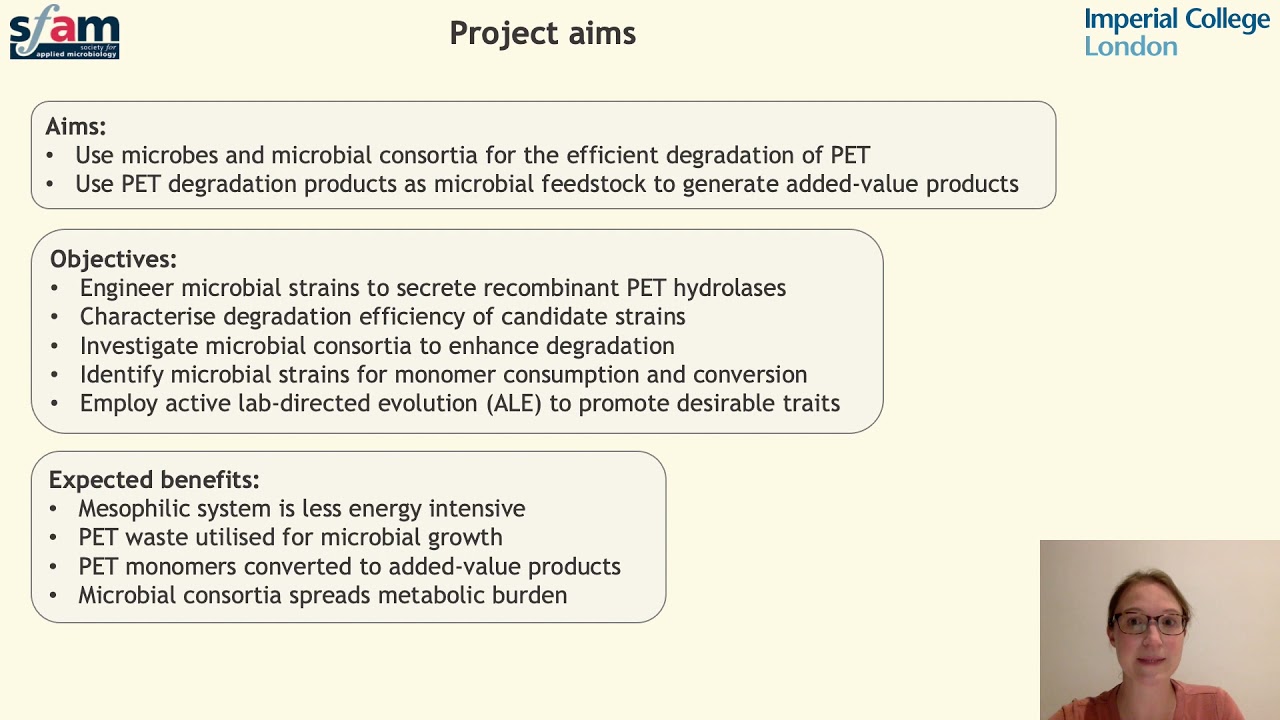
Microbial Degradation and Upcycling of PET Plastic | Research Talk
@appliedmicrobiology
1.5K views•2021-10-18
23:33
Microbial Degradation of Plastics: Biodegradation Pathways & Sustainability
@majeedhammad
2.9K views•2021-04-11

16:04
CRISPR and Genetic Engineering: How Gene Editing Works and Why It Matters
@kurzgesagt
30.5M views•2016-08-10
Related Study Plans & Knowledge Roadmaps
Structured learning paths in Biotechnology
biotechnology
PETase Evolution: Library Design & Kinetics
01Foundations of Enzymes and Plastic Biodegradation
02Recombinant Protein Expression in E. coli
03Directed Evolution and Mutant Library Generation
+ 3 more learning modules
36h6 modules
Explore Roadmap
biotechnology
AAV Production: Transfection, Prep & qPCR
01Introduction to Gene Therapy and AAV Biology
02Mammalian Cell Culture: Suspension HEK293 Cells
03Upstream Bioprocessing: Triple-Transfection Optimization
+ 2 more learning modules
18h5 modules
Explore Roadmap
biotechnology
Building Gut-on-a-Chip: PDMS, Cells & TEER
01Foundations of Microfluidics and Gut Anatomy
02Cleanroom Fabrication & PDMS Soft Lithography
03Epithelial Cell Culture and On-Chip Seeding
+ 2 more learning modules
26h5 modules
Explore Roadmap
biotechnology
Optimizing CFPS: E. coli Extract & Yield
01Fundamentals of Molecular Biology and Translation
02Introduction to Cell-Free Protein Synthesis (CFPS)
03Preparing E. coli Crude Lysate (The Extract)
+ 2 more learning modules
19h5 modules
Explore Roadmap