Nanoparticles (1-100 nm particles) can be engineered for targeted drug delivery by filling them with cancer drugs and attaching targeting ligands to their surface; these nanoparticles navigate through the bloodstream, where healthy cells are protected by tight blood vessel junctions while cancer cells are surrounded by leaky blood vessels with specific receptor ligands on their surface, allowing the targeting ligands to bind and deliver drugs directly to cancer cells while minimizing damage to healthy tissue.
Nanoparticles for Drug Delivery: How Nanomedicine Targets Cancer
Added:Deep Dive
Basic cancer biology, including the concept of tumor growth, angiogenesis, and how tumor blood vessels differ from healthy ones.

Cancer Hallmarks(part 1) | Basics of Cancer Biology Series | Lecture 3
6.5K
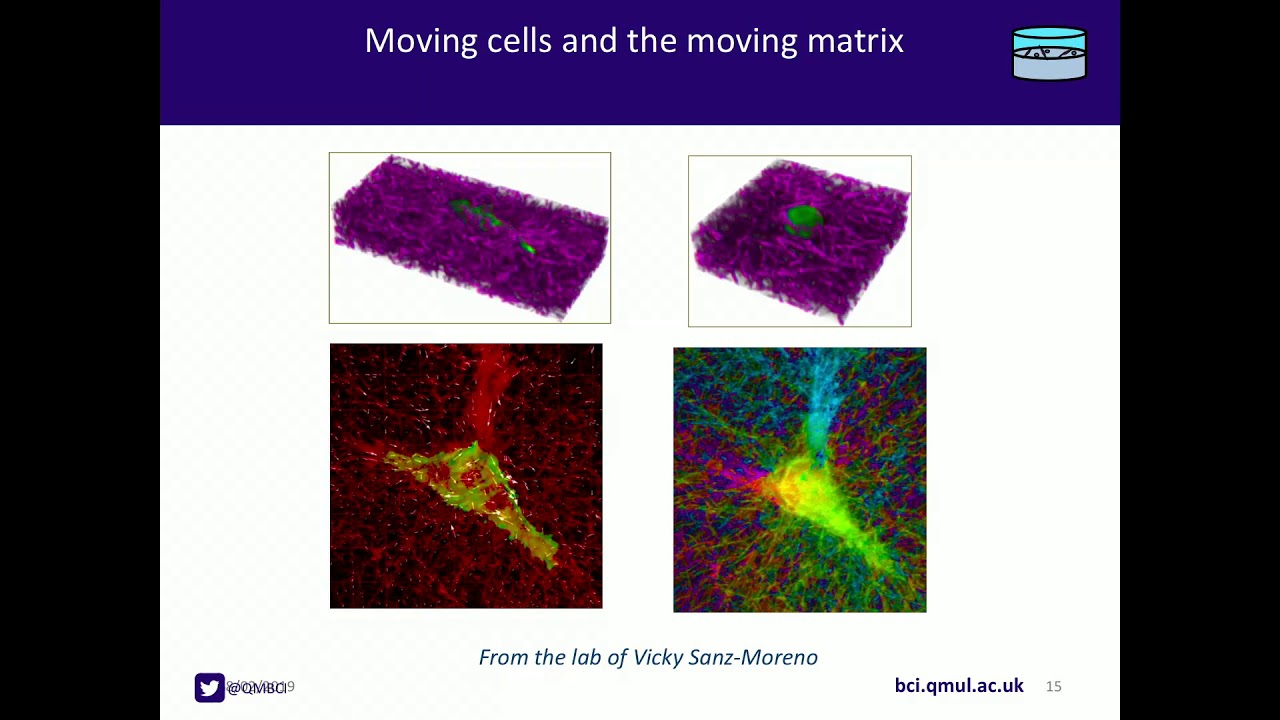
Angiogenesis is the process by which new blood vessels form from pre-existing vessels. Tumors require angiogenesis to grow beyond a certain size because they cannot obtain sufficient nutrients and oxygen through diffusion alone. Tumor cells secrete angiogenic factors (such as VEGF) that stimulate endothelial cells to form new blood vessels. These new vessels are often abnormal and leaky, contributing to the hypoxic and nutrient-depleted conditions in tumor cores.
Click to watch →
CSAR: Prof Frances Balkwill
208
Cancer cannot grow without blood vessels because tumors require a constant supply of oxygen and nutrients to sustain their rapid proliferation. This process of forming new blood vessels is called angiogenesis. In cancer, this angiogenesis is chaotic and disorganized compared to the structured vasculature found in normal body tissues. The chaotic nature of tumor blood vessels contributes to the aggressive behavior of many cancers.
Click to watch →
BIOLOGÍA MOLECULAR: Biología Molecular en la metástasis.
870
Angiogenesis is the process by which tumors create new blood vessels to supply nutrients and oxygen for growth. Normal angiogenesis occurs when the body repairs damaged blood vessels, but tumor angiogenesis (neovascularization) is a hallmark of cancer where tumors create new vessels from scratch. This process is essential because tumors need oxygen and nutrients to grow beyond a certain size. The new blood vessels formed by tumors are characterized by abnormal structure, including many twists and turns, poor cellular organization, and high permeability (leakiness), which distinguishes them from normal blood vessels.
Click to watch →

Targeting Cancer Therapies (Lunch with the Doctor) July 2014
147
Angiogenesis is the process by which tumors recruit their own blood vessels to support growth. Without a blood supply, tumors cannot grow larger than approximately one cubic centimeter due to limitations in nutrient diffusion and oxygen availability. Tumors develop the ability to stimulate new blood vessel formation, which allows them to expand and progress. Interestingly, tumor blood supplies are abnormal compared to normal tissue blood supplies, being leakier and having different properties that can be exploited for imaging purposes.
Click to watch →

SENIORS: 5 Foods That Help Fight Against Cancer & Repair The Body
347.9K
Angiogenesis is the process of growing new blood vessels, which is normal and healthy for wound healing. However, when cancer cells hijack this process, tumors can grow dramatically. Every cell needs oxygen and nutrients delivered by blood vessels, but microscopic cancers are too small to recruit their own blood supply. A cancer cannot grow larger than about 2mm (the size of a ballpoint pen tip) without blood vessels. Once blood vessels reach a tumor and start feeding it, the tumor can grow 16,000 times larger in just two weeks. The difference between a harmless speck and a deadly tumor depends entirely on whether angiogenesis occurs.
Click to watch →
Deep Dive
Fundamentals of cell biology, specifically cell membrane structure and mechanisms of cellular uptake like endocytosis.

المحاضرة الرابعة | (Cytology 4(Function of cell membrane -rER & sERــ Histology |
7.2K
The cell membrane is a 7.5-10 nm structure composed of lipids (50%), proteins, and carbohydrates, visualized with silver or PAS stains. It follows the fluid mosaic model with a phospholipid bilayer, cholesterol for fluidity, integral proteins for transport, and glycoproteins forming the glycocalyx. Endocytosis encompasses three mechanisms: phagocytosis (engulfing solids via pseudopodia forming phagosomes that fuse with lysosomes), pinocytosis (fluid uptake via membrane invagination forming pinosomes), and receptor-mediated endocytosis (selective uptake via receptor binding forming coated pits with clathrin). Growth hormone receptor deficiency causes dwarfism even with normal hormone levels, demonstrating receptor importance in cellular signaling.
Click to watch →
Fagocitose e Pinocitose (Endocitose) - Mais biologia; Roger Maia
54.5K
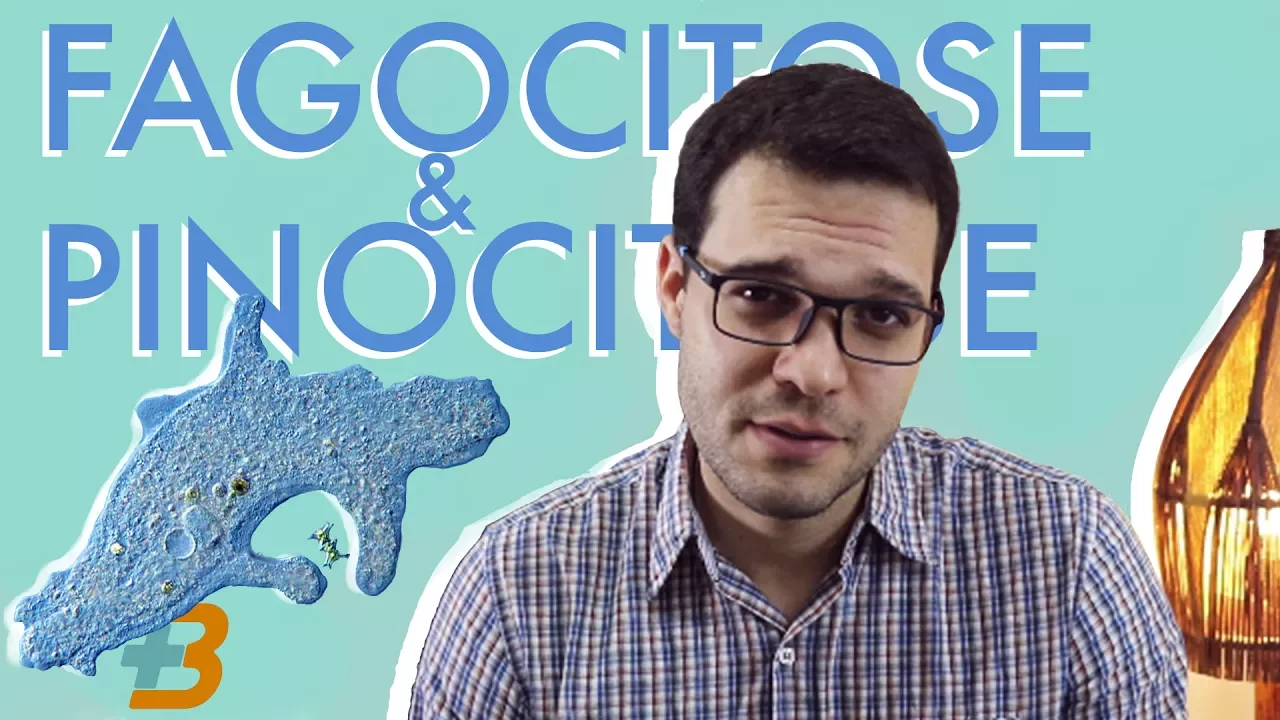
This comprehensive section covers the foundational concepts of cellular transport. It begins with the plasma membrane structure, explaining how phospholipids form a bilayer with polar heads and apolar tails, along with embedded proteins and external carbohydrates forming the glycocalyx for cell recognition. The membrane controls substance transport across the cell boundary. The lecture then introduces endocytosis as the process of transporting substances through membrane-bound vesicles, classifying it into phagocytosis (from Greek 'to eat') and pinocytosis (from Greek 'to drink'). Phagocytosis involves engulfing large solid particles like bacteria using membrane projections called pseudopods, which fuse to form phagosomes. Pinocytosis absorbs small particles and liquids through membrane invagination without pseudopod formation, creating pinosomes. Both processes allow cells to take in essential materials from their environment.
Click to watch →

Crash course II Cytology II القصر العيني 199
721
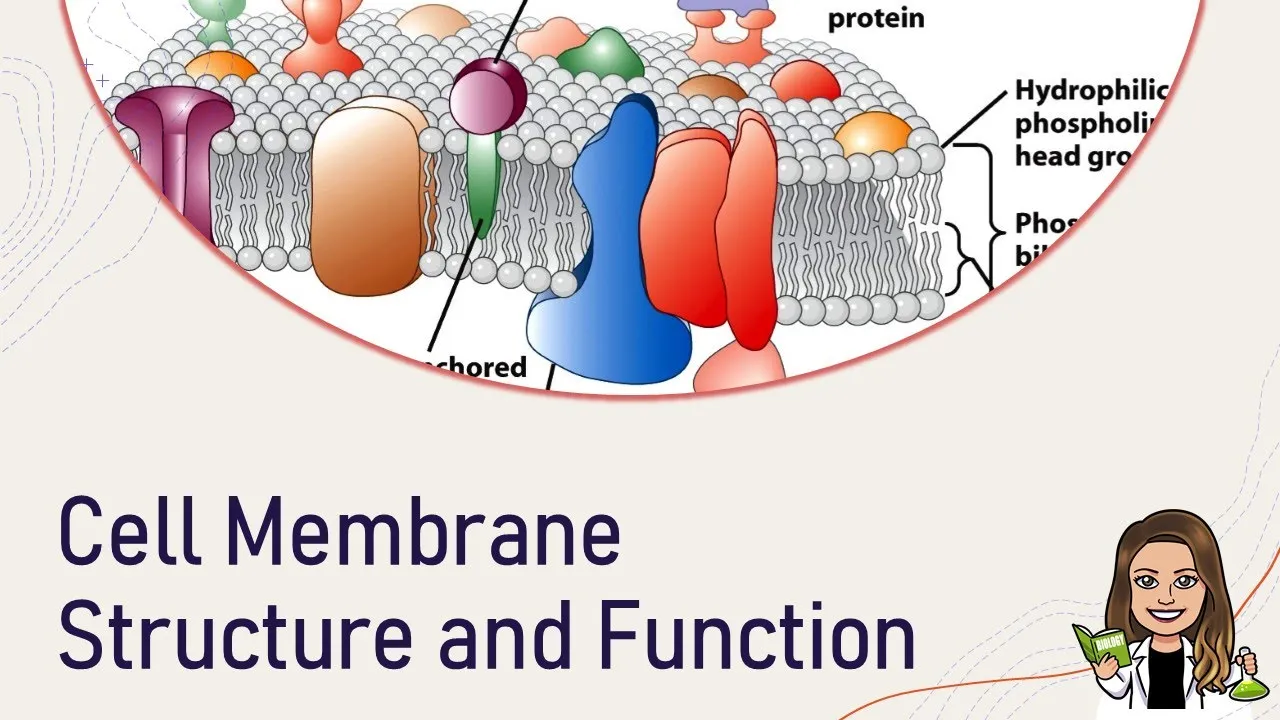
The cell membrane (plasma membrane) is a thin barrier (7.5-10 nm) defining cell boundaries, appearing trilaminar under electron microscopy. It consists of phospholipids forming a bilayer with hydrophilic heads outward and hydrophobic tails inward, cholesterol for stability and fluidity regulation, and proteins (peripheral and integral) for transport. Carbohydrates on the outer surface form the glycocalyx for cell recognition. Endocytosis includes phagocytosis (solid materials via pseudopodia), pinocytosis (liquid materials via invagination), and receptor-mediated endocytosis (specific substances via clathrin-coated pits). Exocytosis is the reverse process for material export.
Click to watch →
Biology: Cell Membrane Structure and Function (Ch 7)
6.5K
Endocytosis is the process by which cells take in macromolecules by forming vesicles from the plasma membrane itself. The cell surrounds what it wants to take in and pulls it into the cell by pinching off part of the membrane. There are three types: pinocytosis (cellular drinking, taking in fluids), phagocytosis (cellular eating, taking in particles), and receptor-mediated endocytosis (specific uptake where ligands bind to receptors before internalization).
Click to watch →

Plasma Membrane
262.8K
The plasma membrane consists of a double layer of phospholipid molecules with embedded proteins serving as gates, pumps, and receptors. Active transport maintains cellular ion balance through specialized ion pumps. Cells acquire nutrients through multiple mechanisms: phagocytosis engulfs solid particles by extending the membrane around them; pinocytosis absorbs fluid droplets containing dissolved nutrients; and receptor-mediated endocytosis uses specific protein receptors to selectively internalize particular molecules like hormones. These uptake processes demonstrate the membrane's remarkable flexibility and self-sealing properties, allowing cells to maintain internal environments vastly different from their surroundings while efficiently acquiring necessary materials for survival.
Click to watch →
Deep Dive
An understanding of the nanoscale, including what nanoparticles are and how scale affects physical and chemical properties.

تطبيقات النانو نكنولوجي - شرح وحل اهم الاسئلة 🔥 | علوم متكاملة اولى ثانوي ترم تاني 2026 | خيري ياسر
988
Nanotechnology deals with materials at the nanoscale (1-100 nanometers). A nanometer is one billionth of a unit (10^-9), making it infinitely small. Scale comparisons: a human hair is 100,000 times larger, a sand grain is 1 million times larger, water molecules are 0.3 nanometers, and atoms range from 0.1-0.3 nanometers. At this scale, materials exhibit unique properties: gold changes from yellow to blue/red/orange, copper becomes harder than iron, and carbon nanotubes become excellent electrical conductors. These property changes occur due to two main reasons: increased surface area to volume ratio and quantum effects.
Click to watch →

شرح تطبيقات النانوتكنولوجي I الدرس الخامس الباب التالت I اولي ثانوي 2026
331
Nanotechnology deals with materials at the nanoscale, where 'nano' means extremely small (from Greek 'dwarf'). One meter contains one billion nanometers (10^9 nm), making a nanometer one billionth of a meter. Nanoparticles range from 1 to 100 nanometers in size. At this scale, materials exhibit unique properties: gold nanoparticles appear red, blue, or orange instead of yellow; copper nanoparticles become significantly stronger than bulk copper. These changes occur because nanoparticles interact with light and forces differently. The nanometer (nm) is the standard unit, where 1 nm equals 10^-9 meters. Understanding this scale is essential for appreciating why nanomaterials enable applications like cancer treatment that are impossible with larger materials.
Click to watch →
MCQ on Nanomaterials and Nanotechnology
13.8K
Nanoparticles are measured in nanometers, with one nanometer being one-billionth of a meter—smaller than visible light wavelengths and about one-hundred-thousandth the width of a human hair. At this scale, materials exhibit unique physical, chemical, and biological properties. As particle size decreases, the surface area to volume ratio increases dramatically, meaning more atoms are located at the surface rather than in the interior. This increased surface reactivity leads to enhanced properties compared to bulk materials, such as different colors (gold nanoparticles appear red/blue instead of yellow) and improved catalytic activity.
Click to watch →

Что такое Наночастицы. Химия – просто.
106K
Nanoparticles exhibit dramatically different physical and chemical properties compared to bulk materials. Physically, nano-sized particles behave differently from micron-sized particles of the same material—for example, nano aluminum oxide powder behaves almost like a liquid while micron powder behaves like sand. Chemically, nanoparticles show enhanced reactivity because a high proportion of atoms are located on the surface rather than in the interior. A 20-nm spherical particle contains only a few thousand atoms, meaning almost all atoms are accessible for reactions. Copper nanoparticles react completely with oxygen unlike bulk copper which forms a protective oxide layer. These unique properties make nanoparticles valuable for applications in ceramics, metallurgy, and nano coatings, though challenges remain including tendency to agglomerate and difficulties in separation using conventional filtration methods.
Click to watch →

AWSAR Webinar 3 I Understanding of Popular Science Writing
292
Nanotechnology is defined as the field of research and innovation concerned with building things and devices at the scale of atoms and molecules. The term 'nano' comes from the Greek word meaning 'dwarf' or 'very small.' A human hair is approximately 80,000 nanometers thick, and a newspaper sheet is about 100,000 nanometers thick. If a marble were one nanometer in size, one meter would be the size of Earth. Anything having a size of 1 to 100 nanometers is classified as a nanoparticle or nanomaterial. At this scale, ordinary rules of physics and chemistry no longer apply, causing properties like color, strength, conductivity, and reactivity to change entirely.
Click to watch →
Deep Dive
Principles of traditional chemotherapy, including how systemic drugs travel through the body and their associated side effects on healthy tissues.

Principles of Chemotherapy
195
Chemotherapy is primarily a systemic treatment where drugs travel through the bloodstream to reach malignant cells throughout the body. Since chemotherapy targets rapidly dividing cells regardless of their location, it affects both cancer cells and normal dividing cells such as hair follicles, taste buds, gastrointestinal tract cells, and nail beds. This explains why patients experience systemic side effects including hair loss, nail changes, taste alterations, diarrhea, and vomiting.
Click to watch →
Drug Delivery Materials, Polymersomes, Biodegradable Polymers
2.8K
Traditional chemotherapy delivers cytostatic drugs through intravenous infusion, allowing them to travel throughout the bloodstream and affect all dividing cells in the body. This approach can reach cancer cells not detectable by examination or treatable by surgery or radiation. However, this systemic delivery causes significant adverse effects because cytostatics attack not only cancer cells but also healthy rapidly dividing cells including blood-producing cells, hair cells, and mucous membrane cells. Common side effects include hair loss, anemia, nausea, vomiting, diarrhea, and mouth infections. Additionally, most anti-cancer drugs face challenges including poor solubility, low tumor selectivity, and associated toxicity.
Click to watch →

Morning Meeting: Not Just Chemo. What Else is Available?
519
Traditional chemotherapy is non-selective, meaning it affects both cancer cells and healthy cells systemically. This non-selective nature causes common side effects including nausea, vomiting, hair loss, and diarrhea.
Click to watch →

Promising new cancer treatment clears FDA hurdle
2.7K
Traditional chemotherapy works by poisoning cancer cells, but it also poisons healthy cells in the body simultaneously. This occurs because chemotherapy targets rapidly dividing cells, which includes both cancer cells and normal cells like those in the stomach, intestines, and bone marrow. The side effects are enormous and include anemia (due to bone marrow suppression), extreme fatigue, and damage to healthy tissues.
Click to watch →
Cancer Nursing Care Overview | Chapter 16 – Lewis’s Medical-Surgical Nursing (12th)
1.9K
Chemotherapy uses systemic drugs that travel throughout the body to kill or slow cancer cell growth. Chemo drugs target rapidly dividing cells, which is why they're effective against cancer but also cause side effects in normal rapidly-dividing cells (mouth lining, gut, hair follicles, bone marrow). Intravenous administration is common but carries risks of extravasation (drug leaking out of the vein). Some drugs are vesicants causing severe tissue damage if they leak. Central venous access devices (PICC lines, ports) provide secure long-term access.
Click to watch →
Prerequisite Knowledge
- Concept 01Basic cancer biology, including the concept of tumor growth, angiogenesis, and how tumor blood vessels differ from healthy ones.
- Concept 02Fundamentals of cell biology, specifically cell membrane structure and mechanisms of cellular uptake like endocytosis.
- Concept 03An understanding of the nanoscale, including what nanoparticles are and how scale affects physical and chemical properties.
- Concept 04Principles of traditional chemotherapy, including how systemic drugs travel through the body and their associated side effects on healthy tissues.
Subsequent Learning
- Step 01The distinction between passive targeting (via the Enhanced Permeability and Retention or EPR effect) and active targeting using ligands like antibodies.
- Step 02Different classes of nanocarriers used in medicine, such as liposomes, polymeric nanoparticles, dendrimers, and inorganic nanoparticles.
- Step 03Stimuli-responsive drug delivery systems that trigger drug release based on environmental cues like pH, temperature, or enzymes.
- Step 04The translational challenges of nanomedicine, including biocompatibility, clearance by the immune system, and the FDA approval process.
Nanoparticle Basics
Targeted Delivery
Nanoparticle Basics
0:01Playing Section
- 1
Defines nanoparticles as tiny 1-100 nm particles.
- 2
Explains cancer as uncontrolled cell division forming tumors.
- 3
Highlights limitations of chemo and radiation harming healthy cells.
The EPR Effect Translational Gap and Low Delivery Efficiency
While nanoparticle drug delivery holds immense promise in theory, a significant counter-perspective focuses on the "translational gap"—the failure of these therapies to perform as well in human clinical trials as they do in animal models. The foundational mechanism of passive nanoparticle targeting, the Enhanced Permeability and Retention (EPR) effect, relies on "leaky" tumor blood vessels. However, clinical research reveals that human tumor vasculature is far more heterogeneous and less permeable than that of rodents. Consequently, a landmark meta-analysis found that a median of only 0.7% of administered nanoparticle doses actually reach the target tumor. The remaining 99.3% is typically filtered by the liver, spleen, and kidneys. This massive off-target accumulation challenges the claim that nanoparticles protect healthy tissue, raising concerns about hepatotoxicity and long-term safety. Critics argue that the nanomedicine field suffers from preclinical overhype and advocate for shifting focus toward addressing the complex biological barriers of human tumors directly rather than relying on passive accumulation.
Deep Dive
The distinction between passive targeting (via the Enhanced Permeability and Retention or EPR effect) and active targeting using ligands like antibodies.
Biomaterials - II.5.16 - Drug Delivery Systems
3.2K
Targeted drug delivery improves treatment specificity by directing drugs to exact sites. Passive targeting exploits physicochemical characteristics: the Enhanced Permeability and Retention (EPR) effect causes tumors' increased porosity to trap particles sized 100nm-1μm, delivering toxic chemotherapy specifically to cancer cells. Active targeting uses molecular specificity: antibodies recognize cell surface markers, while carbohydrate ligands (mannose, galactose) and nutrient receptors (transferrin, folic acid) enable cellular internalization for intracellular action. Both approaches aim to achieve the 'magic bullet' effect—maximizing therapeutic impact while minimizing systemic toxicity.
Click to watch →

HABLEMOS DE FÍSICA Nanociencia en medicina: transportando fármacos UCM
971
Nanomedicine employs active targeting (using ligands like antibodies, peptides, aptamers) and passive targeting (exploiting the Enhanced Permeability and Retention effect). Clinical nanoparticles must meet requirements: biocompatibility, stability, ease of application, prolonged circulation time, selective accumulation, and safe elimination. Optimal size for systemic delivery is 80-120 nm. Surface functionalization with polyethylene glycol (PEG) creates a 'stealth' effect preventing immune recognition. Targeting ligands enable specific binding to cancer cell receptors, while the EPR effect allows accumulation in tumor tissue due to leaky vasculature.
Click to watch →
Lecture 1: Nanotechnology Basics for drug and nutraceuticals delivery | Murali Mohan Yallappu
116
Two targeting mechanisms deliver therapeutics precisely: (1) EPR effect - tumor leaky vasculature allows nanoparticle accumulation (10-220 nm range); unlike small molecules, nanoparticles remain trapped due to poor lymphatic drainage. (2) Active targeting - ligands (antibodies, sugars) bind specific cell receptors (HER2, folate receptors). Serum protein corona formation upon injection masks nanoparticle surfaces, critically influencing biodistribution. Combined with size-dependent organ targeting (1 nm for liver, 10 nm for kidneys), these mechanisms enable precise therapeutic delivery to diseased tissues while sparing healthy cells.
Click to watch →
Basic Understanding the Role of Nanomedicine in Cancer Treatments
950
Nanoparticle selection requires consideration of size (10-200 nm), surface charge (negative preferred for biocompatibility), stability, biodegradability, and drug loading capacity. Key performance metrics include minimizing serum protein interaction, maintaining long circulation time, achieving high tumor accumulation, and effective drug release. Liposomes and polymeric nanoparticles are most widely used for cancer therapy, offering excellent drug loading, biocompatibility, and targeting capabilities. The Enhanced Permeation and Retention (EPR) effect enables passive tumor targeting: nanoparticles (50-100 nm) penetrate leaky tumor vasculature (100+ nm gaps) while normal tissue has tight junctions. Small molecules can enter but are expelled by P-gp proteins, while nanoparticles accumulate more effectively. Active targeting attaches ligands, antibodies, or peptides to nanoparticle surfaces for specific tumor cell binding.
Click to watch →
noc19 bt23 lec61 Targeted Drug Delivery System
2.5K
Targeted drug delivery systems are classified into passive targeting (utilizing the EPR effect where nanoparticles accumulate in leaky tumor vasculature) and active targeting (using specific ligand-receptor interactions, antibodies, or aptamers to bind to disease-specific markers on target cells). Active targeting offers higher specificity but faces challenges including increased particle size affecting pharmacokinetics, protein adsorption masking targeting moieties, and uncertain therapeutic benefit in clinical applications.
Click to watch →
Deep Dive
Different classes of nanocarriers used in medicine, such as liposomes, polymeric nanoparticles, dendrimers, and inorganic nanoparticles.

Week 02: Lecture 06: Introduction on Nanoparticles as Drug Delivery System-I
1.8K
Nanomaterials are classified into organic and inorganic categories based on composition. Inorganic nanomaterials lack carbon-hydrogen bonds and include metallic and metal oxide compounds such as nanoshells, quantum dots, iron oxide, gold, silica, and silver nanoparticles. Organic nanomaterials contain carbon-hydrogen bonds and include liposomes, polymeric nanoparticles, micelles, dendrimers, and lipid nanoparticles. Both categories can form self-assembled nanostructures through weak intermolecular interactions under specific conditions. This classification guides selection of appropriate nanocarriers for different therapeutic applications, balancing properties like biocompatibility, targeting capability, and drug loading efficiency.
Click to watch →
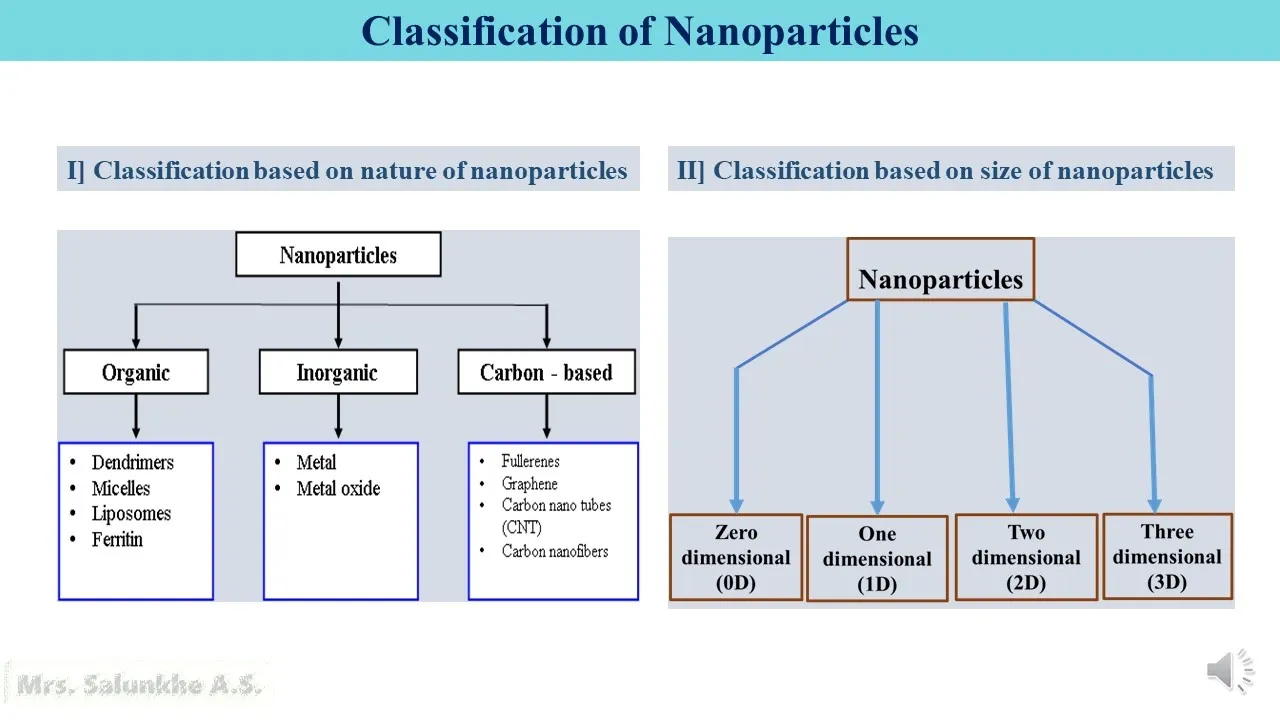
Classification of Nanoparticles #nanotechnology #nanoscience
25.4K
Nanoparticles are classified into two main categories: by nature (organic nanoparticles including dendrimers, liposomes, and ferritin; inorganic nanoparticles including metal and metal oxide nanoparticles; and carbon-based nanoparticles including fullerenes, graphene, carbon nanotubes, and carbon nanocones) and by size/dimension (zero-dimensional nanoparticles with all dimensions below 100 nm, such as quantum dots; one-dimensional nanoparticles with two dimensions at nanoscale like nanowires and nanotubes; two-dimensional nanoparticles with one dimension at nanoscale like graphene layers; and three-dimensional nanoparticles with all dimensions above 100 nm).
Click to watch →
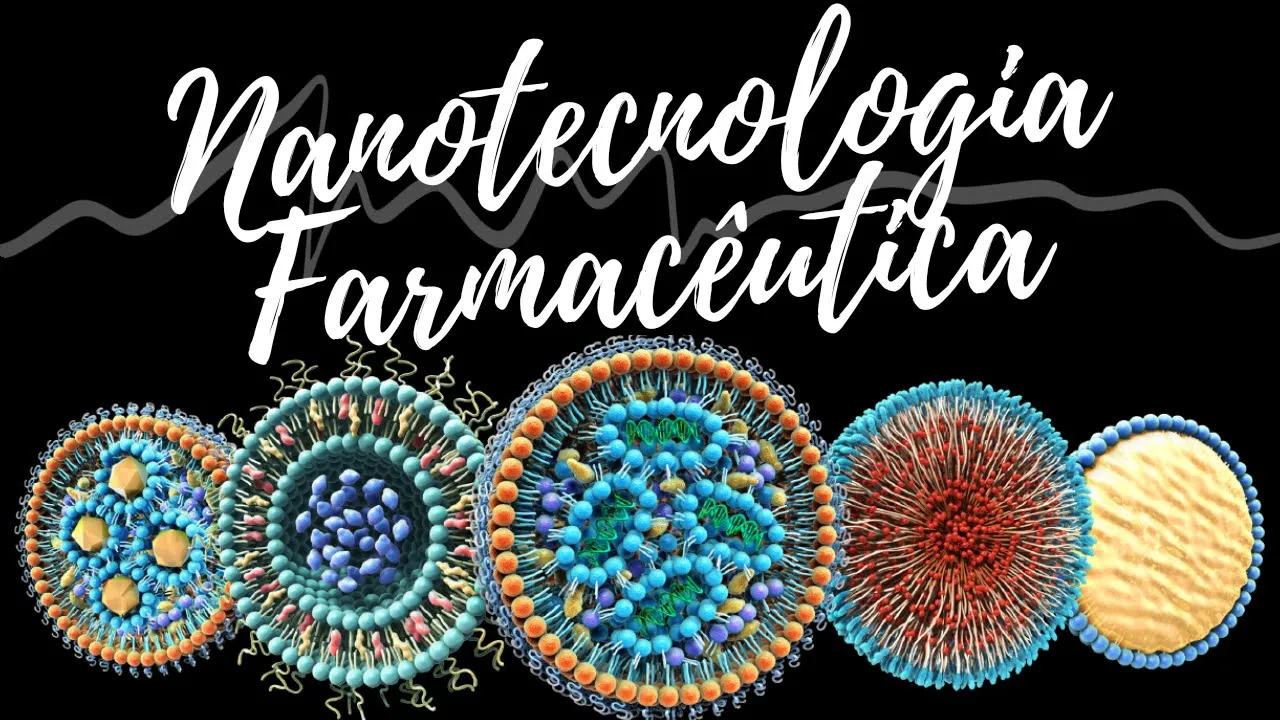
Nanotecnologia Farmacêutica (Nanobiotecnologia): as principais nanoestruturas utilizadas
16.7K
Nanotechnology in pharmacy, known as nanobiotecnologia, involves the development of therapeutic systems at the nanoscale (1-1000 nm) that enable controlled drug delivery, improved targeting, and enhanced therapeutic efficacy. The five primary nanostructures used in pharmaceutical applications include: liposomes (amphiphilic lipid vesicles with concentric layers for encapsulating hydrophilic and hydrophobic compounds), polymeric nanoparticles (divided into capsules with distinguishable cores and spheres with homogeneous matrices), lipid-based nanoparticles (including nanostructured lipid carriers and solid lipid nanoparticles), dendrimers (symmetrical, branched molecules with internal cavities for drug encapsulation), and inorganic nanoparticles (offering low toxicity, controlled release, and imaging capabilities for targeted cancer therapy).
Click to watch →
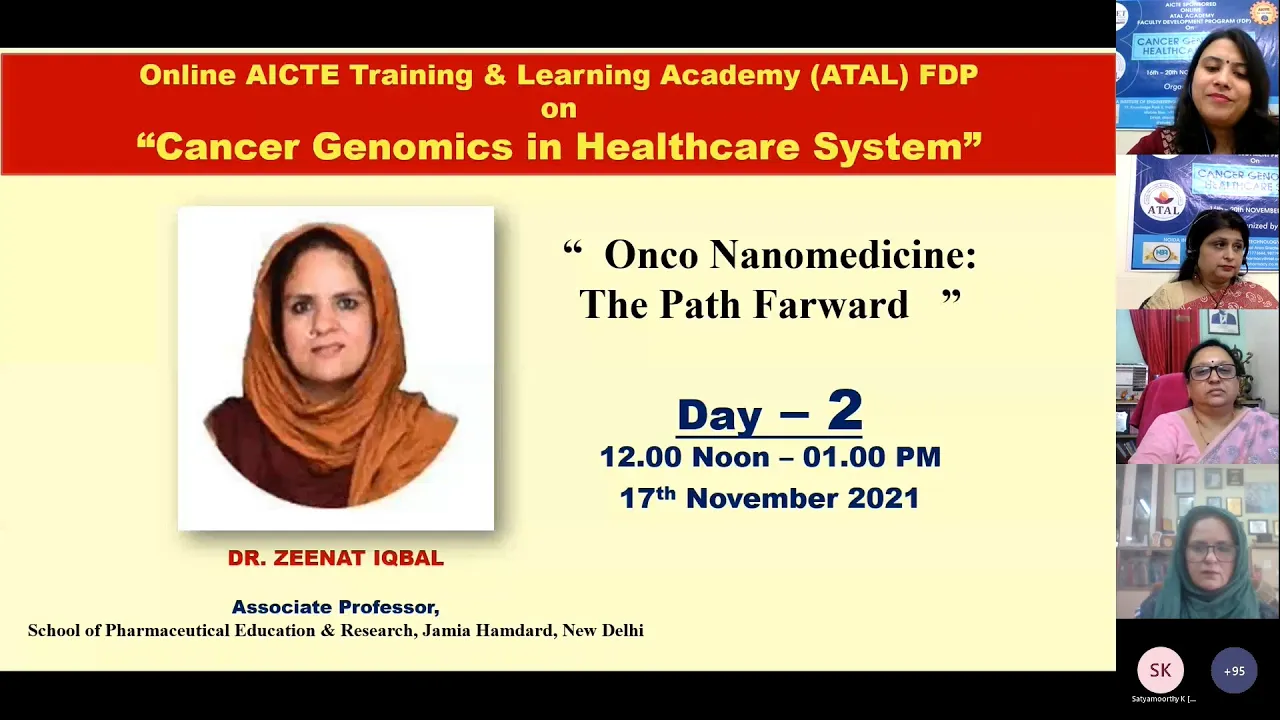
Onconanomedicine: The Path Forward by Dr Zeenat Iqbal
380
Nanomedicine for oncology employs various tools including nanoparticles for drug delivery, diagnostic systems for quick diagnosis, and therapeutic approaches combined with radiotherapy and immunotherapy. The armamentarium includes nano-scale delivery systems ranging from simple microemulsions to complex polymeric nanoparticles. Types of nanocarriers include microemulsions, liposomes, nanoemulsions, microclusters, multiple emulsions, microgels, biopolymer nanoparticles, polymeric nanospheres and nanocapsules, lipid nanocarriers (solid lipid nanoparticles), dendrimers, and metal nanoparticles (gold, silver). Advanced systems include mesoporous silicon nanoparticles for higher drug loading capacity.
Click to watch →
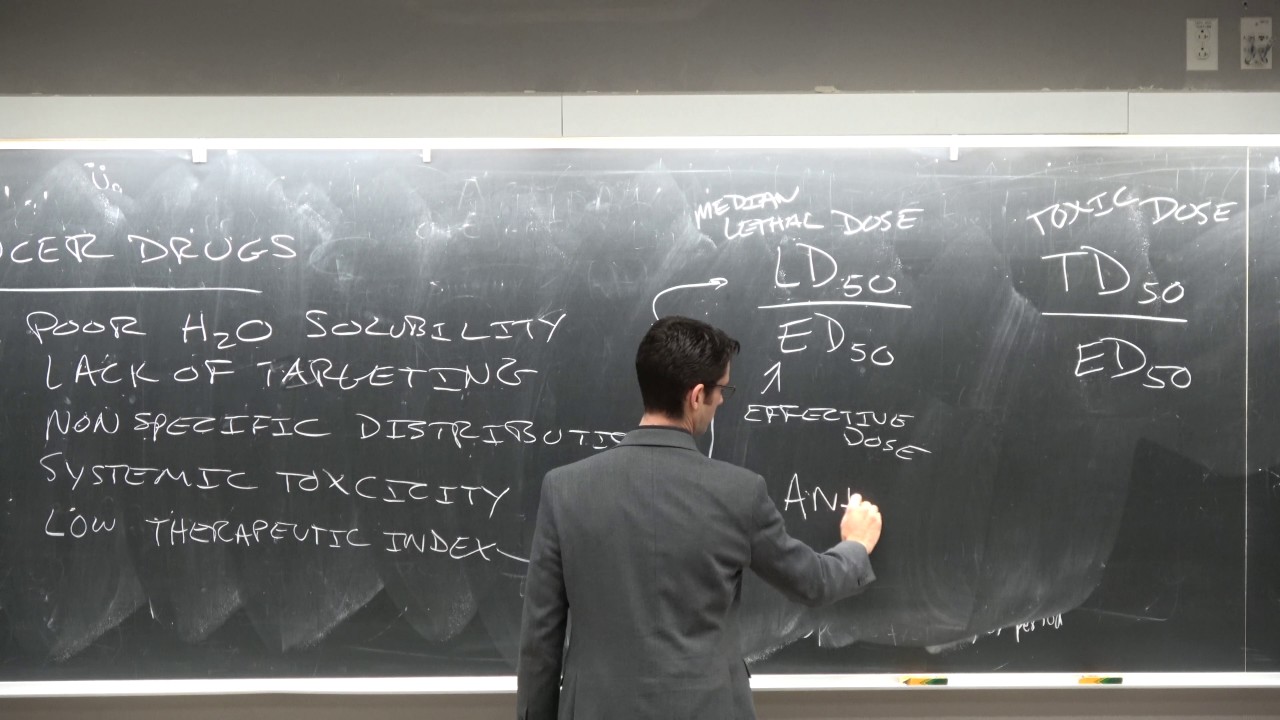
Ep18 Nanoparticle drug delivery - overview of strategies. UCSD, NANO 11/101, Darren Lipomi
9.6K
Drug delivery nanoparticles are generally classified into three main categories based on their structure and composition. Nano shells consist of a core material surrounded by a thin shell, which can be metallic or polymeric, and can be engineered for stimulus-responsive behavior. Liposomes are bilayer vesicles composed of amphiphilic molecules with aqueous interiors and hydrophobic exteriors, capable of solubilizing both hydrophilic and hydrophobic drugs. Polymer nanoparticles offer diverse formulations including diffusion-controlled and erosion-controlled release systems. Each class provides distinct advantages for different therapeutic applications and release requirements.
Click to watch →
Deep Dive
Stimuli-responsive drug delivery systems that trigger drug release based on environmental cues like pH, temperature, or enzymes.

A Webinar on Pharmaceutical Technology
378
Stimuli-responsive systems release drugs in response to environmental triggers: (1) pH-sensitive hydrogels - polymers containing acidic and basic groups swelling/shrinking depending on pH; (2) Temperature-responsive polymers - exhibit lower critical solution temperature (LCST), shrinking above LCST; (3) Enzyme-triggered systems - release activated by enzymes present at disease sites; (4) Glucose-responsive insulin delivery - glucose oxidase converts glucose to gluconic acid, lowering pH and triggering release. These intelligent systems provide self-regulated therapy maintaining therapeutic levels while minimizing systemic exposure. Applications include diabetes management, cancer therapy, and targeted release at pathological sites. The technology represents the frontier of personalized and precision medicine, enabling dynamic response to physiological changes.
Click to watch →
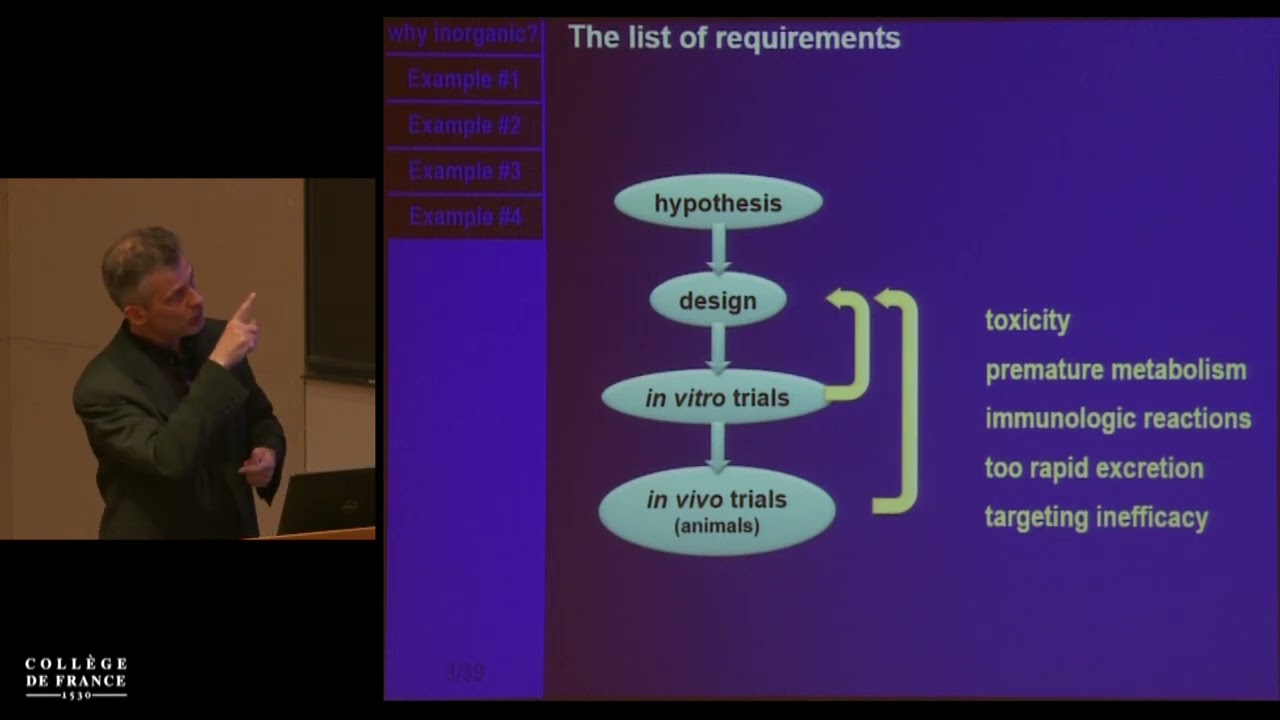
Procédés physico-chimiques pour l'élaboration de matériaux... (2) - Jean-Marie Tarascon (2015-2016)
129
Stimuli-responsive drug delivery systems use environmental triggers to control therapeutic release. Gatekeeper molecules (long-chain fatty acids or alcohols with precise melting points) block mesoporous silica pores when solid and release drugs when melted. Using capric acid (melting point 45°C) or tetradecanol (39°C), release can be triggered by temperature changes, enabling pulsatile delivery patterns. pH-sensitive block copolymers (like poly(ε-caprolactone) crystallizing below pH 4.5) bind positively charged drugs at physiological pH (7.4) and release them in acidic tumor microenvironments or cellular interiors. These smart systems provide inherent targeting without external activation. Combined with magnetic nanoparticles, these approaches enable multifunctional delivery where targeting, tracking, and release are integrated into single platforms.
Click to watch →
BIOMATERIALES INTELIGENTES GRUPO GIBI UCM
271
Multiple stimuli-responsive drug delivery systems are developed: (1) pH-responsive systems where gates remain closed at physiological pH (7.4) but degrade in acidic tumor environments, enabling targeted cancer treatment; (2) magnetic-responsive systems using iron oxide nanoparticles within mesoporous silica, where external magnetic fields generate heat to trigger temperature-sensitive polymer conformation changes; (3) light-responsive systems with UV-sensitive polymers that break down under UV exposure; (4) ultrasound-responsive systems with ultrasound-sensitive polymer units. Evaluation involves in vitro cell viability testing and in vivo animal models.
Click to watch →

Nanogels Are Like Sponges
4.9K
Nanogels are nano-sized particles made of cross-linked polymer molecules that function like sponges, swelling when absorbing water and releasing their contents under specific stimuli such as pH or temperature changes; this tunable property allows scientists to design targeted drug delivery systems where therapeutic molecules are released only at desired locations, such as acidic tumor environments, making nanogels promising for treating cancer, autoimmune diseases, and neurodegenerative conditions.
Click to watch →
noc19 bt23 lec61 Targeted Drug Delivery System
2.5K
Environmentally responsive drug delivery systems respond to specific physiological conditions. Colon-specific delivery uses pH-responsive polymers with azo bonds and carboxyl groups that remain non-ionized in the stomach but become charged in the colon, expanding pore size. Colonic microbiota enzymes further cleave these bonds for drug release. Glucose-sensitive systems use glucose oxidase enzymes that produce H+ ions when glucose is present, causing local pH drops that trigger polymer shrinkage and pore opening for drug release. Bio-shielding strategies coat particles with lipids, polymers (like PEG), carbohydrates, or proteins to prevent immune detection and improve circulation time.
Click to watch →
Deep Dive
The translational challenges of nanomedicine, including biocompatibility, clearance by the immune system, and the FDA approval process.

Nanomedicine: The Concept, Success, Opportunities, and Challenges
2.4K
Most nanomedicines remain far from clinical translation due to significant challenges: complexity of biological systems where nanoparticle internalization depends on size, shape, and surface functionality; biodistribution issues with most nanoparticles accumulating in liver and spleen (immune organs) rather than target tissues; and the need for systematic optimization of all parameters for each disease application. Surface modification is critical to avoid immune recognition (opsonization). Future directions include developing better predictive models for nanoparticle behavior, improving targeting specificity, and advancing manufacturing processes for consistent quality. The ultimate goal is achieving selective delivery to tumors while minimizing healthy tissue exposure—a 'magic bullet' approach for cancer treatment.
Click to watch →
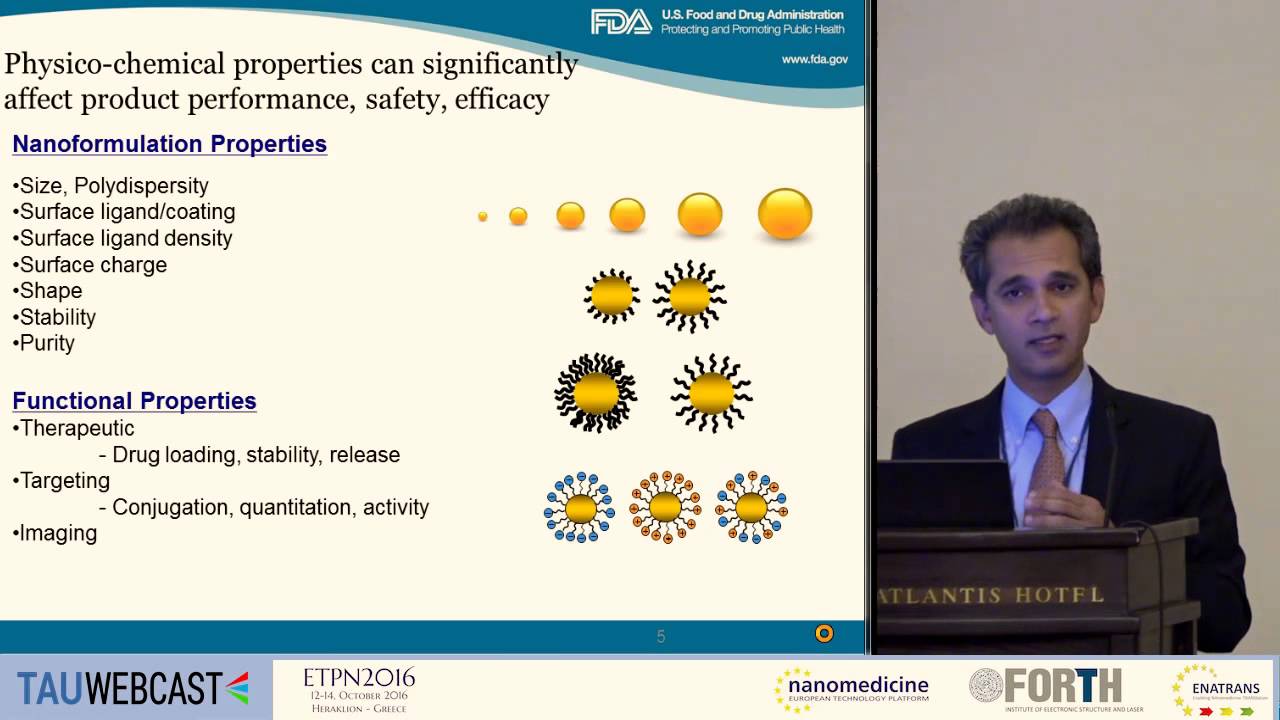
Preclinical Research and Development considerations fro Nanomedicine
635
The FDA regulates nanomedicines under existing frameworks without separate nanotechnology-specific regulations. Regulatory decisions are based on three fundamental product attributes: quality, safety, and efficacy. The FDA considers nanotechnology as materials in the 1-100 nanometer range exhibiting unique phenomena enabling novel applications, with the definition extending beyond 100 nanometers up to a micron size if unique properties are present. FDA requires comprehensive characterization including identity, strength, quality, purity, potency, bioavailability, stability, manufacturing process, controls, and analytical procedures. Unlike small molecule drugs characterized by NMR, HPLC, and mass spectrometry, nanomedicines require additional techniques such as electron microscopy, dynamic light scattering, and static light scattering. Nanomedicines often contain surface coatings that significantly influence biological behavior, affecting pharmacokinetics, biodistribution, safety, and efficacy. Beyond size and coating, nanoparticle charge and shape significantly affect biological behavior. FDA has approved nanomedicines for over 40 years, with Doxil (doxorubicin encapsulated liposome) approved in 1995 as an early example. FDA submissions typically enter through IND (Investigational New Drug) applications for new drugs or IDE (Investigational Device Exemption) for devices. Nanomedicine preclinical development requires comprehensive physical-chemical characterization of nanoparticles including drug-loaded formulations. GMP-compliant nanomedicines require sterilization while maintaining product integrity. Gamma radiation can completely change metal nanoparticle structure, while steam sterilization is unsuitable for biologics. Interactions between nanoparticles, biologics, and storage/delivery vessels cause protein aggregation. Endotoxin measurement is a critical challenge for nanomedicines, where standard testing techniques face interference issues. EU clinical trials require facing national regulatory agencies for each country. The new EU Medical Device Regulation (MDR) creates significant challenges for nanomedicines, with many devices facing higher classification requiring more extensive clinical evidence and lifecycle updates. Individual device traceability is required rather than batch-level, increasing manufacturing costs.
Click to watch →

Targeted Nanodrugs: the Drugs of the 21 Century?
616
Translating nanomedicine from laboratory to clinic requires addressing fundamental translational challenges. Biocompatibility demands that nanoparticles be biodegradable, non-immunogenic, and have established pharmacokinetic profiles. A critical consideration is the dilution effect: while animal studies use 10-fold dilution, human administration involves 3,500-fold dilution, dramatically affecting drug release kinetics. Many promising formulations fail because they work well in mice but fail in humans due to this difference. Comprehensive databases on composition, structure, and biological behavior are essential for accelerating development. The gap between preclinical success and clinical translation remains one of the greatest challenges in nanomedicine.
Click to watch →
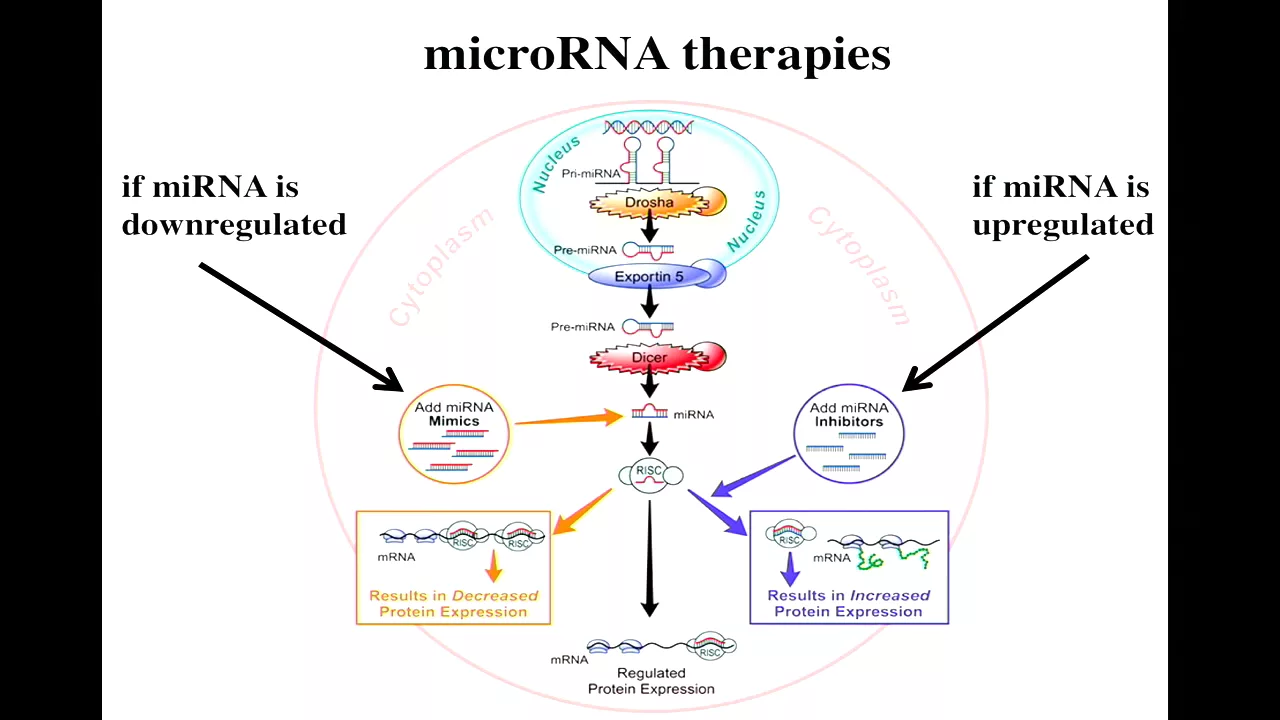
6th Annual TMII Symposium - 2016 - Session III - Nanomedicine - Dr. Anna Moore
161
Despite high potential, precision nanomedicine faces several challenges: (1) Drug toxicity and immune response issues, (2) Tumor heterogeneity, (3) Regulatory challenges - cannot go to FDA for each individual patient treatment, requiring unified processes, (4) Big data issues from genetic information generation requiring analysis, interpretation, sharing, and storage, which creates privacy concerns and high costs. These challenges must be addressed for successful clinical translation of precision nanomedicine approaches.
Click to watch →
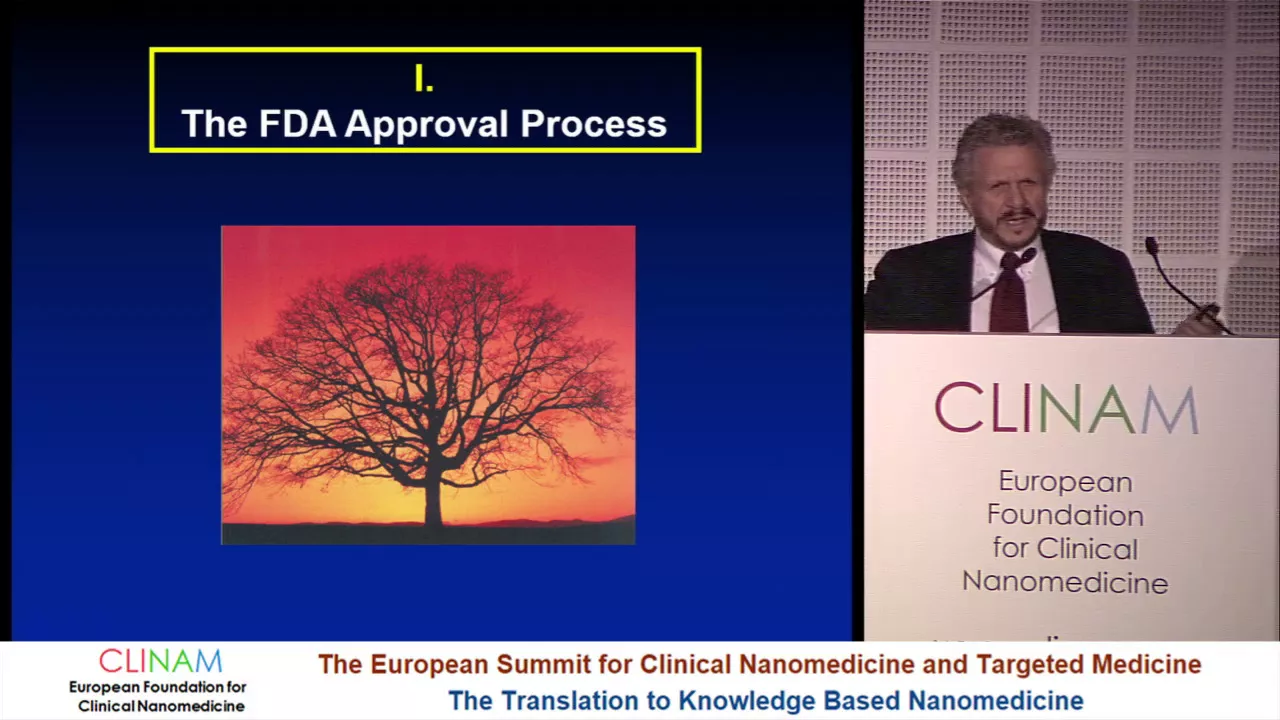
Dendrimer Based Nanomedicine: Engineering Nanoparticle...
2K
Translating nanomedicine to clinical practice requires navigating FDA approval processes focused on safety (nano-toxicity) and efficacy. Nano periodic property patterns enable predicting toxicity through combinations of surface chemistry, size, shape, and architecture—critical for regulatory compliance. Size fundamentally determines excretion pathways, as demonstrated by real-time MRI studies showing kidney versus organ accumulation. Shape dramatically affects tissue penetration and flow properties, with cylindrical particles penetrating deeper than spheres. Surface chemistry modification offers nearly 1,000 options for tailoring properties. Current clinical candidates include VivaGel (Phase 3 antiviral), BIND (cancer therapy vector), and Abraxane (albumin-based). These examples illustrate how systematic parameter optimization transforms nanoparticles from laboratory curiosities into viable therapeutic platforms.
Click to watch →
Nanoparticle Basics
Targeted Delivery
Nanoparticle Basics
0:01- 1
Defines nanoparticles as tiny 1-100 nm particles.
- 2
Explains cancer as uncontrolled cell division forming tumors.
- 3
Highlights limitations of chemo and radiation harming healthy cells.
The EPR Effect Translational Gap and Low Delivery Efficiency
While nanoparticle drug delivery holds immense promise in theory, a significant counter-perspective focuses on the "translational gap"—the failure of these therapies to perform as well in human clinical trials as they do in animal models. The foundational mechanism of passive nanoparticle targeting, the Enhanced Permeability and Retention (EPR) effect, relies on "leaky" tumor blood vessels. However, clinical research reveals that human tumor vasculature is far more heterogeneous and less permeable than that of rodents. Consequently, a landmark meta-analysis found that a median of only 0.7% of administered nanoparticle doses actually reach the target tumor. The remaining 99.3% is typically filtered by the liver, spleen, and kidneys. This massive off-target accumulation challenges the claim that nanoparticles protect healthy tissue, raising concerns about hepatotoxicity and long-term safety. Critics argue that the nanomedicine field suffers from preclinical overhype and advocate for shifting focus toward addressing the complex biological barriers of human tumors directly rather than relying on passive accumulation.
Basic cancer biology, including the concept of tumor growth, angiogenesis, and how tumor blood vessels differ from healthy ones.
Fundamentals of cell biology, specifically cell membrane structure and mechanisms of cellular uptake like endocytosis.
An understanding of the nanoscale, including what nanoparticles are and how scale affects physical and chemical properties.
Principles of traditional chemotherapy, including how systemic drugs travel through the body and their associated side effects on healthy tissues.
The distinction between passive targeting (via the Enhanced Permeability and Retention or EPR effect) and active targeting using ligands like antibodies.
Different classes of nanocarriers used in medicine, such as liposomes, polymeric nanoparticles, dendrimers, and inorganic nanoparticles.
Stimuli-responsive drug delivery systems that trigger drug release based on environmental cues like pH, temperature, or enzymes.
The translational challenges of nanomedicine, including biocompatibility, clearance by the immune system, and the FDA approval process.
126.4K views1.7Klikes2:21@mmiller99131234Original Release: 2016-04-26
hey everyone my name is Matt and I'm here to tell you about nanop particles for drug delivery but first what's a nanop particle a nanop particle is exactly what it sounds like it's a small particle about 1 to 100 nanm in size and just to give you an idea if this is a piece of human hair it's about 100,000 times smaller than the tip right there so it's pretty small what we're going to try and do is use these nanop particles to cure cancer but what's cancer exactly well cancer is when you have one cancer cell and it divides to form another cancer cell and another and another and pretty soon this happens uncontrollably and this is what forms tumors inside our body and these are bad and we want to get rid of them two ways doctors are trying to do this now is through chemotherapy and radiation therapy but these aren't the most optimal because these methods also attack healthy cells in your body in addition to the cancerous ones and this is what causes you to lose your hair so how are these nanop particles going to work work we're going to take our nanoparticle and fill it with our cancer drug right there and then we're going to attach a targeting Lan to the surface of the Nano particle and I'll explain how these work in just a bit once we do this the nanop particle is injected right into the bloodstream here's what it looks like above and below the bloodstream on the left side are all the healthy cells these are the good guys which we want to keep alive the nanoparticle can attack them because of this tight Junction blood vessel which prevents our nanoparticle from reaching them on the right hand side here are all the cancer cells which we want to attack and how do we do this well all these cancer cells have a receptor Li in on their surface and are surrounded by leaky blood vessels this is good because it allows a nanoparticle to have access to these cancer cells as it makes its way through the bloodstream so as the nanoparticle nears these cancer cells the targeting Lian on its surface can bind to the receptor Lian on the surface of the cancer cell cross the Leaky barrier to eventually kill it this is the big thing that separates treatment with nanoparticles from chemotherapy and radiation therapy because of all this we're going to reduce the amount of healthy cells being attacked as well as increase the amount of cancer cells that die and all of this is going to make for a happier healthier youth
Up Next

9:15
Hyperaccumulators & Phytomining Explained in 10 Minutes
@biotechwhisperer
1.3K views•2022-01-18
20:32
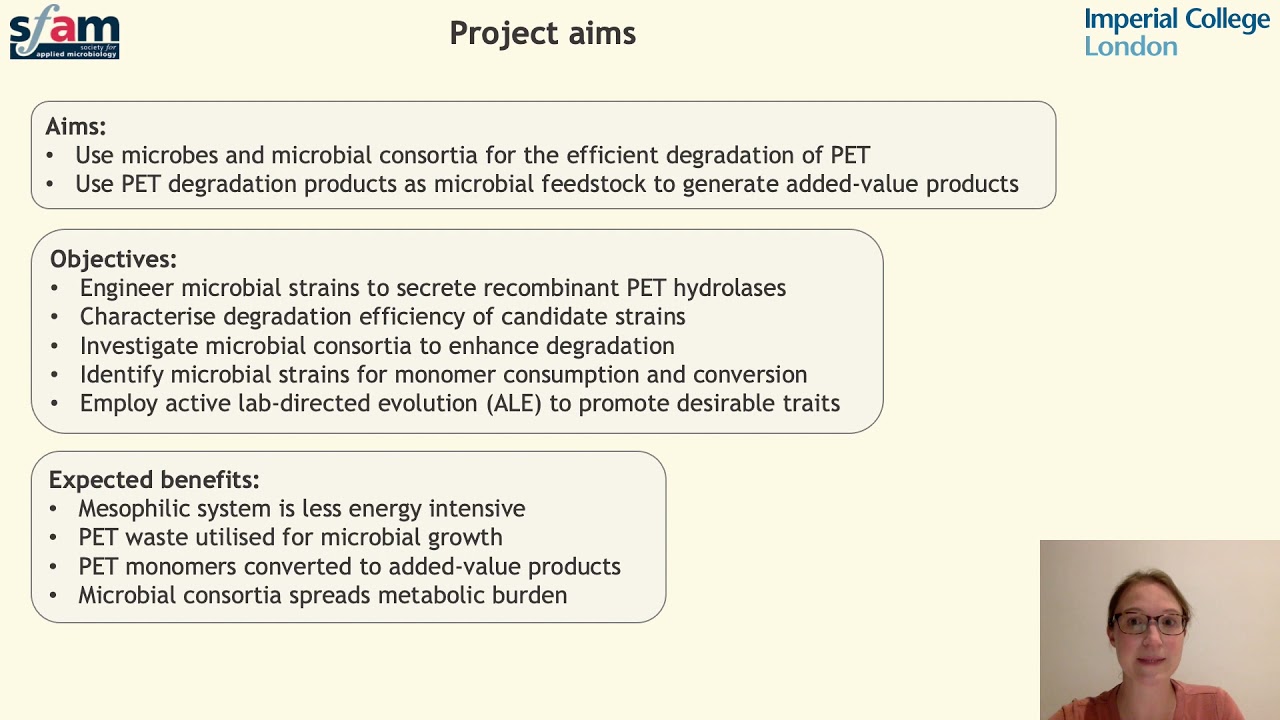
Microbial Degradation and Upcycling of PET Plastic | Research Talk
@appliedmicrobiology
1.5K views•2021-10-18
23:33
Microbial Degradation of Plastics: Biodegradation Pathways & Sustainability
@majeedhammad
2.9K views•2021-04-11
16:04
CRISPR and Genetic Engineering: How Gene Editing Works and Why It Matters
@kurzgesagt
30.5M views•2016-08-10
Related Study Plans & Knowledge Roadmaps
Structured learning paths in Biotechnology
biotechnology
PETase Evolution: Library Design & Kinetics
01Foundations of Enzymes and Plastic Biodegradation
02Recombinant Protein Expression in E. coli
03Directed Evolution and Mutant Library Generation
+ 3 more learning modules
36h6 modules
Explore Roadmap
biotechnology
AAV Production: Transfection, Prep & qPCR
01Introduction to Gene Therapy and AAV Biology
02Mammalian Cell Culture: Suspension HEK293 Cells
03Upstream Bioprocessing: Triple-Transfection Optimization
+ 2 more learning modules
18h5 modules
Explore Roadmap
biotechnology
Building Gut-on-a-Chip: PDMS, Cells & TEER
01Foundations of Microfluidics and Gut Anatomy
02Cleanroom Fabrication & PDMS Soft Lithography
03Epithelial Cell Culture and On-Chip Seeding
+ 2 more learning modules
26h5 modules
Explore Roadmap
biotechnology
Optimizing CFPS: E. coli Extract & Yield
01Fundamentals of Molecular Biology and Translation
02Introduction to Cell-Free Protein Synthesis (CFPS)
03Preparing E. coli Crude Lysate (The Extract)
+ 2 more learning modules
19h5 modules
Explore Roadmap