![Все предопределено, значит свободы нет? [Алипов и Кузнецов]](https://i.ytimg.com/vi_webp/3qcawrUwe-A/maxresdefault.webp)













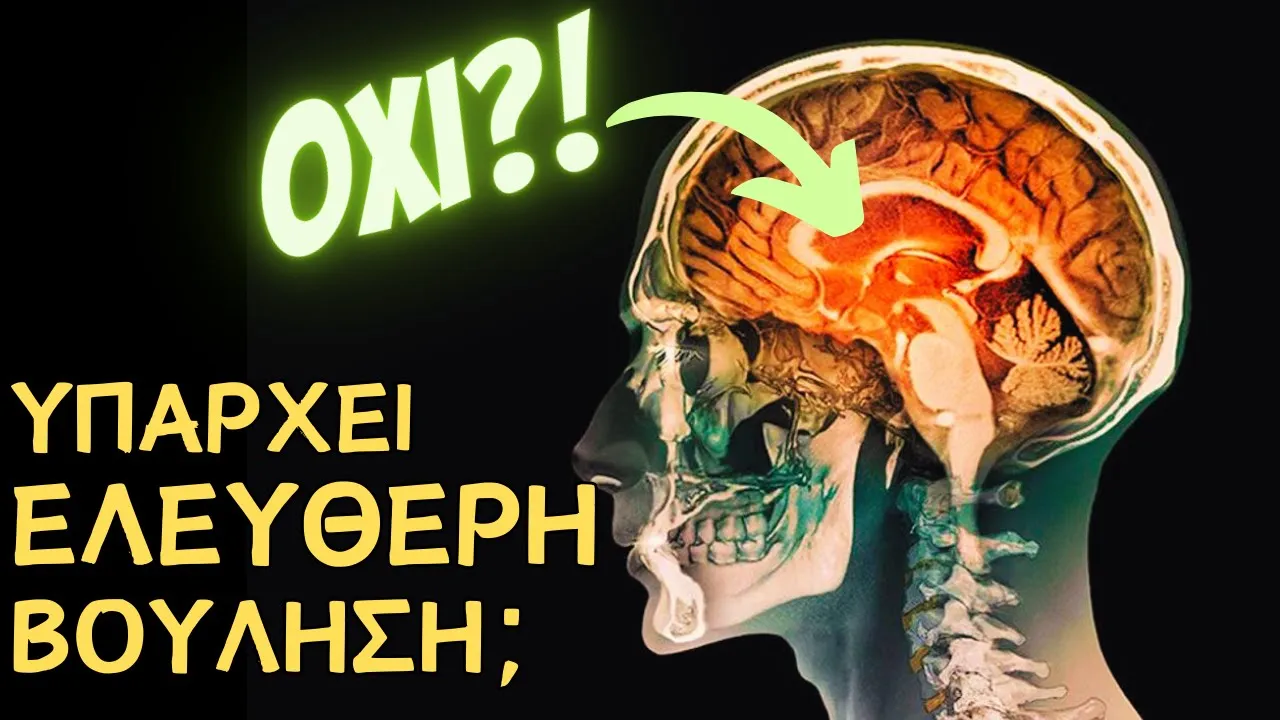

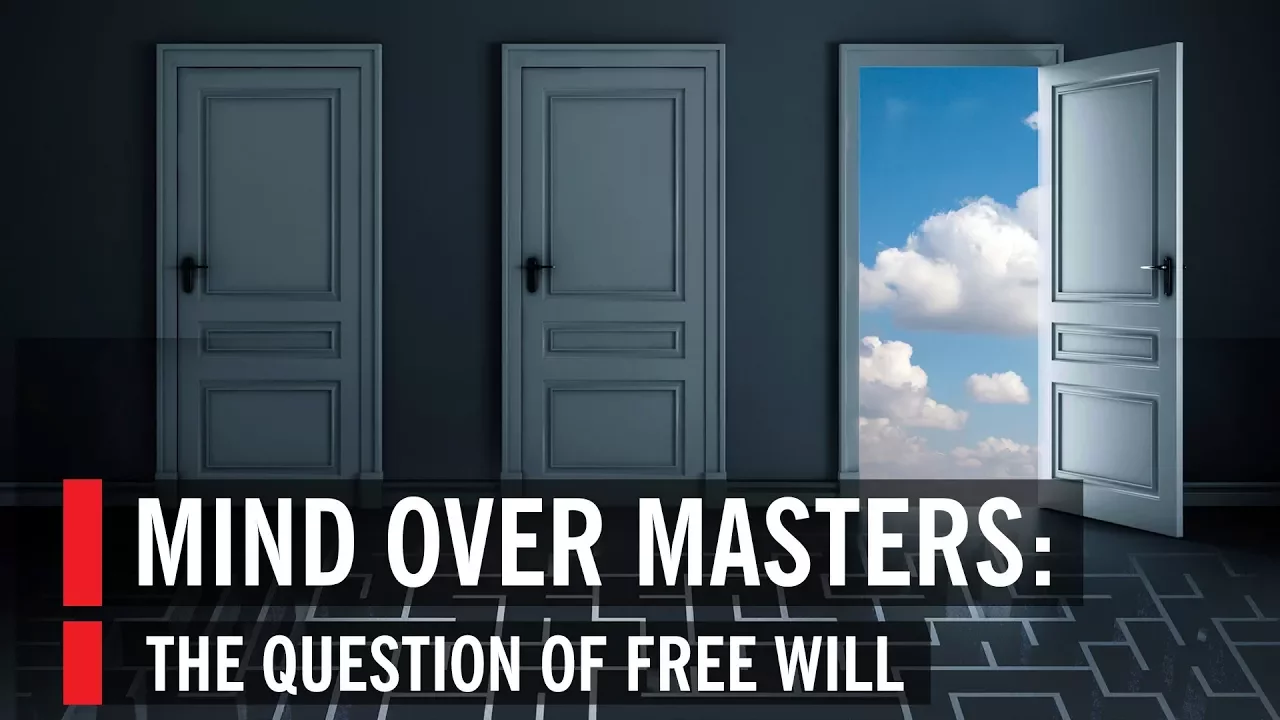








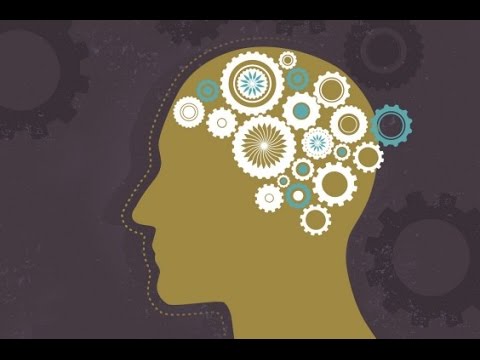
The Libet Experiment demonstrates that brain activity associated with voluntary movements begins approximately 2.5 seconds before individuals become consciously aware of their decision to move, suggesting that our subjective experience of making free choices may not align with how our brains actually process decisions, challenging the common intuition that we consciously make decisions at the moment we are aware of them.
The Libet Experiment: Brain Activity, Decision-Making, and Free Will Explained
Added:The philosophical debate between Free Will and Determinism, including compatibilist and incompatibilist viewpoints.
Basic neuroanatomy and the function of the motor cortex in planning and executing voluntary physical movements.
An introductory understanding of Electroencephalography (EEG) and how it measures electrical activity in the brain.
The cognitive distinction between conscious awareness (deliberate intent) and unconscious neural processing.
Methodological and philosophical critiques of Libet's experiment, such as Daniel Dennett's objections to the timing of subjective awareness.
The concept of 'Free Won't' (veto power), which Libet proposed as a conscious mechanism to inhibit unconsciously initiated actions.
Modern neuroimaging follow-up studies, such as John-Dylan Haynes' fMRI experiments predicting choices up to several seconds before conscious awareness.
The ethical, legal, and moral implications of neuro-determinism on criminal justice and personal accountability.
46.1K views446likes8:50Original Release: 2013-09-09
feeling that I've come to Dartmouth College in New Hampshire to find out if I have free will if I'm truly the master of my brain I'm just going to slide this on I'm being fitted out to be the subject of a famous experiment this has little ear flaps I like that I love these ear flaps on it first performed by a psychologist named Benjamin libbit some 30 years ago the experiment has been interpreted by some to mean that our brains make decisions before we're aware of making them right we have this intuition that at every moment we're consciously figuring things out and consciously deciding things and actually I mean if you just take conversation all the words that are spilling out of my mouth I'm not choosing each one I don't I don't choose whether to say often instead of frequently it's my brain has decided these things and made my mouth move in a certain way and all of this is happening without my conscious input I I noticed a long time ago that I couldn't pay attention not only didn't I but I couldn't pay attention to every motion I made going down a flight of stairs I had to let my body know more than I did consciously because I wouldn't make it down the stairs otherwise right right and if you did if you if you turn your conscious attention to it it screws it up yeah yeah the electrodes will pick up from my scalp the minute electrical activity in my brain as it readies itself to move my finger Meanwhile my job is to stare at this clock you're going to allow it to do one full rotation and then anytime after that doesn't have to be in the next rotation could be five rotations later whatever you want anytime after that first rotation I want you to press a button and I want you to do it spontaneously and uh you're just making a voluntary movement press the button the reason why there's a clock on the screen is you're going to note the moment that you first prepared the movement when you first had that inkling that you going to prepared the movement this is the tricky part about the experiment you're just going to try to figure out when you first knew you were going to move when you first knew now's the moment but we can't allow you just to say now because that formulating that word takes time right so we're going to have you instead just note on the clock when you think that moment first happened I have to make a decision to hit the button that's right and when you want it to be spontaneous you don't want it to be planned you don't want to think okay when it gets to 10 I'm going to hit the button none of that you just want to now spontaneous okay so staring at the clock and now as near as I could tell I decided when the clock was at 6 okay again now I think that was that two this went on for about 15 minutes decide hit the key and then judge as well as I could just when I had decided experiment finished now what now we're going to go look at your data oh take a look at my head see what your brain's doing can I get this hat off before looking at my data Talia showed me the result from averaging a bunch of other people's responses this gray line is indicating when someone's made a movement that's the movement line and then what you see here on the x-axis are all the the time points before in in seconds so here you've got two and a half seconds before you make the movement you see this ramping up of neural activity associated with the movement and then what w is here is that very first moment that you have the conscious inkling that you're about to make that movement so uh what we see here is that W happens just right before the movement and what thousands of years of discussion with philosophers have been is just to look at this part of the graph because we this is all we have access to in our Consciousness is I had the thought and then I made the ACT what we're missing of course what science gives us now by looking inside the head is what all this activity is doing ahead of time before you're even conscious that you that you're about to do something before you're aware that you're making a decision your brain has already G already in motion preparing exactly finger to to hit right right now this is very weird right the electrodes on a subject scalp pick up the brain's planning to move the finger a full two and a half seconds before the person thinks he's decided to move it okay and Alan here's your data and things were about to get even weirder my brain was ramping up about a second before I decided to hit the button not the two and a half seconds of most people's brains and bizarrely I hit the key at almost the exact same instant I decided to hit the key not after a few milliseconds like most people I think this shows that I'm very spontaneous yes yes you're very good subject I'm not crazy I'm spontaneous spontanous and and I and I I'm aware I decide to do something as I do it and it's just like right you're free spirit free that's it that's it okay well thanks I really appreciate you showing me this and the world it tells us that our intuitions about Free Will are probably sort of folk theories and not really based on how the brain works now the idea that our brains are doing stuff in anticipation of decisions we haven't made yet or don't think we've made yet has been interpreted as meaning we don't have free will or at least Free Will as we think of it the subjective experience that we have of being in the moment of deciding of choosing at that very moment and we could have chosen completely differently is uh it doesn't line up with what we know about how the brain works that is not everything that goes into it because you saw the graph where there's all of this brain activity that precedes that moment that decides what that moment is going toare of the moment of decision but I'm not aware of all the activity that precedes it isn't it too late to do anything about it can if when you say now I'm going to do it could you also say no no no I'm not going to do it no no because that would require a uh what people call a ghost in the machine or some additional part that isn't a physical process that that's a man pulling levers and deciding no I'm not going to do what my neurons are telling me to do and and science has just about about that wait wait last night in the hotel room okay there were two pieces of chocolate on the bed on the on the pillow so I had one and I said that's all I'm going to have okay and then I was in the other room and I had this really strong urge to go back to the pillow and take the other piece of chocolate and I said ah what the heck here I go no I'm not going to do it right well I was already getting out of the chair in my brain I according to this test yes and I was on the way and aware of that when I said what the heck but then I said no no no yeah so and that was coming out of somewhere too that was coming out of an unconscious place you at the same time that your parts of your impulsive system are are galvanizing you towards the chocolate there's other parts of your brain that are running simulations it's like no the long-term Health consequences and that won in the end that one won there's just a whole lot of stuff going on unconsciously all the even the reasoning is going on unconsciously right that's right that that's what I think is how the brain works right wow that's that's a whole new picture of it from what I think most of us think we're doing yeah yeah our subjective experience is completely different from that there's a disconnect between what it feels like to be a real human being and what the science is telling us about how how physical systems operate there isn't a special we aren't disconnected from electrochemical signals or our neuros circuitry we ar disconnected from that that is who we are there isn't something special where suddenly everything scrambles and and I have free will it's just coming out of a physical system so I think liit sort of demonstrates that but really it's a logical conclusion if you don't believe that there's something separate like um like a soul or uh you know God's hand or something like that so it's not so much that we don't have free will it's that we don't have this same kind of free will that we're aware of when we think we're consciously exercising Free Will that's right that's that's right that's right we don't have free will in the way that most people think we have free will but we can make decisions we can make choices we can deliberate we have control it's it's the sum total of everything going on in the brain conscious and unconscious right
Up Next
53:35
Stanford's Sapolsky on Why Free Will Is an Illusion | Big Think
@bigthink
1M views•2024-05-10
21:55
Deciphering Neural Circuits Controlling Anorexia in Mice | Richard Palmiter
@AllenInstitute
2.3K views•2011-10-10

4:10
Vagus Nerve (CN X): Anatomy, Nuclei & Functions Explained
@Alilamedicalmedia
305.2K views•2022-10-31
13:03
How Exercise Benefits Your Brain: Science Explained
@TED
11.4M views•2018-03-21
Related Study Plans & Knowledge Roadmaps
Structured learning paths in Neuroscience
neuroscience
Appetite Regulation: Brain Circuits & Hormones
01Foundations of Endocrinology and Brain Anatomy
02Introduction to Energy Homeostasis
03Peripheral Signals: Leptin, Ghrelin, and Insulin
+ 2 more learning modules
14h5 modules
Explore Roadmap
neuroscience
Neuroeconomics: Value, Risk & Brain Mechanisms
01Foundations of Neuroscience and Brain Anatomy
02Introduction to Neuroeconomics and Subjective Value
03Dopaminergic Prediction Errors & Reinforcement Learning
+ 3 more learning modules
18h6 modules
Explore Roadmap
neuroscience
Spatial Navigation: Cells, Grids & Brain Maps
01Foundations of Brain Anatomy and Memory
02Place Cells and Head-Direction Cells
03Grid Cells: The Brain's Coordinate System
+ 2 more learning modules
12h5 modules
Explore Roadmap
neuroscience
BCIs: Neural Decoding & Prosthetic Control
01Neuroscience Foundations: How the Brain Signals Intent
02Signal Acquisition: Recording the Brain's Activity
03Neural Decoding: Translating Brain Waves into Data
+ 2 more learning modules
25h5 modules
Explore Roadmap