

![$0-100k MRR in 12 weeks [ecom case study]](https://i.ytimg.com/vi/MkJOddhKYCU/maxresdefault.jpg)

















Designers can build sustainable subscription-based businesses by productizing their services, which involves packaging design work into standardized offerings with fixed pricing and predictable delivery timelines, thereby reducing time-to-value for clients while maintaining consistent revenue streams and avoiding the traditional trade-offs between agency reliability and freelancer flexibility.
How Design Subscription Services Generate Consistent Revenue
Added:Traditional design billing models, including hourly rates, flat project fees, and retainer agreements.
The fundamentals of the subscription business model, specifically monthly recurring revenue (MRR) and customer retention.
Basic project management principles, particularly task prioritization and client communication workflows.
The concept of value-based pricing and how it differs from trading time for money.
Productization of services: how to standardize and package custom creative services into repeatable offerings.
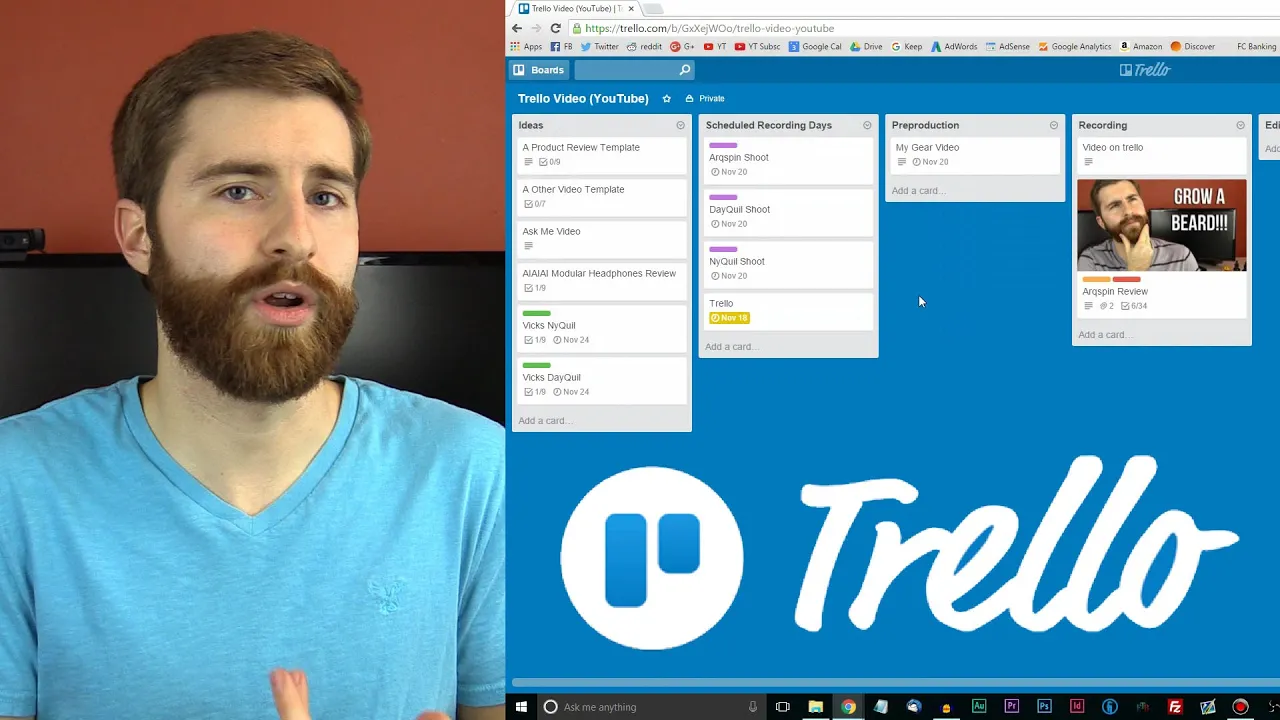
Scalable operations and asynchronous workflow management using tools like Trello, Notion, or dedicated client portals.
Capacity planning and risk management strategies to handle the 'unlimited' queue model without burning out.
Advanced marketing and customer acquisition strategies specifically tailored for high-ticket service subscriptions.
56.4K views1.8Klikes32:57Original Release: 2022-08-17
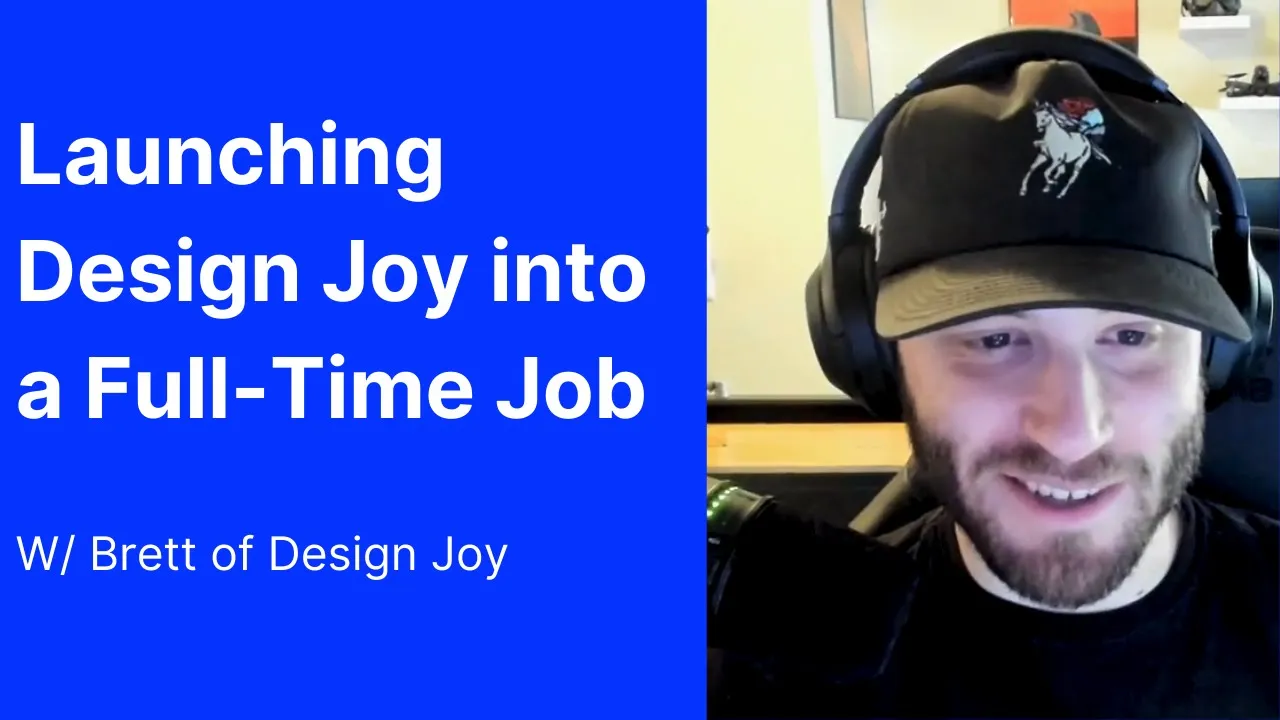
designers who make a hundred thousand dollars a month selling a subscription for their design services is something almost unheard of and it's possibly the holy grail for designers you run your own solid business you make a bunch of money and you do it consistently so there's no ups and downs in your business so how do you actually do it in this conversation brad from designer joe who's doing this right now is going to share how super excited for this conversation let's do it [Music] hey brett welcome to the channel thanks so much for coming by absolutely excited to be here all right so i i think i'm really excited about this conversation i think what you've built is kind of in a way the holy grail for a lot of designers and i would love to hear um how you got to where you are i've been really impressed with what you've built and how you've shared the struggles and the ups and downs on twitter so let's get started with maybe where you are right now and then try to backtrack and understand how you got to to where you are yeah absolutely um so yeah right right now uh i'm i do run design joy uh still by myself so that that is uh it's it's you know as a quick really quick introduction it is just a design subscription service um where clients do pay a subscription fee per month to access sort of um unlimited number of design needs and uh today five years in i continue to run the thing alone um i have a good number of clients that i work with every day and um yeah it's it's i've gone through a lot of a lot of ebbs and flows a lot of highs and lows over the over the last five years trying to do this thing alone but um i'm in a better spot now than i think i've ever been um so that's that's the real quick snapshot are you comfortable sharing in terms of i saw this amazing graph that you shared of revenue on twitter um are you comfortable sharing how much you earn or how many clients are you servicing right now sure yeah um i actually couldn't tell you the exact number of clients it's probably i should have done some research before this uh but it's probably in the realm of um usually like 30 to 35 probably um and then last month i pulled 90 for a net 94 000 in that revenue um so yeah that's amazing and just a little bit of context in terms of who the clients are you're where are you based from so i'm in phoenix arizona um client base is really all over the world um got it are they not just americans no no absolutely not um australia i mean a lot a lot of europe i would say it's it's like probably like 30 or 40 percent overseas um from the united states and then uh the rest are here in the country here in the united states so yeah pretty much anybody and everybody okay fantastic so now let's try to backtrack did you originally start when you started design did you start with this model of design subscriptions or like how did you got to that yeah i mean it's funny because the nature of design really hasn't changed since the day i launched it um i did launches actually in a different name and eventually rebranded design joy but um yeah the model itself changed obviously proficiencies and efficiencies have evolved since day one but the model and the offering um has pretty much remained the same i did actually you know i do one big piece to design joy's webflow work i didn't launch with webflow being being sort of a packaged offer but it's a big part of design enjoy now um but other than that yeah it's really a mirror image of the day launched okay so can you share a little bit about how you package it you've mentioned you pay a fee and then you get unlimited design like what does that mean how does that look like yeah yeah i don't i don't love using the word unlimited design but it's sort of like what the market is adopted as as being the case but yeah so essentially how it works is um you have you know companies like designjoy offer these plans designjoy currently just offers one i've i've evolved over the years i'm offering many offering one um and then you essentially once you have a subscription active you get access to a um to a design queue and um you can and put as many requests in that queue as you want and then just work through one by one so you can't have multiple requests um work done at a time it's just a one request to the time rule and uh once that one's done then when we move on to the next one it just goes on from there got it so and and how do you do you use a specific platform for that do you use slack like how do you manage that yeah um i personally use trello just you know that's the simplest tool that i could find that um that clients already sort of know and love and um so yeah everything is managed in there all communication happens there we don't connect with clients on slack or zoom or anything else outside of that sort of async just commenting within trello itself got it okay so that's it to me it's really interesting i've when i use the freelance i mainly packaged my service in terms of retainers so you know the clients knew they're getting a day or so from my day and then they can package as much as would fit but how do how do you set expectations with clients in terms of what they're getting you know they put something in the queue when is that going to be delivered and so forth yeah that i would say that that's really the number one um you know hardest thing to manage within this model that is by nature very fluid there aren't target dates or anything associated with requests i generally give out like a rule of thumb that most requests are delivered in two days uh i would say a typical request is and i i define a typical request different than maybe how you would define a typical quest or another or another designer would but for me it's you know it looks like a landing page it looks like a branding concept um which would include logos and all that sort of stuff uh that's generally done in about two business days you can deliver a brand name you can deliver a full branding or a full landing page in two days that's fantastic uh so landing pages yes uh branding concepts obviously there are uh a wide scope of a size of branding concepts so the one the one that i just considered just to be typical of me is a logo color palette typography selection and how those sort of go together uh and then obviously there could be subsequent parts after that that are associated with the brand that isn't done within that two-day period but yeah you could theoretically get a logo concept and and everything else within about two days and do most clients that come because eventually this is subscription and retainer are basically both are kind of like long-term um relationships with clients so usually what do a typical clients look like do they come when they don't have anything and then you create whatever a landing page or a brand for them and then it's mainly maintenance or do they come at what stage do they come to you like what are some of the typical projects that you tackle yeah today it's a lot more uh companies that already exist and that are mature and are actually driving revenue for themselves before you know for the first three or four years it was a lot of indie hackers it was a lot of just pre-revenue you know companies trying to raise a seed round didn't have anything um but today it's a i would say it's a good mix of those that have just literally have an idea and need a designer to put their idea into into pixels um but then there's also those sort of enterprise level companies too that already have existing websites and logos and just need it sort of either flushed out or carried through to other assets uh so yeah it's it's kind of a mixed bag at the moment got it and is i know that the thing about subscription or at least you know tech companies the the way that they're growing exponentially or something like this is because you know they're adding they're constantly adding new clients versus just turning around clients and i think that's one thing that's interesting about your model so did you get to where you are today by stacking up clients as time goes by or was because i also saw in the graph that you share that it was kind of like not flatline but very slow growth for a while and then started to rapidly growth so like what changed or yes i mean if you look at the graph that you're referencing and it's on my twitter um for i think it was about a i don't know a three-year period or something like that yeah it was the the line was almost on the the axis at the bottom right so it was it was pretty and really it's worth noting i mean when i created design and enjoyment i still consider myself just a designer i don't really can consider myself or call myself an entrepreneur or anything beyond just a designer because that's honestly my passion what i love doing i don't really have a desire to do anything else um so when i created design joy i had that same philosophy where it was more of a it was an easier way to enter the market than just entering the market as a freelancer um and you know creating a brand and entering the market that way just seemed like a more logical easier decision for me and then um so i really had no intention of ever ever growing so i really i had a full-time job for a long time actually i had one until last october so any kind of sort of income that just naturally came off of my initial launch is what i rode for like three years i didn't really do any work to get clients or anything like that so it was you know it was under 10k a month which to me at the time was a lot of money so way more money does make it in my full-time job and so i just let it grind and and then um march of you know when i think around the time covet came into play is when things really took off i don't know if it's directly related but um that's when you see the graph start to go way north pretty quickly it wasn't anything that i did differently though um i don't think maybe i think i had a new website launch at the time a refreshed brand which sometimes can uh reenergize things a little bit but other than that it was just a natural occurrence really interesting so let's let's talk about that you said you had a full-time job was that full-time job as a designer or doing something else yeah full-time just the design job as a ux ui designer at just a corporate corporate company and um got it yeah yeah i had it i've had it the whole time i ran design joy up until and design joy was running you mentioned that you thought it was easier to launch in this model versus a freelancer model why do you think that or yeah um well i mean freelancers are are kind of a dime a dozen now and they're everywhere and it's really hot it's really difficult unless you just have a stellar portfolio to really stand out i didn't i didn't have a stellar portfolio at the time even when i launched design joyce so um i thought it just seemed i don't know it just seemed easier to me to to go at it as design joy than brett williams right which no one knew and was just going to be yet another freelancer and then also you know i it was a marketing play too because i think the common consensus out there are agencies are reliable uh and do good work but they're often slow and expensive and on the other end of the spectrum you have freelancers who are um usually less expensive uh more agile but but uh not as reliable so um i i sort of just it was a marketing play where i took the benefits of both and combined them into what is today design joy and got rid of the negatives from both as well so yeah i think i just thought it was uh going to be a much more fun play and had more of a chance of succeeding that way than anywhere else do you remember who was your first client like how your first line got to you i don't remember my very first client i do know how they got to me i actually surprisingly do have a few clients who are with me i would say within like month one or month two from 2017 which is cool um but i i did a prototypical product launch for designjoy so the clients came pretty instantly i would say that within the hour i got clients so and ever since then i never really had to put out any effort to get clients since then so um yeah that was that was how wait i i think i lost it you've you've mentioned you've launched on product hunt is that what you said okay so you launched yeah yeah launching your website on product hunt and that's where you got your a bunch of first clients that's right yeah very interesting was this kind of like strategic move because you knew people looking for designers are there or you just like product hunt yourself or was it a combination i did like products on myself it was a site that i bookmarked and visited every day i mean i'm a product geek right i'm a product designer so i love products um but also i knew the audience there too um i don't mean to sound like i this was like a super planned thing really in a nutshell this was a very ad hoc i literally came up with the idea on a saturday built the website in webflow on a sunday and launched it that night at midnight so it wasn't like i put a whole lot of forethought into this at all uh but i i knew that the product community would probably uh accept it pretty well because at that time at least there wasn't too many of these around there was no one doing ux ui work and branding work so uh i thought i'd have a good chance of succeeding there and i did honestly moderately well it wasn't even a huge success by product on standards but i only needed a couple of subscriptions to be able to make a good living from it so it you know it was a not not too difficult god and super interesting and honestly brilliant because that's really where you know tech people building stuff starting companies sometimes have budgets are looking so i think that's that's really brilliant so you've mentioned at the start of kovid things started to take off without you actively doing anything was that did you leave your job to focus on that full time like how did that roll um no so i i kept my job um it yeah it literally uh like 10x i feel like within within that month um and you can see it on a chart uh but no i i mean it definitely it definitely threw some wrenches into my full-time job because at that point i was actually kind of busy with my full-time job i wasn't towards the tail end hence why i kept it for so long but um no i i i managed it quite well uh it definitely got to some dicey points where demand for design joy just kept growing and growing and growing and it was a constant debate between my wife and i like what what the right decision is to do uh to leave or can go full time but that was scary to me i mean i had never i had created companies before but i always had the luxury of maintaining my job doing them so uh i wasn't i wasn't eager to get rid of that security because i really didn't know if this thing was going to work full-time a long time long term you know so i held on to it for as long as i possibly could how do you feel about the transition now looking back at it oh it's a no-brainer i mean i i should have done it many many years ago but uh being able to it's just such a cool a cool feeling as an entrepreneur to like to be able to let go of that security blanket and and hone in on something that you've created and then watch it just exponentially grow as soon as you can devote your full focus to it and that's something that i was told by other entrepreneurs along the way and was just really one of those cliche things but until you actually see it take place i think like the the proof is in the pudding it's it does tremendous things for your business amazing and so at what point did you start sharing your journey on twitter was that from the beginning was this just recently it was pretty much from the beginning i think indiehackers.com was really one of the platforms that really pushed me to do this and so i was already connected within that within that community and uh yeah i would say i want to say within definitely within the first years when i started sharing just the success that i was having sharing my numbers i was pretty much an open book with how i was getting clients and what how i was managing the business and people i think just caught on to that do you think that caught should be contributed to the growth and success oh yeah absolutely no definitely that i mean i i contribute my success and growth to indie hackers for at least the first three and a half years yeah um that was primarily where i received my my clients from washington oh by the way what do you mean what do you mean to indie hackers did you do an interview there did you share your numbers or did you like what no so i mean for those that don't know any hackers it's basically a it's a voting sort of form system where you can you know post updates about your company and others can comment and follow you and whatnot um but yeah i would just share updates honestly about like hey you know i this month i reached this mrr goal or or here's how i'm getting clients now or i found this new hack you know just sharing things much much like people share on twitter just longer form so i would share updates i would say within like once every once a month or something like that for a while uh and every time i did it was a a constant influx of new clients so it was sort of one of those levers that i could pool whenever i needed to um yeah because this as well is a place where entrepreneurs where builders who potentially might hire you are also interacting so that's interesting you exactly yeah you've been active in communities of potential customers yeah and that's why i say that when the first three years was those that i i most of my clients didn't have a branding a brand that exists or a website existed because i was working with these indie hackers of which i was a part of their community so yeah that's why the shift has changed so much in the years because i've moved away from that and into you know a higher price point in different clients but yeah interesting so one of the things that i saw when when you know reading your updates is that at some point you were scaling very fast and you maybe overwhelmed yourself with too much work and that you you got a little bit of backlash kind of like maybe you're having too much work and you can't actually provide good service to everybody can you talk a little bit about that and what happened and what you've learned yeah absolutely i think it was a little bit misconstrued publicly i had a lot of people talking about that really didn't know exactly what was going on so yeah i did have uh i i unfortunately i knew it was it was going to catch up to me eventually so the one of the risks of running this business solo is that you are you are the only person that that operates it right so if i get hit by a bus tomorrow i mean the business is dead right so and i know that risk right and i accept that risk um but also one of the other risks is getting sick and so i actually at one point came down with covid i don't even remember when it was now um and at the time i was like at the high point of my of design joy you know i was like at a record number of clients record number revenue just doing super super well overwhelmed though uh and then on top of everything i came down with covid and was out for a couple days it didn't hit me super duper hard but like i was super tired afterwards and it was hard to once you get behind in this sort of business when you have so many clients it's super duper like difficult to get caught back up and so i that's what happened i didn't have a backup plan or anybody to step in and so um a couple of my clients did experience some delays with getting their requests in and one of them you know rightfully so took to twitter and called me out for it and uh and then all of the skeptics that were following designjoy and that were just looking for any amount of proof that this thing was a scam just jumped on it then it blew up it went yeah you got it for the haters yeah and like i loved working it's the funny thing is i loved working with this guy i thought like everything was good like i never heard any negative feedback at all and i worked with i did multiple branding projects multiple you know like product designs and then all i see this twitter thread i'm like oh shoot and um yeah i mean the natural reaction is to obviously like defend yourself and say you know and jump into the conversation and it took a lot of like a lot of discipline not to do that but i just i took it as a learning opportunity and i admitted to my mistakes uh made some changes and and ultimately reduced the number of clients that i'm working with and uh and and actually it was it really the it was the catalyst to get to where i am now which is still earning a living but working way less and being having more free time to spend my family but yeah it was it was it was a rough patch it was the first time in those five years where i my character and my business was called into question over something that you know was not as big of a deal as it was made out to be publicly but it you know and i corrected it after afterwards with him as well but um yeah it was it was a tough patch for sure so it sounds like you're intentionally not hiring people and scaling because it's it kind of sounds like most most people or most entrepreneurs or people who are thinking about this as a business who want to either scale make more money or reduce the workload and risk on themselves sounds like the the obvious way to go would be to hire designers but it sounds like you're very intentional about not doing this is this correct or yeah it's been my it's moving my plan since day one and i've surprisingly stuck to it um you know i i i look at i look at business a lot differently than i think uh most entrepreneurs do i mean most entrepreneurs their goal of building a business is to grow it and scale it and hire a team and you know those those things weren't really the draw to me building my own business it was more uh independence it was more i i could do what i wanted to do when i wanted to do it uh i you know i like working with people but i don't like managing people um i don't like taking on the risk of of supplying their livelihood either and and being responsible for that so yeah i i never had the intention and still don't have the intention of ever hiring other designers though i have gone through some periods of time where i really wanted to and really felt like it was the right choice but it's really hard um it's really really hard to hire good designers that's i think partly why designjoy is so successful but um yeah i just it wasn't what i envisioned for my life so right now i'm just fine doing what i can do and and capping at that yeah i i highly respect that i think it's so many people including perhaps myself because you know i was a designer loved being a designer now in a way i'm a manager which is not where my happy spot is and and again not that i'm not happy but i think it's very um you can get confused very quickly with you know scaling and wanting to build a business and forget why you started this and how do you how do you actually want to spend your days so i really appreciate you sticking to this but how do you then think about things like risk of being sick wanting to take a vacation every once in a while how do you plan for that yeah so i i mean risk of being sick i mean it's really just moving numbers around right so if i if i get sick now um i honestly just have to refund clients for that period of time and you know it's an expensive it's an expensive uh day or two of getting sick but and then vacation too i you know we took drastic measures to make this happen but we ended up i don't have the luxury of taking a vacation unless i wanted to forfeit a lot of revenue um you know for a week so we ended up just building a vacation home in my hometown which we can escape to and like get out of the city um and i can still work and still be normal there but it at least allows me to get out um and so we you know we have three kids too so we're not gonna probably be taking a bunch of vacations anyways but um yeah i don't we don't we don't really take vacation at all fair enough fair enough i mean at least at this point right yeah it's good to say look i'm making trade-offs and this is where i am right now right now this is the business and but do you do you have kind of like long-term plans do you think about what you want to do with this or like i don't know are you i saw with a few tweets that you were considering about even selling the business or like how do you think about the future yeah um the funny thing is i really don't think about the future at least in terms i mean i think about the future and all you know in all other aspects of life but with when it comes to my business i i'd really take it day by day i don't have this master plan or a business i don't even have a business plan or a road map for design joy um it's just evolved constantly over the years so uh no i mean i think i'm gonna run this thing as long as i possibly can i mean there's been obvious there's been really really hard points where i just wanted to just destroy it all and to just get a normal eight to five job and get back to a normal life in a normal schedule and then there's been times where i wanted to sell and and had a lot of conversations and just wanted to really for someone else to step in and run it and then i just sort of remember that in the background like designing like a madman but not having to manage the scale and and profitability and hiring and all that sort of stuff but yeah i think right now i'm just i'm just honestly in the mindset of just continuing to do what i do every day and not really thinking about what's next cool but i i mean you're making fantastic uh sounds of money i i assume that even if you're living decently or even well you can you can save a bunch to consider the next phase in life or in business yeah i mean that's that's the great thing about it i mean if i wasn't making good money i would definitely need to be more concerned about what the future looks like but i'm investing heavily i pretty much invest everything i make so i'm setting myself up to where the next step will be a little bit easier on me whatever it whatever comes next maybe i run designer for 10 years or another year i don't know um but at least financially i'm just gonna ride the wave as long as i can interesting so if if you've mentioned i think kind of like i got the vibe that you mentioned that when you started this like four or five years ago there weren't a lot of people offering design subscription do you feel that has changed now do you feel like it's still valuable if i was designer starting up my design or agency or freelancing is this still a valuable way to stand out yeah i mean it's kind of two-part answer so do i feel like i'm one of the only ones anymore definitely not there's been so many that have popped up uh especially since i joined twitter back in february um there's been a tremendous influx of new subscription services created but even before that on the years prior um but that said you know i never i never tell someone just because something else exists out there you don't have an opportunity to succeed at it um there are plenty of fish in the sea as the saying goes and subscription services are are still just as attractive and it's amazing how many companies are blown away that something like that even exists they had no idea prior um so there's plenty of room for more design subscription services out there and then the more you can niche down even better if you do web flow even better so there's there's ways to differentiate yourself but even if you just went at it just a cliche run-of-the-mill subscription design service you could probably do just fine by the way when you say webflow do you mean you only do the builds for them or you do both design and builds for them there are services out there that do just builds for them but me personally i do require design subscription in order to add on webflow to it got it got it okay so it's part of your design subscription you don't have separate it's yeah it's part of the subscription yeah it's right my base design plan is five thousand dollars a month my webflow package is an additional thousand dollars a month you can turn it on and off as you as you need to right but you you if you just hire design joy for web flow you're going to be paying for the additional design yeah no but i i actually what interested me was kind of like what demands do you see in the market do people have their own designs and just looking for developers or they do they hire you to do both of them most of the time yeah both most of the time uh so the webflow is such a a huge uh man i like it's it's in such high demand i used to have a webflow package uh just a normal subscription but i had so much interest in it it was taken so much of my time uh that i basically like hit it under the counter as an add-on so um it's way less popular now than it was before but i could have gone full-time webflow development if i wanted to but i would say yeah it was mostly like people needed design support too it wasn't every once in a while i'll get a client in that's just like hey i just need you to build up my website but rarely is that the case fantastic super interesting brett is there anything else that you think could help people just starting out launching their you know business career design journey and trying to learn from you know what you've done so far what would be kind of like one takeaway that perhaps they can implement yeah i mean i would just say you know if if you like my my big thing now and what i sort of live on is is this time to value metric and that's i think why designjoy is what it is is because i've reduced the amount of time that it takes to actually deliver value to clients and there's if you look around at the marketplace at agencies and freelancers it's very hard to get connected it's very long process to get started uh and that's why i created design joy is something that can be literally accessed within seconds of needing it and have designs delivered in a couple days i mean having that philosophy of reducing that time to value metric um and it will automatically help you stand out amongst your peers i mean even if it was even if you just went about it as a freelancer but still offered that aspect of it um the clients clients dig it up so uh i love it i love that you're applying kind of like product thinking and because you you talk like a lot of you know startup founders who think about like digital products with time to value and stuff like that and most times people who are in the service business do not think about you know how they are doing their services in in such framework so i think this is really really interesting yeah that's why it's called a productized service so yeah it's it's really taking that product thinking and applying to service and it works out really well and clients love it so yeah that would be that would be my my recommendation but um yeah i think that's it fantastic all right thanks so much for uh hanging out with us and sharing some of your wisdom and story breath appreciate it it was fun it was fun thanks for having me [Music] foreign
Up Next
10:43
DesignJoy Founder on Scaling One-Person Design Business to $1M ARR
@thisiscreatorhistory
4.1K views•2022-03-21
46:36
Retention Habits of Top DTC Ecommerce Brands Revealed
@SendItPodcast
44K views•2026-03-03

15:23
Decoy Effect: How Pricing Psychology Influences Consumer Spending
@bobinvestsUS
90K views•2026-01-05

17:30
The Planned Obsolescence of Light Bulbs and Tech
@veritasium
25.3M views•2021-03-26
Related Study Plans & Knowledge Roadmaps
Structured learning paths in Business
business
Pop-Up Retail: Strategy, Design & Execution
01Introduction to Pop-Up Retail & Strategic Goal Setting
02Budgeting, Site Selection, and Legal Essentials
03Experiential Retail Design & Visual Merchandising
+ 2 more learning modules
15h5 modules
Explore Roadmap
business
Reg CF: Startup Funding, Marketing & Launch
01Introduction to Equity Crowdfunding & Reg CF
02Platform Selection & Legal Preparation
03Crafting High-Converting Campaign Assets
+ 2 more learning modules
14h5 modules
Explore Roadmap
business
Productized Services: Scaling Solo Freelance
01Foundations of Productized Services
02Packaging and Scope Definition
03Pricing and Subscription Models
+ 2 more learning modules
15h5 modules
Explore Roadmap
business
Gov Procurement: Find, Bid & Win Contracts
01Introduction to Government Procurement & Business Setup
02Small Business Certifications & Set-Asides
03Finding and Analyzing Contract Opportunities
+ 2 more learning modules
14h5 modules
Explore Roadmap