














Art books serve as essential resources for artists, providing both instructional guidance on techniques and career development, as well as inspirational collections that showcase diverse artistic styles and approaches; artists benefit from using art books as reference materials, sources of creative inspiration, and tools for understanding art history and different artistic methodologies.
Exploring Art Books: Artist's Guide to Inspiring Collections & Techniques
Added:Basic understanding of fundamental art principles, including color theory, perspective, and anatomical structure.
Familiarity with various illustration mediums, both traditional (such as watercolor, gouache, and ink) and digital design tools.
Awareness of the creative process and the role of visual research and reference material in an artist's workflow.
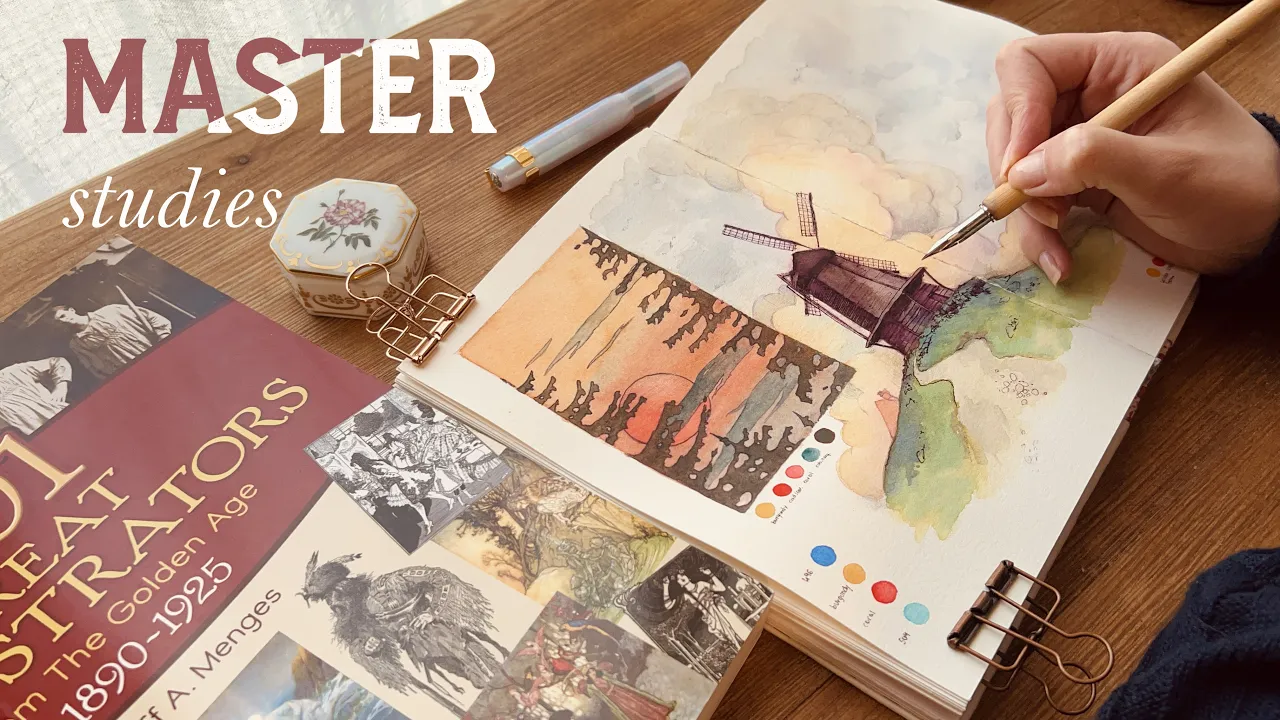
Methodology for conducting 'master studies' to effectively deconstruct and practice the techniques found in the recommended literature.
Strategies for curating and organizing a personal reference library to support long-term creative projects and conceptual development.
Advanced exploration of specialized illustration genres, such as concept art, visual development, or narrative editorial art.
Ethical frameworks surrounding artistic influence, understanding the boundary between being inspired by an artist's style and plagiarism.
32.7K views1.6Klikes24:42Original Release: 2023-02-25
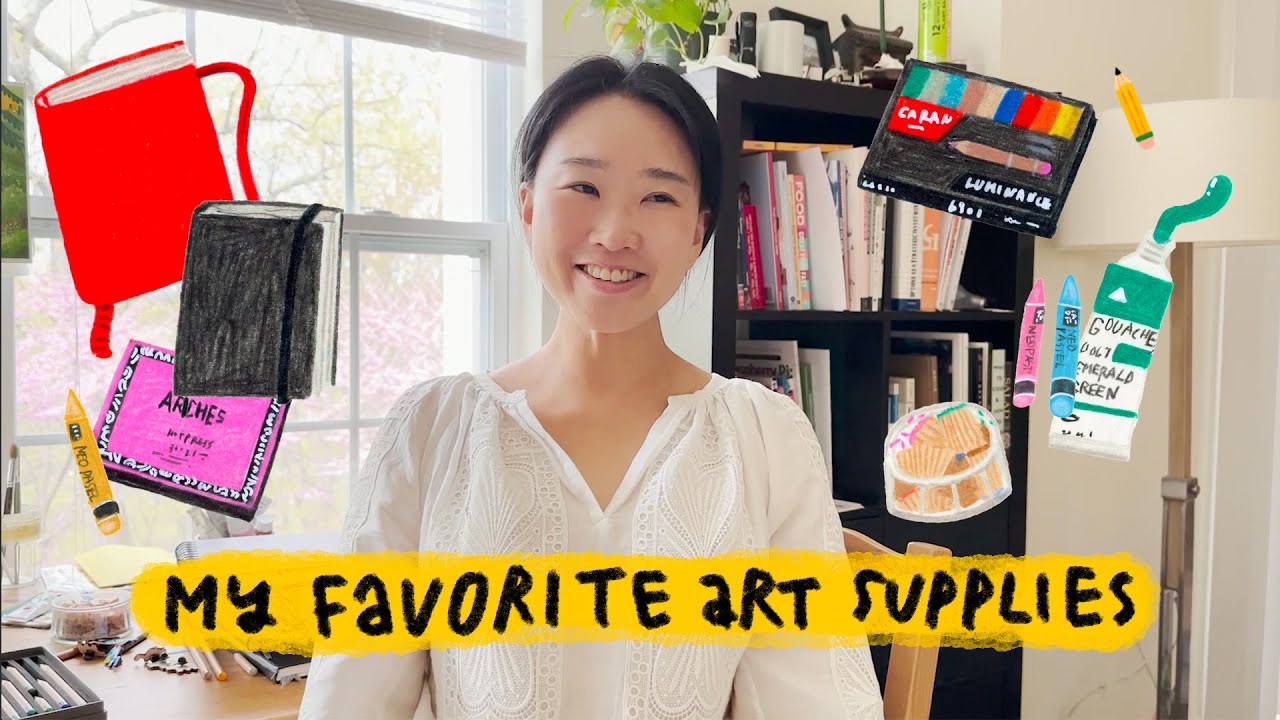
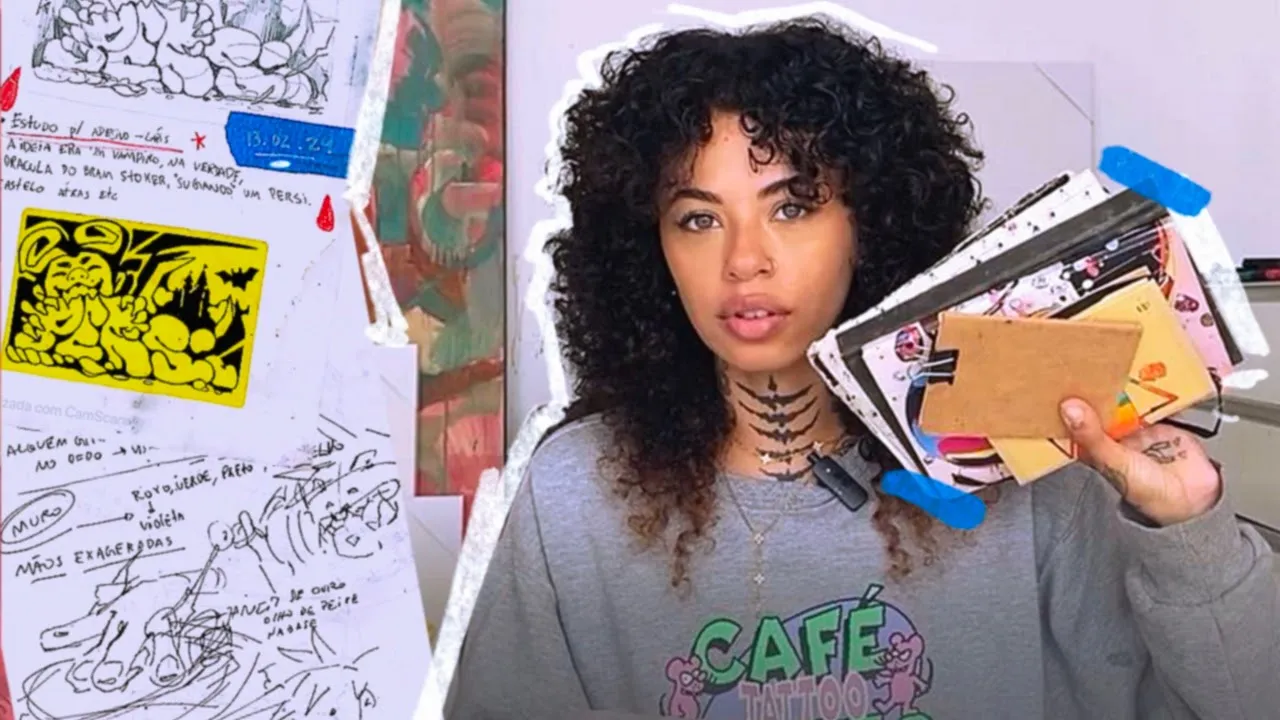
okay welcome to the video my name is Kristen I am an artist and illustrator I am going to show you all of my favorite art books today I had this vision of for the thumbnail holding up this stack of books like next to my head but I can't even pick it up so I think this is gonna be a long video so you might want to make yourself some tea and settle in for the journey I'm gonna take this big stack over to the counter and we can flip through them and I can talk a little bit more about how I use art books in my art practice and you can Feast your eyes on some beautiful things oh my God all right so I have this kind of divided up into two sections the first section is more like how to and instructional type of books and then the other one is like pretty beautiful coffee table art books and like collections from specific artists so I'm gonna start with the how-to books because there's less of them let's see the first one is so you want to be in our artist by Gianna Andrews Gianna is an acrylic painter and she makes these really amazing Landscapes from her experiences as like an Outdoorsman and I just love her work she is one of my good friends we knew each other in college and she wrote this book all about how she became an artist what she did to get there and like how to build a body of work setting long-term goals becoming Your Own Boss and some legal advice it's really accessibly laid out like you can skip around I read it in like an afternoon and the writing style is just like really clear and easy a lot of this stuff is stuff that I have had to learn the hard way so if you are at all interested in wanting to become an artist professionally and you're just curious about how that happens you can find her book I think most places primarily Amazon and yeah I would really recommend it the next sort of instructional book is the artist's Way by Julia Cameron I've talked about this a couple times in videos before but I bought this like two years ago and and I don't think without this book that I would be on the path that I'm on now I don't agree with like everything in the book there is a lot of stuff about like God and Creator and things like that so if that turns you off I feel like you might not like this book but there is some really really helpful stuff in here and I considered checking this out from the library but I ended up purchasing it because it is laid out like a work book so like the text of the book is here and then the margins are for you to write in and I have done some writing and stuff the main thing that Julia Cameron recommends from her book is to do something called morning Pages where you write three pages of stream of Consciousness every day to kind of figure out what is going on inside your head as an artist and get you in touch with that art making part of yourself and there's a lot of stuff in here about overcoming art block and dealing with your inner critic and I just think it's really helpful I think at some point I would like to do this as a course like week by week I know some people who have done it with other artists like a group of people get together and talk about it via Zoom or something so I've been considering doing that like on my patreon running um an artist's way I think it's 12 weeks yeah so it's set up as a 12-week course that you go through work through week by week but the main components of it are doing those morning pages and then getting yourself out on an artist date trying to inspire yourself in the outside world and then like working on your studio practice so yeah at some point I think I'd like to do it as a course but for right now I feel like it's kind of it's kind of a lot of work and takes a concerted effort and I don't feel super blocked right now so it's not calling to me but at some point I feel like it will and yeah this is the art of the graphic Memoir by Tom Hart who is a graphic novelist who wrote several graphic novels one of them being Rosalie lightning which is um a graphic novel that I really appreciate I'm not really a huge cartoonist at the moment but I do love graphic Memoir I think it's just like the coolest category of graphic novel because it's just so personal and he goes through all of these different case studies of different ways that you can lay out your graphic novel and just different styles and what those Styles might say about your story how to lay out an outline and like so much helpful stuff in here if you ever have considered writing a graphic novel or writing a graphic Memoir I feel like this would be a really good place to start he talks about storyboarding I think he even works at a Comics program one thing that I use this book for was when I was first getting into graphic novels I used it like a recommendation like a reading list so I went through and kind of saw certain artists that I really liked their style I love Allison Bechtel and I checked out their graphic novels from the public library I really like to use art books like that a lot of times they will have a list of citations like that you can go check out other artists and become inspired by what other people are doing which I think is really cool so yeah that's the art of a graphic Memoir by Tom Hart this is a new one for me um it's called drawing for illustration by Martin Salisbury and I think it's meant to be more of a textbook Martin Salisbury is an instructor and professor of illustration Cambridge in their children's picture book program so it is definitely geared for more like picture book and children's illustration which is something that I'm really into one day I would really like to illustrate a children's book but I just got this the other day it is kind of a new book and I am so excited to dig into this I haven't really looked at it very much but I am going to devour this book I can just tell I love drawing and I love thinking about drawing and what different ways of conveying an image there's sections online there's sections on materials learning to see and kind of like the other book there is just a huge reading list of really accomplished illustrators what kind of things their illustrations do successfully and a bunch of Sketchbook Pages which if you know me I am basically obsessed with sketchbooks other people's sketchbooks my own sketchbooks and I just love all of these like Rich drawings I don't know how much I can show you without being like copyright yeah it's kind of an expensive book I think it was like 45 I bought it new and I am so glad that I did it is going to be a go-to in the future on to the next section which is all of these artist books some of them are by individual artists and then other ones are more like a genre of art so let's dig into that if you have seen my work before you know that I am a huge fan of trout I just love them so much and I love this book by James prosec it's called trout of the world James prosek is an illustrator an artist who is like a big fly fisherman and he goes through and catalogs via painting and watercolor every fish that he has caught and these ones are from all over the world and I just love seeing how the different trout have such variation and color I made this big painting recently of some trout that are from all the places that I have called home in my life there's a whole video about it if you want to go check it out I used James's work as like a jumping off point I used acrylics and used my own reference photos but I just whenever I got stuck working on that piece I would flip through this book and it helps me a lot yeah I just love looking through this and reading about all of the different fish there's information on the left Page and then the illustrations are on the right side super fun to look through and then also just for like watercolor inspiration the way that he handles colors and you can tell that he just has like such a grasp on watercolor as a medium so fun yeah so that's trout of the World by James prosec and the spine is this awesome trout I found this at a used bookstore for like 20 which was such a huge score it is the art of Audubon the complete birds and mammals by John James Audubon and if you don't know who John James Audubon is he is like one of the most famous uh Wildlife illustrators of all time it's an entire book of just these insane illustrations of pretty much every bird you could possibly think of and whenever I get stuck in my Sketchbook I will pull this out and just recreate one they are in the public domain so I think you can kind of do whatever you want with them but this is so beautiful I love how he composes these little scenes and they are like scientific illustrations in that they're trying to show like the differentiation between the species but there's just like so much Artistry in how he captures the birds expressions and like their little environments what they're doing it's always so interesting and I could seriously look at this book for hours another bonus of this book is that it smells so good it's like an antique book smell and every time I bust it out I just feel so academic look at these so yeah whenever I am feeling stuck on what to draw I usually draw birds they are just so funny and they have so much different like markings and little details and line that you can experiment with and play with and these are just like such beautiful references to use there are also mammals in the back but the mammals are so funny what's Wild is that he didn't he didn't have photographs to look from so he's drawing all of these from observation from dead specimens or just from imagination and sketches I would love to see like some of his process stuff like how did he arrive at these images I bet there is an archive somewhere that you could find but yeah I love this book it's so thick it takes up so much space when I saw it in the used bookstore I like nearly peed my pants because I was so excited so I probably could use some maintenance but like Just Jack is kind of falling apart but and then it also has this cute little message to Ron and Joni 1983 with love Richard so if you know Ron and Joni I have their book sorry Richard they donated your book maybe they died let's not judge them okay that's the big guy put him over there this is another used bookstore find it is called the spirit of folk art from the Gerard collection at the Museum of international folk art and found this on a used bookstore I just love folk art so much and this is just one individual person's collection so there's a lot of little dolls and scenes I love folk art I love seeing how things are simplified and flattened and decorative and all this textile and text stuff is so cool I mostly use this book as color palette inspiration so if I'm feeling stuck with colors for something I open up this book and find color combinations that inspire me look at that little mermaid vessel she's squeezing her little tit so cute this is one of my favorite textiles in the whole thing I love these all these really cool textiles that this person collected over their travels there's just like a huge range of stuff that is super fun to look at I really recommend used bookstores for art books because you can find stuff that like I would never have sought this out on the internet but like it's so fun and it feels like such a Chase to go into a used bookstore and look for art books that feel up your alley and kind of hones your creative eye I love it thank you the next one is this Matisse book that I also found in a used bookstore Matisse is one of my favorite artists I love pretty much everything that he did throughout his entire life I love his use of color and I really want to do a master copy from one of these paintings I just think his painting style is so interesting and I think it's really cool to check out a book like this from an artist that you like and just kind of see like where they started and where they ended up um you can take a journey through their life as an artist and see what was going on in their life and what was going on in the world and what was going on in art history that made them make the choices that they did and what we know Matisse for are like these images and some of the paper cut stuff later in his life but there's also all this other work that he was making in between it's really encouraging for just your general mental health as an artist to realize that it's not a straight line making work and there's all these little side quests and different style Explorations you can do and I just love looking at someone's big body of work that they've made throughout their life it's really inspiring to me and the text is super interesting as well so I love this book I like how thin it is I keep it on my coffee table and look at it all the time speaking of finding an artist that you really love and exploring your whole body of work I have this which is the Diary of Frida Kahlo which this is just direct scans from her Sketchbook and her diary which there is some kind of moral qualms I have about that because this was done after her death looking at this never fails to get me out of an art block just to know that this amazing artist was drawing stuff like this in her Sketchbook just like little scribbly Doodles with a bunch of text and there are some like finished drawings in here but a lot of it is just kind of stream of Consciousness these amazing like automatic images that the kind of work that you don't really see from Frida Kahlo you see like her finished paintings but there was like all of this rawness behind it and that's what I really love about it there's like little collage elements it's just so rich and really really fun to look at she clearly was obsessed with color but it's Frida kahlo's Sketchbook like how cool is that how much cooler does it get um and all of it's in Spanish obviously I don't really speak Spanish I speak some Spanish but there are translations of all the plates in the back with some interpretation of what she might have been talking about or what the art historians who put this together kind of think about what she was going through at the time kind of makes you rethink like your sketchbooks and I know her work isn't from that long ago but it's so surprising how many of these things look so modern I purchased this in a bookstore in Oaxaca Mexico and I was just feeling so inspired by Frida's work at the time seeing all of the Mexican architecture and all the murals and stuff in Oaxaca City so this book also has the edition of like a nice a creatively fulfilling memory behind it so every time I pick it up I remember how I was feeling at the time when I purchased this which was just like expansively inspired so love it all right sorry for the weird lighting change my camera battery died so we're on to the next ones this book is the 75th anniversary edition of The Little Prince by Antoine de Santa Fe um The Little Prince like this isn't exactly an art book I collect editions of The Little Prince but this book has so much detail about the author and a bunch of illustrations from all the different versions of the story and some original sketches if you haven't read The Little Prince it is one of my favorite books I used to say it's one of my favorite children's books but I don't even know if it's a children's book it is for everyone so these first sketches are just like so amazing like the little scribbles that artists use to get out their initial ideas are just so compelling and interesting to me especially seeing like you know what the end product is so seeing the initial idea is just so cool I love it and there's letters and all this other information about the artist and his life which is just fun to dig into I found this also at a used bookstore this is another one that I'm not sure if you would consider it an art book but it's called iwigara the kinship of plants and people by Enrique Salman and it's about American Indian ethnobotanical traditions and science I am really interested in Botanical illustration and humans relationships with plants in general so I picked this up at a bookstore in Fort Bragg in California I've used this a lot as reference and to try to find out more about plants that I interact with it has all these different plants and how they are used and harvested and historically and then also in modern times so I love this book I think it's really cool and I do consider it an art book Prince it is Eric Carl's treasury of classic stories for children Eric Carl is one of my big influences when I used to be a preschool teacher I love Eric Carl's books and I would try to get as many of them as we could and I think they just have this unique quality all this paper cut stuff these are like little poems and Illustrated short stories and this is just really fun to look through for illustration stuff yeah just looking at this is so nostalgic I loved looking at his paper cut illustrations when I was a kid and trying to figure out how they were made because you can see that they are cut out pieces of like scribbled on paper this book was just really fun to look through and I believe it is also from a used bookstore I love this illustration of this little sleepy baby in this cocoon my partner is a librarian so he works in the public library system and sometimes comes home with Little finds for me and this was one of the finds that he he took from the library of circulation it's emerging from the Shadows a survey of women artists working in California from 1860 to 1960 so I think this probably came out in the 60s or 70s and it is all just women artists like the title suggests and there is a huge array of work in here I think it is really important as an artist especially if you're self-taught to kind of familiarize yourself with art history and learning about how artists write about themselves and how other people write about them just describing the paintings and stuff can really help you for formulating your artist statement and different ways of applying paint just like all these colors and then I've also been using this as kind of a reference sheet for people that I want to explore more of their work of so I have some of these Pages bookmarked for people that I would really like to have a art book of theirs if I ever come across it in like a used bookstore or something just to know that oh I like Alexander Bradshaw's work or these other artists and then I do also feel like when you are self-taught or just a general like art love lover without having a ton of of our history knowledge or experience the artists that you know about are mostly white male artists so knowing about there's a bunch of indigenous artists and Mexican artists and it's California so this book contains like really well-known artists and then some who are like forgotten or a little less well-known so it's really fun to look through this book and learn about female artists I know it's very specific of California but fun to look at last but definitely not least is this big Edward Hopper coffee table book I love Edward Hopper my partner really loves Edward Hopper and I believe this is also from either the library or a used bookstore and I just love Hopper's paintings again kind of like the Matisse book it's really cool to see where an artist starts oh there's some pressed flowers in there and where they end up I really love all of his figurative stuff he had such a way of like blending things and really understood like form these buildings just look so thick and voluminous I really would like to do a master copy of some of these paintings so let me know if you'd like to see me do some master copies I think it would be fun I mostly work in gouache which can have a similar look to oil paintings I know with Master copies you're generally supposed to wow I love this one with Master copies you're generally supposed to try to work in the same size with the same medium to kind of see how the artist did that but I think it can also be really fun to do it like a draw draw this in your style style of Master Copy where you use the mediums that you're familiar with and then try to recreate the values in the image like the life of the image in your own style and I think I would really like to do that with some of Hopper's work I just love these big swaths of like wall and yeah these paintings are just always so cool to look at which is kind of the point of art books Nighthawks it's a little fold out which is cute such a cool painting So iconic and like you can see images of this on the internet whenever you want to but it's just not the same as being able to look at it and touch it and get really close to it obviously like seeing the actual painting would be cool but having it in your house and you can flip to it whenever you feel like it is just so cool yeah that's all my art books I have I clearly don't buy them new very often but when I do they are like that drawing for illustration by Martin Salisbury books that um I'm gonna use more like a textbook and then I do like to find things at used bookstores I'm kind of like a little raccoon I like to hunt for things yeah if you could in the comments let me know what your favorite art book is if you have one that you think that I would really like or if you think there's any art books that would fit really nicely into my collection that are missing I love illustration I love folk art and I like painting so all that stuff and I love children's illustrations so I really want to collect more children's books too so let me know what your favorite children's books are and then maybe I can do a collection video of all my favorite children's books as an illustrator I think that would be really fun to flip through also I just realized I forgot to say that I will try to link as many of these books as I possibly can in the description a lot of these are really old and found from used bookstores so it might not be possible but when it is I will try to link it below all right um that's it I hope that you enjoyed this video again my name is Kristen and I am little tiny egg here on YouTube and Instagram and Tech talk all over the place I also have a website where I sell my work you can also find me on patreon where I make exclusive secret content every single month so you might want to go check that out I just wanted to say thank you for 2 000 subscribers on YouTube I'm really really close to being monetized so if you are bored today and you want to go look in my Archive of videos I have some fun stuff and I hope that you have a really great rest of your day see you next time bye
Up Next

62:15
Alison Bechdel on Graphic Memoir & Creative Process
@Cornell
18.8K views•2009-04-16

26:22
Walking in the City: Urban Rituals and the Flâneur in Contemporary India
@PSBTIndia
1.9K views•2016-08-02

9:49
FastAPI vs Flask vs Django: Choosing the Right Python Web Framework
@TechWithTim
302.5K views•2024-05-26

1:42
Game of Thrones Opening Credits: A Cinematic Analysis
@gameofthrones
46.3M views•2011-04-18
Related Study Plans & Knowledge Roadmaps
Structured learning paths in General & Interdisciplinary Studies
general-studies
Artificial Light: History, Tech & Human Impact
01The Pre-Electric Era: Fire, Oil, and Gas Lighting
02The Incandescent Revolution and Grid Electrification
03Gas Discharge and Fluorescent Illumination
+ 3 more learning modules
14h6 modules
Explore Roadmap
general-studies
Elevator Engineering: History, Physics & Cities
01From Hoists to Safety Brakes: The Dawn of Vertical Lift
02Hydraulic vs. Traction: The Engineering Physics of Elevators
03Modern Speed, Safety, and Algorithms
+ 2 more learning modules
12h5 modules
Explore Roadmap
general-studies
Rubber: Material Science, History & Geopolitics
01Origins of Natural Rubber & Mesoamerican History
02The Chemistry of Natural Rubber & Vulcanization
03The Geopolitics of the Rubber Boom & Colonization
+ 2 more learning modules
12h5 modules
Explore Roadmap
general-studies
Containerization: Evolution, Logistics & Trade
01Ancient Trade & Bulk Cargo: Amphorae to Barrels
02The Industrial Revolution & Cardboard Packaging
03The Containerization Revolution: Malcom McLean
+ 2 more learning modules
12h5 modules
Explore Roadmap