
















Genetic drift is a random evolutionary mechanism that changes allele frequencies in populations through chance events, unlike natural selection which favors advantageous traits; it manifests through the bottleneck effect (when disasters reduce populations to non-representative survivors) and founder effect (when small groups establish new populations with limited genetic diversity), with smaller populations being more significantly impacted by these random genetic changes.
Genetic Drift: Bottleneck & Founder Effects in Evolution
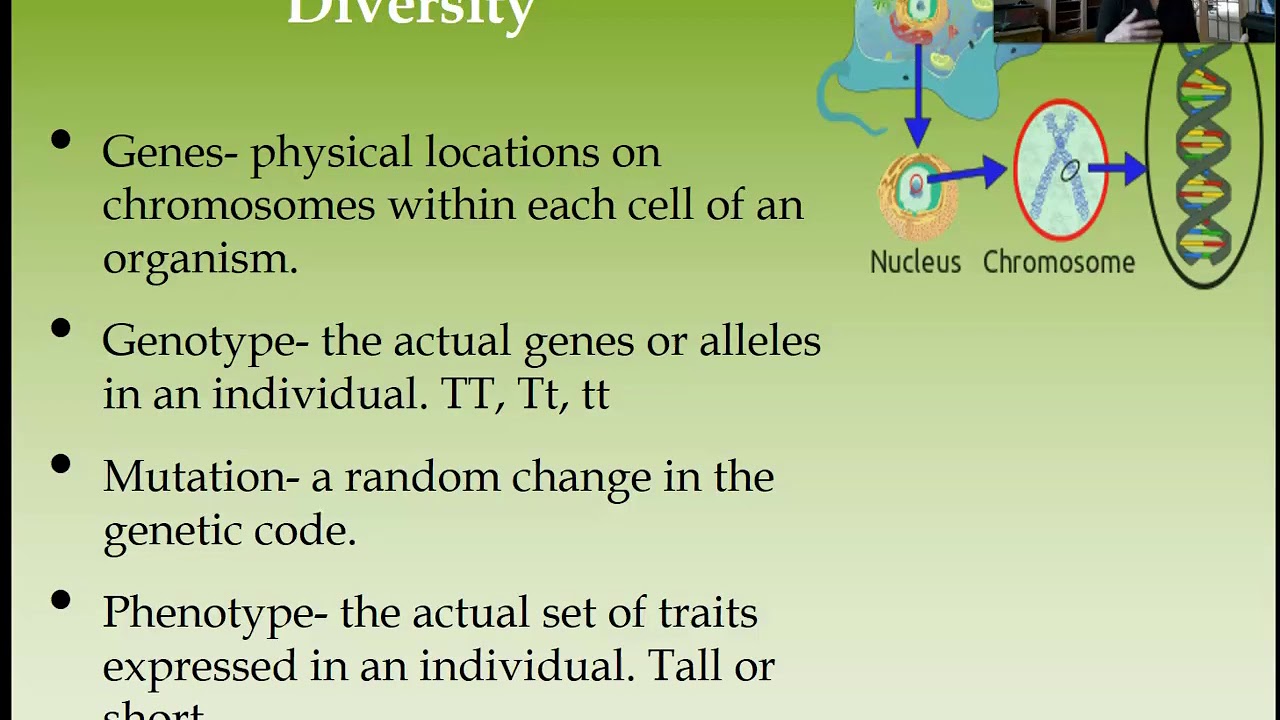
Added:Understanding of basic genetics, including genes, alleles, genotypes, and phenotypes.
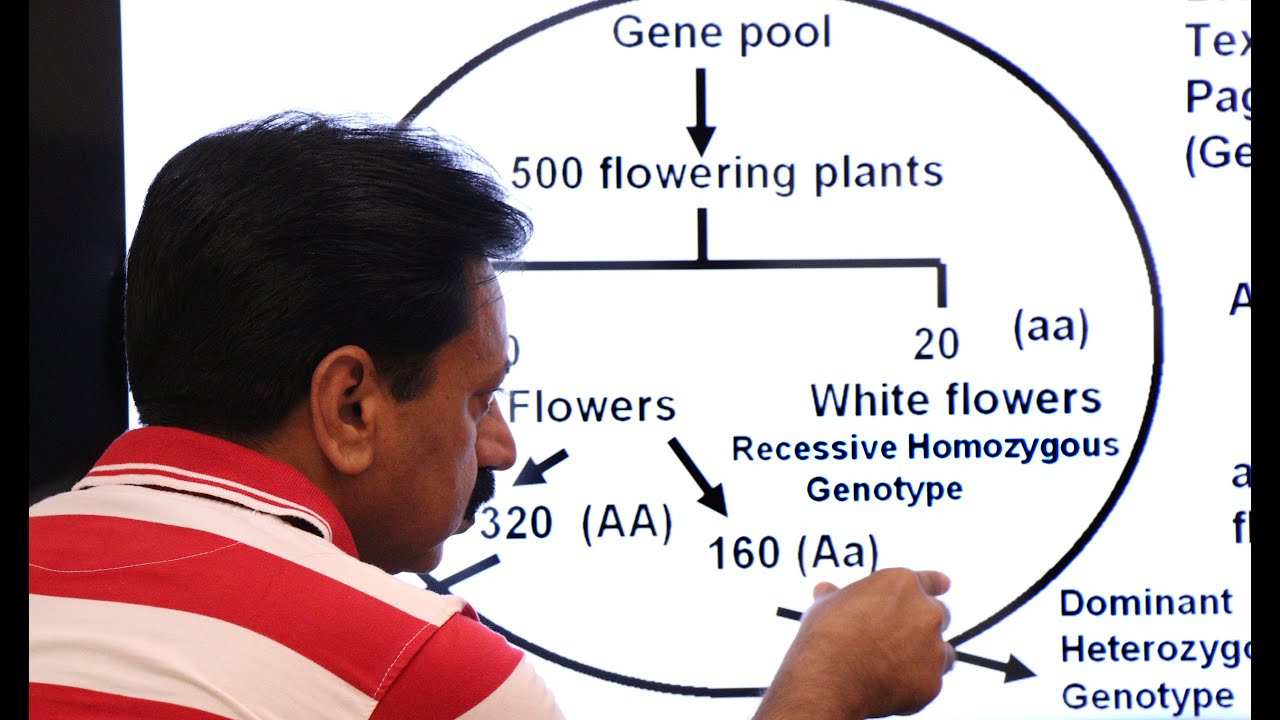
The concept of a 'gene pool' and how allele frequencies are defined and measured within a population.
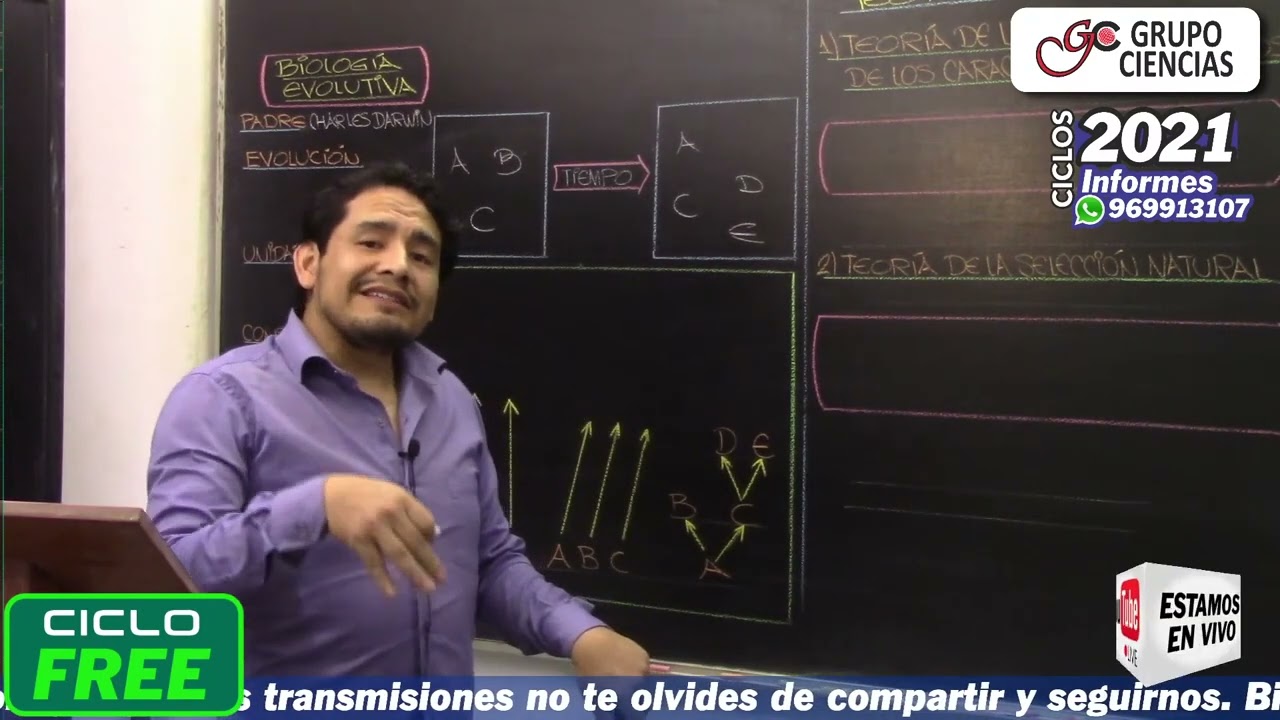
The fundamental principles of Charles Darwin's theory of evolution by natural selection.
Basic knowledge of population biology, specifically the concept that populations, not individuals, evolve over time.
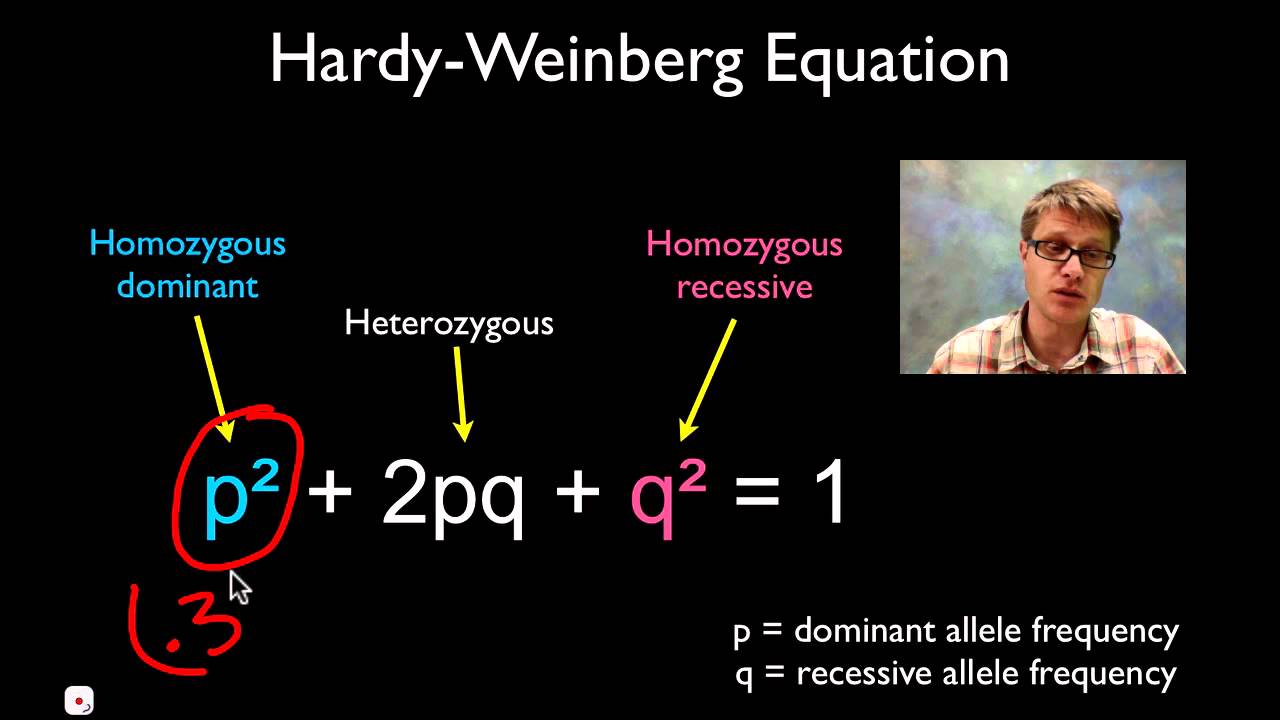
The Hardy-Weinberg Principle and how to mathematically model a population not undergoing evolution.
The role of gene flow (migration) and mutation, and how they interact with genetic drift to shape biodiversity.
Real-world applications in conservation biology, such as the genetic consequences of population bottlenecks in endangered species like cheetahs or northern elephant seals.
The relationship between genetic drift, genetic isolation, and the process of speciation.
An introduction to the Neutral Theory of Molecular Evolution, which argues that most evolutionary changes at the molecular level are driven by genetic drift rather than selection.
2.1M views25.1Klikes4:38Original Release: 2017-06-08
Captions are on! Click the CC button at bottom right to turn off.
So here’s a question for you.
Have you ever compared the candy you get on Halloween with your friends?
My sister and I---a bit competitive in the sport of Halloween candy hunting---we both have preferences of what kind of candy we hoped to get in our buckets each year.
As for me, I LOVE gummy bears.
And every once in a while, someone would have them mixed in a big bucket and I remember watching—with intense focus--- the hand that picked out the candy hoping for gummy bears.
Getting those gummy bears was always total luck.
Total chance.
Well unless of course the entire bucket they had was actually gummy bears---but that would not be luck---no, that would be pure bliss.
But that’s never happened to me.
Yet.
So why bring this up?
Well, what if instead of candy, we were talking about insects?
And they weren’t in a Halloween bucket because that’d be kind of gross.
They’re on the sidewalk.
And when you’re scooter riding through the neighborhood on Halloween to collect candy---because scooters may or may not be our super awesome childhood mode of transportation---you squash some.
Accidentally, of course, because you like insects overall.
Were the ones that survived better adapted?
Did they have some special ability to foresee events or to move your scooter away from them?
Assuming they all were just there on the sidewalk in the path of your trick-or-treating, no, in this random event example---the survivors were not better adapted.
They were lucky.
It was chance.
And the ones that were squashed were, in this case, at the wrong place at the wrong time.
And that’s what genetic drift is.
Genetic drift can change allele frequencies in a population.
Remember, alleles are a form of a gene.
But genetic drift is random.
Unlike natural selection.
Recall that in our natural selection video, organisms that have traits that result in high fitness are able to pass those alleles to their offspring---this is where the ‘survival of the fittest’ comes into play.
But not genetic drift.
With genetic drift, the organisms aren’t necessarily more fit---they have just won the game of chance.
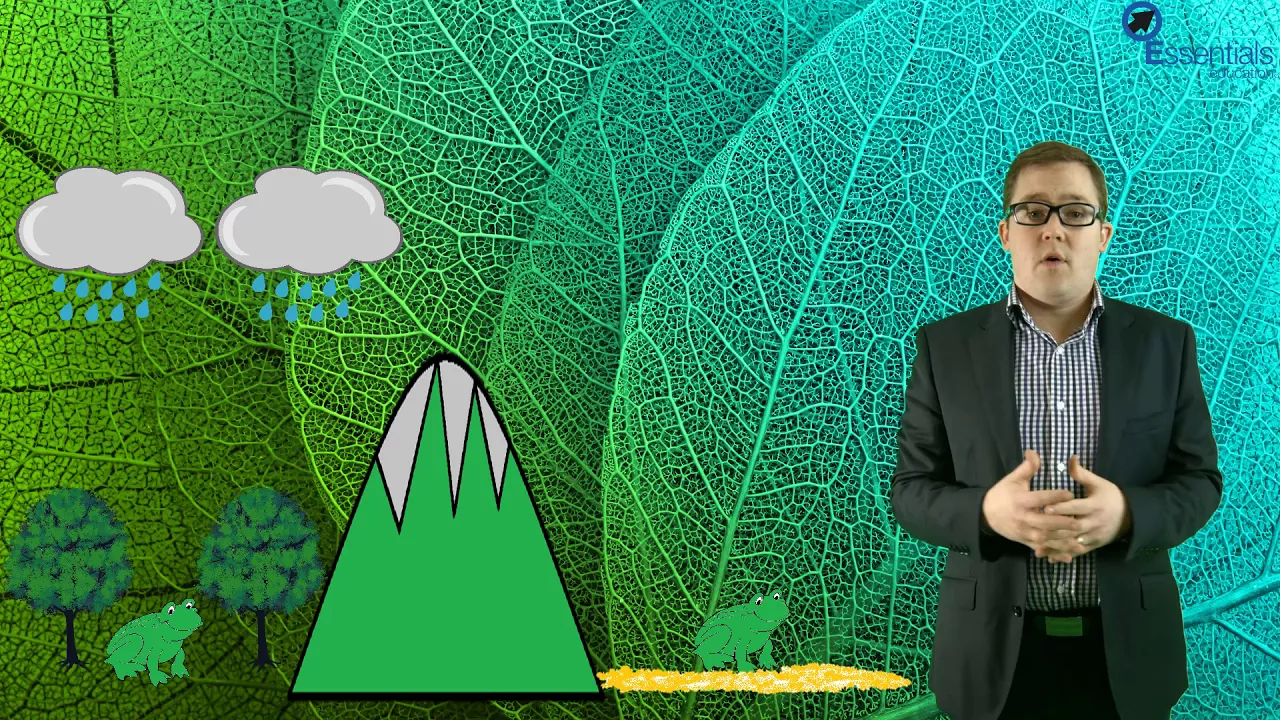
Let’s look at a representation of genetic drift known as the bottleneck effect.
I always like to remember this one by focusing on the word “bottle.” Let’s say that we have a bottle here and we fill it with our Halloween candy.
If we shake out only a few of the candy pieces---does it necessarily represent the whole bottle as far as the candy frequencies you get out?
Nope.
In fact, one of the types of candy pieces isn’t there--- that type is totally eliminated.
Well consider a natural disaster such as a forest fire.
The surviving organisms weren’t better adapted---they were likely just in an area where they weren’t directly affected.
But the survivors don’t happen to represent the original population so there is definitely going to be a new allele frequency among the surviving population.
Bottleneck effect.
Another time to see genetic drift is when you are talking about the founder effect.
In this case you may have organisms that have founded an island or some new area.
The few organisms that arrive to start a new population do not necessarily represent the original population that they came from.
Let’s take a case where maybe some seeds that are dispersed by wind end up in a new area that happened to be one that was perfect for their growth.
This new population grows.
Well those seeds that landed in this new area may not necessarily represent the original population of plants from which they came from.
It’s a random sample.
Founder effect.
In summary, genetic drift can make some big changes to allele frequencies and is a mechanism for evolution.
One last thing.
Which type of population do you think would be more vulnerable to genetic drift?
A big population?
Or a small population?
If someone is just doing some intense candy hunting and by accident, scooter rides over a few insects---look at the result in this small population versus the big population.
As you can see, this random event has the potential to cause more change from the original in the small population.
There weren’t as many representatives there in the first place.
So in many incidences of genetic drift in populations…the impact on small populations is especially significant.
Well, that’s it for the amoeba sisters, and we remind you to stay curious!
Up Next

9:29
Natural Selection and Mutation Balance in Population Genetics
@BrianTeague00
1.1K views•2022-04-07
50:12
Bacterial Communication: Quorum Sensing and Biofilm Formation Explained
@JHUAAP
12.6K views•2011-06-28

5:35
Enteric Nervous System Explained: The Gut's Brain | Neurobiology Lecture
@alumniu6029
438 views•2018-09-12
7:08
Bacteriophages: Earth's Deadliest Killers and Future Antibiotics
@kurzgesagt
34.6M views•2018-05-13
Related Study Plans & Knowledge Roadmaps
Structured learning paths in Biology
biology
RNAi: Biogenesis, RISC & Gene Silencing
01Molecular Biology Foundations: DNA to Protein
02Introduction to RNA Interference (RNAi)
03Molecular Biogenesis of miRNA and siRNA
+ 2 more learning modules
10h5 modules
Explore Roadmap
biology
Mycorrhizae: Signaling, Biophysics & Ecology
01Foundations of Mycorrhizal Symbiosis
02Molecular Signaling and Root Colonization
03Biophysics and Bioenergetics of Nutrient Exchange
+ 1 more learning modules
11h4 modules
Explore Roadmap
biology
Circadian Clocks: TTFL, SCN & Periphery
01Foundations of Molecular Biology & Gene Expression
02Introduction to Chronobiology and Actograms
03The Core TTFL: Molecular Architecture of the Clock
+ 3 more learning modules
14h6 modules
Explore Roadmap
biology
Population Genetics: Math, Drift & Selection
01Genetic & Probability Foundations
02The Hardy-Weinberg Principle and Baseline Models
03Mathematical Modeling of Natural Selection
+ 3 more learning modules
18h6 modules
Explore Roadmap