



















In modern capitalism, extreme wealth concentration creates a self-reinforcing cycle where concentrated wealth generates concentrated political power, which then produces policies that further concentrate wealth, ultimately undermining democracy and social solidarity; this dynamic has been systematically engineered since the 1970s through financialization, deregulation, and corporate influence over political institutions, transforming the American Dream of class mobility into a system where the wealthy maintain disproportionate control over both economic and political power.
Requiem for the American Dream: Wealth, Power, and Democracy
Added:Basic principles of political economy, specifically how state policy, market systems, and corporate power interact in capitalist societies.
The core tenets of Neoliberalism, including the concepts of deregulation, privatization, fiscal austerity, and the globalization of capital.
Fundamental concepts of democratic theory, particularly the tension between representative democracy and plutocratic influence.
A baseline understanding of 20th-century American economic history, especially the transition from the post-WWII economic golden age to the financialization era of the 1970s and 1980s.
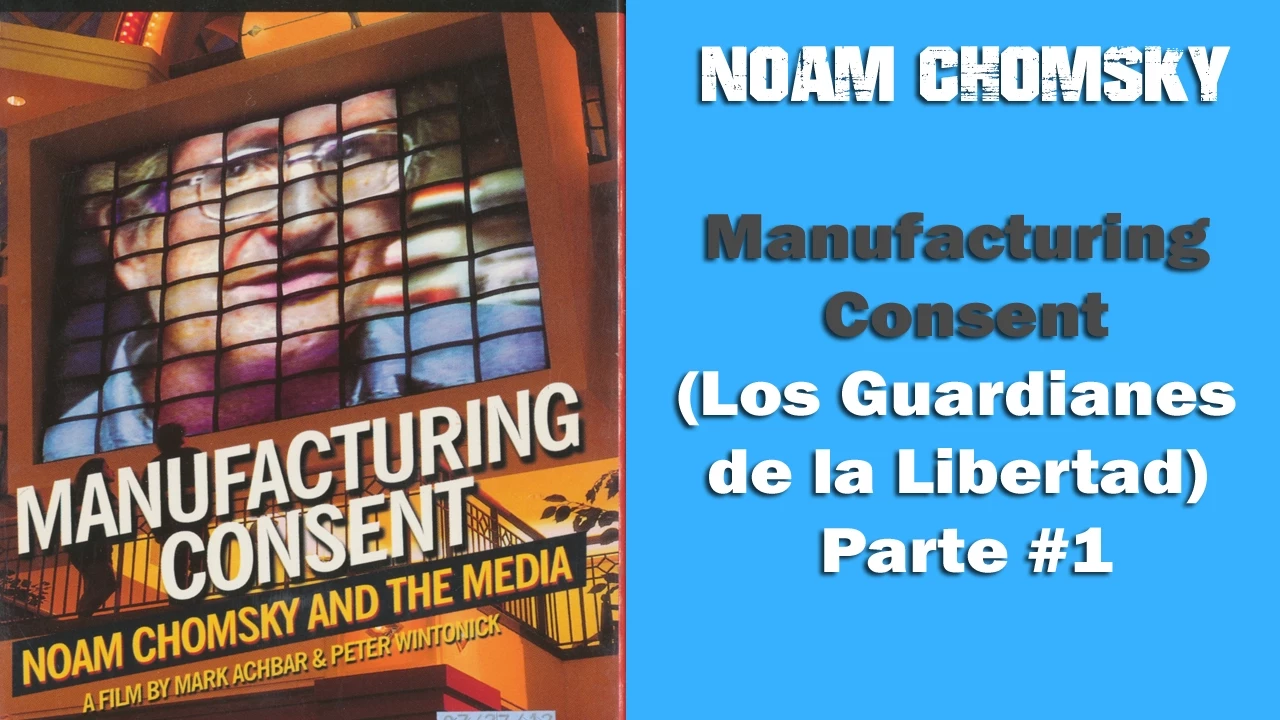
Advanced analysis of Chomsky's propaganda model and media theory, particularly how public opinion is engineered in democratic societies ('Manufacturing Consent').
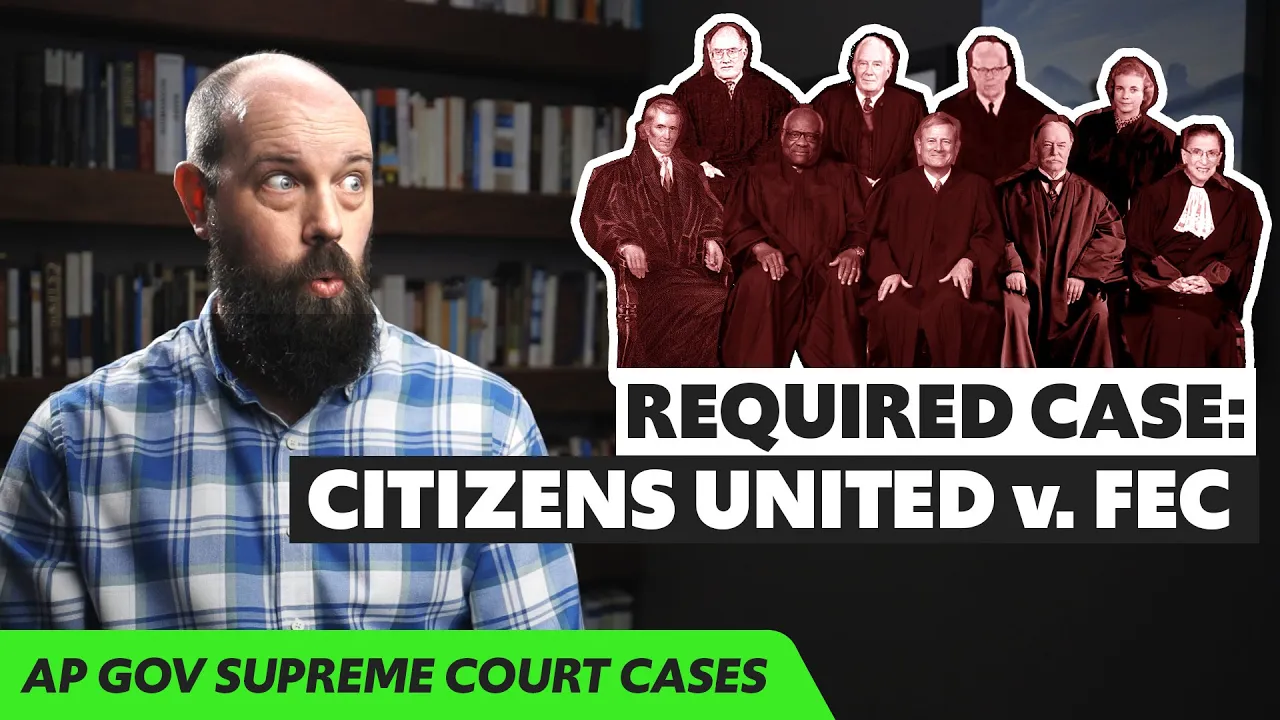
An exploration of campaign finance mechanisms, lobbying structures, and key judicial rulings such as Citizens United v. FEC that legalize corporate influence in U.S. politics.
The history of the American labor movement, collective bargaining, and how the decline of trade unions correlates with rising wealth inequality.
Comparative political economy, specifically analyzing alternative economic frameworks such as the Nordic social democratic model or democratic socialism to address systemic inequality.
1M views24.9Klikes1:12:49Original Release: 2023-02-25
[Music] during the great depression which i'm old enough to remember there was and most of my family were unemployed working class there wasn't it was bad you know much worse subjectively than today but there was an expectation that things were going to get better there was a real sense of hopefulness there isn't today inequality is really unprecedented i'm a feel good total inequality it's like the worst periods of american history but if you refine it more closely the inequality comes from the extreme wealth in a tiny sector of the population a fraction of one percent there were periods like the gilded age in the 20s and the roaring 90s and so on when a situation developed rather similar to this now this period is extreme because if you look at the wealth distribution the inequality mostly comes from super wealth literally the top one tenth of a percent are just super wealthy not only is it extremely unjust in itself inequality has highly negative consequences on the society as a whole because the very fact of inequality has a corrosive harmful effect on democracy [Music] you open by talking about the american dream part of the american dream is class mobility you're born poor you work hard you get rich it was possible for a worker to get a decent job buy a home get a car have his children go to school it's all collapsed imagine yourself in an outside position looking for mars what do you see [Music] in the united states there are professed values like democracy in a democracy public opinion is going to have some influence on policy [Music] and then the government carries out actions determined by the population that's what democracy means [Music] it's important to understand that privileged and powerful sectors have never liked democracy and for very good reasons democracy puts power into the hands of the general population and takes it away from them that's kind of a principle of concentration of wealth and power [Music] concentration of wealth yields concentration of power particularly so as the cost of elections skyrockets which kind of forces the political parties into the pockets of major corporations and this political power quickly translates into legislation that increases the concentration of wealth so fiscal policy like tax policy deregulation rules of corporate governance and a whole variety of measures political measures designed to increase the concentration of wealth and power which in turn yields more political power to the same thing and that's what we've been seeing so we have this kind of vicious cycle in progress [Music] you know actually it is so traditional that it was described by adam smith in 1776 you read the famous wealth of nations [Music] he says in england the principal architects of policy are the people who own the society in his day merchants and manufacturers and they make sure that their own interests are very well cared for however grievous the impact on the people of england or others now it's not merchant manufacturers it's financial institutions and multinational corporations the people who adam smith called the masters of mankind and they're following the vile maxim all for ourselves and nothing for anyone else they're just going to pursue policies that benefit them and harm everyone else and in the absence of a general popular reaction that's pretty much what you'd expect [Music] right through american history there's been an ongoing clash between pressure for more freedom and democracy coming from below and efforts at elite control and domination coming from above it goes back to the founding of the country james madison the main framer who was as much of a believer in democracy as anybody in the world that day nevertheless felt that the united states system should be designed and indeed with his initiative was designed so that power should be in the hands of the wealthy because the wealthier the more responsible set of men and therefore the structure of the formal constitutional system placed most power in the hands of the senate remember the senate was not elected in those days it was selected from the wealthy men as madison put it had sympathy for property owners and their rights if you read the debates at the constitutional convention madison said the major concern of the society has to be to protect the minority of the opulent against the majority and he had arguments i suppose everyone had to vote freely he said well the majority of the poor would get together and they would organize to take away the property of the rich and he said that would obviously be unjust so you can't have that so therefore the constitutional system has to be set up to prevent democracy [Music] which is of some interest that this debate has a hoary tradition goes back to the first major book on political systems aristotle's politics he says of all of them the best is democracy but then he points out exactly the flaw that madison pointed out [Music] if athens were a democracy for free men the poor would get together and take away the property of the rich well same dilemma they had opposite solutions aristotle proposed what we would nowadays call a welfare state he said try to reduce inequality [Music] so same problem opposite solutions one is reduce inequality you won't have this problem the other is reduced democracy if you look at the history of the united states it's a constant struggle between these two tendencies democratizing tendency that's mostly coming from the population pressure from below and you get this constant battle going on periods of regression periods of progress the 1960s for example were a period of significant democratization [Music] sectors of the population that were usually passive and apathetic that became organized active started pressing their demands and they became more and more involved in decision making activism and so on it just changed consciousness in a lot of ways [Music] minority rights if democracy means freedom why are our people free right if democracy means justice why don't we have justice if democracy means equality why don't we have equality women's rights this inhuman system of exploitation will change but only if we force it to change and force it together concern for the environment a unique day in american history is ending a day set aside for a nationwide outpouring of mankind seeking its own survival opposition to aggression i'd say to those who criticize us for the militancy of our descent that if they are serious about law and order they should first provide it for the vietnamese people for our own black people and for our own poor people concern for other people one day we must ask the question why are there 40 million poor people in america when you begin to ask that question you're raising a question about the economic system about a broader distribution of wealth to the question of restructuring the whole of american society these are all civilizing effects [Music] and that caused great fear [Applause] i hadn't anticipated the power of i should have but i didn't anticipate the power of the reaction to the civilizing effects of the 60s i did not anticipate the strength of the reaction to it the backlash [Music] there has been an enormous concentrated coordinated business offensive beginning in the 70s to try to beat back the egalitarian efforts that went right through the nixon years you see it in many respects i mean over on the right you see it in things like the famous powell memorandum [Music] sent to the chamber of commerce the major business lobby by later supreme court justice powell warning them that business is losing control over the society and something has to be done to counter these forces of course he puts it in terms of defense defending ourselves against outside power but if you look at it it's a call for business to use its control over resources to carry out a major offensive to beat back this democratizing wave [Music] over on the liberal side there's something exactly similar the first major report of the trilateral commission is concerned with this it's called the crisis of democracy trilateral commission is liberal internationalists their flavors indicated by the fact that they pretty much staffed the carter administration [Music] they were also appalled by the democratizing tendencies of the 60s and thought we have to react to it they were concerned that there was an excess of democracy developing [Music] previously passive and obedient parts of the population what are sometimes called the special interest that we're beginning to organize and try to enter the political arena and they said that imposes too much pressure on the state it can't deal with all these pressures so therefore they have to return to passivity and become depoliticized they were particularly concerned with what was happening to young people the young people are getting too free and independent the way they put it there's a failure on the part of the schools the universities and churches the institutions responsible for the indoctrination of the young their phrase not mine [Music] if you look at their study there's one interest they never mentioned private business and that makes sense they're not special interests they're the national interest kind of by definition so they're okay they're allowed to you know have lobbyists uh buy campaign staff the executive make decisions that's fine but it's the rest the special interests the general population who have to be subdued [Music] well that's the spectrum it's the kind of ideological level of the backlash but the major backlash which wasn't parallel to this was just redesigning the economy [Music] since the 1970s there's been a concerted effort on the part of the masters of mankind the owners of the society to shift the economy in two crucial respects one to increase the role of financial institutions banks investment firms so on insurance companies by 2007 right before the latest crash they had literally 40 percent of corporate profits [Music] far beyond anything in the past [Music] back in the 1950s as for many years before the united states economy was based largely on production the united states was the great manufacturing center of the world [Music] financial institutions used to be a relatively small part of the economy and their task was to distribute unused assets like say bank savings to productive activity the bank always has on hand a reserve of money received from the stockholders and depositors on the basis of these cash reserves a bank can create credit so besides providing a safe place for depositing money a bank serves a community by making additional credit available for many purposes for a manufacturer to meet his payroll during slack selling period for a merchant to enlarge and remodel his store and for many other good reasons why people are always needing more credit than they have immediately available that's a contribution to the economy regulatory system was established banks were regulated the commercial investment banks were separated cut back very risky investment practices that could harm private people there had been remember no financial crashes during the period of regulation by the 1970s that changed you started getting a huge increase in the flows of speculative capital just astronomically increased enormous changes in the financial sector from traditional banks to risky investments complex financial instruments money manipulations and so on increasingly the business of the country isn't production at least not here the primary business here is business you can even see it in the choice of directors so a director of a major american corporation back in the 50s and 60s was very likely to be an engineer as somebody who graduated from a place like mit maybe industrial management more recently the directorship and the top managerial positions are people who came out of business schools learned financial uh trickery of various kinds and so on by the 1970s say general electric can make more profit playing games with money than you could by producing in the united states [Music] we have to remember that general electric is substantially a financial institution today it makes half its profits just by moving money around in complicated ways and it's very unclear that they're doing anything that's of value to the economy so that's one phenomenon what's called financialization of the economy going along with that is the offshoring of production [Music] the trade system was reconstructed with a very explicit design of putting working people in competition with one another all over the world [Music] and what it's led to is a reduction in the share of income on the part of working people it's been particularly striking in the united states but it's happening worldwide it means that an american worker is in competition with a super exploited worker in china meanwhile highly paid professionals are protected they're not placed in competition with the rest of the world far from it and of course capital is free to move workers aren't free to move labor can't move but capital can well again going back to the classics like adam smith as he pointed out free circulation of labor is the foundation of any free trade system but workers are pretty much stuck the wealthy and the privileged are protected so you get obvious consequences and they're recognized and in fact praised policy is designed to increase insecurity alan greenspan and when he testified to congress he explained his success in running the economy as based on what he called greater worker insecurity atypical restraint on compensation increases has been evident for a few years now but as i outlined in some detail in testimony last month i believe that job insecurity has played the dominant role keep workers insecure they're going to be under control they're not going to ask for say decent wages or decent working conditions or the opportunity of free association meaning unionized now for the masters of mankind that's fine they make their profits but for the population it's devastating well these two processes financialization and offshoring are part of what led to the vicious cycle of concentration of wealth concentration of power i'm noam chomsky i'm a on the faculty at mit and i've been getting more heavily involved in anti-war activities for the last few years [Music] gnome chomsky has made two international reputations the widest is as one of the national leaders of american resistance to the vietnam war the deepest is as a professor of linguistics who before he was 40 years old had transformed the nature of his subject you are identified with the new left whatever that is you certainly have been an activist as well as a writer professor noam chomsky is listed in anybody's catalogs among the half dozen top heroes of the new left the standing he achieved by adopting over the past two or three years a series of adamant positions projecting at least american foreign policy at most america itself well actually this notion anti-american is quite an interesting one it's actually a totalitarian notion it isn't used in free societies so if someone in say italy is criticizing berlusconi or the corruption of the italian state and so on they're not called anti-italian in fact if they were called anti-italian people would collapse some laughter at the streets of rome or milan in totalitarian states the notions used so in the old soviet union dissidents were called anti-soviet that was the worst condemnation in the brazilian military dictatorship they were called anti-brazilian [Music] now it's true that in just about every society that critics are maligned are mistreated different ways depending on the nature of the society like in soviet union saying botslav however would be imprisoned in a u.s dependency like el salvador at the same time his counterparts have their brains blown out by the u.s run state terrorist forces and other societies that just condemned they're vilified and so on and in the united states yeah know one of the terms of abuse is anti-american there's a couple of others like you know marx's there's an array of terms of abuse but in the united states you have a very high degree of freedom and so if you're vilified by some commas ours who cares you go on do your work anyway these concepts only arise in a culture where if you criticize state power and by state i mean more generally not just government but state corporate power if you criticize concentrated power you're against the society you're against the people that's quite striking that it's used in the united states in fact as far as i know the only democratic society where the concept isn't just ridiculed it's a sign of elements of the elite culture which are quite ugly [Music] the american dream like many ideals was partly symbolic but partly real so in the 1950s and 60s there was the biggest growth period in american economic history the golden age [Music] it was pretty egalitarian growth so the the lowest a fifth of the population was improving about as much as the upper fifth and there were some welfare state measures which improved life for much of the population it was for example possible for a a black worker to get a decent job in an auto plant [Music] buy a home get a car have his children go to school and so on and the same across the board when the u.s was primarily a manufacturing center it had to be concerned with its own consumers here famously henry ford raised the salary of his workers who would be able to buy cars [Music] when you're moving into an international plutonomy as the banks like to call it with a small percentage of the world's population that's gathering increasing wealth what happens to american consumers is a much less concern because most of them aren't going to be consuming your products anyway at least on a major basis your goals are profit in the next quarter even if it's based on financial manipulations uh high salary high bonuses produce overseas if you have to and produce for the wealthy classes here and their counterparts abroad what about the rest well there's a term coming into use for them too they're called the precariat precarious proletariat the working people of the world who live increasingly precarious lives and it's related to the attitude toward the country altogether during the period of great growth of the economy 50s and 60s but in fact earlier taxes on the wealthy were far higher corporate taxes were much higher the taxes on dividends were much higher simply taxes on wealth were much higher the tax system has been redesigned so that the taxes that are paid by the very wealthy are reduced and correspondingly the tax burden on the rest of the population's increased [Music] now the shift is towards trying to keep taxes just on wages and on consumption which everyone has to do not say on dividends which only go to the rich [Music] the numbers are pretty striking [Music] now there's a pretext of course there's always a pretext the pretext in this case is well that increases investment and increases jobs but there isn't any evidence for that if you want to increase investment give money to the poor and the working people they have to keep alive so they spend their incomes that stimulates production stimulates investment it leads to job growth and so on if you're an ideologist for the masters you have a different line and in fact right now it's almost absurd that corporations have money coming out of their pockets so in fact general electric are paying zero taxes and they have enormous profits lets them take the profit somewhere else or defer it but not pay taxes and this is common the major american corporations shift the burden of sustaining the society onto the rest of the population work solidarity is quite dangerous from the point of view the masters you're only supposed to care about yourself and not about other people this is quite different from the people they claim are their heroes like adam smith who based his whole approach to the economy on the principle that sympathy is a fundamental human trait but that has to be driven out of people's heads i gotta wait for yourself follow the wild max and don't care about others which is okay for the rich and powerful but is devastating for everyone else well you know it's taken a lot of effort to try to drive these basic human emotions out of people's heads [Music] and we see it today in policy formation for example in the attack on social security social security is based on a principle it's based on a principle of solidarity solidarity caring for others social security means i pay payroll taxes so that the widow across town can get something to live on for much of the population that's what they survive on it's of no use to the very rich so therefore there's a concerted attempt to destroy it one of the ways is defunding it you want to destroy some system first defund it uh then it won't work people be angry they want something else that's a standard technique for privatizing some system we see it in the attack on public schools of public schools are based on the principle of solidarity i no longer have children in school they're grown up but the principle of solidarity says i happily paid taxes so that the kid across the street can go to school that's normal human emotion i have to drive that out of people's heads i don't have kids in school why should i pay taxes privatize it so on the public education system all the way from kindergarten to higher education is under severe attack i mean that's one of the jewels of american society [Music] you go back to the golden age again the great growth period in the 50s and 60s a lot of that is based on free public education one of the results of the second world war was the gi bill of rights which enabled veterans and remember that's a large part of the population and to go to college they wouldn't have been able to otherwise they essentially got free education where a community state or nation courageously invests a substantial share of its resources in education the investment invariably is returned in better business and the higher standard of living us was way in the lead in developing extensive mass public education at every level [Music] by now more than half the states most of the funding for the colleges comes from tuition not from the state that's a radical change and that's a terrible burden on students it means that students if they don't come from very wealthy families they're going to leave college with big debts and if you have a big debt you're trapped i mean maybe you wanted to become a public interest lawyer but you're going to have to go into a corporate law firm to pay off those debts and by the time you're part of the culture you know you're not going to get out of it again and that's true across the board in the 1950s there's a much poorer society than it is today but nevertheless could easily handle essentially free mass higher education a much richer society claims doesn't have the resources for it that's uh just what's going on right before our eyes that's the general attack on uh principles that i mean not only are they humane they're the basis of the prosperity and health of this society [Music] foreign [Music] if you look over the history of regulation say a railroad regulation financial regulation and so on you find that quite commonly it's it's either initiated by the uh economic concentrations that are being regulated or it's supported by them and the reason is because they know that sooner or later they can take over the regulators and it ends up with what's called regulatory capture the business being regulated is in fact running the regulators [Music] bank lobbyists are actually writing the laws of financial regulation it gets to that extreme and that's been happening through history and again it's it's a pretty natural tendency when you just look at the distribution of power [Music] one of the things that expanded enormously in the 1970s is lobbying as the business world moved sharply to try to control legislation business world was pretty upset by the advances in public welfare in the 60s and particularly by richard nixon it's not too well understood but he was the last new deal president and they regarded that as class treachery in nixon's administration you get consumer safety legislation safety and health regulations in the workplace the epa the environmental protection agency business didn't like it of course they didn't like the high taxes they didn't like the regulation and they began a coordinated effort to try to overcome it lobbying sharply increased deregulation began with a real ferocity there were no financial crashes in the 50s and the 60s because the regulatory apparatus of the new deal was still in place [Music] it began to be dismantled under business pressure and political pressure you get more and more crashes [Music] and it goes on right through the years 70s sort of starts to begin 80s really takes off congress was asked to approve federal loan guarantees to the auto company of up to one and one half billion dollars all of this is quite safe as long as you know the government's going to come to your rescue so take say reagan instead of letting them pay the cost reagan bailed out the banks like continental illinois the biggest bailout of american history at the time actually ended his term with a huge financial crisis the savings and loan crisis and the government moved in and bailed it out president bush they signed the 300 billion dollar savings and loan bailout bill in 1999 regulation was dismantled to separate commercial banks from investment banks then comes the bush then obama bailout bear stearns is running to the feds to stay afloat president bush today defended the decision to bail out citigroup fannie mae and freddie mac have asked for a total of three billion dollars more this bailout could get much bigger signaling deepening troubles for the u.s economy [Music] and they're building up the next one [Music] each time the taxpayer is called on to bail out those who created the crisis increasingly the major financial institutions in a capitalist economy you wouldn't do that in a capitalist system that would wipe out the investors who made risky investments but the rich and powerful they don't want a capitalist system they want to be able to run to the nanny state as soon as they're in trouble and get bailed out by the taxpayer that's called too big to fail i mean there are nobel laureates in economics who significantly disagree with the course that we're following people like stiglitz paul krugman and others none of them were even approached the people picked to fix the crisis were those who created it the robert rubin crowd the goldman sachs crowd they created the crisis are now more powerful than before is that accident well not when you pick those people to create an economic plan i mean what do you expect to happen meanwhile for the poor let market principles prevail don't expect any help from the government the government's the problem not the solution and so on that's essentially neoliberalism uh and it has this dual character which goes right back in economic history one set of rules for the rich opposite set of rules for the poor nothing surprising about this it's exactly the dynamics you'd expect and if the population allows it to proceed it's just going to go on and on like this until the next crash which is so much expected that credit agencies which kind of evaluate the status of firms are now counting into their calculations the taxpayer bailout that they expect to come after the next crash which means that the beneficiaries of these credit ratings like the big banks they can borrow money more cheaply they can push out smaller competitors and you get more and more concentration everywhere you look policies are denied this way which should come as absolutely no surprise to anyone that's what happens when you put power into the hands of a narrow sector of wealth which will is dedicated to increasing power for itself just as you'd expect [Music] concentration of wealth yields concentration of political power particularly so as the cost of elections skyrockets which kind of forces the political parties into the pockets of major corporations the citizens united this was january 2009 i guess that's a very important decision supreme court decision but it has a history and you've got to think about the history the 14th amendment has a provision that says no person's rights can be infringed without due process of law and the intent clearly was to protect freed slaves says okay they have got the protection of the law i don't think it's ever been used for freed slaves if ever marginally almost immediately it was used for businesses corporations their rights can't be infringed without due process of law so they gradually became persons under the law [Music] corporations are state-created legal fictions [Music] maybe they're good maybe they're bad but to call them persons is kind of outrageous so they got personal rights back about a century ago and that extended through the 20th century they give corporations rights way beyond what persons have so if say general motors invests in mexico they get national rights the rights of a mexican business while the notion of person was expanded to include corporations it was also restricted if you take the 14th amendment literally then no undocumented alien can be deprived of rights if they're persons undocumented aliens who are living here and building your buildings cleaning your lawns and so on they're not persons but general electric is a person an immortal a super powerful person this perversion of the you know elementary morality and the obvious meaning of the law is quite incredible in the 1970s the courts decided that money is a form of speech buckley versus valiant then you go on through the years to citizens united which says that the right of free speech of corporations namely spend as much money they want can't be curtailed take a look what that means it means that corporations which anyway have been pretty much buying elections are now free to do it with virtually no constraint that's tremendous attack on the residue of democracy [Music] it's very interesting to read the rulings like justice kennedy's swing vote his ruling said well look after all cbs is given freedom of speech they're a corporation why shouldn't general electric be free to spend as much money as they want [Music] i mean it's true that cbs has given freedom of speech but they're supposed to be performing a public service that's why that's what the press is supposed to be the general electric is just trying to make money for the chief executive some of the shareholders it's an incredible decision and it puts the country in a position where business power is greatly extended beyond what it always was this is part of that vicious cycle the supreme court justices are put in by reactionary presidents who get in there because they're funded by business it's the way the cycle works [Music] there is one organized force which traditionally plenty of flaws but with all its flaws it's been in the forefront of efforts to improve the lives of the general population that's organized labor it's also a barrier to corporate tyranny so it's the one barrier to this vicious cycle going on which does lead to corporate tyranny a major reason for the concentrated almost fanatic attack on unions on organized labor is they are a democratizing force [Applause] they provide a barrier that defends workers rights but also popular rights generally [Music] and that interferes with the prerogatives and power of those who own and manage the society i should say that anti-union sentiment in the united states among elites is so strong that the fundamental core of labor rights the basic principle in the international labor organization is the right of free association which would mean the right to form unions the us has never ratified that so i think the u.s may be alone among major societies in that respect it's considered so far out of the spectrum of american politics it literally has never been considered remember that the u.s has a long and very violent labor history as compared with comparable societies but the labor movement had been very strong that by the 1920s in the period not unlike today it was virtually crushed truck driver strike was climaxed by severe with many casualties open warfare rages through the streets of the city as three thousand union pickets battle 700 police guns tear gas clubs and fists bring injuries to more than 80 persons and cause the death of two by the mid-30s it began to reconstruct [Music] franklin dylan or roosevelt he himself was rather sympathetic to progressive legislation that would be in the benefit of the general population but he had to somehow get it passed so he informed the labor leaders and others forced me to do it what he meant is go out and demonstrate organize protest develop the labor movement when the popular pressure is sufficient i'll be able to put through the legislation you want i am not for a return to that definition of liberty under which for many years a free people were being gradually regimented into the service of a privileged few i prefer that broader definition of liberty so there was a kind of a combination of a sympathetic government and by the mid 30s very substantial popular activism there were industrial actions there were sit-down strikes which were very frightening to ownership have to recognize a sit-down strike is just one step before saying we don't need bosses we can run this by ourselves and business was pulled you read the business press say in the late 30s they were talking about the hazard facing industrialists and the rising political power of the masses which has to be repressed things were on hold during the second world war but immediately after the second world war the business offensive began in force taft-hartley act the taft-hartley act was written for only one purpose to restore justice and equality in labor management relations mccarthyism was used for a massive corporate propaganda offensives to attack union increased sharply during the reagan years i mean reagan pretty much told the business world if you want to illegally break organizing efforts and strikes go ahead they are in violation of the law and if they do not report for work within 48 hours they have forfeited their jobs and will be terminated continued in the 90s and of course with george w bush who went through the roof by now less than seven percent of private sector workers have unions [Music] the effect is that the usual counter force to an offensive by our highly class conscious business class has dissolved now if you're in position of power you want to maintain class consciousness for yourself but eliminate it everywhere else you go back to the 19th century in the early days of the industrial revolution in the united states working people were very conscious of this they in fact overwhelmingly regarded wage labor as not very different from slavery different only in that it was temporary in fact it was such a popular idea that was a slogan of the republican party well that was a very sharp class consciousness in the interests of power and privilege it's good to drive those ideas out of people's heads you don't want them to know that they're an oppressed class so this is one of the few societies which you just don't talk about class in fact the notion of class is very simple who gives the orders who follows them that basically defines class uh it's more nuanced and complex but that's basically it [Music] the public relations industry the advertising industry which is dedicated to creating consumers it's a phenomenon developed in the freest countries in britain in the united states and the reason is pretty clear it became clear by say a century ago that it was not going to be so easy to control the population by force too much freedom has been won labor organizing parliamentary labor parties in many countries women started to get the franchise and so on so you had to have other means of controlling people and it was understood and expressed that you have to control them by control of beliefs and attitudes well one of the best ways to control people in terms of attitudes is what the great political economist thursday webline called fabricating consumers [Music] if you can fabricate once make obtaining things that are just about within your reach the essence of life they're going to be trapped into becoming consumers you read the business press say 1920s it talks about the need to direct people to the superficial things of life like fashionable consumption and that will keep them out of our hair you find this doctrine all through progressive intellectual thought like walter lipman the major progressive intellectual of the 20th century he wrote famous progressive essays on democracy and wish his view was exactly that the public must be put in their place so that the responsible men can make decisions without interference from the bewildered herd there to be spectators not participants then you get a properly functioning democracy straight back to madison and on to powell's memorandum and so on and the advertising industry just exploded with this as its goal fabricating consumers and it's done with great sophistication you don't see many wild stallions anymore he's one of the last of a wild and very singular breed come to marlborough country [Music] the ideal is what you actually see today where let's say teenage girls if they have a free saturday afternoon i'll go walking in the shopping mall not to the library or somewhere else the idea is to try to control everyone to turn the whole society into the perfect system [Music] perfect system would be a society based on a dyad a pair the pair is you and your television set or maybe now you and the internet in which that presents you with what the proper life would be what kind of gadgets you should have and you spend your time and effort gaining those things which you don't need you don't want maybe you'll throw them away but that's the measure of a decent life what we see is in say advertising on television if you've ever taken an economics course you know that markets are supposed to be based on informed consumers making rational choices well if we had a system like that a market system uh then a television ad would consist of say general motors putting up information saying here's what we have for sale that's not what a an ad for a car is an ad for a car is a football hero you know an actress the car doing some crazy thing like going up a mountain or something the point is to create uninformed consumers who will make irrational choices that's what advertising is all about uh and when the same institutions pr uh system runs elections they do it the same way they want to create an uninformed electorate which will make irrational choices often against their own interests and we see it every time one of these extravaganzas take place right after the election uh president obama won an award from the advertising industry for the best marketing campaign and wasn't reported here if you go to the international business press executives were euphoric they said we've been selling candidates marketing candidates like you know toothpaste ever since reagan and this is the greatest achievement we have i don't usually agree with sarah palin but when she mocks the what she calls the hopi changey stuff she's right first of all obama didn't really promise anything that's mostly illusion you go back to the campaign rhetoric and take a look at it there's very little discussion of policy issues and for very good reason because public opinion on policy is sharply disconnected from what the two-party leadership and their financial backers want policy more and more is focused on the private interests that fund the campaigns with the public being marginalized one of the leading political scientists martin gillens came out for the study of the relation between public attitudes and public policy what he shows is that about 70 of the population has no way of influencing policy they might as well be in some other country and the population knows it what it's led to is a population that's angry and frustrated hates institutions it's not acting constructively to try to respond to this [Music] there is popular mobilization and activism but in very self-destructive directions it's taking the form of unfocused anger attacks on one another and on vulnerable targets that's what happens in cases like this it is corrosive of social relations but that's the point the point is to make people hate and fear each other and look out only for themselves and don't do anything for anyone else one place you see it strikingly is on april 15th april 15th is kind of a measure the day you pay your taxes of how democratic a society is if it to the if society is really democratic april 15th would be a day of celebration it's a day when the population gets together decides to fund the programs and activities that they have formulated and agreed upon which could be better than that so you should celebrate it it's not the way it is in the united states it's a day of mourning it's a day in which some alien power you know has nothing to do with you is coming down to steal your hard-earned money and you do everything you can to keep them from doing it well that is a kind of a measure of the extent to which at least in popular consciousness democracy is actually functioning not a very attractive picture [Music] the tendencies that we've been describing within american society unless they're reversed it's going to be an extremely ugly society a society that's based on adam smith's vile maxim you know all for myself nothing for anyone else [Music] a society in which normal human instincts and emotion of sympathy solidarity mutual support in which they're kind of like driven out that's a society so ugly i don't even know who'd want to live in it i wouldn't want my children to if the society is based on control by private wealth it will reflect the values that in fact does reflect the value that is green and the desire to maximize personal gain at the expense of others now any society made a small society based on that principle is ugly but it can survive a global society based on that principle is headed for massive destruction [Music] i don't think we're smart enough to design in any detail what a perfectly just and free society would be like i think we can give some guidelines and more significant we can ask how we can progress in that direction john dewey the leading social philosopher in the late 20th century he argued that until all institutions production commerce media unless they're all under participatory democratic control we will not have a functioning democratic society as he put it policy will be the shadow cast by business over society well that's essentially true [Music] where there are structures of authority domination and hierarchy somebody gives the order somebody takes them they are not self-justifying they have to justify themselves they have a burden of proof to me [Music] well if you take a close look usually you find they can't justify themselves if they can't we ought to be dismantling them trying to expand the domain of freedom and justice by dismantling that form of illegitimate authority and in fact progress over the years but we all thankfully recognize this progress has been just that the way things change is because lots of people are working all the time and you know they're working in their communities in their workplace or wherever they happen to be and they're building up the basis for popular movements which are going to make changes that's the way everything has ever happened in history it takes a freedom of speech one of the real achievements of american society it's first in the world in that it's not in the bill of rights it's not not the constitution freedom of speech issues began to come to the supreme court in the early 20th century the major contributions came in the 1960s one of the leading ones was a case involving the civil rights movement well by then you had a mass popular movement which was demanding rights refusing to back down and in that context the supreme court did establish a pretty high standard of freedom speech or it takes a women's right women also began identifying oppressive structures refusing to accept them bringing other people to join with them well that's how rights are won to a non-trivial extent i've also spent a lot of my life in activism i mean that doesn't show up publicly but yeah actually i'm not terribly good at it not the greatest organizer i think that we can see quite clearly some very very serious defects and flaws in our society our level of culture our institutions which are going to have to be corrected by operating outside of the framework that is commonly accepted i think we're going to have to find new ways of political action [Music] but the activists are people who have created the rights that we enjoy they're not only carrying out uh policies based on information that they're receiving but also contributing to the understanding remember it's a reciprocal process you try to do things you learn you learn about what the world is like that feeds back to the understanding of how to go on there's huge opportunities it is a very free society it's still the freest in the world [Music] government has very limited capacity to coerce corporate business may try to coerce but they don't know the mechanism so there's a lot that can be done if people organize struggle for their rights as they've done in the past and can win many victories [Music] well my close friend for many years late howard's in to put it in his words that what matters is the countless small deeds of unknown people who lay the basis for the significant events that enter history they're the ones who've done things in the past they're the ones who'll have to do it in the future [Music] do [Music] you
Up Next
22:32
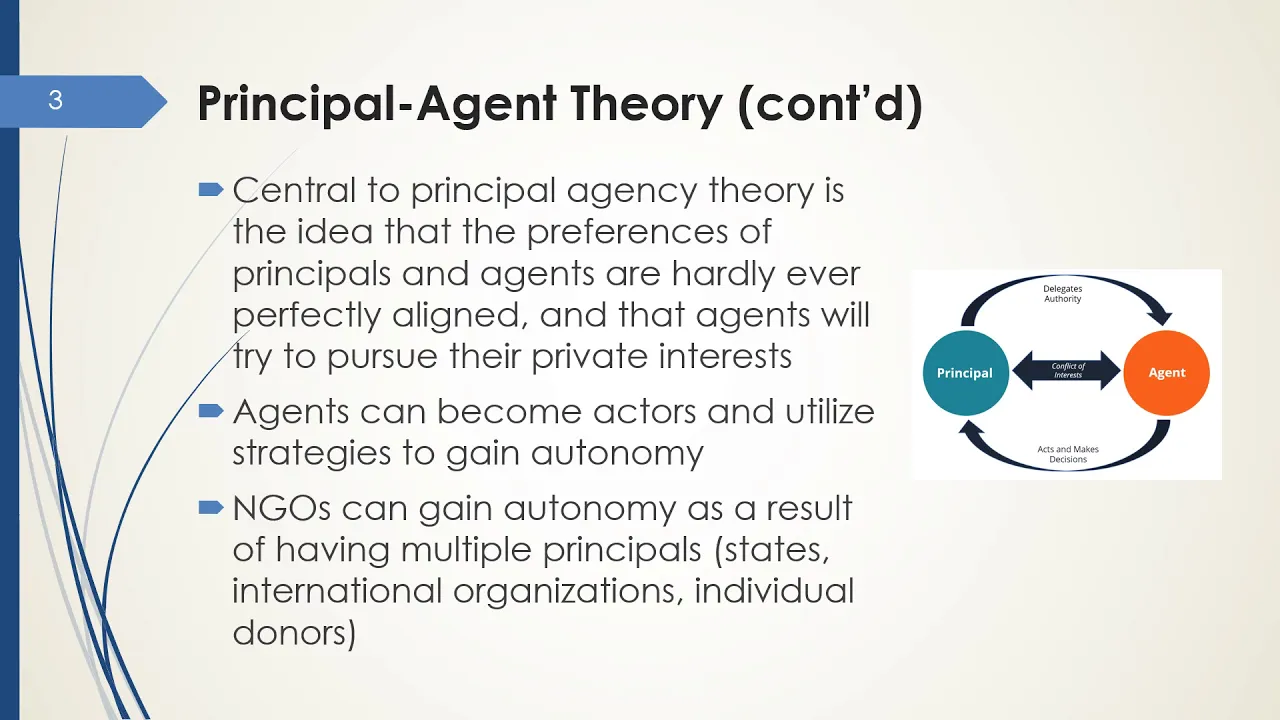
NGO Accountability & Legitimacy: Principal-Agent Theory & Case Studies
@rhasmath
1K views•2021-01-17
88:38
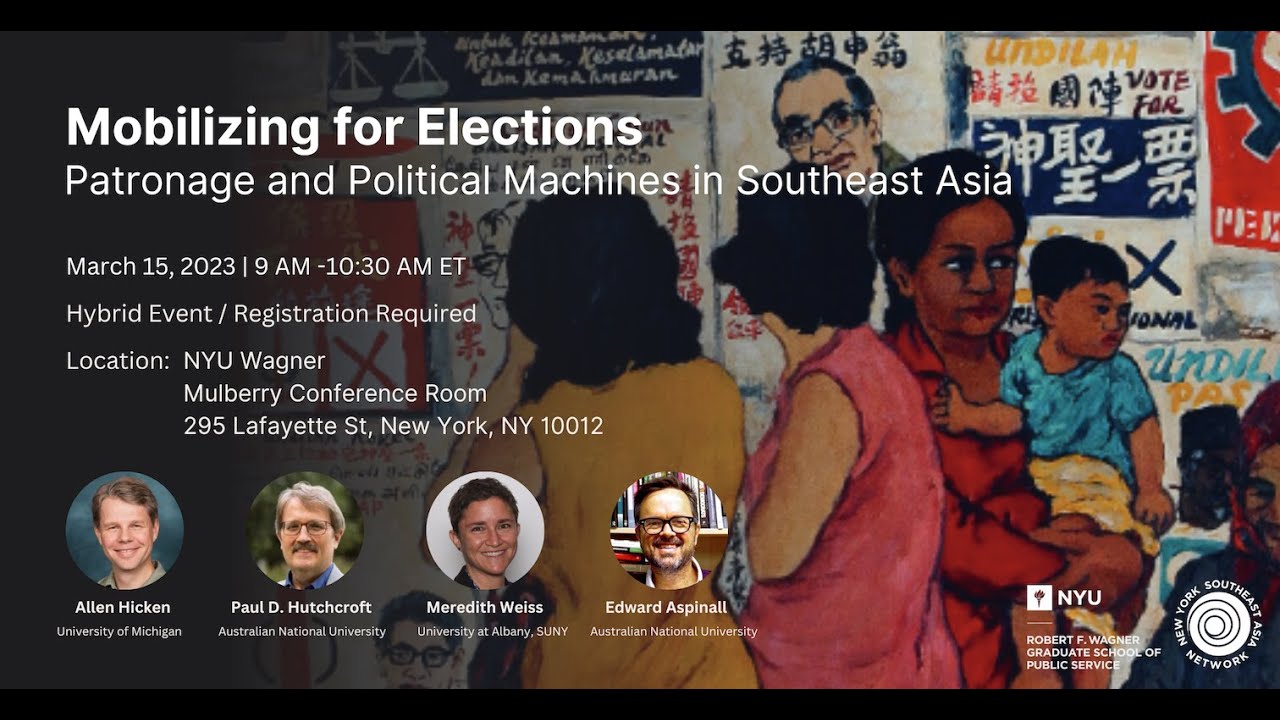
Patronage and Political Machines in Southeast Asian Elections
@NewYorkSoutheastAsiaNetwork
511 views•2023-04-05

7:33
Government Surveillance Methods: 10 Ways You May Be Watched
@BeAmazed
1.6M views•2017-04-09
10:19
Explaining the Saudi-Iranian Proxy Conflict in the Middle East
@Vox
18.2M views•2017-07-17
Related Study Plans & Knowledge Roadmaps
Structured learning paths in Political Science
political-science
Analyzing Clientelism: Patronage & Vote-Buying
01Foundational Concepts of Clientelism
02Mechanics of Patronage and Resource Allocation
03Vote-Buying, Turnout Buying, and Ballot Secrecy
+ 2 more learning modules
12h5 modules
Explore Roadmap
political-science
Economic Statecraft: Sanctions & Chokepoints
01Foundations of Geoeconomics and Economic Statecraft
02The Mechanics of Weaponized Interdependence
03International Sanctions: Types, Implementation, and Efficacy
+ 2 more learning modules
12h5 modules
Explore Roadmap
political-science
Central Bank Independence: Politics & Policy
01Foundations of Central Banking and Monetary Policy
02The Time Inconsistency Problem & Inflation Bias
03The Delegation Model and Designing Independence
+ 2 more learning modules
12h5 modules
Explore Roadmap
political-science
Consociationalism: Power-Sharing & Stability
01Democratic Dilemmas in Divided Societies
02Introduction to Consociational Democracy
03The Four Pillars of Consociational Design
+ 2 more learning modules
12h5 modules
Explore Roadmap