


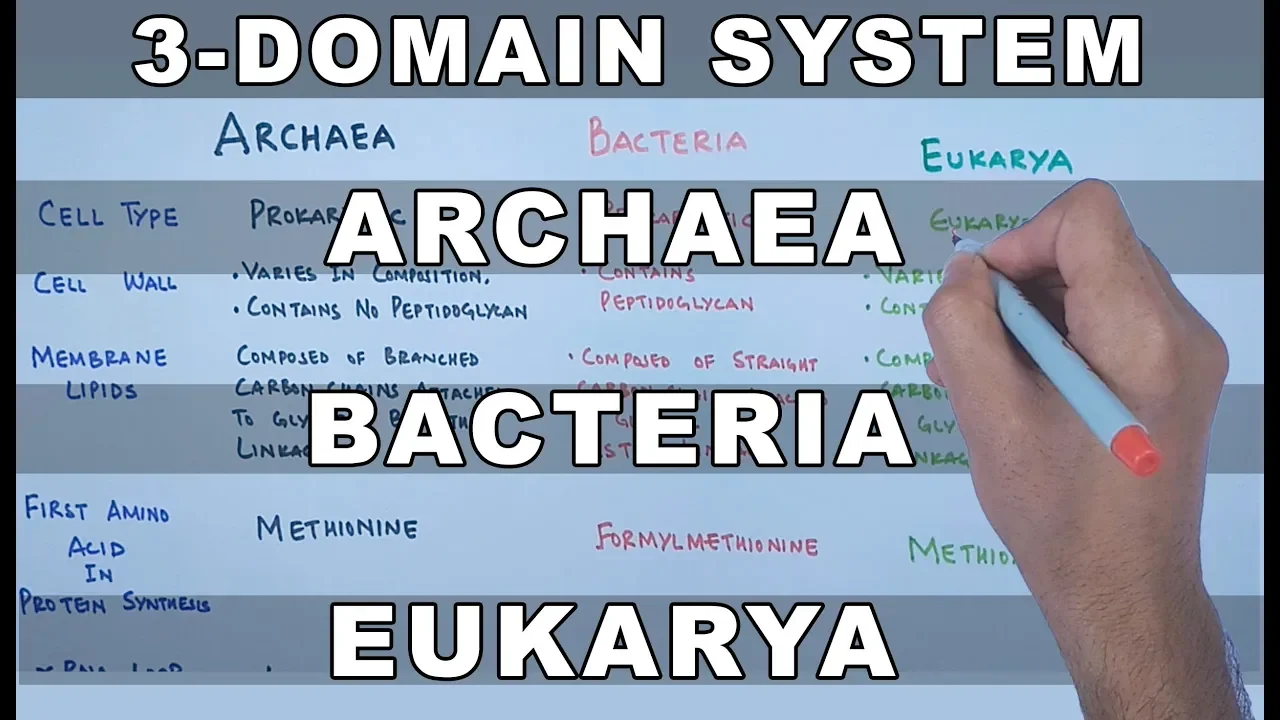

















Methanogenesis is the biological process of methane production carried out by methanogens, which are archaea belonging to the third domain of life that thrive in anaerobic environments such as wetlands, digestive systems, and hydrothermal vents. This process involves the reduction of carbon dioxide to methane using specialized C1 carrier coenzymes (methanofuran, methanopterin, coenzyme M, and coenzyme F430) and redox coenzymes (coenzyme F420 and coenzyme B), requiring eight electrons for the complete reduction. Methanogens employ two main metabolic pathways: hydrogenotrophic (using CO2 and H2) and acetoclastic (using acetate, methanol, and methylamine), with the acetyl-CoA pathway being the primary mechanism for carbon dioxide reduction.
Methanogenesis: Coenzymes, Pathways, and Archaea Explained
Added:Fundamental differences between the domains Archaea and Bacteria, including membrane lipid composition and cellular biology.
The principles of anaerobic respiration and how organisms utilize electron acceptors other than oxygen to generate energy.
Basic biochemistry of metabolic pathways, including the function of enzymes, coenzymes, and electron carriers in driving chemical reactions.
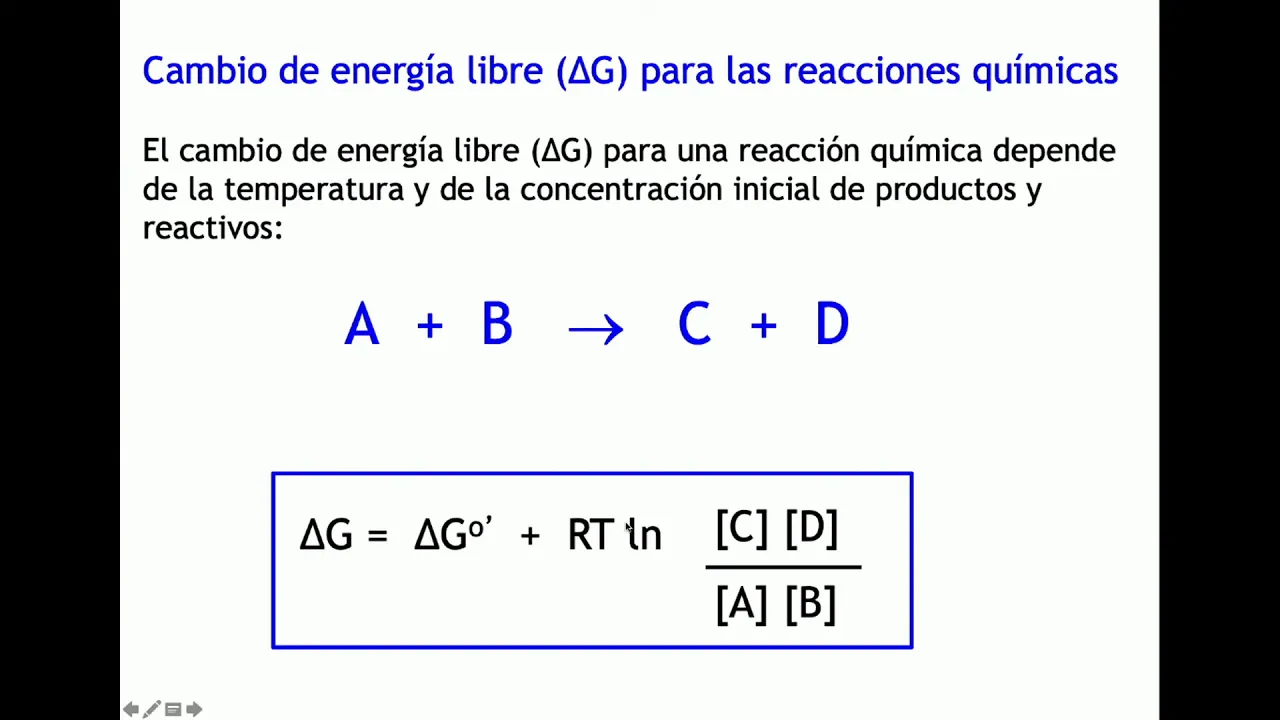
The concepts of reduction-oxidation (redox) reactions and thermodynamic feasibility (Gibbs free energy change) in biological systems.
The role of methanogens in global biogeochemical cycles, specifically their contribution to the carbon cycle and greenhouse gas emissions.
Industrial biotechnology applications of methanogenesis, such as anaerobic digestion for waste treatment and biogas (methane) production.
Syntrophic microbial relationships and interspecies hydrogen transfer in anaerobic environments.
The astrobiological significance of methanogenesis as a potential biosignature for life on planetary bodies like Mars and Enceladus.
273 views0likes9:49Original Release: 2022-12-27
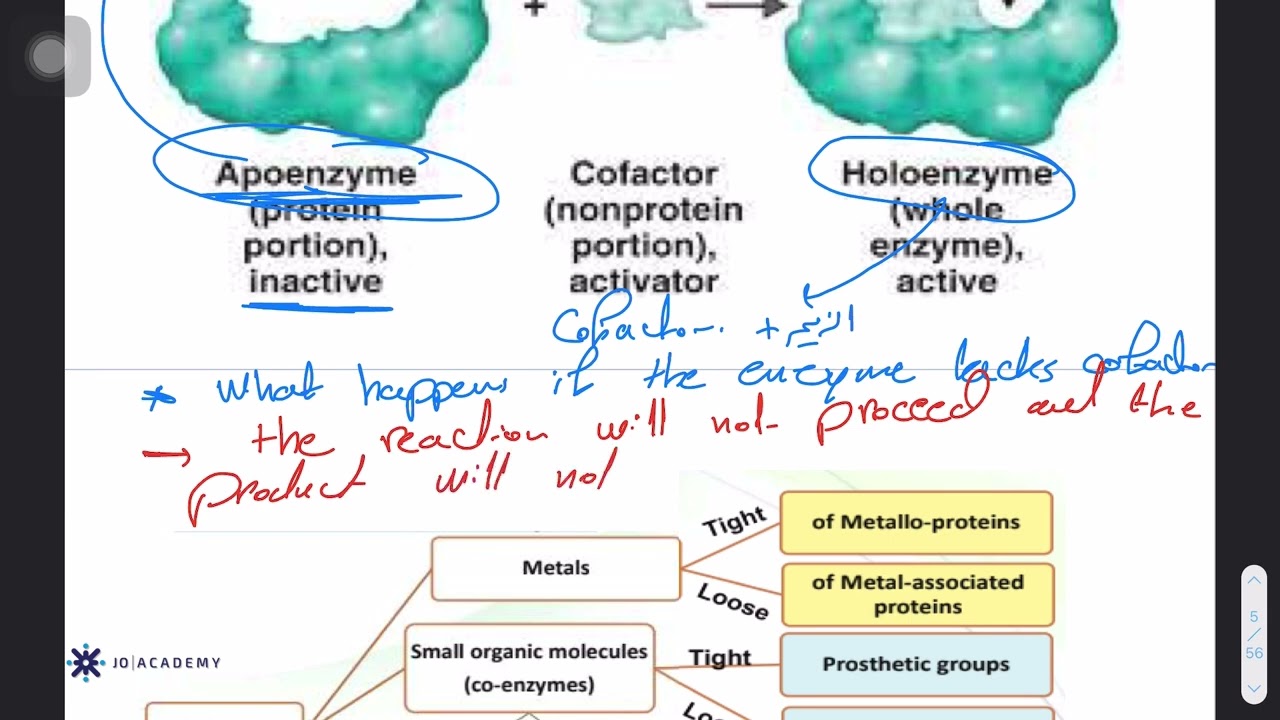
in this screencast video lecture we are going to see about the methanogenesis process it refers to methane production which is commonly produced there in The Damp bacillus swamp areas it was first noticed by Alessandro Volta you may remember Walter Walter is a person who has invented the alto Excel or galvanic cell interestingly this methane is produced by biological process in these videos top right hand corner you can able to see a link of a volto instrument that have been conducted earlier you just click that link and see how methane has been produced there in the natural environment apart from biological production it can also be produced using certain chemical process which is referred as a server Shear process in this process carbon dioxide in the presence of reducing molecules such as hydrogen at a very high temperature and pressure with the help of catalysts like ruthenium alumina as well as nickel it is converted into methane and water the same process can be effected there by a special group of archaea called as a methodogens so this biological methane production is mainly attributed to the archaea present in an environment archia refers to the third domain of life it consists of some special bacterias which commonly lives in the extremophilic conditions here the archaea that is involved in the methane production are commonly referred as a methylogens they found to possess various kind of C1 carbon carrying enzymes as well as redox enzymes that helps in converting carbon dioxide into methane at an very ambient temperature as it is a biological process it does not require a high temperature or high pressure to combine hydrogen with carbon dioxide to produce methane here the carbon could be from different sources that is it can be of a carbon dioxide or else it can come from the other other sources that have been listed here that is it includes format methanol acetate methylamine these are the things which can able to supply carbon for converted to methane for the total process of this conversion eight electrons are required for reduction of carbon into methane biological production of methane is referred as methanogenesis process it can be carried out by metabolically two different kinds of group of organisms one are referred as a hydrogenotrophic organism it employs anaerobic hemolithotrophic process in which carbon dioxide is combined with hydrogen and methane will be formed the other groups refers to the hemohetotrophic group of organism they are also referred as a acetoclastic group of bacteria mainly in both this group Archaea are involved and this organisms are referred as methanogens collectively he here in the hemohetotrophic process the carbon is supplied mainly from acetate methane methane lamine as well as methanol which are further converted into methane in this group of organisms the reduction of carbon dioxide with hydrogen is a major pathway of methogenesis and it's a form of anaerobic inspiration the pathway in which the methane is formed is referred as a acetyl-coa pathway the methodogenesis comprised of various biochemical reactions that employ different coenzymes for the process the key coenzymes are divided into two groups one is a C1 carrier coenzymes that is they are involved in the initial steps of the pathogenesis process mainly to carry the substrate that is carbon dioxide and finally forms the product meeting whereas the second group that is the redox coenzymes are those that involve in supply of electrons that are required for reduction of carbon dioxide into methane before going into the detail of the coenzyme we try to understand something about the environment in which you can able to come across the methodologies so these are all the various environment in which methodologies could be present they include say with tooth of the trees human certain special structures that have been present there in buffaloes even cows and methogens could be present there in some special structure of the alimentary canals such as the cecum of a horse they can be present inside their protozoa and they are naturally occurring there in the Black Sea mainly on the carrier core trench of the Black Sea which are comprised of anaerobic regions then even then human intestine especially in the large industry you can able to CM presence of methanogens they can be present in certain unique environment of the earth such as a hydrothermal vent ecosystems they can be present in the tiger forest that have been located there in the tundra regions and they can easily isolated there from a landfill marshes sediments even in the rice paddy system that is in rice ecosystem the reason is a rice ecosystem is the one in which water will be always inundated and it will be completely of anaerobic in nature next environment in which they can be come across are the sewage sludge digestive systems in which you can able to see the methodogen's presence and as like the protozoa they can also present there in the termite gut regions mainly in the hind gut regions you can able to come across the process of methodologies names of the methanogens have been given that in the downside of the every example of the environment that have been discussed so far next we will try to see in a broader scale what are the type of pathologens that could be present there in the environment the methodogens belonging to the group of RKA and they fall into the following category of the orders that includes methanol bacterials methanocarcales methanomicrobials methanos are signals and methanopyrase now we look at the explanation related to the coenzymes that are involved with the reduction of carbon dioxide into methane here the first group as we already discussed is a C1 that is carbon dioxide carrying coenzymes four different coenzymes play a major role there in the methanogenesis process it includes coenzyme methan of Furon coenzyme methanoptering coenzyme M which is referred as a poem and coenzyme F430 now we look at certain detail about this enzymes say the methanophuron coenzyme is required that the first step of the Metro Genesis process methylofuron contains five membered Furon ring and an amino nitrogen atom that helps in binding the carbon dioxide and carry it to the next coenzyme the coenzyme methanopterin resembles that of the vitamin folic acid and it plays an analogous role that have been played by tetrahydrofolate mainly they involved in carrying the C1 carbon in the intermediary steps of the carbon dioxide reduction to methane the next one is coenzyme it's a small molecule which is SP required that the terminal step of the methanogenesis it is mainly involved in conversion of methyl group into methane that takes place at the terminal process of methodogenesis and the last question is coenzyme F430 it is basically a cofactor nickel containing tetrapyrol coenzyme it is also again needed at the terminal stuff as a path of methyl reductase exists that belongs to class 2 redox coenzymes this is a complete enzyme complex that is mainly involved in the reduction of carbon dioxide into methane next we try to look at the points related to the redox coenzymes two redox coincides that is coenzyme f420 and coenzyme B are basically of a seven markupto heptan oil 309 phosphate containing electron donating coenzymes that are being involved there in the methanogenesis process first we try to look at the points related to coenzyme f420 it is a fluorine derivative containing enzyme structurally resembling Flavin coenzyme FM that is flavi mononucleotide it plays a major role in the methanogenesis process as a electron donor in several steps of the carbon dioxide reduction the oxidized form of coenzyme f2d absorbs the light at a 420 nanometer and it can able to create the fluorescence light of a blue green color this is a useful property that helps the microscopic identification of methanogens from the other anaerobic pathogenic organism that may be located in an environment next one points related to coenzing B it is required that the terminal step of pathogenesis it is catalyzed by methyl reductases coenzyme complexes it resembles as that of the vitamin panthanic acid which is a part of acetyl coenzene
Up Next

53:25
Optimizing Microbial Methane Production: Methanogen Metabolic Engineering
@EscherichiaColiMicrobeSeminar
669 views•2017-09-22
50:12
Bacterial Communication: Quorum Sensing and Biofilm Formation Explained
@JHUAAP
12.6K views•2011-06-28

5:35
Enteric Nervous System Explained: The Gut's Brain | Neurobiology Lecture
@alumniu6029
438 views•2018-09-12
7:08
Bacteriophages: Earth's Deadliest Killers and Future Antibiotics
@kurzgesagt
34.6M views•2018-05-13
Related Study Plans & Knowledge Roadmaps
Structured learning paths in Biology
biology
RNAi: Biogenesis, RISC & Gene Silencing
01Molecular Biology Foundations: DNA to Protein
02Introduction to RNA Interference (RNAi)
03Molecular Biogenesis of miRNA and siRNA
+ 2 more learning modules
10h5 modules
Explore Roadmap
biology
Mycorrhizae: Signaling, Biophysics & Ecology
01Foundations of Mycorrhizal Symbiosis
02Molecular Signaling and Root Colonization
03Biophysics and Bioenergetics of Nutrient Exchange
+ 1 more learning modules
11h4 modules
Explore Roadmap
biology
Circadian Clocks: TTFL, SCN & Periphery
01Foundations of Molecular Biology & Gene Expression
02Introduction to Chronobiology and Actograms
03The Core TTFL: Molecular Architecture of the Clock
+ 3 more learning modules
14h6 modules
Explore Roadmap
biology
Population Genetics: Math, Drift & Selection
01Genetic & Probability Foundations
02The Hardy-Weinberg Principle and Baseline Models
03Mathematical Modeling of Natural Selection
+ 3 more learning modules
18h6 modules
Explore Roadmap