



















By studying methanogenic archaea, scientists can learn universal principles about how electrons and carbon flow through cells, enabling control over cellular chemistry; manipulating the electron transport system—specifically the heterodisulfide reductase enzymes—allows researchers to either increase metabolic speed (by adding a non-energy-conserving futile cycle) or improve energy efficiency (by optimizing the energy-conserving pathway), demonstrating that biological systems balance multiple competing priorities rather than maximizing single metrics.
Optimizing Microbial Methane Production: Methanogen Metabolic Engineering
Added:Fundamentals of anaerobic respiration and the biochemical pathways of biological methanogenesis in Archaea.
Basic principles of metabolic engineering, including metabolic flux analysis, gene overexpression, and pathway manipulation.
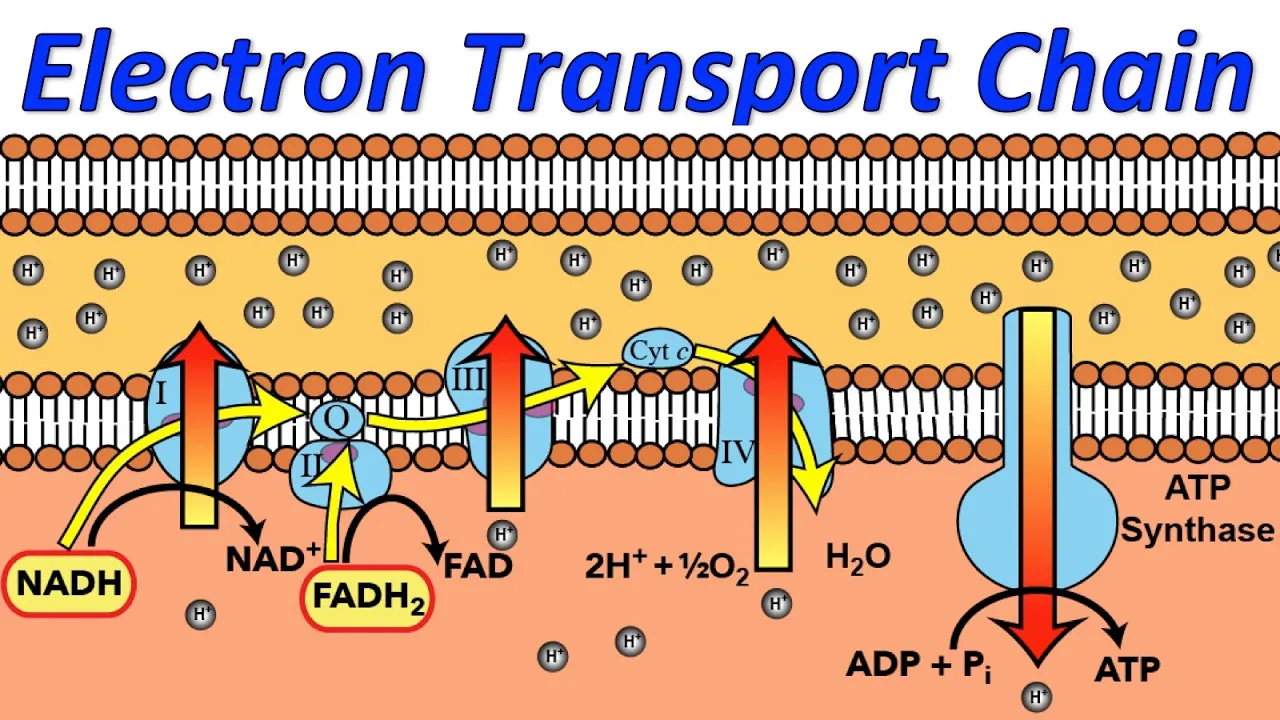
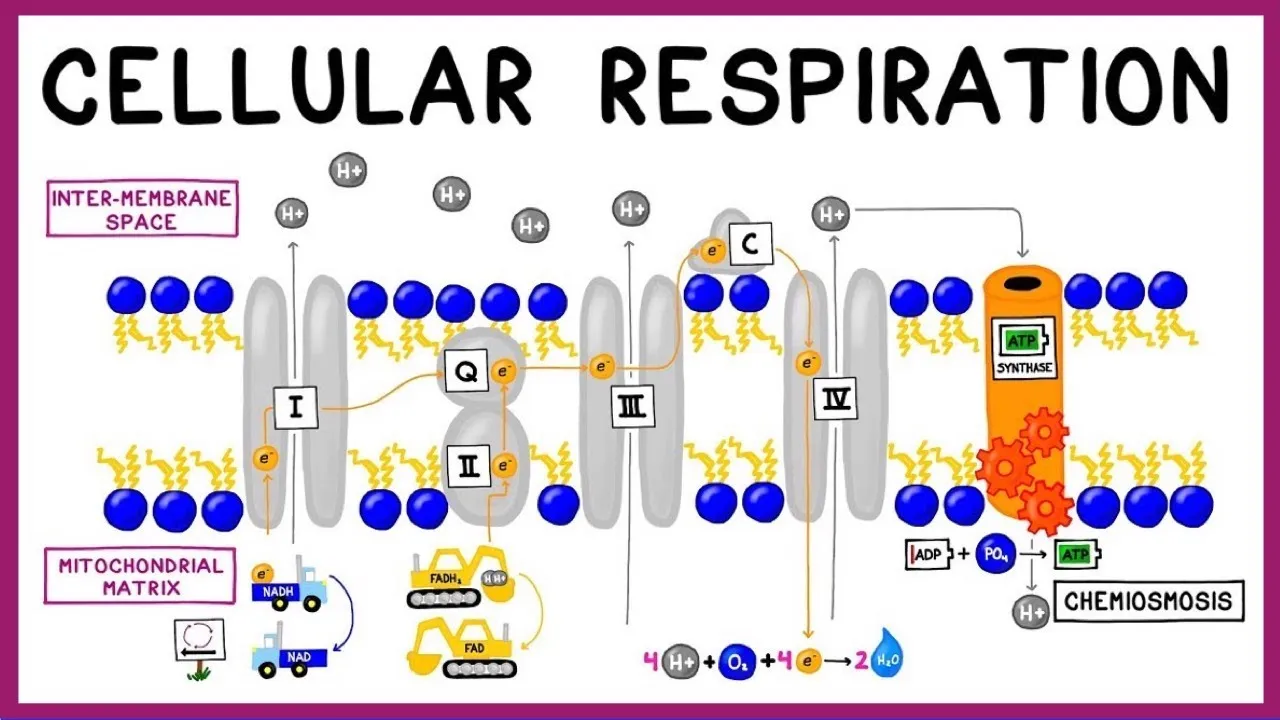
Concepts of microbial electron transport chains, redox biochemistry, and cellular energy conservation mechanisms (e.g., chemiosmosis).
Understanding the role of coenzymes and cofactors unique to methanogens, such as Coenzyme M, Coenzyme B, and F420.
Advanced genetic engineering tools specifically adapted for methanogenic Archaea, such as CRISPR-Cas systems designed for anaerobic organisms.
Industrial bioreactor design and scale-up challenges for gas-fermenting microbes and biomethane harvesting.
Synthetic consortia development, exploring how engineered methanogens interact syntrophically with other microbes to convert complex biomass into fuel.
Techno-economic and life-cycle assessments (LCA) to evaluate the economic viability and carbon footprint of biologically engineered methane.
669 views3likes53:25Original Release: 2017-09-22
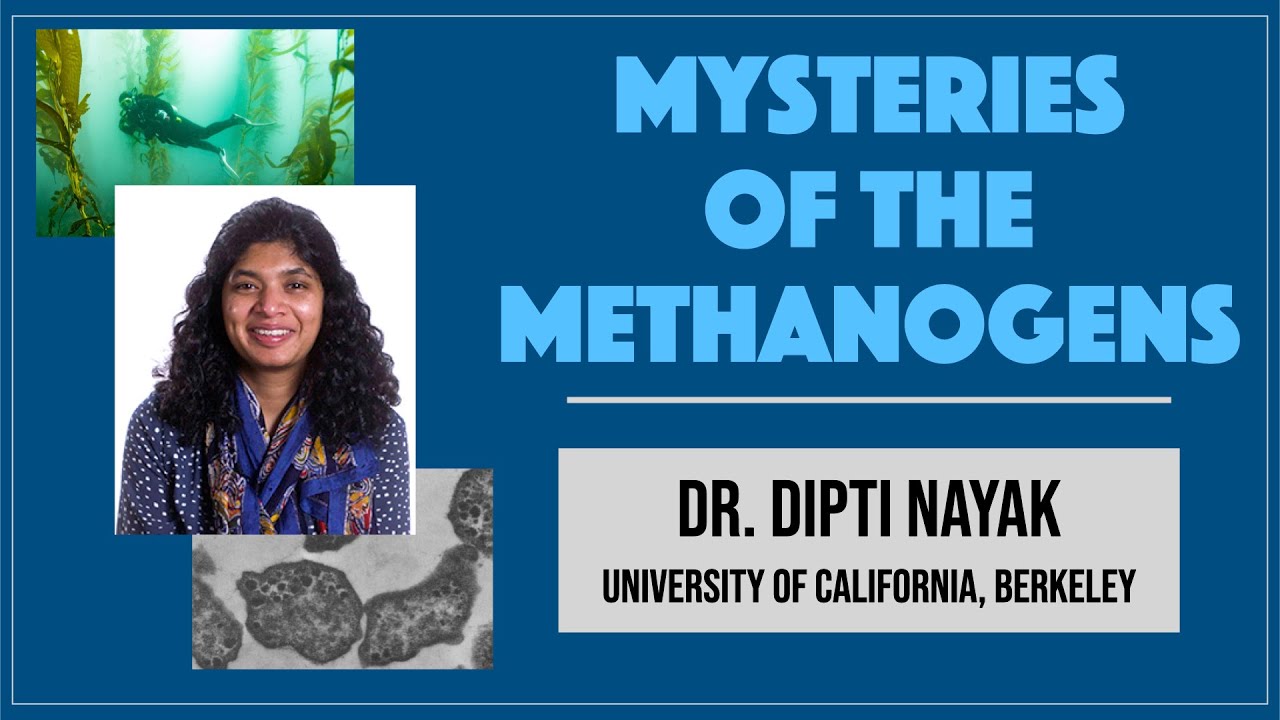
okay all right we should be live all right so thanks everyone today for joining our micro seminar to hear Nicole tell us about the fantastic metabolisms of Archaea and for anyone inside the Hangout I'll remind you that we'll keep you guys muted and webcams off a seminar to hear Nicole tell us okay now I'm not playing on YouTube anymore and so so Nicola had done her PhD at wisconsin-madison and then post doctoral work at the University of Illinois Shampoo banana and then joined the faculty at university of nebraska-lincoln where they have the most fantastic oh my goodness what's it called the speakeasy downtown which is fantastic and you guys are in Lincoln Nebraska you got to go check it out so she can take it away Nicole I'm gonna tell everyone about your talk and share your screen that'd be awesome so does that work yep great so great all right so thanks again Jenn for the invitation and thanks everybody for tuning in live and through the recorded youtube channel i'm very excited to have the opportunity to tell you about some really cool work that we're doing in my lab when we're looking at manipulating metabolic efficiency and what's really you know another big take-home message is that we can learn a lot from studying kind of weird microbes like the methanogens that we study what we learned from them really tells us about kind of general big rules in biology that we can apply to all organisms so this is the TLDR slide basically it's all about the electrons that's the main take-home message redox reactions are essential for life of all types and if you can understand how electrons and carbon especially flow through a cell any Cell you can really control ultimately all the chemistry that the cells will do and it's really important to study extremophiles like in st. John's to learn the endpoints of biology as it were you know what are the limits to biology and be able to fill in all of those points and ultimately you can use that knowledge to eventually solve real-world problems so first I want to take a couple minutes to tell you that I'm a microbial physiologist and a lot of people have kind of confusion about what that really means to be into microbial physiology the main questions that we want to answer are what do cells need to grow how do they grow like what's the mechanism the biochemistry that gene expression and all those sorts of things how do they work together and can we use that knowledge to make them grow better and what text to be confusing about it is it's very we microbial physiologist take a really interdisciplinary approach we'll use usually whatever tools we can to understand how our favorite microbes grow and it's really the very fascinating interesting place where biology chemistry physics and all of these things intersect with the study of microbes so we tend to try to pull from as much scientific information math and you know anything you can to gain an insight and microbial physiologist often will spend a lot of time trying to define what's necessary and sufficient for their system or their pathway of interest and we tend to appreciate sort of the minimal point so the kind of the rule of parsimony what's the most direct way to get from A to B to try to get this phenotype to occur or to get this chemical transformation to occur for the step in the pathway however there is a lot of redundancy in biology and it's important to realize that the goal of biology is not just to be the most efficient to go from A to B but just to exist so there's really a lot of a lot to appreciate in biological diversity that there are many ways from A to B and that's the beauty of biology is evident and it's important as a microbial physiologist or one of the my favorite thing to think about is that some of those ways are more efficient than others so the organisms that I really am most interested in studying are the matheno genic archaea what we call methanogens if you are microbial physiology nerd you probably know about methanogens they derive all their energy to grow by reducing c1 compounds like carbon dioxide or formate or c2 compounds like acetate into methane gas and they're strict anaerobes and their key players in the global carbon cycle about 4% of carbon on earth goes through methane in turn is estimated to go through methane every year that doesn't sound like a lot 4% but it amounts to about two Giga tons worldwide so if you you know looked you know at a lake in Canada when it was still frozen over when you can see all these trapped gases that are produced by the submerged anaerobic microbes and consortium underneath that lake that are you know continuing to consume and mineralize all those co2 and methane it actually is quite a lot of net influx of co2 and methane that can be produced by methanogens in these sorts of environments but they don't just produce greenhouse gases like methane and co2 methane actually is a rocket fuel so that was part of the trailer that I mentioned earlier methane either through fossil sources or the renewable type of methane that's produced by methanogens can be compressed and used to power rockets they can also be used as transportation fuel or for electricity and burning methane is much cleaner than diesel not only do they make this rocket fuel but they also make life-giving medicines it turns out that about 50 percent of people on chemotherapy will it be administered this drug mesma that helps them tolerate their their regimen and mesma is actually the coenzyme m cofactor that was discovered in methanogens so they're incredibly important fascinating organisms they dominate in low sulfate sediments such as in this idyllic kind of mountain stream but methanogens are also often that dominant archaea in the human gut the termite gut and then the rumen of cattles of these natural anaerobic environments so there's so many great reasons to study them they're part of our natural flora they're part of a global carbon cycle they make this renewable natural gas rocket fuel and it turns out every year there are more and more methanogens being discovered it turns out that we're starting to find maybe butyrate oxidizing methanogens which is really exciting and it's maybe a little bit controversial right now but there's a sense from the file the phylogenetic world's people trying to identify the last few I common ancestors of all life on Earth that perhaps the first eukaryote was also an antigen so we could actually all really bhima's antigens it'll be exciting to see how that develops the organism I'm primarily going to talk to you about today is matheno star sign of Sita Boren's so I mentioned that methane engines usually dominate in low sulfate environments well this organism was isolated off of Scripps Canyon in La Jolla so I don't have a picture of Scripps Canyon this is my picture of Hanauma Bay because I'm originally from Hawaii and so in an environment like this where you actually have a lot of sulfate and sulfate reducing bacteria that you think would be you know more competitive more energetically efficient and more abundant in these environments nevertheless you find methanogens like methane a source I know cioran's this myth antigen is able to synthesize cytochromes in contrast to most other methanogens and they are also and we think the ability to synthesize cytochromes is apart or potentially a cause for its ability to use multiple carbon sources to grow so most methane engines that we've been able to grow in culture can only use one or a few simple carbon sources and these guys can use multiple ones so they're more metabolically flexible than other methanogens and that makes it easier to study genetics and physiology on them in my opinion so despite the fact that they're these exotic anaerobic organisms we can actually do just about everything you can do with E coli with methanogens it's just that you have to do it in an anaerobic chamber under very strict anaerobic conditions we have to treat our media especially we have to use special glass and butyl rubber rubber stoppers but we can pretty efficiently move genes around and delete them as we like through various different tools so again if you are a major microbial physiology nerd like me methanogens are just the bee's knees they're the best and one of the reasons is because there you could consider them to be sort of energy extremophiles so one of the main concepts that was proposed and described elegantly in viral Tower many years ago was that for microbes to exist they need to extract energy from the chemicals that they're growing on obviously and that the amount of energy that they're able to extract can be somewhat predicted by the Gibbs free energy equation and if you look at methanogens in the substrates they can grow on methanogens that can grow on acetate for instance on the left are using a growth mode that's really you know to that far extreme of being really entropically driven or by the enthalpy of the reaction that they're carrying out so that's you know way to the left on this scale and in the contrast when methanogens are growing on hydrogen co2 as electron donor and acceptor that is entirely and palpably driven so that delta s term is really the driving factor in the amount of energy that they're able to extract from that growth mode you could say and when machine engines are growing on something like methanol or trimethylamine that that really falls right in the middle near you know between aerobic respiration and fermentation so by studying methanogens and especially the methane o star excited methanogens which can grow on all of these substrates you can really by changing the growth mode understand how the chemistry affects the efficiency of how much energy they're able to extract from their substrates so that's really pretty fascinating to me so I wanted to ask the question you know can we control the flow of mass and energies of carbon and electrons through these methanogens cells by manipulating the electron transport system so here I'm showing you the methyl atrophic methane in Genesis pathway so this is how Emma c2 Voronezh grows on methanol as a sole carbon and energy source and it's important to realize that the electron transport system like what I'm showing you here but also in any other organism is 99% of the chemistry that's occurring in the cell it takes a lot of electrons it takes a lot of protons or ions moved across the trans membrane or moved across the membrane to produce enough ATP to make an amino acid for instance so a lot of people who will study very important phenotypes or physiological properties like chemotaxis or cell signaling or you know biosynthesis of peptidoglycan and all of those things very important for cells to grow but really that's this tiny little biosynthesis arrow way at the left 99% of the chemistry is going to go through the electron transport systems so from advantages to grow they will take this methanol compound and attach coenzyme m which is a small file this is the same thing as that Messner drug I talked about that people receive and the produce methyl coenzyme m this methyl coenzyme M is oxidized to carbon dioxide and these electrons are extracted and carried by these electron carriers for a toxin and the coenzyme F 420 which is really cool as a slave and cofactor the electrons from here go through the electron transport system the green steps are where we have proton or ion translocation across the membrane in such a way that it favors future ATP production and those electrons flow down the electron transport chain ultimately reaching the coenzyme m coenzyme B hetero disulfide that's produced in the last step of methane of Genesis by methyl coenzyme m reductase enzyme so the electrons are extracted from co2 flow around and are used to reduce additional molecules of methanol to methane gas so yes this is why people go a little bit nuts about methanogens because they make their own terminal electron donor and their tone terminal electron acceptor so instead of using you know respiring a metal or respiring oxygen like people do they're actually respiring this hetero thy sulfide here which is the terminal electron donor for this last step to make methane and that's the turn electron donor and this disulfide is the terminal electron acceptor for the electrons that are flowing through the membrane there so that's that's pretty cool and unique and exciting about methanogens so if we want to be able to make methanogens grow better or faster by tweaking the electron transport system we're really going to target all of these steps in some way or another and that's really what my lab has been doing in the past few years the first target is going to be the hetero disulfide reductase enzyme that's because this is the terminal oxido reductase in the cells this enzyme activity reduction of this hetero disulfide to the freefile forms of cones Nm and cones is essential in all manages they don't have enough energy to keep making more of their terminal electron donors and acceptors so they have to recycle it and this is the enzyme that does that so and it's important to realize that there are these two classes of hetero disulfide reductase in matheno star sign that assume horns this HDR ABC and this HDR edie version so that each sugar ABC is a non energy conserving hetero disulfide reductase because the electrons are just going to flow from the electron donor which could be usually thought of as being a ferredoxin or F 422 the hetero disulfide and it turns out that they will bifurcate and possibly also not bifurcate electrons to co reduce a low potential ferredoxin so it's a really pretty fancy awesome enzyme complex but it doesn't contribute to translocating ions across the cell membrane so it's not energy conserving it doesn't contribute to ultimately ATP synthesis in contrast you have the cytochrome containing h dr AED which takes electrons from reduced methane of phenazine in the in the cell membrane which i'll talk about a little bit more later but by oxidizing methane of phenazine it actually is participating in translocating protons to the outside of the cell so this is an energy conserving hetero disulfide reductase enzyme and it was really interesting when we looked at the genomes that these methanogens have not only two types of hetero disulfide reductase enzyme but multiple alleles for these genes and so when we were initially trying to understand this you know there's several hypotheses well you know why would this non energy conserving one be important or potentially non conserving energy conserving each year ABC version be in the methane Oh starts at methane estar Sinai when they have an energy concern that doesn't seem to make sense so either it could be non-functional or it has another function you know what's going on here so I did some transcriptional fusions and indeed all of these loci were transcribed into RNA and the HDR ET the energy conserving one was expressed under all the growth conditions that we tested the different other loci were expressed to different levels and there was some substrate specificity there and this one particular HDR AVC locus where all of those proteins are in one operon seem to be expressed in a methyl of trophic substrates but not under not all cells were growing on acetate so it seems to be the methyl a trophic hetero disulfide reductase enzyme but you know so they're all expressed are they are any of them essential like we would predict or all of them needed or only some of them so I put a tetracycline controllable promoter in front of each of these loci to shut off a gene expression unless we added tetracycline to the media to cause D repression of gene expression and so I made all of these different strains separately and looked at how they grew and sure enough the if HDR Edie was repressed the cells would never grow and so we wouldn't I would eventually see growth in these tubes but when you went back and sequenced the promoter region of these loci they had all mutated to a highly expressed version of the promoter so that's really good evidence that they really need this HDR Edie to make ATP as we would expect the other ones were not essential but was pretty confusing about this is that while there was a long lag they eventually would come up and they would grow at a slower rate than the parent strain but ultimately they would reach the same you know growth density the population density and in indeed the HDR ABC that looked to methyl atrophic indeed didn't appear to have an effect on acetate so they seem to be growing slower and sure enough when we look at the rate of respiration so the rate of methane that was produced on methanol it was half the amount that was produced by the apparent strain and on acetate there was really no difference and that's consistent with what we saw that it doesn't seem like it's important for acetate birth on acetate so the conclusions from this kind of earlier work was that okay HDR Edie the energy conserving one really is essential and that it was really pretty surprising that it this organism uses both flavors of hetero disulfide reductase simultaneously and we saw that the one was a char ABC was a methyl atrophic heterodyne self-id reductase so there's some substrate specificity but nevertheless without the HG our ABC version it seems that the reduction of the hetero disulfide coenzyme become as I'm M was rate limiting through HDR IDI saying that it's it's not good and it's to the cell it's not good enough it's not fast enough on its own and that's also borne out by when we look at the phylogenetic distribution and homologs of the HDR genes in methanogens and they're sort of closely more closely related bacterial cousins you could say so in all of these methanogens not only do they have multiple versions of the HDR ABC genes they will so each organism will often have multiple copies on their chromosomes and there are also they're also really widespread throughout the methane agend and then also in the geo factor soil microbes sulfate-reducing bacteria and chlorophyll exes for instance so this enzyme and it's sort of cousins have been really important in the energetics of lots of different organisms and there seems to be a pressure for like an evolutionary pressure to expand the utilization of the HD or ABC genes so why would that be if they're non energy conserving why would you pick to use HDR ABC over HDR Edie and Emma C torrents and the only thing I can really think of is to go faster because if you're using HDR ABC to reduce the head or disulfide it's essentially you know one step from your electron donor to the disulfide whereas with HD ret you have these other mediators in the way these membrane membrane proteins pumps and the faint of phenazine so it's a part more parsimonious route even if you're not contributing to an ion motive force so we we kind of call that a futile cycle because it seems to be bypassing what would be useful for the cell but if it's going faster that might be useful for us so could we maximize this met the rate of methane production by tuning this futile cycle so to do that we put another copy of the hetero disulfide reductase HDR ABC on the chromosome and an additional site so we created this plasmid integrated on to the chromosome and we're comparing the physiology so the growth kinetics so on and so forth between the parent strain are knockouts shirring that we have a strain that produces or has two low side and then when we're we're complimenting back the mutant and indeed what we saw is that we could compliment the growth rate phenotype so we the cells are able to grow just like the parent strain when we had this additional copy of the header dye self right reductase Lucas on the chromosome and very satisfying Lee when they're growing on methanol the ones that are over expressing HD or ABC appear to make methane about 30% faster in cell suspensions than the then the parent strain and a lot faster obviously than the deletion mutant strain which was half the rate of the parent and just as we predicted from all the other growth and transcription data there was seems to be no benefit or effect on acetate suggesting that you know it's still substrate specific the same way it was you know previously in the transcription assays and then we also did enzyme assay is to really check the activity how much hetero disulfide reductase can be reduced per unit time from these cells and we saw that our over expressions were indeed overexpress errs so what we predict is that well if we have this futile cycle that the cells should be you know they're faster but they should be less efficient so if we compare the rate of methane production so this is the respiration product methane versus the HD our ABC enzyme activity we see a very nice linear correlation here on the left and it matches very well with our deletion meeting where we have this this hetero disulfide reductase enzyme completely knocked out and if we look at the growth rate so the how fast the cells are doubling compared to the methane production rate we see that it's not it's not any a nice linear relationship which is not that expected basic are not unexpected basically because the hetero disulfide reductase rate is limited in the hdabc mutant the growth rate is also slower but you get to a point where more hgr ABC isn't necessarily better but it's also is kind of surprising that it's not a whole lot worse either suggesting that there's basically you know some level of prioritization for biomass production but then at a certain point you have to work a lot harder to get that to diminish and we haven't reached that even with our overexpression strain so if you look at the biosynthetic efficiency so the amount of biomass that's produced per mole substrate consumed we see actually again a really nice pattern that we have you know a certain efficiency for our parent strain and it's much higher for a deletion strain because we've gotten rid of this futile cycle and then it the more expression of hgr ADC we have the less efficient we the cells are and then again so that's plotted out here in a scatter plot and it's a very nice linear correlation so there was a lot of you know accent enzymes and electron transport saying chain and counting number of protons pumped is incredibly difficult there is data out there and it's really I think one of the hardest kind of biochemistry that you can that anybody could do because you have to have intact cells but yet you want to try to have things purified to understand and so we had it wasn't as simple um you know it's not so simple to just assay everything and ask well where exactly are these electrons going so you have to actually resort to modeling at some level once you know certain ratios that people have measured you know at a certain level you you have to start modeling and seeing how it matches with the observed biology so that's what we had to do here there is some controversy about how well pumps work and exactly the route that the electrons were kind of flowing in these cells so we actually had to draw out 22 different models of all the possible ways that the electrons could be flowing in these cells when they're growing on methanol and sure enough there was only one model that really matched the observed biology so if we use these models to create a why ATP EO and calculate out how many protons were you know mathematically how many protons were translocated per mole methanol and compare that to the actual observed phenotypes here on the right there's only one of these models that match and this was that our HDR ADC is indeed not really contributing to energy conservation it's making these cells grow faster and produce methane faster but it's not really contributing to energy conservation so what we think is that using a futile cycle really works with K strategists and these are organisms that maybe sacrifice efficiency for speed you can think about it like the tortoise versus the hare kind of a strategy our strategists like acetic elastic and hydrogen atrophic methanogens that are really on these energy extremes of life they're gonna try to be if it seems as if they try to do did you try to be maximally efficient but the sacrifice for that is they're only going to go so far they're gonna grow at the fast rate that they can grow at and be very efficient but they are less malleable and less flexible than the case strategists which maybe have more genes more ways to route their electrons perhaps like the methyl atrophic cometh antigens and so they can we can actually use the enzymes to reroute these electrons to get them to be more or less efficient and so that's actually pretty exciting to me so you know using HDR ABC we made energy conservation less efficient but that ended up making methane production rate faster which is great if you want to make renewable methane but can we also improve the energy efficiency of energy conservation so the flux of electrons and through HDR IDI essentially so that's the essential hetero disulfide reductase that helps to produce a trans membrane ion gradient towards ATP can we get them to grow faster and better by manipulating that step so there are two ways to make enzyme reactions go faster that are two main ways one is to increase the concentration of enzymes the problem with that is that HDR UD is already pretty highly expressed in methane a source identity of Orient's the other way is to increase the concentration of substrates in this case that would be reduced methane of phenazine methane of phenazine is this molecule shown and a it's this tricyclic Fennessy phenazine ring that has a probably parental tail on the end of it and it's functionally similar to a quinone that quinn owns our electron membrane electron carriers in about half of all bacteria and most eukaryotes and so it's functionally similar to this coin and that it's shuttling electrons from an oxidoreductase to its terminal oxidase and and it does the same thing there and so in the fan engines depending on the growth mode or type of methanogens methane of phenazine is reduced by these various oxidoreductases such as FP o R and F or vho and when they're reduced when the thing a phenazine is reduced it actually takes up a proton from the inside of the cell and when it is when the reduce methane of phenazine donates its electrons to HDR IDI those protons are actually released to the outside of the cell so there's a net translocation of protons across the cell membrane and that's how HDR edie contributes to energy conservation in these organisms so could we manipulate the concentration of methane a fuzzy we'll realize we don't really know how much to methane and phenazine they make so we decide to measure that so we developed a kind of a nice method that tweaked the method developed by AB can as well as thinking about the Quinn own extraction protocols that people had and we extracted the methane of phenazine from matheno starts on Oct Boren's grind on methanol throughout the growth phase and we were really kind of fascinating see that the amount of methane of phenazine seemed to change so in early stage earlier sorry earlier exponential phase there seemed to be fewer molecules per cell a methane of phenazine them when they hit stationary phase and then you know the rate or the quantity of methane of phenazine changed while cells were in stationary phase but a much slower rate and that was pretty exciting because again people have this concept that methanogens you know energy extremes yada yada they're they're so efficient and if methane of phenazine is so important in matheno starts aniseed of warren's why why would it change the concentration you think that it would pick the optimal concentration and keep it at that and so that was a pretty surprising result and we wanted to ask well how does this work in matheno search sign of Barker I then matheno search sign of Barker I is closely related to methane o star sign at a seed of orange but it uses a hydrogen cycling mechanism which I don't have too much time to talk about which is the shame but anyway it actually uses hydrogenases to produce hydrogen and then it sucks the hydrogen back up and the thing of phenazine is involved in those oxidoreductase or hydrogenous reactions and ultimately slowly used to donate electrons to HD or IDI but you have this de fusible gaseous hydrogen that goes outside the cell and then come and then the electrons flow back into the cell so it's electron transport chain is actually importantly very different than methane a shark scientist stated warrens even though they both rely on producing methane of phenazine and we were interested to see that i'm surprised that in an barker i the methane of phenazine that was produced was of two flavors and that's not what we saw in c devorah's the parental tail had different saturations so it seemed like there was a mono saturated form that when cells were in like earlier exponential phase it was mono saturated and then as the population reached stationary phase its like the monosaturated formless turned into a double saturated form so there's a negative correlation between those two types of methane of phenazine in the cells so that got us to thinking that maybe the efficiency of electron transport actually changes in these methanogens so that was very you know likely the case maybe in a sea of warrants because the amount of methane of phenazine goes up double between exponential and stationary phase in barker I the amount of methane of phenazine is lower than it is in methane Oh Sarah Sarah is Sita Warren's and then we have this weird you know print elation reduction going on but that was you know that sort of reminiscent however to what we already knew about e.coli which produces menaquinone and ubiquinone and the ratios of those change are the amount of the Quinn owns changes in e.coli and that's been known for a really long time so it's kind of you know as different as methanogens are from ecoli there are certain similarity functional similarities between the methane of phenazine and the cones so what does the consequence or what could be a result of changing the concentration of the coin owner an electron carrier in these cells well I wanted to ask that question so we just used measured cell parameters like good physiology we did that and calculated the sort of average density of the electron carrier in the membrane of e.coli matheno star sanity burns and matheno sir china barker i and we saw an interesting pattern here so in stationary phase for equal or exponential phase in e.coli in blue and it goes up as they hit stationary phase the same pattern is seen for a seat of Lorentz as a hit stationary phase the density so the number of methane of phenazine molecules per square micron increases as and in matheno so china Barkai overall there's not a huge change and the methane of phenazine levels are significantly lower than they are in the thena so kinda heceta morons and so we use these numbers to then ask whether or not these electron carriers we're close enough to do.i so potential electron tunneling and what that is is when you have an electron donor and an acceptor the rate at which the electrons go from the donor to the acceptor is dependent upon their distance and the difference in the energy levels of the donor and the acceptor when we're talking about I said potential I'm talking about the donor and acceptor are the same energy level but if you get them close enough an electron can still hop across without an appreciable loss of energy so they have to be really close they have to be within 15 about 15 angstroms from an electron donor to an acceptor it could be methane of phenazine it could be a clean tone it could be an iron sulfur cluster or between two isip attention sulfur clusters for instance could be between two Flavin's so on and so forth so it turns out that the methane of phenazine and methane o star sign and barker i is never really at a high enough density to do I see potential electron tunneling in Massena starts on a seed of warren's here in blue and this yellow both in exponential and in stationary phase the methane of phenazine is concentrated enough on average that if it was evenly distributed there could still be isopentyl electron tunneling from one methane of phenazine reduce methane of phenazine to another and e-coli seems to go from a state during exponential phase where tunneling is not not so probable but as they hit stationary phase the amount of kwinto goes up and it becomes more possible so here on the gray so what does that mean well if I see potential electron tunneling is possible that means that it's possible that the whole membrane can rapidly conduct electrons so if these electrons can hop rapidly they can go from a donor to an acceptor with a minimal loss of energy and it doesn't necessarily matter how far the oxidoreductase and that HDR EDR from each other across the membrane so diagrams of that are shown on the right here so and in be showing that if the electron donor acceptor are far away and you're requiring diffusion to occur for them to get close enough to donate an electron then there's a chance that the energy of the electron is going to decay so you know you're losing energy the farther your electron donor has to diffuse to get to the don't electron acceptor if they're quantized they can hop across like shown in C and D and so you lose a minimal amount of energy and you could get away with fewer molecules of terminal oxido reductase reductase and terminal oxidase for instance so that means is that it appears like I'm a seat of Lorentz membranes are near maximally efficient because they are already within the range of tunneling but embark RI membranes probably are not so how do we test that despite the fact that tunneling is possible you can still make it go faster and the more you add up to a certain point obviously so we wanted to test and see well maybe we could just add more phenazine and see if the rate of growth could be improved and if so the rate or the improvement would be greater for matheno cisterna bar cry because it's less efficient already than it is for a matheno star sign at the seat of warren's and that's indeed what we saw when we added phenazine to our growth media missingness are china see the Warrens growth rates had a small increase and for mattina star shine at bar cry we saw a 2 times increase in the specific growth rate okay so that sounds you know really cuz so we wanted to test that so well if the opposite was true so you know that phenazine should be helping electron transfer well what if we did something to hurt electron transfer like is it really getting in there being reduced and participating in the electron transport chain so we found this molecule 510 dioxyde phenazine which has to be reduced to become toxic you start to produce radicals that then go and attack protein and whatever else it's close to so we tested this by adding it to the media and the prediction would be that if these phenazines were really getting into the electron transport chain that this should be highly toxic and it should be more toxic to methey no stop sign at Barker I than at this Timothy no source I know sweet orange because our CD Borden's already has a lot of two hydroxy or has a lot of methane of phenazine to move its electrons around and so there's more alternate routes for the electrons to flow but farcry is probably going to be more affected and that's indeed what we saw Barker io is much more sensitive to addition of five 10 dioxin phenazine them at the answer is you morons so from this section it's pretty cool and surprising to see that methane ozarks an STD borns is more efficient than embargo I of making ATP when you look at the rate and sort of efficiency of electron transfer through HD re d and that we can increase the electron carrier pool to increase the growth rate that's pretty exciting some methane agend membranes appear to be electrically electrically quantized and near maximally efficient at the rate of electron transport from the oxidases to the terminal or oxidoreductases to the terminal oxidase and very interesting basically to see that we can control the maintenance energy of these methanogens and manipulated by increasing the forward rate of the hetero disulfide reductase reaction through either h your ABC or IDI so we have cases where we can make it go up and down in kind of a futile or a productive way so the last thing I wanted quickly touch on is you know can we use these concepts of controlling the efficiencies and controlling the electron flow through the cells to hopefully eventually help to solve through real-world problems so I didn't um talk too much earlier but we wanted to see if antigens could also make all alternative bio products so making methane at rocket fuel I mean that's already incredibly cool how you can make it cooler than that it's hard to to conceptualize honestly I'm a fan but you know we already can scale up and we already do scale up methanogens worldwide to treat wastewater for instance and there's a huge potential there and that even though the US government through EIA and EPA have calculated it out that it's possible that greater than 50% of the US energy demand could be satisfied through renewable methane used by methanogens so that's that's fantastic but can we direct some of that energy and know-how to make other bio products to you know to replace not just fossil natural gas but maybe other refractions that come from petroleum and there would be a lot you know there could be a lot of detractors to say well these guys are already at the edge of life except that I just showed you that we can manipulate their metabolic efficiency but of course in these bio reactors and things there's going to be competition for substrates with mixed consortium all kinds of things happening and you know if you're genetically engineering things there's always phenotype trait stability because they would like to evolve sure but we wanted to see if we could use methanogens to make isoprene why isoprene first of all we use a lot of it it's a 4.3 billion dollar market for isoprene monomer we use it to make rubber and he serves all sorts of flavorings and all kinds of things and if you gently hydroxylate it it's one of the main components of gasoline so isopentenyl and it turns out that methane engine membranes are made of isoprenoid lipids so they don't release the monomer form of it that we would use to do all this chemistry but they turn it into the lipid membranes that's the defining feature of archaea so all archaea make a whole lot of isopentenyl Dec phosphate which is one of the precursors to the isoprene monomer so if methanogens could make anything this would be a good thing to test so that's what we did and I don't have a lot of time to go into this is currently unpublished work but I'm showing our mass balance equation here so we created we think in isoprene again which is very exciting and cool we can debate about the name I'd be happy to hear but by engineering these organisms to make isoprene we have allowed them to bypass that penultimate co2 step to produce a carbon dioxide and so and instead produce isoprene in the gas phase and so what I'm showing here is if it's comparing the parent cells to the air supreme producing cells they're consuming methanol in this case where we show this mass balance although they also will do this on acetate and hydrogen co2 and other substrates they're consuming the methanol and they're not producing all the co2 that you would expect but the carbon that's missing from co2 is ending up as isoprene they're producing the same amount of methane and there may be a little bit happy they're happy and producing quite a lot of biomass and so this is also a key point is remember when I mentioned that the electron transport chain is 99% of the chemistry that happens in the cell it's this isn't we're not talking about isoprene that's fixed as biomass we're talking about this is the isoprene that is going into the gas phase so it's more like a respiration product so it's a much higher flux pathway and it's a higher yield than we would have you know hoped for and so far from what I've seen I believe this might be the highest flux or and yield for isoprene production according to what's been published in the literature that we've seen it's also important to note that you know making methane and growing by this route is pretty difficult so it seems like the cells we're happy to make isoprene their biomass efficiency is at least as good as the parental strain so they're happy to make it it's not like we're we're hurting them by making this product this co product that we that we want they they're happy to do it so what this all means is that it's all about the electrons it's really important to realize that redundancy and inefficiency is built into biological systems for a reason maximally efficient is good sometimes but not always and it's really useful for microbial physiologist to understand when you might want to be redundant or inefficient and many when you might want to be maximally efficient and that we can manipulate this metabolic efficiency to control where carbon electrons go within the cells with that i'd like to thank the duan lab members everybody's contributed to this work in small and large ways the isoprene project is worked on by Jared Aldridge and shon-kar the methane of phenazine project was worked on by analyse new clues oh and Nick Tishchenko and the HDR ABC overexpression was done by Jenny Catlett and elysia Ortiz and everybody has made you know great lab to work in and we're looking forward to learning a lot more and producing some other cool data and I also like to thank the support for this project the isoprene project was funded by the Nebraska Center for energy sciences research in the water environment reuse foundation and the Nebraska public power district the other projects in my lab have been funded by National Science Foundation and the Nestle the NIH National Institute for General Medical Sciences through the auspices of the Center for integrated biomolecular communication and the redox biology Center and with that I'd be happy to take any questions so I can't hear anybody okay let's see that
Up Next
66:08
Energy Flow and Evolution: A Radical History of Life in Cells
@DarwinCollegeLectureSeries
46.9K views•2024-03-06
50:12
Bacterial Communication: Quorum Sensing and Biofilm Formation Explained
@JHUAAP
12.6K views•2011-06-28

5:35
Enteric Nervous System Explained: The Gut's Brain | Neurobiology Lecture
@alumniu6029
438 views•2018-09-12

7:08
Bacteriophages: Earth's Deadliest Killers and Future Antibiotics
@kurzgesagt
34.6M views•2018-05-13
Related Study Plans & Knowledge Roadmaps
Structured learning paths in Biology
biology
RNAi: Biogenesis, RISC & Gene Silencing
01Molecular Biology Foundations: DNA to Protein
02Introduction to RNA Interference (RNAi)
03Molecular Biogenesis of miRNA and siRNA
+ 2 more learning modules
10h5 modules
Explore Roadmap
biology
Mycorrhizae: Signaling, Biophysics & Ecology
01Foundations of Mycorrhizal Symbiosis
02Molecular Signaling and Root Colonization
03Biophysics and Bioenergetics of Nutrient Exchange
+ 1 more learning modules
11h4 modules
Explore Roadmap
biology
Circadian Clocks: TTFL, SCN & Periphery
01Foundations of Molecular Biology & Gene Expression
02Introduction to Chronobiology and Actograms
03The Core TTFL: Molecular Architecture of the Clock
+ 3 more learning modules
14h6 modules
Explore Roadmap
biology
Population Genetics: Math, Drift & Selection
01Genetic & Probability Foundations
02The Hardy-Weinberg Principle and Baseline Models
03Mathematical Modeling of Natural Selection
+ 3 more learning modules
18h6 modules
Explore Roadmap