


![Structure of Yeast [Fungi] Life Cycle of Saccharomyces | Reproduction Budding in Yeast Microbiology](https://i.ytimg.com/vi_webp/FzuKH5Sz1R4/maxresdefault.webp)














Researchers genetically engineered baker's yeast (Saccharomyces cerevisiae) to produce psilocybin, the psychoactive compound in magic mushrooms, by introducing five genes from Psilocybe cubensis and Catharanthus roseus that recreate the natural biosynthetic pathway; they achieved titers exceeding 0.5 grams per liter through strategies including promoter optimization, pathway flux redirection, and fed-batch fermentation, demonstrating how metabolic engineering can produce complex natural products from simple feedstocks like glucose.
Synthetic Psilocybin Production in Yeast via Metabolic Engineering
Added:Fundamentals of Metabolic Engineering and Heterologous Gene Expression: Understanding how foreign metabolic pathways are introduced and regulated in host organisms like yeast.
Basic Yeast Biology and Genetics: Familiarity with Saccharomyces cerevisiae as a model eukaryotic host for biotechnology and genetic manipulation.
Biochemical Pathway Biosynthesis: Knowledge of enzyme catalysis, precursor molecules (such as L-tryptophan), and feedback inhibition in metabolic pathways.
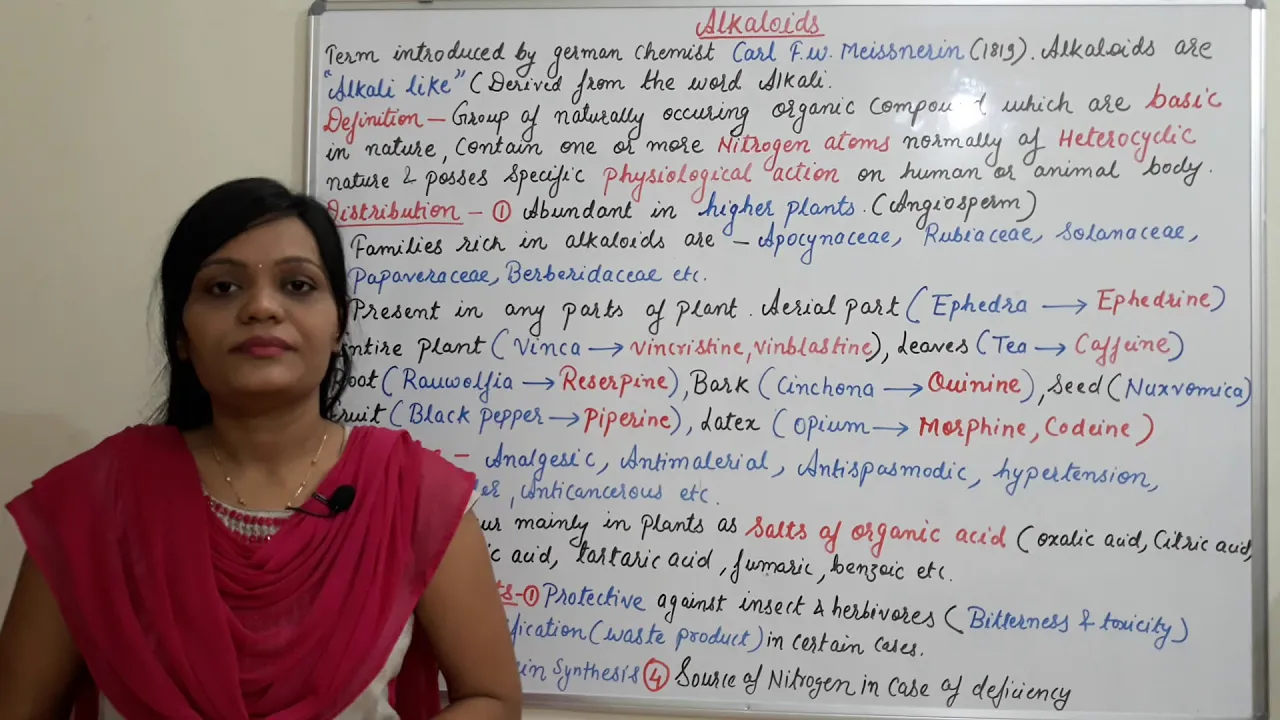
Introduction to Alkaloids and Psychedelic Chemistry: Basic understanding of the chemical structure and biological origins of tryptamines, specifically psilocybin.
Industrial Bioprocess Scale-Up: Exploring bioreactor design, fermentation optimization, and downstream purification processes for commercial-grade pharmaceutical production.
Advanced Synthetic Biology Optimization: Investigating CRISPR-Cas9 pathway editing, metabolic flux analysis, and methods to minimize cellular toxicity in engineered hosts.
Clinical and Pharmacological Applications: Studying the medical efficacy, mechanisms of action in the brain, and clinical trial results of synthetic psilocybin for psychiatric disorders.
Regulatory and Ethical Frameworks: Examining the intellectual property landscape, biosecurity protocols, and international laws governing the biosynthesis of controlled substances.
237.5K views12.1Klikes31:21Original Release: 2024-10-06
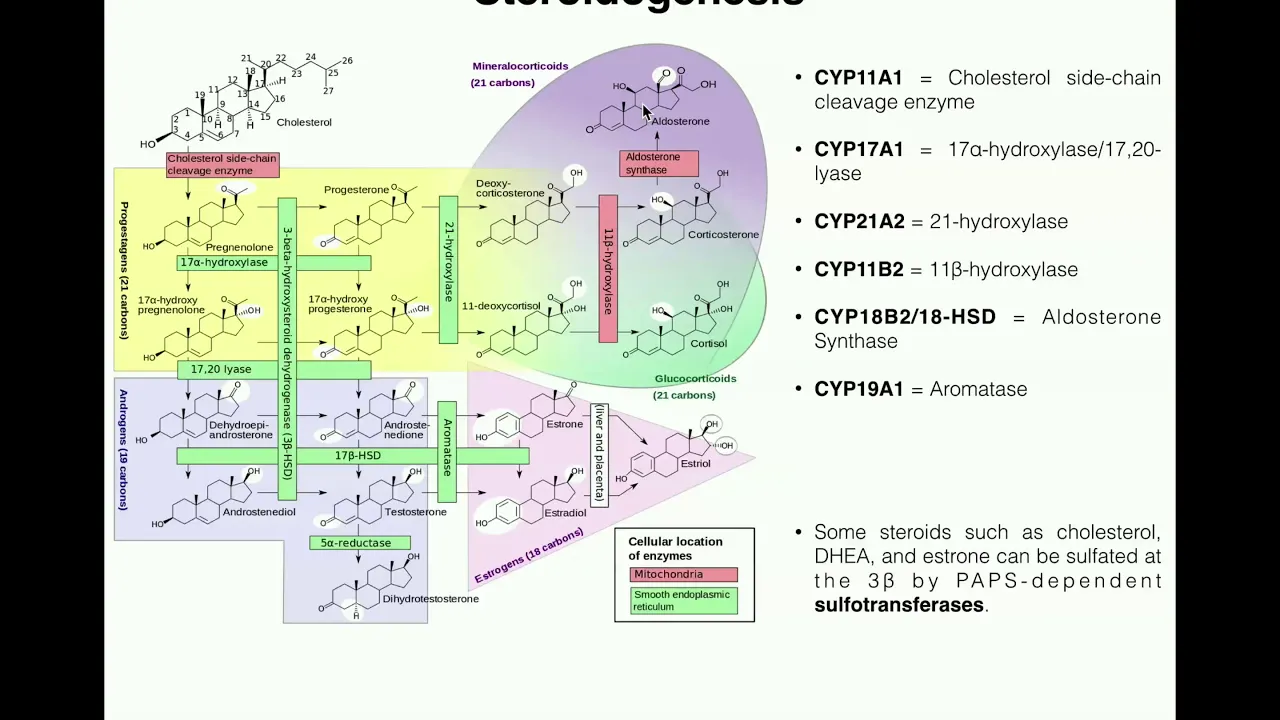
so you want to make psilocybin in yeast welcome back to DIY biotech today I'm reviewing this paper where researchers four years ago as of publishing this video made psilocybin in yeast in really really high quantities uh this is really fascinating work for a lot of reasons um and I think it's a really good uh way to deliver a stereotypical metabolic engineering story that is trying to produce some biochemical or degrade some biochemical in um usually a microorganism in this case it's in brewer's yeast so typically you know if you want to make some compound um you need to know what enzymes you need to use to produce that compound in an organism so one really really powerful tool is something called keg so I'll go backwards here a little bit so if you want to find uh the metabolic pathway for producing psoc you just type in keg psilocybin and you can find the metabolic pathway so here's the keg listing for psilocybin and then here you can see the pathways that this chemical is a part of um usually they put the larger Pathways at the bottom and the smaller Pathways at the top the more specific pathways are at the top so uh psilocybin is what's called an indol alkaloid um and so we're going to look at the indol alkaloid by biosynthesis map and here's the map it's literally a a map of you know how different chemicals are converted to other chemicals and what enzymes do that conversion so right here highlighted in red you can see psilocybin um that is broken down into psilocin and can be converted backwards to psilocybin by this enzyme right here PSI k um and you'll also note that the sort of uh ubiquitous precursor for psilocybin is the amino acid tryptophan so tryptophan uh as far as I understand every single living thing uh has tryptophan or requires tryptophan to survive it's an amino acid right it's a building block of proteins um then the tryptophan is converted to tryptamine tryptamine is also a pretty ubiquitous uh biochemical and if we want to investigate any of these enzymes further we can click on those enzymes and then you can actually scroll down you can see what Pathways they're parts of and you can scroll down and also see what organisms have these enzymes so this first link here is for Homo sapiens so we have this tryptophan decarboxylase naturally produced in our bodies we can convert tryptophan to tryptamine um based on this listing right and you can also go down to list and choose whatever one you want here's water buffalo keep scrolling and all of these organisms are going to have slightly uh different versions of the enzyme so potentially when you're doing metabolic engineering you may want to investigate uh you know which enzyme is going to most effectively make your product so those are the enzymes so tryptophans converted to tryptamine which is converted to four hydroxy tryptamine then to noroyan then to beytin and finally siloc cybin um and so we'll see that in the paper that we're looking at as well so back to the paper this is called metabolic engineering of sacris Cici which is uh brewers yeast or baker's yeast it's a model organism yeast uh for the denovo production of psilocybin and related tryptamine derivatives so denovo meaning um from basic feed stocks so in this case they feed the yeast glucose and they get uh psilocybin at the end instead of feeding in like noroyan and then getting out psilocybin right so that's that's what denovo means um and then we're also going to look at uh tryptamine derivatives so compounds similar to uh psilocybin so there was tryptamine and then that's converted to um uh what was it hydroxy trip tryptamine or something like that for hydroxy tryptamine um let's see what that was yeah for hydroxy tryptamine and then toor bosy and bosy so these are all toine derivatives right so we'll go through this paper pretty uh quickly um and sort of look at some of the context around this paper as well this is a group that's out of Denmark uh and they've done other work around um producing bioproducts in uh yeast so it's a metabolic engineering lab um and this paper was published in the journal metabolic engineering which is a pretty high tier journal for for this field um possibly the highest tier Jal journal for the field of metabolic engineering which makes a lot of sense so um some highlights here sacris cerisier again that's Bakers or brewers yeast um if you've ever made bread and poured yeast into your dough that's sacris cerisier so if we can make still a cybin in this yeast then you know potentially somebody could hand you a dry packet of yeast that makes COC cybin and you can make it in the same way that you would brew a beer right so really cool stuff the difficult part is actually making that yeast and that's what this paper goes through technically you could do it in a home lab if you really wanted to um but I I'll talk about that more in a minute so heterologous biosynthesis that means that we're taking enzymes from other organisms and expressing them in uh in this case uh sacy's and they talk about their titers here so titer being um how much product they're producing so they're getting over half a gram per liter of psilocybin and over half a gram per liter of psilocin which is the natural uh what it says here def phosphorated uh product so what does that mean how much psilocybin really is that uh to you know you and me right so psilocybin here we can look at this table here psilocybin is about 1% so this this paper looks at several sources um psilocybin is between half a perent to 2% uh per dry gram of cilos cubensis mushroom right so if you have if you have a dose that you take that's 2 and2 gram which from what I understand is a typical dose um that's equivalent to taking 25 milligrams of psilocybin so if you do the math on this here then you find that this this paper these researchers in a single liter so you know you imagine a liter of water that's not very much in a single liter you're making the equivalent of 100 gram of dried mushrooms so 4 ounces of dried mushrooms and this is making the actual chemical and not the mushroom product so potentially this is hundreds or thousands of dollars worth of product in a single liter vessel you know grown in two or three days right like this is fantastic stuff really really cool stuff um okay so moving on away from the abstract the introduction is sort of giving some history of um psilocybin how it was discovered by modern science in the ' 50s uh and then uh eventually banned um in the US finally research um resurged in the '90s uh this paper is out of Denmark where I think they have a little bit less restrictions on on researching uh these psychedelic compounds um and then they talk about like the safety and the efficacy of of psilocybin just as a little bit more background and right here they say the ld50 which is the dose required the lethal dose 50 the lethal dose where 50% of a population would die the ld50 of psilocybin in mice and rats is about 280 Mig per kilogram so what does that translate to for humans well if you're about 80 kilograms then you would have to consume five pounds of magic mushrooms to reach the ld50 and at that point you have a 50% chance of dying at least if you you know it doesn't always translate directly from rats and mice to humans but you have an idea like even if you ate a pound of mushrooms which if you've ever tried eating a pound of anything before it's difficult um a pound of dried mushrooms you would probably be okay of course this is not advice but that's sort of the realm of safety uh of this compound so moving on um again this is a very very stereotypical metabolic engineering article so they're going to set up uh they're going to set up the stage and say like you know yes we can make these compounds naturally in these mushrooms um but they uh it's not commercially viable to extract from the mushrooms so they say right right here that like yes we can just grow the mushroom and do an extraction but it's not commercially viable and then here they say for pharmaceutical research we do chemical synthesis of psilocybin but it's difficult and expensive right so this is setting the stage this is like yeah we can make it but it's not really feasible and yeah we can make it this way but it's just too difficult and expensive so here's the third way and that would be metabolic engineering yeast to produce psilocybin for us and I think they're right so um um here uh it's talking about how the pathway for psilocybin was only elucidated or discovered in 2017 so this is new that we have this keg pathway showing us how to produce psilocybin so in 2017 we figured out how to you know how psilocybin is naturally produced and then in 2018 was the first demonstration of expressing the heterologous pathway in a different in in another organism so in this case they used the mold asparagus nilin and they were able to get 110 mg per liter uh which is still really good titers and that was in 2018 so potentially this mold is a little bit more closely related to um the the copy cubensis and sacy Cici although it's still a fungi it's not a hul fungi it's a it's a yeast unlike the mold um and so maybe potentially if you didn't know about this paper you might say it might be harder to make more in sacy's uh because of the further relation that being said people have made um psilocybin in ecoli uh but they were having to add um other compounds to the media so this wasn't denovo biosynthesis they were adding other compounds to the media in order to get to over a gram per liter which over a gram per liter is really fantastic um that's about what they ended up doing this paper if you include psilocybin and psilocin which I think you should um another thing that they mention is the down one of the downsides of using eoli is they don't have these cytochrome p450 enzymes so cytochrome p450s um is it it aids particular enzymes uh in their function so you need uh you know electrons and oxygen o uh oxygenase properties in order to produce um in order for certain enzymes to function uh and one of the enzymes in this pathway is a cytochrome p450 enzyme procaryotes like eoli are not very good at um using these cytochrome p450 enzymes because they don't naturally have any cytochrome p450 enzymes sacy serisier does naturally have cytochrome p450 so um this is often a a a sided advantage of using um eukaryotic microorganisms like yeast instead of procaryotes uh like eoli right also you know uh sacchromyces is just more closely related evolutionarily to sosop cubensis and so it makes sense um in my mind at least all right so this first figure is just sort of a graphical abstract showing like you know we have this COC species and we're going to make a recombinant uh cerisier strain that has the COC in enzymes in order to produce psilocybin in your body when you consume psilocybin it's going to be converted to psilocin pretty quickly psilocybin is um not active at all uh contrary to what you might think um but psin is very active that's the active part um and so that gives you those potential therapeutic effects so just like in The Keg pathway this figure two is showing a more detailed uh psilocybin biosynthesis pathway and so so you know this paper might be more helpful uh if you actually want to do this project another thing to note is that like you know it's pretty difficult to uh make siloc ibin in yeast but once you have the strain of yeast anybody could use that strain potentially anybody could grow it in their kitchen and make siloc cybin so if there's anybody out there that makes this or it gets out of the lab um anybody could use that yeast and grow it if you've brewed beer before or like a homemade wine or something you could make psilocybin at home so it it's just like a a really interesting thought experiment as to what's going to happen you know I don't think it's a matter of if I think it's more of a matter of when you can just go on some sketchy website and buy a strain that makes siloc cyon that's going to be crazy uh in my brain so anyway let's look at this pathway you have glycolysis which is the the metabolic pathway that utilizes glucose um and we're going to talk a lot about this idea of flux throughout this paper so flux is the idea of how much um uh mass or moles of compound is moving through a particular pathway um you can think of it as like how many carbons in this glucose molecule are going to end up in your psilocybin molecule and how can we push as much carbon into our final product as possible so you know if you have offshoots coming off of your pathway you want to trim off those branches or reduce those side reactions and just funnel things to the product that you want so that's why we're looking at this whole pathway here so we have glycolysis going into the PPP or the pentos phosphate pathway uh which it does synthesize one of the precursors that is going to be needed for psilocybin um and so then you get this molecule and in the shikimate pathway it's converted to charism um and then the charism can either go uh into this um cyclic uh amino acid synthesis pathway so making phol alanine and tyrosine um or it can go into the tryptophan uh biosynthesis pathway which is what we want so maybe we want to knock out this gene or more realistically downregulate uh this A7 Gene and maybe we want to upregulate this trp2 and trp3 Gene so we get more tryptophan so tryptophan is already naturally created in the cell um and that tryptophan can potentially be degraded into indol pyruvate which we don't want to happen so maybe we want to knock out or downregulate Arrow 8 and arrow 9 um because we want all of our tryptophan going to tryptamine and so you can see this enzyme here CR TDC uh when you're looking at at enzymes like Arrow 8 it's a very ubiquitous enzyme so it's not named after any uh organism but usually when you see a capital and then a lowercase letter on a gene or enzyme name uh that's indicating the genus and the species that that uh enzyme is from so CR actually stands for uh catharanthus roseus which is a Periwinkle and so for whatever reason some other researchers uh used that enzyme and found that it very effective converts tryptophan to tryptamine and so that's what was used here and then that tryptamine uh can then be converted by a couple of psilocybe cubensis you see it says PC psilocybe cubensis uh enzymes into four hydroxy tryptamine um and this is the cytochrome p450 step and then that four hydroxy tryptophan is converted to noroy with PCS K and then tooy and psilocybin with the same enzyme PS c m um and then the psilocybin is naturally degraded and then that can be uh converted back to psilocybin with the um PC s k enzyme which is used uh further Upstream here so a lot of these enzymes are sort of used in multiple steps which is interesting um but we can take account of how many genes we need to integrate here so we need to integrate 1 2 3 four five five five genes right that's that's five Integrations um I do a lot of metabolic Engineering in my research uh depending on this when this video comes out I'll have already gotten my PhD in genetic engineering specifically yeast so I've integrated a lot of genes in my time and sort of best case scenario it's going to take a week or two to integrate a gene depending on how big it is and how lucky you are um and how skilled you are with that yeast that you're working with so integrating five jeans in a row is going to take somewhere around two to 3 months two if you're really really good but you know if I was given this project I would guess that I would take something like 3 to four months um just to put all of the genes in and not even troubleshoot the production of the compound yet right and in this paper not only do do they put those genes in when they put those genes in they're only producing small quantities of psilocybin there's some other um genetic manipulation that they do to make those gram per liter uh titers so let's go through that so um this paper is set up I hate when papers are set up like this um I think the feel like Academia is moving to not do this anymore but this paper has an introduction and then the materials and methods unless you're trying to you know exactly recreate this experiment you don't need the materials and methods most people just just want to see the figures and the results and the discussion so let's go ahead to the results here um again like I mentioned earlier they're using this Periwinkle Gene to convert tryptophan to um for hydroxy tryptamine they could use this enzyme SD from psoc psilos cubensis um but this other paper from 2015 found that uh this Periwinkle enzyme was more effective at that transition in sacris so then tryptamine converted to um or sorry that was tryptophan to tryptamine um then tryptamine is converted to four hydroxy tryptamine tryptamine with the cytochrome p450 um and then the four hydroxy tryptamine is converted to noroyan with a four hydroxy tryptamine kinas um and then that is converted to bosy with the same enzyme or um sorry with this new enzyme this in methyl transferase and then with the same enzyme that uh this bosy uh compound is converted to uh psilocybin finally so that's just what I went over in the figure already um this is showing uh this is lcms so this is liquid chromatography with mass spectrometry spect spectometry really really cool stuff I haven't done it person personally but I've done um really similar chromat chromatographic work with uh hlc so high pressure liquid chromatography and gas chromatography um with flame ionization detection incredibly similar process but basically you uh send your sample through some way to to separate your sample and then you measure um the molecules coming off on the other side and so you know you send your sample through and you wait and nothing nothing nothing and then your first chemical comes through in a peak and then nothing nothing nothing and then your next chemical comes through um and so the area under that Peak is going to be directly proportional to how much chemical you're producing and if you're using the same method every single time then you can run one sample two sample three samples and your chemical is always going to come off at the same time so in this method um psilocybin comes out a little after 3 minutes and so you can see the psilocybin standard and then there's the red control strain and then the green strain that's supposed to be making psilocybin is making psilocybin um this plot here is showing the same thing with psin which seems to come off a little after uh one minute and then uh tryptamine um which is coming off a little bit after um it looks like it's coming off a little bit after sisin great so they're like shoving it in our faces they're making the chemical that they want to make um okay so they say they're making psilocybin and silin and so right here they're saying how much they're making at this stage just by putting in the basic enzymes so they're making a lot of tryptamine so 120 milligrams per liter but psilocybin and psin are just in the milligram per liter range which isn't very good and so what they say here is that um the limitation must be Downstream of tryptamine so we need to optimize those enzymes and so they're thinking it's the culprit is the cytochrome p450 step that converts tryptamine into for hydroxy tryptamine and so what they do is they try a few different things so they say here the limitation is the conversion of tryptamine to for hydroxy tryptamine um which is done by a cytochrome p450 so a few different options here when you discover what the rate limiting step is in metabolic engineering you can try expressing um that same enzyme a bunch of times so you just make more of that enzyme you can change the Promoter on that uh Gene to make more of that enzyme or you can change the enzyme alt together and so they sort of tried a few of these different strategies and what they settled on um or they even you know pulled a uh cilos cubensis um uh cytochrome p450 for this step as well um and that didn't end up working as well or no sorry it did that ended up being the thing that did work uh but they have had to have a strong promoter in front of it to increase the the production of psilocybin and silicon so TEF one is a very popular um High activity yeast promoter so it turns that Gene up like as high as it can go um okay so then they were able to get 137 Mig per liter of psilocybin um and then 82 Mig per liter of psilocin so they were right that the cytochrome p450 was the limiting step fantastic um another sort of stereotypical metabolic engineering thing to do is have this type of graph where you show like your control strain and then you show your strains that had different um mutations so here in these bars we have tryptamine first and then psilocin and then psilocybin and you can see that um if you don't have any of the psilocybin bio synthesis genes you don't make any of those compounds makes sense but once you add that um you can try out these different cytochrome p450 strategies and they found that um this strategy of adding the TEF one uh promoted p uh pil psilos cubensis cytochrome p450 enzyme gave the highest titer of psilocybin and psilocin whereas the other strategies didn't work nearly as well um so that's very cool and then they also did I won't go go over it in detail but they did further engineering um of other Pathways to improve the flux to tryptophan so by overexpressing here we can go back to the map so they overexpressed Arrow one and arrow 2 so here's Arrow one and here's Arrow two and if you go into the literature if you're a metabolic engineer and you know about this kind of stuff um you know that tryptophan is tryptophan has some natural levels in the cell and you know you could figure out that that is probably a limiting step as well that we aren't getting as much to tryptophan and there's very it's very well studied how to get more of any amino acid in the cell so any amino acid you want um there's extensive studies on how to push flux there especially in in um conventional organisms like sacris and so they looked through the literature and they found that if they overexpress like Arrow one and arrow 2 and a few others they should be able to get um more tryptophan production so here um and then through the more tryptophan production they should make more psilocybin um and so here what they're doing is they're you know modifying the pathway they knocked out this Rick one gene which is I guess an offshoot pathway Arrow one and arrow two overe expression are going to push more flux through the shikimate pathway and then arrow for um there's an arrow for mutant that they added so we can go look and see where Arrow 4 is so that's right here um so this step must be slightly rate limiting as well um and you can see that this is a mutant Gene because you have this K uh 229 l superscript so um I think K is lysine and then L is Lucine so you're switching at the 229 position at the 229th amino acid in the ar4 protein you're converting a lysine to a Lucine and that allows you to produce more or move more flux in the direction that you want so anyway they're showing that they made all of these changes and they got a little bit more tighter here this was all in a small scale up until now this is all like you know 1 ml Wells or something uh maybe they use 100 micr Wells um but now they want to see if they scale up to like a liter which is more real world how much can they make and again very stereotypical metabolic engineering if you move from a small scale to a large scale you usually end up making more product because you can usually do like a Fed batch reaction where you're letting the cells grow and right before they run out of food you feed them more and then let them grow more and then right before they run out of food you feed them more and so they're you're able to push more carbon into the cells rather than growing them in a in a little in a little volume or in a flask or something like that so sure enough they went from making you know somewhere on the order of 200 migr per liter to making uh nearly a gram per liter of psilocybin um and psilocin together or over a gram per liter of psilocybin and psilocin together um so really cool they did a Fed batch uh reaction so um yeah let's see if I'm missing anything else here introducing multiple copies so this section is talking about uh this figure here um so you know integrating integrating multiple copies of a gene can help um and then this controlled fed batch fermentation so they're monitoring the you know the glucose levels in the in the tank and um various like the ph and the dissolved oxygen content so they're making sure the yeast are as happy as they can be um and that way they can produce over a gram per liter of psilocybin and psilocin um so the rest of the paper is a little bit more off topic um in my opinion if you're just if you're just looking to make psilocybin like that's the whole paper um but they also did something interesting where they they found that the other enzymes in the pathway could be coaxed or um in other in other words you can say that these enzymes are promiscuous to various substrates so basically the researchers were able to feed analoges to um tryp toan or norb IST or bosy and still have conversion to similar compounds and so they made this new compound Ur eurogen right here um that has not been made in yeast before from what I understand it is naturally occurring in um in Solas cubensis but I could be wrong on that um so that's kind of cool uh and that's sort of a a similar compound to psilocybin so that's the other really cool thing when you're doing this heterologous expression is that often you end up making products that you've never seen before which is really cool um and so like what are the effects of this psilocybin analog uh and who's going to try it first okay so I think that's the whole paper um hopefully I've tricked you with drugs into learning uh a little bit about metabolic engineering and hopefully you found it interesting if you did definitely like the video and subscribe to the channel if you want to see more stuff like this um in the comments below leave uh you know let me know a paper that you would like for me to review or or um any comments you have about this paper really interested in in hearing what you guys have to say uh as always thanks for watching bye
Up Next

59:57
Teaching Biomanufacturing with NISTCHO Cells: A Practical Guide
@innovatebio
692 views•2024-03-22
14:12
Quantitative Real-Time PCR (qPCR): Principle, Method & Data Analysis
@animatedbiologywitharpan
129.2K views•2023-09-06
23:33
Microbial Degradation of Plastics: Biodegradation Pathways & Sustainability
@majeedhammad
2.9K views•2021-04-11
16:04
CRISPR and Genetic Engineering: How Gene Editing Works and Why It Matters
@kurzgesagt
30.5M views•2016-08-10
Related Study Plans & Knowledge Roadmaps
Structured learning paths in Biotechnology
biotechnology
AAV Production: Transfection, Prep & qPCR
01Introduction to Gene Therapy and AAV Biology
02Mammalian Cell Culture: Suspension HEK293 Cells
03Upstream Bioprocessing: Triple-Transfection Optimization
+ 2 more learning modules
18h5 modules
Explore Roadmap
biotechnology
Building Gut-on-a-Chip: PDMS, Cells & TEER
01Foundations of Microfluidics and Gut Anatomy
02Cleanroom Fabrication & PDMS Soft Lithography
03Epithelial Cell Culture and On-Chip Seeding
+ 2 more learning modules
26h5 modules
Explore Roadmap
biotechnology
Optimizing CFPS: E. coli Extract & Yield
01Fundamentals of Molecular Biology and Translation
02Introduction to Cell-Free Protein Synthesis (CFPS)
03Preparing E. coli Crude Lysate (The Extract)
+ 2 more learning modules
19h5 modules
Explore Roadmap
biotechnology
Haematococcus PBR: Design, Stress & Astaxanthin
01Biology and Life Cycle of Haematococcus pluvialis
02Bench-Scale Photobioreactor (PBR) Design and Engineering
03Culture Media Formulation and Inoculation
+ 2 more learning modules
15h5 modules
Explore Roadmap