


















![Radioaktive αlpha-, beta- und gamma-Strahlung abschirmen [𝟰𝗞] | JJChemistry](https://i.ytimg.com/vi/oV3rnpNsWQI/maxresdefault.jpg)
Radioactive decay occurs when unstable atomic nuclei spontaneously transform to achieve greater stability, with the rate of decay determined by the number of protons and the proton-to-neutron ratio; the five main types include alpha decay (emission of helium nucleus), beta decay (emission of electron from neutron conversion), positron emission (emission of positron from proton conversion), electron capture (absorption of electron combining with proton), and gamma radiation (release of electromagnetic energy), each serving to adjust the nucleus toward a more stable configuration.
Alpha Decay, Beta Decay, Positron Emission & Gamma Radiation
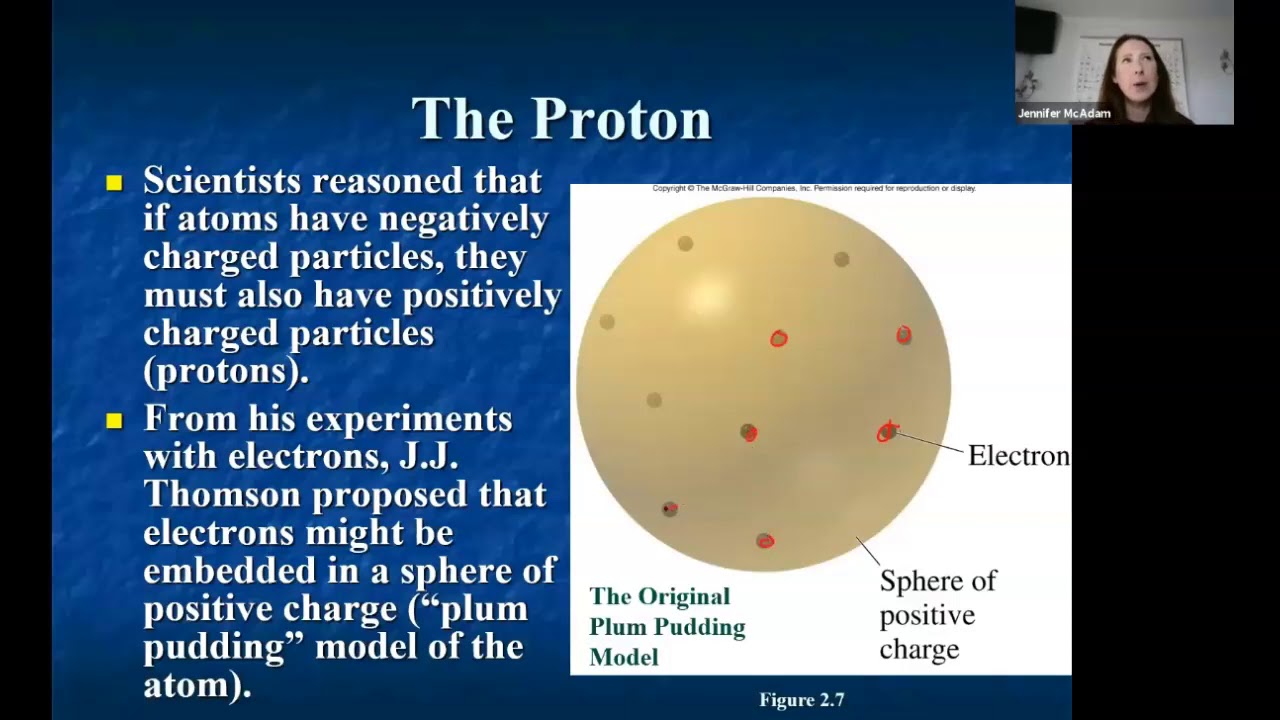
Added:Understanding of basic atomic structure, including the roles and locations of protons, neutrons, and electrons.
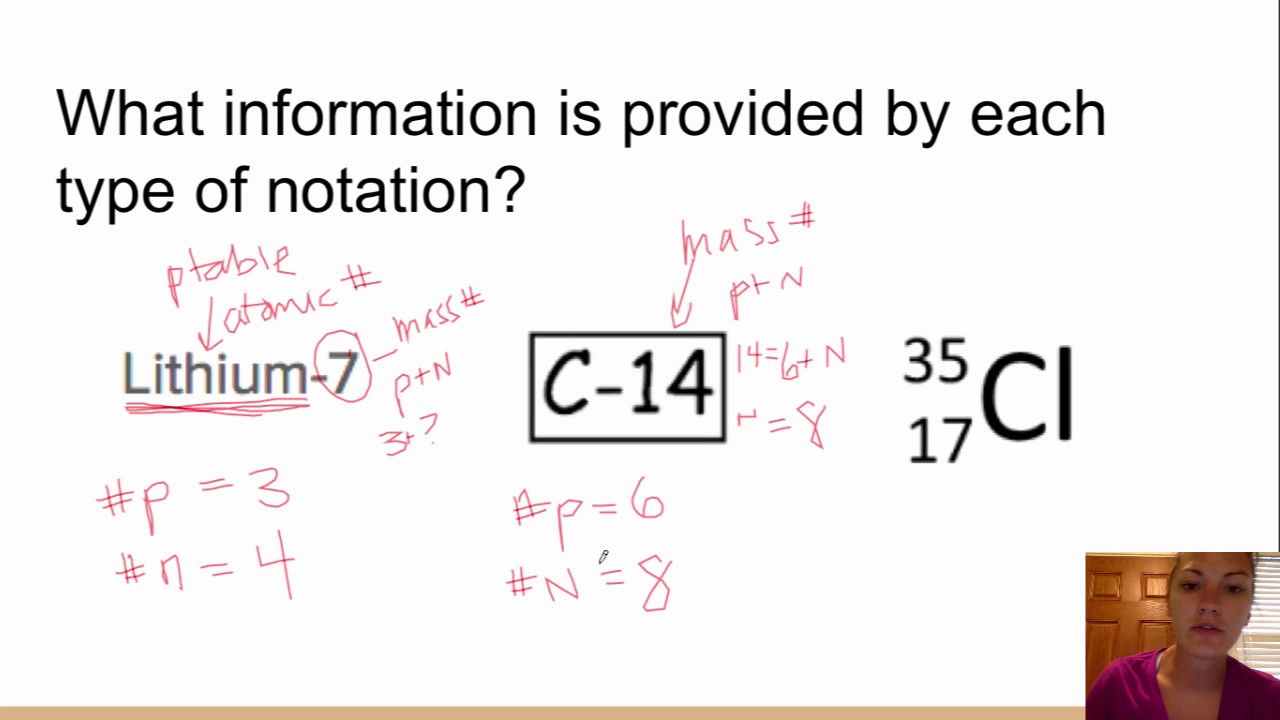
Familiarity with isotopes and standard nuclear/isotopic notation (atomic number and mass number).
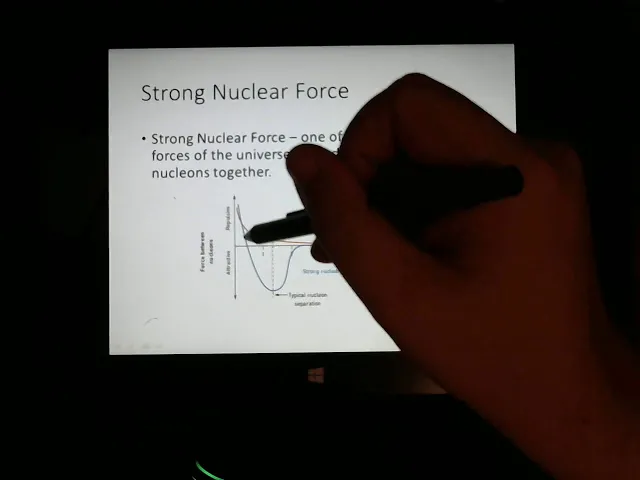
The concept of nuclear stability, including the band of stability and the balance between the strong nuclear force and electrostatic repulsion.
The law of conservation of charge and mass number in physical processes.
Mathematical calculations of radioactive decay rates and half-life using first-order kinetics and decay constants.
The principles of nuclear fission and fusion, including how they differ from radioactive decay and their roles in energy production.
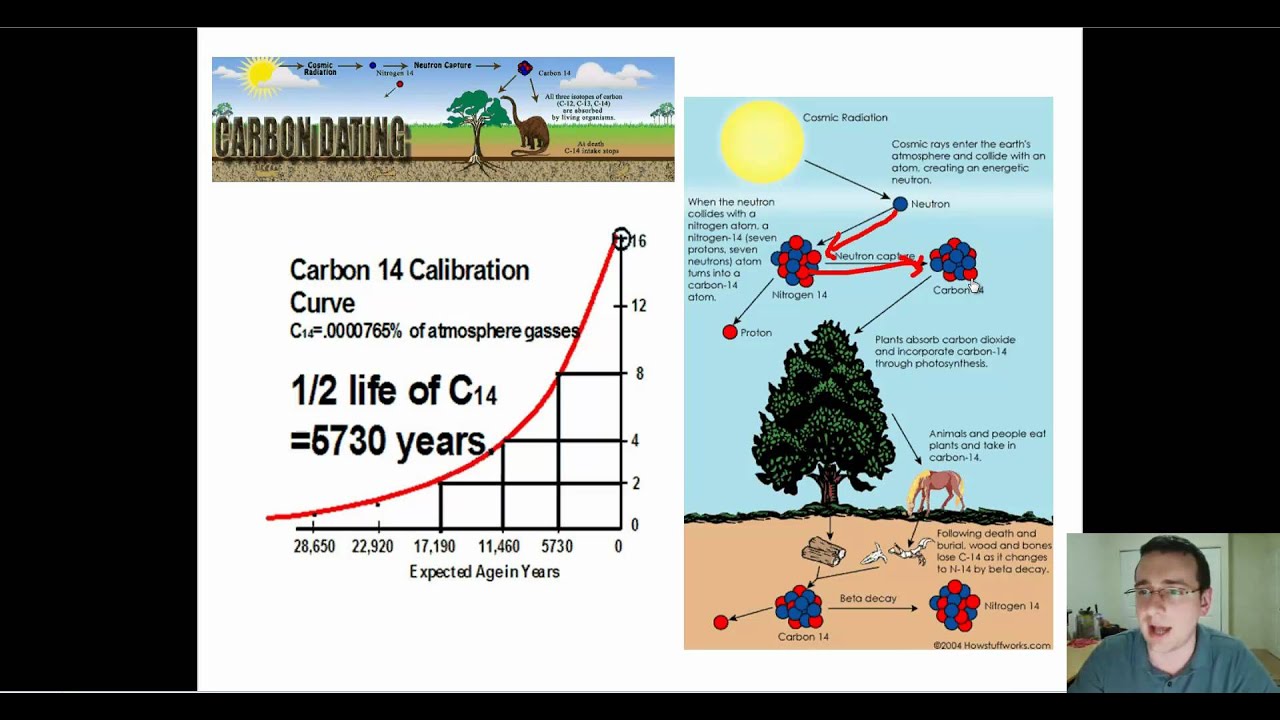
Real-world applications of radioisotopes, such as radiocarbon dating, medical imaging (e.g., PET scans), and cancer radiotherapy.
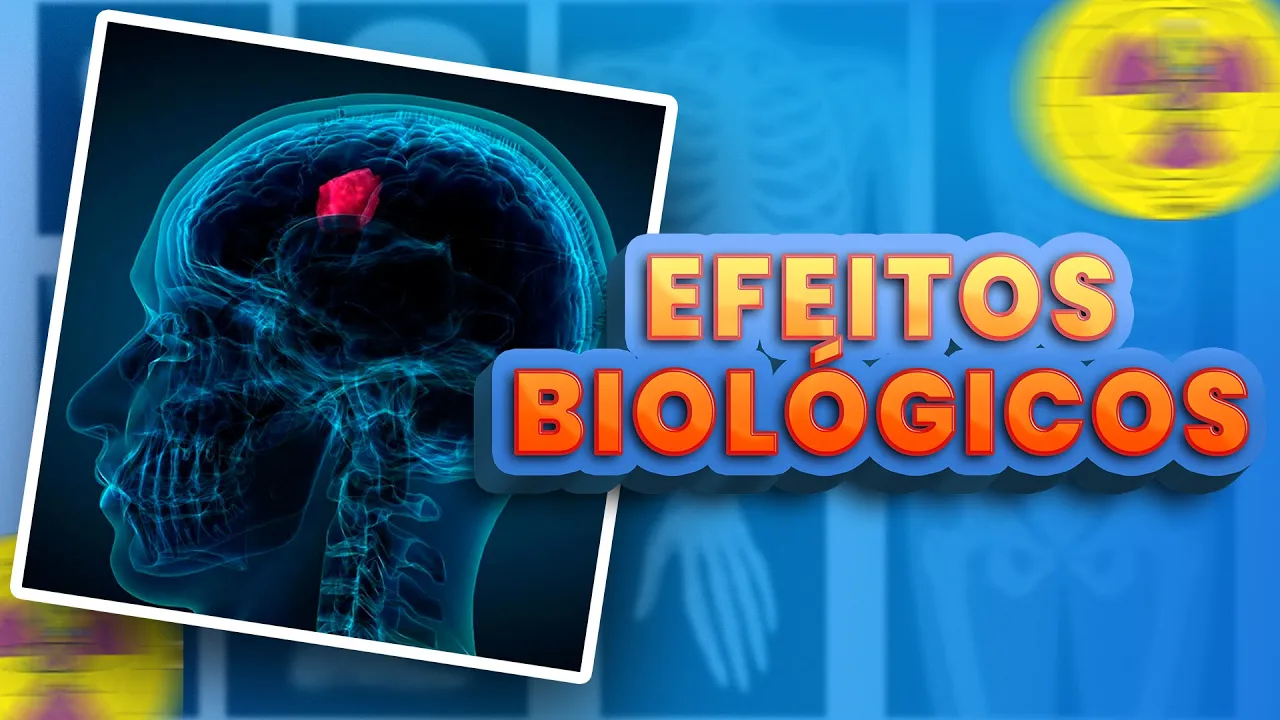
The biological effects of ionizing radiation and the different shielding requirements for alpha, beta, and gamma radiation.
44.1K views450likes12:35Original Release: 2012-12-27
so in an earlier lecture we spoke about reverse completely in elastic collisions and I gave two examples of such collisions first being explosions which we spoke about earlier and the second one being radioactive decay now in this lecture we're going to focus primarily on radioactive decay now most atoms found on the periodic table undergo the spontaneous process of of radioactive decay in which a section of the nucleus of the atom breaks away from that atom so what determines the rate at which the nucleus breaks apart well it turns out that the more unstable an atom is the more unstable the nucleus of the atom is the more likely that atom will undergo radioactive dck so the larger the number of protons found in the nucleus of an atom the more unstable that atom and that means if that atom is more unstable it will have a higher rate of radioactive decay in fact all atoms with 83 protons or more will be unstable and that means they will have a relatively High rate of radioactive decay now for smaller atoms the ratio of proton to Neutron determines how unstable that atom is so for example if an atom has eight protons and eight neutrons because the ratio is 1: one it will be considered stable and that means it will have a relatively low rate of radioactive DK in other words for smaller atoms if they have a ratio of protons to neutrons of one to one they will have a low rate of radioactive dck because they will be considered Rel atively stable so it turns out that three things determine our stability of atoms one being the number of um protons found in nucleus two being the number of neutrons found in nucleus and three for smaller atoms the ratio of protons to neutrons should be one: one so there's also something called a half life of an atom or element now the halflife is simply the time required for a certain amount of pure substance to fall to half its original amount so let's look at the following example to gain more intuition about what a halflife is so the half life of a carbon 11 atom is 20 minutes if we begin with 100 G of carbon 11 how much do we have left over after 60 minutes so we are given that the half line life of a carbon 11 atom is 20 minutes that means after 20 minutes we're going to have exactly half of our original amount in grams left over so if we begin with 100 G that means after one halflife after 20 minutes we're going to have 50 g of carbon 11 left over why well because it took 20 minutes for our relatively unstable molecule the carbon 11 atom to break away in other words exactly 50 g of its nucleus broke away from its original atom and we have now 50 g of carbon 11 left over now after one more halflife after two half lives or after 40 minutes we have 25 G left over because after 20 minutes exactly 25 grams of this or half of this amount was decayed or decayed now what happens after one more halflife occurs what happens after 60 Minutes well half of this decays and so we are left over with 12.5 G of our original carbon 11 so after 60 Minutes or three Half Lives we have 12.5 G left over so now let's look at the different time types of radioactive decay that exist so now let's look at the five different types of radioactive decay let's begin with Alpha DK Alpha is simply the Greek letter Alpha represented by this symbol so that's why we have Alpha DK and an alpha particle is simply a particle that has two protons and two neutrons and because a helium atom also have two protons and two neutrons that means an alpha particle is simply a I particle so what happens is our atom under goes Alpha DEC and loses an alpha particle so it loses an alpha particle and forms another a different atom with a different number of protons and a different number of neutrons so let's look at the following example so suppose we have the atom given by the symbol U that has 92 protons and 240 nucleons so that means it has 240- 92 which is 148 number of neutrons so if this atom under goes Alpha deck it forms the following alpha particle a single alpha particle and a new element now this alpha particle has two protons and four nucleons so 4 minus 2 it has two neutrons and it also forms a new atom that has two less protons than before and four less nucleons than before so 92 - 2 gives us 90 protons so the atom is represented by this symbol th and it has 240- 4 so 236 nucleons that means this atom has 236 - 90 so it has 146 neutrons left and this is known as Alpha DK so what types of atoms undergo Alpha DK well atoms that have a very large number of protons found in the nucleus are relatively unstable and that means if the number of uh protons in the nucleus charge that atom will undergo radioactive DEC in the form of alpha DC so it turns out that atoms that have 83 protons or above will undergo Alpha DC so let's look at uh DK number two called beta DK Now Beta DK is represent by the symbol beta so beta DK and beta DK involves the loss of an electron which is called a beta particle from the electron cloud of the atom so let's look at the following example suppose we take this product of this reaction and let's make it the reactant so now this is our atom that is undergoing beta DK so it has 90 protons and 236 nucleons so 46 number of neutrons so let's suppose it under goes a a beta DEC and it releases an electron atom so a beta particle given by this symbol where e simply means electron a negative one simply means it has a charge of1 now the zero simply means it has no neutrons so what happens well note the following happens we go from 90 protons to 91 protons so a new atom is formed why because the charge of this guy and this guy must be neutralized before we had a neutral charge and now we also must have a neutral charge so we have -1 and + one proton so that means that whenever beta DK occurs there's a proton that's created along with our electron so what actually happens is there's a creation of a proton and electron from a neutron so a neutron is destroy in other words look before we had 236 minus 90 so 146 number of neutrons and now we have 236 - 91 so only 145 neutrons we have one less Neutron what types of atoms undergo beta DK well those atoms that have very high number of neutrons found in our nucleus undergo beta Decay now let's look at a third type of radioactive decay no nron emission now a proton decays and creates a neutron so let's look at the following example suppose we have a carbon 11 atom that has six protons and five neutrons and suppose it under goes positron Decay so that means one proton will Decay will be released from the nucleus forming this positron which has the same charge as an electron except now it's positive so that's why the one is here and the zero is on top because it has zero number of neutrons so that means this atom will have one less proton it will have five protons but now it will have six neutrons whereas before it only had five neutrons so a posi DK actually creates a neutron and releases a proton from the nucleus so let's look at the fourth type of radioactive DC known as electron capture now in an electron capture an atom takes in an electron and combines it with one of the protons found in the nucleus to form a neutron so an electron and a proton are destroyed but a neutron is created so let's look at the following example supp we have a potassium atom represented by the letter K that has 19 protons and 40 nucleons so it has 21 neutrons because 40 - 19 is 21 so what will happen in an electron capture is this atom will take in a electron combine it with a proton destroy that proton and electron and instead form a neutron so we will form another atom that has one less proton but one more Neutron so we will form an argon atom that has 18 protons and 22 neutrons whereas here we had 21 neutrons because 40 - 18 is in fact 22 now what else is released in electron capture is electromagnetic radiation known as GMA radiation symbolized by this Greek letters um GMA that has a zero charge and a zero Mass so it's simply electromagnetic radiation now let's look at the final type of radioactive DK known as GMA DK now in certain instances mass is destroyed releasing energy in the form of radiation according to the formula eal mc^2 and I'm going to talk about this formula which is known as mass defect in another lecture so let's look at the following example so let's see what happens when a proton combines with an electron so when a proton combines with an electron it releases electromagnetic radiation in the form of GMA Rays so it releases two GMA rays that both have a mass of zero and have a charge of zero so Mass becomes electromagnetic radiation or energy that's exactly what we saw in this case when this Garay was released
Up Next
3:07
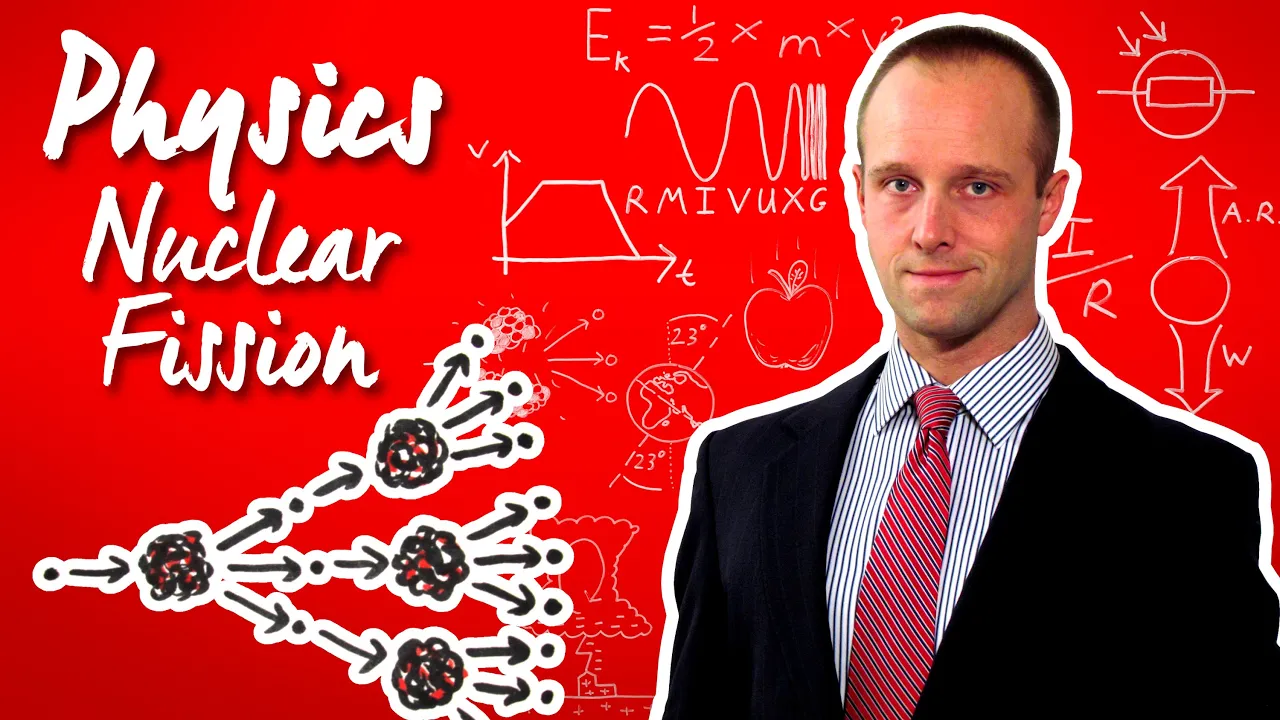
Nuclear Fission Explained | GCSE & IGCSE Physics Revision
@ChrisThorntonUK
17.3K views•2015-02-17

12:53
21cm Hyperfine Transition in Neutral Hydrogen: Radio Astronomy Basics
@AaronRobertParsons
12.4K views•2011-10-13

15:14
Derivation of Lensmaker's Equation | Optics Tutorial
@AKLECTURES
41.4K views•2014-01-22

27:14
Entropy and the Second Law of Thermodynamics Explained
@veritasium
27.5M views•2023-07-01
Related Study Plans & Knowledge Roadmaps
Structured learning paths in Physics
physics
Nuclear Physics (Decay, Fission & Reactors)
01Atomic Structure and the Binding Force
02Radioactive Decay and Half-Life
03Nuclear Fission Mechanics and Chain Reactions
+ 2 more learning modules
12h5 modules
Explore Roadmap
physics
Soft Matter (Polymers, Colloids & Rheology)
01Foundations of Soft Matter & Thermal Forces
02Polymer Physics and Macromolecules
03Colloids, Surfactants, and Self-Assembly
+ 2 more learning modules
38h5 modules
Explore Roadmap
physics
Analytical Mechanics: Lagrangian & Hamiltonian
01Mathematical Foundations: Calculus of Variations
02From Newtonian Mechanics to Constraint Dynamics
03The Principle of Least Action & Lagrangian Mechanics
+ 3 more learning modules
28h6 modules
Explore Roadmap
physics
General Relativity (Spacetime & Cosmology)
01Foundations of Relativity: Special Relativity
02The Geometry of Spacetime: Equivalence Principle & Curvature
03Einstein's Field Equations: The Mathematics of Gravity
+ 2 more learning modules
55h5 modules
Explore Roadmap