










![[ FISICA FREE ] - ESTATICA I - Leyes de Newton - Aplicación](https://i.ytimg.com/vi_webp/aVjc3cZqhFo/maxresdefault.webp)









![[2021 05 24]](https://i.ytimg.com/vi/sfG8lqcDRzo/maxresdefault.jpg)







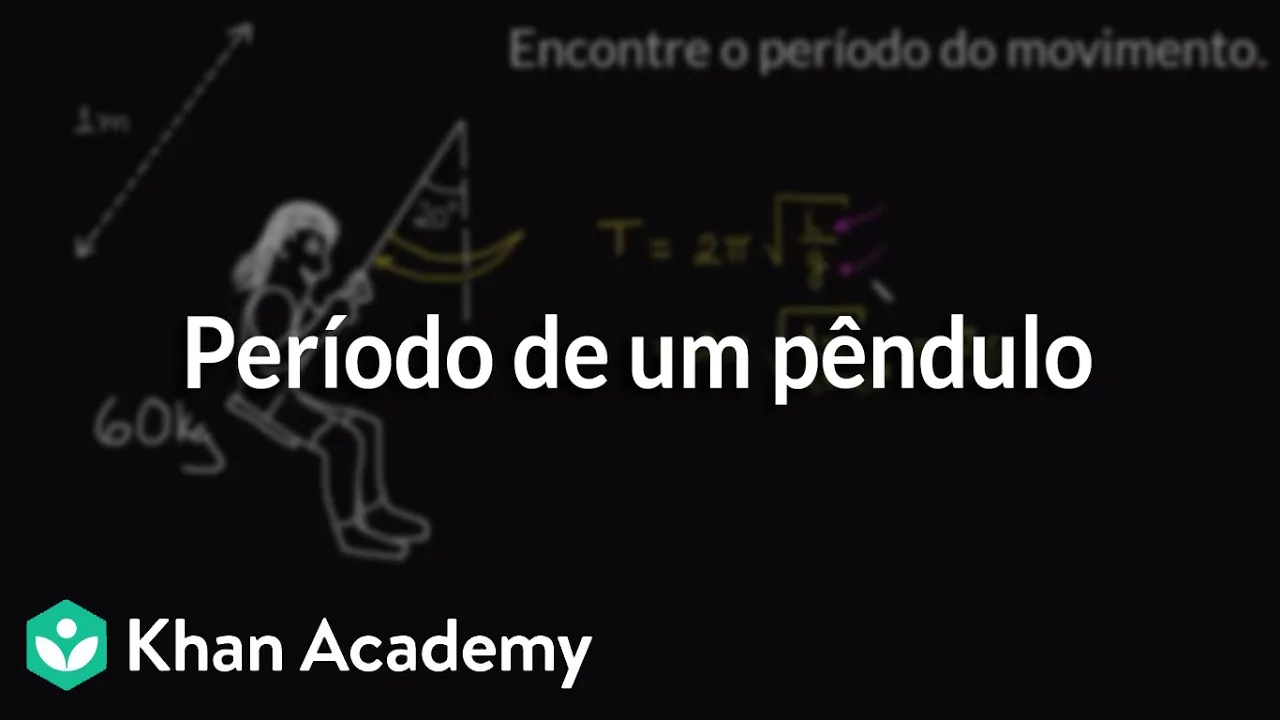
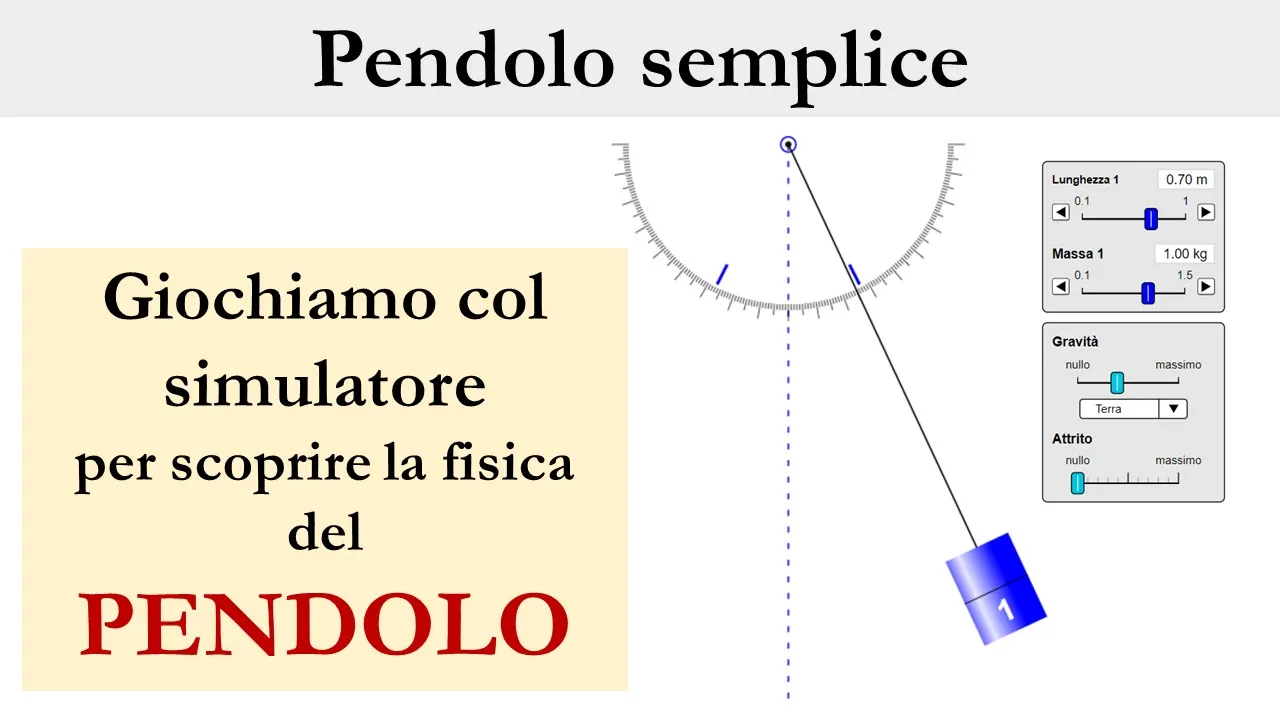
A simple pendulum, consisting of a mass attached to a string, can be modeled as a simple harmonic oscillator for small angular displacements (less than 20°), with its period depending only on the length of the string and the acceleration due to gravity according to the formula T = 2π√(L/g); unlike masses on springs, the pendulum's period is independent of both the mass of the bob and the amplitude of oscillation, though larger amplitudes cause deviations from the ideal simple harmonic behavior.
Simple Pendulum Period: Physics Tutorial
Added:Understanding the basic terminology of periodic motion, specifically defining 'period' as the time for one complete cycle and 'frequency' as cycles per second.
Familiarity with gravity (g) as a constant acceleration acting downwards on physical bodies near the Earth's surface.
Fundamental algebraic skills required to manipulate equations containing square roots and fractions.
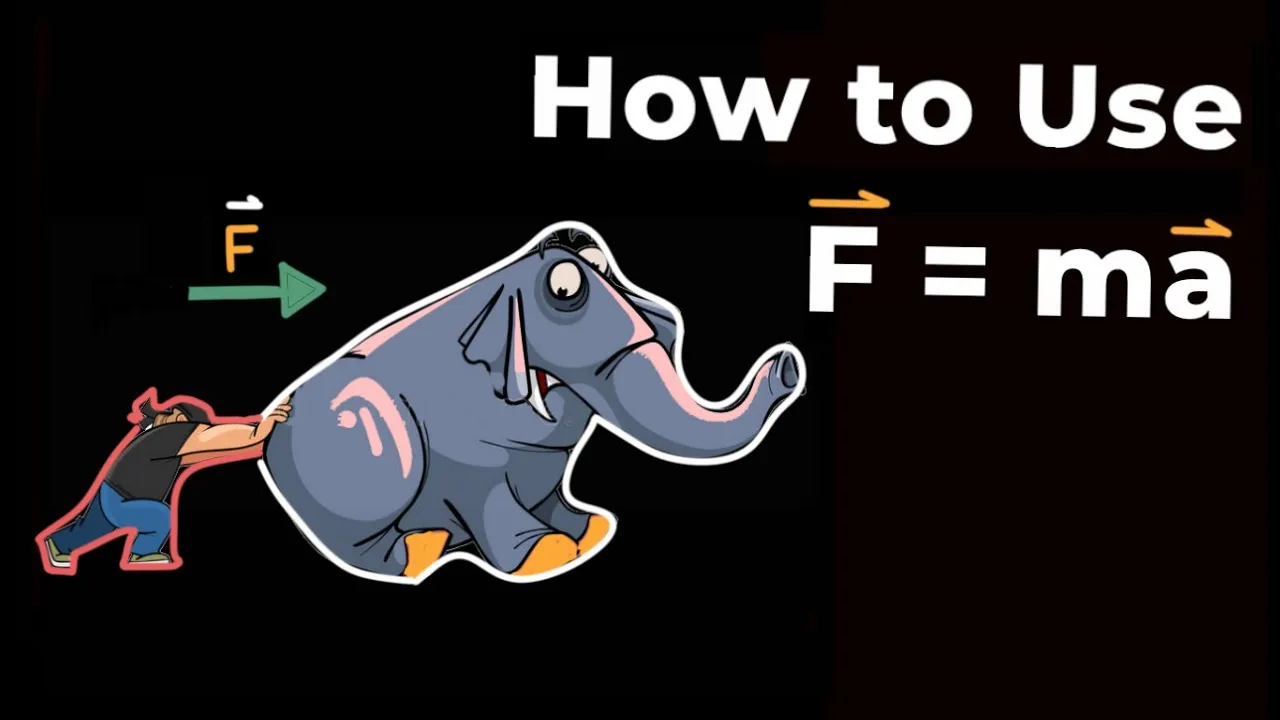
An introductory understanding of Newton's Second Law of Motion (F = ma) and how forces cause acceleration.
The 'Small Angle Approximation' and how the pendulum period formula deviates when the angle of displacement is large.
Conservation of Energy in a pendulum system, focusing on the continuous transformation between gravitational potential energy and kinetic energy.
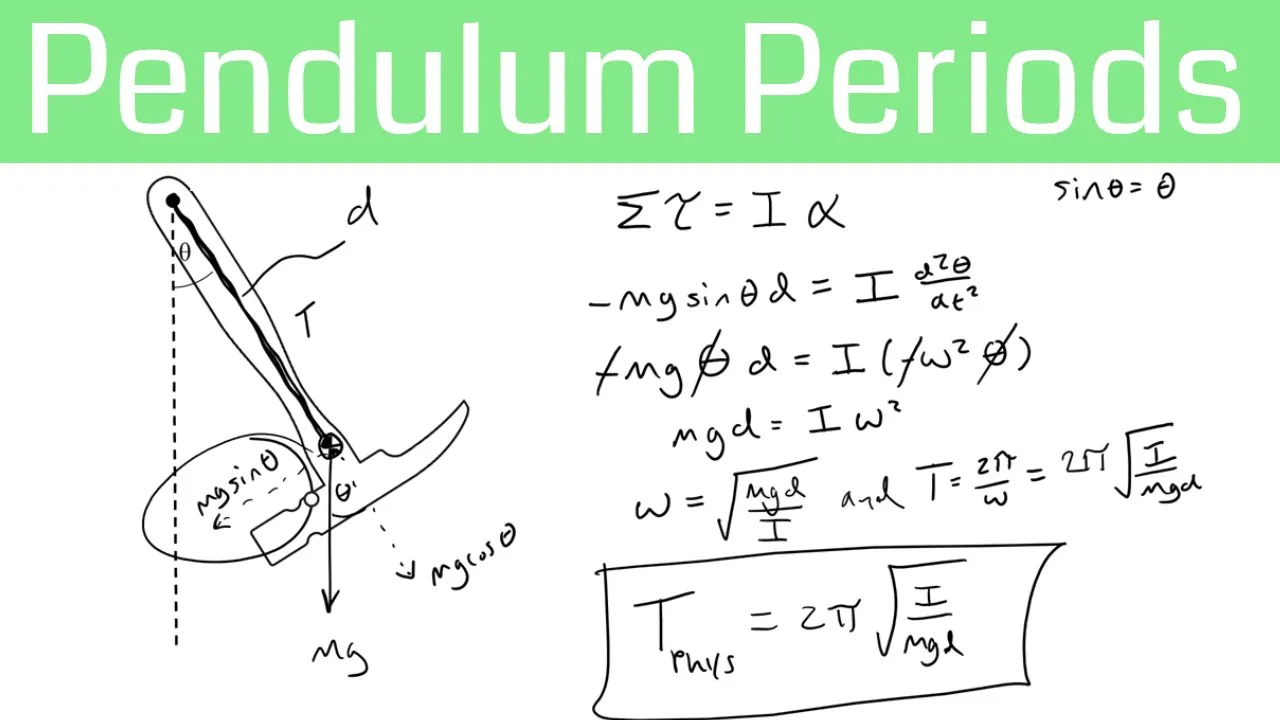
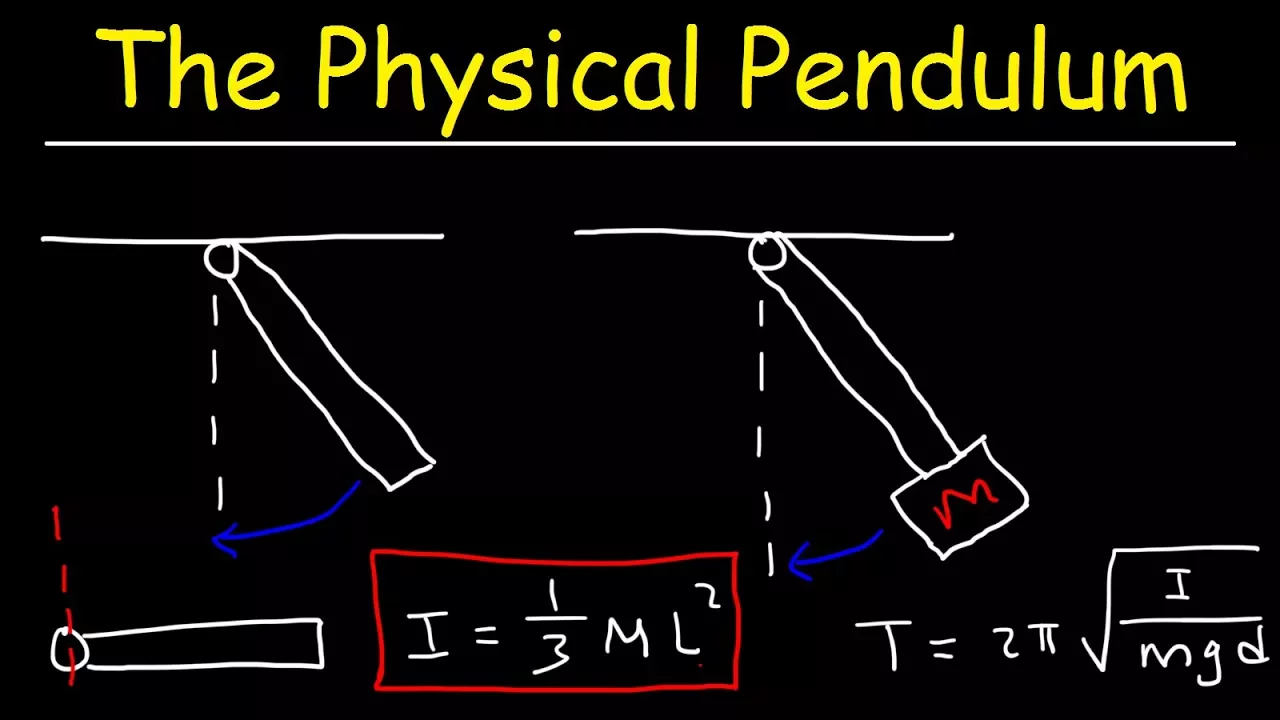
Physical (or torsional) pendulums, analyzing how the distribution of mass (moment of inertia) affects the period of rigid, extended bodies.
Damped and driven harmonic motion, exploring how air resistance and external forces affect a pendulum's oscillation over time.
Practical applications of pendulums, such as the historical use in grandfather clocks for timekeeping and Foucault pendulums to demonstrate Earth's rotation.
384.2K views3.1Klikes14:45Original Release: 2016-07-29
so as far as simple harmonic oscillators go masses on Springs are the most common example but the next most common example is the pendulum so that's what I want to talk to you about in this video and a pendulum is just a mass m connected to a string of some length L that you can then pull back a certain amount and then you let it swing back and forth so this is going to swing forward and then backward and then forward and backward it oscillates just like a simple harmonic oscillator and so that's why we study it when we study simple harmonic oscillators and technically speaking I should say that this is actually a simple pendulum because this is simply a mass connected to a string it's not complicated you could have more complicated examples let's say you connect another string with another Mass down here this gets really complicated in fact it gets what physicists call chaotic which is kind of cool if you've never seen it look up double pendulum it's pretty sweet but really complicated to describe mathematically so we're not going to bother with that we've got enough things to study by just studying simple pendulums we can learn a lot about the motion just by looking at this case so what do we mean that the pendulum is a simple harmonic oscillator well we mean that there's a restoring Force proportional to the displacement and we mean that its motion can be described by the simple harmonic oscillator equation so if you remember that was described by an equation that looked like this x some variable X is a function of time was equal to some amplitude time cosine or S I'm just going to write cosine of 2 piun / the period time the time and you can if you want add a phase constant I'm not going to write it CU usually you can get away with not using that one so this is the simple harmonic oscillator equation so how would I apply this equation to this case of a pendulum well I wouldn't use x the far more useful and common example of using a variable to describe a pendulum is the angle that the pendulum is at so consider the fact that this mass is going to be at different angles at different moments in time so it starts over here maybe it's at like 30° and it swings it's only at like 20 and then 10 and then zero cuz we're measuring angles from this Center Line and then it swings through maybe it's at -10 -20 -30 and then this whole process repeats so instead of using X we're going to use Theta so this is going to be an angle as a function of time so I'll write Theta as a function of time is going to equal some amplitude but again since I'm measuring Theta my amplitude is not going to be a distance in X or a displacement in X this is going to be not the maximum regular displacement it's going to be the maximum angular displacement from equilibrium right here this line here would be equilibrium because if you put the mass there and let it sit it would just continue to sit there there'd be no net force on it only when you displace the Mass from this equilibrium position does it have a restoring Force so this would be the maximum I'll just call it Theta maximum cuz this is the maximum angular displacement when you pull this back the maximum angle you pull it to whatever that is maybe it's 30° maybe it's 20 that would be the angle that I'd plug in here and then we'll multiply by cosine and we'll have the same argument in here 2 pi over whatever the period is and the period is the time it takes for this pendulum to reset or to complete a whole cycle and we always have to multiply by T that's our variable that that's what makes this a function it's a function of time all right so I've got to come clean about something now technically speaking the simple pendulum is not a perfect simple harmonic oscillator it's only extremely close to being a simple harmonic oscillator in fact for small angles this will only be off by very small amounts like less than a percent so because of that we often treat a simple pendulum as a simple harmonic oscillator but technically speaking it only works really well if you're less than say a certain amount say 20° as you get to larger maximum amplitudes this is going to deviate more and more it'll still still be reasonably close maybe within like 20% but only for small angles is it extremely close but if you are at small angles so if you're if you're considering a pendulum that has small angles like maybe this is only 20° or less that pendulum would be described really well by this equation because it would be extremely close to being a simple harmonic oscillator all right all right so let's assume we're in that small angle approximation where this amplitude is small what can we say well one question we can ask is what's the period of this pendulum going to depend on right this period here what could we change that would change this period here so what might this depend on my first guess might be well maybe it's the mass so let's think about this if we increased the mass on this pendulum do you think that would increase the period or decrease the period or leave it the same some people might say well I think an increase in Mass would increase the inertia of this system right it's going to be harder to move when the mass of something goes up it's more sluggish to accelerations it's more difficult to move around and change its direction that means it should take longer to complete a cycle maybe that means that the period should increase because the time would increase but other people might say wait a minute if we increase the mass that would increase the gravity gra itational Force right gravity is going to be pulling down harder now on this mass and gravity is the force that's going to be restoring this Mass back to equilibrium gravity is going to be pulling down and if it pulls down with a greater force you might think this mass is going to swing with a greater speed and if it's got a greater speed it'll complete this cycle in less time because it's moving faster and since it takes less time you might think that the period goes down but these two effects exactly cancel so the fact that the mass is going to have more inertia with greater mass that means it's harder to move and the force is going to increase due to the force of gravity getting larger those offset perfectly and this mass will not affect the period so turns out it's kind of weird changing the mass on here does not affect the period at which this swings back and forth so imagine this so if you go get on a swing at the park and you swing back and forth and then a little kid tiny kid 5-year-old comes on swings back and forth they should have the same period of motion as you do because the mass at the end here does not affect the period so that's a little weird but it's true and you should keep that in mind mass does not affect the period so what does affect the period well I'm just going to write the formula down for you I'm not going to derive this the derivation requires calculus it's an awesome derivation if you know calculus you should go check it out but just in case you haven't seen calculus I'm just going to write this down give you a little tour of this equation show you why it should make sense and hopefully give you a little intuition about why the variables are in here that there are so the first variable is l l goes on top the length of the string and then the acceleration due to gravity little G goes on the bottom so why is this the formula well the 2 pi is just a constant you get a square root L is on top that means if you increase the length of this string you're going to get a greater period so increasing the length should increase the period why is that well think about this a mass on a string rotating back and forth if there's rotation a quantity that's useful to think about is the moment of inertia so the moment of inertia of this Mass on a string would be equal to this is a point Mass rotating about an axis so the axis of rotation is this point right here and a point Mass rotating around an axis is just given by Mr 2 that would be the moment of inertia but this R is the distance from the axis to the Mass so this is just ml s this is the moment of inertia and look it if we increase the length we increase the moment of inertia so bigger L gives us bigger moment of inertia what does that mean moment of inertia is a measure of how difficult it is to angularly accelerate something so it's a measure of how sluggish this mass is going to be to changes in its angular velocity so bigger moment of inertia means it's going to be harder to take this mass and whip it around back and forth and change its direction so since it's harder to move this Mass around it's going to take longer to move it back and forth that's why bigger length means bigger moment of inertia and bigger moment of inertia means it takes longer to move this thing back and forth that's why the period gets bigger now some people out there might object if you're really clever you might say wait a minute if this length increases the thing causing this to angularly accelerate is the torque and I know the formula for torque the formula for torque looks like this torque is RF sin Theta and R is the distance from the axis to the point where the force is applied so since gravity is supplying the torque that R would also be this L it'd go from the axis to the point where gravity is applied so I'd have L time the force of gravity time sin Theta so you might say look if the length increases so would the amount of torque so I've got more torque trying to make this thing move around I've also got more inertia so it's harder to move around do those offset like so many of these other things offset they don't look at this torque will increase but it only increases with L it's only proportional to L this moment of inertia is proportional to L squared so if you double the length you've quadrupled how difficult it is to move this Mass around but you've only doubled the ability of this torque to move it around that means it's going to take longer to go through a whole cycle and that period is going to increase this larger torque is not going to compensate for the fact that this mass is harder to move there's more inertia to the rotation of this Mass all right so that's why increasing the length increases the period but why does increasing G the gravitational acceleration decrease the period well think about it if I increase the gravitational acceleration so I take this pendulum to some Planet that's extremely dense or massive and it's pulling down with a huge force of gravity so bigger g means a bigger force of gravity pulling downward on this mass that gives me a larger restoring Force so a larger Force means it's going to pull this Mass more quickly it's going to have larger acceleration that means it's going to have a larger speed it's going to move back and forth faster and if it moves faster it takes less time to complete a cycle that's why increasing the gravitational acceleration increases the force and it decreases the period essentially if you're cool with torque if you know about torque you increased the force that increases the torque which would increase the angular acceleration and it would take less time for this thing to go back and forth that's why the period goes down if you increase the gravitational acceleration now if you're really clever you'll be like wait a minute the form this is just like the formula for the mass on a spring if you take the period for a mass on a spring it was 2 pi Square < TK something over something and the term on top for the Mass on a spring was the mass that was connected to the spring and the term on the bottom was the spring constant and so you might say wait this is the same idea increasing the mass is just increasing the inertia of that system that's why it's taking longer to go through a cycle just like over here increasing the length is increasing the inertia at least the rotational inertia the moment of inertia of that system so it takes longer to go through a cycle and you might say increasing the K value that's increasing the force on the system and if you increase the force on the system you make that system have a larger acceleration greater speeds takes less time to go through a period that's why this Force constant k for the spring appears on the bottom same as this G increasing the G increases the force on the system which gives you a larger acceleration greater speeds takes less time to go through a period so these formulas are very similar and they're completely analogous there's an inertia term on top a force term on the bottom and they both affect the period in the same way one more thing you should notice amplitude does not affect the period of a mass on a spring and the amplitude this Theta maximum will not affect the period of a pendulum either as long as your amplitudes are small so we've got to assume we're in this small amplitude region where this Mass on a string is acting like a simple harmonic oscillator and if that's true for small angles the amplitude does not affect the period of a pendulum just like amplitude doesn't affect the period of a mass on a spring let me tell you about one last thing here this simple pendulum only acts like a simple harmonic oscillator for small angles and that means this period formula for the pendulum is only true for small angles but how small does the angle have to be so to give you an idea let's say your Theta maximum this amplitude for how far back you pull this pendulum to start it is let's say less than 20° if you pull it back less than 20° the amount that this formula is going to be off by compared to the true period of the pendulum is going to be less than 1% so this formula gets you really close to the true actual value of the pendulum I mean it's really close to being a simple harmonic oscillator here and let's say the Theta Max was less than 40° you're still only going to be off by less than 3% so the value you get from this equation is only off from the true value by 3% and let's say your Theta maximum was less than 70° you get all the way up to 70° the error that this formula is going to be is still less than 10% so not nearly as good but still not bad so this formula gives you the period of the pendulum it works really well for small angles as that angle gets bigger the value you get from this formula will deviate from the true value by more and more so recapping for small angles I.E small amplitudes you could treat a pendulum as a simple harmonic oscillator and if the amplitude is small you can find the period of a pendulum using 2 piun L G where L is the length of the string and G is the acceleration due to gravity at the location where the pendulum is swinging
Up Next

31:11
Double Pendulum Simulation in Processing: A Step-by-Step Coding Challenge
@TheCodingTrain
929.5K views•2018-02-13

12:53
21cm Hyperfine Transition in Neutral Hydrogen: Radio Astronomy Basics
@AaronRobertParsons
12.4K views•2011-10-13
13:44
Constructive & Destructive Interference | Physics Lesson
@khanacademyphysics7609
469.1K views•2016-07-29

27:14
Entropy and the Second Law of Thermodynamics Explained
@veritasium
27.5M views•2023-07-01
Related Study Plans & Knowledge Roadmaps
Structured learning paths in Physics
physics
Nuclear Physics (Decay, Fission & Reactors)
01Atomic Structure and the Binding Force
02Radioactive Decay and Half-Life
03Nuclear Fission Mechanics and Chain Reactions
+ 2 more learning modules
12h5 modules
Explore Roadmap
physics
Soft Matter (Polymers, Colloids & Rheology)
01Foundations of Soft Matter & Thermal Forces
02Polymer Physics and Macromolecules
03Colloids, Surfactants, and Self-Assembly
+ 2 more learning modules
38h5 modules
Explore Roadmap
physics
Analytical Mechanics: Lagrangian & Hamiltonian
01Mathematical Foundations: Calculus of Variations
02From Newtonian Mechanics to Constraint Dynamics
03The Principle of Least Action & Lagrangian Mechanics
+ 3 more learning modules
28h6 modules
Explore Roadmap
physics
General Relativity (Spacetime & Cosmology)
01Foundations of Relativity: Special Relativity
02The Geometry of Spacetime: Equivalence Principle & Curvature
03Einstein's Field Equations: The Mathematics of Gravity
+ 2 more learning modules
55h5 modules
Explore Roadmap