



![Waves [Lecture 1] | IAL Edexcel - Unit 2 (WPH)](https://i.ytimg.com/vi/k1x31AJud5c/maxresdefault.jpg)




![[ฟิสิกส์ ม.ปลาย] คลื่น 2/6 - Clipvidva.com](https://i.ytimg.com/vi/V6CWIOJ82AU/maxresdefault.jpg)


![Çift Yarıkta Girişim [Young Deneyi]](https://i.ytimg.com/vi_webp/Veui94TAzCk/maxresdefault.webp)
![Light waves [JEE Physics] L- 3 | Young's Double Slit Experiment & Variations | JEE 2022 | Vedantu✌️](https://i.ytimg.com/vi/wUoeXo8hLeo/maxresdefault.jpg)











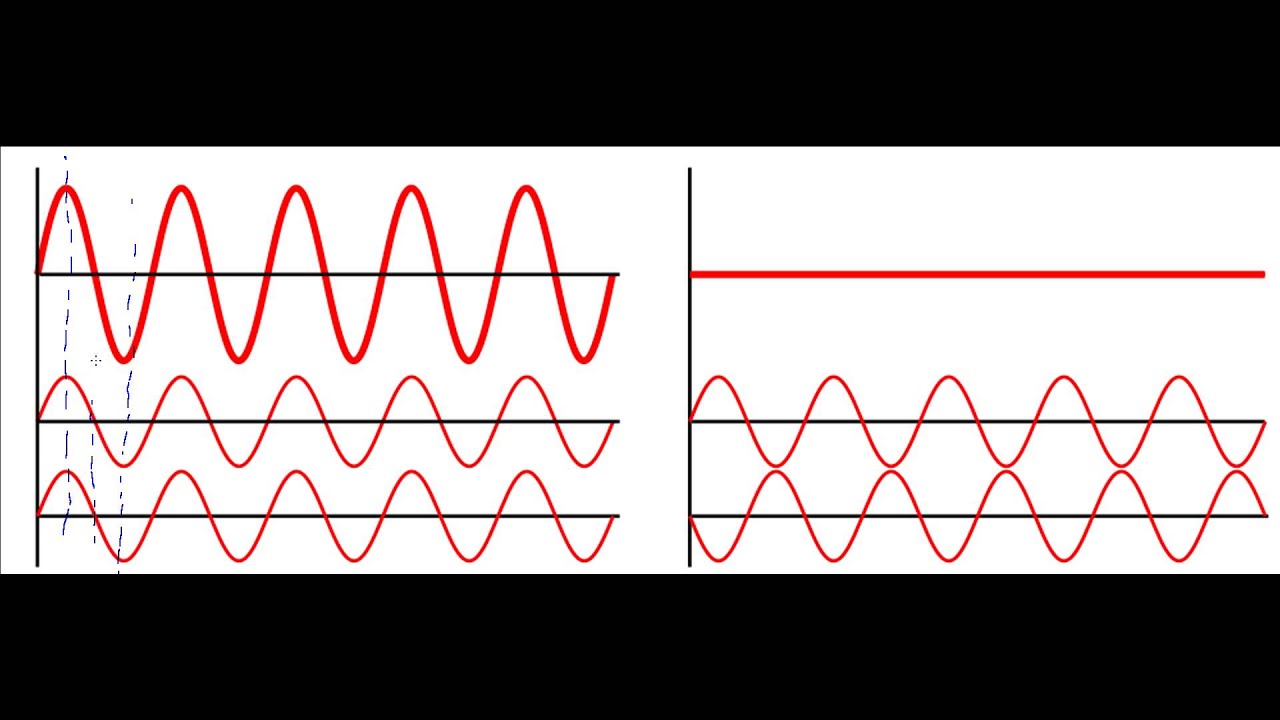
When two waves overlap, constructive interference occurs when their peaks align (path length difference is an integer multiple of wavelength), creating a wave twice as large; destructive interference occurs when peaks align with troughs (path length difference is a half-integer multiple of wavelength), causing complete cancellation. If the waves are initially pi-shifted (out of phase), these conditions reverse: integer path length differences cause destructive interference while half-integer differences cause constructive interference.
Constructive & Destructive Interference | Physics Lesson
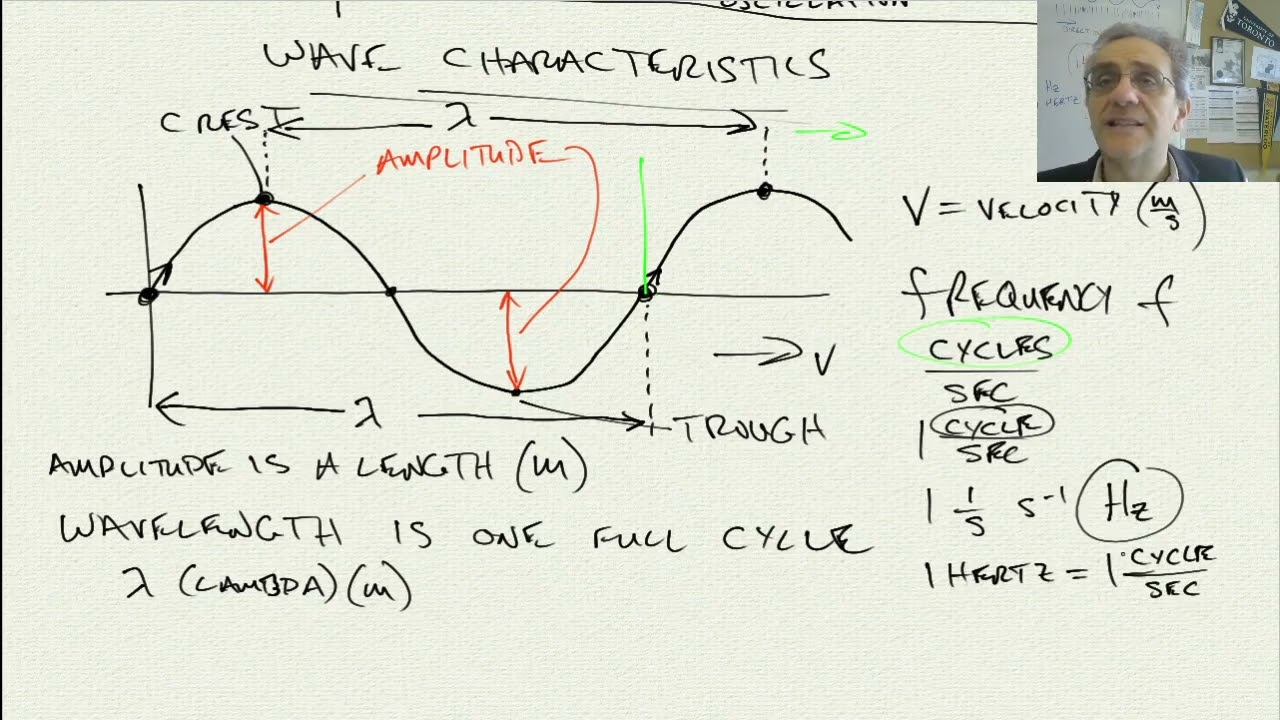
Added:Basic wave anatomy and properties, including amplitude, frequency, wavelength, and velocity.
The Principle of Superposition, which explains how multiple waves combine at a single point in space.
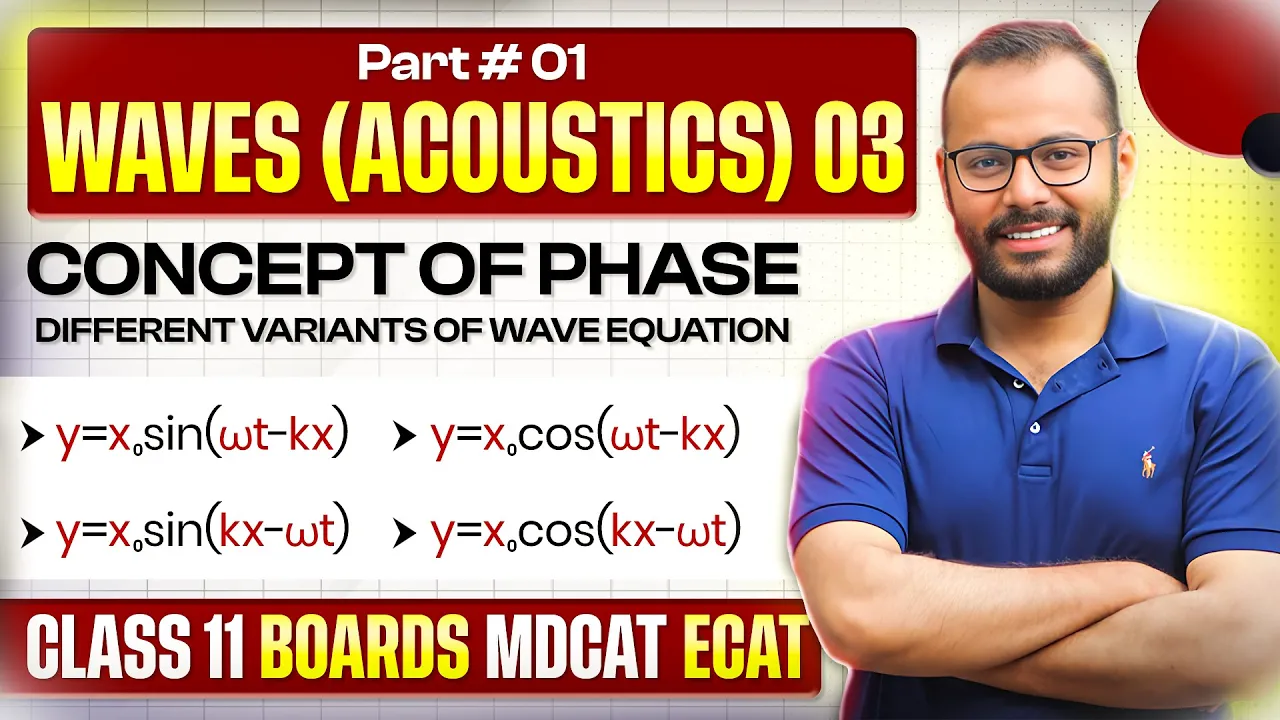
The concept of wave phase and how phase angles are represented mathematically in radians (e.g., 2pi as a full cycle).
Wave behavior at boundary interfaces, specifically fixed-end versus free-end reflections and how they affect phase.
Young's Double-Slit Experiment and how it mathematically models constructive and destructive interference fringes on a screen.
Thin-film interference, applying path length difference and phase changes (pi shifts) to light reflecting off thin layers like oil slicks or soap bubbles.
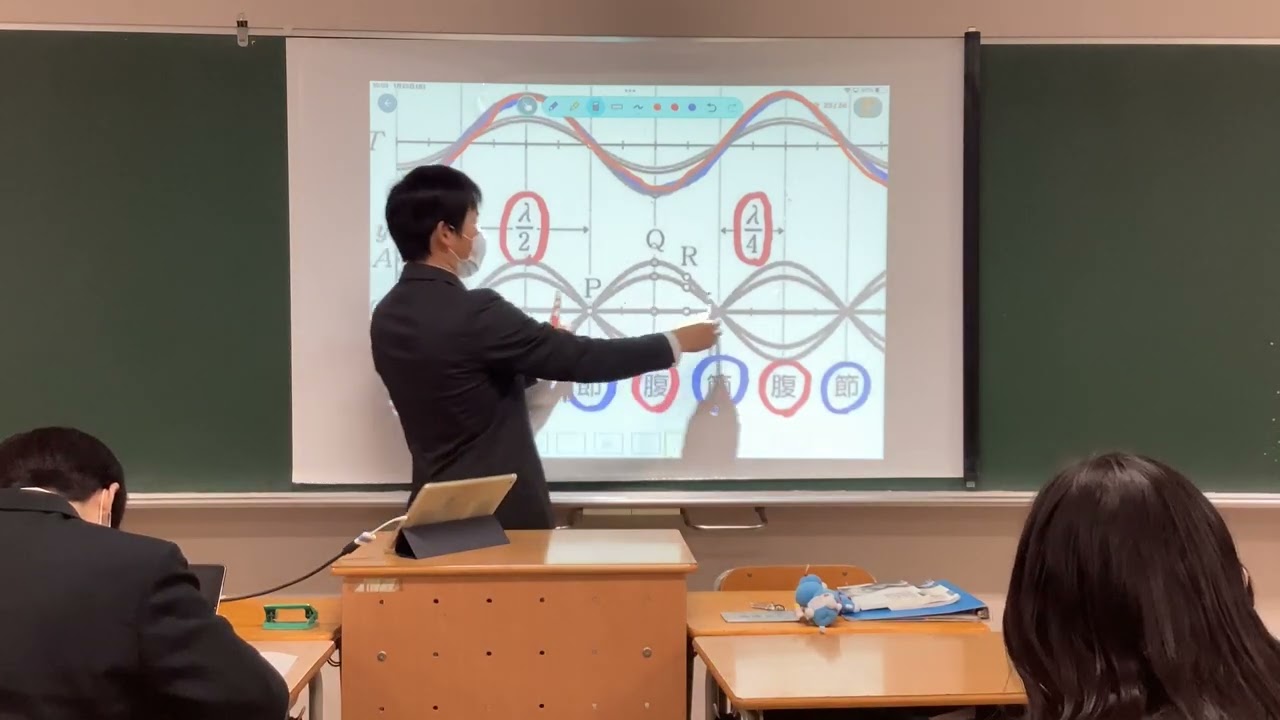
The physics of standing waves, resonance, and the formation of nodes and antinodes in musical instruments.
The operation and applications of interferometers, such as the Michelson Interferometer used in high-precision scientific measurements.
469.1K views4.8Klikes13:44Original Release: 2016-07-29
so imagine you've got a wave source this could be a little oscillator that's creating a wave on a string or a little paddle that goes up and down that creates waves on water or a speaker that creates sound waves it could be any wave source whatsoever creates this way of a nice simple harmonic wave now let's say you've got a second wave source if we take this wave source the second one we put it basically right on top of the first one we're going to get wave interference because wave interference happens when two waves overlap and if we want to know what the total wave is going to look like we add up the contributions from each wave so if i put a little backdrop in here and i add the contributions if the equilibrium point is right here so that's where the wave would be zero the total wave can be found by adding up the contributions from each wave so if we add up the contributions from wave one and wave two wave one here has a value of one unit wave two has a value of one unit one unit plus one unit is two units and then zero units and zero units is still zero negative one and negative one is negative two and you keep doing this and you realize weight you're just gonna get a really big cosine looking wave and it's gonna drop down to here and we say that these waves are constructively interfering we call this constructive interference because the two waves combined to construct a wave that was twice as big as the original waves when two waves combine and form a wave bigger than they were before we call it constructive interference and because these two waves combined perfectly sometimes you'll hear this as perfectly constructive or totally constructive interference you can imagine cases where they don't line up exactly correct but you still might get a bigger wave in that case it's still constructive it might not be totally constructive so that was constructive interference and these waves were constructive think about it because this wave source 2 looked exactly like wave source 1 did and we just overlapped them and we got double the wave which is kind of like all right duh that's not that impressive but check this out let's say you had another wave source a different wave source too this one is what we call pi shifted because look at it instead of starting at a maximum this one starts at a minimum compared to what wave source 1 is at so it's one half of a cycle ahead of or behind of wave source one half of a cycle is pi because a whole cycle is two pi that's why people often call this pi shifted or 180 degrees shifted either way it's out of phase from wave source one by half of a cycle so what happens if we overlap these two now i'm gonna take these two let's get rid of that there let's just overlap these two and see what happens i'm gonna overlap these two waves and we'll perform the same analysis i don't really even need the backdrop now because look at i've got one and negative one one and negative one zero zero and zero zero negative one and one zero zero and zero zero no matter where i'm at a half a negative half zero these two waves are gonna add up to zero they add up to nothing so we call this destructive interference because these two waves essentially destroyed each other this seems crazy two waves add up to nothing how can that be the case are there any applications of this well yeah so imagine you're sitting on an airplane and you're listening to the annoying roar of the airplane engine in your ear it's very loud and it might be annoying so what do you do you put on your noise canceling headphones and what those noise cancelling headphones do they sit on your ear they listen to the wave coming in this is what they listen to the sound wave coming in and they cancel off that sound by sending in their own sound but those headphones pi shift the sound that's going into your ear so they match that roar of the engine's frequency but they send in a sound that's pie shifted so that they cancel and your ear doesn't hear anything now it's often not completely silent they're not perfect but they work surprisingly well they're essentially fighting fire with fire they're fighting sound with more sound and they rely on this idea of destructive interference they're not perfectly totally destructive but the waves i've drawn here are totally destructive if they were to perfectly cancel we'd call that total destructive interference or perfectly destructive interference and it happens because this wave we sent in was pi shifted compared to what the first wave was so let me show you something interesting if i get rid of all this let me clean up this mess if i've got wave source 1 let me get wave source 2 back so this was the wave that was identical to wave source 1. we overlap them we get constructive interference because the peaks are lining up perfectly with peaks and these valleys or troughs are matching up perfectly with the other valleys or troughs but as i move this wave source two forward look at what happens they start getting out of phase when they're perfectly lined up we say they're in phase they're starting to get out of phase and look at when i move it forward enough what was a constructive situation becomes destructive now all the peaks are lining up with the valleys they would cancel each other out and if i move it forward a little more it lines up perfectly again you get constructive move it more i'm going to get destructive keep doing this i go from constructive to destructive over and over so in other words one way to get constructive interference is to take two wave sources that start in phase and just put them right next to each other and a way to get destructive is to take two wave sources that are pi shifted out of phase and put them right next to each other and that'll give you destructive because all the peaks match the valleys but another way to get constructive or destructive is to start with two waves that are in phase and make sure one wave gets moved forward compared to the other but how far forward should we move these in order to get constructive and destructive well let's just test it out we start here when they're right next to each other we get constructive if i move this second wave source that was initially in phase all the way to here i get constructive again how far did i move it i moved it this far the front of that speaker moved this far so how far was that let me get rid of this that was one wavelength so look at this picture from peak to peak is exactly one wavelength and we're assuming these waves have the same wavelength so notice that essentially what we did we made it so that the wave from wave source two doesn't have to travel as far to whatever is detecting the sound maybe there's an ear here or some sort of scientific detector detecting the sound wave source two is now only traveling this far to get to the detector whereas wave source one is traveling this far in other words we made it so that wave source one has to travel one wavelength further than wave source two does and that makes it so that they're in phase and you get constructive interference again but that's not the only option we can keep moving wave source two forward if we move it all the way to here we've moved it another wavelength forward we again get constructive interference and at this point wave source one is having to make its wave travel two wavelengths further than wave source two does and you can probably see the pattern no matter how many wavelengths we move it forward as long as it's an integer number of wavelengths we again get constructive interference so something that turns out to be useful is a formula that tells us all right how much path length difference should there be so if i'm going to call this x2 the distance that the wave from wave source 2 has to travel to get to whatever's detecting that wave and the distance x1 that wave source 1 has to travel to get to that detector so we could write down a formula that relates the difference in path length i'll call that delta x which is going to be the distance that wave 1 has to travel minus the distance that wave 2 has to travel and given what we saw up here if this path length difference is ever equal to an integer number of wavelengths so if it was zero that was when they were right next to each other you got constructive when this difference is equal to one wavelength we also got constructive when it was two wavelengths we got constructive it turns out any integer wavelength gives us constructive so how would we get destructive interference then let's continue with this wave source that originally started in phase right so these two wave sources are starting in phase how far do i have to move it to get destructive let's just see i have to move it till it's right about here so how far did the front of that speaker move it moved about this far which if i get rid of that speaker you can see is about half of a wavelength from peak to valley is one half of a wavelength but that's not the only option i can keep moving it forward let's just see that's constructive my next destructive happens here which was an extra this far how far was that let's just see that's one wavelength so notice at this point wave source one is having to go one and a half wavelengths further than wave source two does so let's just keep going move wave source two that's constructive we get another destructive here which is an extra this far forward and that's equal to one more wavelength so if we get rid of this you can see valley to valley is a whole another wavelength so in this case wave source two has to travel two and a half wavelengths farther than wave source two anytime wave source one has to travel a half integer more wavelengths than wave source 2 you get destructive interference in other words if this path length difference here is equal to lambda over 2 3 lambda over 2 which is one and a half wavelengths five lambda over two which is two and a half wavelengths and so on that leads to destructive interference so this is how the path length differences between two wave sources can determine whether you're going to get constructive or destructive interference but notice we started with two wave sources that were in phase these started in phase so this whole analysis down here assumes that the two sources started in phase with each other i.e neither of them or pi shifted what would this analysis give you if we started with one that was pi shifted so let's get rid of this wave 2 let's put this wave 2 back in here remember this one this one was pi shifted relative to relative to wave source one so we'll put this one in here and we'll get rid of this now when these two wave sources are right next to each other you're getting destructive interference so this time for a path length difference of zero right these are both traveling the same distance to get to the detector so x1 and x2 are going to be equal you subtract them you'd get zero this time the zero is giving us destructive instead of constructive so let's see what happens if we move this forward let's see how far we've got to move this forward to again get destructive we'd have to move it over to here how far did we move it let's just check we moved the front of the speaker that far which is one whole wavelength so if we get rid of this we had to move the front of the speaker one whole wavelength and look it again it's destructive so again zero gave us destructive this time and lambda's giving us destructive and you realize oh wait all of these integer wavelengths if i move it another integer wavelength forward i'm again going to get destructive interference because all these peaks are lining up with valleys so interestingly if two sources started pi out of phase so i'm going to change this started pi out of phase then path length differences of zero lambda and two lambda aren't going to give us constructive they're going to give us destructive and so you could probably guess now what are these path length differences of half integer wavelengths going to give us well let's just find out let's start here and we'll get rid of these let's just check we'll move this forward one half of a wavelength and what do i get yep i get constructive so if i move this pi shifted source half a wavelength forward instead of giving me destructive it's giving me constructive now and if i move it so it goes another wavelength forward over to here notice this time wave source one has to move one and a half wavelengths further than wave source two that's three halves wavelengths but instead of giving us destructive look these are lining up perfectly it's giving us constructive and you realize oh all these half integer wavelength path length differences instead of giving me destructive are giving me constructive now because one of these wave sources was pi shifted compared to the other so i can take this here and i can say that when the two sources start pi out of phase instead of leading to destructive this is going to lead to constructive interference and these two ideas are the foundation of almost all interference patterns you find in the universe which is kind of cool if there's an interference pattern you see out there it's probably due to this and if there's an equation you end up using it's probably fundamentally based on this idea if it's got wave interference in it so i should say one more thing that sources don't actually have to start out of phase sometimes they travel around things happen it's a crazy universe maybe one of the waves gets shifted along its travel regardless if any of them get a pie shift either at the beginning or later on you would use this second condition over here to figure out whether you get constructive or destructive if neither of them get a phase shift or interestingly if both of them get a phase shift you could use this one because you can imagine flipping both of them over and it's the same as not flipping any of them over so recapping constructive interference happens when two waves are lined up perfectly destructive interference happens when the peaks match the valleys and they cancel perfectly and you could use the path length difference for two wave sources to determine whether those waves are going to interfere constructively or destructively the path length difference is the difference between how far one wave has to travel to get to a detector compared to how far another wave has to travel to get to that same detector assuming those two sources started in phase and neither of them got a pie shift along their travels path length differences of integer wavelengths are going to give you constructive interference and path length differences of half integer wavelengths are going to give you destructive interference whereas if the two sources started pi out of phase or one of them got a pi phase shift along its travel integer wavelengths for the path length difference are going to give you destructive interference and half integer wavelengths for the path length difference are going to give you constructive interference
Up Next

21:14
Telescope Resolution Explained: Aperture, Wavelength & JWST
@HuygensOptics
224.9K views•2022-01-10

12:53
21cm Hyperfine Transition in Neutral Hydrogen: Radio Astronomy Basics
@AaronRobertParsons
12.4K views•2011-10-13
14:45
Simple Pendulum Period: Physics Tutorial
@khanacademyphysics7609
384.2K views•2016-07-29

27:14
Entropy and the Second Law of Thermodynamics Explained
@veritasium
27.5M views•2023-07-01
Related Study Plans & Knowledge Roadmaps
Structured learning paths in Physics
physics
Nuclear Physics (Decay, Fission & Reactors)
01Atomic Structure and the Binding Force
02Radioactive Decay and Half-Life
03Nuclear Fission Mechanics and Chain Reactions
+ 2 more learning modules
12h5 modules
Explore Roadmap
physics
Soft Matter (Polymers, Colloids & Rheology)
01Foundations of Soft Matter & Thermal Forces
02Polymer Physics and Macromolecules
03Colloids, Surfactants, and Self-Assembly
+ 2 more learning modules
38h5 modules
Explore Roadmap
physics
Analytical Mechanics: Lagrangian & Hamiltonian
01Mathematical Foundations: Calculus of Variations
02From Newtonian Mechanics to Constraint Dynamics
03The Principle of Least Action & Lagrangian Mechanics
+ 3 more learning modules
28h6 modules
Explore Roadmap
physics
General Relativity (Spacetime & Cosmology)
01Foundations of Relativity: Special Relativity
02The Geometry of Spacetime: Equivalence Principle & Curvature
03Einstein's Field Equations: The Mathematics of Gravity
+ 2 more learning modules
55h5 modules
Explore Roadmap