


















Toxicology is the study of adverse chemical effects on the body, with approximately 24 toxins accounting for 80% of emergency department visits; drug testing is essential for patients with altered consciousness or suspected substance ingestion, requiring proper specimen collection (blood or urine), understanding routes of exposure (skin, GI, lungs, injection, eyes), and interpreting dose-response curves including TD50 and LD50 values; common toxins include methanol (treated with ethanol to block metabolism), isopropanol, ethylene glycol, carbon monoxide, and various heavy metals like lead and mercury; drugs of abuse testing uses immunoassay screening followed by GC/MS confirmation, with specific cutoff levels for each substance (e.g., amphetamines 1,000 ng/mL, cocaine 300 ng/mL, marijuana 50 ng/mL).
Clinical Chemistry 1: Toxicology & Drugs of Abuse Testing
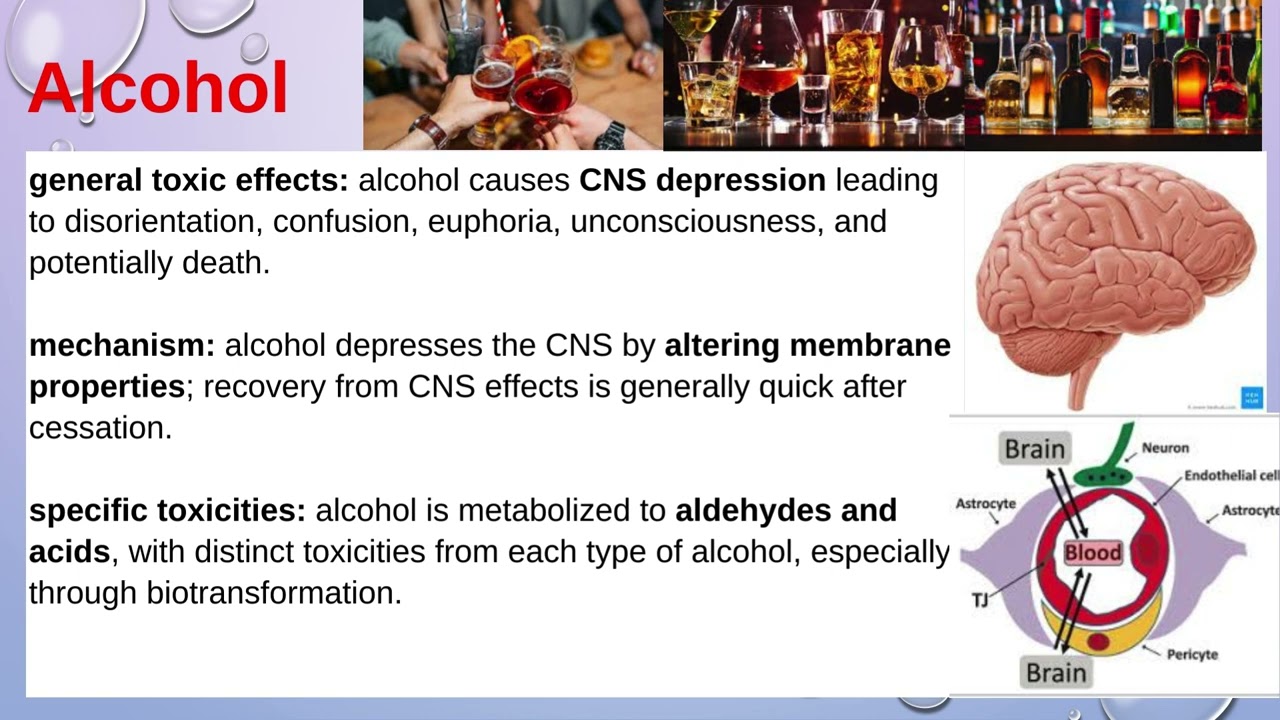
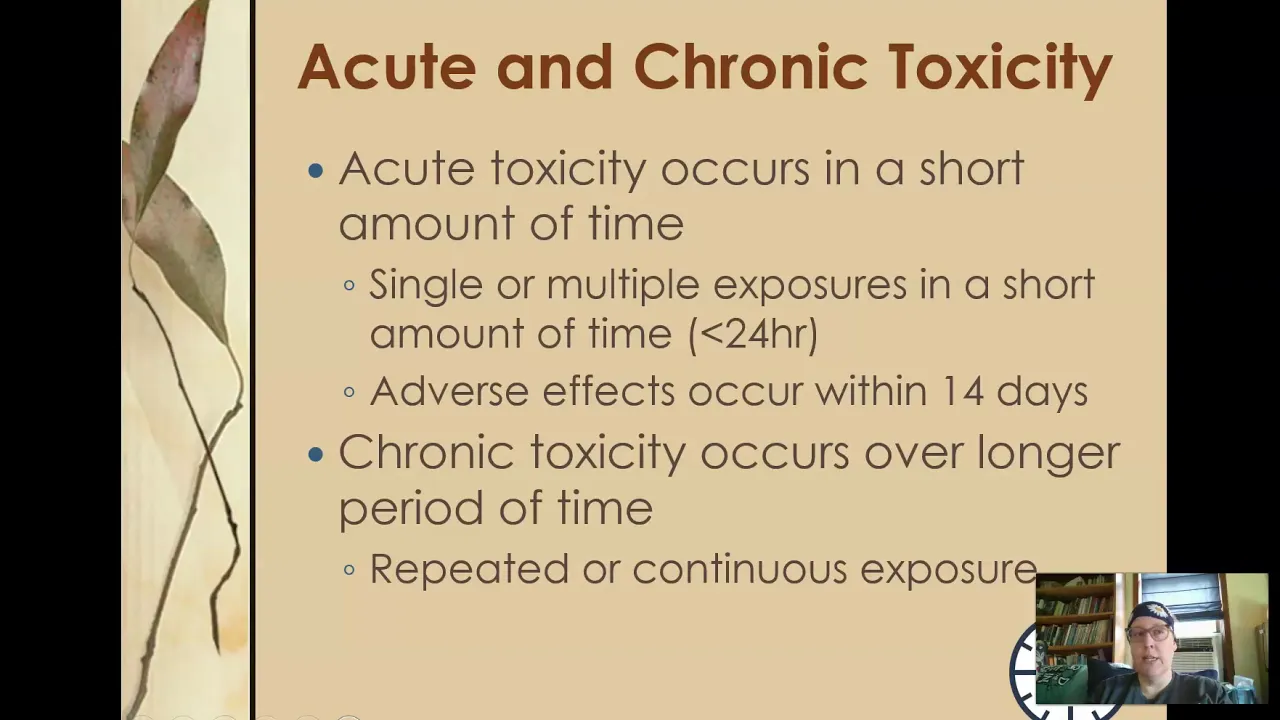
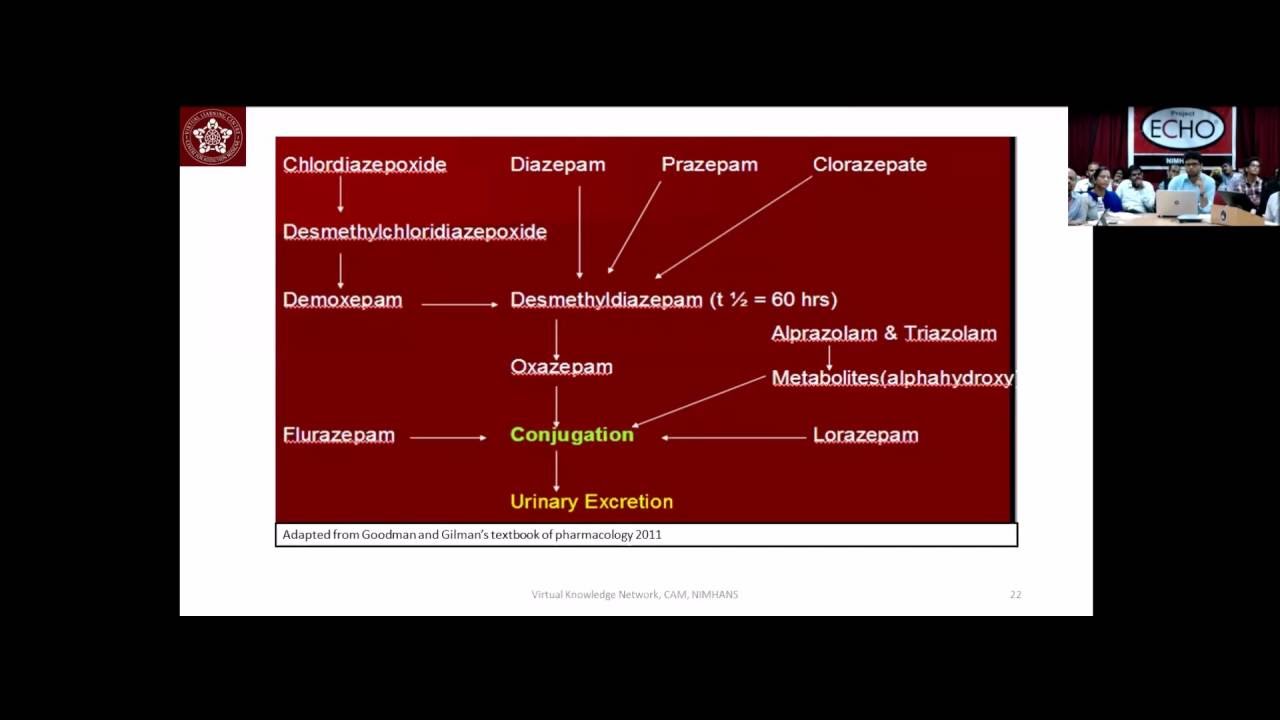
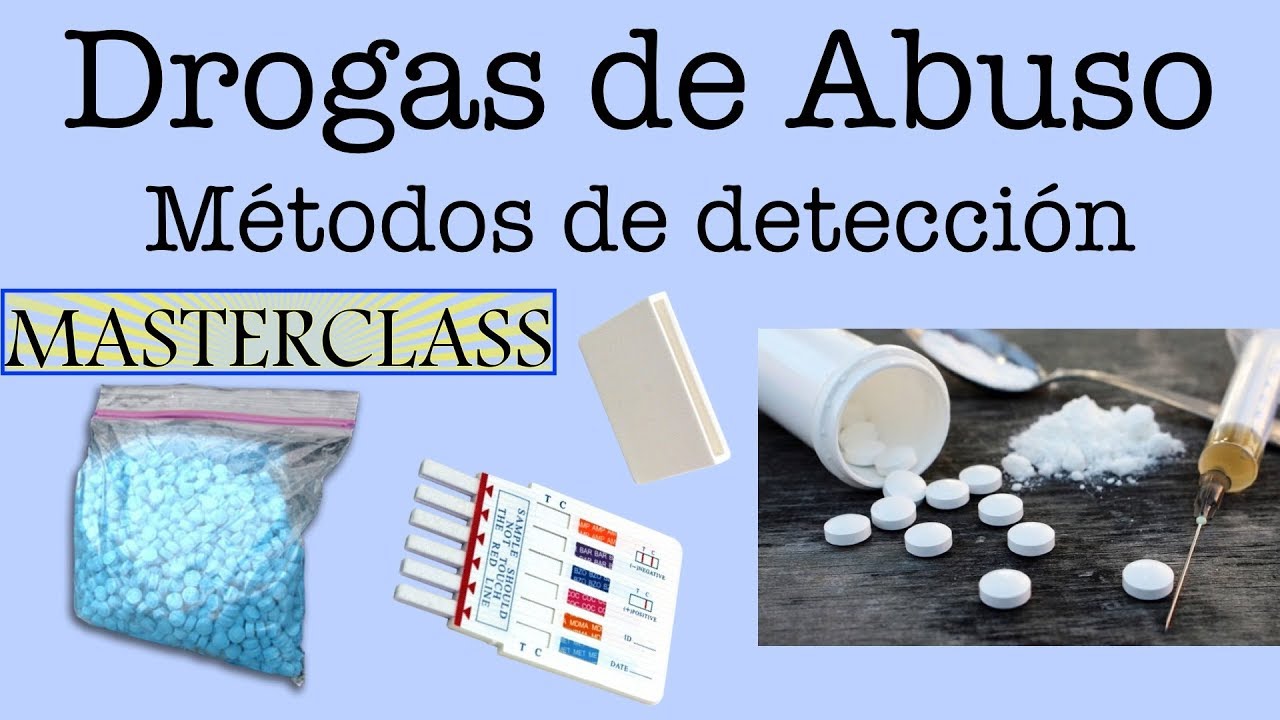
Added:hi everyone this is dr a and i have your cling chem one lecture on toxicology and whether that we're going to look at drugs of abuse testing okay so toxicology is the study of the adverse effects of chemicals on the body all kinds of chemicals so it could be drugs but it could also be you know pollutants and things you might be exposed to there are approximately 24 toxins or drugs that account for about 80 of emergency department visits and we're going to look at a lot of these um and so the uses for drug testing are um a lot of times like if a patient comes in and they're unconscious or there's something going on and there's any kind of suspicion that it might be um have ingested some drugs and we're just not sure what it is and that's would be a good call for drug testing so anytime there's kind of altered consciousness or um somebody is unconscious or um we we need to be able to they maybe or they're not coherence and we need to be able to determine maybe what's going on that would call for for drug testing um and there are certain amount of clinical information that's very useful to collect when we start looking at drug testing so um if it is possible to get this information the time and date of exposure is really good so of course if the person is unconscious and you know nobody's witnessed them taking anything then this is some data you may not have but sometimes people will come in and have having intentionally taken um a whole bunch of tylenol or so some other prescription drug and they they know they've taken it they know what they've taken and they can tell you usually what they've taken and they know when they've taken it how long ago so so if you have that as a great great information to have but if if not at the very least you need the time and date of the specimen whether that specimen is blood or urine and it's good of course the physician and nurses will collect the history and current medical condition information so a toxidrome is a specific toxic syndrome that is created by a drug and so it's like the effects that you that can be seen or measured or experienced um and so it would be like whether the exposure to a specific toxin does it give you a person difficulty breathing does it sedate them does it cause nausea vomiting diarrhea does it cause a rash like what's what's going on in and so um a toxidrome is a collection of signs and symptoms associated with that particular chemical and there are databases for this that can be accessed to check if needed so the routes of exposure are important in the influence of toxicity so for example on the skin the the ones you uh one need to be concerned about on fat soluble chemicals because fast soluble chemicals can easily absorb through the skin whereas water soluble ones will be more likely to roll off and not not soak through anything injustice or anything that goes into the gi tract can be absorbed so just to be concerned there if something was ingested um in the lungs um it is a fastest route so if a a gas or something was inhaled um so the biggest problem is it can damage the mucosa and uh that can cause a lot of inflammation in you know fluid accumulating in the lungs in a lot of difficulty breathing injection usually does drugs of abuse so given intentionally through needles in the veins they are very few toxins other than drugs of abuse that would be injectable and then eyes would be a chemical splash or a gas exposure to a gasoline in the lungs like inhale but also then it could come up into the eyes and so um for in certain fields that might be why you want to to wear protective gear around the eye but also protective gear around the mouth so a little bit about the dose response relationship because this can be quite complicated especially in toxicology so a dose response curve has to be set for each chemical or drug and it's a comparison of the responses over a range of doses and some of these may come from you know estatology studies animal studies or known exposures and documentation of effects on known exposure so the in the dose response curve the td 50 so toxic dose 50 is the dose at which 50 percent of the population will experience a toxic adverse effect so something that can be seen measured experience you can see what's going on the ld50 is lethal those 50 is the dose at which 50 of the population will experience the leaf that blows will die at that dose so again we're talking about toxin toxic chemicals etc just to give you an appreciation of all the different types of dose response curves you can see there is a variety we tend to assume it's this way because it's nice and pretty and linear and you think oh yeah at the very low dose that have small effect but the higher the dose the more effect it's going to have that's nice and pretty clean but no so uh they could be here where there's a certain effect at any kind of dose but then when you reach a certain threshold it gets worse and worse and worse and the effect or there's a lot of chemicals out there that have this type of curve meaning very low levels so very low dose and really high dose have the most toxic effects whereas kind of a middle of the road dose has a least amount of toxic effect um anyway so just give you an appreciation like there are so many different types of dose response curves for different chemicals you cannot assume that everything is nice and pretty and linear um and so there's a couple other terms you need to be aware of that you'll see used so the noel is the no effect level um and the low l is the lowest effect level of substance um and this is usually it could be a prescription drug or something that is actually not really a toxin so it could even be a vitamin and stuff so um so this is um showing like uh where there's no effect where does the lowest effect so the lowest effect then would be if it was something beneficial would be the minimum dose that you would want to take to be able to start seeing an effect of something beneficial um then when we really refer to um toxins and drugs and things that are that are bad um is the the no way yell so no adverse effect level in the low aels the lowest level at which there's an adverse effect and so this is um the for for toxins so um a certain level no adverse effect or the lowest level at which you start seeing in effect obviously anything above that the effect might be worse depending again on the dose response curve um poisons generally have no well-defined safe levels um they're really they're really not supposed to be in our body we're really not supposed to be exposed to um uh additional such levels so even though um you may see sometimes um on your like water reports there's uh water quality for you tap water there's like oh this is the level of this this this and this well some of those you know they may have deemed these levels safe but are they really safe because there's you know some of these chemicals or toxins really have no business being in your body and then some chemicals can exhibit bioaccumulation and those that exhibit by accumulating bioaccumulation don't really have a dose response curve because they slowly your body basically hides it away in your fat cells so usually these are lipophilic uh chemicals and the body has a hard time maybe detoxifying them or getting rid of them and so what it does is it goes and stashes them in your fat cells this if you have bioaccumulation of chemicals in fat cells it can make it really hard to lose weight because the body doesn't want to let go of the toxins and a lot of the endocrine disruptors kind of fall into those all the plasticizers bpa etc those guys can exhibit bioaccumulation and accumulate in someone's fat cells okay so first little question for you guys to think of uh so look up a chemical that's either an endocrine structure or exhibits bioaccumulation and enter its name here and where it can be found is it in the food supply cosmetics cleaning supplies industrial manufacturing etc so if you're at home you want to do that you can of course you're in my class you're going to do it so um there we go a little exercise a little practical application here okay so let's move on and talk about acute and chronic toxicity so pretty standard here acute toxicity occurs in a short amount of time you either get one or multiple exposures in less than 24 hours and see adverse effects within two weeks so within 14 days chronic toxicity is a lot harder to pick up on because it's like low level exposure over long periods of time and so for example chronic toxicity could come from drinking tap water that has low levels of certain chemicals and you just day by day day by day or just taking a little bit in a little bit in and so you get repeated continuous exposure this can also happen with things such as pollutants in the air etc so and it's just it's hard because you're like not really aware of it okay so next little application question so if you live in a rural area in your fields that are spread with chemicals every year during the growing season what type of toxic chemical exposure would you be getting which is going to be acute or chronic so think about that one for a second pretty easy application on that one okay so next we're going to talk about specimen collection and handling for toxicology so generally blood or urine onto specimens of choice and the the container or the type of anticoagulant or preservative for the blood you need to refer to the specific type of test that's done and what the reference lab requires um and the detection window is different whether you use blood or urine so in blood is within hours is you're in you're in this within days so you're going to see a lot of toxicology testing is going to be done in urine and there's other specimens that can be done for forensics and all that so like hair there's some toxins and things that can accumulate in hair um you can do 24-hour urines also um and then it's possible to do post-mortem samples and somebody that's passed away if you know maybe it was an acute exposure um so for forensic testing and in that you can use eye fluid stomach fluid or cerebrospinal fluid so let's talk a little bit about all the all the dirt adulteration sorry about that can you see it so adulteration is tampering with a sample or manipulating the specimen in a way to alter the test results so these are basically people that are trying to fake out to beat the test um because they have been taking a substance they're not supposed to be taking it and they want it to test negative and so um these adulterations can cause false negative results a lot of them can be purchased over the internet um and you can test for alteration by performing a creatinine test so a test for dilution of the urine so sometimes uh the you know a person might try to put a little bit of urine in there and then maybe get some pot a little potty water or something to to dilute it and hope that it reads negative you can touch the ph specific gravity and then it's possible to test for different older iterations substances are sold over the internet so here is what a typical test strip you can do to check for alteration some of the ways around it is going to be a supervised collection they are some places that do a lot of um urine drug screens uh where they don't want all the adulteration that will put dye in the potty water shut off the water supply you um the the sink is not even in the same room and um in some places there's no door on the stall so you have to like supervise watch them actually pain uh and then you can also use temperature strips to make sure that that urine is actually at body temperature but some people can be quite slick um they can trust um to put the urine sample from somebody that didn't know was going to test negative and they actually you know tuck it away in a bag or something close to their body get it nice and warm body temperature and then they they put it into the cup you know to you know pass it as their own so there's a lot of creative ways people use to get around you know past basically being able to to get a negative drug screen when they really are positive or something so so again uh one way list away a urine specimen for drug testing can be unadulterated or modified um so um we do both screening and confirmation testing for drugs of abuse so d.a used abbreviation use for drugs and abuse testing so um the ones that are performed at hospitals and ers and are usually just a screening test and they often include the statement that simply the results are to be used for medical purposes there are just presumptive positives because there are things that can interfere and cause false positives in the screening test um if something needs to be confirmed for a reason or another for legal purposes or whatever they can do a gcms so gas chromatography mass spectrometry conformation tests and those are accurate they're not subject to interferences like the screening test it's about part of it's because the screening tests use immunoassays the osmolar gap can also be used an elevated osmolar gap provides an indirect evidence of the presence of an abnormal solute so the osmolar gap is the difference between the calculated osmolarity and the measured one and so if there is a difference between the two then it means that um the the test and measure that actually measure dollars morality detected some substances that are not being tested for in the normal chemistry panel and then neonatal drug testing is often performed on the meconium sample the meconium is the first bowel movement of the baby and obviously that type of testing would be to detect whether the mom was using drugs so a little bit on chain of custody this is going to vary by hospital whether they actually even mess with chain of custody or not but chain of custody is a process to have to be followed for evidence to be legally defensible which is means acceptable to courts and governmental agencies which is why a lot of hospitals and stuff don't really want to mess with it because they don't want to be called into court have to testify but if you are in a facility or if you're working for an agency that does legal drug testing then you have to abide with the chain of custody stuff and so uh evidence collectors have to be a neutral party so you can't be related or know the person that's given the sample you have to have no personal interest in the test results right um and the whole chain of std maintains control and accountability sorry accountability so the document actually what it looks like is um the the specimen is provided by you know witness usually provided by the the patient and then the patient has to sign the form and then the person that witnessed a collection has to sign a form meaning they take custody of that specimen and then they secured a specimen and then the person that picks up in the courier that transports the pessimist specimen has to sign it and then the uh once it's delivered if somebody receives it and processes it in they have to sign this the the form and then the person that actually opens the sample and does the testing and results out if that's the same person they have to sign it anyway and so basically it documents every single person that has touched or handled the sample um so you know the process can be scrutinized if you will uh a specimen urine specimen that is given for legal purposes for drug testing is usually in a sealed container temper evident container so that the it's given by the patient and then the lid is put on it and then the tamper seal is put in front on it in front of the patient usually patients signs their initials on there and then the the sample and the chain of custody forms stay together uh all the way through the entire process so we're gonna start with a little case before we get into specific toxins and toxicology so carl was found unconscious outside of his home on a snowy day it was brought to the er and in the labs lots of labs were run and his chemistries and abg's were normal except the abg revealed a carboxy hemoglobin level of 20 so that means he had carbon monoxide exposure so what could have happened in the winter time to give him carbon monoxide uh poisoning and how is carbon monoxide poisoning lethal okay so y'all think on that and then when we get to it in their lesson we will talk about it so if you need my class you're going to answer some answers to these two questions and then but we're going to start with the conditions that are caused by polymet so polygons are substances that contaminate air in water they can cause short-term acute effects or long-term chronic effects so some of the ones especially well known to cause long-term chronic effects are going to be smog so for example this is smog over la and there are other um cities and stuff that have smog this is pollution caused by all the cars etc second-hand smoke um can be really dangerous too again chronic exposure long-term especially to spouses and children of smokers cigarette smoke itself again um really not good for your health at all radiation exposures all of these things are types of party ones that you can get chronic long-term exposure to so let's look at specific toxic agents we'll start with methanol methanol is a wood alcohol it can contaminate moonshine so it's obviously not supposed to be indian moonshine it's supposed to be just ethanol right but methanol could be mixed with ethanol and be hard to detect and a toxic dose can be as little as four milliliters that is not a lot um it can be detected using a serum osmolality test again um it would cause an increase in serum osmolality and with a small water gap you would see a difference between the measured measure to be much higher than you calculated you can also do gcms to detect methanol so once methanol ingestion is confirmed oddly enough patients are given ethanol or from episode to inhibit the metabolism of methanol so the the deal with methanol is the metabolites are what's toxic um and the methanol and ethanol are eliminated in a zero-order enzymatic reaction by the liver meaning that there's only a certain amount of enzyme enzymes that can process it and it process it at a steady rate and you can't like having more doesn't speed up the reaction or anything like that so that's why it's zero order and so uh the idea is to block the uh metabolism of methanol by saturating in the enzymes with ethanol and therefore allowing the body to simply pass methanol in the urine as methanol and not as its toxic metabolites which are formic acid in lactic acid um but if the formic acid and lactic acid do accumulate then sodium bicarb can be given to alleviate the metabolic acidosis and in severe cases you might have to do hemodialysis to clear the methanol and formic acid next we have isopropanol that is a disinfectant rubbing alcohol um it's metabolized to acetone why would that be a problem well um basically um in case you didn't know if you have somebody that's really addicted to alcohol and that don't have access to alcohol and you leave them in er room and there's rubbing alcohol pads they will start tearing the rubbing alcohol pads and sucking on the pads to get a certain amount of alcohol and of course it's iso propanol it's not ethanol but it kind of has so many same effects so um it is metabolized acetone again which has no business in your body in the body either 250 milliliters is lethal so it's a much bigger lethal dose than methanol and it can be detected by high performance liquid chromatography and gas chromatography mass spectrometry ethylene glycol is antifreeze the metabolites also are toxic uh and one of the metabolites is oxalic acid and it will crystallize as calcium oxalate crystals which are shown right here very pretty crystals they'll show up in the urine uh but this can cause kidney failures this is really bad um so usually ethylene glycol and a freeze ingestion is done on purpose although or somebody could be trying to kill somebody by poisoning them it's um used to i think they've changed it used to be like really sweet so you can like hide it in sodas and stuff um but um most of the time this is an intentional ingestion for suicide attempts um so ethylene glycol ingestion will lead to a profound acidosis and the goal of the therapy and ethylene glycol is to try to treat the patient before the acidosis develops and a toxic dose is 100 grams which is not that much really next we have formaldehyde it is a carcinogen it is of concern because it is used extensively in labs in physician offices that collect tissue samples to preserve these tissue samples and anybody that handles formaldehyde there's mandatory testing that requires to ensure that the formaldehyde exposure levels do not exceed acceptable levels and so the staff has to work that works where they have to wear a formaldehyde exposure badge that detects the amount that they are exposed to and then they're sent out every year to an outside agency for analysis and all of that stuff is tracked benzene uh it comes from crude oil processing of crude oil and it's found in car exhaust it is a carcinogen and again low levels can cause toxicity so that could be in smog cds and all that if you breathe out a lot and xylene is a used in petroleum refining so again same thing solvent um car pollution has xylene but paint fumes also has xylene next we have carbon monoxide so this was the um case call's case call got exposed to carbon monoxide so likely what happened is not so much that he would have a fire although it can get carbon monoxide exposure in house fires and stuff through the exposure of the the smoke um but often if there is um gas furnace or something and um the pilot light goes out or or something in and the gas is going into the house but it's not lit it's not being burnt then you can have an accumulation of carbon monoxide and carbon monoxide poisoning it is a silent killer because you can't really smell it detect it it induces hypoxia so it drives oxygen concentration way down and it does that because carbon monoxide has a greater affinity for hemoglobin and oxygen so it basically binds on hemoglobin and it won't let oxygen bind and it does never unbind and so um every cell that's taken up with carbon monoxide molecules cannot carry oxygen in your red cells and so we can test for carbon monoxide in hemoglobin so carboxy carboxyhemoglobin and other hemoglobin variants using certain blood gas analyzers that have the co-oximeters that due to blood glycerin so most most abg's do test for this cyanide exposure can occur through pest control and so it's in like rat poisons and stuff um organophosphate exposure can occur around insecticides and um radon will be around at home especially newer homes or homes where they have like um manufactured furniture that's pretty recent that's like off gassing some of this stuff household products we have bleach so um first of all it should handle bleach with gloves it can absorb through your skin etc but if it is mixed with ammonia it can make chlorine gas and just ammonia can be found in window cleaners so some cleaners have ammonia some cleaners have bleach and chlorine gas is deadly uh and so you should never mix different cleaners you need to watch which cleaners you spray on what and if you layer them which you shouldn't do and so again you can get either skin or inhalation exposure around bleach you have to be very careful paint so older paints contain lead paints that were made prior to 1960s so that could be a concern especially uh if children are like chewing on something that's an old toy wood toy or something or paint [ __ ] so they're picking up paint chips and chewing on them from an old painted house or something like that so um bug repellents contain deet it's a neurotoxic and ammonia is contained in window cleaners so all of these are things that you definitely want to limit your exposure to so uh this is a little activity for my class to match up some of these so now we're going to move to the toxic metals so aluminum is found in certain antacids in in deodorants uh it has been linked to alzheimer's and breast cancer aluminum has zero uh use in your body like you have no use for aluminum it's it's it's a toxic metal lead is another toxic metal it interferes with the synthetic synthesis of heme from porphyrin so muscles would make into red cells and the anemia caused that a lack of heme is frequently observed in lead toxicity young children are particularly prone to lead toxicity and in young children it can lower iq points cause brain damage cause all kinds of problems it is usually detected by atomic absorption spectroscopy and mass spectrometry the contamination of drinking water with lead is been a concern that was the flint michigan debacle in disaster and this can happen if excess chlorine is used to decontaminate the water so if the waters contaminate they use a lot of extra chlorine and there are lead pipes in the system the chlorine will cause the lead to leak from the pipe sinking in into the water and then children can be exposed to it that way and so can adults but it profoundly it affects children their attention span their iq and their brain development chromium so chromium has a toxic and an essential form so hexavalent chromium or chromium-6 is the toxic form and it's used in factories so it can contaminate it water and soil around factories and trivalent chromium chromium-3 is essential and it's needed to work with insulin for blood sugar control etc next we have arsenic so arsenic exists in both toxic and non-toxic forms uh it's still found in some insecticides um it can be ingested through contaminated water and because it's again some of the stuff can be sprayed on fields and so it can contaminate the water and water supply again it can get acute or chronic exposure acute would be if you're around what's insecticide actually being sprayed or it's a big dose as given maybe as somebody's trying to kill somebody else chronic exposure again would be more like that low level exposure through contaminated water i usually want to do hair and nail analysis for arsenic because it has an affinity for keratin keratin is the protein in hair that makes your hair strong beryllium is used in many commercial uses and it can cause lung inflammation for berylliosis um cadmium is used in electroplating uh and it's found in tobacco and it is toxic to the kidneys mercury is used in the industry and in dental fillings so the silver dental fillings old older double fillings they can accumulate in fishes and shellfishes and mercury can cause protein denaturation so again there's a lot of heavy this is one of the heavy metal toxicity that can go undetected for a long time and cause all kinds of health problems so most clinical labs don't perform metal testing specimens are usually sent to reference labs for metal toxic metal testing and a little activity all right so now we're going to talk about drugs of abuse so many drugs of abuse have addictive potential which is why people abuse them and tolerance is the body's reaction to the drug where the person needs the drug to function even normally and so that of course causes dependence on the drug um drugs of abuse can be recreational drugs or pharmaceutical drugs designer drugs are usually modified recreational or pharmaceutical drugs and can be somewhat harder to detect because they're they're not quite the same testing it's generally done screening by immunoassay and then conformation by gas chromatography mass spectrometry and if it's the test is being performed just for medical reasons usually we don't do confirmation we just do the immunoassay screen um and so basically um the screens will detect the presence of the drug above the limit of toxicity and so that basically the idea is the physician just needs to know what this person has taken so that they can treat them appropriately so first we'll start with amphetamines they are a classical stimulants they increase wakefulness and focus and decrease fatigue and appetite users can develop tolerance they work by boosting norepinephrine dopamine and serotonin which then has these effects again of weight vanes and focus in the central nervous system so your brain and spinal cord and in the peripheral nervous system the short term risk of amphetamine use are going to be high blood pressure and heart attacks the long-term use risk is going to be necrosis of the heart cardiomyopathy and psychosis mdma is also known as ecstasy it is an amphetamine that is often used in night and it increases serotonin levels and the short-term risk of mdma is going to be hyperthermia messes with temperature control so the amphetamines are part of most urine drug tests that are performed into hospitals and the drug screens the typical cutoff is a thousand nanograms per meal this is considered the level of abuse some assays will detect only amphetamines and some will detect and differentiate between amphetamines and methamphetamines um the screens are usually performed for medical reasons and are not sent out for confirmation the if the amount of amphetamine from mdma is greater than a thousand nanograms per ml then it will be detected on an amphetamine screen however many physicians do request request specific mdma testing and that would require gas chromatography mass spectrometry testing next is cocaine so it is a powerfully addictive stimulant it is used as a local anesthetic and as a vasoconstrictor it is similar to amphetamine and its effects but the effects last a much shorter amount of time it blocks dopamine and norepinephrine reuptake so there's some similarities there um so as in that would cause it to increase dopamine and norepinephrine so that's how it's similar to amphetamines um and the risks are going to be acute cardiovascular and cerebral vascular emergencies which basically means it can give you a heart attack or stroke uh the cocaine cut off is set at about 300 nanograms per meal and a urine drug screen very rarely is confirmation requested for hospitalized patients usually you know that's what they're taking that's just all you need to know it does pass through the placenta so in cases where it is suspected that a pregnant mother was using cocaine the testing will be performed on the newborn if the meconium is produced so meconium is that first bowel movement so that first bowel movement will be basically from the amniotic fluid etc and that is the specimen of choice um if there's no meconium or it's not possible to collect it sometimes they pass out as they're being born um then a urine specimen can be obtained from the baby and tested obviously to check to see and then in some states i know in our state then the baby can be taken away from the mom and be awarded to the state or to family of the mom if there's the baby is positive for cocaine and certain other drugs do like amphetamines etc uh marijuana so it is the most commonly abused illicit drug of although now it's illegal in a lot of states so it's not really illicit in a lot of places hashish is more potent than marijuana the effects of marijuana are attributed to tetrahydrocannabidiol or thc uh and this causes distorted perceptions impaired coordination and problems with memory it mimics the endocannabinoid system that is in our body so we do have endogenous cannabinoids so substances that are related or similar to thc and cbd and again actually with all of these drugs they work because we have receptors for them but the receptors are not we're not designed to be a receptor for that specific drug they're usually a receptor for an endogenous substance to have an equivalent effect um they marijuana is habit forming it can lead to schizophrenia especially in young men and medical uses medical marijuana is often used for nausea relief um for anaego pain control glaucoma um even ptsd and other uses um and but it's worth mentioning too that cbd um does not have the habit-forming effects and has a lot of the beneficial effects and it's been um it can be sold now in the u.s so uh cbd might be a better alternative than thc the cutoff for detection in immunoassays is about 50 nanograms per meal marijuana and its metabolites remain in the system for several days chronic users it can remain detectable for a month or longer uh k2 is a synthetic marijuana and so if you've ever heard of a case of somebody dying from marijuana uh overdose is going to be probably a k2 synthetic marijuana case this thing is dangerous um and yes my husband has seen some of these cases and so i just want to share this i really love uh dr daniel eamon he has inspect imaging and he has collected a lot of the images on what normal healthy brain scans look like so this is good blood flow to the brain and in what drugs and other things damage um how it damages the brain in the blood flow so this one to four years of marijuana use person is 17 you can already see the damage in the brain uh four years of smoking at 22 you're going to see damage in the brain blood flow to the brain has been compromised 38 with six years of opiates we have damage in the brain four years of cocaine at 32 again lots of damage here 10 years of alcohol at age 45 and three years of meth at age 28 you can see the poking holes in the brain lack of blood flow in all the areas that have holes so again another reason the biggest reason to not do drugs is it damages your brain and therefore your mental health um pcp also known as angel dust is a dissociative drug um it causes severe psychological disturbances i've seen disliced into thc into marijuana uh it is hallucinogenic and neurotoxic um the effects vary and a very unpredictable chronic effect of pcp uses memory loss uh it can be detected by immunoassay and the cutoff is 25 nanograms per meal next is lsd is a proton psychedelic hallucinogen it produces perceptual distortions detection is challenging due to the short window of detection it is not commonly part of a routine drug test um if testing is requested they usually have to be sent to a reference lab codeine and morphine so these are opiates opiates are used to control pain codeine can be used to control and reduce coughs morphine is highly addictive there are semi-synthetic derivatives of morphines and those include heroin oxycodone and oxymorphone heroin is converted to morphine after crossing the blood-brain barrier and morphine and heroin can produce withdrawal symptoms again because they are highly highly addictive to screen for opiates generally the general opiates cut off as 300 nanograms per meal but then if specific testing is requested then each specific opiate has a different cut off so heroin has a cut off of 380 nanograms per meal before an amino acid will be positive um the other ones have varying cutoffs for example hydrocodone is 650 hydromorphone is 1400 oxycodone is ten thousand five hundred so the manufacturer of the assay will provide the cut offs um if those are needed for information for the physician methadone is a synthetic analog of morphine and heroin it is used as an analgesic so to control pain and to treat opioid dependencies so you can use methadone to get them off of morphine basically um and it reduces opiate cravings and withdrawal symptoms it is more active and toxic however than morphine and patients can develop tolerance also using methadone and methadone of course then is often part of the 10-panel drug screen performed because patients are put on it to get them off of the opiates your barbiturates are central nervous system depressants there are mild sedatives and there are anxiolytic meaning can control anxiety some of the examples of barbiturates are amyobarbital or amital psychobarbitol which is secondal in buta barbitol which is butysal and pentobarbital which is nembiton there is a bunch more they have largely been replaced by benzodiazepines um overdoses can cause respiratory arrest you should forget to breathe um they are addictive they enhance gaba signaling in patients can develop tolerance to these also so uh barbecues are part of most urine drug screens the cutoff is about 300 nanograms per meal however it does not provide information as to what type of rapid treatment has been used so it's just tests for the whole category of drugs and this information can be important because the treatment options are different for specific barbiturates so just hopefully this information you can get from the patient but if not then if you have to actually test where to detect what they have taken you need to use gas chromatography mass spectrometry and specific barbiturates such as phenobarbital though can be performed on many chemistry or immunoassay analyzers benzodiazepines are sedative hypnotics they're anxious again can control anxiety they're also anti-convulsants so they can control seizures and there are muscle relaxants this is xanax and valium those are two big names of them there are more than that there are less toxic than barbiturates which is because why they are being used more than barbiturates now if there are combined combined with other central nervous system depressants the toxicity increases so these are some that you would not want to pair with alcohol they can cause a development of tolerance independence on these benzodiazepines the cut off for the urine benzo is about 309 grams per meals and again the screen can identify only that benzodiazepines are present cannot tell you which one against just like barbitus test for the broad category of the drugs and you'd have to use gcms to get the specific drug identification if that is needed a lot of times if the patient has a prescription for it that's usually the source of it um and so again uh this little question is which one of these is not commonly tested for um as part of a medical drug screen which one did we say was not commonly done if you don't not sure just go back another little check knowledge question which one of these is used in the treatment of opiate addiction one of these is in there okay moving on to ethanol it is widely used and abused this is just alcohol running male alcohol wine beer liquor whatever can be bought at um you know party stores etc uh they act as a depressant they're intoxicants and psychoactive substances at levels greater than 400 nanograms per milligrams per deciliter in the blood um you can see coma and death so it can be deadly uh it has a synergistic depressant effect when combined with other depressants such as uh de benzodiazepines xanax and other things so um it combines it deepens the effect and this is where you can see patients that could have taken some benzos and xanax with some wine and taken a little too much of both and having some problems you know their their you know level of consciousness is way down and they're not breathing right and all that and it may have just completely not intended to to have that effect but um when combined again alcohol and other central nervous depress system depressants can have sometimes a lethal effect fetal alcohol disorder is a big concern for pregnant women that still drink you can do legal alcohol testing especially if somebody has been driving impaired um blood or serum alcohol testing is very common most clinical chemistry analyzers have ethanol capabilities and this is again you want to see if they're getting close to this toxic dose or or where are they most assays are enzymatic and measure down to approximately 10 milligrams per dl meaning that you can't say it's zero so if somebody had not been ingesting ethanol or it been a long time and it had completely cleared your body then um you will essentially if the levels are below 10 milligrams per deciliter they would just be reported as less than 10 milligrams per deciliter hydromorphone is also known as dilaudid it is a morphine derivative an analgesic so you use control pain it causes sedation euphoria and respiratory depression so again these guys can also forget to breathe uh if you take too much of that uh the effects are increasing again with combined with other central nervous system depressants such as alcohol or other opiates and specific testing is required to detect um blooded or hydromorphin hydrocodone and oxycodone are synthetic opioids they're also analgesics again to control pain they are commonly used recreationally they call sedation euphoria and respiratory depression too and the testing for oxycodone is available in a urine drug screen there are various limits available many laboratories use cutoff of about 100 nanograms per meal oxytocin is often used in pain management and urine tests are performed on patients taking it to ensure compliance because these little guys can fetch a lot of money on the black market so some patients might fake pain to get them to sell them to make money and so pain clinics usually don't like that and so they test the patients to make sure that they actually are in compliance with their pain management protocol the cutoff for this testing is usually lower and usually performed by gcms so for hydrocodone and oxycodone here and then lastly uh unfortunately drugs used for sexual assault they are usually fast-acting coral-less and tasteless so for that one should never accept drinks from strangers things that you have not seen poured it should never leave you drink unattended et cetera et cetera and if you ever see somebody put something in somebody else's drink you should really tell them right away these drugs lead to impaired judgment reduced inhibitions sedation loss of coordination and amnesia forget what has happened to them uh there are several types there are some benzodiazepines lacro hypno which is flunic triazipan there are chlorohydrates there are sedative hypnotics like ambien ghb pcp and benzodiazepines and pcp are going to be the only two that will be detected in a routine drug screen the other ones like ghb the plural hydrates and the ambient stuff sedative hypnotics may require specific testing that is only available in a reference lab there you have it all right so if you have any questions you can drop them below i do appreciate your attention uh and last little question check here for those in my class if the patient is very agitated which one of these would you suspect hit him most of them are downers only one is an upper so you probably would suspect that right and uh one more question here affection is unconscious which one may you suspect again only one of those is the upper all the i'm sorry only one of those is a downer all the others are uppers yeah sorry one is one uh uppers and downers make a difference which one uh would you suspect here there you go sorry about that kind of goofy at the end here it's the end of the semester what can i say anyway if you have any questions drop them below in comments thank you
Up Next

Medical Malpractice Deposition: Expert Witness on Vascular Injury Claims
@Millerandzois
37.5K views•2021-09-27

Graphic Medicine: Comics for Collaborative Healthcare Communication
@nationalpatientadvocate
189 views•2023-12-04

Immunochemistry Basics: Antigen-Antibody Interactions
@DrAsClinicalLabVideos
18.3K views•2021-09-12
Stages of Labor and Vaginal Birth | Childbirth Animation
@nucleusmedicalmedia
52.1M views•2017-08-18
Related Study Plans & Knowledge Roadmaps
Structured learning paths in Medicine