







![[Vật Lí 12 - SGK Mới] Chữa Đề Thi Thử Tốt Nghiệp THPT - THPT Chuyên Lam Sơn - Thanh Hóa | Thầy VNA](https://i.ytimg.com/vi/-5VEspWwKxI/maxresdefault.jpg)












Medical physics utilizes three primary imaging modalities—MRI, ultrasound, and X-ray/CT scan—to visualize internal body structures non-invasively. MRI employs a large uniform magnetic field causing hydrogen nuclei to precess at the Larmor frequency, with radio frequency pulses inducing resonance and relaxation; a non-uniform magnetic field enables spatial localization. Ultrasound generation uses piezoelectric crystals where alternating current causes vibration at resonant frequencies, while detection converts reflected ultrasound back to electrical signals. Reflection and attenuation principles determine image contrast, with acoustic impedance matching (using gel) minimizing reflection at tissue boundaries. X-ray attenuation follows I = I₀e^(-μx), with CT scans combining multiple angled projections to reconstruct 3D images through voxel calculations.
A2 Medical Physics Review: MRI, Ultrasound, X-Ray & CT | 9702
Added:okay so in this review session we are going to look at a2 uh medical physics okay so uh let's see let's organize things slightly differently this time i'm going to tell you or i'm going to run through what are the three there are three types of medical imaging so the whole idea of medical physics right is that we want to look into the human body without cutting omen open the human body because that is uh not preferred okay so you want to like be able to let's say you have a fracture or you have an injury and then i just want to see what's going on inside your body i cannot create a new injury by cutting you open if i can avoid it so there are three types of medical imaging they use excuse me very different processes the first one is mri medical resident imaging this one is calculation only you know calculation sorry sa only so if you watch the video that we recorded we explained the essay that's it if they ask you to explain the mri is always essay and explain only okay the second one is ultrasound so this one there are essays and then there's calculation and the third one is x-ray x-rays has explanation not really an essay explain the continuous spectrum explain explain cut off wavelength i'll go through them with you one by one later explain and calculate then there is ct scan which is also a type of x-ray so for ct scans there is another essay here okay and there's some form of voxel calculation that we will go through today and this ultrasound and x-ray calculation is around attenuation ultrasound is attenuation and reflection okay this calculation is only attenuation okay in order of popularity ultrasound is the most popular because it's a standalone topic in the syllabus so you have to think about the perspective of setting past year paper when we set a paper we want to be able to cover as much as many chapters as possible so this is chapter 14 and chapter 14 alone so sometimes they and most of the time they will ask a lot of ultrasound x-ray is embedded or is one of the sub-topic in chapter 25. this is chapter 25.
this is chapter 14. okay so being one of the chapters in x-ray in quantum if let's say they asked photo electric effect if you were here yesterday they asked photoelectric effect or they asked the broadway flank or they asked something else um then they may not ask exteriority okay but it is still somewhat popular so i'll give this a two star mri is the least popular one and also if it comes out right it means this essay so it's either you know what to write or you don't know what to write it's not like you can calculate you can look at the equation you can figure out what to substitute in it's kind of it's kind of a meh thing so these three things so um we are going to go through them okay and the whole point here is for you to understand that medical physics we are only expecting one question this is chapter 22 sub topic okay we are only expecting one question so i think anywhere between four two days afternoons work anywhere between 8 marks to 10 marks so it's not a lot of not a lot of questions can be less than eight six months or so possible all right and then i will go through the 20 20 and the 19 version and then we can see what comes out now we can do an analysis then you can do a guess which one do you think will come out if let's say you want to spot oh yeah don't spot la you've got time you kind of still have time study everything right we're going to start off with the first one with the list of essays that you need to know so we're going to study this as if we're studying bio okay so the first essay that we need to know is regarding the mri magnetic resonant imaging so we are trying to help you here or the physicist is trying to help you here by giving you names that is directly related to what is happening so just by the name itself you can see that it has to do with magnets and there's some form of resonance that is happening so i'm going to show you a passive question from winter 19.
anyway if you hear lightning you hear thunder [Music] it's raining again okay hang on let me go and dig out the question i think this was the last time it came out so the last hit for this is on 19.
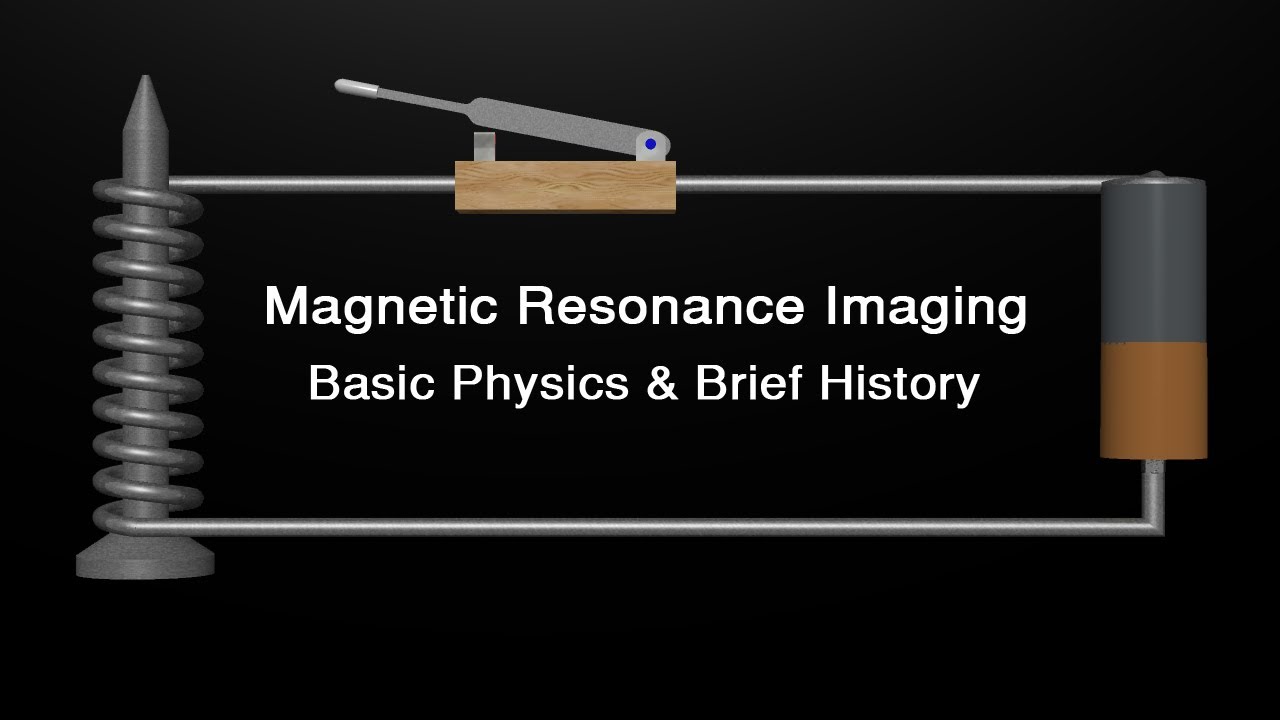
you decide la i don't know i can't tell the future if you have a hunch you let me know or you decide based on your hunch okay so this is uh on 19 this is only on19 is very anomalous okay later i will do analysis and then you will see why we will have to do some speed run across the pass here to see the popularity of each one my guess is normally just based on instinct meaning i guess based on my experience of compiling past years okay so this is 19 paper 4 1 okay so these are sample essays your mri the uses of a large and non large constant magnetic field and a large sorry a non-uniform magnetic field and the other one let me pull out the notes i need to pull out my notes this is magnetic field and the other type one is in so on 19 and may june 19. but this is paper for one this one is also paper for one four one and four three okay don't guess based on variana they're very random one cie is not known to be consistent in the variance so there's no detectable pattern which is good if not students will start to have some weird weird uh let's guess this and guess that and then things will not turn out well okay and then they ask the same thing you know for two years in a row the second type of essay for mri is the complete explanation of principles so example for this will be from winter 16 okay this review session is going to be very exam based meaning what's going to come out and what do you think will come out this time but yes all of this is still in the new syllabus so they probably may or may not ask or will ask according to normal trends okay so for a total of eight marks gigi explain the main principles behind the use of mri to obtain diagnostic information about internal body structures so i don't know what kind of person you are but if you are a very visual person then the notes that we have or the colorful colorful one is it really sufficient to study okay so here when we talk about mri it's called magnetic resonance imaging because we are going to resonate the hydrogen particle so here we went through a step-by-step process to explain what is precession so precession here is when you know you have your hydrogen nuclei and then they will spin around okay and because they are spinning around they behave like tiny magnets because the hydrogen nuclei has charge ma so when the charge is spinning around it creates a magnetic field see this blue color loop is carbon so the arrow is magnetic field you can use the right hand grid rule so the nuclei will be behave like small magnet so if i put a large uniform magnetic field they will line up parallel along the field okay and the nuclei will rotate at the direction of the magnetic field and this rotation is known as precession so you need to be able to use the right terms again this is like biolo so the whole idea here is that there is a nuclear spin if you put a magnetic field it will spin around this like a cone okay so it's going to it's going to spin like cone around this so it was obviously spinning at its own frequency okay so this one frequency the angular frequency of a point uh will rotate this is called the la more frequency okay 2 pi f is going to rotate here okay and when we use very strong magnetic field i can make sure the rotation is very fast about 40 megahertz number three now we managed to arrange the nucleus and then they are going to rotate at a certain frequency where is the resonance okay so to create resonance we are going to send a pulse of radio frequency or em wave so if you want to resonate if you remember yesterday's review session we talk about resonance where the force frequency is equal to the natural frequency so this is the force frequency if it's the same as the la more frequency the natural frequency then this hydrogen nuclei will resonate omega is the same so resonance will cause the photons to absorb energy and go into a higher energy state there is resonance large amplitude okay so this is when there's no magnetic field they spin however they want to spin this is called magnetic field we make them spin in one direction and if we send radio frequency this orange one is radio frequency ah let's say i send this to this one this one will flip into higher energy higher energy is parallel to b okay so will you stay high forever sorry uh no mckel do not condone you take drugs but generally you can't stay high forever i can drink coffee but i can't stay high forever so it's going to go from high energy so when we send radio frequency pulse this one will go into high energy but it can't stay high forever so it will relax back into low energy state so we are sending pulses of radio frequency wave so it's just a blast and then it's nothing it will go up it will go down and then we send another blast go up go down send another blast go up go down so during this relaxation time depending on where the hydrogen nuclei is it could be in your muscle cell it could be in your fat cell your blood it will have a different relaxation time so the different realization time depends on the molecule and then we have a detector to detect because during relaxation time it will release out radio wave so before the next pulse of radial frequency wave most of the protons will flip back to lower energy state we relax long cannot stay high forever need to relax so during this radio frequency will be emitted by the nuclei the time interval between the end of this pulse so let's say i send out this pulse there's no more radial frequency i start my timer this one get excite stay here for a while d excites or relaxes during the relaxation process you will send out the radio frequency i stop the stopwatch okay so that is the time interval between the end of the incident radio frequency pulse and the emitted radio frequency pulse is called the relaxation time and this emitted radio frequency pulse is detected and processed inside the computer so then we can tell based on how quickly they flip and flip that the nature of the tissue so here we can see relaxation time for different stuff like water has a very slow relaxation time because water got a lot of hydrogen bond okay ice is even harder because of the lattice structure i also don't know why you have ice in your body that is a bit concerning unless you're olaf gray matter is brain so you can see they have different different relaxation timeline okay so the whole idea is we are in high energy here and it will slowly relax we can measure the time interval okay so these pictures are for people for you to recall when you write out that essay so how do we use all of these together we put these together and we write the 8 mark assay so first we need the hydrogen nuclei to q up please okay so to q up to q the hydrogen particles i'm going to put the patient in a scanner between the poles of two very strong magnets this strong magnetic field causes the hydrogen nuclei to queue up but you cannot use the word queue up or stand in line because that is not a scientific word so in your brain you are thinking about this aligning but the hand must write the term precess if you are good in english funeral precession so when you watch people have funeral down the road the relative in their white or black clothing will queue up in a row and walk behind the cascade right pre-session oops my mic there there so precession so this one means that the hydrogen nuclei will align itself precession and then that precession also has a certain rotation so with frequency in the radial frequency range this is known as la more frequency so now the whole entire body the whole body from the crown from the tip of your head to the bottom of your feet all the hydrogen nuclei in your body is already processing but let's say i just want to scan your brain now because tbh scan your whole body will take forever so maybe you have a headache for two months it didn't go away i want to scan your head so i want to see only one part of the body i put the second magnetic field a non-uniform magnetic field is applied across the patient okay so this slightly different magnetic field in the brain area will signal to the detector that hey ignore the background magnetic field just detect the non-uniform magnetic field so right now there are two sounds that you can hear one is the rain and the occasional thunder that your brain has learned to filter out because there is not relevant information this large magnetic field is not relevant for relaxation it is there just so that your hydrogen can process when it is precessed the job is done what you want is the non-uniform magnetic field what you want to hear in this recording or in this session is my voice which is non-uniform sometimes i thought sometimes i don't talk so this is a secondary field okay and we are going to put it at the part of the body that we want to look at if you have a headache i scan your your stomach man it doesn't make sense right okay so a radio frequency pulse is applied at la more frequency causing resonance on relaxation a nuclei will emit radio frequency pulse and since the lumo frequency depends on the strength of the magnetic field it will be different in different parts of the body because the magnetic field in your head thanks to the non-uniform magnetic field is a bit different so when we put the non-uniform magnetic field at different position okay different position of a nuclei can be located and these signals are detected processed and displayed by slices so if you study biology right you know when we put our sample we want to be able to slice them to see at different angle okay you can watch the video that we recorded we show you our examples of slices and non-uniform magnetic field allows location of detection to be changed and we can slice the organ differently okay let's see if there's any pictures here this is one slice of the brain we cut right in the middle all right so the essay questions that you need to know is here they're all here already inside your notes so you study okay i'm just gonna so we have a large constant magnetic field because we want the nuclei to precess in the direction of the large magnetic field you must have the word precess precess okay about the direction of the large magnetic field frequency of the precession is in the radial frequency range three mark okay that is the so this is the hollow hydrogen nuclei in the human body please queue up we are going to scan the human q up now so the alignment is called precession and it's due to the large constant magnetic field the second magnetic field is a non-uniform field so this is to locate the position of the precessing nuclei everybody queue up but this cluster or this group of hydrogen you all align yourself slightly differently because there's a secondary non-uniform magnetic field okay and then this is used to change the region where the nuclei is detected and it changes the frequency of precession slightly so it creates a signature for us to detect right carrying on so you can see the masking any one you can right can already the frequency of precision the precession depends on the field strength it is used to locate and find position of spinning nuclei so i want to be able to only locate the spinning nuclei in the brain or in the organ that i want to scan it also changes the region where the nuclear is detected maybe the doctor wants to scan the brain and the brain stem and the upper spinal column okay so we will move the non-uniform magnetic field downwards okay so this is one essay question it came out in on 19 and may june 19.
okay this one is not very popular but came out a few times before so this is just a replay play by play of what i've mentioned just now main principles behind the use of mri to obtain diagnostic information so we need to talk about first so normally i when i'm a student or the way to remember all this is for me to draw picture one so i got large magnetic field but my picture is not as nice as some miss eddie's picture or maybe your even your drawing because i am not an artist as my student will know so the large magnetic field will cause this one to precess in this direction and then got some in opposite direction one so this is step one i need large magnetic field to cause pre-session so patient is placed between the poles of a strong uniform magnetic field hydrogen nuclide in the patient will precess about the direction of this magnetic field okay done two marks now i need to put a non-uniform magnetic field okay so non-uniform magnetic field maybe i put something like this this is smaller but it's non-uniform so the non-uniform magnetic field right will allow me to detect certain parts of the human body so let's say let's say this is the human body here and i want to scan i don't know this one you see here they have x y z magnetic chord these are all the non-uniform field so maybe the x the x direction one will send a non-uniform magnetic field in this direction so i can decide uh whether i want to scan near the shoulder near the clavicle this bone here the clavicle in the middle of the chest at the side near the heart i need to know where to scanner y axis would be do i want to scan vertically exact axis will be how deep the scan is so all of this from top to bottom left to right head to toe all this you we will allow us to detect because we only want to scan a specific part in the body not the whole body it will take forever for the computer to process the gpu will burn okay graphic processing unit so we put a non-uniform magnetic field to allow different position of the nuclei to be detected and different slices to be studied so talk about the magnetic field so large magnetic field number one precession number two non-uniform magnetic field number three and the reason why we have this non-uniformatic field is to detect different position of hydrogen nuclei okay next it's time to send in some radio frequency ding ding ding radio frequency pulse the word pulse is important now if we keep sending continuous radio frequency the machine will be confusion because it's flooded okay so this is radio frequency pulse and this pulse is the same as the frequency of precession these two will have the same frequency the la more frequency okay so this is number four radio frequency pulse is applied to all your precessing nuclei okay such that they resonate so the radio frequency pulse causes resonance so i map this out in my brain or i sketch it beside the question and then i pluck it back into essay in full sentences okay causing the hydrogen nuclei to resonate and absorb energy into a higher energy state there is resonance ma you have more energy you go to higher energy state but you can't stay high forever so this resonance will then relax right so the hydrogen nuclei look our main character our main character is our hydrogen nuclei from first point to the fifth point we are talking about the hydrogen nuclei so after that the hydrogen nuclei will go into relaxation okay and then in relaxation it will emit back the radio frequency pulse so the rf pulse will come out again so first is absorb now it is released this thing is detected and processed by the computer you can draw a better flowchart drawing flowcharts will help you memorize these eight points that's my comment oh you hope it doesn't come out because last time it come out in 2016 so for years and years students have been studying this they never come up yeah i think nothing is 2016.
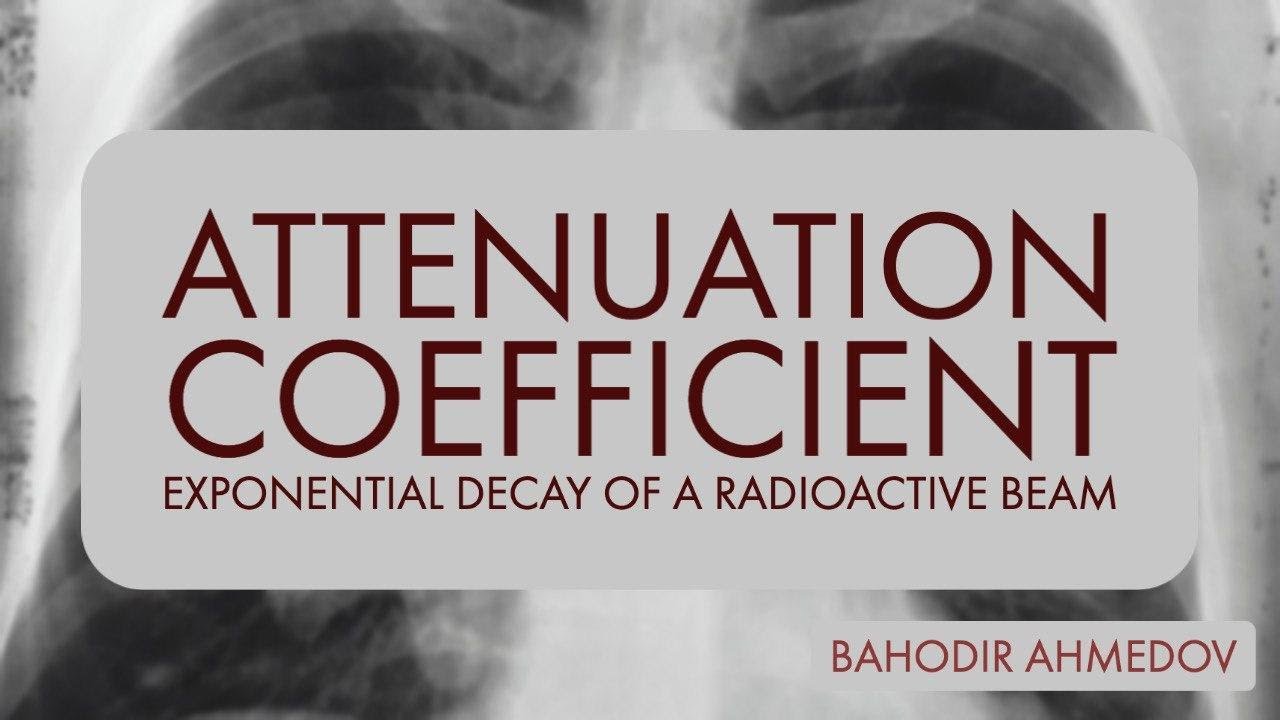
okay so this is the mri all essay so the only previous form of essays are either this or this why you use a large magnitude why not magnetic field i guess they could also ask explain the purpose of the radio frequency pulse with this one would be to cause the hydrogen nuclei to resonate and absorb energy into a higher energy state they can ask different parts of this lab but if you understand this breaking it down should be okay all right that'll be the first medical imaging i'm gonna leave this here as empty space so you can write as practice you need to practice okay i don't need to practice you do all right okay ultrasound is more popular because it's a stand alone chapter all right so idea number two is ultrasound but the thing about ultrasound is that uh because stand alone and they tend to ask it's a bit over asked so the questions are quite repetitive one let's talk about the essays first what essays do you need to know number one generation how to generate ultrasound ultrasound is sound with high frequency number two detecting ultrasound how do we detect ultrasound so for this kind of explanation right your explanation will focus on the piazzo pixel electric crystal this is a very special crystal where vibration can cause alternating current the videos we have gone through many many examples to explain to you what is happening so another example that you can talk about is the lighter miss ali pulled out her electric guitar to show you the piezo electric crystal inside the electric guitar so hopefully that made an impression to you sound is vibration guys right now i'm talking i'm just vibrating the air particle around my mic so this one can go two ways uh so if you want to generate ultrasound you use alternating current past year tend to use potential difference so i guess i'm just going to stick to yc in the mark scheme use alternating potential difference to generate ultrasound or if let's say the ultrasound reflex and come back this one is used to detect ultrasound and all this will happen in a transducer okay so when was the last time they asked uh questions regarding this let me think i think fairly recent fairly recent the last time detection came out was may june 20 paper for two okay i'm just gonna zoom in and crop the quest explain the detection ultrasound is also common and a bit more common than detection now okay let me keep scrolling there we go okay so the the ultrasound is here generating ultrasound the last time it came out is on17 paper for two okay so detecting the push down generating actually this one is both generating and detecting now it's too big too big there we go so there's generating detection you see all these lines this one is just detection don't talk about generation and the third type of essay is where they ask you how do we use this for medical diagnosis so the essays will look slightly different using ultrasound for medical [Music] medical do they call this medical diagnosis yeah medical diagnosis basically we want to have diagnostic information want to see the baby whether the baby is okay or not what does this keep dropping clam and boss is not tight enough you want to see whether the baby is healthy we can hear the heart rate all that so this one me to talk about what happens we still need to talk about the crystal and we also need to talk about what happens inside the body and there are two things that happens here there is reflection that is attenuation this green part is involved in calculation all right so i'm going to go through the essay on the points that you have to write very quickly so for this explaining the detection and generation of ultrasound recommendation when studying to essay right is to have them at hand handy you write down somewhere or you print out i whichever works for you and i will study this right outside the exam hall and then i when i get the paper immediately i open the paper because this is memory work open the paper and i find the question and i just write everything down and then i can remove it from my brain that i can focus on complicated questions that i need to think that's my strategy what's yours what is your strategy because i ain't gonna hang on i ain't gonna do it be able to remember if i study it at this point and hold it in my brain until 11 11 is that your paper no yeah 11. every day before i sleep i open and stare a little everyday people okay anyway the recent one is just generating i'll do one for generation and one for detection now okay this one is from on17 paper for two principles behind generation of ultrasound gonna make this bigger give me a second so for five marks start with the crystal in the transducer you're right crystal and transducer you got max already because it shows that you kind of study sort of but not really okay so we're going to start off by saying that a transducer with a piazzo piazzo piezo electric crystal is used when alternating potential difference must use the word alternating um oh grammar when an alternating potential difference is supplied across the crystal [Music] the crystal is distorted or change shape and vibrates okay just like how when i'm talking to you right now my voice box will distort and vibrate let's give it a nice highlight all right next point what's the next point we are going to think about the alternating frequency so if the alternating potential difference has the same frequency because alternating current has frequency mark as the natural frequency of the crystal diazo electric crystal resonates okay finally natural frequency of the crystal should be in ultrasound which is large frequency okay ultrasound range that's it we're done ah this thing is 5 marks right so if you mention piezo electric crystal and transducer so we need piazzo electric crystal and we need transducer this is one mark okay you say that we apply alternating pd alternating is compulsory not any pd if you don't apply alternating pd there's no vibration it's just you stretch the crystal or you compress the crystal and that's it then you mentioned that the crystal distort one mark okay alternating pd causing vibration is another map so if you put pd and distortion they give you uh okay and you got some of the half of the idea right they'll give you one of this mark out of two all right next alternating pd has the same frequency as the natural frequency so same frequency as natural frequency the crystal will resonate okay one one two three four five natural frequency should be in the ultrasound range okay so this essay is worth five marks all right so this kind of thing you know you know law you don't know then it's going to be empty already so i make sure that i have this in my head i understand what is a piezoelectric crystal if i want to i can go and look at my notes find the diagram to draw so that i can recall this okay we're going to move on to the next one where we are asked to detect ultrasound right so if we are going to detect ultrasound right now we are trying to talk about what happens when the ultrasound enters the body and comes back to you so let's say this is your stomach and then your baby is here i'm not good at drawing but i want to know i'll try some come come okay hit the baby skull and then reflect okay my transducer is here this my my ultrasound one and one looks something like this one of course the transducer is on the skin okay hang on let me draw the belly properly very pregnant mother nah okay this is the transducer this is the baby inside the belly stomach i'm going to lose insurance okay so we want to talk about detection here to here we want to detect this one okay so to explain the principles of detection we still need to talk about the ultrasound so we will say pulses of ultrasound is sent into the human body doesn't have to be like for babies or basically it doesn't have to be the stomach like i can ultrasound different parts of your heart anyway so pulses of ultrasound is sent into the human body and then what we do is the ultrasound along the boundaries we call this boundaries which is like for example the boundary between the water the amnoid thick fluid and the baby's face okay along the boundaries and is incident on the transducer quartz crystal or piezo electric crystal which also acts as a detector so the ultrasound 1 or known as the ultrasound transducer is creates and detects ultrasound it is the same one so the ultrasound is reflected along the boundaries when the reflected ultrasound is incident this part here it will reach the transducer ding ding ding ding so here is where you incident on the transducer inside transducer got quartz crystaller quite a crystal inside here okay next this incident ultrasound vibrates the oscillating or vibrating quartz crystal generates an alternating potential difference across the crystal this difference is detected and detect potential difference using circuit you know that so this is done we can detect the ultrasound so the whole idea is that the ultrasound will touch the crystal make the crystal vibrate because ultrasound is still vibration when the crystal vibrates it makes its potential difference we detect that potential difference that's how we know that's ultrasound if there's no ultrasound to vibrate the crystal there's no potential difference to detect okay so there are no key words meaning we should see the main ideas here pulses of ultrasound is sent into the human body when it is reflected along the boundaries it will eventually reach the transducer quartz crystal here which is also a detector the incident ultrasound will vibrate the quartz crystal and that same crystal will generate an alternating potential difference which we can detect four marks one mark each the main idea way so we're going to put it together because now we're going to use the ultrasound load into the human body so the last time this thing came out is fat much 20 it's been a while actually the essay for ultrasound not the calculation but the essay i i don't know again i can't tell the future so i'm not gonna predict anything i'll just tell you what i know okay so we are going to now explain the main principles of use of ultrasound to obtain so we're just almost repeating ourselves but just a note right you notice that the essays are not identical if you want to generate ultrasound you apply potential difference and we talk about how the potential difference creates ultrasound so the potential difference have the same frequency as the natural frequency and then there's resonance if we detect we talk about what happens when the ultrasound comes back there is reflection along the boundary we send the ultrasound into the body and then this ultrasound will vibrate the crystal and create potential difference all right here we put together law so we're going to start off with the pulses actually and copy now when i type again i'll type again okay of ultrasound must be processor is sent into the human body the second point the ultrasound is reflected at the boundaries between media media here is just a sciency way to say different types of cell tissues okay so how much is reflected depends on whether it's skin and tissue okay let me go and take out a table for you to stare at if you need it just to remember this point [Music] ah finding finding ah there we go this one so this one tells you how much it will reflect between the media because sound will travel at different speed in blood in bone in fat in muscle so because they travel at different speed the reflection behavior is different so the ultrasound is reflected at the boundaries between the media okay and the reflected ultrasound is detected by the transducer so transducer port ultrasound detector and generator same one these are the compulsory marks so you don't write this you will lose max then the rest is just you there are more marks than six marks you can score more than six in this question but we can score you at most six months okay so let's talk about the reflected ultrasound the reflected ultrasound intensity so how much energy is left depends information about the nature of the boundary so it tells us whether it's air or blood or bone or fat or muscle okay besides the intensity we need to say the time interval so the time delay or the time interval between transmission and receive receipt table retrieval detection of ultrasound gives information about the depth of the boundary the further away the baby is from the skin of the stomach the longer it would take for the ultrasound to come back out reflection wise okay so time delay will give depth information about the depth intensity how much of it is reflected across the face will give us information about what type of boundary it is whether it's bona masala tissue okay and then you can also say that the also it also depends on the attenuation right so this reflected give information about the nature of the boundary you can think about this in the form of attenuation and reflection calculation regarding this after this last essay okay and you could also say that the degree of reflection on the acoustic impedance impedances of the or tissue at the boundary when we say media we just mean this one this because it's the medium that the sound wave is traveling in ma so we call it me dialogue okay what else can we write we can use the gel gel is used to minimize reflection at the skin or maximize transmission into the skin finally reflected ultrasound is detected process and display one two three four five six seven eight out of eight you can get up to six but the first three one is compulsory the last five one any and e5 will work okay so always think about describing the reflected ultrasound the whole point of doing ultrasound imaging is there's certain property of the reflection that we can study and through that study we can tell whether uh this one this ultrasound is going through tissue our bone blood are fed up muscle about six months three essays for ultrasound and let me see two essays that i leave to you because it's the same as the notes one in mri not very popular we're gonna now move on to ultrasound and calculation which uh it's much preferred according to my students i don't know look this memory work one night you remember or then you can almost get full marks quite easily okay so where are we now this is number two ultrasound essays okay so now we are going to look at ultrasound ultrasound attenuation and reflection as usual i will give you a list of equation that you need to know number one what is the attenuation equation equation we will see this attenuation equation later at our last medical imaging which is mri but the attenuation equation here is i is equal to i naught e negative mu x okay i have explained before in the lecture notes how you can fashion out this equation from the list of the question i mean from the list of equation that is given to you so if you flip to the very first page of your question paper you are given this equation which is the general exponent format of course we're not talking about radioactive decay if you were here yesterday this is not radioactive decay so we're going to focus on this one okay so i'm going to delete this okay and only crop this thing time to do some math so whenever you have this right this is x as a function of t so this is your variable this is your variable this is i as a function of t so i as a function of x so this is your variable this is your variable so we don't touch these two we are going to put some values inside to find them x naught is a constant lambda is a constant so this two is constant i naught is the initial condition just like for radioactivity this is the same thing initial activity or initial number of nuclei this mu naught is a constant that is related to the propagation of the sound wave so let's say i have a media here i don't know it can be a sponge it can be a block of polymer and then i send in sound wave at the intensity of i not the energy will be dispersed into the medium wire because again sound wave is vibration it will vibrate all the particles inside here and if it's vacuum then sound wave cannot travel at all okay so it will release as heat so ultrasound can be used to heat up stuff one especially if you have a sports injury can use to heat up your muscle so for this one it will disperse disperse energy so by the time you come out or only go i left okay so this is your first variable this is i how much intensity is left after we travel a distance of x so after we pass through a distance of x how much energy is left okay so the the graph will look something like this which would look a lot like the attenuation of the generation the radioactivity graph that we talked about yesterday yeah like that one decrease this way okay it's an exponential decrease but seldom you will see the graph line they just want you to use the equation okay so this is i and here is i naught okay so this is your x thickness is x so you substitute inside this mu is depend on the type of medium so the meal inside your bone will not be the same as the meal inside your muscle will not be the same as inside your tissue and here is a handy my test hang on let me check the sound okay oh yeah the mic is not always working very sad okay thanks for letting me know how long was i was there no sound roughly estimate the no sound period okay so i repeat again now so what you need to know regarding attenuation is the equation because it's not given to you i is i not e negative mu x you can use this to help you recall the equation by substituting i with x x with i okay and the constant now is mu this constant is the linear absorption or linear attenuation coefficient and in different medium you will have different different types of absorption certain tissues or certain medium will absorb some wave easier than others okay so as you travel the intensity will drop that's why when we measure the different intensity we can tell this one reflected ultrasound intensity will give information about the nature of the boundary different boundary different tissue show the boundary and media different boundary different tissue will absorb differently okay so the second thing that happens to the ultrasound besides having its intensity decrease because it travels into the body is that it will undergo reflection okay so the ultrasound is reflected so we have this thing called the alpha or the reflective coefficient so to speak the intensity reflection coefficient so i'm just gonna steal this from the notes most of the time they will give you the value or the equation of alpha which is this okay this is the equation for alpha most of the time but there were some times when they didn't give you so if they didn't give you then i'm sorry you are expected to know so it is the difference between exact values so if you want to know what exact value is you should be able to define that zach is the specific acoustic impedance which is just now the list of tables i showed you in the diagram so this calculation two things will happen to your ultrasound the first one is that your ultrasound will attenuate or lost intensity to surrounding the second one would be not all the ultrasound will go into the body some of it will be reflected and then it will be reflected at a certain ratio ir over i depending on the value of z okay so the value of z of different things are given here specific acoustic impedances which is the product of the density of the medium multiplied by the speed of sound so you can see if the speed is fast then the exact value is very big if the speed is slow like a the z value is very small okay so the reason why we care about the zag value is because we want the ultrasound to go into the body because when the ultrasound go into the body then we can see the c into the structure right because we need to look at the human body so if z 1 is more or less equal to z 2 alpha is 0 means there is no reflection at the boundary this is good this is ideal for diagnostic you want to look inside the human body but the ultrasound doesn't go into the human body then you see what what you see you see nothing okay this one is not good and normally they will ask you to comment comment y gel is used why you use gel for ultrasound okay so that the zac 1 and z2 is similar the zac one for gel it's more or less the same as the zag for tissue so this is why we use gel and normally this calculation is about four to five marks i will show you the calculation now ta-da okay again this is in your notes so the calculation that i'm talking about will look something like this uh explain why we use gel like this one we have done this already remember define specific acoustic impedance product product of density of medium row and speed of sound in medium c because zach is equal to row c two marks are so you have to make sure that you mention this is the density of the medium and the speed of sound in the medium so here is where they talk about z1 is more or less equal to z2 z1 is bigger z1 is less than okay so the differences will affect the intensity reflection coefficient which is alpha so legit you can just put in this answer here now life is nice right okay so these are example a question they can ask you like if alpha is more than zero there is little to no reflection at the boundary if alpha is very different then there's alpha is one you need to mention that alpha is one because they ask you to comment on alpha means that there's large a lot of the ultrasound is reflected okay so this is the so-called the command on the use of gel and let me show you other partial questions [Music] okay let's see let's speed run there we go explain the significance of the magnitudes of z1 and z2 okay so the only thing that i want to caution you is sometimes they talk about the transmitter sometimes they talk about the reflected if a lot is reflect then not many is trans speed if a lot is transmitted then not much is reflected so if you want to top up on this one little to no reflection most ultrasound is transmitted and then this one very little ultrasound is transmitted because they are all reflected away redeemer so be a bit careful and don't just blindly memorize these things okay look at the one do they want incident and transmitted or do they one incident and reflected okay so they always talk about the difference between z1 and z2 intensity of incident to transmitted okay so this one got asked many times radiata and then sometimes they will ask you now use your value to explain why gel is applied why why we use gel okay law so this is fm 20 paper 4 2 you will have to find the alpha and then you have to comment why we use gel so i will leave that to you to try fm20 paper for two why gel why do we use gel other things that is similar let me scroll through to find one that you can do is i don't think we recorded many examples because they are so repetitive good news hopefully uh okay another one would be mayjoon 15 paper for two okay so for this uh question right if i show you the question say what is meant by specific acoustic impedance of a medium it's the same thing product of rho and c make sure you specify what is row and c they give you some exact value of different stuff air gel soft tissue and bone determine the wavelength of the ultrasound don't forget v equal to f lambda so go try out this question and then you see this one is now incident and reflected previous ones was incident and then transmitted okay so by making reference for data of air gel soft tissue explain quantitatively means use numbers why during medical diagnosis a gel is usually put on the skin so i will start off this question here but you should complete it on your own as practice this one is major 15 paper for two so i'm going to skip part a because a is repeated edema now product wavelength and this one ultrasound intensity okay so now i'm focusing just on z values okay i haven't talked about attenuation yet or bring them together so for this one if you are a bit blur to find wavelength when we have frequency means we can use v equal to f lambda i need to find v z is equal to rho c where this c is speed of sound so i want bone this is 7.0 times 10 to the power of 6 bone density of bone is this much 1.7 times 10 to the power of 3 c we can look for zero seven seven e six divided by one point seven e three speed of sound in bone is a staggering 117.6 meter per second okay not to be expected because sound travels very fast in solid frequency 9.0 times 10 to the power of 5 lambda we can look for lambda now divided by 9 e5 so this one is 4.58 times 10 to the power negative 3 or you could write 4.6 mm they wanted this in mm okay this is just calculation to make sure you don't get 0 in the question here is where they want to test you so they are asking you to use a gel soft tissue okay let's put the table we are here to use a gel and soft tissue and we have to calculate the ratio so i think there are two options we either use air and soft tissue this is one and then gel and soft tissue this is true miss air and gel do you want to use the skin there's no skin in air and gel so we must always involve the skin skin so first one let's say we do air and gel boundary so ir over i is angela substitute 4.3 times 10 to the power of 2 minus 1.5 times 10 to the power of 6 squared divided by 4.3 times 10 to the power of 2 plus 1.5 times 10 to the power of 6 squared you will find that this is close to one or you press calculator law i know it's close to one because this thing is very big this 1.5 times 10 power 6. so this thing is almost negligible so this is one this one here this one number here shows you okay i write the conclusion that most ultrasound is reflected because it's one ma the ratio is one most or all i r so it doesn't go into the human body this is not ideal because we want to look into the human body so now we do gel do i use angel why do i use angel sorry i should use air and soft tissue same thing la this one will be 1.6 air and soft tissue boundary is still one okay so now gel and soft tissue this is also why writing headers like this has been useful for scatter brain people like me i can get very scatter brain especially if i'm like i do to my question already so my brain is a bit shut down and then stupid mistake happen that is when stupid mistake happens you must make sure you get a good sleep before the people don't be like me sleep at 4am no good okay so gel and soft tissue like this one and this one i see numbers that are very close to each other so 1.6 minus 1.5 square means the prefix line the prefix the same amount they cancel out no need no this one is very small if you want to include the prefix you can you don't need to because they cancel out this is one over nine one six 1.04 times 10 to the power negative 3 which is more or less equal to zero right so this one is most ultrasound is transmitted into the body so if most ultrasound is transmitted into the body then this is suitable for diagnostic right so we need to form a conclusion this thing is four marks i am guessing the calculation is one mark calculation is one mark the conclusion is another mark okay so i would then say hence a gel is used because it allows less to no reflection at the boundaries and the boundary most ultrasound is able to be transmitted into the body which is essentially what we want because if you cannot transmit the ultrasound then what are you looking at you are just looking at a human belly okay there's a human belly then nothing else to say cannot see inside the human body okay so we need to see here ir over i is one mark so you need to calculate this one for m1 meaning if you don't get this mark you will not get the next mark which is this almost all is reflected is a1 you could also say no transmission okay repeat again for gel and soft tissue something like this i see the 1.04 i give one mark m1 and then you say gel allow no reflection at the boundary or complete transmission complete transmission is one a1 so what we want is most or all of the ultrasound is transmitted into the body that's why we use the gel i write this extra sentence just to make the examiner happy okay so this is your four marks they give you equation already you just need to know what to put inside okay you just need to know the first one we will use air and soft tissue second one we will use gel and soft tissue because we want to scan the soft tissue so this is the towel question they can ask regarding reflection what about attenuation let's see if there is an attenuation question in the recent past years uh yes there is one so i'm gonna move on to talk about the attenuation question in may june 20 paper for one okay i am not going to do 4a because 4 is like this the same thing okay 4a is this one by reference to ultrasound wave explain for the end time what is specific acoustic impedance escape udula ultrasound wave is incident normally on the boundary you have z1 you have zac2 state how the ratio of the intensity ir over i depends on z1 and z2 nay we just calculated how ir over i depend on the relative magnitude of z1 and z2 this one 10 to the power of 2 10 to the power of 6 this one is zach 1 is bigger than zach 2. this one 1.5 and 1.6 zach 1 is more or less equal to zach 2.
you write your own conclusion then you check the mark scheme to see whether you are ok i am going to jump to b so for b we are looking for attenuation so state what is meant by attenuation of ultrasound wave so this is loss of wave power or ultrasound power or intensity as it travels across a medium so parallel beam of ultrasound is passing through a medium you don't say incident i naught is reduced to 0.35 i not passing through a thickness of 0.046 fine mu so this is i naught this is i i is equal to i naught e negative mu x so 0.35 i naught is equal to i naught because we want 0.35 left our i naught can go away negative mu 0.046 so i bring the e over this would be lon 0.35 equal to negative mu 0.046 you can find mulo such a bonus question guys so it's not difficult if you know in fact i think these chapters are quite nice to do no complicated you will get 22 point eight i guess you can put twenty three now i'll just put 22.8 so this is a straightforward application of the attenuation question okay moving on to another variant okay i'm just showing you different questions that's all this one is from summer 20 april 4 2.
this one uh i i already told you that they will ask principle of detection of ultrasound so that one you can try out we have already explained and then why little transmission from ultrasound wave of air to skin again we are saying that use zac to explain why little transmission of ultrasound wave from air to skin use the exact value here and here and explain why there is little to no transmission you explain look at this try to explain so you can see that they are asking repeated stuff it's good no i think it's good okay what about winter twenty what did they ask in winter twenty well i miss every year also got because ultrasound is a standalone chapter you have to ask almost every year is that big enough hint at least that's my observation so if you really want to study one the best uh best bang for your buck or the best chance for it coming out there's no certainty that it must come out cie doesn't owe you anything but it's it will be this one ultrasound self okay so explain again generation ultrasound i'm not gonna do this okay i want to talk about the next part which is and sometimes attenuation can be in decibel so if we are looking at attenuation in decibel it is worth remembering that decibel here is 10 lg the ratio of intensity so this decibel here is for 10 lg something 10 lg bracket ratio of something can be power can be intensity doesn't matter so we want after passing through the air entering the air entering the air is i naught passing through the air is i okay this is mu this is x so we want the ratio in decibel to be 10 lg big bracket i over i naught but i also know i is equal to i naught e negative mu x so i over i naught is e negative mu x so i will substitute this one as 10 log e negative mu x do i have mu yes 1.2 this is 3.5 cm means no need to convert no need per cm and cm they cancel out we have done this exercise for the attenuate the attenuation the radioactivity equation so now we just press calculator okay hello i want to make sure people don't press calculator wrongly because you reach this stage and then you press calculator wrongly that is a great sadness so let's press calculator together thing okay step by step we settle the one inside the bracket first where is exponent inverse lawn so you shift long e okay negative 1.2 times 3.5 okay you cannot press everything together step by step so this is the answer you can write now or if i don't want to i can continue 10 log lock and learn is not the same thing if you don't know what the difference are go figure out come talk to your lecturers click answer because just now we already calculated one two ten log this one equal so the answer is negative 18.24 because there's a decrease because i is less than i not so you should get negative so negative 18.2 you can leave the negative there the negative here shows me that i is less than i naught makes sense what passing through the layer of air have to have less intensity than entering the layer of air okay right for max lay i want to check and see whether i write all my working correctly this equation is one mark okay e negative 1.2 times 3.5 is one mark they put 10 log something is one mark and final answer is one there must be a negative sign in the final answer if not you will get three out four pretty cool very nice okay let's look at the other variant this is four one i haven't opened four two yet paper four two okay so [Music] guys there's no ultrasound in varian four two oh and 20 paper for two no ultrasound what did they ask x-ray study so much didn't come out like that one law medical physics is like that one okay so we have done the attenuation we have done the reflection and i am not going to spend time to do the attenuation plus reflection one because i think the recording is good enough and also if you need to this one will take a long time okay so these are examples of attenuation and reflection this one that we recorded only have attenuation no it has reflection also okay so go check out the recording all this where we transmit and then we reflect one i will list down for you go and look at the playlist and at least watch a few where we have attenuation plus reflection okay so i've run you through the basics it should be good enough watch or try on 19 paper for two question 5 these are all recorded already on10 paper for two actually this one i've just discussed so not really needed is this one on 14 paper 43 question 11 so these two we have attenuation plus reflection your alpha and your mu your exact value as well okay so when watch they are already recorded if you want to try some after the recording let me see if there are any left for you to try you can just try the wrestler it's not a very thick stack of past year questions to begin with yeah i think this is good enough if you understand this you are okay ready to go all right so we're done with ultrasound go and try watch or try it's already recorded when we combine attenuation and reflection and how to deal with the ratio because that will take a while to explain so i think the recording is good enough go and watch that one moving on third and final would be x-ray and mri with x-ray and ct scan so i'm going to start with x-ray first okay what you need to know about x-ray in a nutshell is the spectrum the continuous x-ray wavelength drawing which looks quite a lot like this one continuous x-ray spectrum so this is an example of how passive questions that they can ask you and this thing is only six months okay so the continuous x-ray spectrum this was us in winter 20.
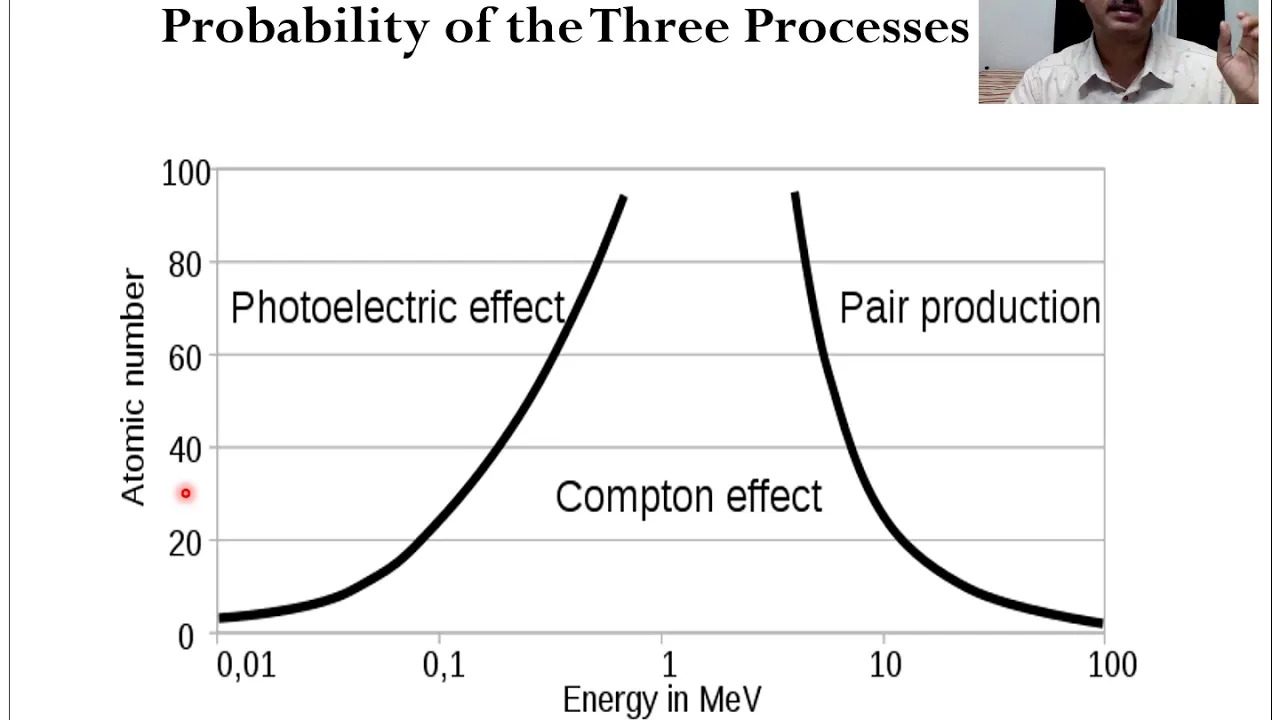
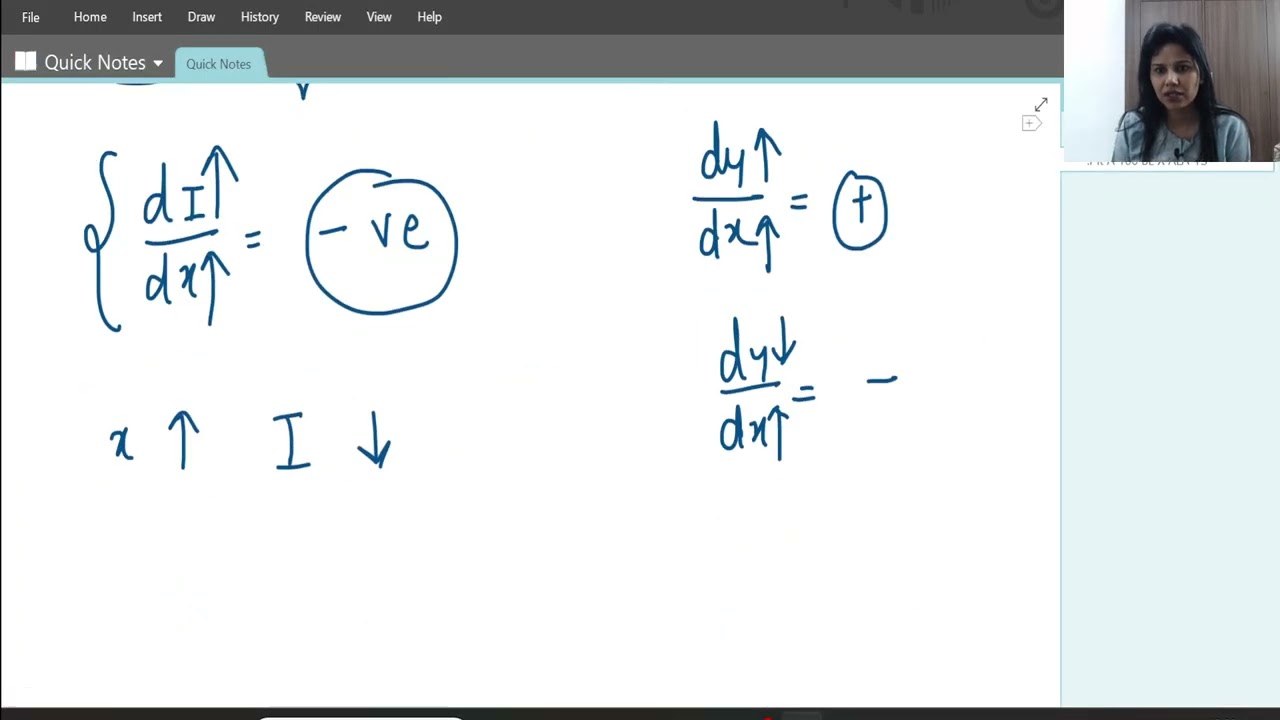
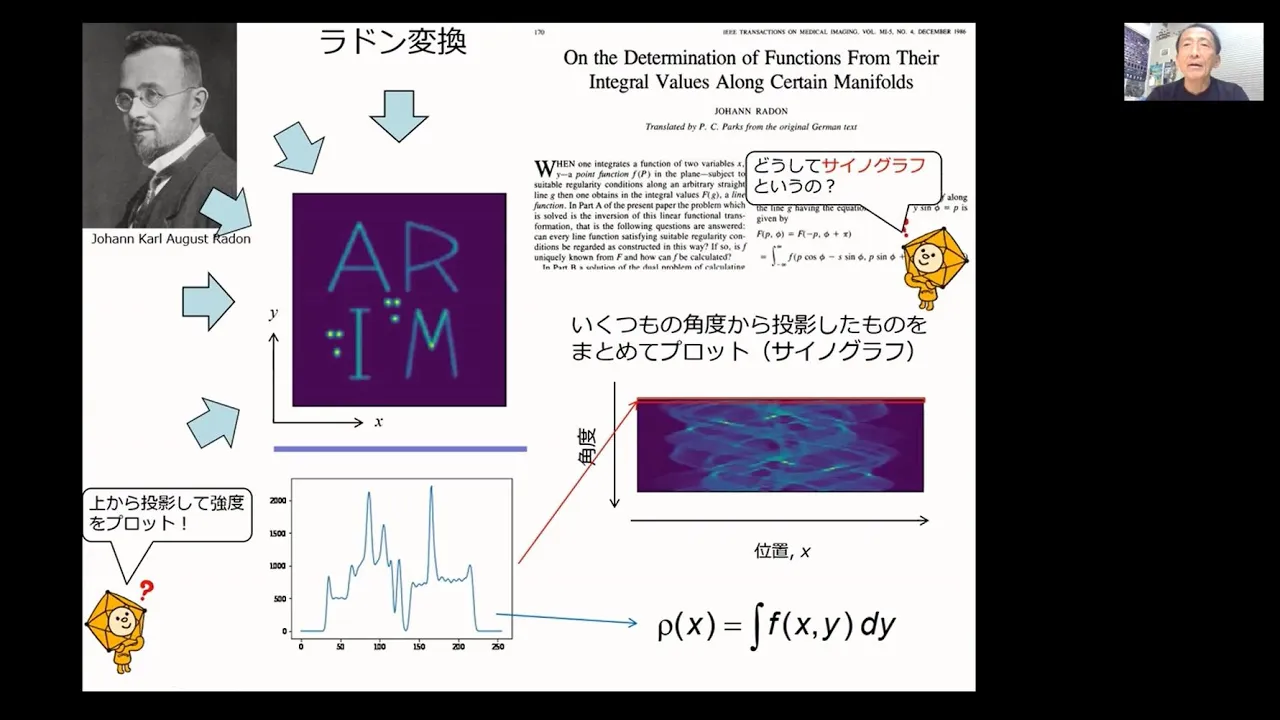
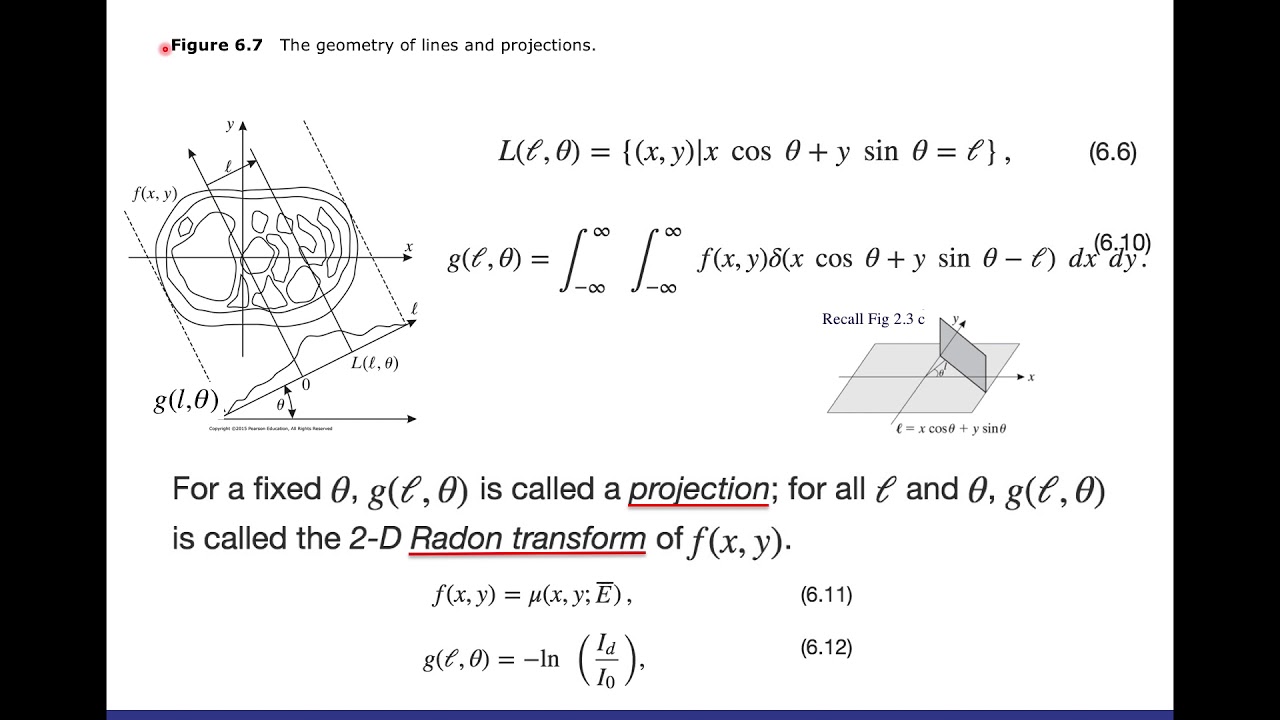
the on 20 without the ultrasound one they asked this one paper 4 2 explaining the spectrum so things that we can ask you to explain is number one continuous distribution why we have this continuous distribution number two we will ask you to explain why there are narrow peaks at certain wavelengths or these characteristic wavelength lines the peaks number three we can ask the cut off wavelength this point here why after this no x-ray one why why after this no x-ray so in the recording we have already provided explanation around this okay so the recording that you can watch and learn is the example video for major 16 paper for two so go watch that video make sure you understand then try this from on 20 this one okay so this is the video we already recorded already it should also be in your notes so this is also very uh science like we tell you facts you just memorize facts okay and also the whole idea of continuous distribution sharp cut off why are they peaks is here and then what else do you need to know the filter filter one this one came out in trials but correct hang on my one note is a bit finicky okay come out in trials explain the continuous x-ray spectrum the second one is how to control hardness and intensity intensity of x-ray so we control hardness we want harder x-ray this one is larger frequency so to have larger frequency i need to bombard the target metal at higher speed so this one we will increase the accelerating potential does accelerating and not potential so the electron will bombard hit the metal target at faster speed we want to make bigger x-ray intensity we want more x-ray photon to have more x-ray photon we will increase the anode filament current so that the anode will get hotter creating more electrons this one we want more electrons for harder we want faster electron harder and faster okay can intensity how to adjust these two and then the next part is based on this adjustment how do we know whether the image got good contrast so we need to know what is contrast and then the other one is what a sharpness right because we want to create a nice x-ray image cannot just simply anyhow if your x-ray image is not sharp don't don't have good contrast and why did we put the patient through this suffering it was not necessary okay so we want contrast and sharpness so you should go and either refer to your notes and know the methods to create contrast and sharpness and sharp image you should know what they are how to define them and what are the methods so this one all is statement one now so these are the methods to adjust the contrast and there are certain examples of of what kind of image you want to create okay so if you're interested in all this you can get a degree just in medical physics one how to use physics to help medicine okay next attenuation me so familiar this equation we just use it what for ultrasound is the same idea if ultrasound energy will decrease when you travel through a distance x-ray intensity also will decrease because x-ray will ionize your cell i send x-ray into your body or the x-ray will take apart the electrons in your body creating cell damage miscandara cannot lie unless you stand in front of the x-ray for many hours a day but it is quite dangerous if you're an x-ray technician so generally if you have ever taken an x-ray the person will say stand here don't move and then they'll walk out of the room and press the press the picture okay stand there don't move okay so when you talk about this uh attenuation we are still using the same equation so there's nothing new and when it comes to x-ray attenuation right the equations are easier to deal with because you already know in ultrasound so the x-ray attenuation equation is very straightforward one and generally we want good ratio so that we have good contrast so the x-ray that passes through the muscle has a very high intensity cause muscle doesn't absorb x-ray the x-ray that passes through the bone have very low intensity so because high intensity low intensity we can detect the difference bright dark i mean bright and dark images or shading on your x-ray so attenuation and contrast so regarding this you can watch and learn if you haven't yet the recording on 15 paper 43 question 11 that should be in the playlist this is good enough i mean i recorded another one but it is not very different than the previous one you can do these two and then after that if you desire to do more x-ray questions uh i have sorted out the quantum [Music] this is from quantum chapter right so i've sorted out the quantum chapter by subtopic on its own in your handouts so let me they got my notes again very fact behavior this review session a lot of things to memorize yellow so if i revise or i will revise the medical physics the last chapter because my brain i have a memory of a potato don't know about you okay try try trila fm 20 paper 4 2 question 11. so it's fairly easy this is about attenuation one you can try may june 18 paper 4 1 question 12. this one is also about attenuation and i think that's it not much already okay this one is slightly anomalous because they talk about the accelerating voltage and attenuation so go try this one is what 80 kilo e vote of x-ray we'll try review the mark scheme learn that you can learn on your own okay you are good enough and you are able to learn on your own if you put in some effort so watch and learn this then you go and try this just request it you can okay so that's x-ray not much if you know the property of x-ray this thing and then you try this one you're okay now how to control hardness intensity this one they like to ask like a calculate six marks and oh by the way comment on the contrast oh by the way the image is not sharp what can we do one mark two mark is the by the way question this this two the bulk of it is calculation so go and try the last one for the day is c t scans so in the recording if you haven't watched the recording yet miss ellie and i we boot up minecraft just for fun just to amuse ourselves we teachers also need amusement one right so what you need to know is two things essay explain the working principle of ct scan and i hate to say this but this is a cult favorite for some i don't know why but there are so many times the last time they asked is on 19 paper for two six months okay so [Music] i don't know which one will come out now one of the essays may come out i've listed down all the essays that's in your syllabus you will study them in your own time build your mind map draw your flow chart do what is needed okay so that hopefully you will be able to write them during the exam anyway this one let's go and look at the picture okay so i will not be able to recreate this fast enough life so there we go this is the working principle we will start off with this human inside the scanner and then we put the x-ray here we scan the human we detect put the x-ray here scan the human we detect here so we're going to put the scanner and the x-ray detector at different different angles and go scan detect scan detect scan detect scan detect and then we keep adding them together and then after that we need to do processing so if you haven't watched the video yet but we explained step by step you can watch tonight what happens okay so the whole idea is once we scan and add everything together and process we can reproduce this image one three seven nine in the computer that was this one three seven nine inside the original tissue that's the whole point of a ct scan we build back up the image pixel by pixel bit by bit so if let's say you go and look at the image of mislee right now right like this potato webcam okay this camera is let's say 720p 720 pixels so it's a construction of 720 boxes of my face that's going into the camera and it's processed and transmitted and displayed into your device so this is the processing that happens all the time we use computer la so when you want to explain the working principle this is the working principle okay so x-ray of a slice or a section through the patient is taken repeatedly at different angle how we take it repeatedly at different angles rotating the x-ray source and the detector okay a computer is used to combine remember we scan combine scan combine and give 2d image of the slice and we're going to repeat this for many many slices to build up an x-ray image repeating this for many many slices to build up an x-ray image that is 3d now once it's 3d like a holograph or we can rotate rotate so you know the iron man if you watch the mcu universal his his holographic thing where he put his finger and then he pushed the things away we have the technology we have the cpu power it's just that it's a lot of money so let's say i want to build this thing and it takes like 30 40 usk usd right who is going to buy it nobody's going to buy it but you see if let's say i can project image in many direction then i can build a 3d holograph and then i can click and then it can slice and open the part very cool right one day it will be cheap and then maybe you can own maybe later when you study physics right your notes is 3d then you can view your notes from different angles and rotate we just need bigger computers if we have them when we have them okay so if you are wondering for the max game itself right they only highlight the keywords you should write better than the mark scheme because if you only memorize the keywords you can't bring the story together then your explanation will sometimes make no sense now then your examiner will be confusion so for your benefit i put this here la you can compare side by side though okay so if you want to look at the principles of ct scanning this one is this is so that anyone that writes anything that is related they give max already x-rays are used okay fine the older mark schemes are more strictly okay and the section of object is scan okay so x-ray of a slice section is scanned at many different angles okay and then the image of each section is 2d image of many section combined so successive slices i guess or sectional is combined to give 3d image can view and rotate from different angles so whenever we write something in the notes we always give you a little bit of extra in case the max scheme becomes more strict but this was the 2019 one this is the easiest essay to write tbh compared to the rest in my opinion and then the next one would be the voxel calculation voxels so to talk about voxels um it's pretty straightforward i'm only going to do the question if you want to know why we do it this way then go to pass here i mean go watch the video though okay how do we deal with a voxel and how they ask questions like this is wrong on17 paper 4 1 question 9. so 9a they asked this i think i'm not sure okay and then this one they'll ask for part b so this is ct scanning and we divide it into four voxel a b c d so we scan it in different direction v1 v2 v3 v4 and then the sum is this one the background count is 26.
so things you need to know about the voxel is number one you need to know what is background reading background reading is the sum of the detector reading in any direction let me show you what i mean ding ding ding ding so go back to your notes okay there we go if you add these two numbers 8 plus 12 is 20.
detector reading total detector reading is 20.
1 plus 10 plus 920 4 plus 16 20 7 plus 10 plus 320 everybody is 20 1 plus 3 plus 7.9 is also 20.
so this background reading is the total reading in any direction okay so we will subtract background reading divide by number of rotation okay boss so subtract background reading 47 i'm just gonna write here okay 47 minus 26 then divide by three 44 minus 26 then divide by 3 59 minus 26 then divide by 3 32 minus 26 then divide by 3 okay so we are doing this repeatedly different different angles so we rotate three times one two three rotation so divided by three so i as you write down the answer i write down what you need to do the summed detector reading we will minus background and then we will divide by 3 or divide by the number of rotation minus background then divide by number of rotation so this will be minus 26 and this would be divide by 3.
okay so for all of these if you minus 26 and divide by 3 this is seven this is six this is eleven this is two so a is seven are you by the way uh it was a b c d okay a b c d right here first a b c d so a is seven b is eleven c is two oh they're right for you in order okay la they are not trying to cheat your feelings seven six eleven two three marks i think wrong one minus one if i'm not mistaken very nice one normally it's three to four marks for primary school calculation okay so minus background divide by number of rotation if you want to know why then watch the video alone remember i mean i started the review session number one i said it's not the time to ask why it's just what are the questions that they will ask me and how can i better prepare myself for answering questions around this topic okay so that's it we have finished your three types of medical imaging starting from mri less popular to ultrasound most popular to x-ray mehla sometimes sometimes will not ask okay and i think uh i will [Music] stop recording now but i'm going to do a quick analysis on when was the last time each one came out for the past three sittings all right guys so what you can see from this table is the analysis of all the medical physics question from february march 2016 to october november 2020 right the numbers is to indicate how many marks are being asked okay if let's say there's eight plus four meaning the both variants have us mri for example so mri is not very popular but if it comes out right it could be up to eight marks and if you look at the most worded for your focus i think it will be ultra sauna as you can see ultrasound is fairly popular x-ray is the second one and ct scan is occasionally so please don't use this to predict the future but use this to direct how many past year questions you should do for each section okay and you also can see which partial question you can select and try alright that's it i'll see you in the next video take care bye
Up Next
Interaction of Radiation with Matter | Class 12 Physics | Nuclear Physics | Chapter 21
@friendsphysics
34.7K views•2020-03-28

21cm Hyperfine Transition in Neutral Hydrogen: Radio Astronomy Basics
@AaronRobertParsons
12.4K views•2011-10-13

X-Ray Attenuation and Absorption | A2 Physics | Cambridge Syllabus
@ETphysics
18.5K views•2021-03-03

Entropy and the Second Law of Thermodynamics Explained
@veritasium
27.5M views•2023-07-01
Related Study Plans & Knowledge Roadmaps
Structured learning paths in Physics