
















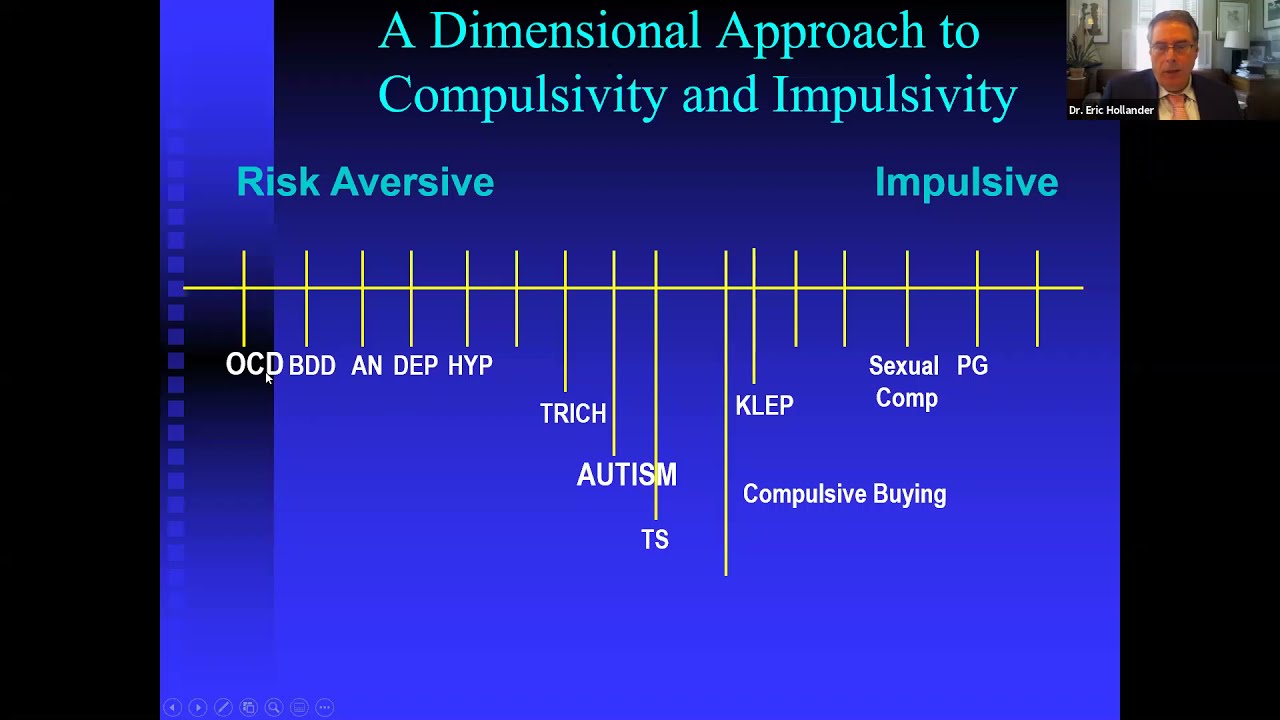



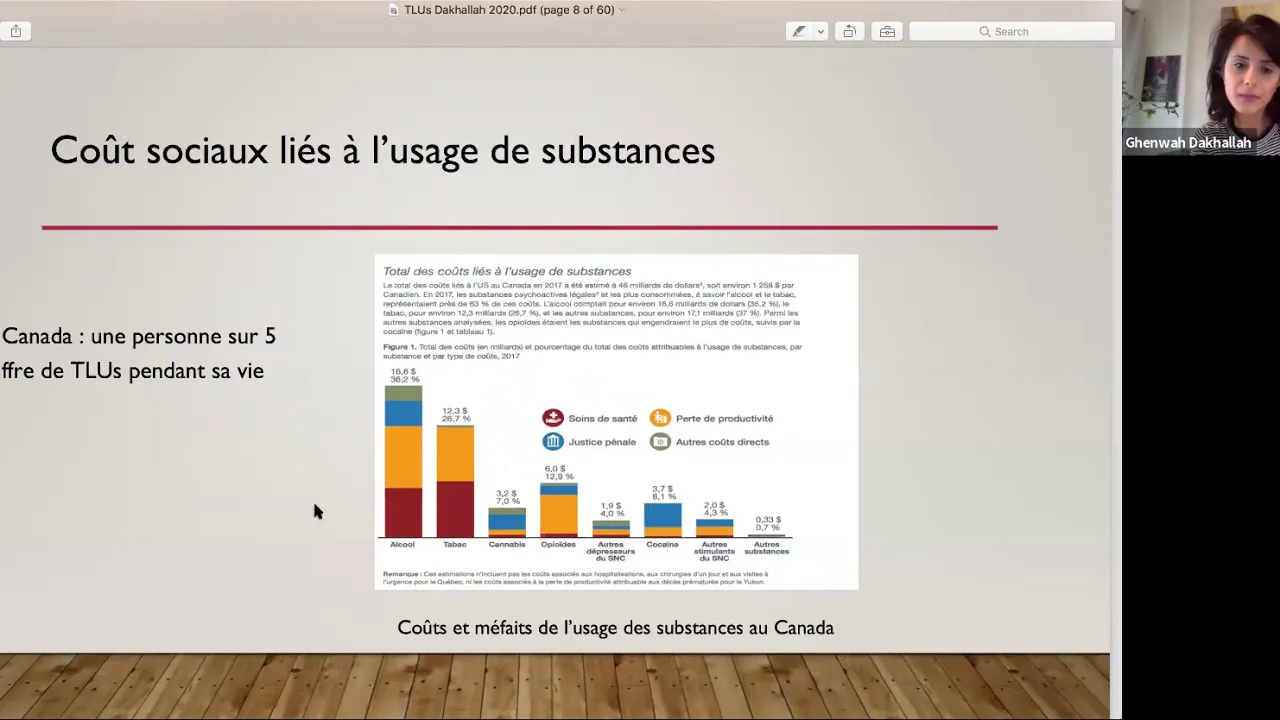

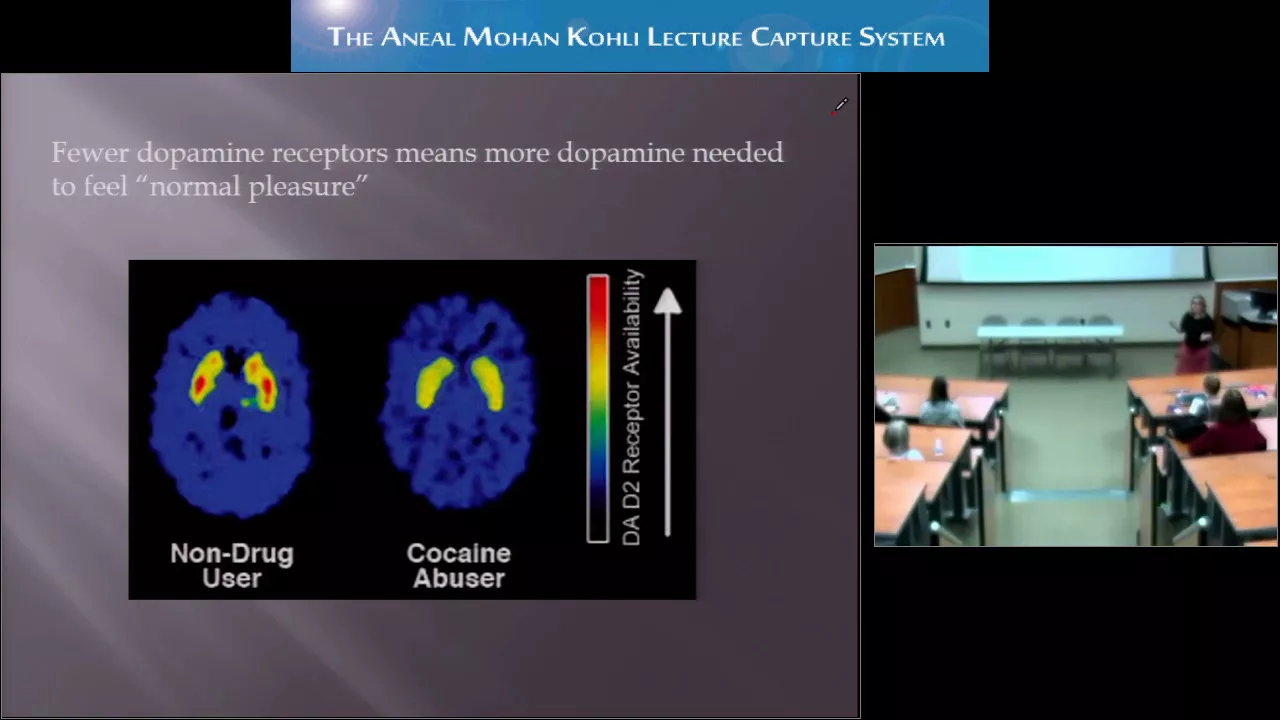
Addiction is a brain disease characterized by a functional disconnection between the brain's 'go' system (ancient reward circuit) and 'stop' system (frontal lobe), causing uncontrollable reflexive responses to drug-related cues that occur before conscious awareness; relapse tendency is an inherent part of the disorder, not treatment failure, and modern treatments like baclofen aim to reduce hyperactivity in the reward circuit to restore balance between these neural systems.
The Neuroscience of Addiction and Relapse: Understanding Brain Circuits
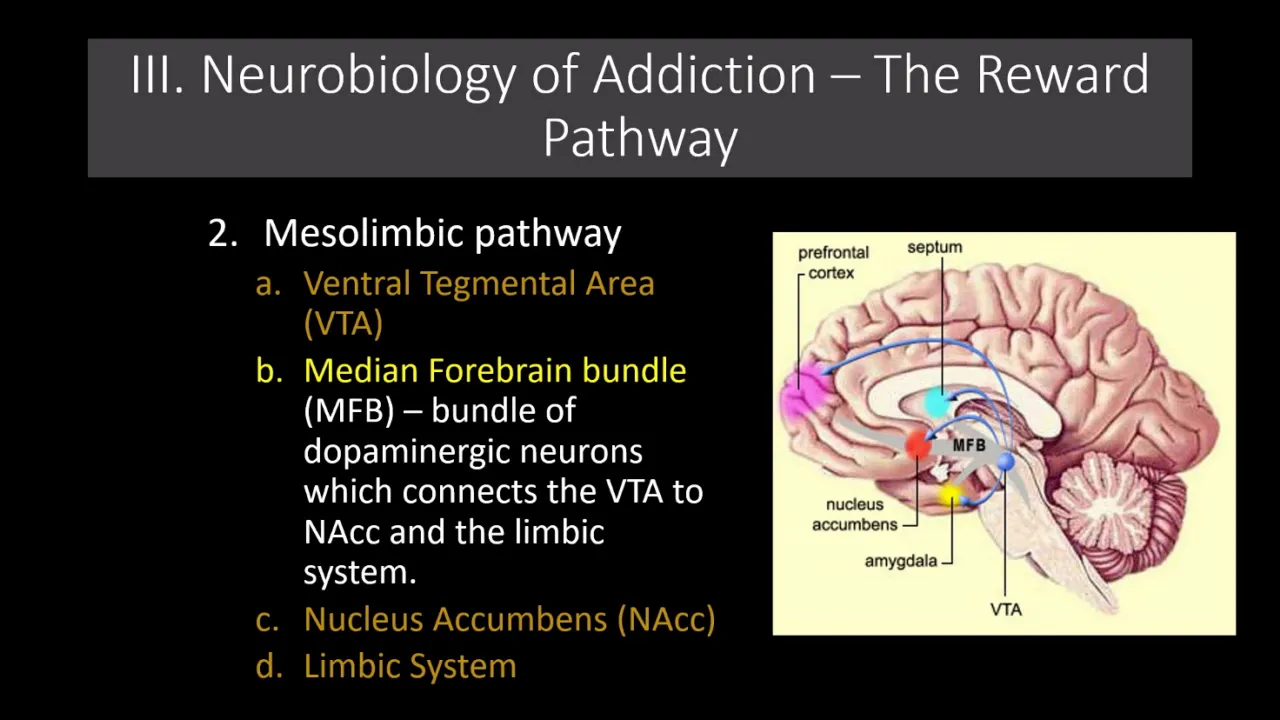
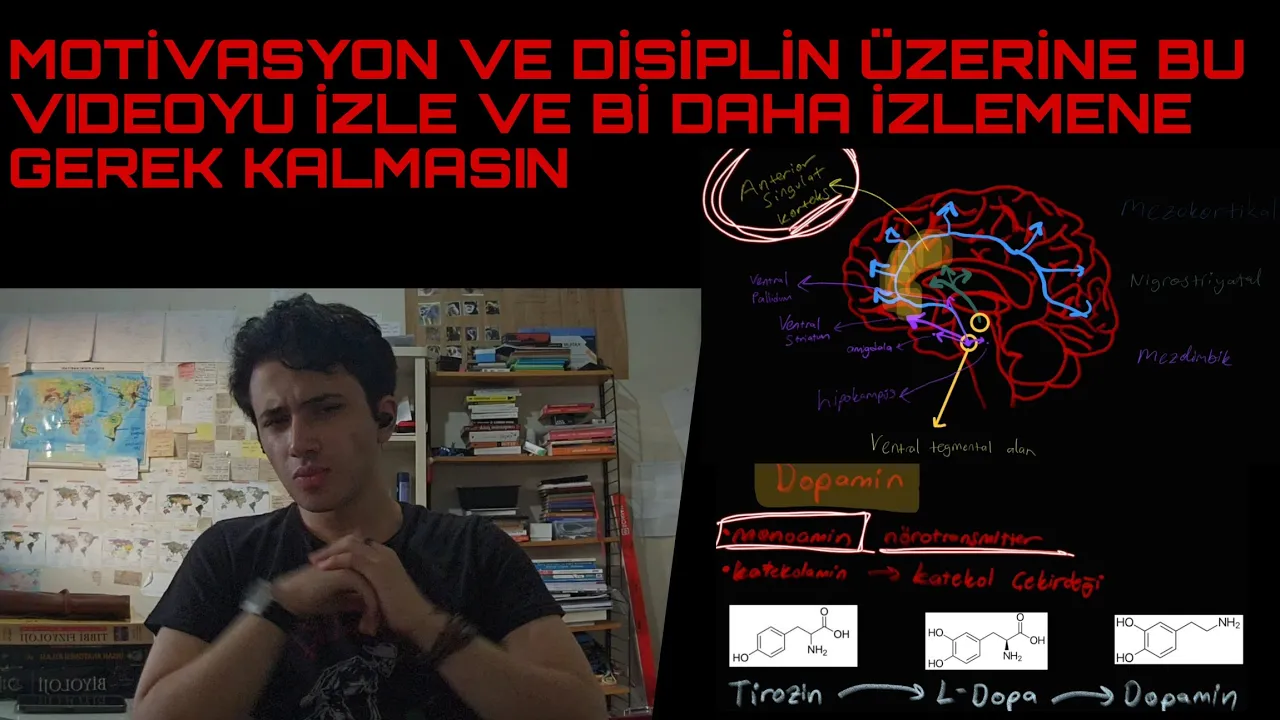
Added:Basic neuroanatomy of the reward system, specifically the roles of the mesolimbic dopamine pathway, the nucleus accumbens, and the prefrontal cortex.
The mechanisms of synaptic transmission, including how neurotransmitters like dopamine, GABA, and glutamate facilitate communication between neurons.
Fundamental pharmacological concepts, such as how exogenous substances act as agonists or antagonists at receptor sites.
Basic psychological principles of conditioning, particularly how environmental cues trigger habit formation and cravings.
The specific neurobiological mechanisms of GABA-B receptor agonists, such as baclofen, in modulating dopamine release and reducing anxiety.
The role of neuroplasticity and synaptic remodeling in the brain during long-term recovery and abstinence.
Advanced neuromodulation techniques for treating refractory addiction, such as Transcranial Magnetic Stimulation (TMS) and Deep Brain Stimulation (DBS).
How neurobiological models of addiction inform public health policies, harm reduction strategies, and the integration of pharmacotherapy with cognitive behavioral therapy (CBT).
133.2K views519likes10:52Original Release: 2012-06-29
when somebody begins to think that a loved one or family member has a drug or alcohol problem it is really frightening because none of us know how to start where to start and where to go addiction is unpleasant to the person who has it and to the family of the person that has it and that's why you want to treat it this is not something that develops overnight for any individual and that generally there's a series of steps that individuals go through from experimentation and occasional use through the actual loss of control of use use becomes compulsive and people become preoccupied with it it becomes very very important to them the one of the ways I define addiction is wanting the wrong thing very very badly prediction is a disease of the brain that translates that that disease translates into abnormal behavior when a person who has this disease is exposed to cues or stimuli that remind them of or have previously been associated with the use of a drug there is an uncontrollable reflex it happens very very quickly in the brain we can see it in brain imaging and the person doesn't have the ability to stop it as a matter of fact it may happen before they're even conscious of it I'm out here alone now trying to uh hang on a survived how days were rough I actually thought this one would be different but right near the end some other things happened um with my wife and the family and I didn't respond very well I said I'm going out for a little while I went out I don't even really remember who's where I went or whatever but I do remember going outside walking around buying drugs have money and use and just use you even after people have been drug free for not just days or weeks but months or years the tendency to relapse is very strong so it is the way to understand what addictions are the tendency to relapse is part of the disorder it's not a failure of treatment it's part of the disorder I've always lost about it and that's how I feel I've lost the battle again and I'm using again and you know I sit in and when I'm actually using after a battle like that I feel so bad because I couldn't win or I didn't win yeah rollercoaster ride right now I'm on a period where like I just can't seem to get what I want I know what I want I definitely know what I want and that's clean and sober that's DSM results I don't want to get into a good spot it's so important to do exactly what you're doing which is to say if I had 11 months good functioning clean type of you or I can do that again and in fact all the day to say that the more times you keep trying you increase your likelihood of that success being more sustained and that's really really important patients say why can't I just stop I've lost so much I've paid such a high price parents say why can't they just stop they've completely wrecked their lives our lives too why can't they just stop and what we're beginning to understand doubt the level of the brain is that there are a lot of cards that are stacked in the wrong direction here I'm so stronger than such other things that people people could actually there's people that would say to you yeah he's strong willed in this way so that way you don't be stronger why so excited so it's very important right you know we try to understand it's not a matter of moral fiber or character or just wanting it enough you got parts of the brain here that think when they see these signals for drug that that's as important as a relationship as the best food you ever saw it's it's a trick that's played on the brain and in a way that tends to leave out this decision-making part of your brain so in the brain we have these two important systems the go system the ancient goes circuit for helping us respond to natural rewards that are so important for our survival and the stop system the more recent frontal lobe system that's important for helping us consider when it's important not to go not to act on the pull of that reward when things are working right the ghost circuitry and the stop circuitry really are interconnected and really talking to each other to help you weigh the consequences of a decision and decide when to go or not to go so it's not that they're separable they're interactive they're interlinked at all times it's just that it's interesting with our patient situation it is as though they have become functionally disconnected it is as though the ghost system is sort of running off on its own is a rogue system now and is not interacting in a regular seamless integrated way with the stop system this is the trigger all of this around you can turn around with all that all that's the trigger because all of this is where I'm from and I've always used in this area can you imagine the trigger is here the trigger is not only up here the trigger is when I will walk out open my eyes and what I see the patient sees smells experiences things that remind them of their drug of abuse and instead of being able to say what wait a minute think about what happened last week you lost your job you almost lost your life instead the stop system doesn't seem to get into the picture at all it's all about go one of the exciting things about now in terms of our understanding addiction is that for the first time at all of human history we can peek inside the brain and see what may be broken and if we can see what's broken we have an idea about how to go about fixing it we wanted to understand how little does it take to get this sensitive reward circuit activated and off to a head start so what we've noticed in the past year is that the system can be activated when we show pictures that are as shortness 33 milliseconds with things that are so short that they are outside awareness so what's really difficult here for the stop system is we know that the message doesn't even have a chance to get up to the frontal lobes for them to weigh in it's coming in under the radar before you have a chance to mount a defense so what's so impressive to me is that this go system is so incredibly sensitive that while many of the things we experience are multiple seconds long they don't have to be to get it going and for our patients I think it will be a helpful piece of news because for them they sometimes couldn't point to the cue or label the cue that set off this craving state if this kind of moment arises so quickly we need something to be in place to sort of bring things into a manageable range before the challenge of a go moment we've begun to study a medication that would help quiet things down that would serve like tune down the volume on the ghost system this medication called baclofen it's familiar it's been around a long time but we found that it can reduce the activity in this system a little bit bringing it sort of into a more manageable range so what this picture shows is that in patients who are untreated who have no medication who see half-second cocaine cues the brain has an intense dialogue one way to think about this picture is that you're seeing a visual representation of let's go for it and you can tell that it's a very intense dialogue because of these very hot spots on the other hand when we look at patients who are treated for seven days with baclofen what Q can see is that now this intense conversation has been reduced to a whisper it's not that the brain is dead there's activity but instead of go-go-go it's I don't know doesn't seem like it's worth going and so the hope is that you would have a chance for the frontal lobe to do its thing to be able to weigh in and have a chance to put into place good decision-making I do not want to live my life uh under grips of my addiction I will be at at it probably I will be radical in my life but I want to not be an addict using so the hope of the future is medications and behavioral treatments that can combine to literally reset the brain you you
Up Next
7:15
IQ Genetics vs Environment: How Parents Shape Intelligence
@LexClips
102.3K views•2022-07-16
21:55
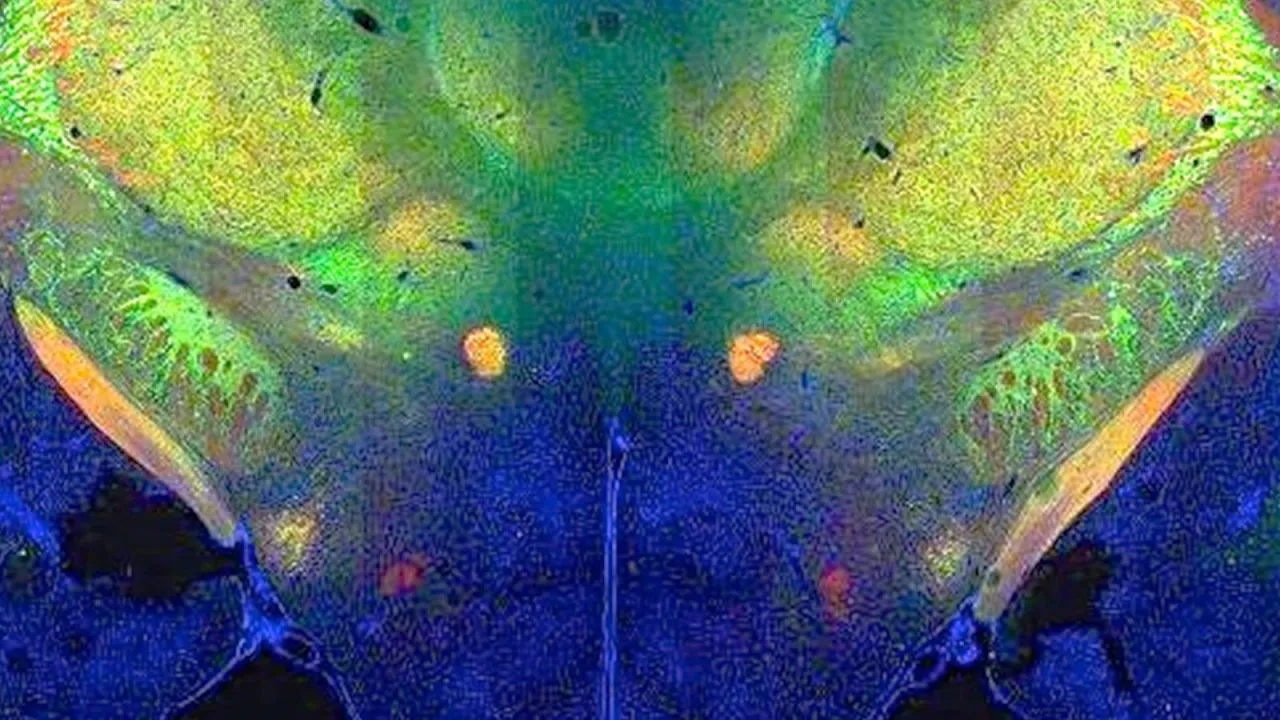
Deciphering Neural Circuits Controlling Anorexia in Mice | Richard Palmiter
@AllenInstitute
2.3K views•2011-10-10

4:10
Vagus Nerve (CN X): Anatomy, Nuclei & Functions Explained
@Alilamedicalmedia
305.2K views•2022-10-31
13:03
How Exercise Benefits Your Brain: Science Explained
@TED
11.4M views•2018-03-21
Related Study Plans & Knowledge Roadmaps
Structured learning paths in Neuroscience
neuroscience
Appetite Regulation: Brain Circuits & Hormones
01Foundations of Endocrinology and Brain Anatomy
02Introduction to Energy Homeostasis
03Peripheral Signals: Leptin, Ghrelin, and Insulin
+ 2 more learning modules
14h5 modules
Explore Roadmap
neuroscience
Neuroeconomics: Value, Risk & Brain Mechanisms
01Foundations of Neuroscience and Brain Anatomy
02Introduction to Neuroeconomics and Subjective Value
03Dopaminergic Prediction Errors & Reinforcement Learning
+ 3 more learning modules
18h6 modules
Explore Roadmap
neuroscience
Spatial Navigation: Cells, Grids & Brain Maps
01Foundations of Brain Anatomy and Memory
02Place Cells and Head-Direction Cells
03Grid Cells: The Brain's Coordinate System
+ 2 more learning modules
12h5 modules
Explore Roadmap
neuroscience
BCIs: Neural Decoding & Prosthetic Control
01Neuroscience Foundations: How the Brain Signals Intent
02Signal Acquisition: Recording the Brain's Activity
03Neural Decoding: Translating Brain Waves into Data
+ 2 more learning modules
25h5 modules
Explore Roadmap