








![👶🏼 PEDIATRÍA INTEGRATIVA 🩺 [Importancia de la Suplementación] Dra. Mar Begara](https://i.ytimg.com/vi_webp/nSe8Vlf8rS4/maxresdefault.webp)







Medical pluralism refers to the coexistence and interaction of multiple diverse healthcare systems, practices, and beliefs within a society, where individuals may benefit from various treatment approaches but also face challenges when recommendations conflict; this phenomenon is influenced by factors such as human diversity in healing, healthcare accessibility and affordability, historical and political contexts like colonial legacies, and government policies, with trends moving toward integrative medicine and collaborative care models that combine elements from different healing traditions.
Medical Pluralism: Coexistence of Diverse Health Systems
Added:Understanding the distinction between biomedicine (allopathic medicine) and traditional, complementary, or alternative medicine (TCAM).
Basic sociological and anthropological concepts of health, illness, and the cultural construction of disease.
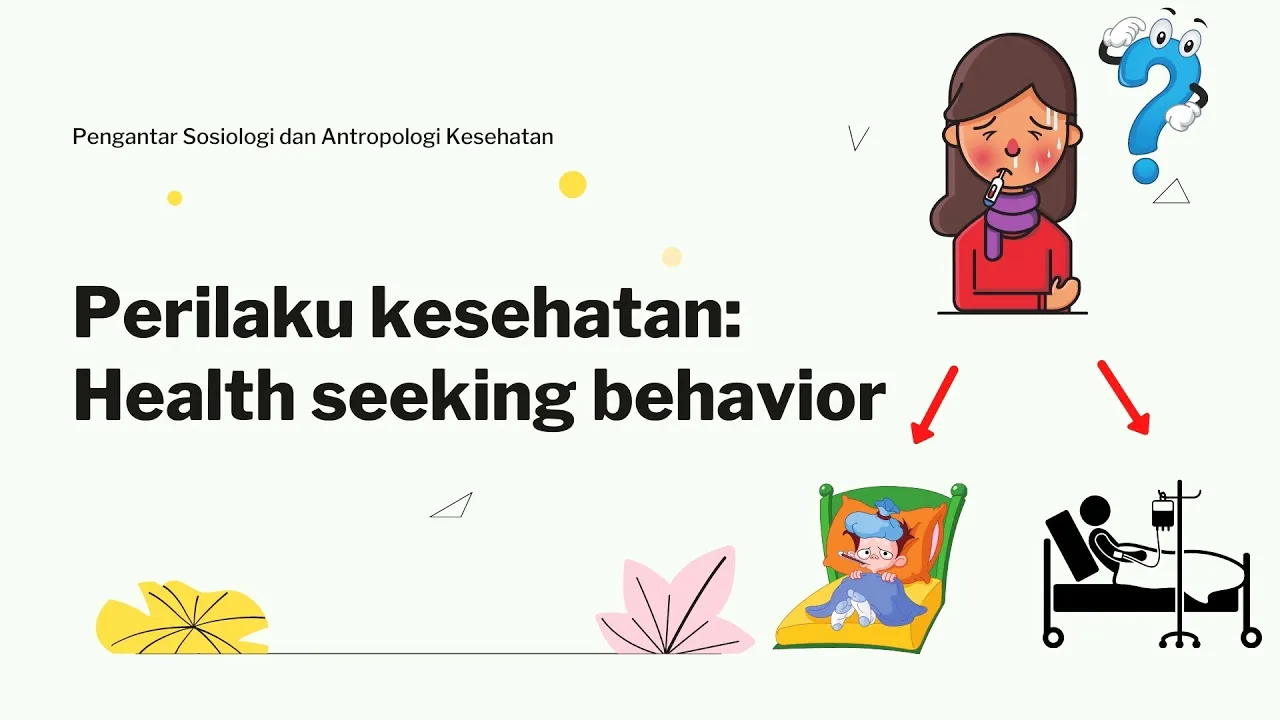
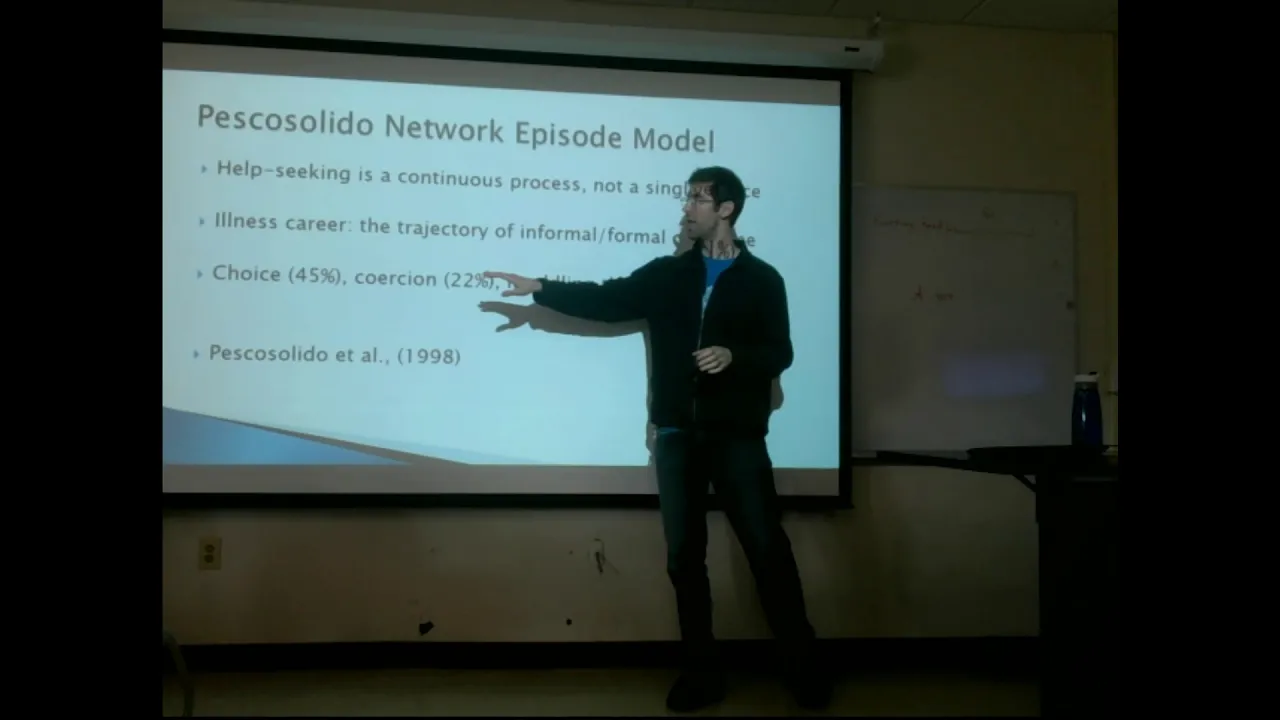
An overview of health-seeking behavior models, which explain how individuals make decisions about seeking healthcare.
Familiarity with the structural components of healthcare systems, including formal public health sectors and informal community-based care.
Designing and implementing integrative medicine frameworks that safely combine evidence-based alternative therapies with biomedicine.
The regulatory, legal, and policy challenges of standardizing, licensing, and testing the efficacy of traditional health systems.
Developing cultural competency and clinical humility guidelines for healthcare providers practicing in highly diverse patient populations.
Analysing global health policy strategies, such as the World Health Organization's initiatives to integrate traditional medicine into primary healthcare.
947 views0likes9:37Original Release: 2023-11-06
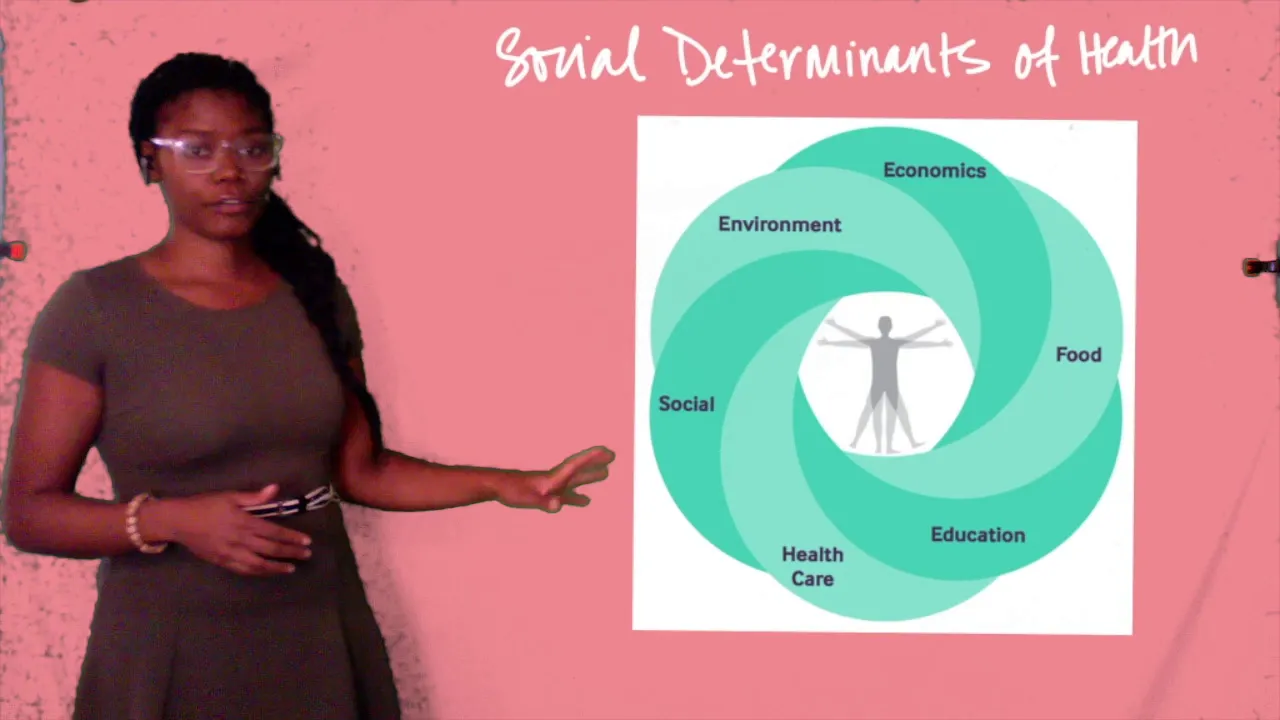
medical pluralism so medical pluralism really is this coexistence interaction of multiple Diverse Health Care Systems practices and beliefs within a society different indigenous immigrant and other cultural systems come into contact historically and often you know coexist in shared communities societies and nation states so Within These contexts anthropologists see where individuals may benefit from a range of conditions uh treatments and so on that are offered across these systems but also the idea of challenges that can be seen in conflicting recommendations across Health Care Systems I'm having some upper back pain and should I seek Western medicine or should I seek traditional Chinese medicine if I'm thinking about my doctor my doctor wants me to undergo physical therapy to take pain medications and you know possibly surgery you know at the same time uh knowing people within the traditional Chinese medicine World um it may be an imbalance in my body's vital energy Che things related to blood circulation so acupuncture Herbal Remedies massage may be able to restore Harmony and alleviate the pain obviously you know these are different ways of looking at things in terms of illness and treatment each of these reflects very different approaches to to illness and for somebody like myself I respect both as equally valid and so then the issue of which recommendation to take becomes something for us to think about uh for me in fact with the way my insurance is I do not believe that I would be able to finance working with a Chinese traditional um doctor uh without the insurance I would have to pay out of pocket and so that may be a financial burden so if you're thinking about my decision making it may not be because I prefer biom medicine but that uh my insurance only allows me to seek particular kind of of care so when we're thinking about medical pluralism we're also thinking about plural and syncretic right healing Traditions that coexist in society we've talked about biom medicine we've talked about varieties of ethn medicine you can think about the the pluralistic kind of interaction between them at the same time there's really a whole other realm that's developed of alternative and complimentary medicine in which ethnomedical practices treatments therapies really exist alongside and in conjunction with bio medicine this can be an incredibly syncretic approach that sees things taken from all of those Traditions right and combined one of the themes that has been really seen is the way that alternative and complimentary medicine uh comes at things by looking at the kind of holistic concept of illness with the mental and psychological aspects of the Mind the body and the biological uh is all as well as this kind of spiritual of of illness and that if you're thinking about a common theme that these alternative and complimentary medicines will uh really focus on all of those components of an individual's well-being another really interesting thing too is it's so Dynamic and changing and so so varied so for example we could consider the Institute of complimentary medicine this is a a really interesting institution I would classify it as an alternative or complimentary medicine institution and they do many different kinds of medicine from as you can see acupuncture they have naturopathic medicine uh they have experimental kinds of medicine that have not gone through test trials it's an incredibly interesting hospital it's one of these examples where different kinds of or we could say biom medicine and ethnomedicine and experimental forms of Medicine kind of come together so when we're thinking about medical pluralism there's also a couple factors that we see that influence how medical pluralism is understood in a particular context there's just a human diversity in suffering and and healing leads also to differences when we look at uh how a society or what options that a society offers individuals for medicine you have a factor of the accessibility and affordability of of Health Care so this is going to affect um how pluralistic a society as health care may be we should think about the historical and political context things like the colonial legacies and government policy so here in the United States many uh Native American communities children were were removed right from the home in the community and Indigenous ethnomedicine was actively suppressed and discouraged and so many Native people grew up without practicing or learning about traditional healing methods so you know this is one of the factors you could think about in trying to understand a kind of medical pluralistic landscape so Trends and directions when we're thinking about medical pluralism this is clearly something that's only going to continue to develop with the modern world system globalization and so on this exchange of different kinds of healing knowledge and so there's a lot of talk about integrative medicine and potentially this idea of collaborative care models where uh representatives from the different Multicultural you know medicine providers Health Care Providers can form teams to provide comprehensive care to the idea of collaborative care model being something really about emphasizing the communications between right these healthare providers in giving potential recommendations to the patient having better coordination and collaboration among them so if I'm working with a traditional Chinese medicine healer and I'm also working with my doctor if they were able to as part of a collaborative care model uh communicate share notes and so on this could be of of great benefit and I think that's where anthropologists when we're giving policy kinds of recommendations it's a model we would be advocating I've spoken a little bit about uh traditional Chinese medicine and you know and thinking about medical pluralism China in fact is a really interesting context to to explore for medical pluralism in China there is this idea of an integrated Chinese and Western medicine so you have something like you could say Western biom medicine hospitals schools um set up instit tions right associated with that and then you have traditional Chinese medicine which also again has schools and hospitals clinics pharmacies and a population that seeks that kind of care but they also have you know thinking again pluralistically I'm not going to be comprehensive but a third system that is available is this Integrated Chinese and Western medicine where it's oriented towards the goal of ba balancing the body's energies and optimizing the flow of vital energy or Chi so it has this kind of grounding in traditional Chinese medicine but people may use a range of different diagnostic methods physical examinations laboratory tests that we would associate with biomedicine as well as traditional Chinese techniques like pulse and tongue diagnosis uh to really assess you know patients conditions you may have treatments that have things like Pharmaceuticals surgery physical therapy as well as Herbal Remedies acupuncture cupping dietary therapies and so on and so in this Integrated Chinese and Western medicine well they don't frame it like academics here this collaborative care model uh that we just spoke about in fact that's what they do and so uh a patient will have a team we'll have a biomed doctor we'll have a traditional Chinese medicine practitioner and potentially other Specialists so to conclude here the concept of medical pluralism right the opportunities and challenges that it offers human beings kind of some of the trends and directions that we're seeing integrated medicine uh is one of those and then finally we end with that example right of Integrated Chinese and Western medicine that you can find in the People's Republic of China
Up Next

52:18
Shamans of the Amazon: Ayahuasca, DMT, and the War on Drugs
@reallyneed2know
163.1K views•2013-04-01

12:54
Triumph of Orthodoxy Icon: Byzantine Art & History Explained
@BenCallan
2.1K views•2024-08-06

3:40
Medical Anthropology Explained: Culture, Illness, and Healing
@TheHumanConditionEWU
6.3K views•2023-08-28

1:42
Game of Thrones Opening Credits: A Cinematic Analysis
@gameofthrones
46.3M views•2011-04-18
Related Study Plans & Knowledge Roadmaps
Structured learning paths in General & Interdisciplinary Studies
general-studies
Elevator Engineering: History, Physics & Cities
01From Hoists to Safety Brakes: The Dawn of Vertical Lift
02Hydraulic vs. Traction: The Engineering Physics of Elevators
03Modern Speed, Safety, and Algorithms
+ 2 more learning modules
12h5 modules
Explore Roadmap
general-studies
Rubber: Material Science, History & Geopolitics
01Origins of Natural Rubber & Mesoamerican History
02The Chemistry of Natural Rubber & Vulcanization
03The Geopolitics of the Rubber Boom & Colonization
+ 2 more learning modules
12h5 modules
Explore Roadmap
general-studies
Containerization: Evolution, Logistics & Trade
01Ancient Trade & Bulk Cargo: Amphorae to Barrels
02The Industrial Revolution & Cardboard Packaging
03The Containerization Revolution: Malcom McLean
+ 2 more learning modules
12h5 modules
Explore Roadmap
general-studies
Textile Tech: Evolution, Labor & Global Impact
01Pre-Industrial Textiles: Handloom & Cottage Industry
02Mechanization: The Spinning Jenny to the Power Loom
03The Factory System & Global Labor Transformation
+ 2 more learning modules
10h5 modules
Explore Roadmap