Medical anthropology is a subfield of anthropology that studies human disease and illness by examining both biological and cultural factors, focusing on how illness experiences, diagnoses, and treatments vary across different human populations and cultural contexts.
Medical Anthropology Explained: Culture, Illness, and Healing
Added:Deep Dive
The fundamental definition of culture, cultural relativism, and the ethnographic method in general anthropology.

Relativismo Etnografia Alteridade / Franz Boas e Bronisław Malinowski
30.4K
Anthropology is known as the science of alterity (the study of the other) because it employs cultural relativism—a method pioneered by Franz Boas that analyzes each culture from its own internal terms rather than through Eurocentric evolutionary frameworks—and ethnographic fieldwork, developed by Bronisław Malinowski, which requires researchers to live among and participate in the daily lives of the communities they study to understand their cultural practices and meanings.
Click to watch →
Lecture 02 Basic Concepts & Theories
5.5K
Anthropology is the holistic scientific study of all aspects of the human condition, using theoretical constructs to explain patterns in human behavior. Two fundamental concepts structure anthropological investigation: society (the concrete group of people living together with daily face-to-face interactions) and culture (the abstract shared concepts and ideas about appropriate behavior). Culture is learned, adaptive, integrated, and constantly changing, enabling humans to survive and thrive in their environments. Key methodological principles include recognizing ethnocentrism (judging other cultures by one's own standards) and practicing cultural relativism (viewing cultural practices within their own context to achieve objective scientific understanding without bias).
Click to watch →
Etnografia, etnocentrismo e relativismo cultural
350
Etnografia (observação participante) is an anthropological method that studies societies from the perspective of their members, emerging in the 20th century as a shift from the earlier 'cabinet method' that relied on external accounts. Etnocentrismo is the belief that one's own culture is superior to others, creating false hierarchies between cultures. Relativismo cultural is the recognition that all cultures are equally important, each with its own particularities and historical development, and that cultural diversity is a necessary phenomenon requiring understanding from each culture's own conditions.
Click to watch →

ANGE 1001 KUPPIYA | EP 01 | 1ST YEAR | 2024 BATCH | REPEATES
911
Cultural relativism holds that each culture should be understood on its own terms without external judgment. Ethnocentrism, the belief in one's own cultural superiority, contrasts with this principle. Anthropologists study how cultures develop within specific geographic and social contexts. Ethnographic methods, pioneered by Malinowski, involve participant observation where researchers live within cultures to understand them from the inside. This approach provides more accurate cultural understanding than external observation alone.
Click to watch →

What is Cultural Relativism? Definition, Strengths, and Criticisms | Theory to Go 3
20.2K
Cultural relativism is the principle that cultural values and beliefs are historical products rather than universal truths, requiring researchers to understand different cultures within their specific contexts rather than judging them by external standards; this approach, pioneered by Franz Boas and his students, enables anthropologists to conduct objective research without attempting to change the beliefs and behaviors of the people they study, though critics argue it risks ethical paralysis, a concern anthropologists address by distinguishing between relativist methodology and absolute moral relativism.
Click to watch →
Deep Dive
The conceptual distinction between 'disease' (malfunctioning of biological processes) and 'illness' (the personal and cultural experience of being unwell).

Component 2, Unit 1: An Overview of the Culture of Healthcare (Lecture a)
298
According to Kleinman's 1978 article, disease refers to malfunction or maladaptation of biologic or physiologic processes, which is the traditional focus of physicians when diagnosing and treating. Illness, in contrast, refers to the individual experience of the person who is suffering, including their personal, interpersonal, and cultural reactions to disease or discomfort. While disease is determined mainly by biologic and physiologic processes, illness is shaped by cultural factors that govern perception, labeling, explanation, and valuation of the experience.
Click to watch →

15 Febbraio 2019 – Mettiamo in ordine le idee 6 – Vittorio Lingiardi – seconda parte
244
There is a fundamental distinction between illness (the patient's subjective experience) and disease (the biological pathology). The patient brings inseparable elements of culture, experience, and personal meaning to their condition, while the disease represents the biological reality. The physician must hold these separate while also knowing how to reunite them in the diagnostic process.
Click to watch →

¿Qué es la enfermedad?
481
Andrew T. distinguishes three related but distinct concepts of disease: (1) Disease (disease) - the biomedical concept understood by medical professionals, referring to biological phenomena and pathological processes; (2) Illness (illness) - the subjective experience of being unwell from the patient's perspective, including symptoms and suffering; (3) Sickness (sickness) - the social perception and response to disease within society, including cultural meanings and social consequences. These three concepts are interrelated but distinct, as illustrated by examples like how resaca (hangover) is considered a medical condition requiring work absence in Russia but not in Colombia, showing that the same biological entity can be classified differently across societies. The philosophical question of disease identity then splits into two: the nature question (what fundamentally distinguishes diseases from non-diseases) and the nosological question (how we classify specific instances into categories).
Click to watch →

Medical Anthropology: Why "Why?" Is the Question Science Can't Answer (2022)
743
Disease refers to the biomedical diagnosis—biological factors like viruses or bacteria that cause illness. Illness, in contrast, is the personal and social experience of disease, which may be experienced differently across societies or not even validated in some cultural contexts. This distinction separates biological reality from cultural interpretation.
Click to watch →

Havi Carel: The Phenomenology of Illness | Robinson's Podcast #93
1.9K
Disease refers to physiological/biological dysfunction in the body, while illness is the experiential aspect of having that disease. A person has one body that exists as both a physical organism and a conscious being experiencing dysfunction. The term 'sickness' denotes the social level of disease—how society arranges sick leave and recognizes illness as an excuse for behavior. These distinctions matter clinically because physicians focus on disease while patients care about illness experience.
Click to watch →
Deep Dive
Basic understanding of the biocultural framework, which examines the ongoing interaction between human biology and cultural practices.
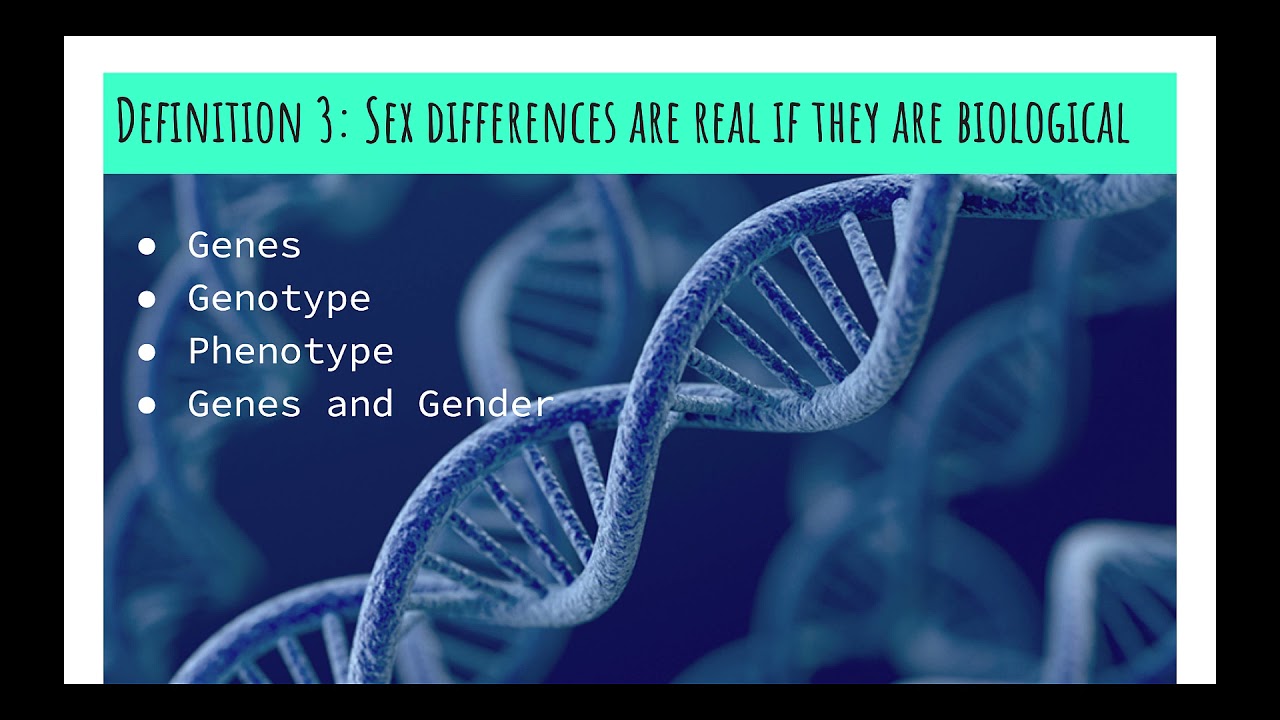
Ch 3
253
Naturalism (biology independently responsible for behavior) and culturalism (becoming who we are strictly through learning) are both rejected. Biocultural interaction is the correct framework: how our bodies respond to our cultural environment and vice versa. Since we don't exist in a vacuum without both biology and culture, understanding humanity requires considering their interaction. Biological differences can be muted by shared culture (nationality, religion, occupations). Research framing shapes findings, and for centuries, emphasis on women's inferiority has led to focus on differences rather than similarities. The nature-nurture debate is flawed because both biology and socialization affect our differences and similarities.
Click to watch →

Is sex strictly binary—or is the biology more interesting than the culture wars allow?
24K
Human bodies and lives are not separate into hard material biology and soft cultural parts—they are always intertwined. Sex and gender are super biocultural concepts involving both biological and cultural dimensions simultaneously. The nature-nurture debate is outdated; the correct framework is 'nature nurtural'—biological processes in constant dialogue with environmental, social, and cultural factors. While gametes are binary (large versus small), the systems that produce them, developmental processes, organic structures, behaviors, and lives are not binary. A binary is defined as two things of the same category with no overlap, but human biology involves distributions of biological materials with typical clusters rather than absolute categories. Most people confuse sex and gender—sex involves typical distributions of biological characteristics (genes, gonads, genitals), while gender is a culturally defined set of expectations based on bodies. There are individuals who do not fit cleanly into either category. Gender systems vary cross-culturally—indigenous North American cultures had multiple genders, and many cultures today do as well. The term 'spectrum' feels threatening because it has been associated with hateful positions claiming one right way to be human, but this reaction is driven by political culture rather than biological concerns. The 3G sex definition (genes, gonads, genitals) describes typical distributions: 3G females are XX with ovaries and female genitalia; 3G males are XY with testes and male genitalia. However, within these categories, testosterone levels can vary by 300%, and body types overlap substantially. A spectrum is not a line with a range—it is like light or sound, where the same stuff exists with different frequencies. Thinking about gender as a sliding scale is problematic because biological characteristics do not map neatly onto cultural categories. Pre-puberty children show little testosterone or muscle difference—these appear later—so gender-specific sports for children may not be biologically accurate and can harm children by forcing them into categories they don't fit. Open sports where children choose activities would be biologically accurate and beneficial. Before discussing trans individuals in sports, we should first address basic inequalities—women athletes should receive equal pay, training, and support. Many people suffer from fear and confusion about bodies because of ignorance about biological variation. Schools should teach human biology, including what normal variation looks like, to address eating disorders and body image issues. Race is a social construct that emerges from racism—a way of using superficial categories to divide people and create inequalities. Race has nothing to do with biology, though racism can impact biology. While race and sex are different kinds of things, their experiences can be similar because both involve systems created by ideologies that differentiate people and create hierarchies. In the United States, race, sex, gender, racism, and sexism are all nested together and intersect.
Click to watch →
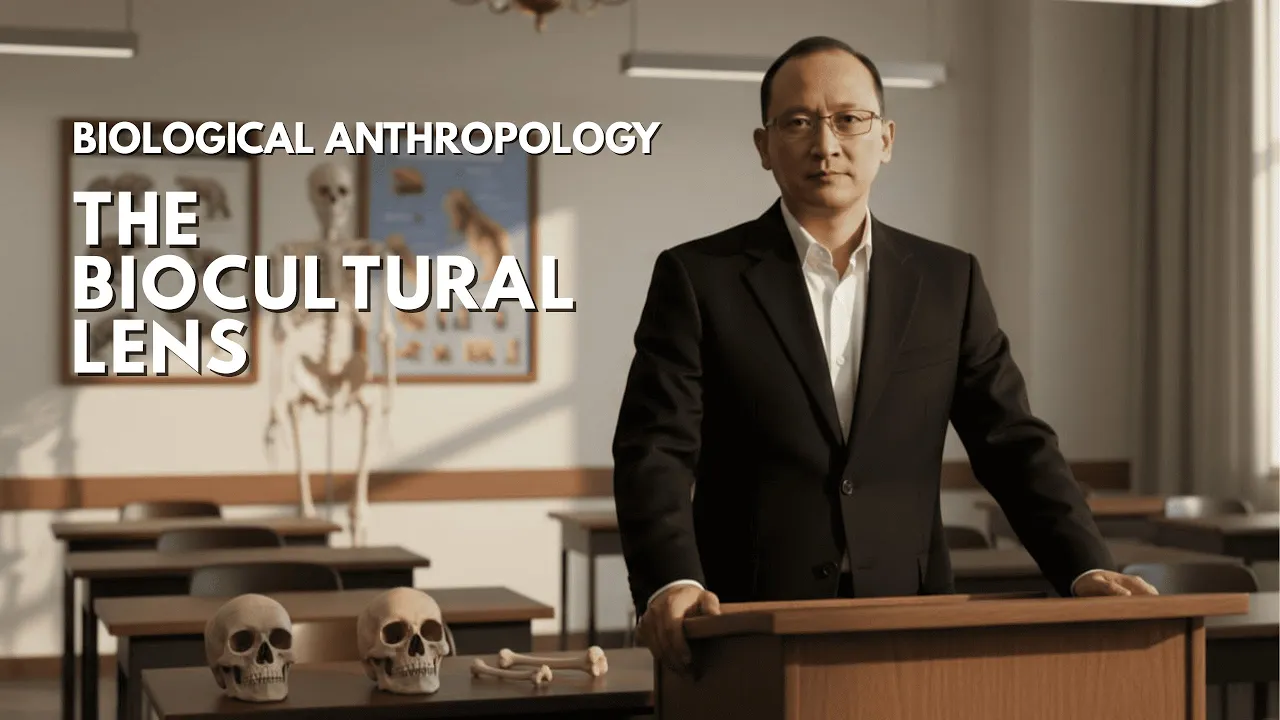
Anthropology & Biocultural Approach | Bio Anthro Module 01, Part 01
341
Biological anthropology is the branch of anthropology that studies humans as biological organisms within an evolutionary framework, employing a biocultural approach that recognizes the inseparable relationship between human biology and culture; this holistic perspective understands that biological factors (such as anatomy, genetics, and evolution) and cultural factors (including learned behaviors, beliefs, and technologies) constantly interact and shape human variation, adaptation, and development across populations and time periods.
Click to watch →

EP. 24: CEMPASÚCHIL Y YAUHTLI: LA MEMORIA BIOCULTURAL EN FLOR
190
Human survival requires addressing both material subsistence (food production, habitat construction, protein acquisition) and ritual practices that address situations beyond material control. When natural events like storms occur, communities resort to ritual practices involving supernatural beings—what some scholars call 'the real marvelous.' While all humans share basic biological needs, cultural specificity manifests in how communities perceive their environment: children drawing supernatural beings as deceased relatives, girls apologizing to corn grains, and beliefs that squash has life and can be affected by bird cries. The world is not simply as it appears but as it is perceived through cultural lenses. Nature and culture cannot be separated because they are fundamentally interconnected—what affects languages affects nature, what affects maize affects culture, and what affects ancestors affects the future. Bioculturality represents the fundamental nature of humans as beings who are simultaneously biological and cultural. Humans belong to the animal kingdom with cells and material existence, yet also create culture like other species. This culture and biology are not separated but form a unified existence. Seasonal abundance creates opportunities for sharing not only among human social groups but also with ancestors, deities, and animals, reflecting the understanding that humans are symbiotic beings requiring reciprocity and cooperation to continue living, working, and thriving throughout the year.
Click to watch →

PHILOSOPHIE BAC 2026 – NATURE ET CULTURE Expliqué simplement
504
Humans are fundamentally biocultural beings whose identity emerges from the inseparable interplay between innate biological capacities (nature) and learned social experiences (culture), as illustrated by examples like language acquisition and incest taboos, which demonstrate how biological potential requires cultural realization; this understanding challenges ethnocentrism and promotes cultural relativism, recognizing that human nature is neither purely innate nor purely constructed but exists in a dynamic dialogue between both dimensions.
Click to watch →
Deep Dive
An introduction to social determinants of health and how socio-economic factors influence well-being.

American Healthcare:The Good The Bad The Ugly
120
Social and economic factors have more impact on health and well-being than anything that happens in clinical settings. These factors include early education, environment, food security, utilities, and access to care. While clinical care is important when needed, day-to-day health and well-being are primarily influenced by these social determinants rather than medical interventions.
Click to watch →
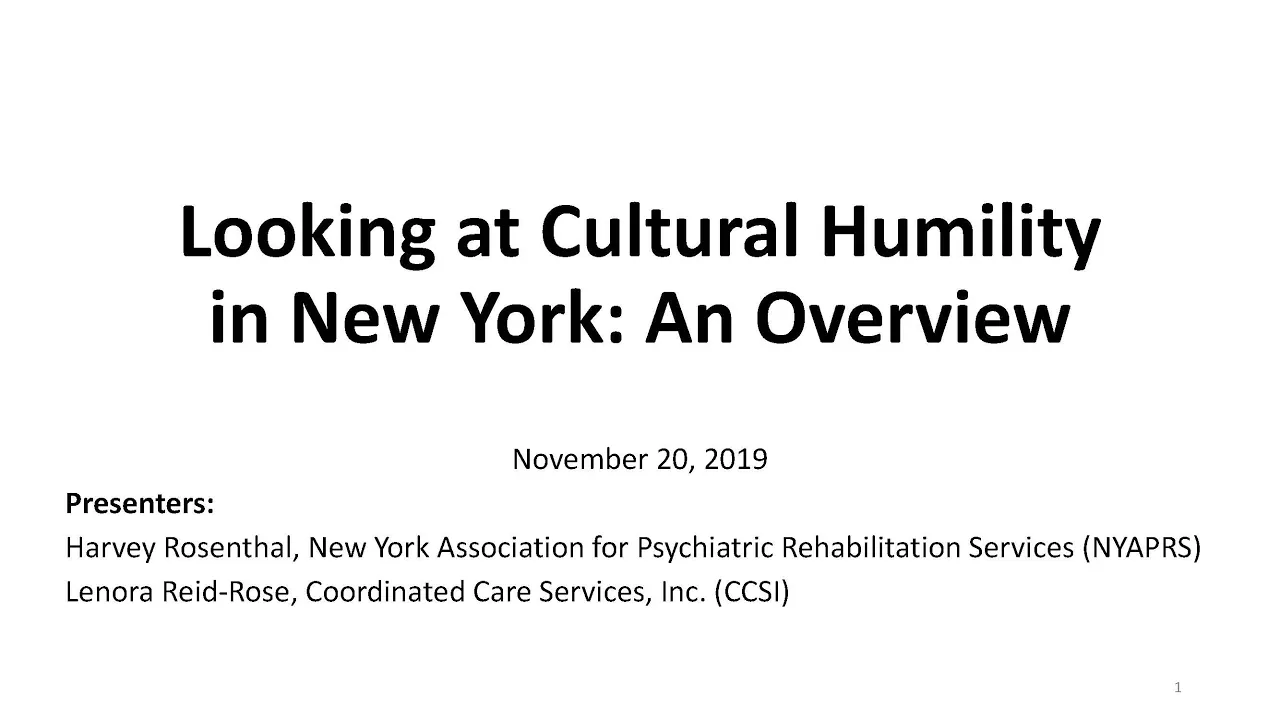
Looking at Cultural Humility in NY: An Overview
273
Social determinants of health are the conditions in the environment where people are born, live, learn, work, play, worship, and age that affect a wide range of health functioning and life outcomes. These include socioeconomic factors (education, income, employment), physical environment, access to healthcare, living and working conditions, and other social behaviors. Only 20% of well-being comes from the healthcare sector, while 80% comes from these social determinants.
Click to watch →
Southwest Magazine: Dr. Jennifer Russell of the Institute of Population Health
502
Social determinants of health are the conditions in which people are born, grow, live, work, and age. These include factors such as education level, income, housing quality, geographic location, race, and gender. These social and economic factors significantly influence overall health and well-being, often more than individual behaviors or genetic predispositions.
Click to watch →
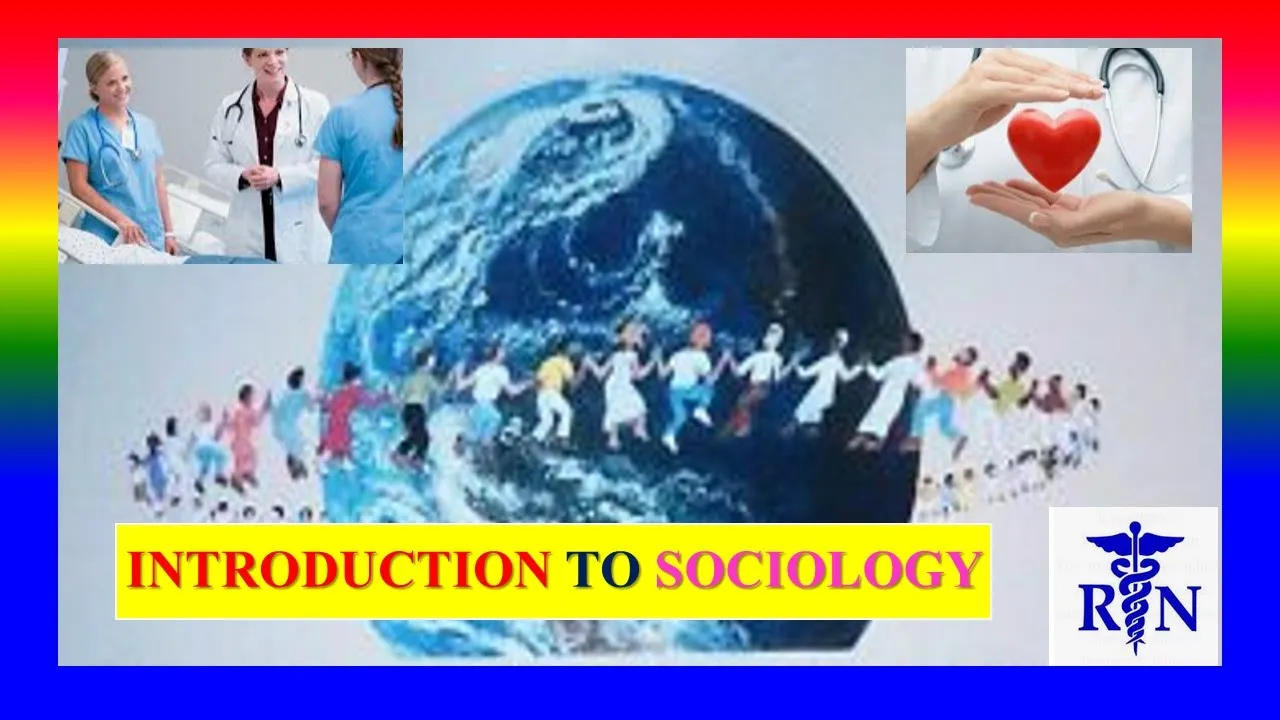
INTRODUCTION TO SOCIOLOGY - Applied Sociology for Nursing - Speech
4.3K
Social determinants of health are the conditions in which people are born, grow, live, work, and age. These include demographic factors (age distribution, population growth), economic factors (income, employment, wealth), social factors (education, social support networks, discrimination), and environmental factors (housing, pollution, safety). These determinants operate together to influence health outcomes and health inequalities within populations.
Click to watch →
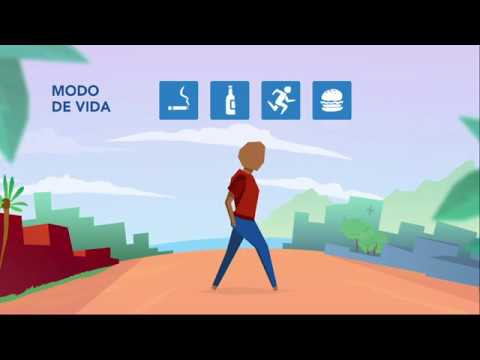
Determinantes Sociales de la Salud
478.4K
Social determinants of health are the circumstances that influence our well-being beyond individual genetics and lifestyle choices. These include where we are born, how we grow, live, and work, the healthcare system available to us, and the policies adopted in our countries and internationally. These factors explain why life expectancy varies significantly between different countries despite humans having similar physical characteristics.
Click to watch →
Prerequisite Knowledge
- Concept 01The fundamental definition of culture, cultural relativism, and the ethnographic method in general anthropology.
- Concept 02The conceptual distinction between 'disease' (malfunctioning of biological processes) and 'illness' (the personal and cultural experience of being unwell).
- Concept 03Basic understanding of the biocultural framework, which examines the ongoing interaction between human biology and cultural practices.
- Concept 04An introduction to social determinants of health and how socio-economic factors influence well-being.
Subsequent Learning
- Step 01The study of Ethnomedicine and comparative healing systems, analyzing how different societies define and treat ailments.
- Step 02Critical Medical Anthropology (CMA), which investigates how political, economic, and power structures shape health disparities.
- Step 03Applied Medical Anthropology, exploring how anthropological insights are used to design and improve public health policies and clinical interventions.
- Step 04The phenomenon of culture-bound syndromes, which are localized diagnostic categories that do not fit neatly into Western biomedical models.
Defining Field
Core Focus
Defining Field
0:00Playing Section
- 1
Anthropology studies human biology and culture holistically.
- 2
Four subfields exist, with cultural anthropology central.
- 3
Culture encompasses learned beliefs, norms, and behaviors.
Critical Medical Anthropology and the Political Economy of Health
While traditional medical anthropology often focuses on cultural beliefs, illness narratives, and local healing practices, Critical Medical Anthropology (CMA) argues that this interpretive lens can obscure the structural drivers of disease. CMA posits that health, illness, and healthcare systems are primarily shaped by political and economic forces, such as global capitalism, poverty, resource distribution, and systemic inequality. From this perspective, framing health issues merely as cultural differences ignores the 'structural violence' that actively produces sickness, meaning true healing requires addressing socio-economic disparities rather than just cultural beliefs.
Deep Dive
The study of Ethnomedicine and comparative healing systems, analyzing how different societies define and treat ailments.

Ethnomedicine in Practice: Dr. Ravi Kumar's Journey in Herbal & Ayurvedic Healing
364
Ethnomedicine is the study of traditional medical knowledge and healing practices developed by indigenous and local communities, which often includes herbal remedies, Ayurvedic treatments, and traditional diagnostic methods passed down through generations; this field recognizes that different cultures have developed sophisticated medical systems based on their unique environmental conditions, available resources, and accumulated empirical knowledge about medicinal plants and natural healing approaches.
Click to watch →
What is Ethnomedicine?
2K
Ethnomedicine is the anthropological study of diverse medical knowledge systems used by different cultures worldwide, which encompasses not only traditional healing practices but also represents interconnected knowledge systems that have contributed significantly to modern biomedical science (estimated at 25% of biomedical discoveries), while differing fundamentally from Western medicine in conceptual frameworks such as the distinction between natural and supernatural causes of illness.
Click to watch →

HST 124 Fall 2020 Lecture 11a: Smallpox and the Conquest of the New World
242
Ethnomedicine is a sub-discipline of medical anthropology examining how cultural beliefs about the body and illness produce distinctive medical systems. It studies health-related theories inherited from specific cultures and how popular illness ideologies influence disease understanding and response. To conduct ethnomedicine, researchers must adopt an emic perspective rather than being ethnocentric, recognizing that each medical system has its own internal logic, conceptions of the body, and culture-bound syndromes. Examples include amok (Malaysia), koro (Southeast Asia), and the Western 'crazy cat lady' diagnosis. Cross-cultural studies reveal four basic explanations for disease origin (individual body, natural world, social world, spiritual world) and three basic theories for why sickness occurs (imbalance, natural process, punishment).
Click to watch →

Ethnomedicine: An Anthropological Overview of Medical Systems
7.7K
Ethnomedicine encompasses historically non-Western and indigenous medical systems that address illness through culturally specific practices. All medical systems emerge from particular cultural contexts and evolve alongside cultural changes. Medical pluralism recognizes multiple coexisting systems, with biomedical practices varying significantly across cultures—for example, German physicians emphasize natural healing over antibiotic prescription. Traditional healing incorporates magical-ritualistic practices maintaining harmony between humans, nature, and supernatural realms. Ericson identifies three disease causation theories: biomedical, internal balance loss, and external causes. Foster and Anderson distinguish personalistic (supernatural agency) from naturalistic (internal imbalance) systems. Young categorizes knowledge organization into internalizing (physiological) and externalizing (environmental) systems, with accumulating versus diffusing knowledge transfer models. Frga proposes healing as biological adaptation with social organization functions.
Click to watch →

Ethnomedicine
2.9K
Ethnomedicine is the study of traditional medical practices and healing systems within different cultural and indigenous communities, examining how local populations develop and transmit knowledge about health, illness, and treatment methods through cultural traditions, rituals, and experiential learning.
Click to watch →
Deep Dive
Critical Medical Anthropology (CMA), which investigates how political, economic, and power structures shape health disparities.

MEDICAL ANTHROPOLOGY
876
Critical medical anthropology treats health systems as power structures, examining how disparities form. Health transitions—the incorporation of modern medical advancements—are unequal across communities, with life expectancy serving as a key metric. Countries with socialized healthcare systems (Canada, Western Europe) achieve higher life expectancies than profit-based systems, though profit-based systems still outperform less developed nations. Kiera Bridges' research revealed systemic discrimination in U.S. healthcare: Medicaid patients faced more intrusive procedures and greater skepticism from hospital staff compared to privately insured patients. Infant mortality rates correlate strongly with income, with almost all deaths occurring in low-income areas. The U.S. has a higher infant death rate (6 per 1,000 live births) than wealthier nations like Slovakia and Hungary, suggesting profit-based systems mirror wealth inequality, causing disproportionate suffering among the poor.
Click to watch →

Part 2 - Critical Medical Anthropology
1.1K
Critical medical anthropology is an approach that examines health disparities by looking upstream at structural factors rather than focusing solely on individual behaviors; it emphasizes that micro-level public health interventions (like promoting condom use) often fail to address root causes because they obfuscate larger social, economic, and political systems that create health inequalities, drawing on Neo-Marxist and postcolonial critiques to analyze how knowledge about health and disease serves particular power interests and reinforces existing social hierarchies.
Click to watch →
Part 1 -Critical Medical Anthropology
2.1K
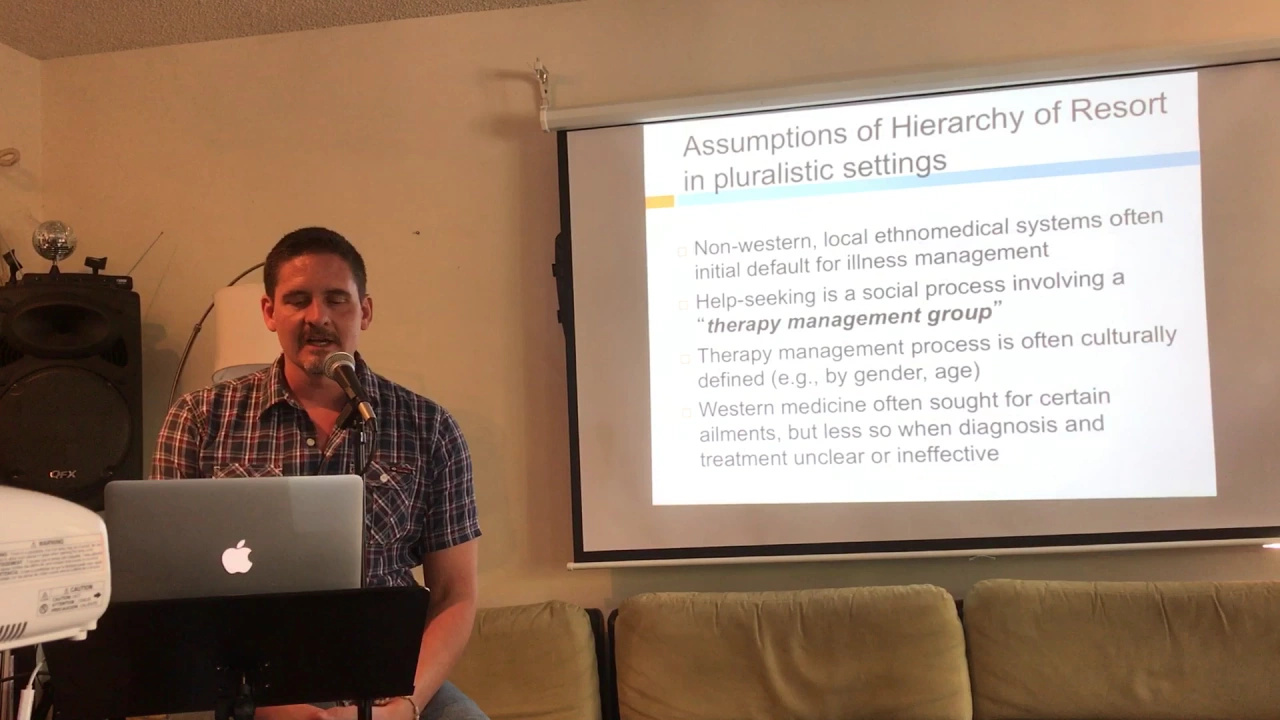
Critical medical anthropology examines how social structures create systemic health inequalities through structural violence, where marginalized populations face barriers to healthcare access due to economic, political, and social forces rather than individual choices; this framework analyzes how competing explanatory models of illness operate in pluralistic medical settings, where patients navigate complex hierarchies of resort and therapy management groups defined by cultural, gender, and age dynamics, often leading to misdiagnosis and inadequate care when different medical systems fail to communicate effectively.
Click to watch →
Medical Anthropology: Why "Why?" Is the Question Science Can't Answer (2022)
743
Critical medical anthropology focuses on inequalities in societies, combining economic and political inequalities to understand health disparities. Structural violence, as described by Paul Farmer, refers to forms of violence manifesting as differentials in health outcomes, linked to poverty, racism, and gender inequalities that expose certain populations to illness over time. Paul Farmer was an inspirational anthropologist and doctor who combined both disciplines, crucial in forming Partners in Health. His work exemplifies how medical anthropology can address structural violence and health inequities, demonstrating that health outcomes are shaped by social structures beyond individual biology.
Click to watch →

Women on Wednesdays - Rebecca Adkins Fletcher
170
Appalachia is a geographically and politically defined region (205,000 square miles across 13 states). Placemaking involves constructing geographical spaces and boundaries that perform political organization and justification for separation, while also working with social construction of status and access to resources. Dichotomies like region/nature and culture/nature limit how we think about health. Critical medical anthropology examines health disparities through bio-political dynamics, focusing on production (causes), presentation (effects and experiences), and activism (behaviors to address problems). Healthcare access disparities are regional, contextual, historical, and change over time. Case studies include the Frontier Nursing Service (1920s horseback nurses in Eastern Kentucky) and labor union collective bargaining for health benefits, revealing how geographic isolation, terrain, and economic transformation create different access issues for different groups.
Click to watch →
Deep Dive
Applied Medical Anthropology, exploring how anthropological insights are used to design and improve public health policies and clinical interventions.
Anth P06 M15. Meaning and scope of Medical Anthropology
2K
Applied medical anthropology differs from basic research by deliberately advocating for communities and conducting useful, ethical research. Methods range from qualitative ethnography to quantitative public health approaches. Rapid assessment techniques document community health needs during brief field trips. Those trained in epidemiology, nursing, or medicine conduct clinical procedures and analyze vital statistics. Quantitative approaches require rigorous sampling, sophisticated statistical analysis, and informed consent. Many medical anthropologists now work outside academia combining anthropological skills with technical planning and evaluation competencies.
Click to watch →

Meaning and Scope of Medical Anthropology | Anthropology Lecture
10.4K
Applied medical anthropology applies cultural theories of health behavior across diverse settings including multicultural clinics, maternal-child health programs, environmental hazard assessments, psychiatric hospitals, AIDS prevention, and rehabilitation programs. Applied anthropologists advocate for communities and conduct research that is useful and ethical. Methods range from qualitative ethnographic approaches (participant observation, apprenticeship with healers, ethnosemantic analysis, life histories, discourse analysis) to quantitative approaches (rapid assessment techniques, epidemiological methods, statistical analysis). Currently, research encompasses six basic fields: development of medical knowledge systems, patient-physician relationships, integration of alternative medicine in diverse environments, interaction of social-environmental-biological factors affecting health, critical analysis of psychiatric services and migrant populations, and impact of biomedicine in nonwestern settings. Major areas of study include health ramifications of ecological adaptation, popular health culture, local interpretations of bodily processes, changing body projects, perceptions of risk, preventive health practices, illness experience, social relations of sickness, healthcare transitions, healing processes, clinical interactions, cultural-historical conditions shaping medical practices, modernity and post-colonial contexts, pharmaceutical interpretation, commercialization of health, disease distribution, healthcare resource availability, political economy of healthcare provision, political ecology of diseases, and clinically relevant applications of anthropology.
Click to watch →

Aspects of Applied Medical Anthropology
2.9K
Applied medical anthropology examines how social factors—including racism, economic inequality, and structural discrimination—create health vulnerabilities that transcend biological explanations; for example, racialized communities face higher COVID-19 mortality not due to genetic predisposition but because systemic racism places them in more vulnerable social positions through frontline healthcare work, limited PPE access, and reliance on public transport, while chronic diseases like obesity and diabetes spread socially through factors such as the global food economy and social inequality rather than individual behavior alone.
Click to watch →

what is medical anthropology and applied anthropology
2.4K
Medical anthropology is the study of health, illness, and healthcare practices across different cultures, examining how social, economic, and political factors influence health outcomes and medical systems. Applied anthropology applies anthropological methods and theories to solve practical problems in real-world settings, such as improving public health interventions, understanding patient behaviors, or addressing cultural barriers in healthcare delivery. Both fields emphasize understanding human diversity and cultural contexts to develop more effective and culturally sensitive approaches to health and wellbeing.
Click to watch →

La antropología aplicada a la salud pública (Parte 3)
137
Medical anthropology in public health requires direct engagement with all relevant actors (not just primary subjects), comprehensive field documentation, and emotional connection to reveal hidden realities; its core value lies in deconstructing naturalized practices and changing research questions to address evolving contexts, rather than finding definitive answers.
Click to watch →
Deep Dive
The phenomenon of culture-bound syndromes, which are localized diagnostic categories that do not fit neatly into Western biomedical models.

Culture Bound Syndromes#ugcnet #upsc #ugcuet #amok#susto #pibloktoq
213
Culture-bound syndromes are mental or physical disorders specific to particular cultures, manifesting as collective symptoms within those contexts. First formally recognized in DSM-IV (2000) with 25 culturally specific syndromes. DSM-5 (2013) replaced 'culture-bound syndromes' with 'cultural concepts of distress,' introducing three categories: cultural syndromes, cultural explanations/attribution, and cultural idioms of distress. Major syndromes include Amok (Malay/Malaysian violent episodes), Ataque de Nervios (Hispanic American emotional outbursts), Brain Fag (West African/African American academic stress), Dhatus/Koro (Indian/SE Asian sexual dysfunction), Ghost Sickness (Native American supernatural possession), Hikikomori (Japanese social withdrawal), Latah (Indonesian/Malaysian automatic imitation), Mal de Ojo (Hispanic/African American evil eye), Pibloktoq (Eskimo Arctic episodes), Susto (Hispanic fear illness), Taku (Japanese stress response), and Wind-Cold illness (East Asian environmental causation). Academic foundations include Arthur Kleinman's 1980 medical anthropology work, R.C. Simons' edited volumes, Frank Bruni's 2016 book, and Maclean Rot's 2006 comprehensive analysis. Medical anthropology examines how communities perceive, explain, and treat illness within cultural contexts, recognizing culturally appropriate responses may differ from biomedical models.
Click to watch →

LECTURE Extremes of the Human Mind: The Most Terrifying Place of All (MIT University, Skopje)
122.7K
Culture-bound syndromes are mental health disorders unique to specific geographic regions and cultures. Examples include Zar (possession by demons where patient shares body with demon), Taming (belief that one's body causes embarrassment to others), Mal de Ojo (evil eye belief causing illness), and Homosexuality (historically considered a mental illness in Western societies until 1980). These disorders cannot be understood by therapists unfamiliar with the specific culture, demonstrating that mental health is not purely scientific but deeply influenced by cultural context.
Click to watch →
Culture-Bound Syndromes: Mental Illness Across Cultures
10.8K
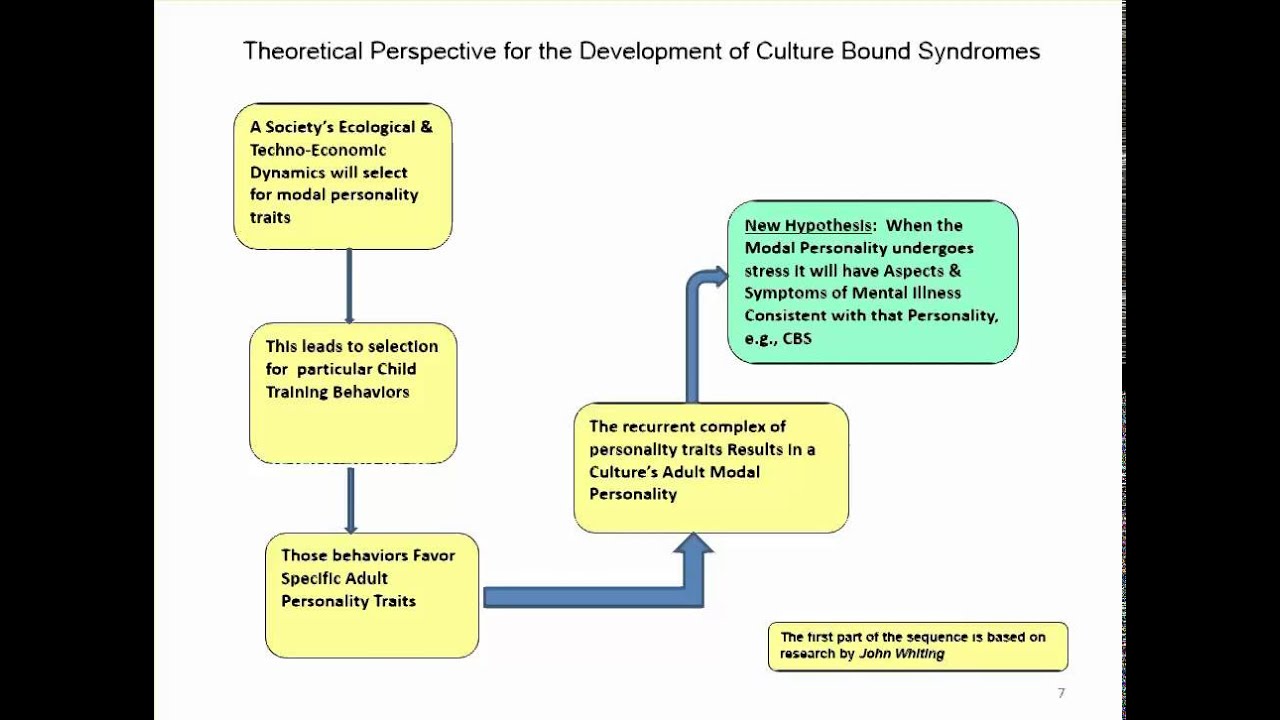
Culture-bound syndromes are mental illness patterns specific to particular cultures, arising from the interaction between a society's ecological and techno-economic dynamics, child-rearing practices that shape modal personality traits, and the resulting stress responses; for example, cultures emphasizing cooperation (like Eskimo/Inuit) tend to develop hysterical/dissociative syndromes such as Arctic hysteria, while cultures emphasizing independence (like Western societies) tend to develop depressive syndromes, as demonstrated by cross-cultural research showing higher frequencies of dissociative symptoms in simpler societies.
Click to watch →

#NeuroPhysioClub: SÍNDROMES CULTURALES.
269
This segment defines cultural syndromes and explains why they are controversial in medical and anthropological communities. Cultural syndromes are conditions that arise from empirical observation of diseases linked to specific human groups or territories, appearing only in particular locations and for specific cultural groups. The key diagnostic criteria include: (1) the affected group must describe the condition as a disease with a specific name, (2) the group must have clear understanding of symptoms and signs, (3) the group must know the expected course and treatment, (4) the group must have a cultural explanation for causes, and (5) the syndrome must be restricted to specific geographic areas or cultural groups. Unlike organic diseases, cultural syndromes cannot be explained by structural, biomechanical, neurophysiological, or biochemical models, and there is no consensus on their biological causes.
Click to watch →

Cultural Psychiatry: Lecture #1 Cultural Psychiatry: a Critical Introduction pt 1
19.5K
DSM-IV's Appendix I contains 25 culture-bound syndromes, originally intended as a glossary but becoming disconnected from main text due to space constraints. Selection criteria were arbitrary, influenced by literature availability and US relevance. Many entries are not actual syndromes but folk illnesses or idioms of distress. Lata (Malaysia) is a culturally elaborated startle reflex serving social functions like release and protest, not an illness requiring treatment. Pibluk (Arctic hysteria) appears to represent colonial violence and interpersonal trauma rather than a purely cultural syndrome. Taijin kyusho illustrates how the same anxiety condition manifests differently across cultures based on values regarding self-presentation. These critiques reveal how psychiatric categories reflect colonial-era thinking rather than universal mental health realities, highlighting the need for more nuanced approaches to cultural variation in mental health.
Click to watch →
Defining Field
Core Focus
Defining Field
0:00- 1
Anthropology studies human biology and culture holistically.
- 2
Four subfields exist, with cultural anthropology central.
- 3
Culture encompasses learned beliefs, norms, and behaviors.
Critical Medical Anthropology and the Political Economy of Health
While traditional medical anthropology often focuses on cultural beliefs, illness narratives, and local healing practices, Critical Medical Anthropology (CMA) argues that this interpretive lens can obscure the structural drivers of disease. CMA posits that health, illness, and healthcare systems are primarily shaped by political and economic forces, such as global capitalism, poverty, resource distribution, and systemic inequality. From this perspective, framing health issues merely as cultural differences ignores the 'structural violence' that actively produces sickness, meaning true healing requires addressing socio-economic disparities rather than just cultural beliefs.
The fundamental definition of culture, cultural relativism, and the ethnographic method in general anthropology.
The conceptual distinction between 'disease' (malfunctioning of biological processes) and 'illness' (the personal and cultural experience of being unwell).
Basic understanding of the biocultural framework, which examines the ongoing interaction between human biology and cultural practices.
An introduction to social determinants of health and how socio-economic factors influence well-being.
The study of Ethnomedicine and comparative healing systems, analyzing how different societies define and treat ailments.
Critical Medical Anthropology (CMA), which investigates how political, economic, and power structures shape health disparities.
Applied Medical Anthropology, exploring how anthropological insights are used to design and improve public health policies and clinical interventions.
The phenomenon of culture-bound syndromes, which are localized diagnostic categories that do not fit neatly into Western biomedical models.
6.3K views0likes3:40@TheHumanConditionEWUOriginal Release: 2023-08-28
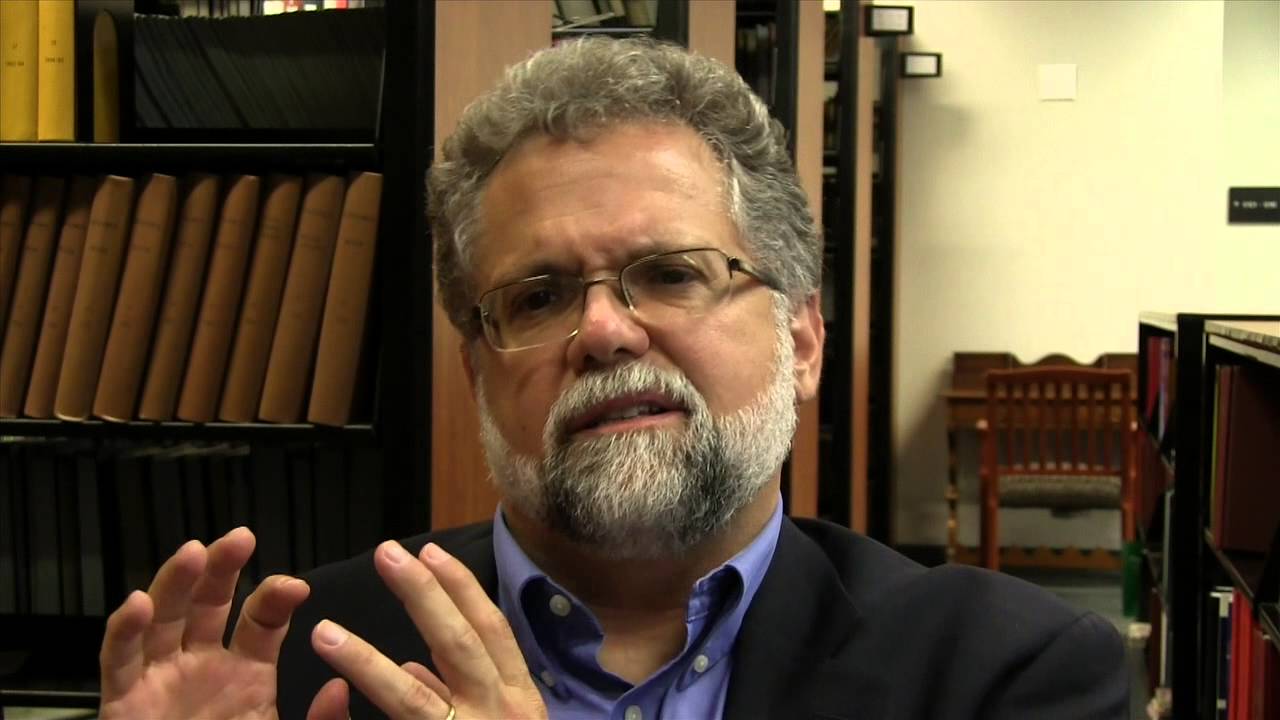
what is medical anthropology so to understand what medical anthropology is one has to understand what anthropology is anthropology right is a comparative study of human biology and culture it's a holistic discipline and we use lots of different kinds of methods and lots of different kinds of data both quantitative and qualitative we are actually known as one of the most humanistic of the sciences and the most scientific of the humanities anthropology has four major subfields there's biological anthropology that looks at the emergence and development of human biology there's archeology that reconstructs human prehistory and looks at historical development of humanity there's linguistic anthropology that explores the role of language interaction meaning in The Human Experience and there's cultural anthropology that explores the shared and learned behavior known as culture and which has been contrasted with Biology G mathematical anthropology is a form of anthropology that comes out of cultural anthropology so culture and understanding culture is very important in medical anthropology and it's a complex concept it includes beliefs values and knowledge that humans have it includes the behavioral norms and rules and expectations of behavior in fact it really includes the whole way of life of a particular human population that is learned and shared amongst them rather than simply being given by biology now medical anthropology studies human disease and illness by considering both biological which is kind of in the background in the study of medical anthropology as well as cultural factors right so in a way medical anthropologists want to understand how an illness experience is or involves or includes cultural factors how and why does illness vary across different human populations in the same way how does diagnosis and treatment vary and why generally speaking right what role does culture have in the human illness experience and medical treatment of it what role does culture have in illness and its treatment so in conclusion to summarize right anthropology is the study of humanity in both the biological what we usually think of when we think of medicine and the medical if you will but also as cultural aspects medical anthropologists study human experiences of illness and treatment including ways that are shared and learned in that experience so we're really interested in uh how something like illness varies across different human populations different cultural populations so I'm going to end this introductory video with a question for you you know what cases of medical anthropological research are discussed in the singer at all text introducing medical anthropology what particular cases or case studies of medical anthropology research are discussed by singer in the beginning of introducing medical anthropology
Up Next
21:10
DSM-5 Culture Changes: Clinical Impact for Mental Health Professionals
@AsianAmericanMH
34.2K views•2014-06-12

12:54
Triumph of Orthodoxy Icon: Byzantine Art & History Explained
@BenCallan
2.1K views•2024-08-06

9:37
Medical Pluralism: Coexistence of Diverse Health Systems
@TheHumanConditionEWU
947 views•2023-11-06

1:42
Game of Thrones Opening Credits: A Cinematic Analysis
@gameofthrones
46.3M views•2011-04-18
Related Study Plans & Knowledge Roadmaps
Structured learning paths in General & Interdisciplinary Studies
general-studies
Elevator Engineering: History, Physics & Cities
01From Hoists to Safety Brakes: The Dawn of Vertical Lift
02Hydraulic vs. Traction: The Engineering Physics of Elevators
03Modern Speed, Safety, and Algorithms
+ 2 more learning modules
12h5 modules
Explore Roadmap
general-studies
Rubber: Material Science, History & Geopolitics
01Origins of Natural Rubber & Mesoamerican History
02The Chemistry of Natural Rubber & Vulcanization
03The Geopolitics of the Rubber Boom & Colonization
+ 2 more learning modules
12h5 modules
Explore Roadmap
general-studies
Containerization: Evolution, Logistics & Trade
01Ancient Trade & Bulk Cargo: Amphorae to Barrels
02The Industrial Revolution & Cardboard Packaging
03The Containerization Revolution: Malcom McLean
+ 2 more learning modules
12h5 modules
Explore Roadmap
general-studies
Textile Tech: Evolution, Labor & Global Impact
01Pre-Industrial Textiles: Handloom & Cottage Industry
02Mechanization: The Spinning Jenny to the Power Loom
03The Factory System & Global Labor Transformation
+ 2 more learning modules
10h5 modules
Explore Roadmap