






![dr. V. Hruška: Fyzika 1 (B2B02FY1) – 03b [6. 3. 2024, LS 23/24]](https://i.ytimg.com/vi/NvISnZW6Pxk/maxresdefault.jpg)


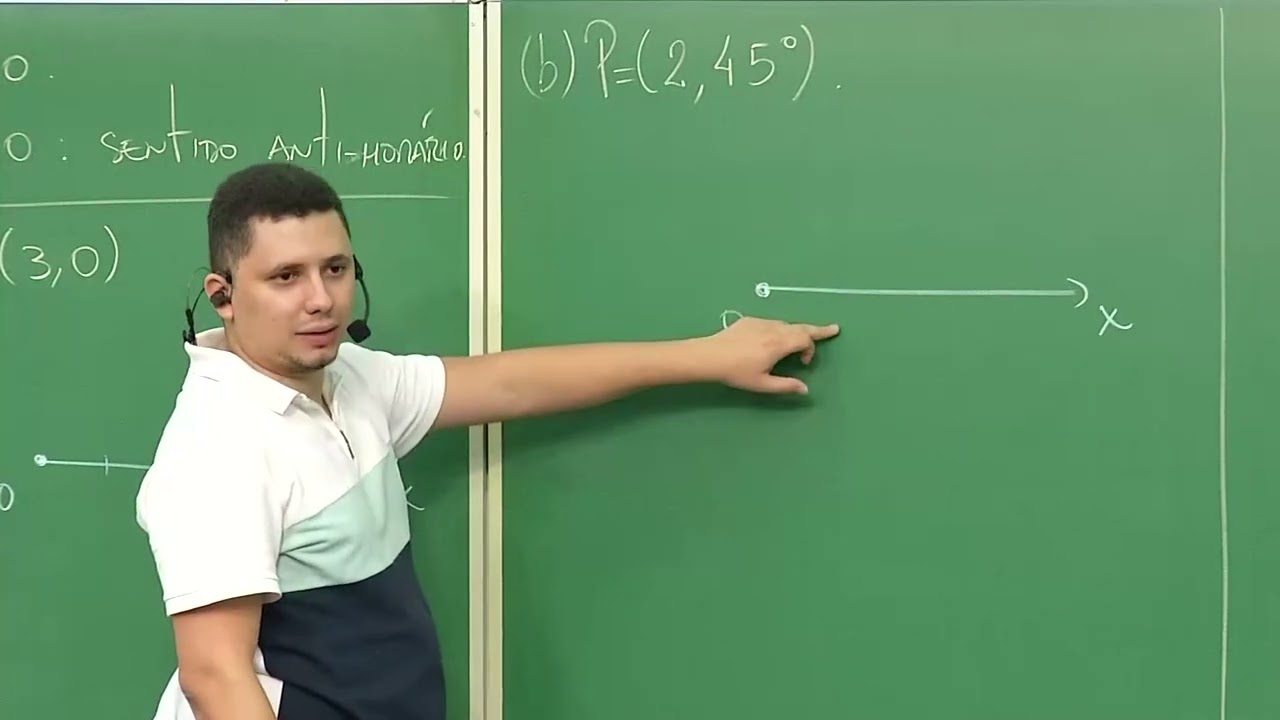

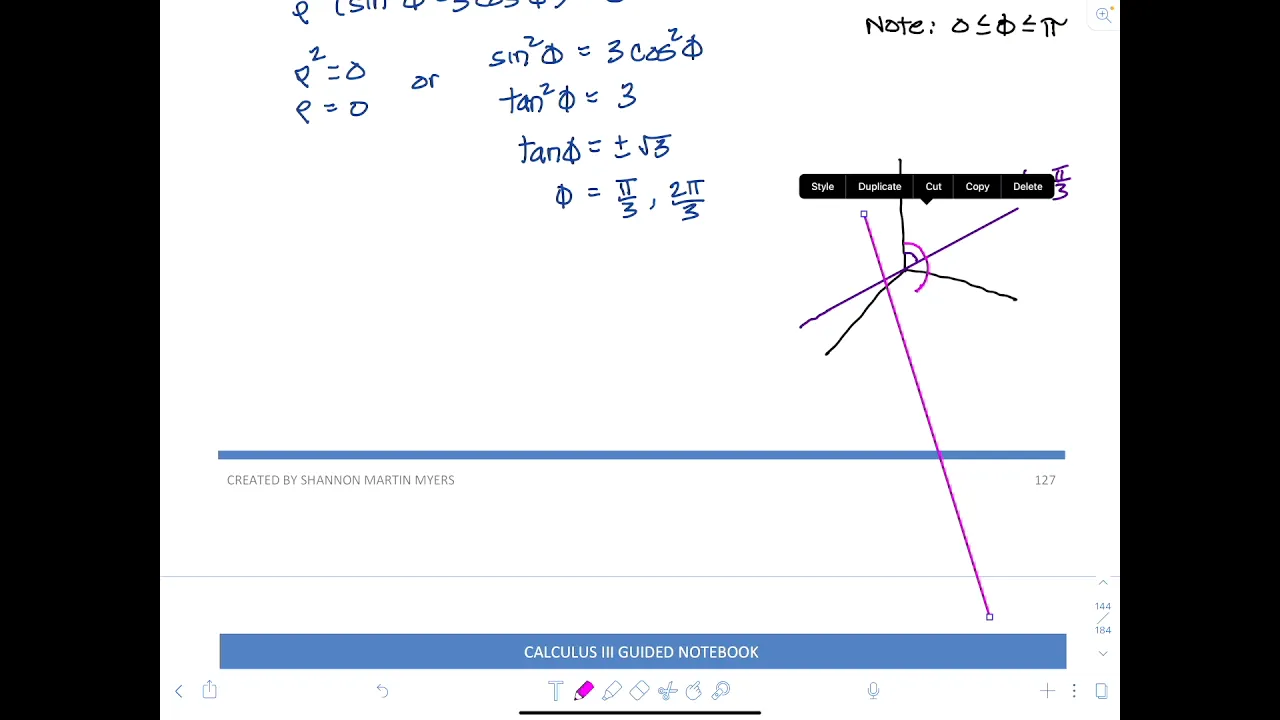
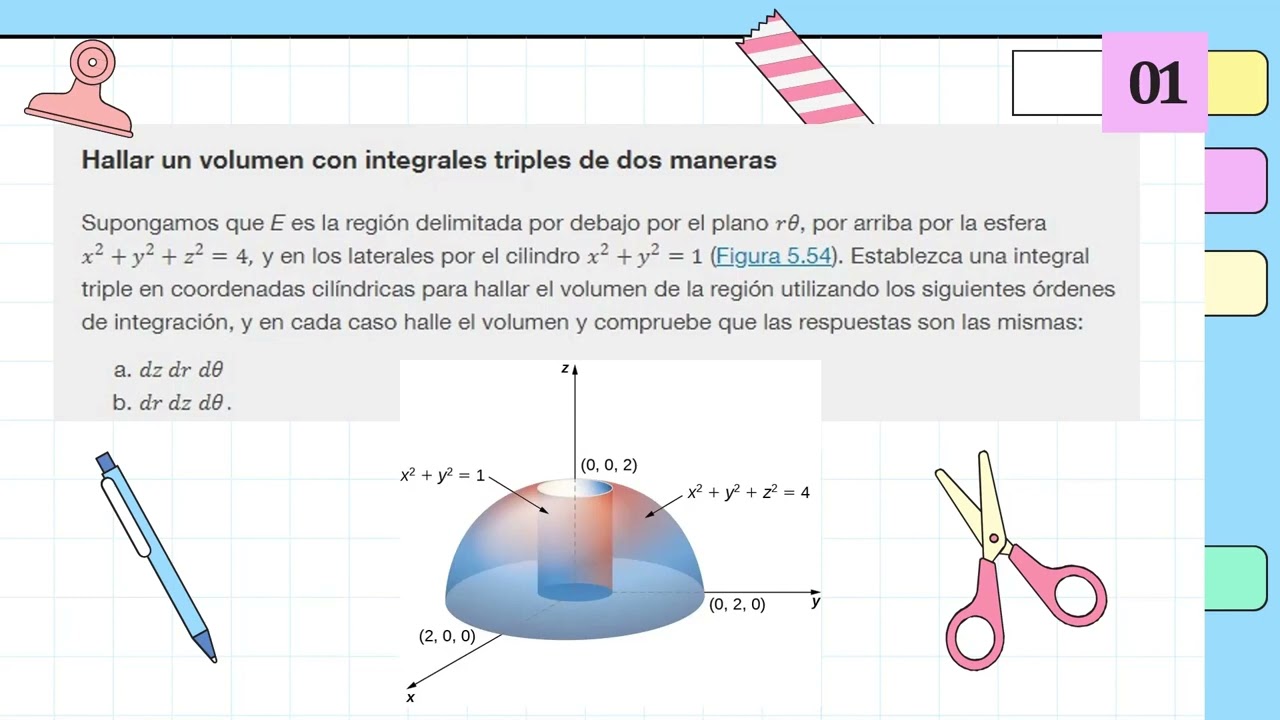











This tutorial covers key concepts in multivariable calculus including converting polar equations to Cartesian form using x = r cos θ and y = r sin θ, computing double integrals with variable limits using Fubini's theorem, finding extrema with Lagrange multipliers, computing triple integrals, quadratic approximation via Taylor series, and tracing polar curves by analyzing symmetry and key points.
Multivariable Calculus: Lagrange Multipliers & Polar Curves
Added:Proficiency in single-variable calculus, including basic differentiation, integration techniques, and single-variable Taylor series expansions.
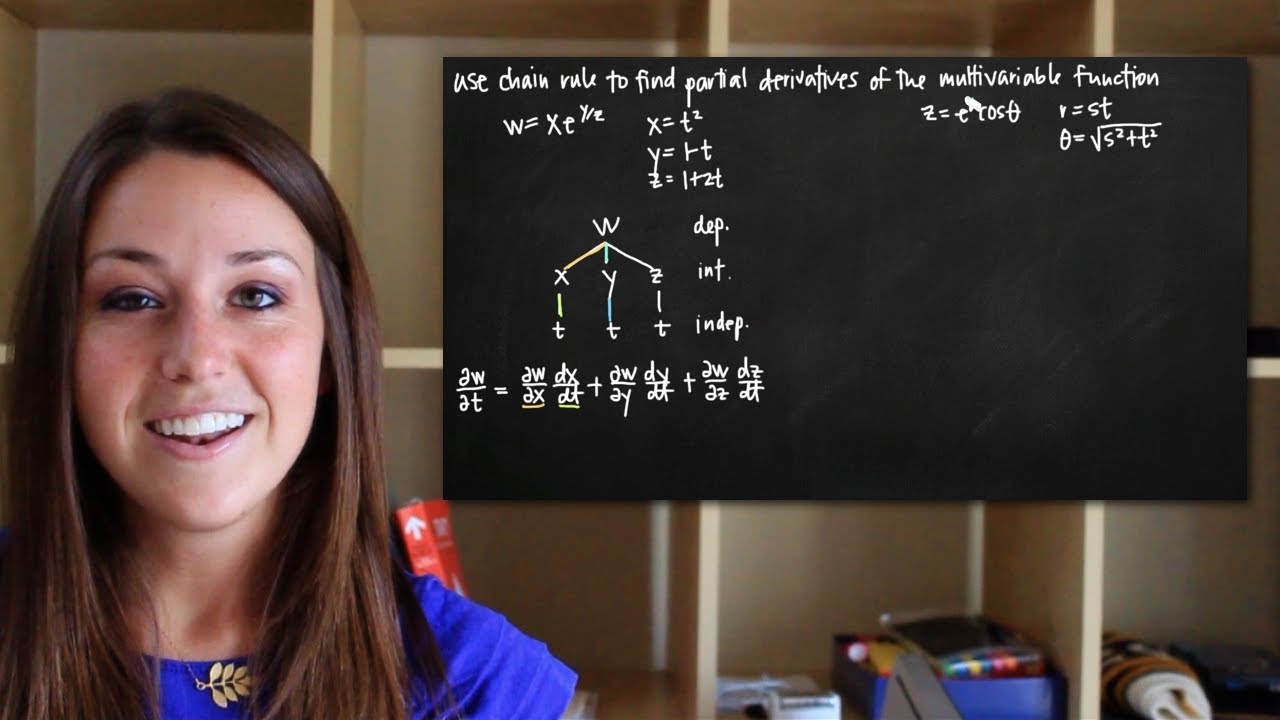
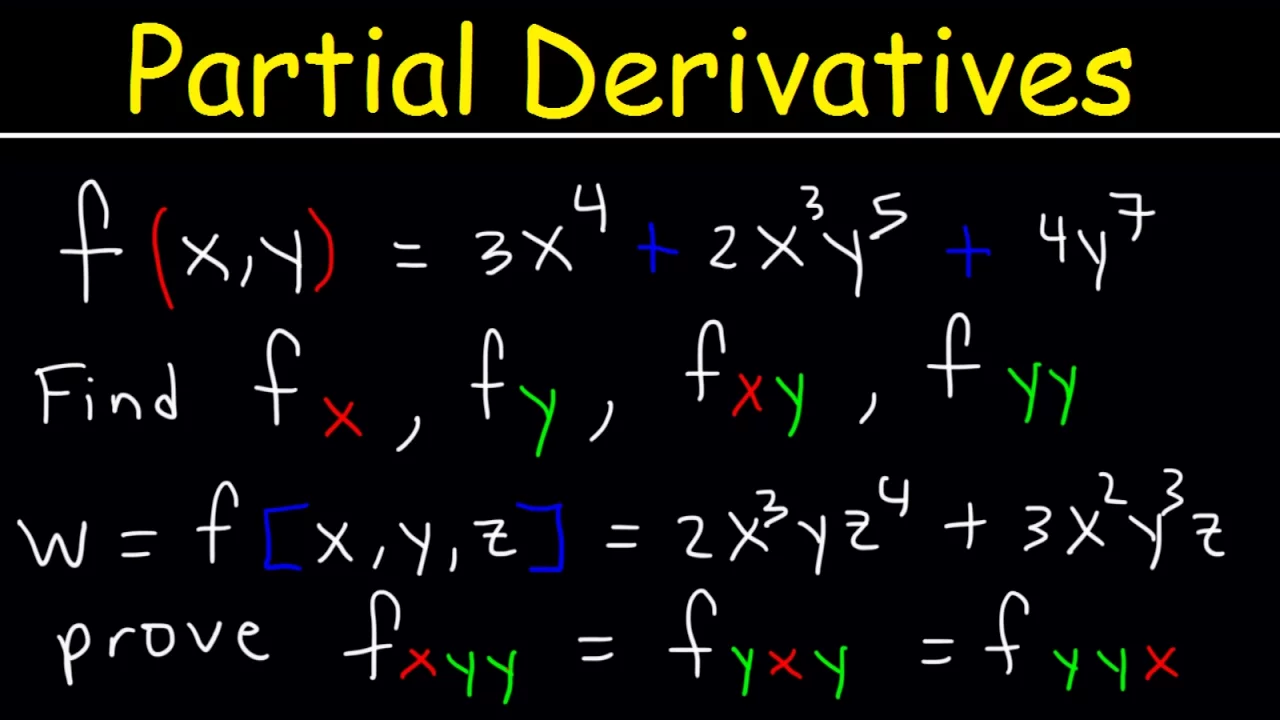
The concept of partial derivatives and the multivariable chain rule.
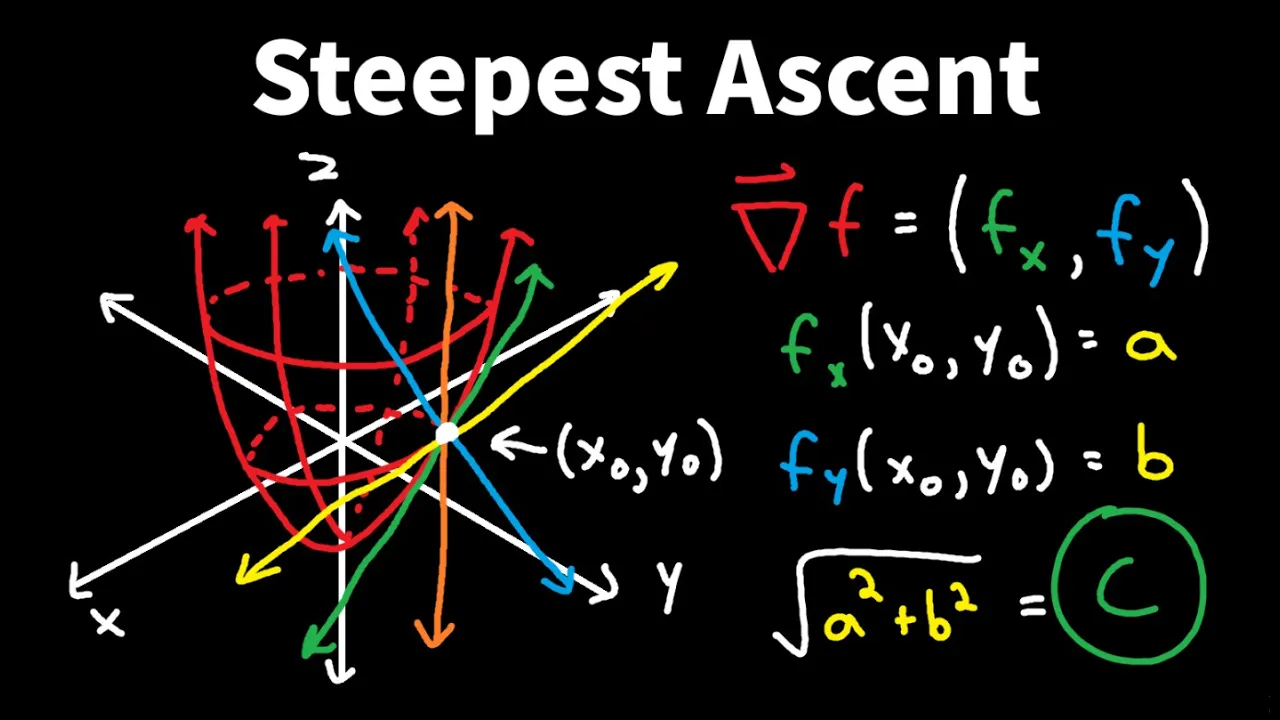
Vector fundamentals, specifically understanding the gradient vector (∇f) and its geometric interpretation as the direction of steepest ascent.
An introductory understanding of polar coordinates (r, θ) and how they represent points in a two-dimensional plane.
Triple integrals and formulating volume calculations in cylindrical and spherical coordinate systems.
Vector calculus integration theorems, such as Green's Theorem, Stokes' Theorem, and the Divergence (Gauss) Theorem.
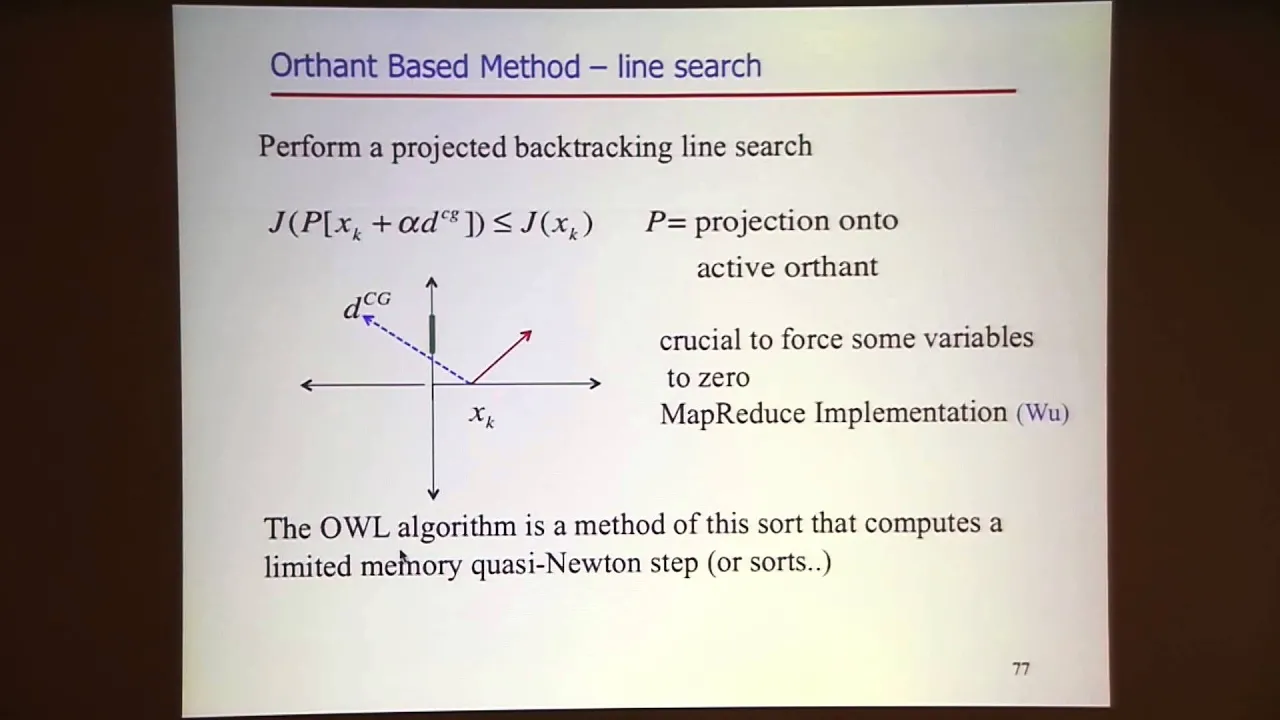
Advanced optimization theory, including Lagrange multipliers with multiple constraints and the Karush-Kuhn-Tucker (KKT) conditions for inequality constraints.
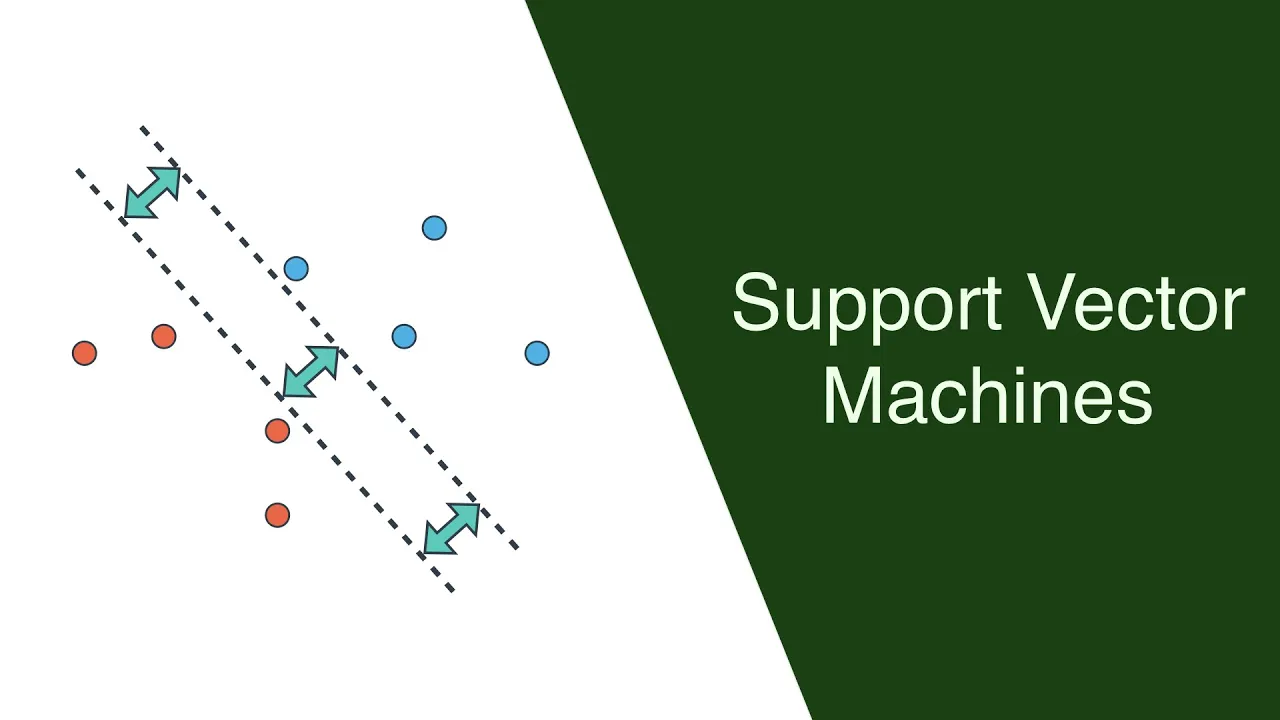
Practical applications of multivariable optimization and error analysis in fields like machine learning (e.g., support vector machines) and economics (e.g., utility maximization).
146 views12likes2:01:42Original Release: 2025-02-19
I hope I'm audiable to everybody please confirm anyone let's wait for 5 minutes more so that more participants can join then we will start am I audable for yes sir thank you so we are waiting for 5 minutes then we will start for so let us start with some questions so welcome you all to the tutorial 4 of multivariable calculus myself kururu bachan from Department of Mathematics I jpur I am a PhD scholar working in the broad area of factor geometry and dynamical systems I am the tutorial assistant of this course today uh we will illust uh we will learn uh some illustration which are based on the lecture four which includes leg range multipliers tailor theorem error approximation and multiple integrals and polar curves so let us start with the question number one find the equivalent cartisian equation of the Polar equation R is equal to 3 by sin Theta 5 cos so we need to find out its cartisian equation and we have given the polar equation so try first then we will discuss here for anybody have any idea that how have to approach this question we have to substitute xal R cos Theta yal R sin Theta absolutely absolutely right so let me recall that how we can convert cartisian to Polar equation and polar to cartisian equation so polar to cartisian and cian to PO so we know that X is equal to R cos Theta and Y = R sin Theta so either we can substitute this X and Y value in cartisian equation and then we will get our required polar equation and the other thing uh the other way around is we know that r² is nothing but x² + y² and Theta is nothing but tan inverse y by X so with this in polar equation we can get the cartisian equation okay so here we don't need to substitute like this we just need to make some rearrangements in the given equation which is like that we have given 3 / sin Theta - 5 cos Theta so we can how we can rearrange it we know that X = to R cos Theta and Y is = R sin Theta so we can do we can multiply this sin Theta and - 5 cos Theta to the left hand side and we get the following so it will give us R sin Theta minus 5 R cos Theta is equal 3 so the next we know that what is r sin Theta R sin Theta is y so it will give us Y and what is r cos Theta it is X so we can get y - 5x = 3 I hope everybody understand this if anybody has any doubt you can ask so if I would change this question in the way suppose I'm giving you R is equal to some 3 sin Theta / sin sare Theta - 5 cos sare Theta then what would be its cartisian equation please tell me sin Theta y by R sin Theta y by R for the numerator can you repeat it sin Theta replace sin Theta by y by R in the numerator okay then cross multiply that R okay so that will become r squ on the left hand side so cross multiply and use R sin Theta y r cos Theta X okay understood it f so anybody else so let me start so first what we will do we will again take this denominator to the right hand side and we will get the following 3 sin Theta now here is a square of s square of cos and here is One S but here the power of the r is 1 while here is also one so what we can do we can multiply the whole equation with some with one R so it will give us r² sin sare Theta - - 5 r² cos² theta = 3 sin Theta what I have done multiply r on both sides of equation so we can rewrite it as R sin Theta squ minus r cos Theta squ and 3 R sin Theta so we know that R sin Theta is nothing but Y and R cos Theta is nothing but X which can reduce to this okay so can anybody justify what uh this equation represent hyper hyper hypera nice so how can justify it 3 y - 5 x² which be equal to zero so you can it complete Square so how will it will become it will give you 3x2 s² = to 9x 4 so this will be some cyola now let us move to the next question question number two it states that find the value of the double integral 0 to 1 1 to 2 x x - y / x² DX d y first try it yourself then you will do it besides further you can also further compute 1 to 2 0 to 1 x - y / x² Dy DX compare both the so try anybody get some answerly two terms X by x^2 - y by x^2 sir L 2 - 1 by 4 2 yeah cor okay so x - y / x² DX and Dy so first of all we will split into two terms it will be DX Dy now since here is first DX so we will integrate with respect to X first keep uh assuming y as constant so we will integrate first this part and then we will integrate with respect to Y so it will give us Ln mod x minus y by - x 1 2 2 v y why x to the power n DX is nothing but n + 1 + C where n cannot be equal to minus okay so it will give us ln2 minus or it will come out to be minus- plus y by 2 minus ln1 plus y Dy so ln1 is zero so this will be simply Ln 2 - y by 2 I have simplified somewhat now we have to integrate with respect to Y ln2 is constant so it will stay like this Y and y^ 2 by 2 again with the same reasoning so it will give ln2 here it would be since it is y s by 2 and 2 is already there so then Y 2 by 4 - 1X 4 - 0 - 0 so it will give you ln2 - 1X 4 so this is the first in value of the double integral now I have asked and I have changeed the order of the integration and I have asked you that what would be the value of this integral if I change this order of DX and Dy so anybody has computed this so same answer why same answer yeah I understand your answer is also correct but uh can you justify that why the same answer is coming no sir have you watched the lecture no sir I have actually this week I was a little bit busy in my college so I was not able to watch all the videos so let me confirm first so this is 1 2 2 2 0 to 1 x - y / x² I think this was the integral and if you will compute let me compute once again 1 to 2 it will give you since we are treating XS constant so it will give you XY - y^ 2 by 2 0 to 1 DX so it will give you 1 to 2 1X x² X - 1 by 2 - DX 1 2 2 1 by x² which is x - 1X 2 DX which you will which will give you 1X X - 1 by 2x² DX that means Ln mod x + 1 by 2x this will be 1 to 2 this will give Ln 2 + 1X 4 minus Ln 1 + 1 by 2 so this will give you nothing but ln2 - 1X 4 so it is the same answer it is nothing but the integral of 0 to 1 1 to 2 x - y / by x² DX Dy and the answer is same because of the reasoning of fubin theorem first form let me state that FIB theorem first form let me first state it then I will explain what this theorem see so may precise somewhat so this theorem says let fxy is a continuous function throughout the the rectangular region R which is defined as some a less than = x less thanal to B and C less than = y l than = D then it will give you that it will guarantee you that if you will integrate this Factor then it will be nothing but a to b c to d fxy d y DX which is same as C2 D A to B fxy DX Dy so it is saying if your function is continuous over the rectangle that rectangle means you can say this is the region of the rectangle so this is nothing but I will draw it X Y this is some a this is some B I'm assuming A and B are positive this is some C some D so over this rectangle if f is continuous and these observe here this A B C D these are constant then we can say that we can switch the order of the integration and it will not affect our conclusion okay so you can earlier also observe that since we have the limit as constant and our function is continuous over this region then we can directly say without Computing that the answer of this integral double integral will be the same as the answer of this double okay clear now some of yes sir okay so let me move to the next question third one find the extreme of the function fxy = to x² y on the ellipse [Music] x² = 6 find the extrema of this function on the ellipse x² + 2 Y2 = 6 so if I would write it in a smarter way so that means we have to maximize or minimize the function and subject to constraint is x² + 2 y² - 6 = 0 so this is a subject to constraint and we have given this function fxy so this is the question based on can see the first lecture I guess like ranges multiplier so try so what we going assume here now we have given fxy and we will take gxy to be x² + 2 y 2 - 6 what leges multipliers is anybody how we can apply leg multiply = Lambda into d g yes absolutely right so by lrange multipliers we know that that DF isal to DG so what is the gradient of f it is nothing but but i d by Dy JC of the function f which is IX what yeah I'm writing that i d f by d y j so what is the F x² y so d by D X of x y i and uh d by d y of x² y j cap so this will give you 2xy I + x² G now you have to compute DG in the similar way so it is x² + 2 y 2 - 6 d by D X of x² + 2 y^ 2 - 6 i d by d y of x² + 2 y 2 - 6 JC so this will give you 2x I we will differentiate with respect to X and keeping other variable independent variable as constant 4 y JC Now by Lang range multiplier you need to equate wait this 2x y i + x² J is equal to Lambda * 2x I + 4 y j so this will give you 2x y i x² J will be equal to 2x Lambda I and 4 Lambda y j so this will be 2x y = 2x Lambda and x² = 4 lamb y so you get these two values now what we can do we have given a subject to constant that is x² + 2 y² = 6 so we need to find out this value of x² and Y sare in terms of Lambda and we can put in this equation to get some value of Lambda and then consequently consequently the value of x and y in that way so and suggest me some good substitution technique so that I can substitute something anybody how can we proceed now we need to put the value of x and y in terms of L so how can we proceed somebody anyone can I write it like this and what this will do this will give you two possibility either x = 0 or Y = Lambda right now suppose case one you are considering y = to Lambda then this x² = 4 Lambda y will give you 4 Lambda s so X = to in fact you don't need to calculate the value of x here because here you need to put only X so this will give you put this value subject to constant so this will give you nothing but 4 Lambda s + 2 Lambda s = 6 which which is nothing but Lambda s = 1 which will give you Lambda = + - 1 so if Lambda = to + -1 then y will be + -1 and x² will be nothing but Square will be 4 okay then X will be nothing but plus -2 okay so what are the p you will get here 1 2 1 - 2 -1 2 and -1 -2 these pair of points we can get where we need to check the value of this fxy whether it is a maximum or it is a minimum now what if we will follow up the case of xal to0 so if you will follow the case two where if x = 0 here we have followed if y = Lambda then this x² 4 Lambda Y is 0al X Plus or - 2 and Y plus orus and you speak a little louder X values are plus or minus 2 and Y values are plus or minus one so points are 2 1 - 2 1 2 - 1 - 2 - so I have written all the four point so what is there any question X quadrant plus or minus 2 y quadrant plus orus okay oh okay okay okay okay I shifted the quadrant yeah thank you so much so it will be 2 1 and 2 - one thank you so much it will be - 2 and 1 and - 2 and- thank you so in the next case um if x = to 0 this will give you nothing but either y = 0 or Lambda equal to0 and if Y is also zero then it will not satisfy this subject to constraint condition because it will give you 0 squ + 2 into 0 squ which is 0 which is not equal to 6 so this is not lying on this given ellipse the other way around is uh Lambda is coming out to be zero which is nothing but this will equation this F + G Lambda will stay zero multiple which does not value something so we will consider only these four points and we will calculate the value of fxy over these point and what is the function fxy the points are 2 1 2 -1 - 2 -1 and - 2 and 1 and the function fxy is equal to um this one is x² y so this will give you 4 this will give you -4 this will give you again -4 and this will give you four so what is the maximum value maximum of our function fxy is nothing but 4 while minimum of this fxy is nothing but minus okay I hope there is no typo and everybody is getting this answer okay then let me move to the second other question question number four find out the value of the triple integral 1 to e CU 1 to e s 1 to e 1 by x y z DZ Dy DX find out the value of this triple integral please try it [Music] so let us start here 1 2 EQ 1 2 E S and E since here the function is of three variables three independent variable so what we can do six yeah your answer is correct so here we are integrating with respect to Z first so we will treat X and Y as constant and it will come out like this 1 to e s we can write is 1 by XY and the integration of 1 to e 1 by z d z Dy DN so it will be 1 2 e s 1 by XY this is nothing but 1 to e e y DX so it will give us 1 to e CU 1 to e s 1 by X Y Ln e minus ln1 Dy DX Ln e is nothing but what is the value of Ln e one one and ln1 is 0 Dy DX so this will be left with the double integral 1X XY Dy DX now since we have to do the integration with respect to Y Force then we will treat this X is constant this will be the integration of Dy this will give us 1 2 EQ 1 byx Ln mod Y 1 to e ² DX this will give us 1X X Ln e ² - ln1 DX 1 2 EQ 1X x 2 * Ln e - 0 DX because Ln x the^ n is nothing but Ln X so this will give us 1 2 EQ Ln is 1 so it will be 2xx DX this is Ln mod x one 2 EQ again with the same argument you will get here three times of Ln e minus 0 and this will give you the value six okay someone has told the answer six so it is a correct answer if everybody agrees with this explanation then we can move to the next question okay next one is find out quadratic approximation of the function E power x origin find out the quadratic approximation of this function fxy a ^ x Ln 1 + Y at the origin this will be followed by the lecture of approxim taor theorem or in fact like error approximation so you can follow up any one of that lecture to get the quality approximation of this function so Q Q I'm denoting it is a quadratic approximation qxy what is qxy qxy is nothing but if we have to do quadratic approximation of some function f at some point x y do it is equal to FX the other factor is FX at X that is partial derivative into x - x FY at X Y into y - [Music] y 1 by 2 FX x x y x - x squ + 2 * fxy x y x - x y - y plus 2 not 2 FY y of X Y into y - y I hope everybody recall what I have written we need to calculate that value of F at 0 0 value of partial derivative of f first order partial derivative as well as second order partial derivative at 0 0 we need to calculate these values then we have to put these values in this qxy equation or you can say equation number some tar then we will get the quadratic approximation of our required function so let us proceed with the calculating the first value that is functional value at 0 0 is nothing but e to the^ 0 ln1 so it will be 1 into 0 that is 0 partial derivative of this function with respect to X will be nothing but we will treat this ln1 + y as constant derivative of this with of e ^ x that is e ^ x Ln 1 + y so this this will give us FX at 0 0 again 0 now calculate partial derivative of y partial with respect to Y so e to ^ x will stay as constant then we will differentiate Ln 1 + Y which is 1 by 1 + y by the chain rule partial differentiation of 1 + 1 okay so this will give you e to the^ X / 1 + y now we will again substitute the 0 0 points in this e the^ 0 1 + 0 which will give you 1 okay now the next task is to calculate the double second order partial derivative this will give you what is the definition of this this is FX of x y partial derivative of x e ^ x ln1 + y this is equal to again and f x x at 0 0 will give you 0 now fxy 0 0 d by Dy okay I can do some direct of FX at 0 0 y e^ x Ln 1 + Y at 0 0 this will give you the^ x / 1 + y and 0 0 this will be nothing but 1 by 1 + 0 = 1 can so the last second order partial derivative FY Y is equal to what was FY e ^ x / 1 + y d by d y of e ^ x 1 + Y which is equal to e^ X - 1 by 1 + y² into partial derivative of 1 + y this will come out to be 1 + y² I hope there is no disturbance from the background to you if there is any then please let me know anyone some are there anyone can confirm me okay I'm assuming there is no disturbance from the background FY Y at 0 0 is nothing but 1 + 0 S which will give us minus now we got the all the first and second order partial derivative as well as the functional value at the origin now I need just need to put these values in this equation start to get our uh required quadratic approximation of the following function so qxy is first of all FX y f 0 0 that is 0 so 0 plus FX first partial derivative at 0 0 is again 0 0 * x - X Plus FY at that is 1 1 time y - y not now the second order partial dtive 1X 2 FXX at 0 0 is 0 0 into x - here let me replace it X Y with 0 so this is nothing but 0 S Plus the fxy is 1 that is 2 * x - 0 y - 0 + FY at 0 0 is nothing what -1 y - 0 S so this will give us y + 1 by 2 * of 2x y - Y 2 this is the required answer one can say this is the required quadratic approximation of the given function I hope this is clear to everybody yes I have one doubt triple integral value yes what is the triple integral value integral 1 to two um not this problem another problem okay integral 1 to 2 yes integral 1 to b² okay integral 1 to e yes 1 by x² y z y like this DX Dy D DX okay let us compute this some special question here we have different answers for this problem okay let us do it then how we can take how we can decide yes please ask I got different answers for this what is the correct answer okay first of all we here we have to integrate with respect to X+ so this will be 1 to 2 1 to b² 1 to e 1 by x² y z DX Dy DZ this will be 1 to 2 1 to e s since we are want to integrate with respect to X so this will come out and 1 to e 1X x² DX and Dy DZ so 1 to 2 1 to e s 1 by y z this will be nothing but - 1 by x 1 to e d d y d z 1 to 2 - 1 by e - -1 Dy DZ I know that process but uh if any rule or any rule to take like that see okay I'm telling you here we we have to integrate since here it is DX so we have to integrate with respect to First DX then we have to integrate with respect to Dy or you can say y then we have to integrate with respect to Z any rule following that one no there is no rule because here is a constant limit if there is a limit constant limit so that's why we can separate the X terms y terms and Z terms if it is possible then we can do that yes if it is possible then we can do that otherwise if we have given that uh some like can say let me mention it here triple integral like this this is some G1 XY another one is G2 XY f1x some f2x okay I know that that that's our variable limit sir okay that's why we scenario yeah in this scenario we have to fix it first like first we have to integrate okay but in con limits why why we will calculate that in con limit why we will why in this way we can calculate the value in any way we can take the limits we can take any order to calate I have let I have told you in the question number two that uh I have computed that uh this double integral with respect to X first then y then y first then X and also I told here that the reason the reason is Cub theorem theorem for two variables is like this like if our function is continuous on this rectangular region and we have a constant limit then we can uh shift the order in the same way we can um motivate it from this we can extend this theorem through the three variable in fact and the N variable also that we can IF function is continuous and we can set constant limit then the answer will be the same okay but here we can't get the same answer uh why see first of all I I told you that this pu theorem is for two variables for three variables it might be the different I am I said that this is a motivation so in the this three variable that you have given what is the answer if we I change the order let me notice what is the answer I don't think so it should be change is it Chang when order changing answer is change no I don't think so this is a constant limit can I do it first you do it what is the answer 1 to 2 1 to t² so this will will be nothing but I'm doing a little shorter way so this will be 1X y Dy and the left part is 1 by z d z so this will give you 1 - 1 by e 1 to 2 1 by Z Ln Y in fact Ln mod Y 1 2 p² d z so this will give us 2 * 1 - 2 Ln mod Z 1 2 L 2 * Ln 2 into 1 - 1 by okay so one answer is this now in which order you want me to integrate y or X taking uh the first one to two limits for 1 by x² so 1 to two limits for 1 by x² 1X x² DX okay the other one is 1 2 e s 1 by y 1 to e Square Dy see see see see see what you have done now let me know let me tell you what you have done you have changed the limit here this limit the last one limit corresponds to zed this limit corresponds to Y this limit corresponds to X understood why why in this Tak that one we don't have any rule no no no no we have we have that that's what I told you in the starting also now here we have given the first we are integrating with respect to X we have given this now we have told you that rectangular region is like this like our X is varying from 1 to e our Y is varying from 1 to e square and our Z is varying from 1 to two so they have fixed this order in this way if you are changing X or Y then the limit also change for example you are saying that you want to do first of all one to two integration so that means you are integrating it with respect to Z first understood in in constant limits uh uh that is not a rule let me tell you anyway we can do that no no no no no no no let me tell you with SE two variables then it would be easy somewhat here is this tub theorem okay this theorem is valid for example we have defined this rectangular region R okay and we have fixed that this a will vary between a to B and this uh y will vary between C to D so what you are doing that you have this is an integration A to B C to D now you know this a to be varies for only DX so that means you are integrating with respect to Dy first then DX now now you are saying you are changing the uh this integration limit then DX and Dy will change okay understood okay okay yes so you can extend extended to yes exactly yes exactly so this quadratic approximation of this function is clear to everybody hello yes hello yes yes yes yes please bully hello yes M I'm you're audiable please speak the problem is exp what iterated integrals and what what is the difference between these two integrals and what is the second one you said itated inte multiple integrals are the one same or they different you are a little your voice is a little breaking uh can you repeat your question itated integrals and the what is the other term you have used is there any difference between iterated integrals and multiple integrals see here iterated integrals um since this is a limit constant limits and we are integrating with respect of treating this as a function of triple three variables then here this multiple integral will become like you can separate them itated you can do that integration and the multiple integral as I told in somewhat way that I is that uh if we have given like this is a generalized form of the multiple integral f1x f2x and some A to B some function XY Z or I can see d z Dy DX so if we have given this kind of integral this is a general form of this multiple integral okay you cannot separate in this case but while this Li these limits are constant you can treat it as treated integral so you can separate them D you can explicitly first of all integrate with respect to DZ or Dy and DX then you can multiply that but in this case since it is our limit is depending on our function of first limit is depending on XY and the second one is depending on X and the third one is constant so we cannot uh like shift them directly you have to draw the region and then you have to calculate that multiple integral but you cannot uh calculate in this way that iteratively yet you can separately you cannot calculate that okay so let me move to the next question since the quadratic approximation is clear to everybody the other question is find the [Music] maximum value let me correct it maximum absolute error in the linearization of the function fxy x² - 3x y at Point 1A 1 in the region R which is defined is x -1 L than =.1a y - 1 than equal to so we need to calculate absolute error in the linearization of this function so you try it then we will discuss it here for so what is the linearization technique says or that linearization error this is from that lecture error approximation that error approximation was nothing but M by 2 x - x² y - y this whole Square where M was nothing but maximum of all the values FXX FY y fxy at the point XA so anybody uh is feeling any sound from the background and disturbing sound or is it fine can anybody confirm me hello just let me confirm that here we can take modulus sir maximum um can you confirm that you are hearing any disturbance from the background or yeah is there yeah okay let me change the place okay okay let me change the place please give me 2 minutes only hello is it fine now okay is it fine now yeah yeah okay yeah please say what you are suggesting we must take the modulus in maximum of ah yeah you're right we need to take the modulus answer is6 06 yes it is the correct answer so since here the double derivatives are involved we need to First calculate these double derivatives or you can say second order partial derivative so FX XY is nothing but 2x - 3 y then again FX X XY is nothing but 2 so this will imply this double derivative at 1A 1 is also equal to 2 now f y XY this will be - 3x and this double derivative of this FY yxy is zero right so this will imply that this double derivative at 1A 1 is zero now what is the value of double derivative of fxy XY this is nothing but minus 3 that means this will give us fxy at 1 one is nothing but minus 3 and the here the mod of uh role of mod will play like we need to compute the maximum value over each of the mod that means 2 0 and this is -3 so this will give us three okay so you got the value of M now you have to decide the Bound for this x - x and y - Y which have somewhat given in the hinted in the given question that this must be bound from.1 so what you will do that mod RN is nothing but less than equal to 3x 2 and this quantity is less than 0.1 this quantity again less than 0.1 it's Square so this will give you 3x 2 point to WR r one sorry instead of R you can write R1 okay understood your point so we are writing here R1 because we are talking about linearization is it fine now so it would be more precis so this will give you R1 is nothing but 0.06 okay so the next question is 7 if the linear approximation of a X Y is equal to some this function 3 Y2 + 2 at some point 1A 1 is given by ax + b y + C then find the value of A + B + C so we have given that a function of two variables XY - 3 y^ 2 + 2 and we have to compute its linearization which is given by some a x + b y + C then we have to add these constant A + B + C so again we are repeating the linearization technique which is lxy F at X Y plus partial derivate first order partial derivative at X Y with respect to X into x - x first order partial with respect to Y at X Y into Yus y this is the linearization of this function of two variable fxy so let us calculate f 1A 1 this will give you 1 - 3 + 2 nothing but 0 now partial derivative of f with respect to X is y 0 + 0 which is y that means 1A 1 will be 1 now f y 1A 1 will be equal to x - 6 Y which will give you sorry here XY now you will put 1 comma 1 this will give you 1 - 6 - 5 so put these values in the above linearization this will give you 0 + 1 * X - 1 - 5 * y - 1 which will give give you x - 5 y this is -1 and this is + 5 this will be +4 okay I hope everybody is convinced with this larization so let let us move to the next step we have given some ax + b y + C type linearization form so comparing these two you will get the value of a as 1 b as -5 c as 4 so the sum of A + B + C is 1 - 5 + 4 0 okay you have computed first this uh linearization of this function then you have compared this with the given linearization equation then you have add these constant A + B + C so let us move to the next question which is number a the polar equation R cos² thet = 4 sin Theta represents which standard with standard curve represent this polar equation [Music] so we have done one similar question in the starting also and go with it x² = 4 y okay so what will be the standard then x² = 4 Y what is the that represent Parabola so we have given R cos² Theta to this C sin Theta okay so we have we will multiply r on both side so so that we will get here A whole square and here 1 R so this will be R cos Theta squ 4 * R sin Theta now we know that R cos Theta is nothing but X and R sin Theta is nothing but y so this will give us x² = 4 Y which represents the parabola okay now let me modify this one a little bit in somewhat way like U we have given R is equal to some [Music] 10 cos [Music] Theta do some you can say second Square Theta will it be representing any in fact I should write some sin Theta this are somewhat easy like I have manipulated a letter only so so I hope this is quite straightforward to you also can anybody let me know let what would be the this represent that represents x² = y yeah exactly so I just uh what I have done I have just take that cos Square Theta to the the right hand side this is nothing but again I'm writing in short way R cos Theta squ 10 * R sin Theta which is equal to again x² = to 10 Y which is the parabola okay now let me write the next question question number 9 if the quadratic approximation of fxy is = sin x into sin Y at the origin is given by a x² D XY then what is the value of A+ B please tell me we have to do it quadratic approximation then we have to tell that what will be the value of this ax oh sorry this a plus b right A + B is 1 a + b = 1 if your answer is correct but how do you get it and let me know answer is correct what we have to do in this we have to again let me recall qxy is nothing but x y f x at x y x - X Plus FY x y y - y 1X 2 f x x XA y x - X whole S 2 * fxy x y x - x y - y + FY Y X Y into y - y s so we need to calculate this these partial derivatives and this F at 1 one our point is wait origin okay 0 0 so what is the value of F at 0 0 this is s 0 into sin 0 which is nothing but 0 now FXX Y is nothing but cos x sin y then value of this at 0 0 is again 1 into 0 which is 0 now FY XY is equal to sin x cos Y which is equal to FY at 0 0 that is 0 into 1 that is again 0 FXX XY is equal to - sin x sin y FX at 0 0 is again 0 now fxy at XY which is equal to cos x cos Y which will give us fxy and 0 0 which is 1 now f y y XY is = to minus sin x into sin Y is it correct this will give us FY Y at 0 0 is 0 so we have got all the values 0 except this Factor XY so we will put these value in this quadratic expression and we will get qxy is nothing but 1X 2 the other factors are zero so I'm not writing that x - 0 y - 0 so this will give us X y so and we have given the form a x² + B BX y so we have given 2 XY is = a x² + bxy so from here a is = 0 n b is equal to 1 therefore the sum of this quantity is nothing but 1 okay everybody's okay with this sir how can we know that we have to use a tailor series for two variable function see we have given uh that quadratic approximation so yes sir in that lecture of error approximation if you remember that uh we have to approximate this function up to some quadratic polinomial okay so up to quadratic polinomial it means that you have to use the trilor series up to the second order okay in languag I would say okay so we have to leave the third order derivatives and third term in the remainder term okay okay in the same way if if it has given linear then we have to do that up to first order first order terms yes okay sir thank and anybody can tell me what is the speciality like we have given that origin so that tailor series will become some special name what the special name of that series anyone mcen series mcen series right so if we are calculating this Taylor series at some origion or we can we are doing that approximation that that is some what mcen series approximation we are applying mcen okay the next question is if a point p a comma B comma C on the plane x + 2y - 3 Z = 7 is the closest to 0 0 then find the value of a Min - b + C so we have given uh plane and we have subject to constant like this is a plane and we have to Cal calulate this distance and we know that this point has minimum distance from this 0 0 so I have this is origin so it will be 0 0 0 okay righty lecture recording mobile [Music] anybody got any answer so any tentative approach that what we have to follow which method or any approach so since the point lies on the plane we can the point must and should satisfies the plane equation okay that is a plus 2 - 3 c = 7 okay it is closest closest means we can calculate a distance M the distance we have to find out so the distance is nothing but root of x² + y square + square because it is from Horizon okay so this is nothing but we have to that minimize since it is closest then we have to to minimize the function x² + y s + z sare it is uh does not matter like we have Tak taking under root or not we just want to minimize okay and uh subject to constraint is x + 2 y - 3 Z - 7 = 0 now try it we know what is fxy we know what is gxy z now we have to apply the leg range multiply to calculate this a b and c righty we have F XY Z x² y² Z okay and G XY Z is equal x + 2 y - 3 Z - 7 Now by leg range multiplier DF is = to Lambda * DG what is DF Dy DX F at I DF by Dy J cap DF by d z KK so this will give us since it is x² + y sare + z Square sorry 2 y j cap 2 Z K cap while DG is a linear function so this will simply give I cap + 2 J minus 3 K okay now equate them with the multiplying Lambda so it will be 2x I 2 y j cap 2 Z K cap I'm sorry that Lambda I + 2 Lambda J cap - 3 Lambda KK okay so this will give us 2x = Lambda 2 Y = 2 Lambda 2 Z = - 3 lamb okay so this this will give you X = Lambda by 2 y = Lambda Z = - 3 Lambda by 2 now what would be the next step anybody what would be the next step uh XY Z in the given plane equation nice X Y we have given that set lie on the plane calate Lambda yeah we can calculate Lambda so we have given x + 2 y - 3 Z = 7 right so we will put the value substitute It 2 Lambda minus minus will get plus 9 Lambda by 2 is = 7 so Lambda will Common 1 by 2 + 2 + 9 by 2 9 + 1 10 10/ 2 5 5 + 2 6 7 Lambda will be equal to 1 okay and since Lambda equal to 1 Now by this star you can say that X will be 1X 2 y will be 1 and Zed will be minus 3x 2 now you know the point and we have given P was a b comma C or you can calculate the with its function value which is not asked but I'm just letting you know this will be the minimum value what we have asked is we have given that a b c are are points and we have to calculate a minus B plus b so here a will be half B will be 1 and c will be Min - 3x2 so we have asked a - b + C this will come out to be 1X 2 - 1 - 3x2 what will be the value of this 3 - 1us minus right any doubt sir we can calculate by using leges method of multipliers the new function we will Define as F = to small F + Lambda 5 so 5 is constrained in that method also we can calculate sir stationary point we will get yes yes exactly Point let me Express that method explicitly to you here what we are doing that we are defining new function yeah exactly we have given some Maximum Minima of some fxy Z and subject to constraint we have given some constraint as PL equation M can you mute yourself so can you mute yourself okay mumar am I audible okay so what we can do here one way is that we are just uh this multiplier we are equating this leg multiplier the another way is told by someone is that we can define a new function of x y z and Lambda is fxy Z Plus Lambda time some gxy Z then we can calculate DH by DX d h by Dy DH by d z and DH by D Lambda and we will put all of them is equal to 0 and uh this is nothing but this last one is nothing but GX y z is equal to0 okay so from here we can get the stationary point then we can follow up that leg range multiplier approach there is nothing different with that approach We are following I hope it is clear to everybody anybody has any doubt so shall I move forward Mr Abdul you have asked this thing so is it clear now yes please quick just a second just a second now try if you can able to speak yes sir thank you sir yeah sorry that time I have to use uh that time I have to mute all of them because someone is not able to put his mic on me answer one time previous yes please what is the point here what is the value of Lambda value of Lambda is one we have- 9 Lambda equation uh we have 3 l- 3 Lambda by 2 and here is- 3 Z so it will be plus okay okay okay yeah Abdul yeah you can speak now no sir nothing sir okay all okay sir so that is we we will get a stationary Point directly by using this method also yes okay sir no problem sir so before going to the next question I would like to discuss some two question from the tuto uh last week tutorial and the first week tutorial that we have discussed in somewhat way now let me explain it explicitly so I have mentioned in the PDF also that um here a note we have mentioned that someone asked what if we what if we take here rather than this 2 46 what if we take here 1 2 3 whether the answer will change or answer will not change and the question arises Over The Well definedness of the problem so earlier we have we all of us have made missed one thing that um in the given question we have given here six they have already told us that here should be six after that we will calculate p q and R then we will calculate this value p + Q - R okay so if we will do that 1 2 3 then here we will here it will come three so you cannot compare this with the above equation so the above defined problem is well defined in the way we have given here six for example if we have given some 1 + PT and some y 1 - qt+ Z is equal to some suppose 1 - RT then we can say that we can change PQ R and uh here it will come minus1 from here it will come 1 + 2 - 3 which will be some value zero okay then answer will change then we can uh arise here that the question is not well defined but as we have given here the six that means this question is already well defined because it will not allow us to change here this Factor 2 4 6 by 1 2 3 so we cannot do this particular in this question so that the answer will be unique earlier in the last class we have discussed and we have concluded that answer can be more one um more than one answer but uh here the answer will be unique the reason is The Well definedness of the problem okay anybody has any doubt in this now the student who has raised this point in the last class has any doubt okay now the next discussing point is from the tutorial one in the tutorial one someone has asked that how we are getting that in how we are solving that inverse trigonometric problem let me move to that first here I have updated the PDF in that uh folder also so you can go there and check it also now let let me tell here that we need to prove here that limit e to the^ x 10 inverse y/ by Y is 1 we want to prove this so let me prove it explicitly limit 10 inverse y this is nothing but one we need to prove this so I have let you know I approach that uh you know that sin x is nothing but less than x is nothing but 10 x if you will draw their graphs also you will get to know that this is sin x and I'm talking about X greater than equal to Z and I will also let you know why I am saying here x is greater than equal to Z because inequality will reverse and what will be the X = to y yeah this is R diagram now this is some 10 okay so for X greater than 0 you can easily see that t x is greater than x is greater than sin x so from here we will get sin 10 inverse X less than = 10 inverse X less than = x for X greater than equal 0 someone has asked how we are getting this sin tan inverse X = to some x byun 1 + x² earlier there was a typo that I have mentioned that this is X by 1 + x² so this will be x byun 1 + x² so how I'm getting that let me tell you so here it is tan inverse X suppose this is some Theta okay now tan Theta is nothing but x x by 1 Now by Pythagoras you can see that this is perpendicular length this is base length so what will be this 1 + x² so since here it is sign so we have to compute some sin inverse so that s and sign will cancel out so this will give you s Theta perpendicular divide by hypotonous length Okay this will give you Theta is equal sin inverse X by what is the value Theta is 10 inverse X now Theta is come uh become in the terms of signs so you can put this in the inequality and you will get X by 1 + x² is less than = 10 inverse x l than = x now from here you can see here x is greater than Z 1 + x² less than = T inverse x / X less than = to 1 now from here you can see that limit X tending to 0 positive since I'm only talking about X is greater than equal to Z so I can only calculate the limit from the right hand side so this will be 1 which is same as limit X tending to 0 positive 10 inverse x / X sorry here I should should first write one because here the function is one or here the function is so this will imply by Squeeze theorem by Squeeze theorem we can say that limit X tending to 0 postive tan inverse X byx is 1 now we know about the right hand limit what will be the left hand limit of this T inverse X by X and what can be the argu possible argument for this can anybody let me know what can be the possible argument to prove limit X tending to 0 - 10 inverse X by X is 1 because only in that case we can guarantee that limiting value of this tan inverse X by X while X tending to zero is 1 so we need to prove the left hand side also left hand limit also so how we will calculate or you can show this 10 inverse X by X is also 1 anybody think about it any idea see sir same as above sir same as above but in inequality will change observe here from graph what will be the inequality tell me which will be the greater side see here these three graphs then you will let get to know tell me what will be the possible inequality from here Abdul same here the values are negative so whichever at the downside will be the Lesser value so 10 x is at down so it will be the less than x then sin x and for X less than equal to zero so this is our other way around inequality I can see it is cut just a second please it is disturbing somewhat let me write it again I'm sorry for the disturbance so it will be 10 x l than = x less than = sin x for X less than equal to Z okay again you will make here x so it will be X tan inverse X sin 10 inverse X where X less than equal to 0 so this will be nothing but what was sin tan inverse X that was x byun 1 + x² or X less than equal to 0 okay so this is 1 less than 10 inverse x / x / so this will give us limit X tending to 0us of 1 is 1 which is same as limit X tending to 0 - 1 byun 1 + x² which will give us by Squeeze theorem tan inverse x / X is nothing but 1 so from this hash equation and this star equation this will tell us about the right hand limit right hand limit while this tell us about left hand limit so from this right hand and left hand limit is same so we can say that this limit exist and will equal to one sir is it possible to prove this in equality inequality by using legres method sir legres mean value theorem while taking f of x as T tan inverse X and the functional value at zero MH using the limit value limit x ts to 0 f of x - F of 0 by x - 0 by taking left hand limit right hand limit but from that what do you want to prove that uh this inequality or something else value sir limit value limit x ts to zero tan inverse x byx value one this value sir so you want to say like this 10an inverse 0 yes sir ah yes sir so what will be this value one sir one okay you are doing nothing but let me know let tell you you are doing here kind of differentiating or Hospital rule you can say F FX f f actually actually that your argument is correct but uh since I have others let them know in this first tutorial with the help of this inequality approach and one student has asked me how I'm getting this sin 10 inverse y = y byun 1 + y² so yes sir that you taking a long process um yeah I know but uh this is the real analysis process if I would suggest you so this squeeze theorem if you get uh you are giving some subjective paper uh in that scenario you can apply the leg multiply I'm not saying leg mean value the you cannot apply but this will be a better way as an real analysis expert that you are applying s you are seeing some things in that form so M my main perspective was to explain you that how this sin 10 inverse Y is equal to Y by under root 1 + y okay and uh these notes I have also been updated in the same way in the last tutorial there has been a discussion about this well definedness of the problem Val defin of this problem that also I have updated in that uh uh PDF and also with the help of this note I have updated okay so I hope this will not create uh any confusion further and now let me give you one last glimpse of one last question that is drawing a polar curve that uh also in the lecture if you have noticed that uh sir has emphasized that drawing a polar Curve will be a necessary task in our further study so let me give you one question trace the polar curve R is = a 1 + cos Theta where a is positive try this has been a separate lecture in this we4 lecture series that is polar curve right how can we do it it is cardid Sir you can trace it as using few points sir that is about symmetry yeah exactly that you are telling I was asking exactly that how will you prove that this is symmetry how will you judge that this line This quadrant or which quadrant it will last sir we have procedure sir that symmetry means while Theta is replaced with minus Theta if the curve remains un altered and the curve is symmetrical about initial line sir exactly so first of all to check the uh symmetry about the initial line check the Symmetry about Theta = to Z or you can say initial line what we will do we will replace thus Theta so it will give us R = A * 1 + cos minus Theta which will remains which will remain uh unaffected this uh curve equation which is 1 + cos Theta now check about some three typ = to < /2 so to check Theta = to < by2 what we will replace we will replace 5us Theta good so this will give us 8 1 + cos Pius Theta what it will give 1 minus right s so this will not same as a into 1 + cos Theta so it is not symmetric about Theta = by2 now what about pole po means p+ Theta sir for po po and AR sir AR that means radius having zero R by minus r for pole okay yes so it will give us - R = A into 1 + cos Theta so which will change our equation again so that means our polar curve is symmetric about Theta = 0 or you can say initial line okay okay or you can also check about Theta = to Pi how we can check about Theta = to Pi tell me how you will check sir about Theta equal to Pi just we have to replace in the given curve sir what you have to r value r value is 2 a mhm so hence the point the curve passing through the point 2 a pi 2 so I hope this will imply that our curve given curve is symmetric about initial line okay initial line what is our next task we have done about the Symmetry what can we do next task tell me what can be the intersection Point sir intersection point of which uh about initial line po line and Pi line okay 3 Pi by2 line to check the intersection point or you can say if I would emphasize in the way that we need to check where this this touches this pole pole means R = 0 that means a into 1 + cos Theta will be equal to 0 that means cos Theta is equal to -1 because a is equal to a is strictly greater than Z cos Theta minus 1 means Theta equal to Pi Pi okay real number real number is there any other possibility between 0 to 2 pi in between 0 to Pi Pi by 2 sir there no no no Sira cos Theta isus one okay uh so Thea maybe 3 pi 3 pi and what is 3 Pi again Pi now I am asking for between 0 to 2 pi understood my point so let us draw some values here when Theta is 0 our R is a into 1 + cos Theta what it will give when Theta is zero 2 a 2 a good when our Theta is < by2 a pi this is giving 0 0 3 < by 2 a so is there any need to discuss about 2 pi tell me if yes then why if no then why 2 pi is one sir 2 a again we will have same value same value 2 pi is nothing but equivalent to zero okay yes now we know that our curve is symmetric about the initial line that is Theta = to 0 here Theta = to PK by 2 here Theta = to < theta = 3 < by 2 and this is nothing but again 2 pi 2 and what we know when our curve is zero so it is 2 a some positive value okay when it is < by 2 then it is reaching some like this pi sorry a okay what if it is pi when it is pi it will go to 0 and since our curve is symmetric about this Theta equal to 0 then this will again come like this and this this is a rough diagram so it might be not look like that so this is a famous name cardid okay I just want to give you a glimpse that how to draw polar curves by drawing discussing this graph I hope it is clear to everybody yes sir here pip line is also tangent line sir at the pole because the shape is like that sir yeah exactly this is a tangent line you are talking about this ah yes sir are you sure this is a tangent line yes sir tangent line only Theta equal to PI right P yes sir nothing else so yes sir if anybody has any doubt then please ask otherwise let end to this session
Up Next

18:35
Newton's Method for Multivariable Optimization
@marcelblais9117
354 views•2024-06-21

4:43
Elliptic Curve Cryptography Explained: ECC, ECDSA, ECDH
@PracticalNetworking
28.5K views•2024-10-21
10:44
Fourier Series Introduction: The Big Idea Explained
@DrTrefor
387K views•2021-05-03

6:00
The Mathematical Impossibility of Accurate World Maps
@Vox
23.3M views•2016-12-02
Related Study Plans & Knowledge Roadmaps
Structured learning paths in Mathematics
mathematics
Tensor Calculus: Vectors to Riemann Curvature
01Mathematical Foundations: Linear Algebra & Calculus
02Covectors, Dual Spaces, and Tensor Basics
03The Metric Tensor and Index Gymnastics
+ 2 more learning modules
40h5 modules
Explore Roadmap
mathematics
Gödel's Incompleteness: Logic, Proofs & Limits
01Introduction to Formal Systems & Hilbert's Dream
02Set Theory, Cardinality, and Cantor's Diagonal Argument
03Arithmetization and Gödel Numbering
+ 2 more learning modules
14h5 modules
Explore Roadmap
mathematics
Galois Theory: Fields, Groups & Solvability
01Foundations of Abstract Algebra: Groups & Fields
02Polynomials & Field Extensions
03Splitting Fields & Symmetries
+ 2 more learning modules
24h5 modules
Explore Roadmap
mathematics
Non-Euclidean Geometry: Models & Geodesics
01Euclid's Fifth Postulate and the Birth of New Geometries
02Hyperbolic Space and the Poincaré Disk Model
03Geodesics: Defining Straight Lines in Curved Spaces
+ 2 more learning modules
15h5 modules
Explore Roadmap