





















Elliptic Curve Cryptography (ECC) is a modern cryptographic approach that performs the same mathematical operations as traditional asymmetric algorithms (RSA, DSA, Diffie-Hellman) but uses points on an elliptic curve instead of positive integers, resulting in significantly more secure systems that require smaller keys for equivalent security levels; while EC-RSA is not commonly used, ECDSA and ECDH are widely adopted variants that provide enhanced security with reduced computational overhead.
Elliptic Curve Cryptography Explained: ECC, ECDSA, ECDH
Added:Fundamental concepts of asymmetric (public-key) cryptography, including key pairs, encryption, and digital signatures.
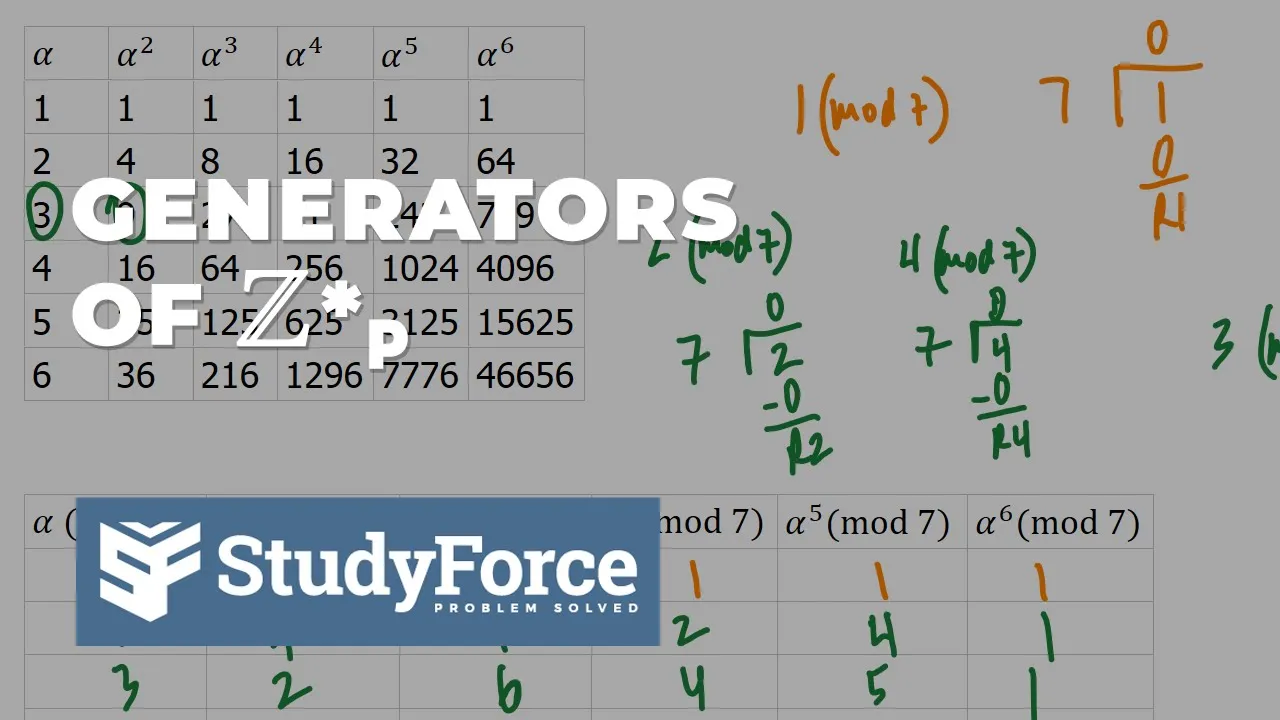
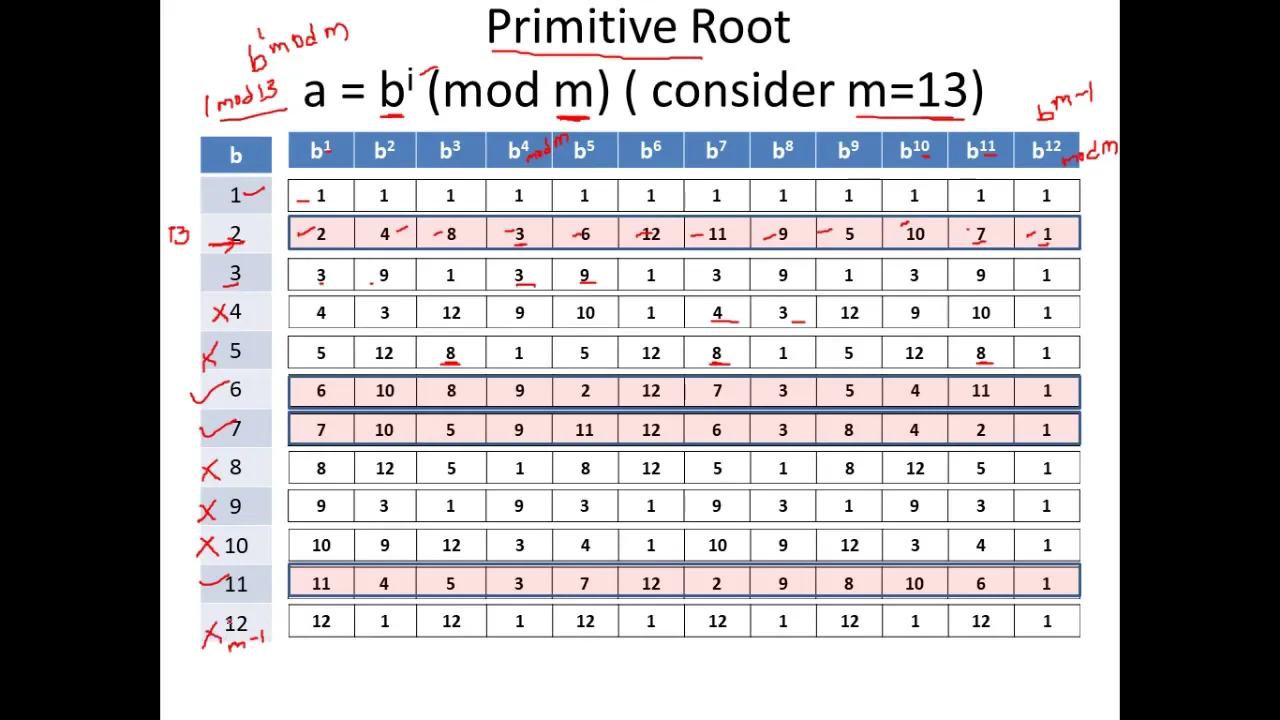
Basic modular arithmetic and number theory, specifically prime fields and the concept of a generator.
The classical Diffie-Hellman Key Exchange protocol and the Discrete Logarithm Problem (DLP).
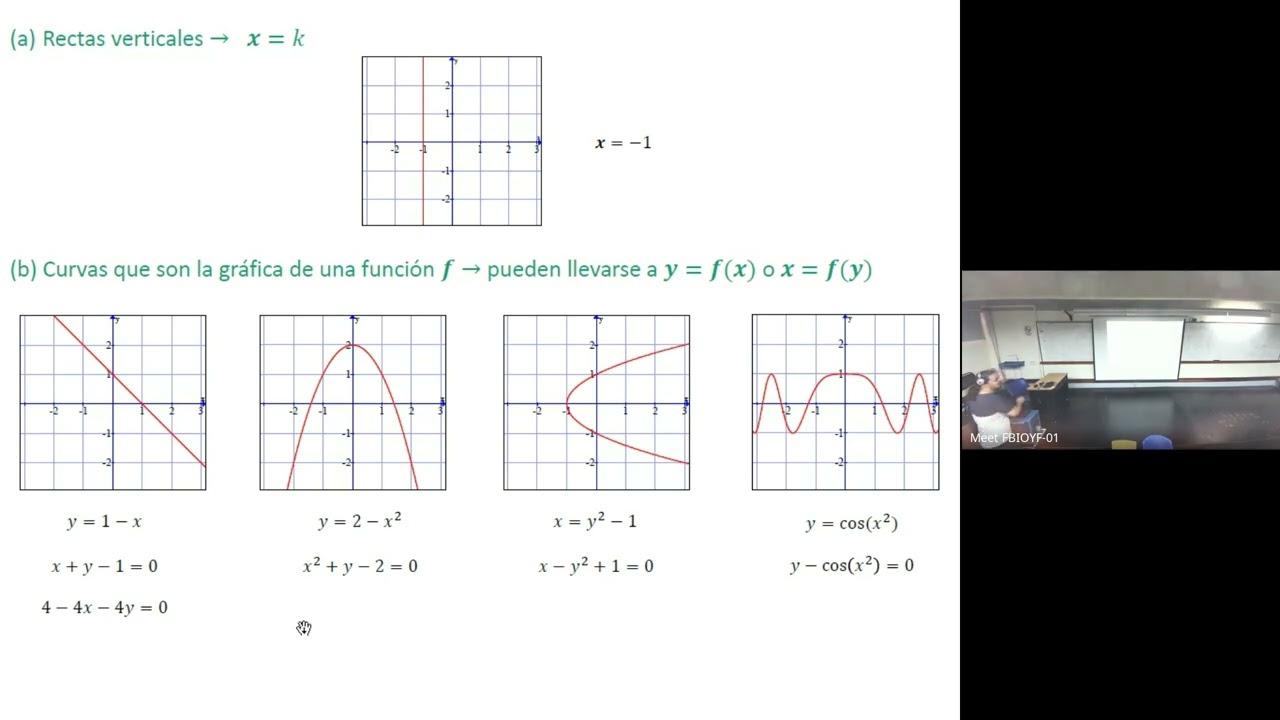
High-school level algebra and coordinate geometry, particularly the Cartesian coordinate system and equations of curves.
Post-Quantum Cryptography (PQC) and how quantum computing threatens ECC via Shor's Algorithm.
Real-world security protocols that implement ECC, such as TLS 1.3, SSH, and the Signal Protocol.
Specific elliptic curves and standards used in industry, such as Curve25519, secp256k1 (used in Bitcoin), and NIST curves.
Side-channel attacks on ECC implementations and mitigation techniques like constant-time execution.
Advanced pairing-based cryptography and its application in Zero-Knowledge Proofs (zk-SNARKs) and identity-based encryption.
28.5K views725likes4:43Original Release: 2024-10-21
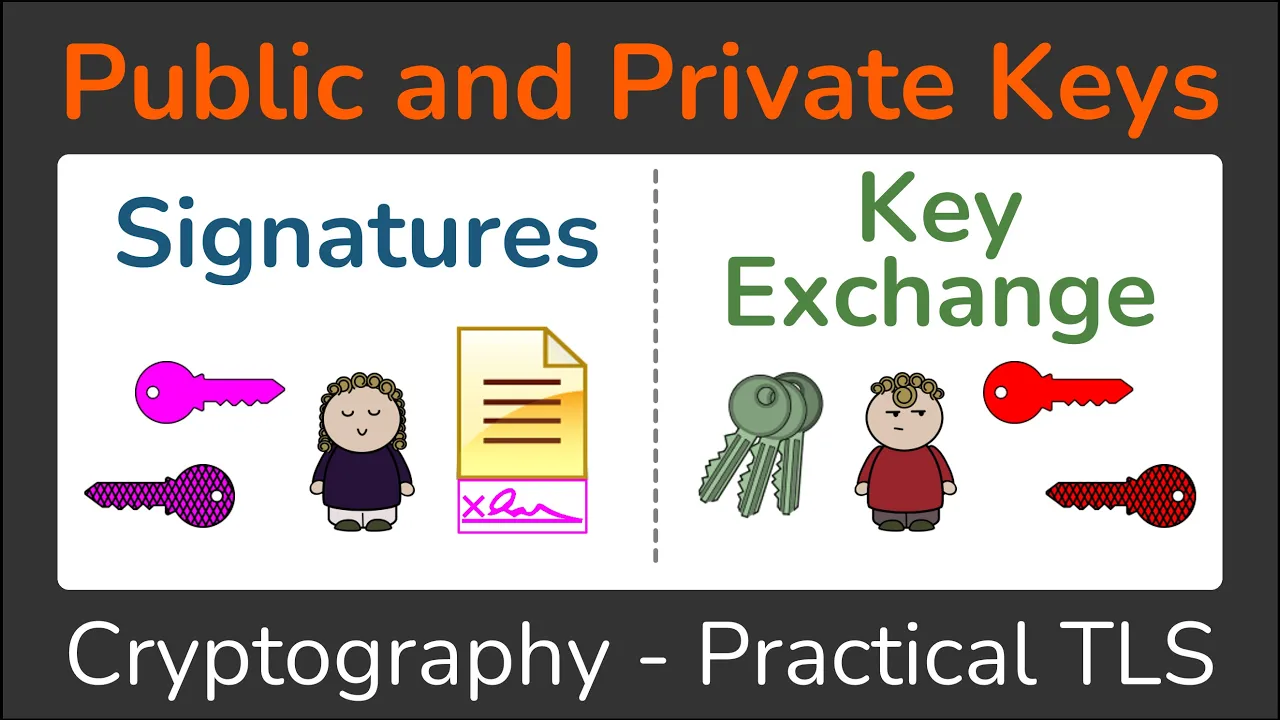
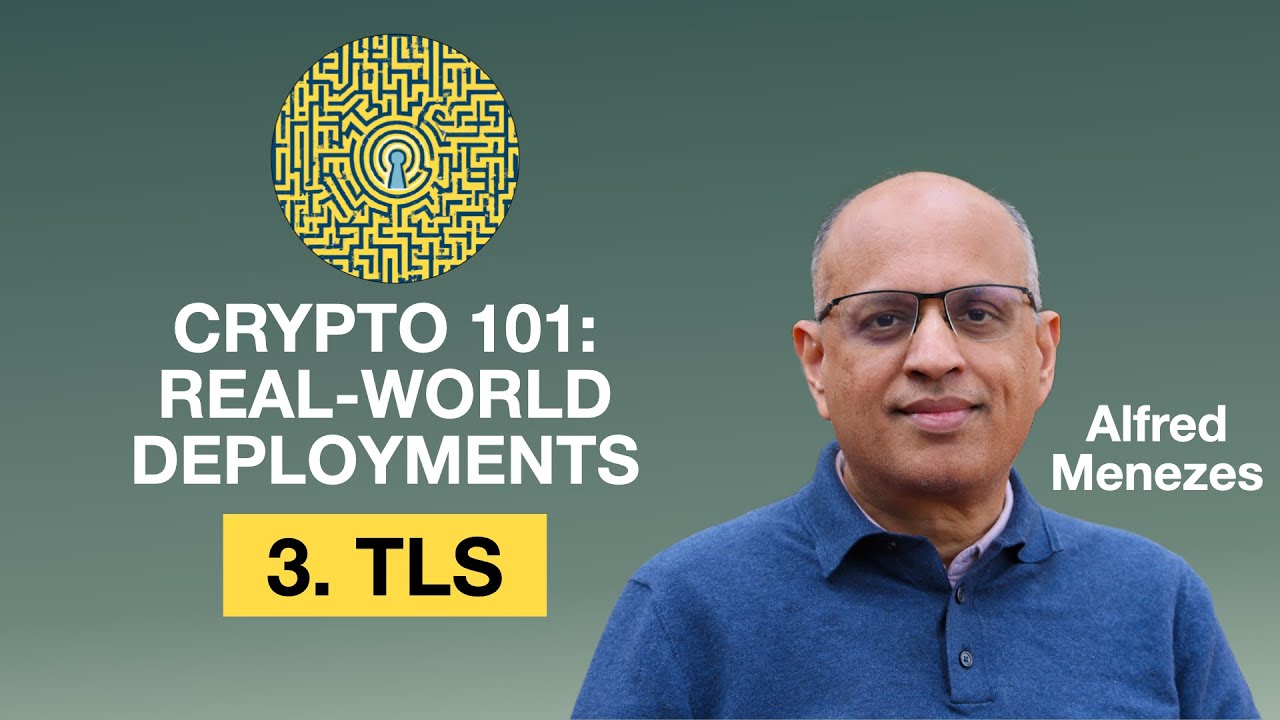
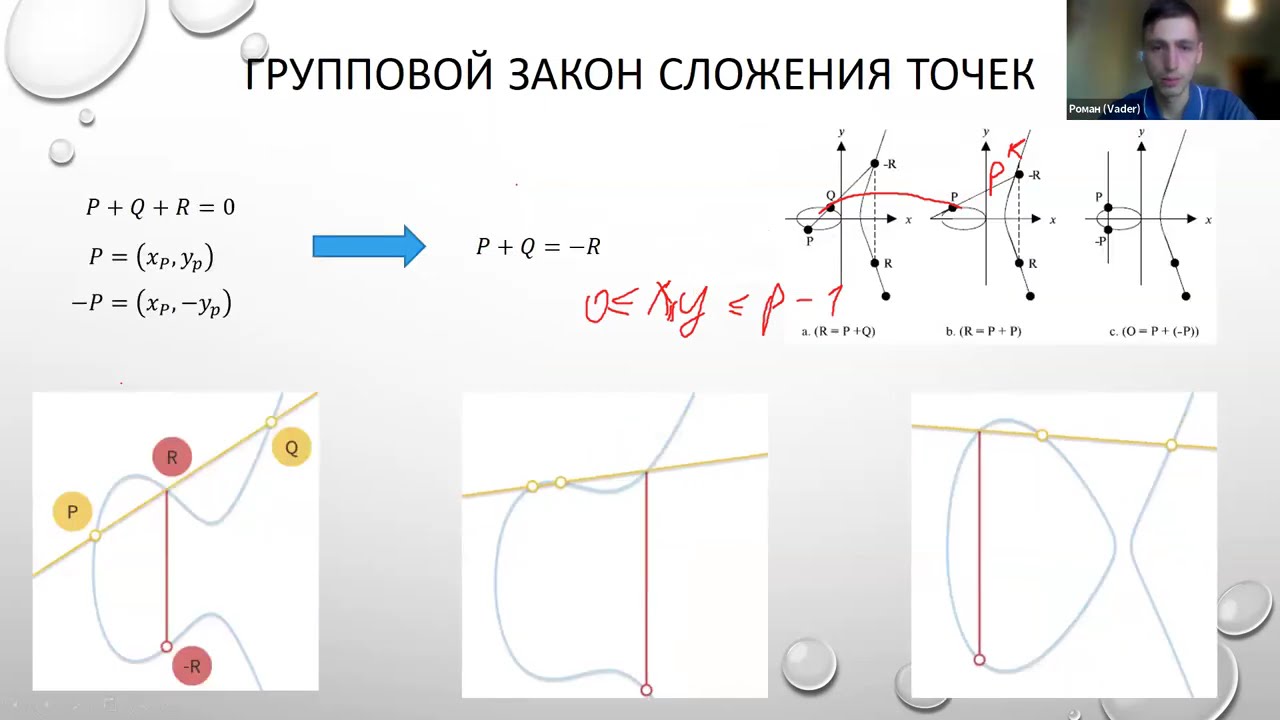
you've reached the final lesson in my cryptography Essentials series and if you play back the transcript you'll find we haven't mentioned elliptic curves once but what if I told you we've been talking about elliptic curves this entire time let me [Music] explain for the last eight lessons in this series we've been discussing asymmetric cryptography and I want to start this lesson by quickly summarizing what we've talked about so far we started by defining asymmetric cryptography as a set of mathematical operations that can be performed with one key and verified or undone with another key one of those keys is generally made public and then the other one is kept private we then discussed the three different operations that exist within asymmetric cryptography we have asymmetric encryption signatures and key exchanges and then finally we discussed the three algorithms that you can use to do one or more of these operations RSA TIY Helman and DSA all of this we covered earlier in the series so if any of this is unfamiliar to you please check out the links in the description as for us now that we've already covered all this we can have a productive conversation about elliptic curve cryptography elliptic curves are generally visually represented like this but they can take many other forms as well a curve itself is just a plotting of points that make this algorithm true so for each curve you have an x- axis and a y AIS and any of these are simply values for X and Y that would make this formula true and what makes each curve different is different values for A and B which means that when you're choosing to do elliptic curve cryptography with somebody else you also have to choose a particular curve to do that cryptography on for the rest of our discussion we're going to continue using this as the example of a curve now each of these points on this plot is simply a different XY coordinate which is going to make this statement true so for instance if I pick two points p and q p is going to have some XY coordinate and Q is going to have a different XY coordin it but both of them are going to make this statement true each of those points on the curve represents a particular value and ative curve cryptography is going to do math on those values so far in the course we've been talking about these three algorithms these algorithms are doing math on positive integers positive integers are any whole number greater than zero numbers that you and I use every day and so each of these simply require you to combine various numbers in different ways using operations like multiplication or exponentiation well it turns out you can do the same math that these algorithms require you to do using points on a curve and that's exactly what elliptic curve cryptography is for instance any of these might require you to combine positive integers but there's also a way to combine the points p and Q in a similar way to get a third value in this case r and all elliptic curve cryptography does is simply do the same math that RSA DSA and Diffy Helman require you to do using points on a curve instead of positive integers which means each of these algorithms that we've been discussing this entire time also have an elliptic curve variant each of these are simply doing their respective algorithm on a curve now in the case of ecsa it turns out that doing RSA on an elliptic curve is not any more secure than just doing RSA naturally so you don't actually see ecsa used in practice in the modern world the other two however you see used all the time both ecdsa and E C DH are both more secure and require smaller Keys than their non OIC curve variants so anytime you're needing a signature instead of doing DSA you should do EC DSA or anytime you need a key exchange instead of doing Diffy Helman you should do elliptic curve Diffy Helman so in a way you can see that we've been talking about elliptic curve this entire time so everything you've learned about these algorithms also apply to these algorithms with one exception of course ecsa which is pretty much never used in the real world and that wraps up everything I wanted to communicate to you in this lesson now of course we could go much deeper on elliptic curves but this again is just a crypto Essentials course so the main thing to understand about elliptic curves is that all they are is simply doing these algorithms on a curve instead of doing them on positive integers I hope you enjoyed this video thank you for watching and I'll see you in the next one [Music] a [Music]
Up Next

62:48
Riemann Tensor: Newtonian Limit, 2-Sphere, Accelerating Coordinates
@centrumfizykiteoretycznejp6497
180 views•2024-05-07
29:13
Riemann Curvature Tensor: Geometric Meaning in Tensor Calculus
@eigenchris
131.7K views•2019-06-16
10:44
Fourier Series Introduction: The Big Idea Explained
@DrTrefor
387K views•2021-05-03

6:00
The Mathematical Impossibility of Accurate World Maps
@Vox
23.3M views•2016-12-02
Related Study Plans & Knowledge Roadmaps
Structured learning paths in Mathematics
mathematics
Tensor Calculus: Vectors to Riemann Curvature
01Mathematical Foundations: Linear Algebra & Calculus
02Covectors, Dual Spaces, and Tensor Basics
03The Metric Tensor and Index Gymnastics
+ 2 more learning modules
40h5 modules
Explore Roadmap
mathematics
Gödel's Incompleteness: Logic, Proofs & Limits
01Introduction to Formal Systems & Hilbert's Dream
02Set Theory, Cardinality, and Cantor's Diagonal Argument
03Arithmetization and Gödel Numbering
+ 2 more learning modules
14h5 modules
Explore Roadmap
mathematics
Galois Theory: Fields, Groups & Solvability
01Foundations of Abstract Algebra: Groups & Fields
02Polynomials & Field Extensions
03Splitting Fields & Symmetries
+ 2 more learning modules
24h5 modules
Explore Roadmap
mathematics
Non-Euclidean Geometry: Models & Geodesics
01Euclid's Fifth Postulate and the Birth of New Geometries
02Hyperbolic Space and the Poincaré Disk Model
03Geodesics: Defining Straight Lines in Curved Spaces
+ 2 more learning modules
15h5 modules
Explore Roadmap