














![LAGOS DE TITÁN | Distintos a como los científicos creían: Misión Cassini Huygens [Documental Astrum]](https://i.ytimg.com/vi/293NQDDTeJ4/maxresdefault.jpg)
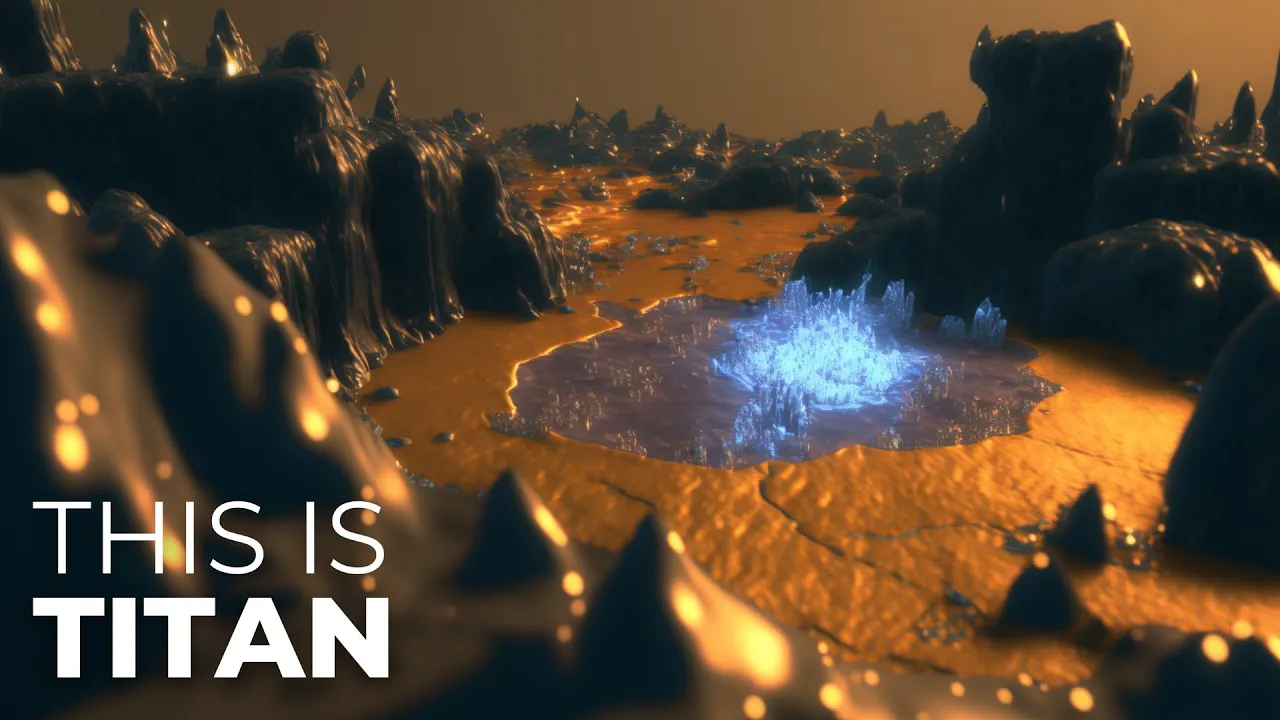
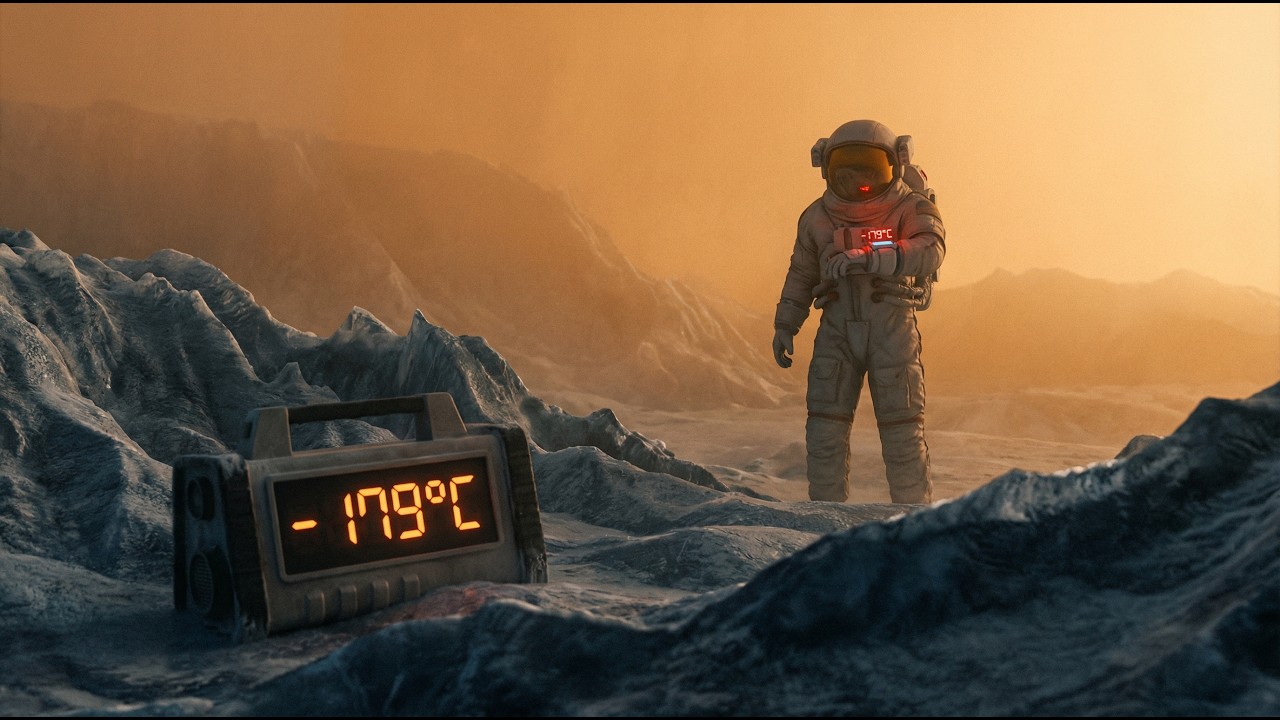





The search for extraterrestrial life focuses on celestial bodies with conditions similar to early Earth, such as Saturn's moon Titan with its dense atmosphere and liquid hydrocarbon lakes, and Jupiter's moon Europa with its subsurface ocean; scientists are investigating whether these environments could harbor life or provide clues about how life originated on our planet.
Titan's Potential for Life: Exploring Saturn's Enigmatic Moon
Added:Basic planetary science concepts, including the definition of habitable zones and the fundamental requirements for life, such as energy sources, solvents, and raw organic materials.
An understanding of organic chemistry fundamentals, specifically what hydrocarbons (like methane and ethane) are and how carbon-based chemistry serves as the foundation for prebiotic molecules.
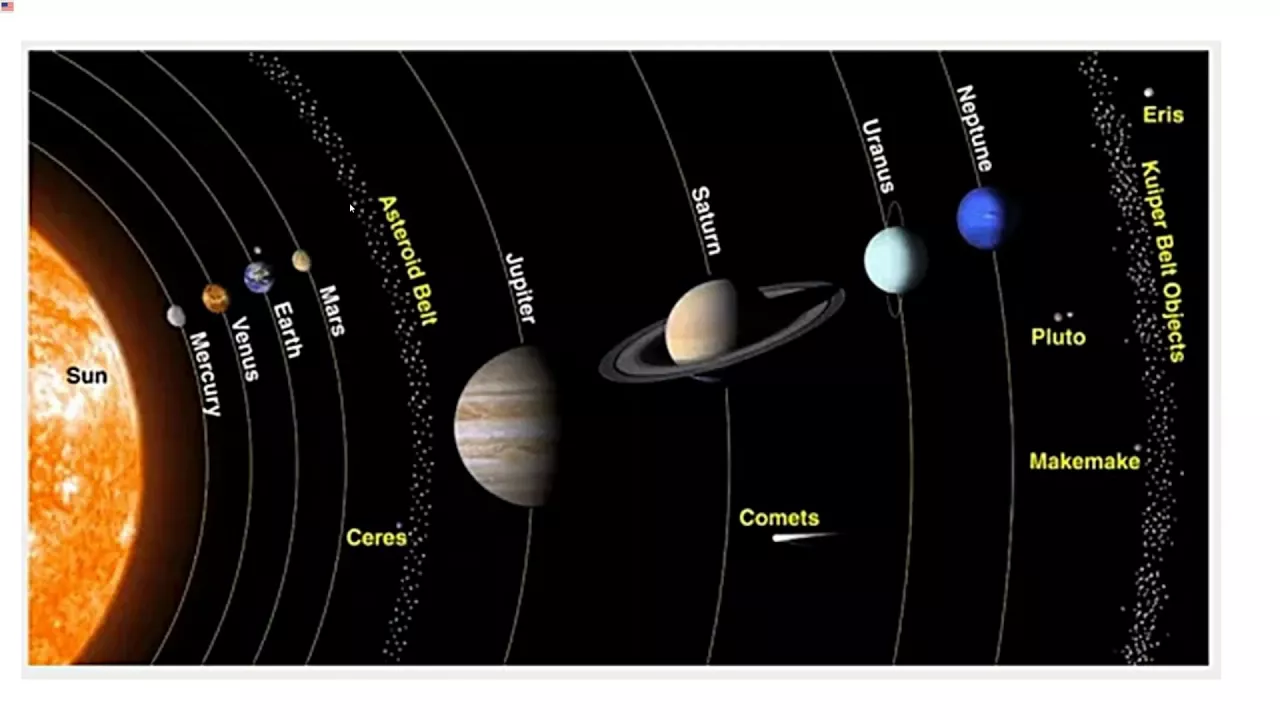
Basic knowledge of the solar system's structure, specifically the position and characteristics of outer gas giants like Saturn and the general nature of their icy moons.
Fundamental atmospheric science, including how atmospheric pressure, composition, and greenhouse gases behave differently on planetary bodies compared to Earth.
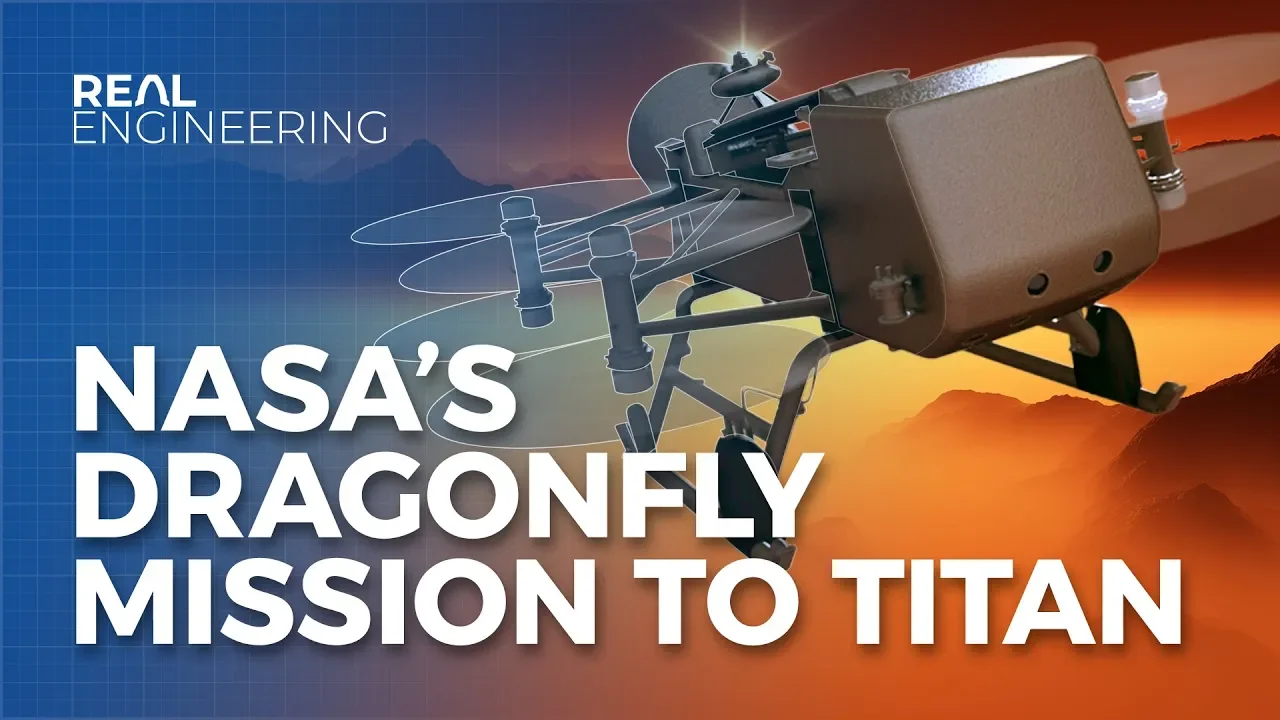
In-depth study of the NASA Dragonfly mission design, including its rotorcraft engineering, scientific payload, and flight navigation challenges in Titan's dense atmosphere.
Comparative climatology and hydrology, specifically analyzing Titan's liquid methane/ethane meteorological cycle in comparison to Earth's water cycle.
The study of theoretical astrobiology, focusing on hypothetical non-water-based lifeforms (e.g., life utilizing liquid hydrocarbons as a solvent) and cryogenic membrane chemistry.
The engineering and logistical challenges of deep-space exploration, such as planetary protection protocols, autonomous navigation, and utilizing RTGs (Radioisotope Thermoelectric Generators) for power.
258.5K views3.6Klikes1:14:37Original Release: 2024-05-10
Titan is Saturn's largest moon it's also the second largest moon in the solar system after Jupiter and gamed and it's the only moon with clouds and a dense planet-like atmosphere but the coolest thing this Moon might help us understand how life appeared on Earth and for us to understand whether you like such videos or not please put a like And subscribe to the channel your support is important to us thank you astronomers say that the conditions on Titan might be almost the same as those on Earth in its early years the only significant difference is that being closer to the sun earth has always been warmer Titan is surrounded by an orange Haze which had kept the moon's surface a mystery for astronomers up until 2004 that's when the Cassini Mission arrived there now we know that Titan's atmosphere extends about 370 Mi High that's a lot higher than the atmosphere of our planet because of this atmosphere Titan was believed to be the largest moon in the solar system for a long time but the most exciting fact about Titan's atmosphere is that it's full of organic compounds if they were discovered on our planet they would definitely mean life now the atmosphere of Titan is mostly nitrogen mixed with a bit of methane and other organic compounds which form when sunlight destroys methane but if sunlight keeps destroying methane how does this gas appear in the atmosphere again and again on Earth it's life itself that restores the supply of methane since it's a byproduct of the metabolism of many organisms so can we conclude there's life on Titan this distant Moon isn't the most Pleasant place to settle down it's too cold for liquid water to exist on its surface and still Titan has Rivers seas and lakes of liquid hydrocarbons such as methane and ethane the largest of them are hundreds of feet deep and hundreds of miles wide beneath the thick crust of the Moon there is a more liquid ocean consisting primarily of water rather than methane after a series of laboratory simulations scientists concluded that there might be enough organic material on Titan for a chemical Evolution to begin it could be similar to the one that started life on Earth but for that to happen there must be liquid water on the moon for longer periods of time than what we observe now and still it might be another proof supporting the idea of a liquid water ocean under the Frozen isolation layer if it was true Titan's subsurface ocean could turn out to be a place harboring Life as We Know It meanwhile its lakes and seas of liquid hydrocarbons could have forms of life with different chemistry than what we're used to or there may be no life at all after all the temperature on the surface of Saturn's moon is about 290 these conditions are far from comfortable for almost any life form according to one Theory a meteorite impact that occurred a long long time ago could have provided enough heat to liquefy water for around a few hundred or thousand years but right now most experts think that Titan isn't likely to be a place where life thrives which makes the presence of methane in the moon's atmosphere even more puzzling interestingly Titan might become warmer in the future future you see 5 to 6 billion years from now the sun will become a red giant it will heat up most space objects in our solar system and Titan will become warmer 94f this temperature is high enough for stable oceans of a water ammonia mixture to exist on its surface with time the sun's ultraviolet output will decrease which will enable the greenhouse effect in Titan's upper atmosphere the combination of these conditions might exist for several hundred million years creating an environment suitable for the appearance of exotic forms of life after all this time was enough for life to evolve on Earth the only thing that might hinder the process on Titan could be the presence of ammonia it's likely to cause the same chemical reactions to proceed more slowly Enceladus Saturn's ocean covered Moon spews water into space non-stop the liquid leaves the insides of the Moon through fractures in its icy crust in the mid 2000s the Cassini spacecraft analyzed the composition of these Jets and spotted molecules that included ammonia and carbon dioxide both compounds are crucial for the existence of life on Earth but recently scientists have made another analysis of the Cassini samples and this study has revealed a great chemical diversity of Enceladus it makes this small icy Moon one of the top candidates for finding life in the the solar system in an attempt to find out the true chemical makeup of the Moon researchers at Nasa examined the data collected in 2001 and 2012 again all this information was gathered by NASA's Cassini hayin Mission it flew a spacecraft through the impressive water plumes of Saturn's moon many times samples were analyzed by a special instrument identifying compounds by their molecular weight this instrument is called a mass spectrometer and Cassini had one on board the initial analysis showed that the Jets contained five types of molecules water carbon dioxide ammonia methane and molecular hydrogen but later experts spotted a few bigger and heavier compounds including ethane and hydrogen cyanide as well as traces of methanol the initial Cassini analysis didn't show these compounds because the equipment on board the spacecraft wasn't capable of identifying them that's why it came as a surprise that Saturn and small moons could be so chemically active and able to produce heavy molecules together with previously found components like water and amonia the newly discovered molecules might serve as fuel and building blocks for microbes which in turn means that they could probably support an independent origin of life it's one of the reasons why after the discovery of its oceans Enceladus has been one of the main Targets in the search for extraterrestrial life the molecules might be mixing together through the hydrothermal activity on the moon seafloor creating a habitable environment where life could appear so far scientists haven't found any evidence that could indicate that such a process has actually been going on plus no one knows yet how the erupting water makes its way through the icy shell of the Moon still the most recent findings might help ongoing and planned missions exploring other ocean worlds similar to Enceladus one of such worlds is Jupiter's watery Moon Europa this place is likely to have the same properties as Saturn's moon hopefully we'll get the answers to these questions soon with the help of the European space agency's Jupiter icy Moon Explorer spacecraft at the moment it's on its way to the Jupiter system but then another question might arise if we found the conditions where life can originate and even Thrive can't this fact already be proof of the existence of extraterrestrial life doesn't it mean that life must be abundant in the universe then why haven't we come across other species yet the answers to this Paradox vary from optimistic to downright terrifying it might be because we haven't been looking long enough or maybe we haven't been emitting enough traceable signatures for other civilizations to find us or perhaps no species have ever made it to the point where they could come into contact with other civilizations there's also the frightening Dark Forest hypothesis it's a theory claiming that loads of alien civilizations exist throughout the Universe but they are all silent and hostile they try to maintain their undetectability for fear of getting destroyed by another unfriendly species so following this hypothesis we can presume that any space fairing civilization must view other intelligent forms of life as an inevitable threat and the best course of action is to hide its existence altogether this makes the cosmic electromagnetic spectrum eily quiet with no evidence of any intelligent extraterrestrial life this way the universe can be compared to a dark Forest filled with armed Hunters wandering among trees like ghosts look up find that little yellow dot that's Titan it's Saturn's largest moon and the second largest moon in our whole solar system and it might be the only place in our solar system where there's liquid water besides Earth plus it has an atmosphere that serves as a shield against solar radiation and cosmic rays just like Earth if life was a house Titan would have a lot of the bricks you'd need to build it strap in you're heading over there it takes a long time to get to Titan but you know the magic of YouTube here it is a bit bigger than our moon and a whole lot heavier it's even bigger than Mercury that means its gravity is still pretty weak you'll feel seven times lighter here than on Earth at the local gym back home you can lift 150 lb on Titan you can lift more than 1,000 ha looking good the surface is mostly made up of ice it has small mountains craters and a few cryo volcanoes basically the same is a regular volcano but instead of lava this Beast spits out water ice ammonia and methane there are lakes and clouds kind of like a canyon would look like on Earth but here there's only a tiny difference everything is covered in thick fog and sometimes it hails Frozen methane on Earth we use methane as fuel because it burns but on Titan there's no Oxygen can't get a fire going on this hunk of rock no oxygen means you need to put on an oxygen mask but you don't have to wear a whole space suit like on our moon Titan has a stronger atmosphere but you packed a sweatshirt right it's going to get pretty cold soon like 300° cold the coldest it ever got on Earth was -28 and that was right at the South Pole it's so cold because it's so far from the Sun almost 900 million miles anyway that dense fog and atmosphere stop the sun's Rays from warming the surface sounds kind of extreme but so is life it can survive almost anywhere take the bacteria Doo some long Latin word it can survive radiation and extremely low temperatures it even survived a whole year in outer space on the outside of the International Space Station Titan would be a piece of cake compared to that especially if we drilled down a bit many scientists believe there's a whole ocean under the surface of Titan Saturn's gravity gives Titan's core a little heat boost plus there's ammonia in that ocean it's like Titan's version of antifreeze as long as the water stays liquid life's got a pretty strong chance of success so what's down there scientists have actually found real evidence that Titan might already have life on it here check out this microscope this is C3 H2 it was discovered by this weird group of antenna things living in the desert in Chile it used 66 antennas all pointed at the same place in the sky this C3 H2 molecule can act as a building block for DNA the code of Life some people think that these molecules were around on our planet billions of years ago just when life began scientists also checked it out firsthand with a probe that actually landed on Titan turns out those desert antenna things were right Titan shot to the top of the list of places is we could one day live on sorry Mars NASA has a new project the dragonfly Mission they're going to send a drone out there and explore Titan even more the mission's still about 6 years away and the rocket will reach Saturn's moon 9 years after that so we're going to have to wait a while before we pack up and move to Titan after the dragonfly drone lands on Titan's surface it's going to whiz around like a sort of double helicopter it's going to have propellers 3 ft wide since there's weak gravity that's more than enough to give the Drone good cruising speed it'll be able to fly about 2 mi straight up and take off and land vertically like a regular helicopter the main problem with the whole thing is the drone's batteries scientists invented a generator that converts thermal radiation energy into electrical energy whatever that means One battery charge should be enough for several hours of continuous flight the dragonfly is going to be carrying a lot of research equipment so it's not like those drones people fly in the park on a Sunday it's going to weigh about as much as three ostriches it's going to have two drills a bunch of sensors a spectro thing to find out what chemicals are lying around and it's also going to have its own Weather Channel with a ton of instruments to measure temperature and clouds and stuff and like any Gadget nowadays it has a camera on it get ready for some beautiful pics of Titan's epic landscape nighttime on Titan lasts about eight Earth days that's when the drones going to be relaxing on the surface recharging and analyzing samples that's a long time but it's actually a good thing Titan distance from Earth causes a bit of a problem a delay in communication when they send the dragonfly a signal from Mission Control it has to fly halfway across the solar system takes over an hour in contrast the signal delay to Mars can be as little as 10 minutes and the signal delay to the Moon is only about a second scientists expect dragonfly to provide more information about whether we can live on Titan or not some experts hope to find a primordial soup there it's a whole mush of stuff needed to make life we had that same soup on Earth about 4 billion years ago and every single living organism that ever existed evolved from this mush of organic elements if the dragonfly projects a slam dck and Titan does turn out to be habitable it'll have one more mission to find a nice place for us to settle down in but creating a self-sustaining Colony on another planet would definitely be the hardest thing humans have ever done first hurdle energy production probably some sort of nuclear power plant then comes shelter for humans and their machines those new Titan buildings will have to protect us from the extreme cold and bad weather then drinking water and oxygen we'd need to invent a way of collecting or engineering both then green houses for growing food we'd also need to mine fuel for transportation luckily Titan packed full of methane which is great for fuel one huge problem gravity because it's so weak on Titan whoever lives there could lose a lot of muscle mass making it hard to work and even just live and there are those pesky cryo volcanoes shooting stuff out at random times or maybe we'd need a more drastic daring idea how about changing Titan's atmosphere so we can breathe on it and not have to wear about a 100 hats and gloves to do this we'd need to terraform Titan surface for a long time Titan's atmosphere needs to be enriched with oxygen for us to breathe and it would be great if it was was a bit warmer the next step is to create a biosphere which means plants we could turn Titan into a blooming jungle with plants brought over from Earth but because of pressure and gravity they'd look completely different from Earth plants they might all grow super tall or maybe they'd all shrink down to mini size we really don't know first things first we need to make sure that life is even possible on Titan scientists recently thought their might be life on Venus it's sort of the same size as Earth and scientists even call it Earth's twin sister they discovered a gas on Venus phosphine supposedly it was made by living organisms turns out it wasn't true well not really there is some phosphine floating around but way less than we first thought look science on other planets is super hard people we're always making mistakes like [Music] that an exoplanet is any Planet inside our solar system some of them are free floating those are called rogue planets they move around the galactic center others orbit their host star or two for the first time astronomers discovered exoplanets in the 1990s since then scientists have found thousands of them and now you can sneak a peak too spoiler alert some exoplanets are pretty bizarre other resemble our home planet and could probably support life the closest to Earth exoplanet is Proxima centu B it's a mere 4.2 light years away from Earth recently astronomers have found out that this world might resemble Earth even more than previously thought it's only 177% more massive than our home planet it orbits a star that is dimmer and less massive than the sun Proxima centor B is in the middle of the star's habitable zone this means that chances are liquid water and life might exist on the planet plan it looks like the exoplanet is tidy locked with its parent star this means one of its sides faces the star at all times and the other is always in the darkness scientists haven't figured out yet whether the planet has an atmosphere it's traveling too close to its star and completes one orbit within 11 Earth days the radiation from the Star might be pulling the planet's air away if this is the case Proxima centor B isn't likely to have liquid water on its surface gly 832c is 16 light years away from Earth in the cosmic scheme of things it's a Stones throw away this exoplanet is five times as massive as Earth and travels much closer to its parent star that's why a year on this planet lasts a mere 36 days but since this star is a red dwarf much cooler and dimmer than the sun Glee 832c gets as much light and heat as our planet does at the same time it's still unclear if Glee 832c is similar to Earth it probably has a much thicker atmosphere that creates a runaway greenhouse effect this phenomenon occurs when a planet absorbs more heat from its host star then it can release back into space this means that Glee 832c is more likely to resemble scorching hot Venus rather than relatively cool Earth another earthlike planet toi700d is 100 light years away from us in the constellation Dorado it orbits a small and rather cool dwarf star that is about 40% of the mass and size of the sun its surface temperature is half as high as that of our star the outermost Planet which is the very toi700d is almost the size of Earth it also sits in the habitable zone of its parent star no flares from toi 700 reach the planet this increases the chances of the exoplanet being habitable this means it can potentially develop and maintain life scientists don't know for sure the exact conditions on the surface of the planet but one of the computer simulations they've created shows a planet covered with an ocean it has a very dense atmosphere dominated by carbon dioxide astronomers think a similar atmosphere surrounded Mars when it was a young Planet but another 3D model shows toi700d as an all land cloudless world that's what our Earth would probably look like if it wasn't covered with oceans winds on toi700d move away from the night side of the planet and meet in the area that directly faces the star there is an exoplanet that stands Out Among the rest because of its awesome magenta color you can find this world in the Virgo constellation the planet is called GLE 504b the distance between this planet and its parent star is nine times the distance between the Sun and Jupiter the planet formed relatively recently and is still glowing with heat that's why its surface looks pinkish just 20 light years away from the sun which isn't such a great distance when we talk about space a bizarre Rogue planet is roaming our home Milky Way galaxy but even though this planet doesn't orbit any Star it still has an incredibly powerful magnetic field it's 4 million times stronger than Earth's magnetic field the exoplanet also produces amazing auroras when it was discovered in 2016 astronomers were almost sure they had detected a brown dwarf which is an object too large to be a planet and too small to be a star but later scientists received proof that the space object wasn't big enough to be a brown dwarf the planet sure is a mammoth among its peers it's 1.2 times as wide as the largest planet of the Solar System Jupiter and more than 12 times as heavy astronomers think the exceptional strong magnetic field helps the planet produce the auroras but the most curious thing is that they're generated in a different way than auroras on Earth it might be because the exoplanet's moon helps the planet create these light shows If you travel 20, th Lighty years away from Earth you'd come close to a red dwarf in the Sagittarius constellation such stars are very cool and small quite far away from this cold star there's a planet the distance between this world and its host star is so great that the planet receives very little heat it's one of the coldest planets ever detected the average surface temperature on the planet is lower than- 360° f that's why the entire planet is covered with a thick layer of ice if you stepped onto its surface you'd see nothing but glaciers Plains and mountains of ice and still astronomers claim life might exist deep beneath the Frozen surface all because the core of the planet is likely to generate enough heat to melt some of its inner ice in this case there would be an enormous subsurface ocean maybe even swarming with bizarre life forms on the planet one of the oldest exoplanets we know about is PCR b1620 26b it's about 12.7 billion years old it's almost three times as old as Earth which appeared 4.5 billion years ago this also means that the Genesis planet formed only about 1 billion years after the big bang the planet is so old that its two parent stars have had enough time to evolve in into a white dwarf and a pulsar making almost 100 revolutions per second sunrises on this planet must look awesome I bet the next exoplanet isn't like any other you might have seen before it's often called super Saturn or Saturn on steroids that's because j1407b has a colossal system of rings they're 640 times as large as those of Saturn the bizarre world is 434 light years away from Earth it's the only planet we know about that has rings similar to Saturn's if you moved j1407b to our solar system and replac Saturn with it its rings would look many times larger than a full moon astronomers have noticed a gap halfway through the planet's rings the chances are high that an exomoon the size of Mars orbits the planet somewhere within this Gap if you lived on this Moon you'd have an awesome view every time you looked up into the sky this exoplanet called wasp 12b munches on the light coming from its star it's one of the darkest worlds people know about all because its day side consumes light rather than reflects it back into space the planet is giant twice the size of Jupiter and it traps more than 94% of the light that reaches its atmosphere this is likely to be the main reason for the insane temperatures on the surface of the planet they can rise up to 4,600 De F it's almost half as hot as the surface of the Sun wasp 12b travels so close to its host star that it needs just one day to complete one orbit its night side isn't as hot as the day side a mirror 2,200 de F because of this difference in temperature water vapor and clouds gather above the surface of the planet from time to time swirls of material from the planet's superheated atmosphere spill onto its star about 4,000 Lighty years away from Earth there's an exoplanet that might be one enormous Diamond it's five times the size of our planet but needs only 2 hours and 10 minutes to orbit its parent star it's a pulsar rotating at a rate of 10,000 times a minute the planet is denser than any other we've discovered so far it consists mostly of carbon which is so dense that astronomers think it might be crystalline if it was true it could mean that at least some part of the planet is diamond on wasp 76b it rains iron on the night side of the planet and the temperature on the daytime side Rises up to 4,300 F that's hot enough to vaporize most metals this exoplanet is a bit smaller than Jupiter and located 640 Lighty years away from Earth such terrifying weather conditions in this world are caused by its unusual orbit the distance between wasp 76b and its parent star is 10 times shorter than the distance between Mercury and the sun that's why the star and the huge Planet are tidally locked one side of wasp 76b always faces the star and the other side is always Pitch Black this bright blue exoplanet sits 62 years away from Earth a bit larger than Jupiter it looks calm and peaceful its blue color might remind you of our home planet but this familiar appearance conceals the planet's horrifying nature the beautiful Hue comes from silicate atoms and particles that make up the atmosphere but the wind speed on the planet can reach 5,400 mph that's s times the speed of sound the temperature temperature there can rise up to 1, 1600° F but this isn't the worst in this bizarre world it rains glass sideways so it's probably not the place where you'd like to spend your vacation consider now Enceladus Saturn's icy Moon one of the most promising places to look for life outside earth scientists have just detected the last one of the six necessary ingredients for its formation phosphorus this rarest element has been discovered in an ocean on Inus this Rare Element helps make the soil fertile on Earth but the concentration of this mineral in the hidden Seas on the distant Moon might be from 100 to 1,000 times greater than in the oceans of our home planet it might be because Enceladus ocean is rich in carbonates just like soda water and this soda water is likely to dissolve the phosphates in the moon's rocks the new discovery also suggests that on other icy moons of Saturn like Titan the waters may be loaded with phosphorus too why are scientists so excited about this mineral well phosphates which are compounds that contain phosphorus are crucial components of life on Earth DNA RNA and cell membranes contain them but among those six elements required for life which are carbon hydrogen nitrogen oxygen phosphorus and sulfur phosphorus is the least common in 2004 the Cassini space probe entered the dust from the second outermost ring of Saturn called the e-ring it's made up of ice grains in cetus Jacks and while studying these ice grains examined by cassini's Cosmic dust analyzer researchers have detected phosphorus Enceladus is the sixth largest moon of Saturn it's not really large only 314 M across this makes the space body small enough to fit in inside Arizona h we should try that sometime interestingly when the Cassini space probe first arrived at Saturn astronomers thought that Enceladus was going to be a Frozen ball of ice but then surprise surprise they spotted plumes of icy particles and water vapor erupting from geysers on the moon surface it became clear that there was a global Ocean between the Moon's Rocky core and its icy shell the same researchers previously discovered that Saturn's moon might be home to complex organic molecules too before scientists thought phosphates could be trapped within the rocky cores of Enceladus and similar worlds that's why the newest Works which hint that phosphates might also be abundant in the ocean came as a surprise researchers examined 305 ice grains from Saturn's e-ring and found out that nine of them contain phosphates and these results were clear and unmistakable and it's very important because time ago phosphine a compound of hydrogen and phosphorus was believed to exist in the Clouds of Venus but no one has manage to find any evidence to support this theory on Enceladus there's no controversy and phosphates do exist there astronomers consider Europa one of the most promising places in the solar system to search for new life forms all because this Moon has a huge saltwater ocean with a depth of 40 to 100 miles yes it is hidden under a layer of ice that is estimated to be from 10 to 20 mi thick but it is still potentially habitable astronomers claim that plumes of water erupt from cracks in the ice shell and release the contents of the moon's ocean into space of course it's going to be challenging for any life- seeking mission to access such a deep environment on the bright side as We Are Scientists already have some evidence that there are way shallower pools that probably lie much closer to the surface of the Moon they might be located even less than 1 mile under the ice and there are two great things about this news first of all it boosts the odds of Life existing on Europa and secondly if it's true it can make it easier for future missions to find these life forms if there are any then we've got Titan Saturn's largest moon it's smaller and has lighter gravity than Earth but it still reminds us of our planet Planet like on Earth nitrogen dominates its atmosphere Titan is the only other world in our solar system with lakes and rivers these water bodies are made of hydrocarbons methane and ethane there's also a subsurface ocean of water but it's located very deep down and no one has figured out yet if this ocean makes contact with anything under the surface if it does it could provide fuel for Life After mixing with complex chemistry on the surface but Enceladus and the other icy moons aren't the only place in the solar system that might host or once hosted life in 2003 Mars Express a spacecraft launched by the European Space Agency discovered methane in the atmosphere of Mars on our planet the biggest part of this gas in the atmosphere is produced by living creatures for example by cattle digesting food and emitting you know gas however scientists think that methane was stable in the Maran atmosphere for about 300 years and then in 2006 the methane almost entirely vanished from the red planet and it happened 600 times faster than the researchers model accounted for the question what or who generated the gas and where did it go another Martian mystery is microbes that might be sleeping beneath the surface of Mars there they might have been protected from the harsh radiation coming from space for millions of of years scientists simulated the conditions on Mars in a lab to check if it could possibly be true and they were amazed to find out that bacteria could easily survive in such conditions for 280 million years o that's a long shelf life this means that if life existed on Mars we could find the evidence in the planet's subsurface by drilling into the Martian soil right now there is no flowing water on Mars and cells are pores would simply dry out plus the Frozen temperature is similar to that of dry ice in other words it's deeply Frozen Let It Go and still there could be six types of bacteria and fungi living Underground on the red planet the most likely of them is nicknamed Conan the bacterium due to its tough nature well I guess time will show anyway if we don't find life outside Earth in our solar system we could probably look for it on exop planets which is what planets outside our star system are called some of them look very promising the closest to Earth EXO planet is Proxima centuri B it's a mere 4.2 light years away from Earth recently astronomers have found out that this world might resemble Earth even more than they previously thought it's just 177% more massive than our home planet it orbits a star that is dimmer and less massive than the sun Proxima centari be is in the middle of the star's habitable zone this means that the chances of liquid water and life might exist on the planet it looks like the exoplanet is tidily locked with its parent star one of its sides faces the star at all times and the other is always in the darkness scientists haven't figured out yet whether the planet has an atmosphere is traveling too close to its star and completes one orbit within 11 Earth days the radiation from the Star might be the planet's air away if this is the case Proxima centuri B isn't likely to have liquid water on its surface gley 832c is 16.2 Lighty years away from Earth in the cosmic scheme of things it's a Stones throw away this exoplanet is five times as massive as Earth and travels much closer to its parent star that's why a year on this planet lasts a mere 36 days but since this star is a red dwarf much cooler and dimmer than the sun gley 832c gets as much light and heat as our planet at the same time it's still unclear if it's similar to Earth the planet probably has a much thicker atmosphere that creates a runaway greenhouse effect this phenomenon occurs when a planet absorbs more heat from its host star than it can release back into space this means that gley 832c is more likely to resemble scorching hot Venus rather than the relatively cool Earth hey I'm cool with that imagine a still frozen world it's ancient about 4.5 billion years old it's barely heated by the Rays of the Sun and covered with a thick layer of ice this world is smaller than our moon but a bit larger than Pluto its name is Europa the sixth satellite of Jupiter and one of the biggest moons in the the solar system but the coolest thing about this far away place it might host life astronomers consider Europa one of the most promising places in the solar system to search for new life forms all because this Moon has a huge saltwater ocean with a depth of 40 to 100 Mil yes it is hidden under a layer of ice that is estimated to be from 10 to 20 mi thick but it is still potentially habitable Astron claim that plumes of water erupt from cracks in the ice shell and release the contents of the moon's ocean into space of course it's going to be challenging for any life- seeking missions to access such a deep environment on the bright side scientists already have some evidence that there are way shallower pools that probably lie much closer to the surface of the Moon they might be located even less than one mile under the ice and there are two great things about this news first of all it boosts the odds of Life existing on Europa and secondly if it's true it can make it easier for future missions to find these life forms if there are any interestingly the new discovery about these shallow pools came about by sheer luck the scientist leading the research Riley Colberg accidentally saw a presentation of his colleague a planetary scientist that scientist showed a picture of double ridges on the surface of Europa and Colberg remembered that he had seen similar ridges on Earth but while such formations are rare on our planet they are way more numerous on Europa the following studies suggested that the ridges on Jupiter's moon might be the result of a specific cycle similar to that on Earth in this cycle liquid water freezes and then thaws inside an ice sheet which is a rather high pressure environment this causes the sheet to move upward over and over again creating a two- pequ structure or at least that's what happens on Earth if the processes on Europa are similar it can prove the presence of shallow waters on the satellite of course the temperature pressure and chemistry are very different on Europa and scientists don't know yet how the ice behaves there that's why they can't understand how deep or large the water pockets are or how long they need to refreeze but what is more or less clear is that such Under Ice environments on Europa are very likely to be protected Ed from Jupiter's harsh radiation battering the satellite's surface which in turn increases the chances of Life existing on Europa now can we get back to the fact that the ocean on Europa seems to be salty red streaks on the satellite surface might have this color due to their chemical content they're likely a frozen mixture of water and salts this is quite unusual because such a composition doesn't match any known substance here on Earth as for yellow spots on europa's Surface those might be caused by the presence of sodium chloride you know this substance as good old table salt scientists tried to recreate the conditions on Europa in a lab they discovered that by combining water table salt freezing temperatures and high pressure they could get a new kind of solid Crystal this substance might exist both at the bottom of europa's ocean and on the moon's surface but besides this information researchers are in the dark hopefully we'll find the answers to some of these questions around 2030 that's when a mission called Europa Clipper which is going to be launched by NASA will probably reach Europa the mission is going to have several close flybys and figure out if any form of life can exist on the moon the European space agency's juice which stands for the Jupiter icy moons Explorer is going to visit Europa in the next couple of years too but Europa isn't the only place in the solar system that might host or once hosted life in 2003 Mars Express a spacecraft launched by the European Space Agency discovered methane in the atmosphere of Mars on our planet the biggest part of this gas in the atmosphere is produced by living creatures for example by cattle digesting food however scientists think that methane was stable in the Martian atmosphere for about 300 years and then in 2006 the methane almost entirely vanished from the red planet and it happened 600 times faster than researchers models accounted for the question what or who generated the gas and where did it go another Martian mystery is microbes that may be sleeping beneath the surface of Mars there they might have been protected from the harsh radiation coming from space for millions of years scientists simulated the conditions on Mars in a lab to check if it could possibly be true and they were amazed to find out that bacteria could easily survive in such conditions for 280 million years which means that if life existed on Mars we could find the evidence in the planet's subsurface by drilling into the Martian soil right now there is no flowing water on Mars and cells or spores would simply dry out plus the surface temperature is similar to that of dry ice in other words the surface of the planet is deeply Frozen and still there could be six types of bacteria and fungi living Underground on the red planet the most likely of them is nicknamed Conan the bacterium due to its tough nature well I guess time will show now let's move to Venus in 2020 scientists announced that in the toxic venutian atmosphere there was something that might mean the existence of life unfortunately scientists didn't have any evidence since there was no chance to collect any microb specimens or snap any pictures of extraterrestrial life but they claimed that they had discovered a chemical called phosphine there and it was a big deal if it wasn't some previously unknown chemistry that was producing this gas then there could be some kind of microbial life involved in the process phosphine is made up of three atoms of hydrogen and one atom of phosphorus this gas is toxic to any terrestrial life form that needs oxygen including us humans on our planet phosphine can be found in places with no or little oxygen for example marshes and swamps the gas is created by complex mixtures of bacteria living there it can also be produced industrially come to think of it phosphine isn't supposed to be in Venus's atmosphere altogether this gas needs precise pressure and temperature and tons of hydrogen to form it wouldn't be all that surprising to find it on Saturn or Jupiter famous gas giants but on Venus totally unexpected there's no way phosphine can be naturally produced on this planet tiny amounts of it can be created during volcanic eruptions lightning storms minerals blown up to the surface or meteorites entering Venus's atmosphere but not as much as astronomers thought they had observed and it had to make scientists suspicious but they were too happy about their Discovery they probably thought it meant there could be life on Venus but even if this gas was created by some mysterious organisms it would be a big question how they survived on Venus on our planet some microbes can thrive in environments with an acidity of 5% but no more on Venus though clouds are almost entirely made of acid containing more than 90% of sulfuric acid the venutian atmosphere is also 50 times as dry as the driest place on our home planet and indeed in 2022 thanks to better more highresolution telescopes it was concluded that there was no phosphine in Venus's atmosphere or even if there was it was a very small amount so far we need to look for signs of Life further away from Earth Jupiter has 79 known moons and the four biggest of them that are particularly interesting are Galilean moons they were named after Galileo galile he discovered them in the 17th century they have something in common but at the same time are all very different Europa is the smallest of the Galilean moons with a diameter of, 18860 Mi it orbits Jupiter every 3.5 days the first images we got from there were taken in the 1970s its surface mostly consists of water ice Europa has long fractures often around a mile wide that can extend for thousands of miles across its surface they were probably formed as the crust pulled apart from tidal forces on the mysterious ocean beneath the surface in 2012 scientists discovered water vapor plumes erupting close to its South Pole rising up to 125 Mi these plumes can help us find what's inside Europa without having to land there scientists think there could be a magnificent ocean hidden 10 to 15 mil beneath the solid surface that ocean could be 40 to 100 m deep even even though it's just one qu of Earth's diameter it contains twice as much water as all of our oceans together this ocean is a potential environment for some forms of life scientists believe the entire ice crust is floating on that ocean it probably makes a full rotation around Europa once every 12,000 years in the image the Galileo spacecraft took you can see small dark brown spots there are six miles across and formed as the hot less dense material was getting to the surface it either pushed the crust or broke through it altogether the surface of Europa consists of so-called chaos terrains their rough areas surrounded by a smoother surface its equator could be covered in ice spikes called penitentes that can go up to 50 ft High we have them on Earth too especially in dry areas at High altitud udes but none of them are as big as those on Europa our moon has over 5,000 big craters with a diameter of more than 15 Mi europa's surface lacks impact craters and doesn't look like it's more than 5050 million years old this means the surface of Europa is changing and reforming all the time this moon is icy and is one of the smoothest of any solid space objects in our solar system because of it it's five times brighter than our moon Europa is under a constant blast of radiation coming from Jupiter it's so strong we wouldn't last even a day there Europa is five times further away from the center of our solar system than Earth that means it barely gets any heat coming from the Sun so it can remain Frozen since the average temperature is - 250° F at the equator and around 360° F at the poles about 40 years ago the Voyager 1 spacecraft came close to the rocky Moon IO and discovered that it's a volcanic champion of our solar system IO is Jupiter's fifth innermost Moon 4.5 billion years old nearly the same age is Jupiter itself it's similar in size to our moon and even has a similar density and amount of gravity many moons in our solar system consist of silicates and water ice but IO is made of iron and silicate Rock you'd be able to see some beautiful auroras on iO as this Moon rotates around Jupiter auroras change brightness all the time but they're always there IO is relatively close to Jupiter almost 260,000 m above its Cloud tops if you could come to IO and take a look at Jupiter from there it would appear almost 40 times bigger in the sky than our moon stargazing there would be amazing IO needs 42 1/2 hours to orbit Jupiter our moon needs almost a month at some points io's tidal bulge can go up to 330 ft it's similar to what we have on Earth the gravity of our moon causes ocean tides IO doesn't have an ocean but the ground itself moves and goes up and down it's like an elevator taking you to the bottom and then the top of a building with 30 stories the gravity of Jupiter and its other big moons affect IO so the Solid Ground tides on its surface are over five times as high as the highest ocean tides on our planet all this makes IO so hot on the inside that some of the inner materials melt boil and try to escape in any way possible eventually it creates a hole in the ground which then turns into a [Music] volcano IO is the most active body in our solar system when when it comes to volcanoes IO has more than 400 of those with 150 of them erupting all the time some of them shoot their hot gas plumes 200 mil into space it would be difficult to walk there because we're talking about a pretty intense world of flood Plains of liquid rock huge lava flows multiple Lava Lakes and giant collapsing mountains gamed the largest moon in the solar system we know of also has the biggest water ocean it's 26% greater than Mercury when it comes to volume but it's less dense this giant Moon has a thick crust of water ice 90 M deep there might be a huge ocean of liquid water underneath it extends 60 M deep which is about 10 times deeper than the deepest point in the earth's ocean the Voyager spacecraft also detected polar caps made of water Frost there ganam is half Rock half water including including tiny amounts of metals and Ice its atmosphere is very thin and doesn't contain oxygen this ocean most likely doesn't contain life the Earth is a great example of how certain microbes and creatures can survive deep down without sunlight but the ocean of ganam is so deep and the pressure is so strong that the water at the bottom is probably compressed back into ice certain forms of life in the deepest areas of our ocean survive thanks to geothermal vents that eject minerals since there's likely thick ice Between the Ocean and the core this isn't the case with ganam but the ocean there is salty with multiple layers divided by Icy Sheets if there's any chance of life it could be in the part where the rocky core is in contact with the most internal icy layer beneath all that water and ice ganam is the only moon in the entire solar system with a magnetic field it's possible because this Moon has a liquid core ganam circles Jupiter approximately once every 7 Days its orbit is so eccentric that at some points it's pretty close to Jupiter ganam IO and Europa have gravitational forces that affect each other in the time ganam orbits Jupiter once Europa makes two orbits and IO makes a full circle four times 1/3 of ganam surface can contains big dark regions while the other 2/3 are Lighter dark areas are older and contain more craters lighter areas have long ridges and grooves about 2,300 ft high and thousands of miles long Kalisto the third biggest moon in the solar system 3,000 m in diameter needs 17 Earth days to orbit Jupiter its atmosphere is very thin there are many impact craters but its ancient trust has basically been the same for more than 4 billion years when a planet is geologically active like the Earth some things can erase most of the evidence from past impacts water volcanoes tectonic plate movements human activity and weather all this changes the surface Kalisto has experienced none of those scientists think this Moon used to be an ocean world that eventually froze over it was hit by meteors from time to time but mainly remained untouched and yet it still has some pretty impressive craters like bhalla the biggest multi- ring crater in our solar system that's 2500 m in diameter major craters on Kalisto contain more rings than those on other celestial bodies whatever hit the moon was big enough to have punctured the thin crust causing water to spread on the surface and under this thin crust there could be either salty Ocean or soft ice the Galileo space probe detected that Jupiter's magnetic field couldn't penetrate through this Moon likely because of a layer at least 6 mil thick that's why it's hard to explore Kalisto moons like Europa have vents that eject water from the subsurface oceans but to explore Kalisto and discover more about its past we'd have to use the old school way digging through the crust if we wanted to explore the outer parts of our solar system Kalisto would be a great spot because Jupiter's radiation doesn't reach it so we'd be safer there than on some other inner moons Mercury about 3.8 billion years ago a huge asteroid is about to collide with the planet boom fragments are flying in different directions along with the blast wave when the dust settles we see a crater almost the size of Lake Ontario the most interesting thing here is the shape of the crater it looks like a spider a round body in the center and a bunch of legs that spread out from the crater in different directions but the strangest thing is that the spider's legs don't quite line up with the center scientists can only guess how such a landscape was formed some think that the picture of the spider appeared there much earlier and the meteorite falling almost into its Center was just a coincidence but we still don't have a clear explanation of how such scars could have appeared on the surface of mercury another mystery about Mercury is how it was born one Theory claims that the planet used to be Venus's moon but over time it succumbed to the Sun's gravity the star literally ripped Mercury away and the little planet began orbiting it what might prove this theory is the rotation periods of Mercury and Venus Mercury is gradually losing its rotational speed one day on this planet now equals 58 Earth days and continues to increase at the same time after losing its heavy load Venus has started rotating a little faster another theory says that mercury collided with Venus shortly after the appearance of the solar system at that time Proto Mercury was slightly larger than the planet we're familiar with these days but then Mercury lost part of its crust after colliding with Venus and a little later Venus collected this debris but scientists still can't come up with a definitive answer as to how Mercury was formed Uranus a gas giant 18 earth sun distances from our home this planet seems calm compared to other giants like Jupiter with its earth-sized storms and still Uranus has something unusual to boast about this dark spot for example was detected by the Hubble telescope in 2006 at that time it was almost twice the size of Alaska a few years later bright spots appeared there it turned out that they were methane clouds that moved across the surface of the planet at a speed of 300 mph but we don't know what exactly causes such storms on Uranus maybe we can solve this Secret by looking at another mystery of Uranus this planet rotates while lying on its side if you look at the axis of our planet you'll see that it's vertical and only slightly tilted it's the same for most of the planets in our solar system but not Uranus its axis is almost horizontal and pointed toward the sun one of the poles of Uranus is fully illuminated at almost all times the polar day on the planet lasts for 42 Earth years when the tilt of Uranus's AIS changes the polar day starts on the other side of the planet the other pole plunges into darkness for 42 years this change of seasons can cause severe storms on the planet's surface but why exactly Uranus lies on its side is unknown perhaps billions of years ago the gas giant collided with several asteroids that were about to become a young Planet such a protoplanet similar in size and weight to Earth could have tilted Uranus after crashing into it but it's still just a hypothesis now let's go to Jupiter's moon Europa the big mystery here is whether there is life on this Moon scientists don't deny such a possibility all you see on the moon's surface is ice the Stripes you may spot are actually long wide cracks for a long time scientists thought this moon was nothing more than a block of ice but now they think there might be liquid water inside the core of Europa is heated by the tidal forces of Jupiter this warm core melts the ice around it so there really could be a huge ocean under the ice crust since water is the basis of Life different microorganisms could exist there but we would only find out if we sent a probe there we would have to drill through two dozen miles of solid ice and start searching in an ocean twice the size of all water reservoirs on earth look at Saturn's moon Titan it's the second largest moon in the solar system it's 50% bigger than Earth's natural satellite it's the only place in our solar system other than Earth where liquid water has been proven to exist but the most interesting thing about Titan is its atmosphere it's 250 Mi thick this dist is almost 40 times greater than the average cruising altitude of commercial planes on Earth and it's 95% nitrogen for comparison Earth's atmosphere is 79% nitrogen which means they're quite similar the mystery is that no one knows how this atmosphere appeared there one Theory suggests that many years ago meteorites hit Titan surface almost nonstop massive rocks collided with the crust raising the pressure and temperatures on the moon under such conditions the ammonia in the air decomposed into nitrogen and hydrogen the heavy nitrogen fell on Titan surface while the light hydrogen Rose and flowed out into space but some scientists dispute this Theory another mystery of the solar system is the hypothetical star Nemesis and whether it really exists if you look at all the stars of our galaxy most of them are paired which means that two stars orbit around each other statistically the sun must also have a companion so some scientists have made an assumption that the largest mass extinctions on Earth were related to some mysterious object in space they hypothesized that there was a red dwarf somewhere within 1.5 Lighty years away from the center of the solar system and every approach of this dwarf star to the asteroid Cloud Disturbed these space Travelers every time it happened several asteroids began their journey toward Earth and caused a mass extinction but this star hasn't yet been discovered and many scientists question this hypothesis now let's look at the very edge of the solar system a photon of light has to travel one year to get here scientists believe the ort Cloud exists in that area it's a hypothetical region where tons of asteroids and blocks of ice gather into clouds it's the furthest place where the Sun's gravity still works presumably this spherical Cloud wraps around the solar system this is the region where long period comets are thought to originate they fly all the way through the solar system and then return to the or Cloud this journey can take thousands of years even more exciting there could be a gas giant called tyi in that region some scientists say it might be four times the size of Jupiter so far no research has confirmed its existence although the or cloud is still considered hypothetical some scientists believe that comets from that area are responsible for the major mass extinctions on Earth now let's go beyond the borders of the solar system there 1,500 light years away from Earth there's the closest to our home planet black hole black holes are the most mysterious objects in the universe they're so heavy that they attract not only matter but also light even more they slow down time once something gets trapped in a black hole's gravity it never escapes light and matter gradually settle near the Event Horizon and soon disappear into Infinite Darkness time flows differently here one minute near a black hole can be equal to weeks on Earth the biggest mystery is what exactly is inside a black hole some speculate that there's nothing but crushing pressure that destroys anything that gets there others say it might be a portal to another dimension or a wormhole to another place in the universe if it was true white holes would exist as well as exits from black hole portals and wormholes but no white hole has been found so far now how about going to the hypothetical border of the entire universe it's called the AER odanis supervoid if you look at the map of the universe you'll see an empty cold spot about 1 billion Lighty years wide the entire Milky Way galaxy is only 100,000 light years across the main mystery is how the spot appeared one Theory says this void is the scar left by the Collision of two parallel universes imagine that universes are giant bubbles and one day two of these bubbles collided that's when the parallel universe ripped several galaxies out of our bubble so far this is the only explanation for how such a huge cold void could appear in our universe so Mars has two moons Phobos and damos and apart from the bizarre shape there's nothing remarkable about them except for one one thing not so long ago scientists discovered a strange phenomenon on the surface of Phobos and they still can't find any explanation for it what is this phenomenon and what does it tell us about the history of our solar system let's find out American astronomer Assaf Hall discovered Phobos and damos back in 1877 did you know that all the planets in our solar system are named after Greek and Roman deities for example Mars or Aries is the famous deity of War that's why the satellites of this red planet were named after the sons of Aries Phobos and damos these beautiful names actually have creepy meanings fear and Horror in 1971 NASA's Mariner 9 telescope took the first pictures that's how we found out that these guys weren't at all like our moon they had this weird sh a strange and unstable orbit moreover there are no other moons in the solar system that move as close to their parent Planet as these two well they are its Sons After all but even though they are very close to Mars if you were standing on the surface of the red planet you would hardly be able to see them that's because the curvature of Mars hides Phobos and damos from view even if you were somewhere on the equator Phobos would look like an ordinary asteroid to you and damos would look like a star all because these satellites are basically crumbs compared to our moon they're the smallest and least bright moons in the entire solar system which is ironic considering their Mighty names anyway it seems that everything should be pretty clear with these two satellites but nope there's a problem you see scientists reconstruct the history of space based on the traces found on different space objects dents scratches cracks all these things can tell us what happened billions of years ago for a long time scientists were sure that just like their Greek prototypes Phobos and damos were twins but then NASA's Viking Orbiter took new photos of the satellites and that's when they discovered a significant difference between the two the entire surface of Phobos was covered with huge grooves those were a series of long deep pits stretching from one end of Phobos to the other you may say what's the big deal all space objects have this kind of stuff on them and yeah there are other Satellites with similar grooves and scratches but none of them has as many as Phobos it's completely covered in grooves and they're huge up to 12 M long and 660 ft wide and that's not all some of these grooves intersect with others they this means that Phobos has experienced not one but many traumatic events but what exactly happened to it actually scientists are still not completely sure however they have a few ideas and these theories can tell us not only about the past of Phobos but also predict its future Theory one asteroid impact well the first suspect is quite obvious there's a large almost six mile wide crater on Phobos it's called Angeline Stickney it was named after the wife of Assaf Hall the scientist who discovered the satellite adorable so that's what the first Theory sounds like Once Upon a Time an astronomical body crashed into Phobos the impact was so strong that it left a large crater and the effect of the Collision left a bunch of grooves everywhere on Phobos it sounds logical at first however scientists have noticed a flaw in this Theory they learned that these grooves actually formed not inside the crater but next to it so it wasn't a collision that created them besides what about those grooves that intersect with the others or is it just a big Cosmic coincidence well the search for truth continued Theory 2 it's all because of space debris yes there's a difference between these two theories in this case the grooves aren't a direct consequence of the Collision rather it goes something like this something crashed into Phobos this impact caused a bunch of rocks to be thrown into space some of them were lost in the universe forever but others were small enough to be pulled back to Phobos passing next to the moon at a steep angle they would crash into it jumping away and so on and since the gravity of Phobos is very weak perhaps they couldn't stick to it in other words these rocks were continuously pulled toward and pushed off of the satellite for many many years this Theory explains the intersecting grooves it's because the Rocks were constantly falling into those places it sounds quite logical but there's another problem we don't see any Boulders on mars or on the surface of its moons but all this debris was supposed to get trapped by gravity and remain somewhere in the planet's orbit this or simply become part of Phobos in other words if this were true we'd find evidence of this Theory under layers of dust but that didn't happen so this explanation didn't satisfy astronomers either therefore they continued to look for the culprit maybe the grooves have nothing to do with Stickney crater at all maybe the real culprit is something else something even more powerful could it be Mars itself Theory 3 Mars is a Twist villain the previous theories imply that Phobos and damos were originally pieces of Mars like once upon a time they broke away from it and became satellites just like our moon but what if that wasn't the case observations made by NASA's Mars Global surveyor show that Phobos and deos are made up of elements which are mainly found in meteorites and asteroids so what if Phobos and damos are asteroids there's an asteroid belt between Mars and Jupiter given the size shape and composition of Phobos and damos scientists have suggested that once upon a time they belonged to this belt however one day they flew out of it and then gravity pulled them to Mars this phenomenon is called asteroid capture it's very strange though yeah the asteroid capture isn't uncommon but these two have been flying next to Mars for what millions of years it's weird that their orbits have remained the same in addition the atmosphere of Mars is very rarified and because of this it could hardly capture any asteroids in theory they should have separated from Mars at the first opportunity however this didn't happen it means that somehow they got stuck and Mars immediately began to destroy them yep an unexpected twist in this version Mars turns out to be a villain by studying the past we found some evidence of future crimes the mysterious grooves of Phobos could be caused by tidal forces between Mars and Phobos the Moon and Earth also exchanged these slightly distorting each other but since Phobos is much closer to Mars the impact of gravitational forces is much stronger in other words the gravity of Mars is gradually destroying Phobos every 100 years the satellite gets 7 in closer to Mars it also shrinks as much as 6.5 ft becoming even more fragile and weaker the smaller it gets the more the tidal forces impact it creating strange grooves and scratches on Phobos yep somewhere in 30 to 50 million years Phobos will either collide with Mars or disintegrate and turn into a bunch of small rocks and then Mars will also have rings like Saturn and Neptune that's why Phobos is called the doomed Martian Moon anyway these are all only theories but the dramatic backstory of Phobos gives us an idea of how Dynamic extraterrestrial objects can be the more we learn about them the more we discover about the secrets of the origin of not only Mars but also other objects in our solar system if one day we really colonize Mars studying its Boons can help us a lot let's hope that the upcoming MMX Mission will reveal some of the most exciting Secrets Mars's moons are hiding
Up Next
15:40
NASA Europa Clipper MASPEX: Sniffing for Alien Life
@SouthwestResearchInstitute
414 views•2023-03-15
61:17
First Billion Years of the Universe with the Square Kilometre Array
@iaaudc
121 views•2022-05-26

6:25
Kepler's Laws of Planetary Motion Explained (Educational Astronomy Video)
@Peekaboo_Kidz
404.9K views•2023-02-17
6:10
Gamma-Ray Bursts: Cosmic Snipers Explained | Astronomy
@kurzgesagt
15M views•2016-07-31
Related Study Plans & Knowledge Roadmaps
Structured learning paths in Astronomy
astronomy
Reionization: Pop III Stars, IGM & 21cm Line
01Foundations of Cosmology & the Early Universe
02Population III Stars & Cosmic Dawn
03Physical Mechanisms of Reionization
+ 2 more learning modules
17h5 modules
Explore Roadmap
astronomy
Planetary Rings: Dynamics, Roche & Resonances
01Foundations of Gravity and Orbital Mechanics
02Tidal Forces and the Roche Limit
03Structure, Composition, and Collisions
+ 2 more learning modules
10h5 modules
Explore Roadmap
astronomy
Asteroseismology: Stellar Waves, Ages & Cores
01Foundations of Stellar Astrophysics & Wave Mechanics
02Stellar Oscillation Modes: P-modes and G-modes
03Mathematical Framework of Asteroseismology
+ 2 more learning modules
35h5 modules
Explore Roadmap
astronomy
Adaptive Optics: Physics, Engineering & Control
01Foundations of Wave Optics and Wavefronts
02Atmospheric Turbulence & Optical Distortion
03Wavefront Sensing Technologies
+ 3 more learning modules
35h6 modules
Explore Roadmap