























Andrew Huberman shares his evidence-based evening routine for optimal sleep, which includes eating carbohydrate-rich dinners to reduce cortisol and promote relaxation, avoiding screens and stimulating activities before bed, and using supplements like magnesium glycinate (100-200mg), apigenin (50mg), and theanine (100-400mg) taken 30-60 minutes before sleep to activate GABA and improve sleep depth. He emphasizes that behavioral tools should form the foundation of sleep hygiene, as they rewire the nervous system through neuroplasticity, while supplements provide immediate but temporary effects. Huberman also explains that body temperature follows a circadian rhythm with a minimum around 3-4 AM and a peak in the afternoon, and that heat is primarily dissipated through the palms, face, and feet, making a cool room with warm blankets optimal for sleep.
Andrew Huberman's Evening Routine: Science of Sleep Supplements
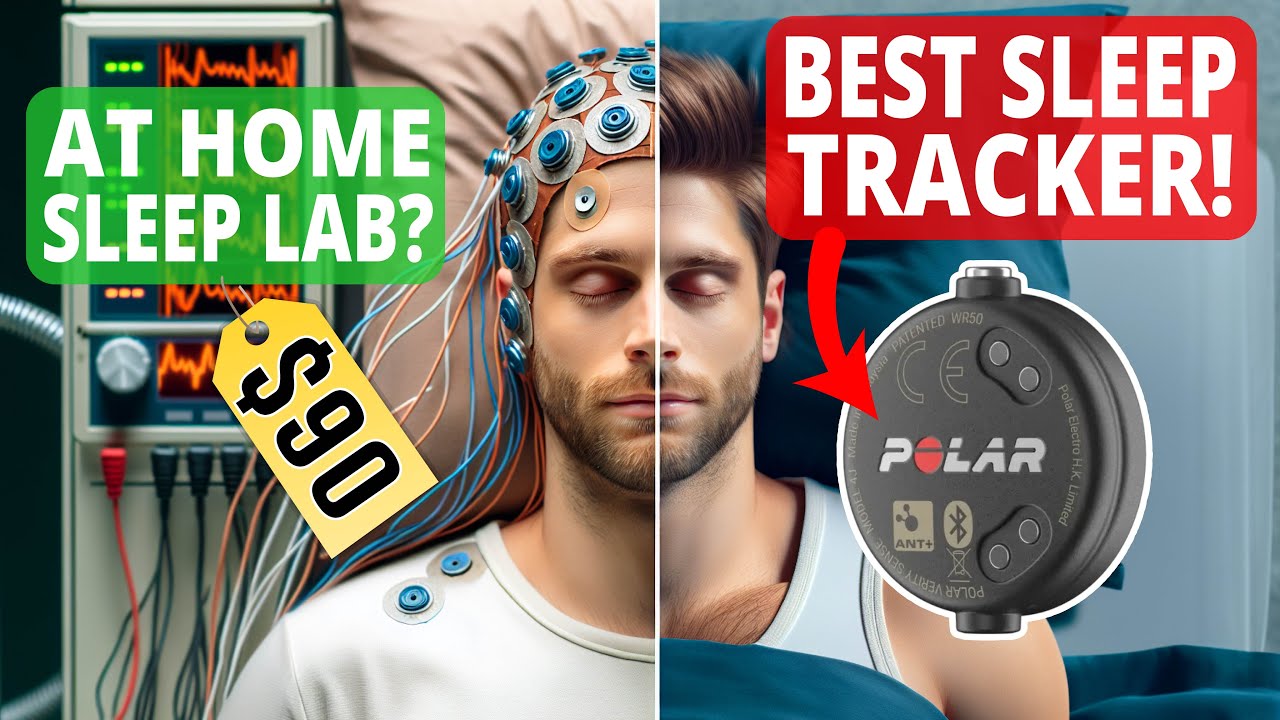
Added:what's your evening routine including supplements from like take walk me through 5 PM until your your lights out falling asleep uh in bed yeah so I I generally go to sleep somewhere between 10 and 11 p.m although lately I've been going to sleep much earlier um because I've been finishing my last meal sometime right around 6 37. first of all um my evening meals are more Laden with carbohydrates than they are proteins typically not every day there's times we'll have a steak for dinner or something like that chicken soup or whatever but it's very clear that fasting and low carbohydrate meals I'm not saying diets overall but meals that those lend themselves to more alertness and focus and a lot of people say well how can that be the brain uses glycogen you need carbohydrate well when you are when you eat a meal that is slightly devoid or devoid of starches it creates a sense of alertness because there's actually a mild adrenaline response so what I do is I basically I'm rewinding a little bit into the earlier part of the day but I fast until about um 11 o'clock I usually get my exercise at some point before 11 o'clock or noon I'm not super strict about that then my meal is generally something some meat a salad um something low carbohydrate if I train really hard I might have some rice or oatmeal or something like that and some fruit and then in the afternoon I have a snack which is also pretty low carbohydrate because I want to have that alertness and I'm drinking caffeine so I'm kind of humming around um doing my work and trying to get into that high focus state for dinner I generally will eat pasta or something that includes more starches because starches are known to actually reduce cortisol levels in the body this is why we eat Comfort Foods most Comfort Foods involve eating foods that are pretty carbohydrate Laden because there's um a pathway involving carbohydrates and the amino acid tryptophan that converts to serotonin in and it essentially blocks the cortisol response a lot of people that are in very low carbohydrate diets I have no problem with that if people do ketogenic diets or low carb diets but those people often have a hard time sleeping um they have to rely on a lot of sleep supplements or medication uh we'll talk about supplements in a minute because there are some excellent ones so in the evening I tend to eat pastas and rice and soups and I still eat some protein but I um from clean animal sources because that's what works for me but but I generally Am shifting my whole system towards more quiescence I might do a little bit of work in the evening we are not big um screen people in the evening I do read books um generally we end up hanging out just talking and listening to music and things like that I might do some writing on the computer but I'm not a big screen time guy and I I should say I love movies it just so happens that um uh I ended up with somebody who doesn't have much interest in in movies but is it is a really terrific musician so sometimes she'll play music and I'll read her work and that's kind of my evening most days sometimes dinner with friends or if it will happen of course so right around um eight or nine PM I start bringing the lights down in fact I have a real sensitivity to the overhead lights because I'm so used to this pattern so I start dimming the lights in the evening overhead and then for the transition to sleep um I do keep my phone out of the the bedroom as much as possible sometimes I'll use it as an alarm but I'll put it on airplane mode if I'm feeling a little too alert I remember two things one the biggest peak in alertness actually occurs about 90 minutes before your natural to sleep time a lot of people don't know this this beautiful work from uh Chuck eisler's lab he's an MD out of Harvard Medical School and what he discovered in tracking people's um wakefulness and activity patterns is that they're buzzing around all day doing things ideally but then right before their natural pulse and melatonin takes off they have this peak in activity and this I think um probably Harkens back to some need to uh you know Tamp down all the the safety leaks that might be in one's environment um and you know get everything prepped because when you're asleep you're actually pretty vulnerable to predators and attack and things of that sort that's the rationale nobody really knows but you can essentially figure out your net your best to bedtime by when you have this big peak in activity and then it kind of subsides so sometimes if I'm feeling a little too alert and wide awake what I'll do is I'll just remember that that's going to pass naturally and I I'm not neurotic about it but I have to say I generally don't do too much um screen time viewing or arguing or parsing of hard you know ideas before sleep I I try and kind of shut that down and people vary but some people are just really tend to be very forebrain oriented as I call their thinking and anticipating all the time it's good to try and taper that off one of the absolute most powerful tools that has come into my life in the last decade and then my lab works on and there are people in Psychiatry at Stanford that are also working on is a practice that I call non-sleep depressed which is nsdr you can do nsdr first thing in the morning if you ever wake up and you did not get enough sleep I often wake up and feel I didn't get enough sleep I'll do a 30-minute nsdr and I come out of that feeling terrific as if I got a full night's sleep and I do this almost every day at some point I might do it in the afternoon or if you wake up in the middle of the night and you're having trouble falling back asleep I highly recommend doing this because even if it doesn't put you back to sleep it's better than being awake and ruminating and you're teaching yourself to fall back asleep you don't have to do it every day you could do it maybe once or three times a week and what you're doing is you're learning how when you wake up in the middle of the night you go to the bathroom you come back you're like oh no my mind is racing what do I do instead of getting on your phone you can start to use some of the progressive relaxation that you learned from those scripts or you can actually do those scripts and so I tend to do do those in the evening or when I wake up in the morning and that greatly facilitates my transition to sleep and and just being a more rested person now in terms of supplements I'm a big believer that supplements are powerful and are a terrific often a terrific replacement for prescription drugs not that there aren't terrific prescription drugs I mean many people benefit from prescription drugs I take a few um but I think that many people rely on things that are excessive and and habit-forming expensive and unnecessary but I will say first off behavioral tools should form the foundation of all your sleep tools your wakefulness tools behaviors first behaviors first behaviors first for one simple but important reason which is that behaviors rewire your nervous system they so they engage what we call neuroplasticity which is your nervous system's ability to change you get better at falling asleep when you do nsdr or reverie you get better at waking up and feeling alert when you view bright light in the early part of the day with supplements and and things of that sort your system can react in the moment but it doesn't rewire it doesn't get better such that if you don't take that thing you're just where you were before now that said there are some supplements that have been tremendously helpful for me for sleep over the years and I know now that there are I you know uh humility aside just from having blabbed about these on various podcasts including mine I think there are probably hundreds of thousands of people taking these things and I want to be very clear that I have no Financial relationship to the whether or not people take these things or not we my podcast is sponsored by a by a supplement company but I'm not even going to mention it I just think find the lowest cost high quality Source you can um there are many and so the three things that really can help with the depth and uh transition to sleep are magnesium three and eight t-h-r-e-o-n-a-t-e magnesium three and eight an alternative which is just as good as magnesium bis glycinate um b-i-s-g-l-y-c-i-n-a-t-e bis glycinate either one and what you're looking for is to get somewhere between 100 and 200 milligrams of those sometimes you'll see on the bottle it says 2 000 milligrams that's the elemental magnesium it'll also see a smaller number go with the smaller number what does this do well it makes people feel a little drowsy and it greatly increases the depth of their deep and the amount of deep sleep if you're a sleep tracker type with whoops or auras you'll see this about five percent of people don't like magnesium 3 and 8 and bis glycinate because it gives them stomach upset you'll know the first time um but most people do just fine the other thing is a really powerful supplement which is wonderful is apogenin API g-e-n-i-n apogenin is a derivative of chamomile both of these things and I should say that 50 milligrams is the target there and there's only one source that I know of I have no relationship to them but that's Swanson and these things are available online these are both pretty low cost the three and eight can get expensive um I take this glycinate and apogenin and you take them about 30 to 60 minutes before sleep and most people report having an incredibly improved sleep are they habit forming not that I am aware of should you check with your doctor Matt if yes if you have especially if you have a heart condition taking magnesium because of the way neurons work you it's an electrolyte and you might want to check for that purpose but I think um most Physicians I think would put these well within the margins of safety but check with yours now there's a third supplement which is theanine t-h-e-a-n-i-n-e theanine is an interesting one theanine magnesium 3 and 8 and apogenin all trigger the activation of a neural hormone excuse me a neuro a transmitter in the brain called Gaba which tends to shut off our forebrain Gaba incidentally is also what goes up if you have one or two alcoholic drinks the problem is drinking alcohol before sleep really screws up your sleep even if you're not drunk it really screws up your sleep a lot of people ask about cannabis and THC uh Matt Walker the great Matt Walker or you know from Berkeley who's the preeminent sleep doc uh scientist rather will tell you that THC and marijuana in various forms and alcohol are really disrupting people's sleep but listen people are going to do what they do but these supplements trigger a healthy release of Gaba theanine anywhere from 100 to 400 milligrams is a kind of a powerful third component of this three and eight or this glycinate apogen and stack and theanine is interesting though your dreams will get very Vivid people who have night terrors or who have um uh who Sleepwalk should not take theanine theanine is actually showing up in a lot of energy drinks now companies are sneaking thinning into drinks during the day and even into coffee because it eliminates anxiety a little bit and it eliminates the Jitters you can drink twice as much caffeine you could drink four of the same energy drink that normally you could only have one of if they stop cleaning in there so you might also want to take a look I'm not a big fan of energy drinks I am drinking some yerba mate tea this morning but um that's all that's in it um but theanine is a great addition to this evening um uh supplement stack and I do that about 30 to 60 minutes before sleep one last point about sleep if you wake up in the middle of the night turn on as many lights as you need in order to navigate around safely but again try and keep the lights low and waking up once in the middle of the night to use the restroom is perfectly normal a lot of people think oh I woke up now my sleep is disrupted my sleep tracking score my recovery isn't good um I'm a big fan of sleep trackers but I don't use one I go on subjective feelings of wakefulness during the day just remember insomnia clinically defined is whether or not you're falling asleep during the day because you're having trouble sleeping at night a lot of people think they have insomnia with what they actually have is anxiety about waking up and they they're just concerned that they've heard all the terrible things that happen if you don't get enough sleep so I think that hits the on the major things obviously you don't want to drink so many fluids before sleep that you're waking up all night to use the restroom one of the nice things about a carbohydrate um Rich meal in the evening is carbohydrates actually hold water for every gram of carbohydrate you're going to hold some water anyone on a low carbohydrate diet will notice that they lose a lot of weight they think they're leaner they're actually excreting a lot of water so that's key and then the temperature thing is really big we haven't talked about temperature but second to light temperature is the most powerful um stimulus for wakefulness actually when you wake up in the morning it's because your body temperature is rising and well we could do a little experiment right now um so what time do you typically wake up in the morning uh I wake up around five so so you're what we would call temperature minimum is 3 A.M meaning that your low point in body temperature across the 24 hour cycle is probably somewhere around three or four a.m and then as it starts to rot so a temperature minimum is not a specific temperature it's a time in the 24 hour cycle it's about two hours to 90 minutes before your natural waking I'm not talking about the waking that happens in the middle of the night and you go back to sleep I'm talking about the weight the typical wake-up time where you would rise okay so for you your temperature minimum is about 3 A.M and then your body temperature is going to start increasing increasing of that cortisol release if you can get light exposure as that slope is um Rising as it's increasing then you're going to augment a faster increase okay if you were to view light or get up at 2 A.M it would actually jet lag you it would actually shift you in the opposite direction as if you were waking up in some other location in the world so that temperature minimum is kind of a nice thing to keep in mind we'll get back to it in a minute but what happens is your body temperature is going to go up and then somewhere around three or four in the afternoon maybe for you because you're a really early riser maybe about two or three in the afternoon it's going to hit a temperature peak the temperature peak is interesting the temperature peak you would think oh that's my time of greatest wakefulness it's actually when you're going to feel a little bit of a drop in energy in the afternoon and then it starts dropping you actually feel pretty good in the evening and then temperatures should continue dropping because in order to fall asleep and stay asleep you need your body temperature to be about one to three degrees lower than it was in that in the afternoon so one thing you can do is you can keep the temperature in your home a little bit lower at night and just stay under blankets um I did a whole episode on this but I and I don't want to get too far into it but um we actually dump heat mainly through the palms of our hands the upper half of our face and the bottoms of our feet there's a special portals between the blood and the skin there beautiful name it was discovered by Colleen Craig Heller at Stanford these are called glabris Skin um there's uh special for the aficionados you have arteries capillaries and veins and in these particular locations it basically only goes to Art From arteries to veins you skip all the little estuaries that are the capillaries between them and you're able to basically dump heat more easily during the middle of the night the best thing to do is to have warm blankets on top of you and be in a cold room and then if you get too warm you will just naturally in your sleep you'll just extend a foot or a hand out you've probably heard sleep with socks on terrible idea um I don't know why that caught on that makes no sense whatsoever you you want to be able to dump heat in the middle of the night because if you get too hot you'll wake up now some people say wait I was in a classroom and when I was in college and it was always when it was warm in the afternoon then it would get hot that I would fall asleep yeah that's true too it has more to your digestive patterns than anything else but um so it's I think it's called the post perennial dip which is just nerdy speak for after lunch you get sleepy uh but if you can extend a handout that's great because if the room is too hot what are you gonna do you're not going to put your hand into a bucket of ice next to your bed I mean most people don't have that device some people use these chili pads or ate sleep or these kinds of things I I um actually don't have one personally I tend to run kind of warm oh yeah that's an interesting question like I use an eight sleep and it it can adjust the temperature throughout the night so how should I adjust that to optimize the quality of my sleep should I start from cold and like gradually go warm or should I just do cold all night yeah great question um I was sent one I still need to set it up but I don't have any relationship to them yet I think that perhaps they were curious about forming one but so I need to try it um so you want it to be cool uh so I would say moderate temperature at the beginning of the night for the first two or three hours of sleep then you want to keep it cold until about that three or four a.m point and then starting right around 4 45 your body is naturally heating but if you were to allow it to heat up then I think you would wake up more quickly um like yeah you want to start with like an average temperature and then go colder and then go warmer that's right you want to mimic what would happen if you were sleeping Outdoors essentially
Up Next

Daily Protocols for Productivity: Sleep, Focus & Health
@hubermanlab
799.7K views•2021-07-12

Triumph of Orthodoxy Icon: Byzantine Art & History Explained
@BenCallan
2.1K views•2024-08-06

FastAPI vs Flask vs Django: Choosing the Right Python Web Framework
@TechWithTim
302.5K views•2024-05-26

Game of Thrones Opening Credits: A Cinematic Analysis
@gameofthrones
46.3M views•2011-04-18
Related Study Plans & Knowledge Roadmaps
Structured learning paths in General & Interdisciplinary Studies