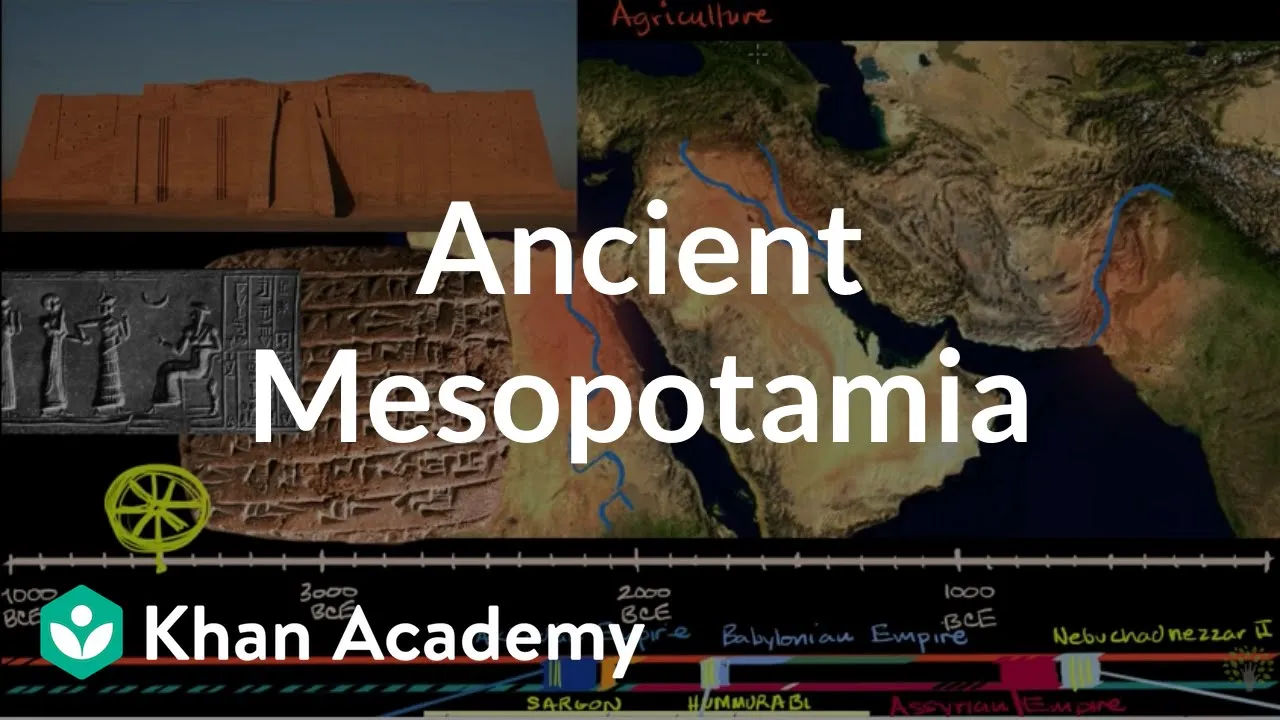




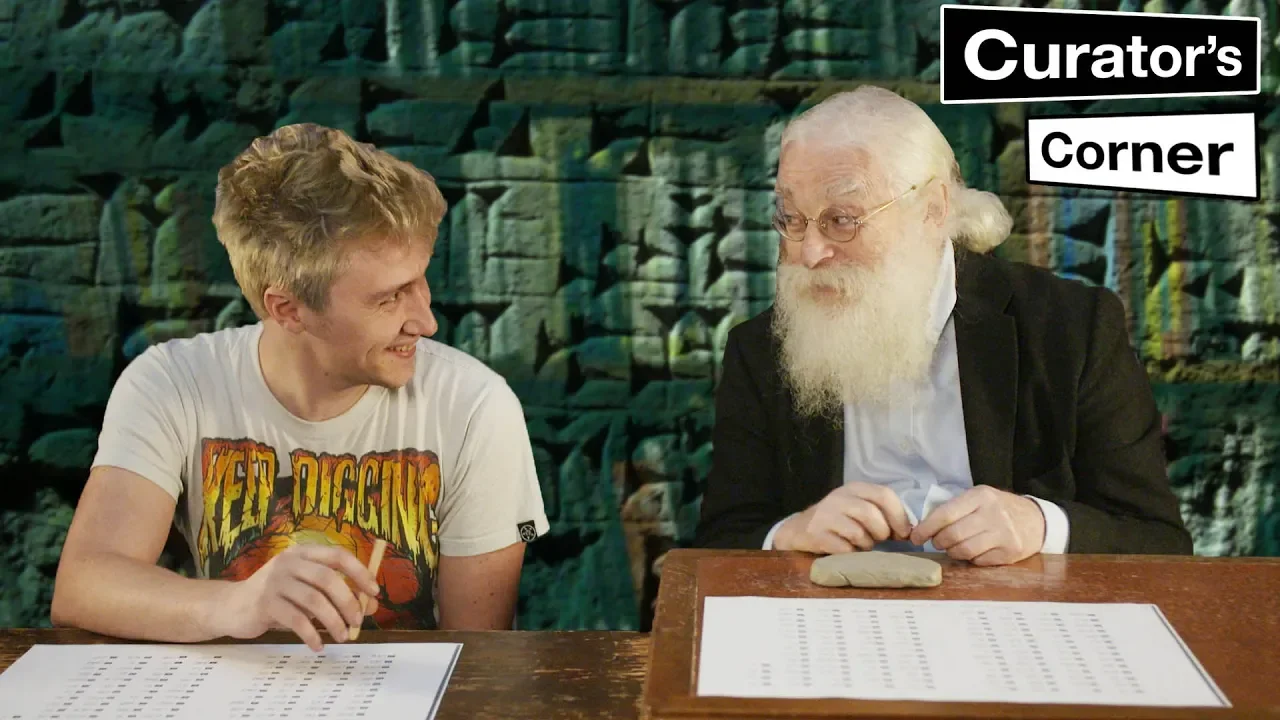

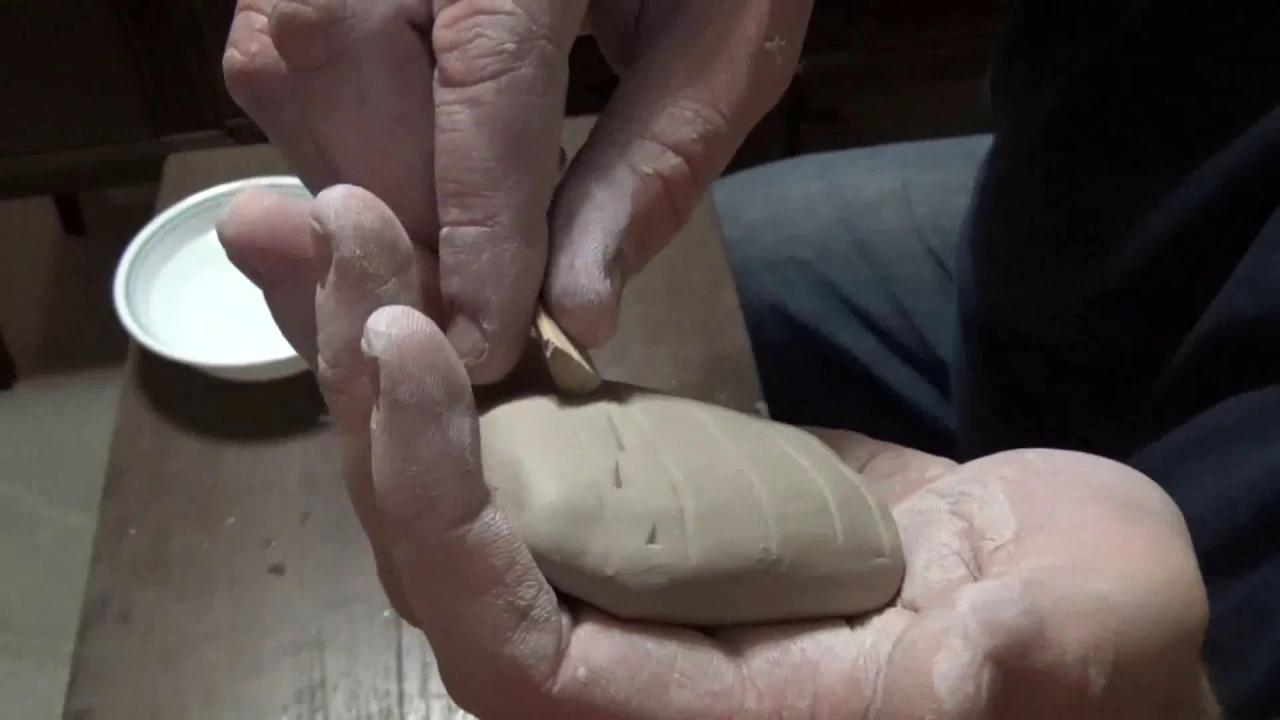







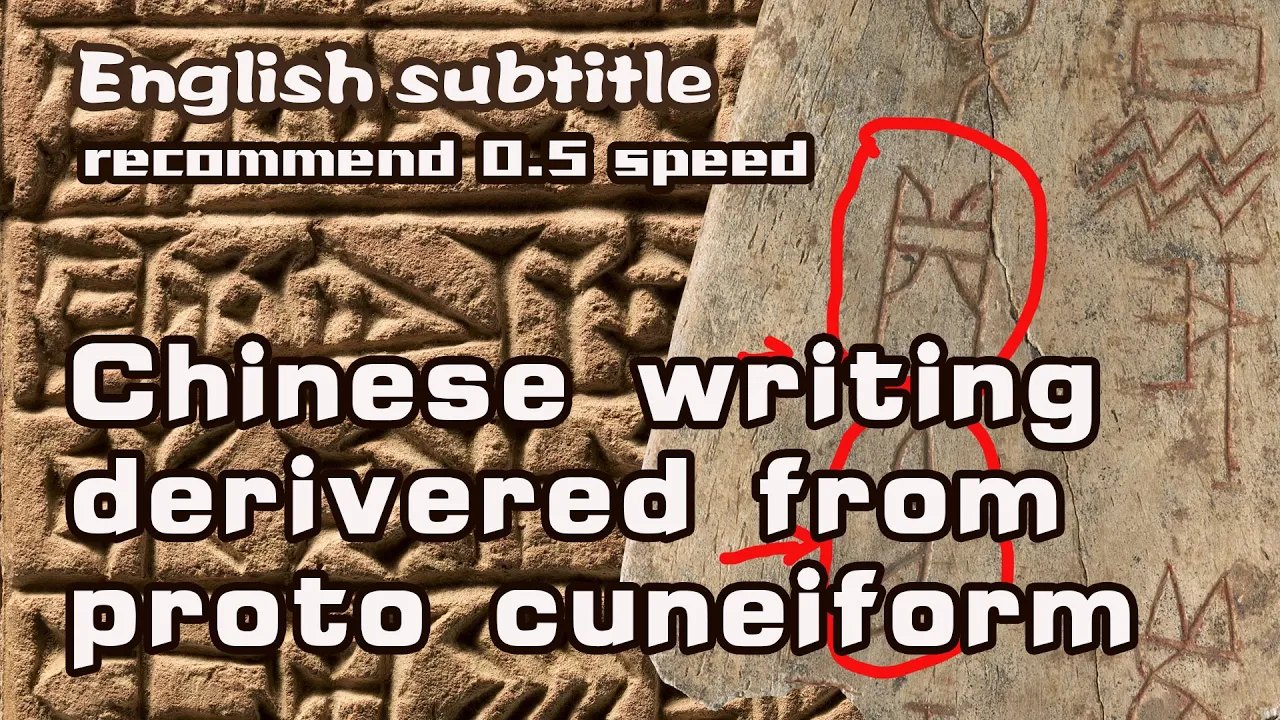
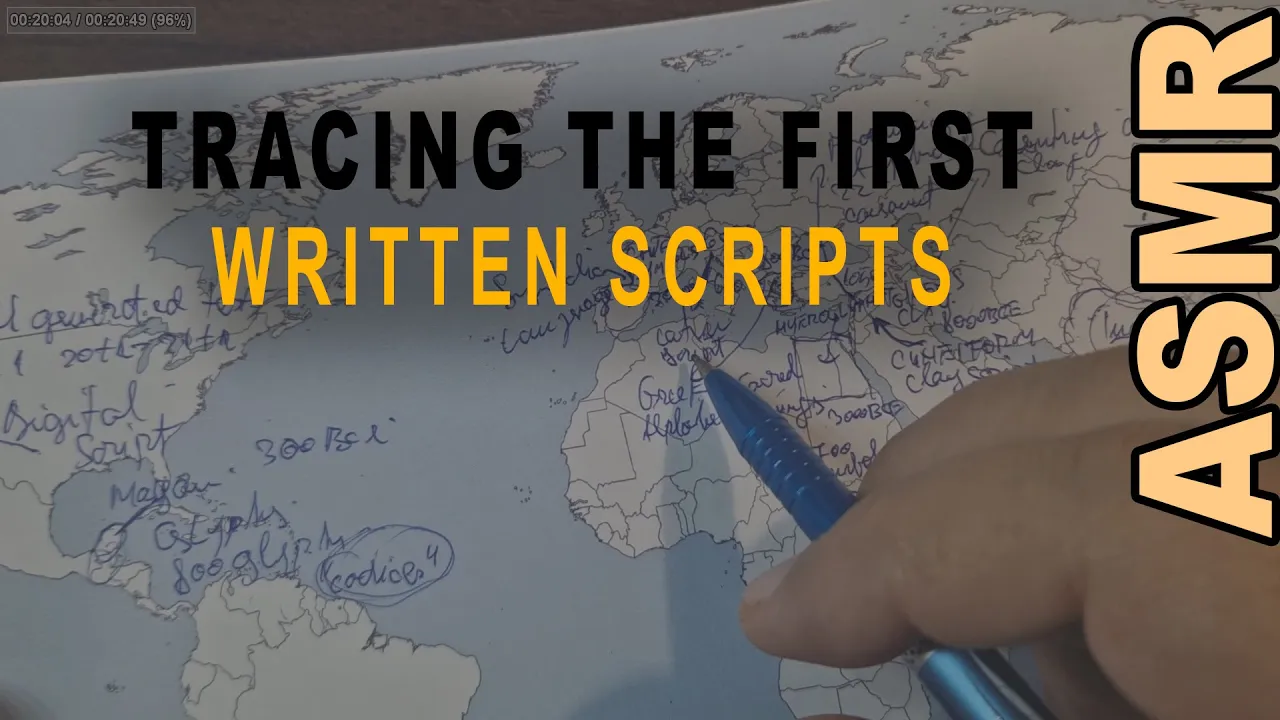

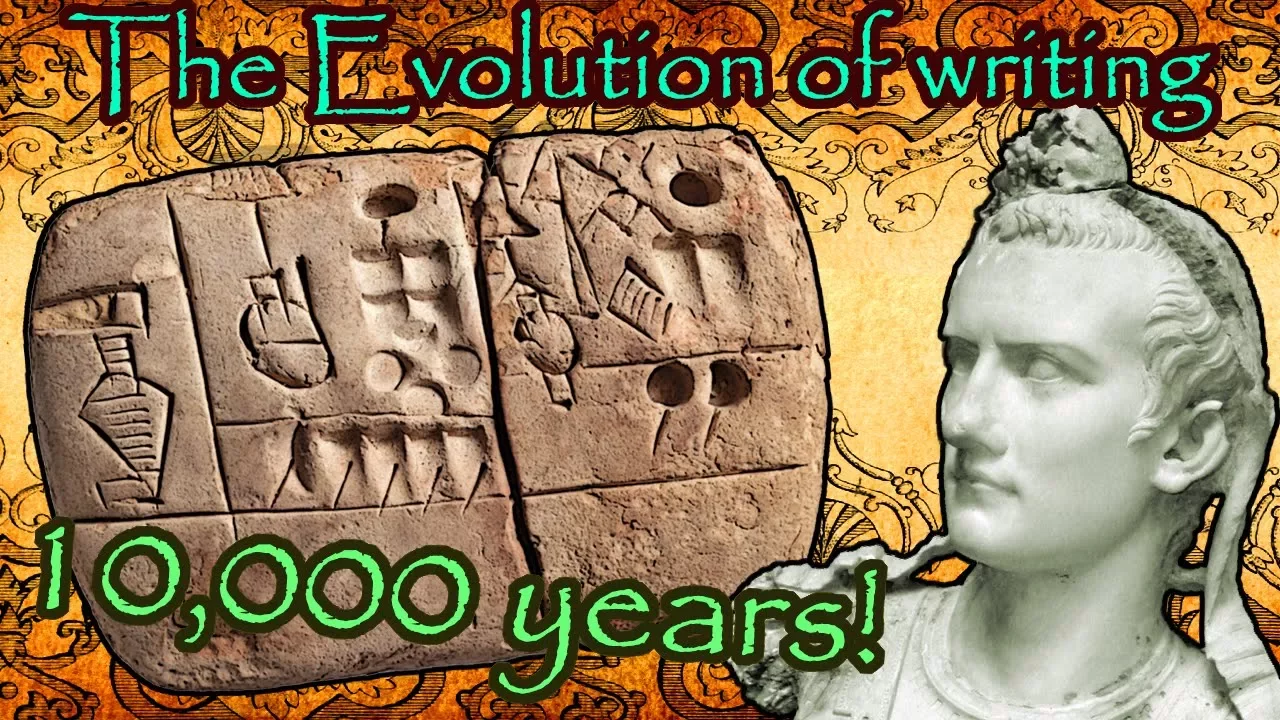


Cuneiform, invented by the Sumerians around 3,200-3,300 BC in ancient Iraq, represents humanity's first writing system. Initially pictographic (using drawings to represent objects like barley and beer), it evolved into a phonetic script where signs represented sounds rather than images, enabling the recording of any word. This revolutionary invention was written on clay tablets, which proved remarkably durable and allowed thousands of years of human knowledge to survive. The British Museum houses approximately 130,000 cuneiform tablets, including the Royal Library of King Ashurbanipal with 20,000 tablets, demonstrating how this ancient script preserved everything from administrative records to literary works, religious texts, and even the world's first dictionaries.
Cuneiform: The World’s Worst Script Explained by Irving Finkel
Added:o [Music] [Music] [Music] every year there's always one or two cock-ups and and a grand and wonderful author that we've been in dialogue with fails to get their visa this year very sadly it's Neil Ferguson I have to say I was looking forward to Shashi tho taking on Neil more than anything else in the entire year but we'll get it next year I promise you next year we will repeat that session um Irving fle is not Neil Ferguson as you can see uh however he is a very very wonderful speaker each year because there is inevitably one or two dropouts I always canvas my friends and family of whose lectures they've most enjoyed and one after another they came back and said Irving Finkle his sessions on no Ark uh has been absolutely spectacular he's been a witty and wonderful moderator in several other sessions uh and I've actually managed to miss them all so I'm taking this so um by popular vote of my immediate family Circle we bring you Irving fle on the world's worst script Kun form [Applause] well ladies and gentlemen is this working I knew this what a festival ladies and gentlemen I am your afternoon up while I have to admit various fa weaknesses and failings in my career I am in the first place a museum curator which is a very embarrassing thing to admit socially and I work in the British Museum which is portrayed on the screen in front of you now I need to explain a few things because I grew up in a family in London which was very unusual in many respects one of them being that we used to visit the British museum even when it wasn't raining and the consequence of this protracted exposure somehow influenced me to decide by the age of nine that I wanted to be a museum curator when I grew up and I'm afraid to say that is what happened to me but fate intervened in the most mysterious fashion now I know it is the custom in India for a grown man to admit who has been his Guru well in point of fact I have three and I'm going to introduce you to them one by one before we get onto the miserable and laborious question of this horrible writing system by the way I think you have to realize that there are so many people all around you that you cannot move away even if you want to next slide am I doing this yeah hello right well this is my real Guru his name is Wilfred Lambert he is unfortunately deceased now let me explain what happened to me I had to go to university of course in order to study to become a curator and I wanted to be egyptologist because I really like ancient writing which is difficult so when I went to University I turned up the first morning for a lesson in egyptology and the following day the egyptologist dropped dead and so the head of Department called me into his office and he said well you're obviously interested in this sort of ancient stuff we have in our department this professor Lambert why don't you do a bit of a serology with him and then when we get a new egyptologist you can change back well I'd never heard anything about a serology so I went and knocked on the door and like most English professors he said enter so I went in the room and I said I would like to study some aerology with you and he said oh dear and this was a time when professors in British universities prided themselves on never having students at all nowadays they have as many as possible so they can extract money from them so this was Professor Lambert and he taught Sumerian and Acadian in Babylonian Kun form writing and I went and attended his class again for one morning and then I knew instantly the minute I saw this material this was my life's path stretched ahead of me forever afterwards and I was 17 then and I'm now 64 so so far so good right please anybody can be 64 there's nothing to it this is my second Guru this is an example of a suiran so this man lived in ancient Iraq in about 2,800 he's a priest he's a priest what this m doesn't work at all try this way hello good afternoon ladies and gentlemen do I have to start all over again or can I carry on okay so listen this is very serious no mocking about this is a Sumerian priest you can tell he's a priest he's rather overweight he's rather complacent his hands are folded over his ample belly he has wide eyes and big ears and he was one of the people in the world who spoke the samiran language now nobody in the modern world speaks samiran it's been dead for a very long time and unlike any other ancient language it has no relative it's all on its own and we had a meeting the other day somebody said if they had a time machine to go back to to go back to I'm not coming back next year I don't know what you tell me I just wanted to say this there was a meeting on a platform and somebody said they didn't want a time machine to go back into Antiquity because they wouldn't know what to ask I that's really stupid because I'd really like to have a long conversation with this guy because his language is very bizarre so he spoke samian okay there's going to be a test at the end so concentrate this is a samirian speaker this is an Assyrian or a Babylonian speaker who came later so there were two languages samiran unrelated to anything we know and Babylonian or Assyrian which is a Semitic language related to Arabic Hebrew ethiopic Amharic all the modern Semitic languages but it's completely dead you will notice that the Assyrian tall handsome L hair long beard very intelligent you can see the sort of tradition that's involved in assyriological research next slide please okay so this is the picture of the landscape in which this first writing system came into existence so this is Southern Iraq which is of course fed by the Euphrates and Tigris Rivers and the banks of those Rivers were lined with a certain kind of clay which right at the beginning of writing turned out to be an ideal medium and so all the writing for more than 3,000 years was done by pressing a stylus like a chopstick into a piece of PR paired clay and using the signs to spell words now you might think this is very dull and boring you might be regretting you're still here but let me tell you something if you write on Clay like these guys did it lasts forever okay the first inscriptions are from 3,200 BC and they are still going strong in the British museum all the books in the British Library are falling to pieces haha all all the medieval Treasures all the bindings in leather special little insects are nibbling away but there is no clay eating insect so in the British museum we have 130,000 tablets in our collection if we spread them out they would probably fill the entire auditorium not that we're going to do it so they wrote on Clay they dried it in the sun it became perfectly handable once it ended up buried in the ground it lasts for Millennia and millennia and Millennia so this means that the kind of stuff you never expect to find in writing survives the most ephemeral material comes down to us to be deciphered it's not like the Egyptians the Egyptians wrote lots of things on papy very interesting they're all about death they Buri them in tombs they're all incredibly boring because ancient Egyptians are very boring you know what they look like they all look like this and all they care about is death but in Mesopotamia whole different situation is to do with life so when you want you to write one of these tablets you got one of these beautiful bamboo things cut it straight got a nice firm writing and Away you went so next important thing you must remember for the rest of your lives writing begins in Iraq in about 3,200 BC or 3,300 BC in other words well over 5,000 years ago and the samans were the inventor of it and anybody who wants inventions like gunpowder very boring indeed this was writing for the first time the biggest biggest donation that's ever been given to the human race cuz where would we be without it so when this writing started as you would expect it was kind of pictographic in other words the first scribes when they made the first signs Drew pictures of things to represent what they meant so you can see probably here very easily that the ear of barley which we have a helpful photograph of is drawn on the tablet in clay where it stands for barley the thing next to it is a few numbers and the same way at the bottom you can see a man's head with a bowl this is a symbol for rations and the one above perhaps the most important is a jug which you can stick in the ground because it has a pointed bottom which is the sign for beer so the minute writing starts is a jolly good sign for beer so if you have a writing system like this with drawings might be done by a three or four yearold child this is very good if you have the most Elementary messages but if you want to write proper narrative if you want to say this lecture is frightfully boring I wonder whether there's any tea left in the tea ear you're going to have a lot of difficulty and what happened was this the next important fact the next important fact was this that somebody in that Community who was using this system for the Inland Revenue to record ins and outs and to make totals of who owed who what it was all on that level somebody had the idea which is really of inestimable importance what we might call the giant leap for mankind because somebody thought this that you could write a sign on a tablet you could draw a sign which didn't mean what it looked like it meant what the sign the word sounded like so that you could use a whole sequence of pictures where the imagery was nowhere relevant they were just used to record sound for example the sign for barley which I showed you before in the bab in the samirian language is pronounced she for spell as it were s h e h so if you want to write barley you draw The Barley but if you want to spell a word like Shepherd for example in English you could write the first syllable with barley and the reader would use it to read off the sounds of the words this was a very very important thing much more important than landing on the moon now anybody here who's under a certain age who has one of those monstrous mobile things will be very familiar with this kind of writing themselves because this is ex exactly the sort of thing that the Sumerians did at the beginning they made simple puns or Rebus writings so I dare say for people of my age or more it is possibly necessary to explain that B4 is like B and four is the number four so the thing on the right is B plus Leaf that's to say be leaf and so forth and so forth this kind of thing which seems to have made a new entry into the world and been discovered as a new discovery is in point of fact how writing really got off the ground now next thing imagine you're developing a script you've got lots of signs that used to mean just what they look like now they mean sounds as well so that you can spell words by ear if you're making up these signs all the time this is going to be very important people would say how do we write telephone how do we write computer base how do we do anything with this writing system and there must have been people who thought up a new way of writing and then they had to be written down otherwise everybody would forget them so the consequence of this is that right at the beginning of writing by 2800 we have the world's first dictionaries and they arranged everything in a very systematic matter so that information could be retrieved so you have writing and then the development of numbers and then the development of dictionaries in one big wedding cake it is the most extraordinary thing now what happened if you were going to learn Kun form well the first thing is if you wanted to learn K form at school you had to be a boy they didn't allow girls in I'm sorry to have to say this it's rather embarrassing of course but that is the lamentable truth now they had a rather good way of teaching at school because there'd be a group of of children who would come in aged about eight there would be the teacher and there'd be a couple of monitors who did all the work so the monitor would take a bowl of clay from the river and smooth it in his hand to make a kind of cake like these and he would take his writing stick and draw the rulings across and then put the signs in position so this is one of these tablets where the front was written by the Monitor and it's a proverb and the younger boy had to look at this long enough that he could uh remember it by heart and then on the back of the T he wrote the same thing by memory and then the teacher would come around and intervene now they had a very good system in ancient Suma this is in about 2000 BC a very good system which has fallen out of use in Britain because teachers used to have heavy long thick sticks and pupils who didn't work properly were soundly beaten and lots of research has established that physical violence is a very good way to make make people concentrate on learning so I've been agitating all over Britain to get this reintroduced in schools but so far it hasn't been very successful so this is an example of one of these School texts where the writing on the back as you will immediately notice is rather inferior in comparison with that on the front and probably led to a bit of a clip around the ear now anybody who knows anything about ancient Mesopotamia knows what this is this is the so-called code of hamurabi and it's carved on a large piece of diorite you can see from the size of the people how big it is and it has a law code written in the 18th century by this King to lay down how people should conduct themselves now this thing is rather marvelous this is the this is in the background at the time that school tablet was written and you can see on the right some of the that shiny picture is some of the writing and it's rather peculiar because the writing is at right angles to how we would normally read it so it's evident that those people who are looking at it cannot read Kun form script by the way by the way we had um we had a meeting on stage the other day about repatriation and um it's a dodgy subject of course I'm not allowed to talk about it so I will but I just want you to say something illustrative about this matter and how insane it is because once somebody wrote a very Fierce letter to the British museum saying You must return the code of hamurabi to Iraq and it was lots of exclamation marks and things like that handwritten with blood stains well the thing is this this object was excavated in the 19th century in Iran first point secondly it's in the Lou and thirdly the reason it's in Iran is in the 14th century BC elamites did a raid over the border and stole this from Babylon and took it back to Iran as War booty so the legal fact is it was nicked in the 14th century BC so you have to be a pretty deaf lawyer to make a really good case for the British museum returning that anywhere now talking about schools this is a great Rarity you're extremely lucky to see this probably also you'll be telling your grandchildren about it from now on so this is a closeup of one of those round tablets and it is a caricature drawn by a pupil now the pupil is probably about 9 years old he's sitting at the back of the class he doesn't like the teacher and he takes his writing stick and for most immoral reasons draws the face of the teacher how do we know it's the teacher well look carefully okay you see the nose has got hairs sticking out of it and right at the bottom there's a mean nasty weasel like mouth which I think is very expressive of his feelings about his teacher so I'm putting this forward as the first caricature in the history of the world which has been preserved on one of these throwaway Emeral scol tablets for us today now I could talk to you for days on end but I decided what I would do is pick half a dozen rather juicy things to show you with the ambition of making as I said yesterday my lecture each person in the room inhale a gasp of air in Surprise it doesn't have to be shock it doesn't have to be Health damaging but it needs to show me that you are listening and taking things on board for example this is a piece of Royal correspondence okay it is a Kun for tablet written in Kun form script and it was written by a king in Syria called Tash R again in the 14th century BC now Tash rat was a king of some power and he had a rather dishy daughter now the voracious king of Egypt who liked collecting beautiful girls decided that this girl should enter his harim so he made business Overture satas rata and promised him on the basis of this letter it is very clear promised him a large payment of gold for the body of the girl plus the spirit inside it so it's clear from this window which opens on this sworded matter that the Pharaoh has long had the girl under his control and in his possession and tashata is writing a rather Snappy letter saying where's my gold and he spoke a language called metan okay in the middle of the second Millennium in Syria and the Egyptian living in Egypt spoke Egyptian so he couldn't phone him up so to speak because they had no common language so they employed a Babylonian and there were lots of Babylonians who wandered around the world doing this kind of Moonlighting who worked for the court of Tash rat and dictated a letter so you have to imagine the Scribe sitting there with his stylus and the Pharaoh saying oh and you can tell that Rogue that if I don't get that money soon we're going to go down river with an army no just a moment your majesty um dear your majesty how are you I hope you're well your mother-in-law is well your camels are well everything is perfect with regard to our recent um our recent agreement and what must have happened is the king walks up and down letting off steam and the Scribe who understands meanion puts it into diplomatic Babylonian on this tablet then a court Runner goes from Syria to Egypt with this message in a bag arrives in front of the Pharaoh who probably thinks oh no when he sees one of these damn tablets but calls for the court interpreter saying what does he want this time so the um the Babylonian reads out this letter into Egyptian for the benefit of the king probably also being a little bit more diplomatic than it really was so when all this had happened and you can see as a means of communication it's rather leaky it had to be filed in the bureau at ammana for reference and the local scribe has written in hieratic Egyptian in ink on the bottom of the tablet what it's about so we have a single document with Babylonian writing and Egyptian writing on together it's a kind of miraculous thing and when we read it whole of this diplomatic correspondence comes to life and we can see the old tassle between Beauty and money is alive in those early days now next thing here there's lots and lots of magic there were all sorts of professional magicians who knew spells and rituals and things for all sorts of purposes but one of the common things they had to do was to get rid of ghosts people felt that the ghosts were always around and there was always a reason for it and professionals were called in to exorcise these goats to ghosts to leave People In Peace So this tablet there's a photograph I don't know if you can see anything of it but on this tablet there's a remarkable thing because the Exorcist in charge of this matter has written a kind of instruction book what to do to get rid of a ghost and he's made a drawing on the clay so that somebody who follows him can take clay themselves and make a three-dimensional figure which they then use in the ritual it's a kind of instruction manual and what he's done there's a lady and a man so the Ghost in This ritual is regarded as a lady who is unhappy and Troublesome so the idea of the the exorcism is this that if she's unhappy what she needs is a lover so they make a figurine of the woman and behind her with his hands you'll notice Shackled on a lead is this new Playboy who is going to be given to the ghost and they both get put in a boat which is then put on the river and off they go over the border and they never come back and she is after all satisfied so this is a rather interesting thing to have a drawing of what to do and also to have this what seems to me a very accessible human idea that ghosts are in a way they've got their needs they have to be looked after and if they're looked after they too will be happy in the future so now I bring you to the most important room in the world this is the arched room which is the heart of the British museum in London and you will see from this pigeon's eye view that the Arches give the name to the room and that it's lined with cabinets full with drawers and in this collection we have 130,000 pieces of clay almost all of which came to us in the 19th century so well that's not very good one of the um highlights of the collection is this we have the Royal Library of King ashab baral who was king of Assyria in the 7th Century BC we have 20,000 tablets from this King now this is a very important step in the evolution of human thinking because this King had an idea as follows that all the knowledge which had ever been collected from all time should be brought together Under One Roof and so he sent Messengers around the kingdom to take tablets from libraries and from collections which they didn't have and bring them to nineve and eventually most of them came to London and we recently made a display in the museum to give some idea of what it looks like now we call this the library of the Assyrian King and when we made the this new display we had an idea that if we call it a library no one is going to have any idea what we mean because it didn't look like a library when it was exhibited before so we had this idea we had a shelf along the top with as it were spare tablets and then they were divided into columns about collection and study and research and with little bits of translation of some of them to give an idea what a library was now this is a good illustration of how mad the world is because we've had these tablets on exhibition for 150 years and the first time we decide to profit from the existence of real libraries outside in order to explain what an ancient library was like in atheria is the very time when libraries all over Britain are being closed down so in another 20 years there won't be anybody under 70 who even knows what a library is full of normal books this seems to me a matter of painful irony so this is what the library tablets look like the most beautiful writing there's a thing on the bottom that says it belongs to me anybody who takes it away will have a very miserable time and on the right there are a couple of clay tablets from this Library where the bit at the bottom the message that it belonged to the king himself they let the tablet get too dry and so they wrote it in a kind of ink okay never mind that never mind that I said never mind that now in this Library there were 20,000 tablets and at the end of the Assyrian Empire the Babylonians from the south of Iraq and the the midians from Iran worked together to conquer nvi once and for all and when they invaded the city they sacked the palace and everything was burned and this is another example of aerological irony because a library of 20,000 tablets has nothing to fear from fire as a matter of fact it is rather beneficial and it's the only kind of library in the world which is not dreaded by Librarians so when they excavated these tablets most of them were very nicely cooked and in much better condition and they might have been if nevei hadn't been sacked by the enemy however some of them were in such ferocious heat like this example that the clay had begun to bubble and to vitrify to turn into a kind of glass material which gives you an idea of the flames never mind that how much time have we got here William hello William sorry to disturb you how much time another half now well then no problem no problem problem okay um this tablet here in front of you I hope everybody's still awake are you all awake and everything yeah okay just checking just checking this tablet here is about the size of a matchbox and if you saw it in the street you probably wouldn't even stop to pick it up but it is something of a kind of volcanic importance because it was written by a theologian in Babylon in about 600 BC when Nebuchadnezzar was king of Babylon and it's a theological document and this is how it works some thoughtful scribe who is immersed in the practice of daily religion had an idea that Marduk who was the main god of Babylon the god of Nebuchadnezzar and the god of the whole country and the chief God he had the idea that instead of being the most important God among a whole roomful of them that there should be a new way of looking at it where all the other powerful gods were not independent any longer but they were kind of aspects of Marduk there was a shift in their perception so that the god of the son who is in charge of Justice then becomes Marduk with regard to Justice and the god of warfare becomes M with regard to Warfare so you have a kind of synthesizing process which takes a very ancient polytheistic religion and recasts it into a monotheistic frame and this is a very unexpected matter and has a lot of bearing on the whole question of the rise of monotheism within modern uh modern relig religions of Judaism Islam and Christianity this is an ancestral part of the development of this conception so does anybody know what this is yes it's the Cyrus cylinder this is the Cyrus cylinder this is the most remarkable thing too it was written by King Cyrus II King of Persia when he conquered Babylon good and proper and that was the end of the Native Babylonian Dynasty and a whole new world under aeonid supervision now this inFAMOUS or famous cylinder has made a lot of noise all over the world and it's like a snowball going down a snowy hill because it gets bigger and bigger and bigger and the snowball inside it gets harder and harder to see but this thing was found in Babylon buried in a under a wall in the 19th century it came to light and it's a very clever piece of political propaganda whereby Cyrus had the job of persuading the Babylonians that it was okay to have a person on the throne of their country quite a difficult matter and he did it by declaring himself to be a worshipper of the national Babylonian God and doing everything that a good Babylonian should do and this message was buried in a wall sometime towards the end of the last century a lot of people claimed that this object was the first Charter of Human Rights and the reason for it is that in the Bible Cyrus gave permission for the Exiles in Babylon to go back to Jerusalem is described in the Bible in all the prophets and so forth and so uh this idea from the Bible was associated with this cylinder it's the same King the same occasion but it has no reference whatsoever to any of that stuff so I want to tell you something secret you mustn't tell anybody else about this but this cylinder as well as being very famous has this famous characteristic built into it that it's Unique and um Everybody celebrates the fact that this is a unique historical document now that's a kind of bizarre matter if a unique historical document is buried out of sight of anybody who can never read it again and in the British museum not so long ago we made a rather interesting Discovery you see these Scrappy pieces of tablet on the screen well the one on the right is the front and back of the same tablet and the one on the left is just a little flake in a box in the British museum these pieces came to light quite unexpectedly one of them was found by my professor Lambert on the day before New Year's Eve and the other one was found by me about 4 days later and these little fragments come from a second copy of this so-called unique inscription so this was rather important because it got rid of the idea that anything from Antiquity could ever be unique it's a stupid ction and unsubstantiated under any circumstances but what happened was this it had been agreed in the museum to lend the Cyrus cylinder to tan on exhibition and there had been a lot of discussion about it it was rather complicated and just about the time it was going to leave just about when it was going to be packed these two fragments came to light and they threw so much light on the of what the cylinder was about that we had to delay the loan and everybody thought that we made these up and they didn't really exist and we got into lots of hot water now to go back to the question of Nebuchadnezzar this is one of the largest inscriptions has ever been found it's carved into stone it's about this big by this big it's very heavy indeed and it's known as the East India House inscription and the reason is that uh a tea Clipper arrived in London with a lot of ballast on board and all the heavy things were taken out and put on the key side and somebody realized that this one had writing on it and so uh very early in the 18th century this came to us and it's a marvelous thing because Nebuchadnezzar who was a bit like Akbar himself he was king of the world he had the greatest capital in the world and he rebuilt it he wrote this inscription to explain all his building program but the most interesting thing about it is this he didn't write it in conventional contemporary writing he wrote it he wrote out the whole inscription in archaic writing so that when you saw it it looked like it was written hundreds and hundreds of years ago and the reason is that he had this understanding that if people saw an inscription of the king in ancient writing then they would kind of instinctively understand that the dynasty had lasted forever before and would last forever into the future it was a kind of way of ensuring permanence and there's a more common modern example of this for example if you go to Oxford on a visit and you're walking down the High Street about 4:00 in the afternoon you um you might feel like a cup of tea and if you look up and down the street there'll be 12 or 30 13 establishments where you can get one and one of them for sure will say ye oldie tea shoy in oldfashioned writing and what happens is something inside your psychology not inside your stomach or your brain says to yourself this well if they've been making cream tees for 500 years they must be pretty good by now so why don't we go in there and this is exactly the same kind of mechanism used by um the great king in all that time and how did they do that how did they possibly do writing from an earlier time well there were some learned Scholars who worked in the temple who made a practice of collecting ancient inscriptions and making lists of them and putting next to them the modern signs that were used at the time so you can perhaps see that um the larger signs are still pictographic there's a sign for water which is a bit of a river there's a bird and so forth so they knew themselves that their writing 3,000 years before had been of this kind and they made an effort to identify S for S with modern writing so that if the king said look here's the text I want you to put it into ancient signs they could use this dictionary and look them up and produce an ancient text rather clever now this unappetizing piece of crud is a brick from Babylon part of one of Nebuchadnezzar's buildings and you will see perhaps in the middle there is a panel which has been squashed flat by a stamp and the thing is it says I am Nebuchadnezzar King of Babylon the greatest king of the world look ye upon my monuments and Marvel or something to that effect and every other brick or so in all the city buildings had this stamp in the middle it's the most common inscription and this case one of the workmen who wrote Aramaic himself wrote his name completely unimpressed by the fact it was the king's brick presumably he was having lunch eating a sandwich and he wrote his name in Aramaic writing on the brick too which survive just as long now um one of the great Delights of working in a museum like the one in London is that members of the public come in with objects for investigation and description I and Bricks of Nebuchadnezzar come in very often because of the history of interference in the Middle East lots of families have one on a bookshelf or on a mantle piece there's not an uncommon matter I must have seen 300 of them since I've been in the museum so the thing is one day about 15 years ago a lady came in and sat down at the other side of the desk from me and she started to remove a brick from her shopping bag and I said oh I can read that it says Nebuchadnezzar and most people find it rather surprising that you can read this script at all but it's even more surprising if you can read it when it's covered with bananas so she was taken aback by the fluidity of my translation so she put it on the desk and I looked at it in a cursory way expecting it to be fully intelligible and there was something rather peculiar because you can see there are three lines of writing some of the signs were up upside down and I've never seen that before and when writing is upside down it's usually made by a forger who doesn't know better but this was obviously a real thing so scratch the head what can it be and there's only one possible explanation that the brick stamp which produced the stamped inscription of course is carved back to front so that it makes a legible text but the one used here must have had signs that could be taken out of a phrase when it was clogged up with Clay after repeated use and washed under the tap so to speak and reset in The Matrix to start again and on some occasion somebody put one of the rows in upside down and stamped a few bricks before it was noticed now that's a small episode on a SUNY afternoon sometime in the 6th Century BC but the amazing thing from our point of view is this is movable type the Babylonian invented movable type and the only use they put it to was stamping bricks they could have made another little leap and Gutenberg would have been out of work and finally I have to show you something really miraculous this is a school tablet from near the end of the period when Kun form was used it actually lasted to the first century ad this is probably about the 3dr century 4th Century BC something like that it's a school tablet we have thousands of them and you can see there are columns of writing and what it is is this it comes from a world where Babylonian writing is still used and where the Babylonian language is still used but side by side with it on the streets of Babylon people were speaking Aramaic and writing Aramaic in an alphabet and gradually Aramaic became more and more common in the Middle Eastern world and this object is from just this time when it was happening so you see the inscription at the bottom I've put it in yellow for people whose K form me is a bit Rusty so if you read out loud these signs going down the column it says RB P so this in when I was at school used to be called the alphabet these are the sounds of the Aramaic letters like alphab beta Gamma Delta in Greek or Alf giml Dal in Hebrew or also in Arabic this is the same order as the alphabet and these are the sounds of the Aramaic language which people used at home but didn't normally write down and so what must have happened is this the teacher one day thought that the class was not very attentive and he would give them a really good idea for something experimental so he said what I want you to do you all know the Aramaic alphabet I want you to find a caniform sign for each one and write them down the column so they found one for a one for B one for G one for da so this is very interesting because it shows a functional bilingual situation stressfree with no real harsh border between the two sides it shows that the alphabet ran in the same order as we know later but it shows something else as well because a b g and da are not the names of the letters they are the sounds of the letters and it seems to me this that for example in England no children at school ever get taught to read and write it doesn't happen at school so it's usually the family who have to to take over and make good the deficit and if you teach small children to read and write it's no good giving them the names of the letters you make the sounds of the letters until they can do it so A is for apple and P is for Peter and so forth so this is the natural way of learning an alphabet by sound but we can see from this tablet that side by side with that idea that these letters also had names like Alf alphabeta Gamma Delta in Greek they had the names of the letter as well how do we know this well the first letter in the alphabet is alive or something like that R and so they use the syllable R when they got to a Ain is also pronounced a but they couldn't write a a second time because they'd already Ed a for Alf so when they got to that point after May new sa and they got to the next R which is a they gave it the name they wrote aanu in the tablet which shows that all these letters had Posh names as well as simple sounds so this is the important point about all this nonsense this is the important point that if you study this stuff it may look to you mad it may look to you insane but the truth of the matter is that this is a Divine gift for mankind that we have all this material where we can encounter people close face to face because what comes out of these extremely unappetizing things is homo sapiens as we recognize Homo sapiens and all the characteristics of which we're so proud like meanness adultery lies hypocrisy Scandal all those normal human achievements are liberally sprinkled throughout these documents as well as kindliness saintliness being good parents writing poetry listening to songs all the stuff is there the whole lot is in these tablets thank you okay William William I'm sorry to disturb you but I think I need some help no come and sit down can you I was absolutely spectacular Triumph of he asked to do this this morning so I think we need a particularly loud Round of Applause for Irving coming up with this at such short notice putting together a PowerPoint instantly um one question sight so tangent how serious in the in the final scheme of things for Iraq studies has been the destruction wrought by ISIS on on their remains relative to say the Looting of Baghdad after the fall of City at the time of Saddam when when the Americans weren't looking well um all of this destruction there's there's no answer to this question all of this destruction leaves people like me who work in museums unable to say anything I mean it's it's a well-known matter that when you have a surprise or a shock you are speechless all writers say speechless with astonishment this is speechlessness per se what can one possibly say about a principle which runs in the face and contradicts everything to do with civilization and the British museum is a kind of massive Lighthouse which celebrates just all those things freedom of thought freedom of access shared information lack of racism the history of the world what mankind is capable of that's what we do so all that stuff is like a massive affront to everybody in the building let me tell you we are all as I explained the other day trained Killers we all have 19th century or 18th century muskets loaded with mowder and when the whistle blows we will defend the property against anything that comes up the steps but what do you feel when you see one of these guys with pneumatic drills going at an Assyrian bull that terrible video they produced of those all those elmite masks crashing to the ground and you know I'm extremely touched and appreciative that you're asking me this question in front of high 500,000 people I mean the truth of the matter is most curators cry when they found out about it when they really believe what was going on what can you possibly say all we can do is this in the museum we have a project to bring young um curators and archaeologists from Iraq for long periods of high powerered training on Forensic uh collection of fragments and damaged material and the restoration of them in the most modern possible way so over you started that program already yes and the government has actually funded it and over the next three and a half years about people will come bit by bit and have this training and we will equip them with everything so all we can do is look to when it's over and to make good as much as possible that's all we can do during the Looting of the Baghdad Museum I mean what sort of proportion of stuff was lost 50% 80% well you know that's something that nobody ever knew but it was a very high percent and nobody nobody actually was in a position to say for example um you perhaps know this that um in museums it sometimes it's sometimes detectable that there are objects in the museum which are not listed on a list does happen once in a while and I think uh there were parts of the collection where there was no reference available afterwards to establish exactly what had been taken the interesting thing was that some of the um Iraqi officials who came to talk to us about it said that when that was died down they issued a moratorium that anybody who had Antiquities could bring them back with no questions asked and they set up a large table in the museum for this purpose and all sorts of things came back about 3/4s of them had never been in the museum in the first place so that was quite interesting in incidentally I I didn't make this clear but my whole point in giving this talk this afternoon was this to get rid of uh computers completely um probably to get rid of typewriters certainly to get rid of pencils and to go back to basics and all schools in this country like in Britain should be using clay tablets and styluses I feel very strongly about it and once I was on the radio on Radio 4 giving a Sunday afternoon talk about k for and I ended it up because it was a bit heavy game by saying when I'm prime minister which of course is just around the corner when I am appointed prime minister there's going to be a big change and kuna form will be introduced in school with this kind of writing because we need a lot of people to help the kuna form Army to make progress with all the inscriptions in the British museum so that was the end of the program then the music came in and I had a cup of tea but the following morning the following morning I'm sitting my Des there's a phone call comes hello Dr finle this is the front desk um we've got three volunteers for the Army turned up and and what what is more what is really interesting is of course I went down there in the most santic way and put scarves around their necks and all that stuff but one of them one of them went to Oxford and did a degree in aerology on the basis of that stupid remark so bit by bit we will make progress I remember once visiting the site of ugarit in in Syria and they claimed that that was the place where the alphabet was invented is that well they do that because um they want to sell you books um nobody quite knows when the alphabet was invented but we know roughly and we know why and we know how but was it inar pardon was it in ugarit well they had an alphabet in uget but it it's not quite the ancestral to the one we have today um this is a a horribly complicated matter I hate people asking what you keep asking me all these terrible questions for I come here at the last minute there's a up I think of some godamn lecture I stand up in front of half the world I give a talk and you ask me about sacking monuments for one thing I mean this is anatha to me let me be blunt it's appalling what's happened to this stff okay I tell you right so I think I get that's enough questions for me over to you guys in the front row here time for two questions what my compliment you are the most handsome person that I have ever seen you look like the most handsome person he's ever seen you are like Bernard sha when you see you look like Bera my question now Oh I thought that was all you wanted fine by me if you stop there I mean you can't improve on it so okay my question is when the homo sapiens sapiens started what was their first language homo sapiens F language that's a very very important question and I don't think unless we get this time machine this will ever be answered so the first the first writing as I said is about 3,300 BC the very first of this K form stuff and that's the first evidence so before that it's all silent unless somebody one day excavates something earlier with other writing this could always happen but it would never go back to that period because um hom homus on the border of homo sapiens when they first emerged as as human beings there must have been a time when language and grammar was part of the force that drove the evolution forward because for example if you're imagine for example you're a a bulky large violent looking caveman let me oh I see an example here so so we have somewhere like that and we're trying to communicate before there's any language one of the first things you do is to clarify between you that your name is William and my name is in and it might be grunt one and grunt two but I think I imagined it like this that at the point in evolution when speech first began the benefits of it must have been so intense when there was a moment of understanding that each time there was a moment of understanding things must have leapt forward very quickly so once you understand I think the difference between I me and you you have the beginnings of you know singular plural them us wife female everything will follow on so I see it like this that that they must have lumbered about I don't know what they did in those days um I don't know what they did in those days climbing trees and eating bananas and things when when they became when things got to the state when the circumstances the chemistry meant that it was going to be another move forward I think it was very quick and when that happened we have thousands and thousands of years of language which will never recover never recover and it's a tragic thing I'm a great believer in this time Ma I keep about it but somebody seriously suggested that the authorities of the jao literary Festival had a time machine available for scholarship so I don't know where it's parked but I think that's the only way forward to solve these things lady here thank you Professor that was a fantastic talk uh incidentally I'm a dosent at the National Museum in New Delhi so but U my question to you is that uh taking it near a home uh we have the Haren script and that Banner that is seen in madaro so do you have any comments or do you have any insights about it why is it not being decoded why is it so difficult well we can explain that very simply because there are many inscriptions but they're all small and they all have a small number of characters and they are all on seals with one exception and the thing about it is they almost certainly write the name of the owner so from all the other material we can compare it with it either has the owner's name or it has the owner's name and his father's name or the owner's name and his profession it can't really be anything else because they are clearly personal seals so if you establish that and you have four or five signs and that's the most to play with the best way to understand why no one has translated it is this if you took a telephone directory let's say you were a martian um philologist you came to England it was a quiet weekend everybody was at home and all you could find was a telephone directory and you went home with it you could never establish anything about the language of the people because it's just their names and if you had no clue for how the signs work there's nothing to start with what's the scale of the contact between indis Valley and India and the guys you're talking about your bonian there's very there's very clear evidence that there was trading between Suma in southern Iraq in the middle of the third millennium and the maheno daro the indis valley settlements not only is it is it um established but even in the sense of writing because um in or in southern Iraq some seals were found in Mesopotamia which had indis Valley inscriptions on the same kind of thing and something very interesting was discovered because there's a Finnish indologist called Simo parola and he decided ah like all the serologist no one's decide for this IND Val I better do it one afternoon that kind of idea so he the first thing he did was to use the computer to write in all the inscriptions because then you have control of them and they couldn't get anywhere except this point that they established statistically that of all the signs some are often found in conjunction some are sometimes found in conjunction and some never and there are enough of them for this to be a significant point so in other words they had an idea that if you were writing this stuff there were some things you never did for one reason or another now when par looked at the seals from Ur there weren't very many of them but in two cases there were signs jxap POS which in IND indis Valley would never have happened so he came to the conclusion and I agree with him that for some funny reason the script in the IND descript was being used to write names in Mesopotamia which were different from their own names they had funny letters you know like in Indian language you have DH I don't know what DH is supposed to be everybody knows D is D and H is H same kind of problem so they must have used the script improvising improvising in order to to record a sound they wouldn't normally do so that to me proves that it's a phonetic script that's the most important thing so in other words each of those signs had its value so maybe sooner or later from do Vera there was a lot long panel was there not with an inscription and we all thought jolly good good stuff jolly good but um next time perhaps you can find one with a translation underneath into samiran then we can read everything ladies and Gentlemen please rise to your feet and give a standing Evas to Irving ble who given one of the great lectures of this Festival [Music]
Up Next

Traditional Parchment Making: Last US Workshop | Artisan Crafts & History
@BusinessInsider
7.9M views•2021-03-07

Triumph of Orthodoxy Icon: Byzantine Art & History Explained
@BenCallan
2.1K views•2024-08-06

FastAPI vs Flask vs Django: Choosing the Right Python Web Framework
@TechWithTim
302.5K views•2024-05-26

Game of Thrones Opening Credits: A Cinematic Analysis
@gameofthrones
46.3M views•2011-04-18
Related Study Plans & Knowledge Roadmaps
Structured learning paths in General & Interdisciplinary Studies