




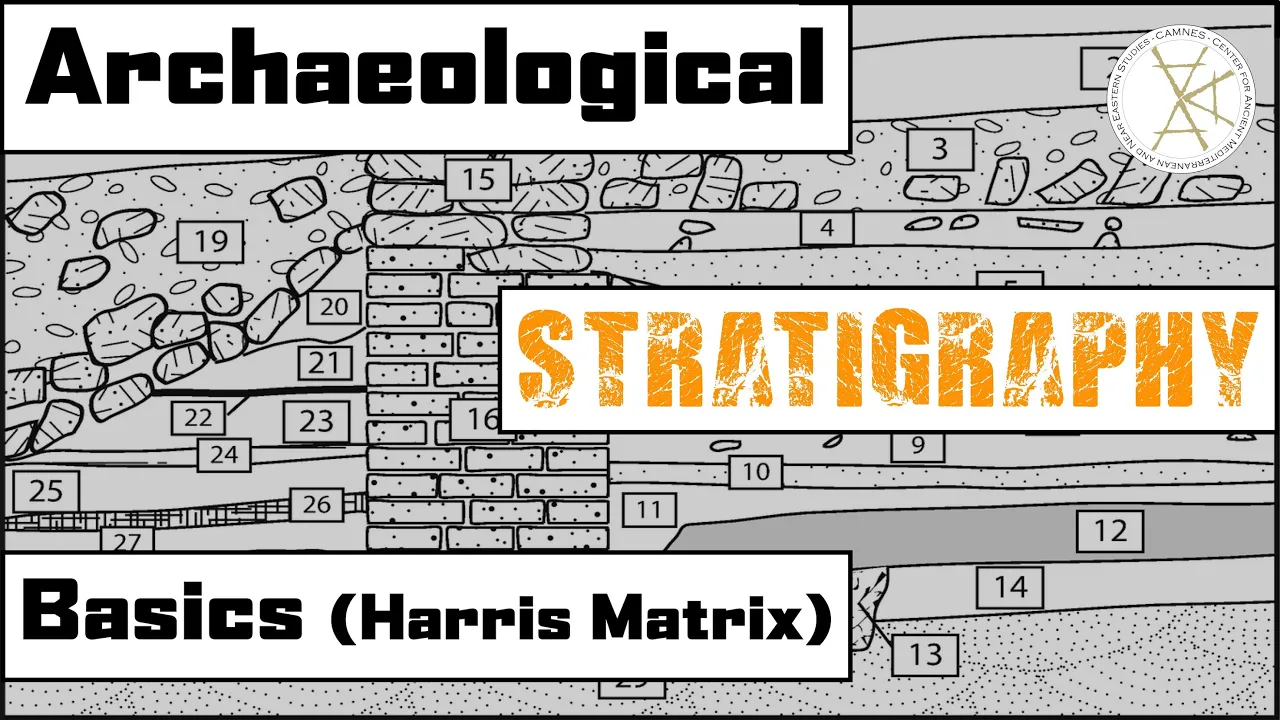


















Forensic archaeology applies archaeological methods to legal investigations, focusing on four main tasks: evidence search, evidence recovery, evidence recording, and scene interpretation. Key principles guiding forensic archaeological examination include the law of superimposition (underlying layers are older), law of inclusion (objects within a deposit are older than the deposit), law of association (objects in the same stratigraphic unit were deposited together), law of cross-cutting relations (features cutting through a deposit are younger), and principle of uniformitarianism (past processes operate similarly to present ones). These principles enable forensic archaeologists to determine the chronological sequence of events at crime scenes and interpret how and why things happened.
Forensic Archaeology: Principles & Excavation Methods (FSC) | Forensic Anthropology
Added:[Music] you after going through this module you will be able to know about forensic archaeology the main tasks performed by forensic archaeologists and different principles of archaeological examination so students let us see what is archeology archeology is a study of past activities and cultures when archeology is applied to the legal investigation then it is termed as forensic archaeology the archaeologists use their skills and various methods to interpret and find the buried and hidden sites of past activities these skills and methods are applied to modern forensic investigations the forensic archaeologists use their skills and knowledge about proper excavation methods to make sure that the remains are collected in a controlled and forensically accepted manner by employing proper excavation techniques partially or completely buried remains can be excavated without any damage to the evidence objects in and around the excavated area are also searched anything can be included in these objects such as cigarette butts shoe prints etc potential grave sites are also searched along with other excavating sites the location of sites can be located with the help of difference in the soil after filling the grave post burial a mound of the soil is formed different kinds of plant growth can be seen in this area due to the presence of new soil and increasing nutrients from the decomposing body plant growth is more in this area as compared to the surrounding area the soil present in the grave area is loose dark and more organic in 1970s and 1980s archaeologists were called in in helping criminal investigators in locating excavating and documenting certain type of crime-scene evidence environment of archaeologists increased in next couple of decades in various type of investigations even including the excavation of mass burials of victims of modern wars and recording and recovery of mass fatality events there are basically four main tasks in which assistance of forensic archaeologists is required and these tasks include evidence searches evidence recovery evidence recording and scene interpretation first we will talk about the evidence search if a crime or death is suspected by investigator then the search for the evidences in case human remains are found on the ground or might have been buried then the forensic archaeologists are called the area of investigation should always be defined examination of the potential crime scene identified by the witness is done by the archaeologist and determination of correctness of testimony is done in most of the cases human remains are found on the surface surface surveys are conducted by archaeologists in which they inspect the ground surface recording and collect evidence of previous human behavior the diagram is showing you the human skeletal remains in forensic evidence that are found in case of outdoor murder or death and the position of body and body parts are affected by natural processes of decomposition and scavenging by animals and insects that are searched by the archaeologists the body parts can be dragged to different position by scavengers these position can even be kilometres apart from original location the location and condition of the body can be affected by natural processes such as gravity or rain in such condition other associated objects apart from the body remains can also be affected by natural processes locating evidence and position of the body and reconstruction of crime scene is done by archaeologists through understanding of these natural processes the diagram is depicting UD different archaeologists that are locating evidences and position of the body the changes which occur in an area in which a body has been buried can be easily detected by forensic archaeologists one of the changes which can be seen in soil is soil compaction that is how solid it is it is made up of organic and mineral compounds which are formed through natural processes it takes long period of time for formation of soil change in compaction of soil takes place when there is a human interruption planting crops construction etc they affect the natural soil the same phenomenon is applied when someone digs a grave to bury a body recent human or animal activity results in loose and less compact soil sometimes it is not possible to see the difference but use of tools such as shovel or travel etc can help to feel the difference in the soil compaction including that the soil has been disturbed the difference in the size of the soil grain change the soil compaction cell grains are smaller in size than sand grains whereas grains of clay are smaller than these sand grains they can be friends in soil compaction various areas but recent unmarked graves will show no soil as compared to the natural soil around that area with time compaction of the disturbed soil appears like undisturbed soil around it various other changes which might be detected by forensic archaeologists that occur during the burial of the body include a small mound is formed due to the filling of soil on the top of the body the soil placed at the side of the grave during its creation might have been left there which covers the recitation and makes the area slightly mounted compaction and lowering of the soil over the body takes place with the time specially from the upper portion of the body after decomposition of the organs and collapse of the ribcage new soil and greater level of moisture supports the growth of various type of plants but the decomposition fluids released from the body might be toxic to the plants dark lose an organic content are some of the feature of the soil which can be observed at the area of burial the identification of potential barrier and indication of the area that should be excavated to locate a body can be done by forensic archaeologists with the help of these feature the next functioning of the forensic archaeologists is the evidence recovery before archaeological investigation scene location weather must be considered determination of which type of equipment is necessary and useful should be considered planning for broader issues such as how to approach the site and how to delimit the area and investigation should also be considered excavation is a process of digging out or uncovering the objects in the grounds and forensic archaeologists will excavate in case of burial evidence the documentation and collection of all the other evidences that are found on the ground surface should be done before excavation these evidences might include insects plants various objects such as cloth etc the mapping and photographic of every evidence is important to show the location of each evidence with respect to other and other important features such as buildings streams roads etc after documenting the evidence collection of the evidence should be carried out the collection and preservation of evidences depends on various sectors the careful documentation is important before destructive process of excavation the first task for a forensic archaeologist at the crime scene will be determination of shape and size of the grave after digging the grave the soil inside the grave is removed carefully the evidence found is documented photographed and collected to help in understanding about the person cause of the death of the person and how the person buried screening of the excavated soil is done for the bones small objects insect etc which aid in the investigation various type of equipments are also used which help in recovery and analysis of evidences from crime scene mapping the area and evidence may involve use of pencil scale rulers graph papers measuring tape a compass and string for creation of grid at the crime scene use of shovel and small trouble and mainly needed for excavation to avoid damage to the bones soft wooden or plastic tools should be used while searching the areas gloves should be worn to avoid injuries due to sharp or dangerous objects to protect oneself and the evidence from contamination mask and body suits are used for mass grave excavation usually driver operated mechanical excavators are used to begin search for or excavation of buried evidence proper measures for handling and collection of bones is done due to fragile nature of bone these evidences are collected in paper bags and then stored in acid-free boxes while transportation for analysis moisture leads to the growth of molds and other fungi so to avoid the moisture and growth of such organism paper bags are used after excavation before removing the remains sketching and photography of evidences is done the process of excavation is done till the whole grave is exposed and amputate excavation is not only done for recovery of human remains but it is also done for the recovering any object that might aid an investigation by explaining who the individual is and what happened to them the third functioning of the forensic archaeologists include the evidence recording the evidences uncovered by the forensic archaeologist during investigation is used in court trials sometimes since judges lawyers are not present at the crime scene and they even do not know how crime scene looked the crime scene get disturbed due to excavation and investigation as investigators walk across the scene therefore for these reason it is important to record the scene as it appeared recording of the details of location and condition of the evidence should be done usually grid squares are used to map and show the location of an evidence evenly sized squares of one meter by one meter I made using stakes and strings the size of the square may vary according to the investigation the excess of the grid are marked with the alphabets and numerals one X is marked as alphabet and other as number for example d4 and a7 the grid should begin with the marking of a point that is known as data before digging at a scene all ground evidences should be collected the grid proves helpful in this one of the important methods used to record the crime scene or evidences is to sketch them on a paper or using digital technology to record the location of the evidence a map can be used along with the photography the basic features of a good map include the name of its creator date name or code of the scene an arrow that indicates north and a scale the scale shows how much the crime scene is larger than the map for example a 1 is to 10 scale means that the 1 centimetre area covered in the map represent the ten centimeter of crime scene the main drawback of the paper maps is that it is two-dimensional so to represent a three-dimensional area multiple maps are used for example one map will show a table in the room and another will show the position of the evidence found and connected from near the table mapping is an important part of recovery and crime-scene work to measure the relative distance between object triangulation method is used a baseline is set in this method this line crosses the scene and from this line measurements are taken the position of the baseline should be related to the data the mapping is done from different lines or baselines for all evidences and features of the crime scene forming a triangle of measurement with the objects being mapped this method is a simple alternative to good method combination of both method can be used in the case of large scene crime the next functioning of the forensic archaeologists is the scene and evidence interpretation documentation of a scene is important but the main contribution which forensic archaeologists make to an investigation is explanation of why and how things happened the areas that should be considered or focused during a forensic archaeologic interpretation include context Association provenience time elapsed since deposition and side or scene formation first I will be taking about you the context in crime scene interpretation context is the main concept in archaeology investigators consider objects or people discovered during a forensic in relation to the other objects and people found nearby these other objects and areas make up the context the effect of environment or object can be seen with the help of a context for example if a bone is found on a farm that according to the context bone is probably from an animal in case the bone found have cut marks and the investigator knows that the animals are butchered at the farm then these marks can have a logical and non-criminal explanation this logical explanation are not always correct for instance if a skull is found at the end of a slope then it suggests that it might have rolled down after decomposition of the body and it's separation from the body but it cannot be always correct it is possible that the skull was brought from someplace by a scavenger and person may have died somewhere else so understanding the context help the investigator to explain about the object found it also help to explain what the object is related to it explains how it came to that place and what is the importance to any investigation the next is Association the relation and connections between the places people or object which aid in investigation unknown as Association for example a bullet which killed a person can be connected to a shell found at or nearby the crime scene the shell can be matched to the particular gun and the owner of the gun which might be the shooter the victim bullet shell gun and the culprit are all associated with each other Association of an unidentified bodies location can be made with the type of person who visits that place regularly Association can be misleading consideration of all the possible Association should be made but other possibility should not be eliminated the Nexus provenience establishment of Frobenius is important for archaeological interpretation it is also known as provenance provenance refers to the place where an object is found in contact to thee where it was found for instance if a body was found at the shore of the river then it cannot be concluded that the person died there it is possible that body started somewhere else and washed up at the point it was found provenance refers to the place it came from in this case the provenience might be water various other factors also affect the movement of the body like life vest bodies buoyancy water currents etc all these factors should be considered by establishment of bodies provenance the next is time elapsed since B position to establish how long the evidence is at the crime scene is an important task in forensic investigation the time elapsed since deposition is related to the post-mortem interval or time since death since old evidences are mostly encountered by the archaeologists the condition of the evidence at the time of discovery and at the time of discovery might be different various factors should be analyzed in case of human remains some of the factors are decay rates of these soft tissues like skin and muscles type a number of local plants and scavengers temperature and humidity in case the remains are buried in the soil then the acidity of the soil must also be considered time since death cannot be estimated correctly due to the influence of so many factors it can be estimated in a range of 1 to 3 months every information found can prove to be useful to identify a victim or establishing how they died the next is cite or see information as a result of interaction between a place and people crime scene can be created this process of creating a crime scene is site or scene formation size formation can be a result of unintentional leftover prints at the crime scene such as footprints and intentional acts such as excavating analysis of crime scene is done by investigators to understand the events that formed it sketching and photography of the crime scene is done and then evidences are collected after all this stablishment of crime scene is done by logical and critical thinking of all the information obtained determination of the type of berdal whether intentional or unintentional helps in deciding whether the crime was committed or it was accidental death unnatural or natural burial can be demonstrated by careful excavation for example a natural burial will occur if a body was flushed over the bank of a river it got bloated during decomposition it will sink due to decomposition and skeletonized skeleton can get covered up with time as silt and sand can get deposited in that area due to rushing water due to drop in water level partial or complete burial of skeleton will take place when a person decks a hole and then places the body into it then it is unnatural body the natural explanation may be the result of a person drowning in the river whereas the unnatural boreal is more related to a crime now I'll be telling you about the different principles of archeological examination there are different principles upon which recovery is made by the forensic archaeologists depend the general principle upon which recoveries are based are the law of superimposition law of inclusion law of association law of cross-cutting relations and principle of uniformitarianism first I'll be talking about the law of superimposition it is one of the most basic law which is used in the archaeology and used to interpret recovery see it is the basic law of stratigraphy stratigraphy is basically the study of the arrangement of strata it states that when the stratigraphic record is normally oriented any static Rafic unit that underlines another must be older than the overlying unit it means that the layers of soil or any object which lies beneath the another layer must be older than the upper nail the next principle is the law of inclusion this law states that any object or evidence which is contained within a deposit must be older than the deposit and the process by which the deposit was let down for example bricks will be older than the walls mobility of objects can result from soil formation for example atoms behavior leads to the movement of objects within the archeological record this is done by a process called as bioturbation this is an exception to the law of inclusion the next principle is the law of Association integrity of the stratigraphic unit determines the nature of spatial and chronological relationship between two objects when it is clear from the effect that objects found in the same archaeological layer or stratigraphic unit were deposited at same time then it is known as Association sometimes it is difficult to apply this principle because in case the objects found were not sealed in deposit at the same time then it creates a doubt about this strength of the relationship a good example of this law is not any footprints the next nor principle is the law of cross-cutting relations this law states that any object which includes in a deposit must be younger than the deposit for example the grave which is dug in the soil is younger than the soil anything which enters into the soil by any means will always be younger than the soil in which it gets deposited the last principle is the principle of uniformitarianism this law states the way the processes occur in the present is the same in the way they occurred in the past sustainability of this principle is difficult in case of human behavior for example if a river deposits same time of material in present then according to the archaeological records it must have been depositing the same kind of material in the past also there are limitations to this principle but still it leads to internally consistent and sound interpretation of archaeological layers therefore determination of internally consistent order of events within a specific area can be made using these principles for example determination of the fact that object is older than the object B can be made from these principle but conclusive statements about how older is then B cannot be given so students now let us see what we have studied in this chapter archeology is a study of past activities and culture when archeology is applied to the legal investigation then it is termed as forensic archaeology forensic archaeologists they use their skills and knowledge about proper excavation methods to make sure that the remains are collected in a controlled and forensically accepted manner by employing proper excavation techniques partially or completely buried remains can be excavated without any damage to the evidence there are four main tasks which assist in the forensic archaeologists which include evidence searches evidence recovery evidence recording and scene interpretation there are a number of areas that should be focused during a forensic archaeological interpretation they include context Association provenience time' lessons deposition and sight or scene formation the general principle upon which the recoveries are based they are the law of superimposition law of inclusion north association law of cross-cutting relations and principle of uniformitarianism the determination of internally consistent order of events within a specific area can be made using these principles you
Up Next
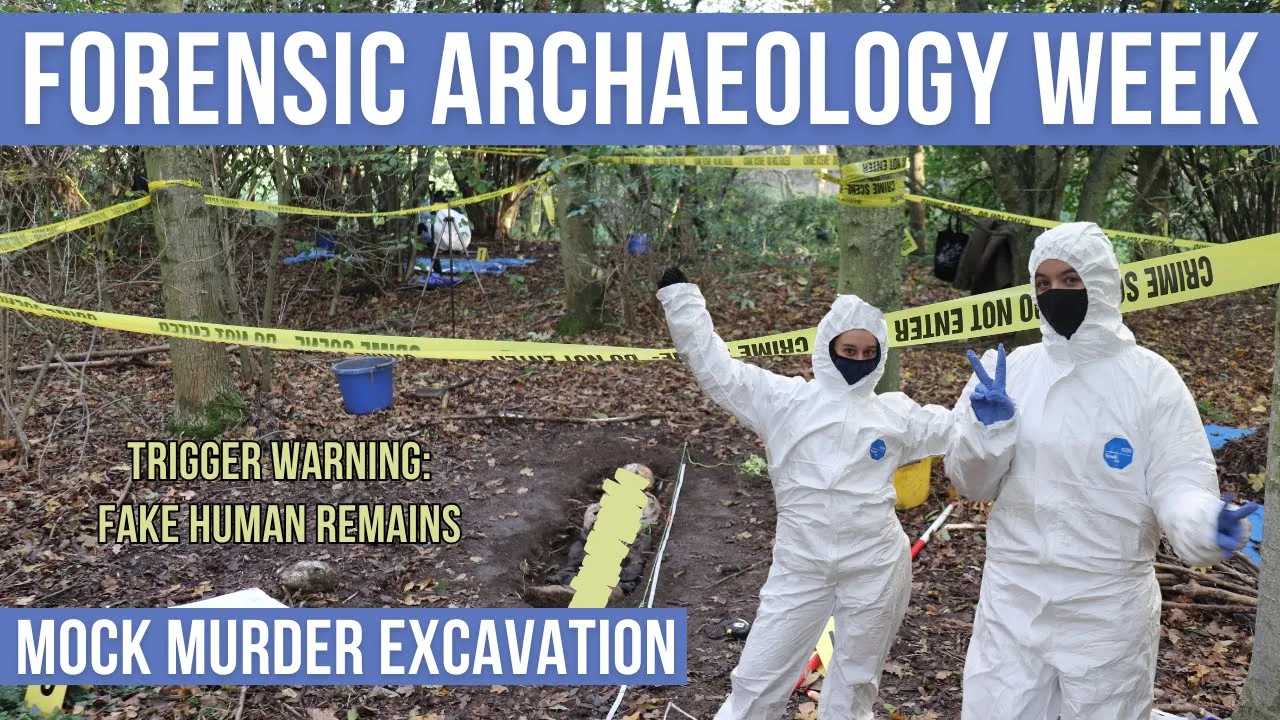
Forensic Archaeology Student Excavates a Mock Murder Burial
@RosieCrawford
13.9K views•2020-11-30

Triumph of Orthodoxy Icon: Byzantine Art & History Explained
@BenCallan
2.1K views•2024-08-06
From GATT to WTO: Evolution of Global Trade Law
@Vidyamitra
11.2K views•2015-10-16

Game of Thrones Opening Credits: A Cinematic Analysis
@gameofthrones
46.3M views•2011-04-18
Related Study Plans & Knowledge Roadmaps
Structured learning paths in General & Interdisciplinary Studies