




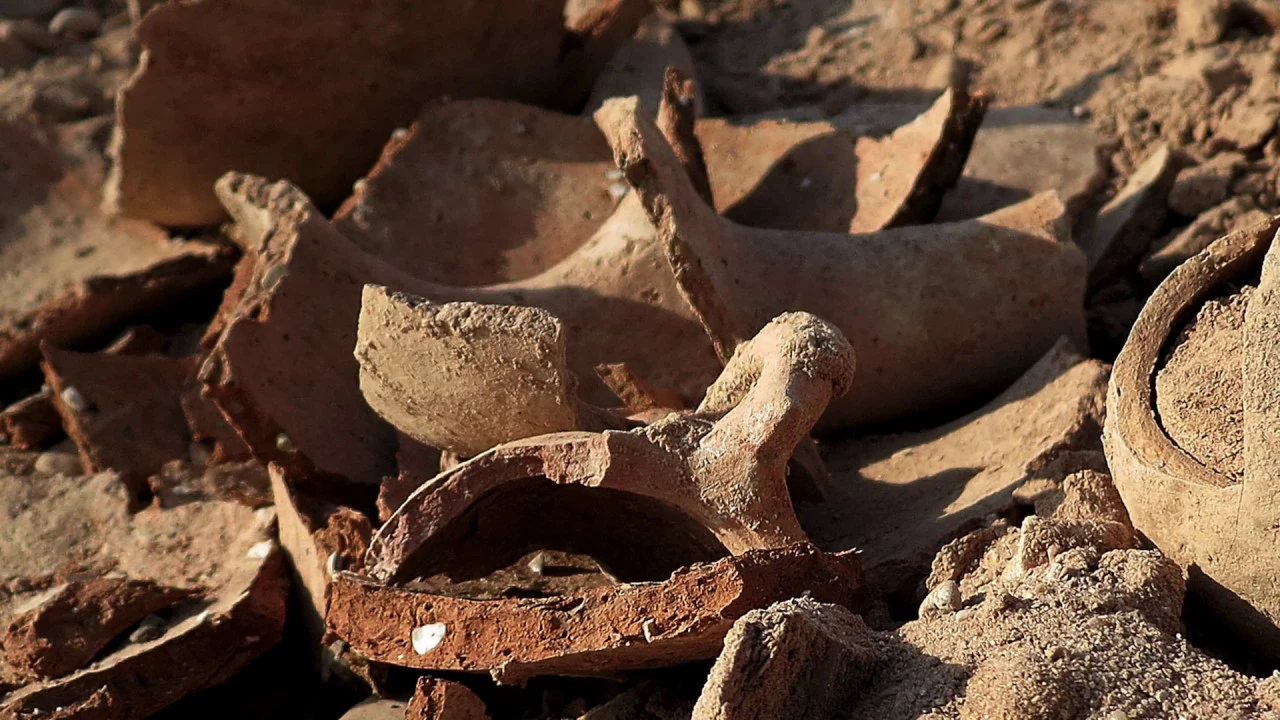
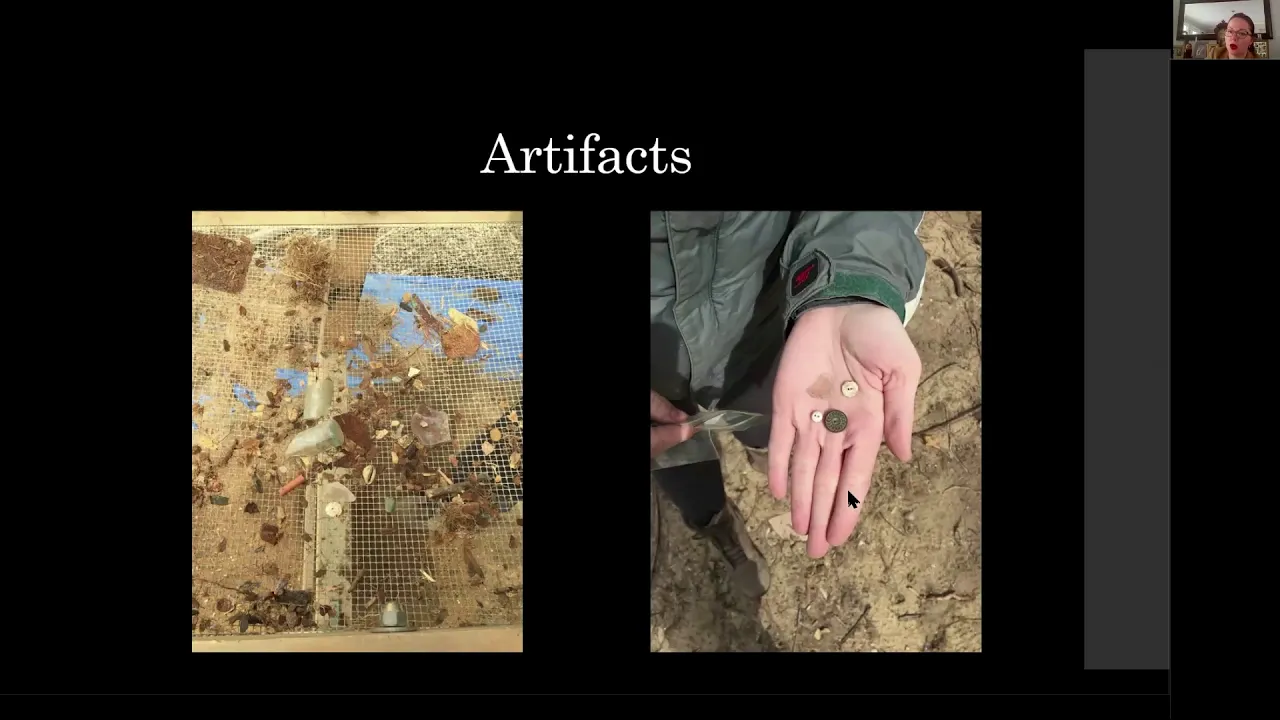


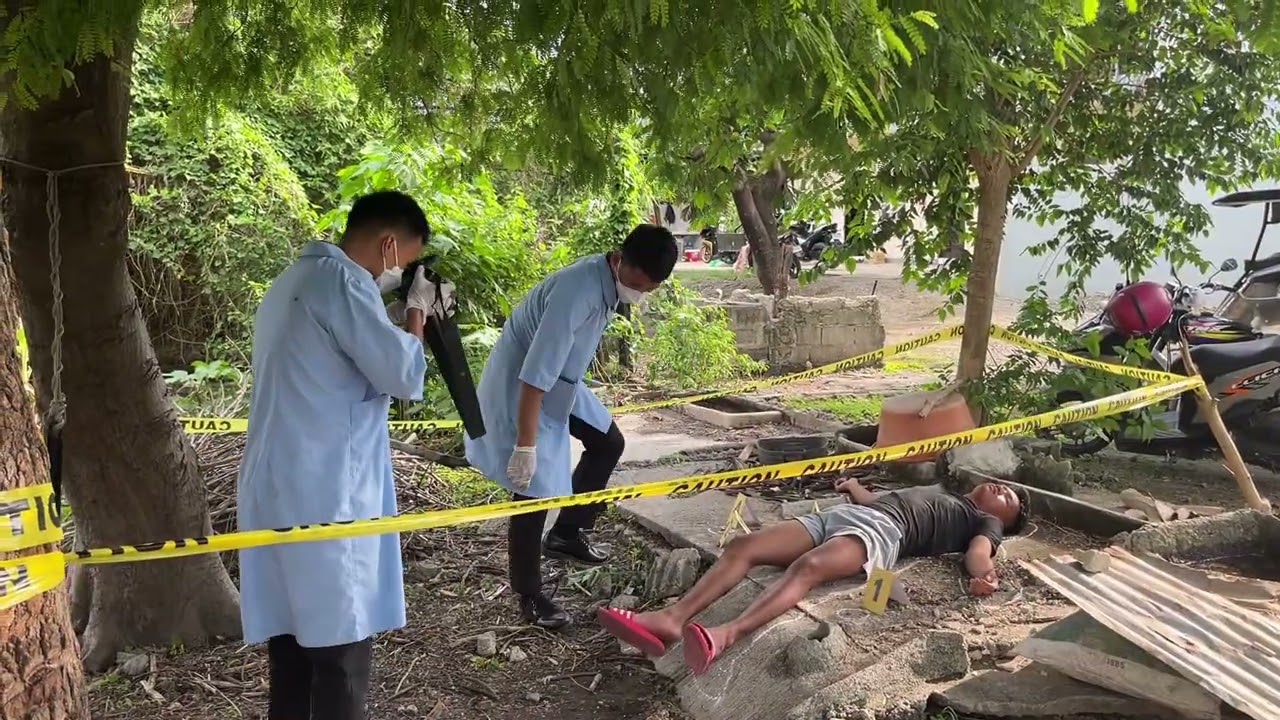

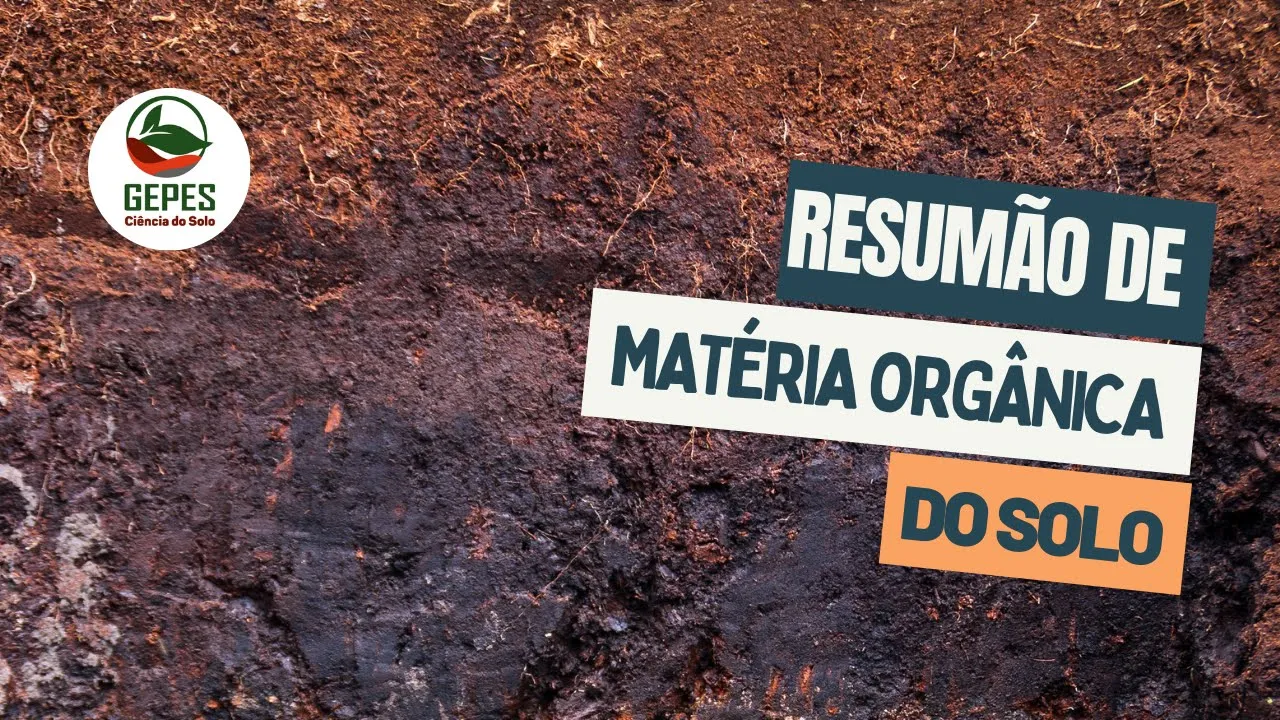









Forensic archaeology students learn practical excavation techniques through hands-on training, including soil stratigraphy analysis, establishing baselines for measurements, identifying cut features and artifacts, and following ISO standards for evidence recovery during mock crime scene investigations.
Forensic Archaeology Student Excavates a Mock Murder Burial
Added:The fundamental distinction between forensic archaeology (field recovery) and forensic anthropology (laboratory analysis of skeletal remains).
Basic principles of archaeological stratigraphy, particularly the Law of Superposition and how soil layers dictate excavation phases.
The concept of Chain of Custody and its critical importance in preserving the legal integrity of evidence recovered from a crime scene.
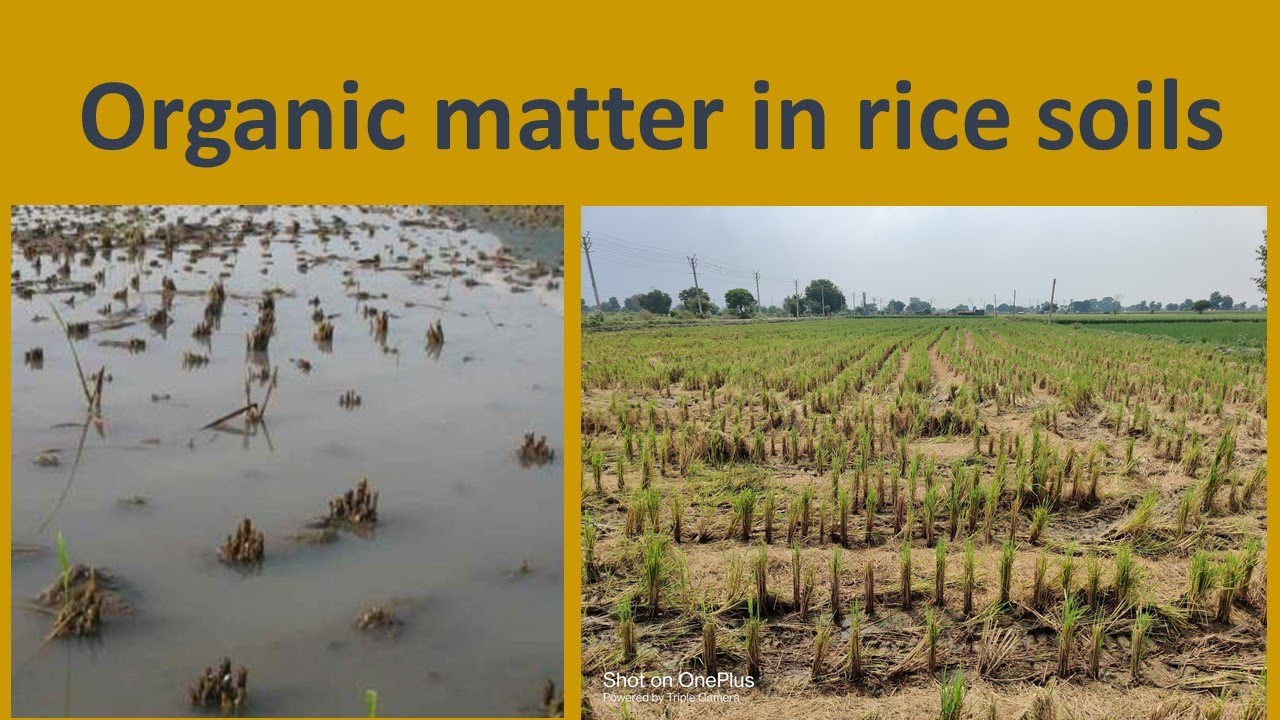
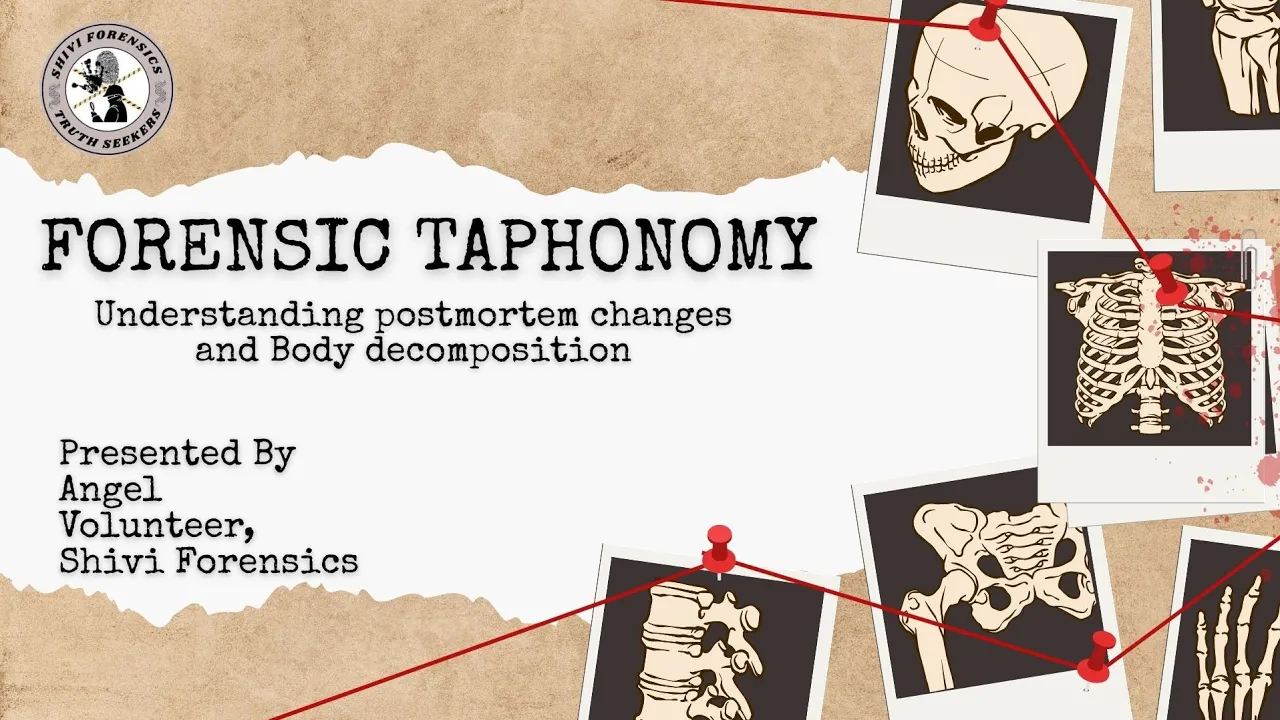
An understanding of basic taphonomic processes, which dictate how organic and inorganic materials decompose in soil over time.
Advanced forensic taphonomy, focusing on how environmental variables (soil pH, moisture, microflora) affect the post-mortem interval (PMI) estimation.
Skeletal identification and biological profiling, including methods for determining age, sex, ancestry, and trauma from excavated remains.
The integration of geospatial technologies, such as GIS, LiDAR, and ground-penetrating radar (GPR), for locating clandestine graves.
The role of the forensic archaeologist as an expert witness, including the preparation of professional excavation reports and testifying in court.
13.9K views0likes21:45Original Release: 2020-11-30
[Applause] [Music] hey guys welcome back to another week in the life of a forensic archaeology and anthropology msc student i go to cranfield university if you're new here which is just for postgraduate students and yeah this is my week i had a pretty slow start to the week i think everything was kind of buzzing around my head to do with like the prospect of lockdown happening in a few days so i was quite stressed internally and also stressing with assignments because of this on monday i did decide to go to the gym and like not do my lectures in the allocated times and just do them in my own pace and for me that works really well thankfully they were all pre-recorded so i could do this bloody lockdown means i haven't been uh since that week but we move we move wash your hands you dirty [Music] we can i actually got offered a tour of the air crash investigation labs that day so we didn't go to our lectures and instead had a tour of this and then caught up later but it was a lot of fun we've just had a tour of the aircraft lab you can see one of the helicopters behind me and basically it's got all of these air crashes in it which i can't show you most of because it's sensitive but it's pretty cool well you must not know about me you [Music] i've come back for lunch now and i'm gonna make a sausage sandwich i bought baguette specifically for this and i'm really excited about it and then i need to go back into uni to continue with lectures and stuff i also accidentally like emptied half a can of dry shampoo onto my head so i'm going to put in a little clip of what it looked like before i rubbed it in here um just now looks like my hair is a bit lighter than it actually is got two little baguettes and some richmond meat-free sausages then really reggie i froze the other one so i can have it tomorrow and i kind of eaten a lot of the middle already honestly this is my dream lunch i'm gonna walk back to campus and eat this on the way so i'll see you when i get back onto campus oh that is the biggest plane i've seen take off on there yet cool wow wow that was a proper jumbo wow no wasn't it that was an exaggeration it just wasn't like a two-person plane cool i wonder where it's going stayed at uni till around 6 p.m and did lectures on excavation techniques and various lectures on forensic archaeology which were really interesting and then went home and it was so windy oh my gosh [Music] it's freezing i've just got back from uni and now my brain is tired and i'm just gonna cook eat and try and get through the rest of these lectures the same tree as yesterday so the stone may not have been there in this case it wasn't there but that was deliberately put there so someone walking this may go there's a rock there now good morning everyone it is 8 15 a.m and i'd just like to reiterate the fact that i am 22 years old this is my attire for doing my lectures in bed at eight o'clock in the morning this is really embarrassing i have a team's meeting at nine so i need to get this video done from yesterday before that starts it's only 20 minutes so it should be fine if i get on with it now i've made my coffee and i'm ready to go i have got it on the tv connected by my hdmi which actually makes it so much more engaging i'm at the gym i'm gonna do a hit i think because i've not got a whole lot of time before a meeting [Music] you're odd i actually watched one of our meetings online in your sushi and then went back to do our proper lectures had some on soil biology that was great and then soil chemistry and then more soil yeah it was it was it was good i'm finally home from uni it is i don't know half six six o'clock maybe and i'm gonna cook some curry because i've got so much curry left over that it might actually feed me for like every meal this week i ate my tea what's watching queen's gambit absolutely love that show by the way would recommend and then just got on with some of the lectures that i hadn't done in the morning and ones that i needed to get done before my excavation the next day i think i got a cider as well and yes it's a tuesday but i'm also a student so don't judge me [Music] i had a pretty slow one this morning in fact i'm pretty slow most mornings but like this was off the charts snail pace i needed to go back to bed [Music] rise and shine good morning excuse the hair it it is a state but it will be being dealt with i have a practical today i have an archaeology practical it's my first archaeology practical so i'm really excited so this morning i have got to get through principles of survey and gis techniques that is from yesterday because well i mean as you saw i was doing lectures until like 10 30 p.m last night so there's nowhere i was gonna get those finished and then this morning these ones are optional lectures however i don't think i'm gonna have time to do them this morning and i'm gonna have to do them probably at the weekend anyway let's stop procrastinating and get on with the lectures this morning telling them i'm okay i'm okay even though my scare is running down down my face really i'm okay i'm [Music] i'm just arriving at campus so i'm practical and then i'm gonna continue walking on until they get there i've dressed for cold it's not actually as chilly as i thought it would be but like i've got my hat on and stuff because we're going to be outside all afternoon and i don't want to freeze honestly i'm wrong thankfully it is a gorgeous day [Music] [Music] can you do that [Music] i won't wear makeup on thursday well that is an unexpected weather type hey everyone good morning it is five past eight and i am actually like properly up and dressed and actually pretty much ready to go i just need to eat my breakfast today is a very exciting day i'm so excited because we're actually like doing a practical all day outside so it's gonna be freezing but i've tried to dress warm and i'm gonna take more warm things i think it doesn't give any rain it is however completely foggy it did not forecast the fog absolutely no visibility whatsoever so i don't know how long that's gonna stay and whether it's gonna really hinder our exercise because basically the exercise that we're doing yesterday we had to get evidence and like try and find a scene based on evidence which we did manage to do and then today we're starting to dig these graves they're all fake just want to clarify before we start this is not a real crime scene this is not a real archaeological excavation this is all set up they're plastic skeletons so if you see any any bones of any sort it is all plastic it's not real i would not show any real cases on here it's totally unethical and also probably illegal right i've gotta get some breakfast or i'm gonna be grumpy it is literally completely foggy do not have to blur the location today so we go to this garage thing at nine everyone was really wrapped up because it was freezing and then we got loads of equipment out and went and walked to a field around the corner and then basically just set up in the mud dirt soil it's soil one of my tubes is actually going to kill me if they hear me say mud to lift it over your head because i can already feel muscles in my arm here now that are not supposed to hurt when i'm doing this so you basically throw it up you get your second hand here and then you let the weight of the metal do the work and now don't try to kind of pull it out if that's not going to work just wiggle it a bit and then you again wait at this end maybe not the end either yeah [Music] [Music] [Music] sorry i just stole the job no no it's fine i was more inspecting how close than that it was to antonio's head that's the problem pictures your camera no it is just filming for me just take this slot just hold it on there yeah ignore that what i would like to do i would like to just see a culture it's coming through the lighter soil is coming through [Music] yeah great see it's a bit lighter now yeah cbm yeah ceramic building material the task we were given was basically to dig a hole and just show how hard it is to dig a hole move soil shift soil see the color changes in the stratigraphy so the layers in the soil look at the roots look at the fauna so like the bees in the soil yes there were bees in the soil worms and then to plant the hole you know like plot it on like a proper archaeological drawing put some bones in there plastic bones and like mark them on and just practice all of the skills we'd need for the next [Music] day [Music] [Music] morning everyone it's friday and it's another really foggy day maybe i'm just not getting up early enough to see this fog but i've never seen this fog like it has been today and yesterday and this morning we're going straight into the forest where our like mock crime scene burials are so it's going to be really eerie digging up skeletons a plastic just reiterate that literally from where we're standing right now um is there anything that anyone has sort of found here on the fringes of the woodland from here where's the nearest place where anyone has found anything interesting i can't take my mask off so sorry if you can't hear me but we've just located our grove and we're gonna start like setting up recordings and everything and going through all of the procedures with the risk assessments and then once all of that is out of the way we'll start looking at how we can excavate it but that's gonna be not for a while yet this is our grave area it's not very obvious at all but you can sort of tell from the loose soil this is us setting up recording around our like potential grave site it's known as a clandestine burial and clandestine basically means illegal so it's an illegal burial it's what we're suspecting so you have to put a cordon up there should be two coordinates an inner coordinate and an outer coordinate but our kind of outer corner and was like imaginary and we were told it had already been set up so this is just our inner coordinate we then created a forensic strategy assessed the scene wrote a risk assessment and started clearing the debris off the o horizon from the soil and the o horizon is basically like the top layer and the initial bit of subsoil so it was just so we could see what we were really looking at this green string is basically just to mark out where we thought the actual grave would be in this area and then we set up a baseline which allows us to take measurements and easily like use that as zero in order to plot everything and where it is exactly oh my god i've never seen anyone as well i'm on note duty by the way i'm not slacking we're not allowed to dig it's put together so we're not meant to have more than two people in the corner at once so it smells like bacon this one's like burning it's making me hungry [Music] i cannot see that feeling [Music] [Applause] [Music] okay so maybe maybe start doing [Music] so what you can see here is some aspects trainers we think and a fibulae and tibia coming out of each shoe and also you can see where we've established the cut on the southern and the western side so like on the back wall and by the shoes and you can see it's a cut because it's a lot harder and the soil just would not break away there's also cut roots there as well so we could tell it had been like chopped [Music] [Applause] [Music] [Applause] [Music] oh no no no no oh it's our afternoon session now and we've uncovered the skull of our victim yeah it's so creepy on camera really yeah it looks real i can confirm is plastic once we'd fully excavated the skeleton we gave it a clean and cleaning and archaeological terms just means kind of removing loose soil so we did that with a bit of a brush and also a tiny leaf trowel to make sure we weren't damaging the actual person itself and then we had to document the whole thing so we had to draw a proper plan drawing take measurements take levels on a total station and then start working on the recovery and the recovery is basically taking out bagging up each item each exhibit and making sure you're always abiding by the proper iso standards and you can google those because i'm not explaining them [Music] we're having a toilet break before we have to what if we go do a section drawing yeah and contact sheets [Music] oh i've just got home i'm so tired but today it was amazing i had so much fun i feel like i've learned loads because i'm definitely a practical learner i always have been i learn everything so much better on the job when you can actually you know work through it as a real-life applied task hello it's actually saturday i completely forgot to pick up the camera again i don't even know what i did last night i literally just ate and scrolled and went to bed i think i needed it and i woke up this morning at like nine i have been in bed since it's half 10 now i'm doing anything yet my whole body aches my back my shoulders my hands this the grip strength aches from using like the shovel in the trowel oh good what am i gonna do today i'm gonna edit videos that's my main priority today and then sunday is always my cleaning and hoovering and taking the bins out and all of that sort of day thank you for watching i hope you enjoyed this video i think this has been one of my absolute favorite ones to film just purely because it really showed what i love and want to do i enjoyed it so much anyhoo i'll see you on my next video oh god really you slept for like 10 hours get a grip and i'll see my next video bye [Music] you
Up Next

21:41
How Forensic Botany Solved a 20-Year-Old Cold Case
@FilmRiseTrueCrime
774.1K views•2022-01-01

12:54
Triumph of Orthodoxy Icon: Byzantine Art & History Explained
@BenCallan
2.1K views•2024-08-06
13:35
Stable Isotope Analysis in Bioarchaeology: Diet Reconstruction Explained
@RosieCrawford
1.6K views•2021-04-26

1:42
Game of Thrones Opening Credits: A Cinematic Analysis
@gameofthrones
46.3M views•2011-04-18
Related Study Plans & Knowledge Roadmaps
Structured learning paths in General & Interdisciplinary Studies
general-studies
Elevator Engineering: History, Physics & Cities
01From Hoists to Safety Brakes: The Dawn of Vertical Lift
02Hydraulic vs. Traction: The Engineering Physics of Elevators
03Modern Speed, Safety, and Algorithms
+ 2 more learning modules
12h5 modules
Explore Roadmap
general-studies
Rubber: Material Science, History & Geopolitics
01Origins of Natural Rubber & Mesoamerican History
02The Chemistry of Natural Rubber & Vulcanization
03The Geopolitics of the Rubber Boom & Colonization
+ 2 more learning modules
12h5 modules
Explore Roadmap
general-studies
Containerization: Evolution, Logistics & Trade
01Ancient Trade & Bulk Cargo: Amphorae to Barrels
02The Industrial Revolution & Cardboard Packaging
03The Containerization Revolution: Malcom McLean
+ 2 more learning modules
12h5 modules
Explore Roadmap
general-studies
Textile Tech: Evolution, Labor & Global Impact
01Pre-Industrial Textiles: Handloom & Cottage Industry
02Mechanization: The Spinning Jenny to the Power Loom
03The Factory System & Global Labor Transformation
+ 2 more learning modules
10h5 modules
Explore Roadmap