


![Edexcel October 2020/ June 2020 Physics Unit 5 [part 2/2]](https://i.ytimg.com/vi/uvnFL-jIb1A/hqdefault.jpg)






![핵융합 전문가 직접 등판! 인공태양의 모든 것! [핵융합 1/2] (한국핵융합에너지연구원 김성국 박사)](https://i.ytimg.com/vi/6F3mO5oizaI/hqdefault.jpg)











![한국이 에너지 패권을 잡게 될 과정 설명드립니다 f.남용운 한국핵융합에너지연구원 박사 [신과대화]](https://i.ytimg.com/vi/RZEyDULLUb4/maxresdefault.jpg)

The Wendelstein 7-X stellarator, developed by the Max Planck Institute for Plasma Physics in Germany, represents a major advancement in nuclear fusion research by using superconducting magnetic fields to confine plasma without requiring a plasma current, achieving temperatures of 100 million degrees Celsius in its first hydrogen plasma discharges; this stellarator design differs from tokamaks by using twisted magnetic field lines that prevent particle drifts and enable steady-state operation, making it a key device for advancing the optimized stellarator concept toward practical fusion power generation.
Fusion Energy Explained: Wendelstein 7-X Stellarator Overview
Added:The fundamental physics of nuclear fusion, including how the fusing of light nuclei releases energy according to Einstein's mass-energy equivalence.
The properties of plasma as the fourth state of matter, specifically its electrical conductivity and responsiveness to electromagnetic fields.
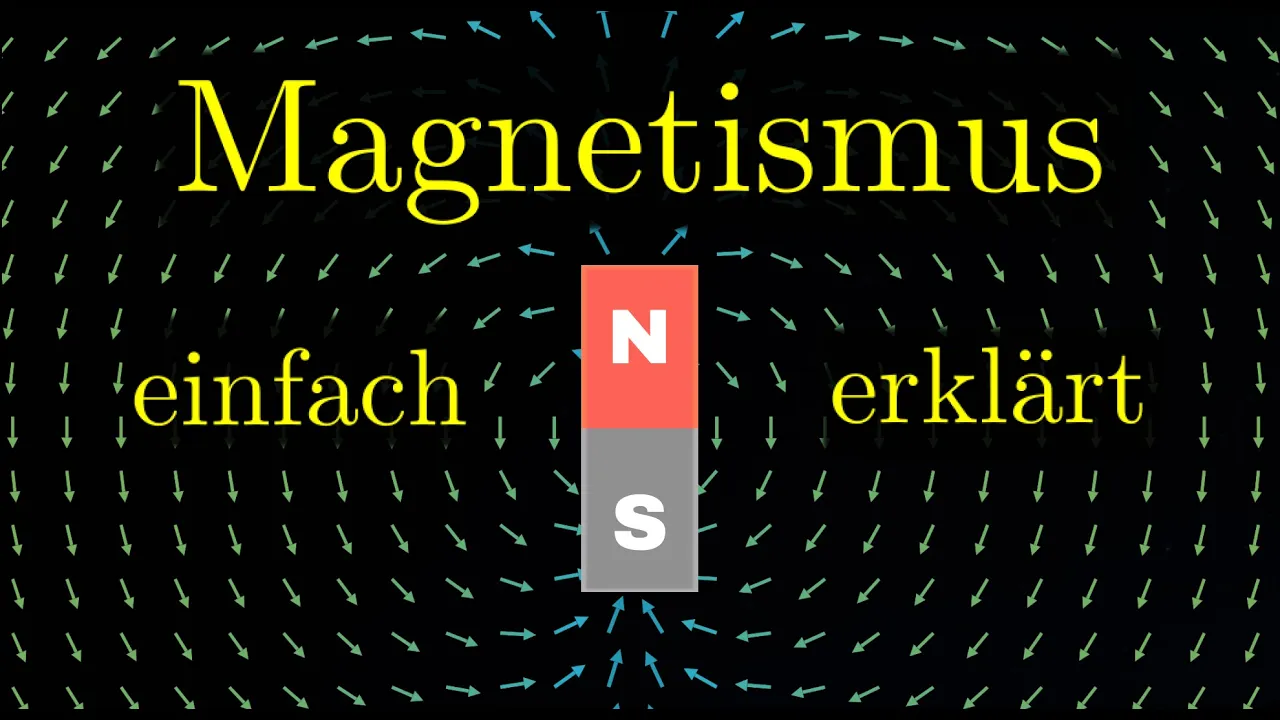
Basic electromagnetism principles, particularly how magnetic fields exert force on moving charged particles (Lorentz force) to achieve magnetic confinement.
The concept of Lawson's Criterion (or triple product), which defines the plasma density, temperature, and confinement time required for self-sustaining fusion.
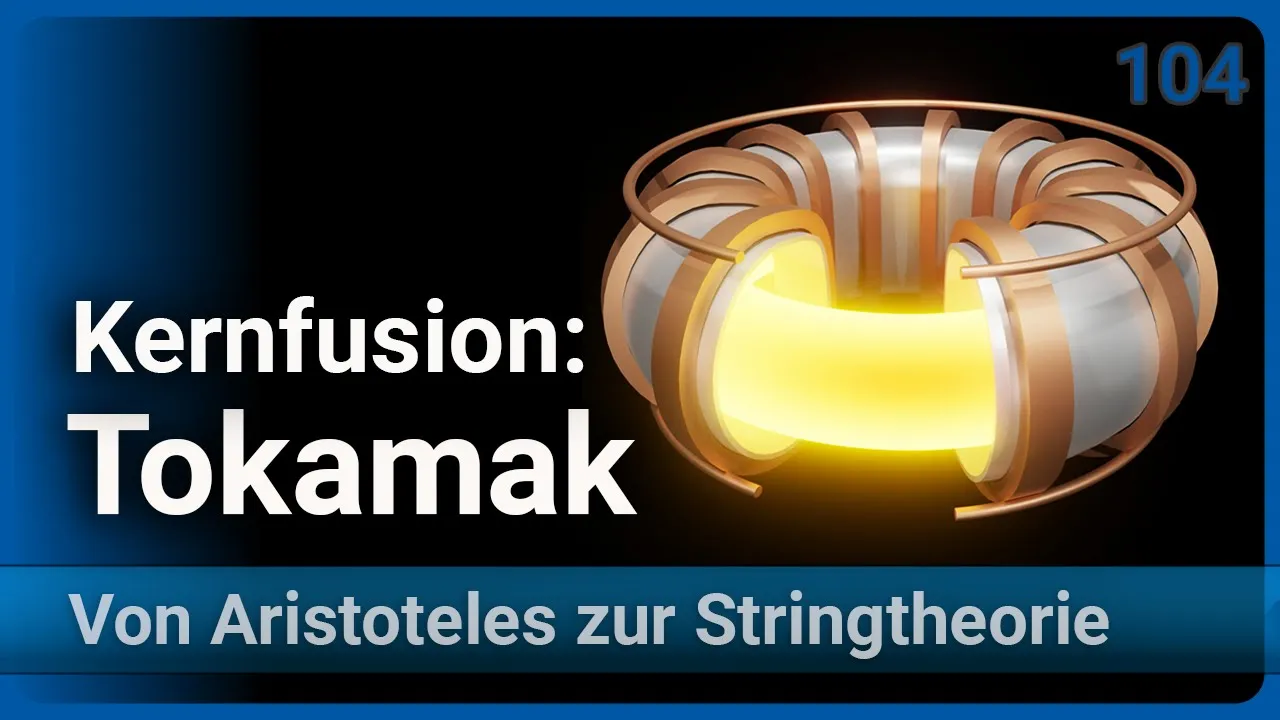
A detailed comparison of Stellarator and Tokamak designs (such as ITER), focusing on plasma stability, continuous versus pulsed operation, and engineering complexity.
The study of plasma instabilities and turbulence, and how advanced supercomputing is used to optimize three-dimensional magnetic field configurations.
Materials science challenges in fusion reactors, including the development of plasma-facing components and divertors that can withstand extreme heat and neutron radiation.
The engineering of superconducting magnets (such as high-temperature superconductors) and their role in improving the efficiency of magnetic confinement systems.
The logistics of the tritium fuel cycle, including tritium breeding blankets and the paths toward commercial grid integration of fusion power.
27.3K views385likes20:58Original Release: 2016-10-06
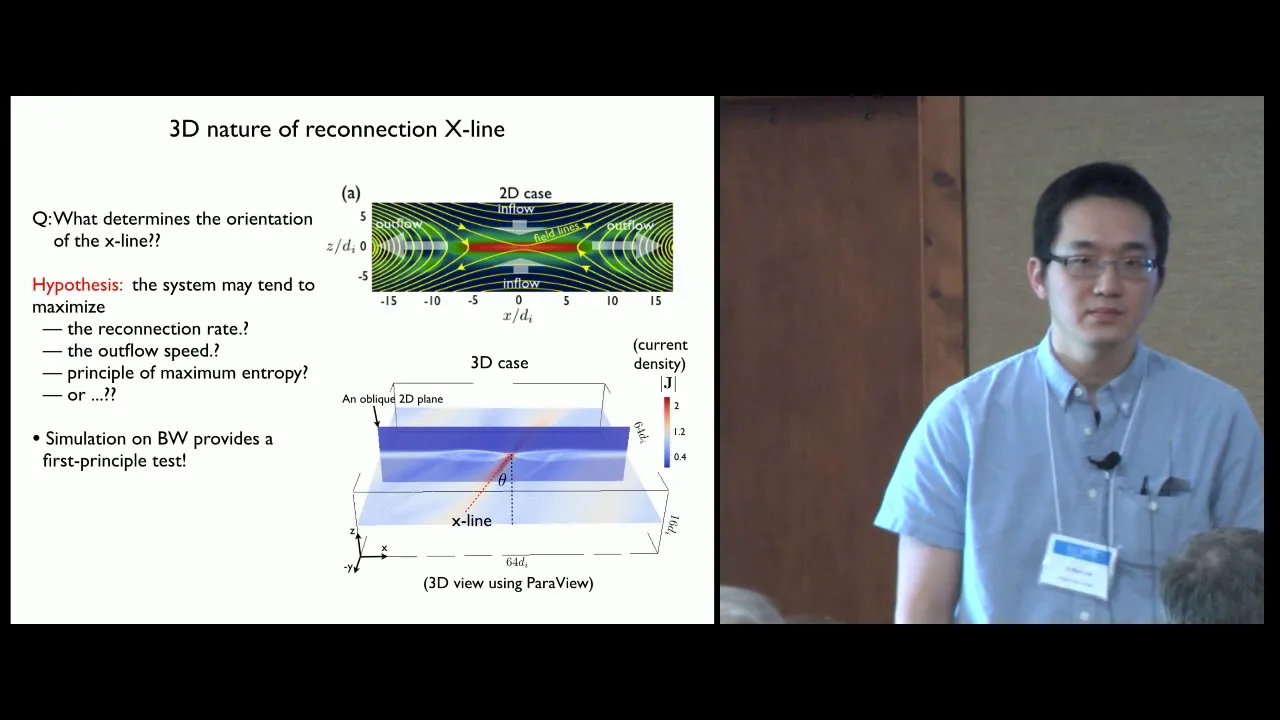
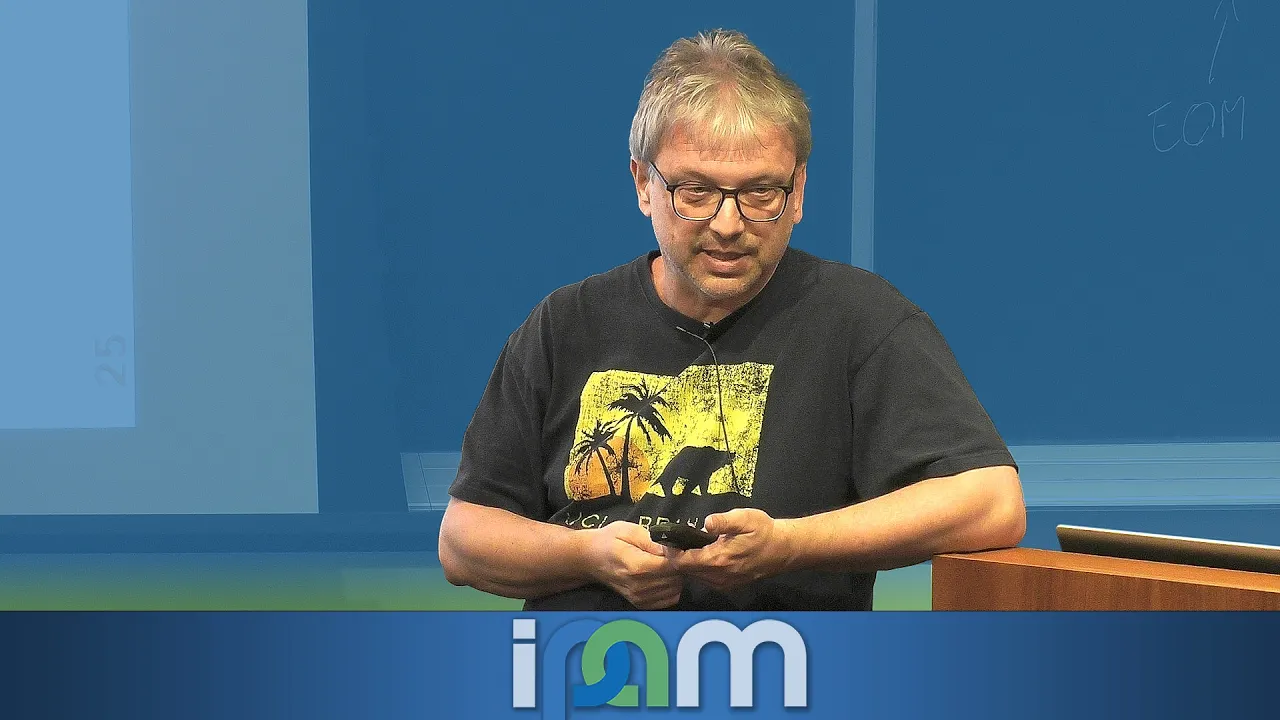
I don't know if I can answer your last question um but at least at least I'm going to explain you what is the story about vendelin havex about the machine we are we have built in G and we are contined to build um so um our institution has two sides ging and Graal um and we are operating at both sides big machines big Fusion research machines and that's um my story actually but I start now with a story The yeah okay what's the background the background is the global energy consumption um and I just want to underline that the energy problem is a global one and this is an actually interesting chart so here we have different color codes so from low income level to high income level so here these three different colors and very obviously here in Europe we are and USA and Japan and and South Kore South Korea we have the high income levels also here in Australia and uh also colorcoded is a population density so the light color is high population density the darker darker version of the color is a low population density and this only tells you or this charge quickly tells you that a lot of people are living in areas of the world in lower middle upper middle and especially lower income levels and since energy consumption correlates directly with the income level um the message is things are to come and the energy consumption of the world will increase dramatically and there are several different studies you can try to study that in codes and simulation codes Global simulation codes and these are the names of these codes so published in this paper uh and then the predictions until the year 201100 are compared between these different codes and without going into the detail we get a certain uncertainty between the predictions but in any case we get a big increase of the global energy consumption at least by a factor of two in the most conservative estimate up to a factor of four and so the famous energy turnarounds vend we are we are exercising here in Germany is not only about um yeah um changing totally the concept of energy Supply putting much more emphasis on Renewables uh thinking a lot about energy storage and uh and um and related areas um but it's also about the need of much much more energy and that's part two of the story and this is about to come this so continuously it will start starts now and it will continuously increase the need for energy so um there are two things you can do there among all the other known primary energy sources of course uh fishion and fusion just to make sure make clear n what is what is the difference fishion is to split heavy nuclei into smaller ones uh Fusion is to fuse um small nuclei light nuclei to have heavier ones okay uh the principle is the same and so Einstein's famous Formula E equals mc² so mass and energy is the same with a prop proportionality constant and so the difference in the mass of the reaction products here uh gives you the energy and the energy is released uh in motion so you're creating motion just particles are getting speed and motion is just another word for heat and so you're generating heat so that's this common princip I but there are two different lines fusion and fion now Fusion is very much in use in the in the universe of course so Fusion is just the PowerHouse of the universe and our star so our private star the sun a G2 star is just an ordinary standard star um is um following the following path that's PP Fusion so the fusion of protons of light protons and that's the chain that as followed so you start with two two protons uh and then you you generate dyum and and a positron and a neutron and then you have a dyum which again collides with a proton and then you generate helium 3 and when eventually two helium 3 nuclei Collide make they generate helium 4 and again two protons so that's a principle um okay great so what is the essence you start with protons you end with helium 4 and again with protons and that's why it is called a cycle um you need conditions for that to have this process efficiently running and the Sun is of course designed to set to match these conditions and the conditions are summarized here so the density of the Sun in the core is about 1,000 times the density of solids on Earth and so it's dense uh and the Sun is hot 15 million degre centigrade in the center iron temperature and uh the density and the temperature combined to a pretty high pressure 10 to the 11 bar pressure which is of course quite a high value um and the confinement is just done by the gravitation just fact that the sun has 330,000 times the mass of the Earth produces enough gen gravitation to keep the plasma together that's impossible on Earth so sometimes you might have read bringing the sun on the earth that's of course nonsense scientifically that's nonsense it's a nice headline but this is definitely not possible at least not under state state conditions you can do so you can create meta conditions like that for a nanc or so very strong lasers for instance or very strong beams um but um really as a continuously running system like the sun this is impossible but there's a replacement for that there's an alternative Fusion process and that consists of um yeah two um isotopes of the of hydrogen through deuterium so that's heavy nitrogen and tritium super heavy nitrogen and uh if you start with both of them at an kinetic energy of about 10 kilo electron volts so that's just the yeah just the measure for the kinetic energy here expressed in electron volts and if you make them collide with a um sufficiently high probability you get getting a fusion collision and the fusion Collision um has the property that after the Collision you have new products so a neutron and a helium and helium and you gain a lot of energy so here we have 14.1 me and 3.5 me so that means we have something like an acceleration due to the fusion Collision so a fusion Collision accelerates the particles uh roughly speaking about the factor of 1,000 and so that's a nice Collision so you Collide to particles you get something new and especially you get a lot of speed and that's a principle so very simply speaking but you need a lot of them so if you want to build a reasonable power station on Earth no say about 1 gaw electric power then you need 10 to the 18 Fusion processes per per second and cubic meter and uh so and that's the message that's one of the take-home messages um to make fusion is easy Fusion works I'm often asked does Fusion work yes so that's a very simple nuclear process which is well understood all the cross-sections are well understood the big exercise is to make a lot of fusion per second and cubic meter 10 to the 18 per second and cubic meter and that's why I'm a plasma physicist because I have some ideas of many particles have many particles sitting together which is the uh matter of State called plasma here we go um the efficiency of this fuel is quite impressive so again so some simple figures you can compare 1 G of Dum Trum fuel mixture with 1 gr of coal um and there's a factor of 10 million so 1 G mixture of duum trium yields the same energy as 10 million gram of coal burned just by chemical burning and so it's a very efficient Fuel and that makes it so attractive is it available yes kind of so you have a certain concentration in the water 0.01 5 0.015% concentration Trum is of course not available because it's an unstable nucleus and has a half lifetime of 15 something years something like that and so there's no tritium in so no no tritium depository available or so tritium mine or something like that uh and so you must create that Inu with by collisions of nutrients with lithium and so you must invest some lithium in order to create a tritium so it's an indirect um indirect way to create the fuel you need um again you can put that car that in very simple figures just take the dyum that is contained in half tub of water here and the lithium in just standard accumulator and if you then calculate the energy you get out of that according to this ratio here then you get 200,000 Kow hours electric with all the efficiencies in put in there and that's enough to supply an average European for about 30 years um and so that's nice actually because you could say I mean it's a little bit propaganda but you could say that everybody should have half tub of water and an old accumulator and then you're done and so it's a big big promise um it's a bit more complicated if you go into the details we can discuss that if you wish plasma confinement I mean a plasma must be confined otherwise the plasma just disappears in space H so it's it's just a gas it's an ionized gas and the gas just vanishes if you don't do anything but since it's ionized it's a electrically charge uh the sun is just doing the confinement by the gravitation as already mentioned um and so that's just the inwards directed gravitation that counterbalances the the plasma pressure just the gas pressure which is outwards directed um we cannot do that on Earth of course need so because of lack of gravitation in such a small Mass we would like to have uh in particular we are talking about a lowdensity fusion plasma and there the recipe is to use strong magnetic fields and here it is indicated the magnetic field is pointing inwards in the projection plane charge particles react by a gyo motion that means all particles gate around the magnetic field and um the magnetic field is efficiently acting as an inwards directed pressure because particles cannot Escape anymore from the magnetic field lines and so it is efficiently a pressure and this is expressed by this quantity beta which is very much beloved by us plasma physicist that's the ratio between the kinetic energy and the so-called magnetic energy the magnetic pressure the kinetic pressure over the um uh the kinetic pressure over the magnetic pressure and here the magnetic pressure just goes as b^ squ and so we need strong magnetic fields to counterbalance the pressure of the plasma and this is done shown how it is done so after a long long story it turns out that the right magnetic field geometry we have to talk a lot about the geometry is the Tauros geometry so you bend magnetic field lines to a ring and in this way you avoid that magnetic field lines touch the wall because particles are attached to the to the magnetic field and if the magnetic field lines touch the wall the particles touch the wall you must avoid that and so you first form a ring um great so that seems to be seems to be the way to go and you can create such a ring-shaped magnetic field which is indicated here in green just by magnetic field coils which are indicated here in blue and so that seems like the story is done however um then a lot of physics happens if you have curved magnetic fields maget the magnetic field is getting inhomogeneous and you must do something because curved inhomogeneous magnetic fields cause outwards directed drifts and basically um you have to deal with the situation you have if you want to get honey out of the out of the honey pot so the honey is floating down and only if you turn the spoon so we see it's nicely specialized honey spoons then then you can keep the honey on on the spoon and you are doing a similar thing with your magnetic field lines the magnetic field lines must be twisted and not only Bend to a ring but in addition they must be twisted this twist is done in this configuration which is called Tokamak it's a Russian invention and it's a Russian acronym by the way you do this by inducing a current via VIA an additional cell oid here in the center you inducing a strong current in the plasma this current is creating an additional magnetic field component uh this additional magnetic field component combined with the magnetic field you're creating by the coil makes use a Twist okay sounds F sounds great and it's a great uh way to do it and we have a fantastic Tokamak and gashing in our Institute in ging that is performing in a worldclass way I'm going to talk more about another another approach um that's accelerator um again you have a ring again you need a Twist and again to make the story very short you make the Twist by adding an additional set of coils and by running a a current through this additional set of coils and these are counterd directed currents and basically you're creating an octopole field uh qule field sorry so that is superimposed on the on the um here on this ring-shaped magnetic field and if you superimpose these two fields and again you get the twist so that's accelerator idea and that's also a pretty old idea from the ' 50s but the accelerators were actually not performing so they perform much worse than than toam Max and it was for decades it was a big miral why uh and that after a long period of research n that turned out to be the way to go and so uh this simple setup I've shown before and it doesn't perform this thing performs it's the vendin 7x magnetic field how is it obtained by numerics by heavy superc Computing and here in this Symposium there was a lot already a lot of talking about superc Computing without super Computing without supercomputers delator would not exist and these were the early supercomputers anyway but nevertheless it's a very heavy numerics exercise and here's just a list of codes which have to be tackled and here just is just that's just a yeah an eye-catcher so that's a code map so these are Co coupled codes which deliver the data among each other and if you do so you can optimize you can optimize along a set of criteria and without going into to the detail just uh just um uh take note that there are seven well- defined physics optimization criteria which must be satisfied in an Optimum way and so it's a typical optimization procedure the outcome is then the shape of the magnetic field which is indicated here by the surfaces these flux surfaces and then you can calculate the coords that belong to this magnetic field geometry by just by inverting Maxwell's equation and then you get the shape of the coils and so the coils have the most natural shape in a certain sense that's what physics tells us is the magnetic field coil that belongs to this plasma and then that's the basic of the that um establishes the foundation of Vin 7x here we have the shape of the plasma and the shape of the magnetic field that's the same thing uh created by the coils by 50 coils in total so shaped coils with a certain geometry then we have another set of coils which is needed by our experimentalist to make some modifications so to turn a few knobs uh then everything must be um interconnected um so with uh with pipes and and connectors and bolted to a massive Central ring and the whole whole thing is getting um technically difficult because it's a super conducting machine and you need Super conductivity if because you would like to create the magnetic field for Infinity so the magnetic field in which you create should act as a bottle so as a bottle where you fill the plasma in and the plasma stays in there and the bottle must just be they're stationary and then also the whole thing is stationary so that's stationary confinement and this is only possible by using super conductivity Technologies uh which also means next that you have to deal with cry Technologies because that only happens at very low temperatures if you take conventional superconductors at 3.4 Kelvin to bee more precise therefore you need a cryostat you need an outer vessel and in which you create a vacuum and so all the coils have to live in a vacuum of course the plasma is living also in a kind of vacuum first you creates a plasma chamber and then you fill something like 0.1 G of plasma into that and and creates a plasma so it's very very light it's a low density plasma and that's how the machine in the end looks like a little bit like a spaceship I must admit and that's a reality that's our construction side so during the machine construction that was a long long story 10 years of construction 1.1 million uh assembly hours and this was a was an important here important moment that was the insertation of the last module the last fifth of sentle Stein into the Gap here and of course many technicians and Engineers are really busy and taking care that nothing is getting damaged during this insertation everything here in yellow are tools need to lift this3 tons heavy mod module and the Machine is complete that's a view how the machine looks now nowadays right and that's the first um one of the first plasma dischargers we got and as that's how a plasma looks like and it it looks bit boring but it should look boring so the ideal plasma is just a Halo here so halo around and nothing in the center so no light emission in the center because it's a hydrogen plasma NE there atoms are not able to emit any light except for except for um x-ray um but you see if you inspect this uh should repeat okay but you have seen that also light emission starts to evolve at the at the at the edge and then penetrates in and that's the story about impurities because impurities are created by scratching up scratching just a few atoms from the wall and these atoms make their way into the plasma and then they emit a lot of line radiation and so impurities must be avoided that's of course all embedded in a very International Endeavor so we are by Nature very internationalized and these are the parameters n so we achieved for sendin already in the very first days so sort of first weeks 100 million degrees of temperature for the electrons 20 million degrees for the for the hydrogen at and later already at pulse length at 1 to 7 seconds and okay you this lady helped us a little bit so when we started in the first Hydrogen plasmas so that was of course a big event after this long construction time and it's a major worldwide a major research facility right uh just a few words on the impurities so you do a spectroscopy so high resolution spectroscopy um and uh so these Spectra look like this and so you by means of the spectroscopy you can identify what kind of impurities you get and uh what is dominating is carbon and oxygen that comes from the wall and in the beginning so the concentration is relatively low so here we have the axis and in the end after operating the plasma for a while then you get much much higher carbon and oxygen lines and then you have to take care how to deal with these with the with these impurities and of course first you have to observe them carefully and this is done by high resolution spectroscopy as shown here and that's a typical PL shot lot so how we plasma physicist do it so this is that's the injected energy 4 megawatt one megawatt and then we switch it on here as a Time exis 7 seconds 1 second and then you get all the other quantities the temperature which is between 10 KV and 5 K the density is observed and what you see in here there is just that everything is very nicely controlled and stable and so it's a very tame machine it does exactly what you want so it really behaves Vin 7x it was a very nice experience many things have to be extended so we need better wall structures so that's work that is currently ongoing in gra and so we are in the machine and doing assembly works there is one of our worker behind this machine that is lifting up heavy graphite components to the wall we need a lot of water cooling more heating power in close collaboration with the kit uh more scientific instruments and very close collaboration with the research center UL um the power station then looks like this so I mean things must get bigger here is a car here are the parameters 1,400 cubic met plasma volume you need uh and so a power station would be a big beast so it's a 1.5 gaw power station here um but the concept of the vendin would would say no current disruptions that means no instabilities that lead to A disruption of the current that would exist in the Tok mark it is steady state capable but you have to do three dimensional engineering massively threedimensional engineering and that's you can call that uh um complicated it's three dimension you must get used to the three dimension so I come to the summary vendor 7x here's a view of the machine and our control room 15 years of construction with a design at the technical limits certainly um first operation has exceeded all our expectations it is a key device for the optimized accelerator concept on the world and still basic research but I think with a great potential for the future thank you very much
Up Next
59:20
ITER Talks: Alberto Loarte on Tokamak Physics and Fusion Plasma Confinement
@iterorganization
22.6K views•2022-02-28

12:53
21cm Hyperfine Transition in Neutral Hydrogen: Radio Astronomy Basics
@AaronRobertParsons
12.4K views•2011-10-13

32:32
NMR Spin Physics I: Zeeman Effect, Resonance Condition & Larmor Frequency
@nptel-indianinstituteofsci8064
2.3K views•2024-01-17

27:14
Entropy and the Second Law of Thermodynamics Explained
@veritasium
27.5M views•2023-07-01
Related Study Plans & Knowledge Roadmaps
Structured learning paths in Physics
physics
Nuclear Physics (Decay, Fission & Reactors)
01Atomic Structure and the Binding Force
02Radioactive Decay and Half-Life
03Nuclear Fission Mechanics and Chain Reactions
+ 2 more learning modules
12h5 modules
Explore Roadmap
physics
Soft Matter (Polymers, Colloids & Rheology)
01Foundations of Soft Matter & Thermal Forces
02Polymer Physics and Macromolecules
03Colloids, Surfactants, and Self-Assembly
+ 2 more learning modules
38h5 modules
Explore Roadmap
physics
Analytical Mechanics: Lagrangian & Hamiltonian
01Mathematical Foundations: Calculus of Variations
02From Newtonian Mechanics to Constraint Dynamics
03The Principle of Least Action & Lagrangian Mechanics
+ 3 more learning modules
28h6 modules
Explore Roadmap
physics
General Relativity (Spacetime & Cosmology)
01Foundations of Relativity: Special Relativity
02The Geometry of Spacetime: Equivalence Principle & Curvature
03Einstein's Field Equations: The Mathematics of Gravity
+ 2 more learning modules
55h5 modules
Explore Roadmap