



















Remote ethnography requires researchers to treat online spaces as legitimate field sites, achieving immersive research experiences through careful attention to participant comfort, platform selection, and ethical considerations such as consent, privacy, and well-being, while acknowledging that digital methods may exclude certain populations and require researchers to adapt their approaches to where participants actually exist rather than imposing their own technological preferences.
Remote Ethnography: Christine Hine Interview (2020) | Digital Methods
Added:Foundational concepts of traditional ethnography and participant observation in sociological and anthropological research.
Basic qualitative research design, including methods of data collection such as interviews, focus groups, and field notes.
Standard research ethics principles, particularly informed consent, anonymity, and harm prevention in physical-world spaces.
An introductory understanding of digital sociology and how online communities form, interact, and establish distinct cultural norms.
Advanced methodologies in digital ethnography, specifically Christine Hine's frameworks of 'Virtual Ethnography' and 'Connective Ethnography'.
The Association of Internet Researchers (AoIR) ethical guidelines for handling online privacy, data harvesting, and the nuances of public vs. private digital spaces.
Blended or multi-sited ethnography, which explores how to seamlessly integrate offline and online fieldwork in a post-pandemic world.
Practical application of specialized qualitative data analysis software (QDAS) for organizing, coding, and analyzing digital interactions, text, and media.
Critical evaluation of the limitations of remote fieldwork, including issues of digital divide access, algorithmic mediation, and the authenticity of online personas.
5.8K views88likes33:11Original Release: 2020-05-26
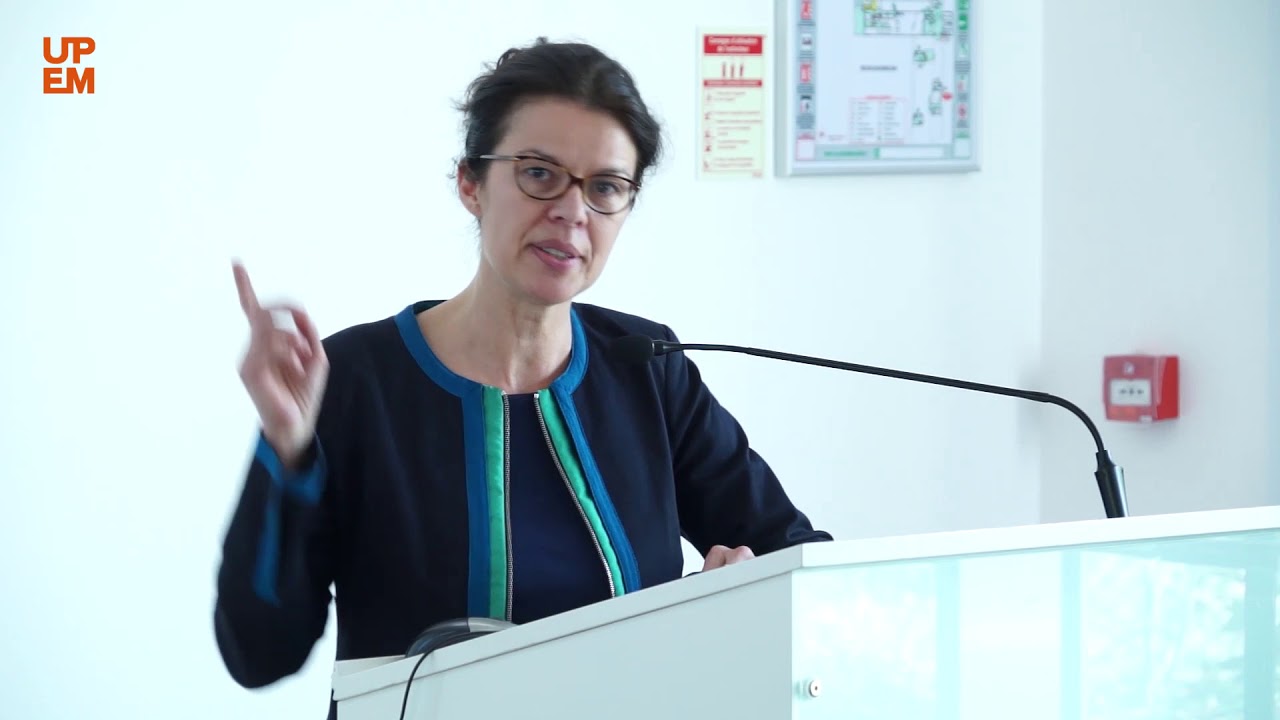
[Music] welcome to the Center for Global ethnography I'm Charlotte economic Alma one of the co-directors of the center and in this video I am talking to Professor Chrissie Hynde professor of sociology the department also that year at the University of Surrey in the UK in this interview professor Hine talks about her own research born using digital tools and on digital life and hone journey towards embarking on Lauren Laura Sutton on online life as well as offline life and she offers a lot of advice to students and anybody embarking on this kind of a such in relation to technical methods and the kind of preparation one needs to do and also the ethical issues that one needs to consider she also talks about what would it be like to think about getting digital research as an immersive experience and how would one think about immersive and research in this context so welcome Christine and I wondered whether maybe you can start off by just telling us about your research how you use digital tools and your I understand loss and really interested in digital life as well and notes like can you just tell us a little bit about how you use these tools with no graphical search or you know interview based research and you know what I mean you can sort of start a conversation from there okay so um I come from a background in science and technology studies so I'm a sociologist of Science and Technology and I started out as an ethnographer doing laboratory ethnography studying how scientists work in the laboratory um but around the mid-1990s it started to be the case that if you were working in a laboratory you couldn't avoid the computers you couldn't avoid the fact that with people were more and more starting to use databases you use online communications discussion forums were springing up where people were talking about their lab work so I I really started using digital tools in my ethnography because the participants did and gradually a lot of my work moved online so my early experiences were online with online FS nog Rafi were things like participant observation in discussion forums so you know because that's what the participants were using so I have a particular ongoing interest in how do people how do people portray their knowledge and expertise how do they make themselves convincing to one another so that's an interest from science and technology studies but it became really interesting to find out how do people do that when they're communicating online so that kind of early work on being immersed in digital communications then led to research that wasn't about science at all so I did research looking at emerging landscapes of websites and interviews with website developers to find out how they made sense out of what they were doing so there was it was a kind of I think quite an organic quite a quite a natural move into online research for me so when you ask me how have I used digital tools in my research it's kind of a difficult question to answer because the digital tools have become inherent to properly kind of studying and interacting with the people that I was that I was studying and I think that's probably true for quite a lot of us now and even more so right now although you know suddenly we and so many more people have been absolutely launched into a digital existence so I've been in a position just in the last few weeks when it's been very a kind of heartwarming to actually be able to speak to quite a lot of people who are now suddenly realizing that they have to follow their people online that they're you know that if they want to be able to interact with in research with people they have to move online I think you know that's that is it's been abrupt it's been shocking but at the same time it is a kind of our response as researchers needs to be that kind of natural response to go with people where they are so it's been really nice to be in a position to support that a little bit so I think what a lot of people also worry about doing research online is how to still achieve the kind of immersive effect that contact was such often brings with it I was really interested we can you talked about it I just went up Commission as well as interview so can you tell us a little bit about how how you found trying to create a more immersive research from all term using mainly digital not mainly but using did occur okay um so I think one of the the key things about the seeing the online space as being an ethnographic field site is this this issue of immersion and really starting to understand that moving through online space can be an ethnographic experience in itself so one analogy I would use is it's a little bit like an ethnography of landscape where we understand a landscape is both on the one hand natural and yet it's also a man-made thing and it becomes available to us through human practices so in a way you can take that experience of going into an online space as being like moving through a landscape and there there's a sensory experience to that there's an emotional experience to that you know and there are kind of many different ways in which we can think about and reflect on that experience and learn from it and if we're moving through online space you can think about the way that some kinds of actions are easy and others are difficult so things like the ready to hand tools of a search engine that shapes our experience of online space if you like it it it features the landscape so I think for me being online and thinking of being online as an ethnographic experience is about reflecting on not just what data can I collect I think that is of quite a restrictive view of it and it's not about just going to collect data it is very much about dwelling on that experience of immersion and opening up to that as a kind of as an effective experience it's how it feels it's the emotional responses how it feels when you can get a sense of somebody else being there in a space so those feelings of co-presence I think it's really important to to dwell on those as an ethnographer and think how do I feel co-present with this person what are my understanding of them and you know maybe where do we feel separate from one another as well so that helps to make it an ethnographic experience and how do you find that playing out with interviews for example what I think a lot of people immediately think of going to do now sure so I think if when it goes right a non-contact into you know a non face-to-face interview whether it's by zoom as we're doing or even by email actually when it goes well it can have that effective quality it can have that feeling of co-presence and I think it is quite possible to achieve zoom or a Skype interview or even an email interview where you feel as though you are getting that that that richness of contact and co presence that you are moving towards an understanding of the other person's point - point of view and I think it's important to remember that there's nothing perfect about face-to-face interviews you know often we have this anxiety about the loss from a face-to-face interview but I've done very many face-to-face interviews that have been imperfect uncomfortable where I felt that you know maybe what I was getting was more of a rehearsed performance than a kind of a frank exchange so I think it's important not to set the face-to-face interview up as if it was the perfect gold standard that we're now falling short of and trying to replace and I think it's also you know important to understand that for many people this is becoming a rich medium that they're actually comfortable to interact in and for some people more comfortable than they are face-to-face so we see quite a lot of reports of people being able to do research maybe in more sensitive areas where that little bit of control that the interviewee gets back in by being in their own chosen setting by being able to dial in when they feel comfortable knowing that they could always quit if they needed to that little bit of control they get can actually promote more ease with the situation and so when you use some of the movie let's say for example a chat room or some other kind of ethical consideration I mean what should we also be thinking of let me already apply the contact with certain many undertaking what do you think is really important that we still think about when we do non-contact consent processes remain really important and consent processes for an ethnographer maybe we worry when we're in observational settings maybe we don't use so many formal consent procedures repeatedly with with participants but I think when we move to interviews or when we move to this kind of very active generation of of data in an interaction with people we do need to think about consent processes and that will often mean that we will need to go through maybe a slightly more formal process before the actual interview so that we've given the participant time to understand what's going on time to understand what they're getting themselves into time to reflect and and make that a very a very clear consent we have to think about participant well-being quite carefully when we are at a distance from them because sometimes we can't judge emotional impact on people quite as well as we can face-to-face and we have to think about what will we do if somebody simply just drops out of an interview and doesn't speak to us again does that mean that they withdrew does that mean that we've created some distress in them so we have to think in a quite careful anticipate ory way about well-being we also have to think quite carefully with and for people about privacy and that comes in several different aspects including the platforms that we're using to conduct and record our interviews so we have to think quite carefully about where are those recordings being stored where are they going what kind of assurances of confidentiality can we then give to people we need to think about whether they are actually whether these people are in a secure place when they are taking part in our research we might be asking them about quite sensitive things we should think about warning people not to use their employment-related email addresses we should think about trying to manage that we don't leave a trail of who our participants were on our friends or our followers lists and so on so there's quite a lot to think about in terms of what kind of traces the data might spill out into that are not the ones we in we intended and that's really important especially when some mediums are public also how do you handle people public profiles okay so I think the fundamental principle we have to take here you know as in as in other areas research is the do no harm principle we have to think first and foremost about people's kind of ability to go about doing the things that matter to them so for example if there's a discussion forum where people are talking about sensitive and personal issues I have a duty to make sure that my research doesn't come crashing into the middle of that and and disrupt those people's you know ability to take the support that they were taking from from that setting so treading very carefully in terms of those kind of issues even though it's public on the internet people don't necessarily behave as if it's public on the Internet people's behaviors are often much more as if these are private spaces so we have to respect and be very careful about that each platform each kind of online space comes with its own terms and conditions that we have to be careful about adhering to and some of the terms and conditions online don't sit quite comfortably with what we often think we want to offer people so for example if I go and look on Twitter and I want to quote data from Twitter Twitter's terms and conditions asked me to actually when I quote the tweet to use the Twitter handle of the person who tweeted it and not to change anything about the tweet and that interestingly runs against what we want want to do a lot of the time which is not to use our research to draw it mention two specific people without their consent so there are lots of nuances to this often even if I'm if I'm looking at maybe even a discussion forum that actually is technically public I might still ask consent for pieces of data that I wanted to quote in a publication because I think you've got to attend to the you know people's reputations people's concerns and maybe go beyond the the technical fact that things may be public in in the in just in expressing that duty of care that we have for people and so can I ask you you just walk us through you know sort of one of your research projects or you search and when you use these sort of digital tools and how its shaped here are such questions and your findings I think that's something that people really want to understand the until understand how different okay so maybe most relevant might be some research that I've been doing recently about digital volunteers so I'm interested in how people make sense out of these kinds of volunteering that are done completely at a distance digitally so that might be somebody managing the social media account for a charity or it might be somebody acting as a moderator for a an online group so digital volunteering it's you know it's become increasingly a thing in recent years and I'm interested my kind of theoretical interest if you like is how people make sense of their co-workers the other people they're working with when you can't actually see them working with you so how do you understand yourself and your relationship to an organization when you're not a formal employee and you only see a certain amount of the traces of what other people are doing so are interested in understanding the experience of digital volunteers and then and there were several different aspects of the way that I did that research there was a very strong Auto ethnographic component to this I have a digital volunteering role myself and so part of part of my ethnographic study of digital volunteering is about thinking very carefully and writing field notes about my own experiences of this kind of work you know how I develop a sense of how my my co-moderator who I've in fact only met once face to face in about ten years of doing this job I think we've actually only met once face to face so thinking about how that as a form of work how that continues to make sense of or for me as a as a thing that I do what the pressures are how I can kind of judge us so the auto ethnographic is very important for me in giving me ideas about what might be going on for other people but you know it's very important to say that the auto ethnographic is not just it's not just the story about me that's not what I'm interested in producing but what it did was give me a really strong framing for a set of interviews with other digital volunteers so so that I guess there's lots of documentary collection there's lots of exploring around online forums it's lots of exploring around the various online portals for finding digital volunteers and fixing them up with their roles they've been some stakeholder interviews with the people who promote those but a really powerful thing was a series of video interviews with people that I actually I recruited them using LinkedIn because using LinkedIn you can actually search people according to their what they say about their roles and what they've done so I was able to find people who were describing themselves as digital volunteers private message them using LinkedIn credit system you can actually pay to be able to message people and had an amazing response from people who were very happy to talk about their experiences so they were video into interviews probably about one in ten maybe slightly more of the people that I approached were willing to be interviewed and it was possible then to talk through with each of them aspects of their own experience and using some of the themes that came from my auto ethnographic field notes to then explore how those mapped out for other people so that then turns it into something that's not just about me is exploring how other people make sense of themselves as workers in this in this kind of situation so practically speaking as I say recruitment because I was directly asking people who I already knew had a kind of an interest that meant that I got quite good recruitment that's not always the case if we just appeal for people online to come and take part in our studies can be very problematic but here I was very fortunate to be able to make that connection they could immediately check me out on LinkedIn which I think is really useful because people need to feel comfortable about who they're talking to so it's kind of it's a very open platform like that and yeah again so the experience of the interviews very positive in the sense that people were able to fit in the timing that suited them there in their own comfortable space and so it ended up as are quite a nice still very small because you know intentionally quite small study and very much the qualitative in depth focus but a very interesting data set to kind of explore this key set of ideas that I wanted to explore which is how do you understand yourself as a worker in these circumstances where you have such limited access to what other people are doing I mean it's one of the things you can take from what you're saying and in this moment you also have to be aware that then really everybody is living their life in these digital methods whether by phone or Skype or so on so they must be there's also a way in which now what what we do when we do research is actually also what everybody seems to be connected to each other absolutely yes I this this you know this sense that we are not just working in isolation but we are making ourselves visible to one another in this various way set of ways and which try to understand ourselves through some of these kind of traces that we can get of what other people are doing you know I think it's it's a do this interesting kind of challenge of our ages everybody's getting quite skilled at kind of understanding themselves in relation to other people through all these different traces but people aren't just kind of you know people are quite sophisticated in how they make those judgments so you know we we know to be slightly skeptical about the beautiful pictures on Instagram you know we know to be somewhat skeptical about the social media portrayals of how successful people are being at home schooling their kids it's those kind of sense in which people aren't people aren't just you know slavish ly believing everything they see everybody is performing this quite sort of nuanced kind of understanding of how to judge all the various media traces that what other people are up to and then make sense of ourselves through them so in a sentence that returns us to some of the pirelli own research questions you always had about narration representation and so on right yes I think so yes and yes so what we've got at the moment is you know we've added a new kind of set of layers to that but again I think is important too it comes back to that point that I was saying earlier about the face-to-face interview wasn't perfect and then everything else is kind of non perfect I think you know we have to keep remembering that of our understanding of one another in the face-to-face settings was always partial and always you know imperfect and faulty and you know subject to multiple readings and interpretations so you know no fundamental rift there between how things are face-to-face and how they are in multiple immediated kind of environment so dude hang on that note - do you have any advice and you've given quite a lot of advice already do you have any more advice for registrants who are now interested in using digital methods also for percentages and on people still utilize a saying but there are variety of projects I mean but what kind of suggestions will you give and for example is there also this is not the same thing as a question but it's also training that people can do as well Oh what have you also learnt through your sense Jerry trying all these you've known beforehand oh so many things I wish I'd known before let me try and pick out some maybe some specific things for for the moment okay so I think I've got one sort of one sort of set of slight ethical concerns and caveats at the moment which are that whilst sitting here very much promoting this shift to the digital in our research I think it is still really important that we keep remembering that that does silence some key voices so I think one thing to just keep in mind is that not everybody is online that there are very clear socio demographic divides between those who feel comfortable contributing online and those who don't so I think there is one strong ethical caveat which is about needing to attends to the ways in which our research might inadvertently be exacerbating that existing set of social inequality so I think it is very important that we don't simply jump online without reflection in all of our research methods and it is really important that at least some of us at least some of the time are still trying to excavate those social inequalities that leave some people out so that's that's I think an important caveat to make and I think that sort of leads slightly into my next point that I would make is that we have to be very careful to not to assume that everybody is like us and not to only rely on that technologies that we are comfortable with so one important thing as almost as a precursor or the you know is the initial getting into the field part of these ethnographic studies is trying to find out where the people that we are interested in learning about and with where they are what platforms they are comfortable with and we have to be the ones who go to them so you know it's it's no good offering people a zoom interview if really zoom is not there for everything this is not their place you know we have to move to them with our technologies with our platforms and so that does then leave you with what can be quite a messy data set you know you thought you were doing zoom interviews and then three people want to use FaceTime and somebody else wants to do an email interview I think we got to accept the messy and from that point of view we've got to follow people where they are and go what's come with what's comfortable for them so we need to get really become really good data managers we need to be really clinical about our file naming conventions our backups our storage our our field notes that link everything together you know we need to get really good at that stuff the data management the actual you know the kind of the boring nuts and bolts of the research project I think you know those are really important to get sorted and that's something that I've learned the hard way yeah that those are very very important things to know and to think about that I wouldn't have thought about I mean and do you have any follow-up suggestions for students then who have to think about this if there's something that they should be doing to prepare or you know what if you know what is as you say there are people who there's research that people are hoping to do they didn't depend on people online online lives right and so you know what should students then think about in that is it just postponed or do we I mean what do we tell our students in this second I think we have to be conscious to prepare quite carefully doing our homework for this kind of research so I think there is understandably an awful lot of anxiety around the research community at the moment just as there is everywhere else you know so these anxieties about will my fieldwork ever be possible will my will I ever be able to write my dissertation will I ever be able to do that there's an understandable a huge amount of anxiety and I think that could potentially prompt us to to rush in wear it so I would like to just caution and say that preparation really is still very important it's okay there will be something to do there will be people to interact with somehow but it's really important to do that groundwork first of trying to first of all take the time to observe to get to grips with situations to understand what kind of things are likely to be comfortable for people what kind of issues are likely to be upsetting for them and so on it's really important to do that kind of groundwork and just not to feel too rushed into diving in and I think the other aspect of groundwork is to practice this stuff to practice doing online interviews with safe known people you know if you're ever going to do an online focus group you need to try this out first before you have your precious actual participants and you're trying to feel your way through it so I think it is really important to practice with each other you know practice amongst cohorts of students and you know recruit your friends and relations to try out these things with them because they can give you the frank feedback about what's not working and and and what to improve and I think we do that with each other there's a kind of a research community and then then we'll be more more ready to to try these things out for the first time with with you know real real participants out there in the real world hang on the real world is still online it's not just the real world that's face to face thank you so much I have learnt a lot as well and thank you for being so ready to share what you know with others I think that's as you say at the end of the day right now as a research community you also need to be there for each other that's very true yeah thank you now it's been a fascinating opportunity to have this conversation with you thank you very much
Up Next
20:18
Digital Ethnography Principles | Research Methods Guide
@ChristopherMooreAU
9.2K views•2020-08-21

38:41
Astrobiology Through an Anthropological Lens: Field Insights
@georgiatechastrobiology
128 views•2021-04-14
4:45
Proxemics Explained: The Study of Personal Space
@Vox
536K views•2016-07-05
10:38
Psychology of Internet Trolling and Pranks Explained
@AzzyLand
10.7M views•2017-12-20
Related Study Plans & Knowledge Roadmaps
Structured learning paths in Anthropology
anthropology
Space Anthropology: Analogs, Culture & Habitats
01Foundations of Space Anthropology & Cosmic Imaginaries
02Extreme Isolation & Micro-Societies in Orbit
03Space Analog Habitats & Earth-Based Simulations
+ 2 more learning modules
15h5 modules
Explore Roadmap
anthropology
Legal Anthropology: Customary Law & Pluralism
01Foundations of Legal Anthropology and Social Justice
02Legal Pluralism: Coexisting Legal Systems
03Customary Law and Indigenous Dispute Resolution
+ 2 more learning modules
15h5 modules
Explore Roadmap
anthropology
Global Tourism: Gaze, Authenticity & Heritage
01Introduction to the Sociology of Tourism
02The 'Tourist Gaze' (John Urry)
03Staged Authenticity in Tourism
+ 3 more learning modules
14h6 modules
Explore Roadmap
anthropology
Modern Kinship (ART, Adoption & Chosen Family)
01Foundations of Kinship and Family
02Assisted Reproductive Technologies (ART) & Relatedness
03Transnational Adoption and Global Kinship
+ 2 more learning modules
12h5 modules
Explore Roadmap