




























Antitrust law emerged in the late 19th century as a response to industrial consolidation, with the US passing the Sherman Antitrust Act in 1890 to combat monopolies like Standard Oil, while European competition law developed later, influenced by post-WWII reconstruction and the need to prevent excessive economic concentration that had contributed to authoritarian regimes; the US focused primarily on breaking up monopolies through the rule of reason, whereas the EU emphasized preventing anti-competitive agreements and vertical restraints to facilitate market integration among member states.
Antitrust Law History: US Sherman Act to EU Competition
Added:Basic microeconomic principles of market structures, specifically the differences between perfect competition, oligopolies, and monopolies.
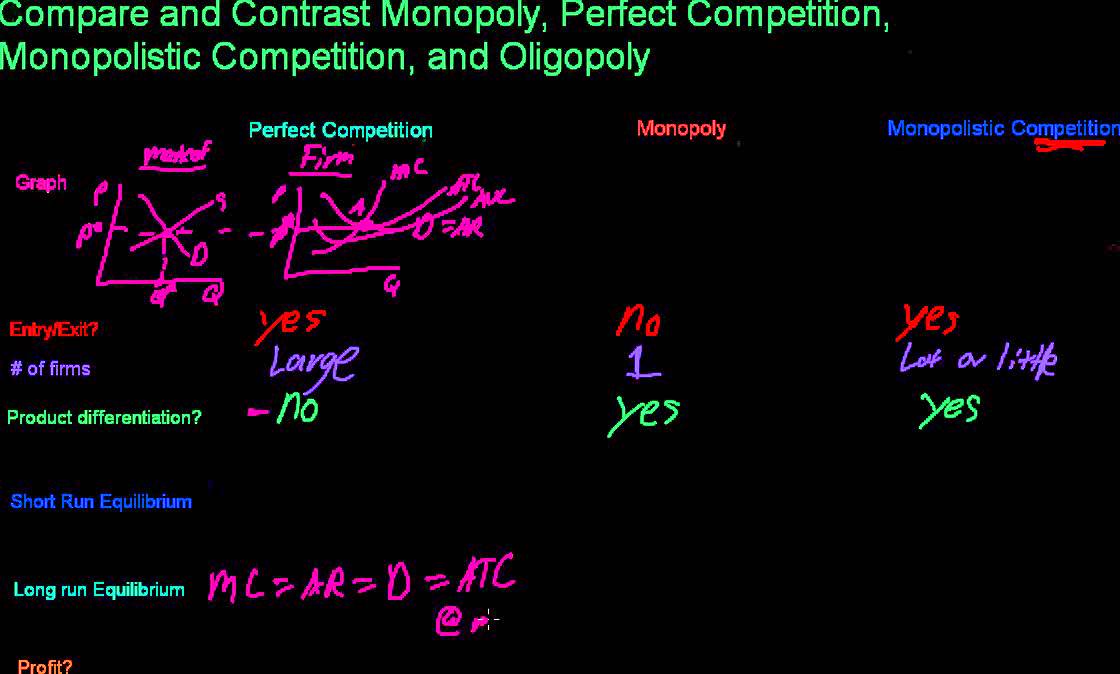
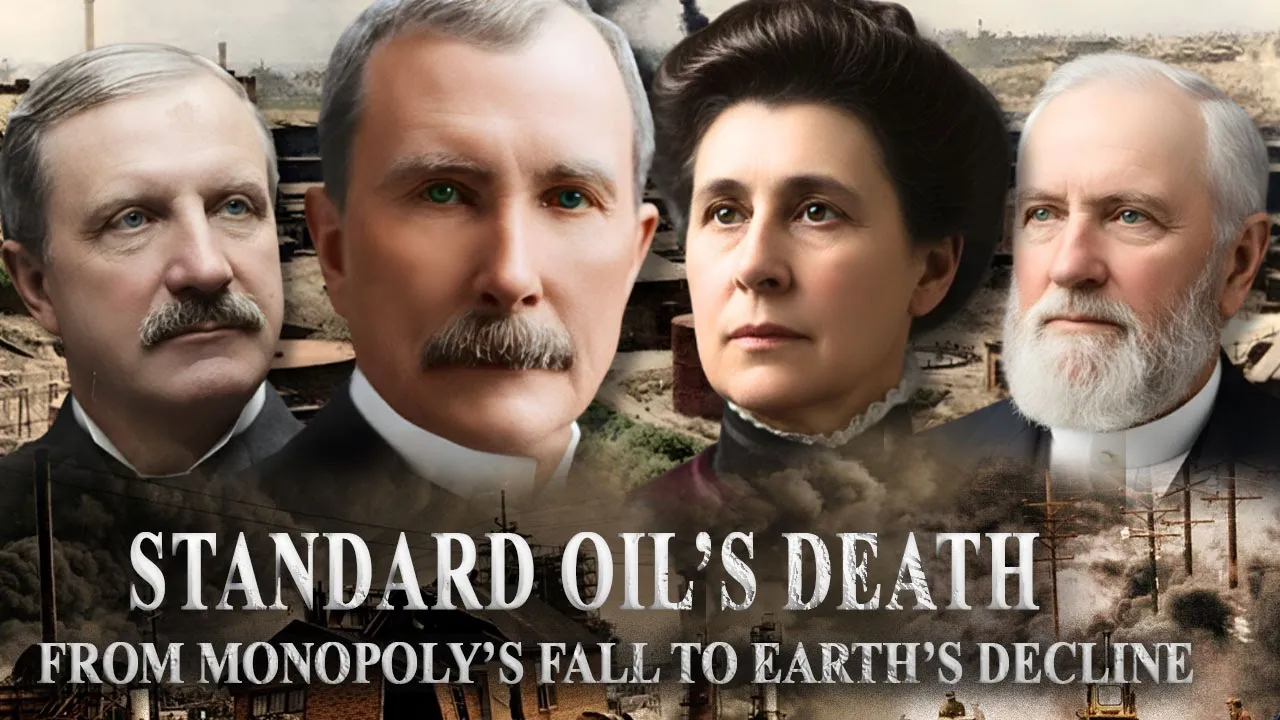
The historical context of the American Gilded Age, including the rise of industrial conglomerates, 'trusts' (such as Standard Oil), and the public backlash against them.
Fundamental concepts of government intervention in the economy versus free-market capitalism (laissez-faire).
An introductory understanding of the constitutional and legal frameworks of both the United States (federalism) and the European Union (treaty-based governance).
The 'Consumer Welfare Standard' and how economic theories from the Chicago School of Economics reshaped US antitrust enforcement starting in the late 20th century.
The legal distinction between 'Per Se' violations (like price-fixing) and the 'Rule of Reason' analytical framework in US antitrust litigation.
A comparative analysis of the divergent philosophical goals of US antitrust policy (focused on consumer prices) versus EU competition law (focused on market fairness and protecting competitors).
Contemporary antitrust enforcement in the digital era, specifically examining regulatory challenges posed by 'Big Tech' platforms regarding data monopolies and self-preferencing.
The mechanics of merger control, including how regulatory bodies like the FTC, DOJ, and European Commission review and block proposed corporate acquisitions.
34.1K views447likes14:01Original Release: 2021-01-13
[Music] today over 130 jurisdictions have antitrust laws making it one of the most widespread forms of economic regulation around the world in this video we will look back to where it all began focusing on the oldest and most influential anti-trust jurisdictions the us and the eu the u.s congress passed the sherman antitrust act in 1890 to counter the power of monopolies that had come to dominate american commerce the law was named after its main sponsor senator john sherman an ohio state republican and a younger brother of the renowned civil war general william tecumseh sherman senator sherman famously referred to monopolies as a kingly prerogative inconsistent with our form of government concern about monopolies was an old theme in the u.s after the civil war fundamental changes in transportation communications and production technology led to fast economic growth and the u.s shifted from an agrarian economy to an industrial one the rapid growth of major corporations caused fear among farmers workers and small businesses after 1880 the specific boogeyman were the giant combinations that came to be called trusts standard oil was the first to use the trust device in 1882 as a means of gathering a number of companies into a single cohesive unit controlled by one man or corporation more consolidation followed a cotton oil trust was organized in 1884 a linseed oil trust in 1885 and a lead trust whiskey trust and sugar trust followed in 1887 the actual trust device was not used for very long and after 1890 most of them reorganized themselves as holding companies incorporated in new jersey the name trust survived though and the branch of law is still known today as antitrust law john d rockefeller's standard oil remains the best known monopoly of the era nearly every household had a five gallon red can of standard oils kerosene but the founder john d rockefeller was seen as a greedy octopus wrapping its arms around american industries the u.s congress and the white house but arguably greater economic impact came from consolidation campaigns waged by the banker john pierpont morgan which resulted in creation of the u.s steel and railroad monopolies in the west and northeast jp morgan also served as one of the main forces behind at t's rise in the american telecommunications industry the public feared trusts and the time was ripe for action on july 2nd 1890 president benjamin harrison signed the sherman antitrust act into law the act was brief and its language was extremely broad under the first section of the act every contract combination in the form of trust or otherwise or conspiracy in restraint of trade was illegal the second section made it a crime to monopolize or attempt to monopolize any part of the trade or commerce among the several states infringements of the act were subject to fines of up to five thousand dollars and imprisonment of up to one year the fate of the established monopolies hung on these general words on the willingness of the federal government to sue and on the will of the federal courts to put some flesh on the bare bones of the statute it was not until president theodore roosevelt took office in 1901 that the sherman act was activated soon after taking office he confronted the two greatest monopolies of the age he started by bringing a suit in federal court against j.p morgan's merger to form a railroad monopoly the northern securities company which controlled three main railroads in the western united states in 1904 the supreme court ruled by a narrow five to four majority in favor of the roosevelt administration the court dissolved the merger between competing railroads with over 9 000 miles of parallel track and the three companies were to operate independently going forward the opinion was written by justice john marshall harlan who would become a leading judicial voice supporting early antitrust enforcement two years later president roosevelt's administration sued rockefeller's standard oil which they claimed had monopolized the oil refining market in the 1870s and managed to defend the monopoly for the next 30 years through a mixture of exclusionary cartel deals with the railroads abuse of its pipeline monopoly and predatory pricing the supreme court concluded in 1911 that standard oil was the kind of anti-competitive trust that the sherman act had been designed to take on the court famously established the rule of reason in this case and affirmed the remedy a breakup of the firm into 34 parts the enforcement campaign continued under roosevelt's successor president william howard taft a republican who pursued even more cases than roosevelt did including cases targeting u.s steel and at t woodrow wilson a democrat won the 1912 election based on economic and antitrust policies pioneered by roosevelt after wilson's victory congress proceeded to fortify the antitrust laws with a series of new statutes the clayton act of 1914 strengthened the sherman act by explicitly criminalizing particular anti-competitive practices and gave the government the power to review and restrict mergers and acquisitions that same year congress created a specialized competition and consumer protection agency named the federal trade commission and gave it powers to investigate and bring suit against any unfair methods of competition the sherman acts powers effectively awakened in the early 1900s unlike in europe the historic core of u.s antitrust law was the problem of monopoly throughout the 20th century administrations shifted between active and less active enforcers the supreme court too shifted back and forth big cases sometimes succeeded and sometimes failed but a specialized anti-trust division in the justice department more laws and a burst of private suits made anti-trust law a force to be reckoned with in the united states now let us move to the other side of the atlantic eu competition law was enacted as part of the treaty of rome in 1957 almost 70 years after the u.s sherman act but the emergence of the competition law tradition in europe can be traced back to the 19th century in countries such as germany and france at the end of the 19th century cartels were considered to be positive and stabilizing phenomena of economic life in europe germany in particular was considered the land of cartels with more than 2 100 cartels operating in the country by 1920.
further centralization was encouraged by european governments as a response to the economic crisis of the 1930s countries like france and the netherlands even enacted laws that imposed compulsory cartelization in weakened sectors most public utilities and telecommunications providers were nationalized in france and the uk and germany and italy went even further and had regulated monopolies across the entire economy by the end of the 1930s germany's entire economy was organized on the basis of monopolies and cartels leading up to the second world war hitler's rise and exercise of power were facilitated by the german republic's tolerance of monopolies in steel rubber and coal industries and most of all the ig farben-led chemicals cartel it is argued that in the 1930s the main german monopolies threw their weight behind the nazi regime when it lacked support among other key groups and that each ultimately became deeply enmeshed in the german war effort some 23 ig farben executives were later tried for war crimes at nuremberg and the company was subject to an american-style breakup after the war germany remained under military occupation among the more pressing political goals of the allies was the breaking up of economic capacities for war and preventing renewed excessive concentration of economic power based on american british and french decentralization laws of 1947 one of the conditions for a restoration of german sovereignty was the adoption of competition law in july of 1957 the german bundestag adopted the act against restraints on competition which imposed a strict ban on cartels this legislation was heavily influenced by the ordo liberal thinkers of the freiberg school of economics who believed that civil liberties and freedom of action had to be protected not just from state intervention but also from self-destructive commercial forces this school of thought had an important impact on the later development of european competition law other european countries also developed their competition regimes although they took somewhat different paths in line with their respective historic developments a european competition regime developed in parallel with the national laws in 1950 french minister of foreign affairs robert schumann proposed the creation of a european coal and steel community whose members would pool the production of coal and steel in an effort to overcome centuries of bloody conflict through peaceful cooperation the coal and steel community was established in 1951 by the treaty of paris signed by six european nations france west germany the netherlands belgium italy and luxembourg it was the first of a series of supernational european institutions that would ultimately become today's european union the strict control of cartels was insisted upon by the u.s military government as a condition of terminating their control of the german coal and steel industry as a result the treaty of paris included the first anti-trust provisions at the european level these anti-trust principles were carried over to the treaty of rome that was signed in 1957 the treaty created the european economic community and laid the formal basis for eu competition law as we know it today that is laws prohibiting anti-competitive agreements under article 85 and preventing the abuse of a dominant position under article 86 in contrast with the us the treaty negotiations focused more on cartels than on unilateral conduct in view of the then heavily cartelized european economy market integration was the most important objective in the early years of competition law the need to build an integrated common market put the early european union in a starting position quite different from that of the u.s which already had a largely integrated national economy in 1890 it was common for manufacturing companies to appoint exclusive importers and distributors for individual member states and protect them against parallel imports from other geographic regions such agreements had the effect of creating barriers to trade between member states that the rome treaty was trying to abolish as a consequence the emphasis in the early enforcement of competition law was on removal of private barriers to trade which often took the form of these types of vertical agreements between companies this policy choice was established in the famous constant and grundig case in 1966 in its judgment the european court of justice held that european commission rightly prohibited an exclusive distributor relationship between german tv and radio appliances manufacturer grundig and french distributor constant which granted absolute territorial protection to constant for the territory of france the court considered that allowing manufacturers to carve up the common market by means of territorial sales restrictions would have obstructed european integration foundational cases such as constant and grundig continental can and hoffman laroche remain largely good law today unlike the u.s supreme court the early european court judges were all on board with the strong role of competition law in the eu and this position remained constant in more than 70 years of its existence eu competition law has proven robust and stable the original targets of the law were cartels and vertical restraints and the focus shifted later to old state monopolies and merger control measured by its practical impact european competition law has been a huge success despite considerable resistance from the member states throughout its early development with its direct applicability and its unique enforcement regime at the eu level eu competition law has established itself as the heart of european union law
Up Next

70:11
US Antitrust Law Overview: Sherman & Clayton Acts Explained
@audiopedia5493
5.7K views•2014-08-26

6:55
Understanding Copyright and Fair Use in the Digital Age
@techquickie
144.1K views•2016-07-22

5:27
Forensic Phonetics: Speaker Identification in Legal Cases
@nptel-nociitm9240
539 views•2025-03-19

24:42
Police Interrogation Tactics: False Confessions & Legal Reform
@LastWeekTonight
7M views•2022-04-18
Related Study Plans & Knowledge Roadmaps
Structured learning paths in Law
law
Analyzing Mergers: Clayton Act & FTC Rules
01Introduction to Antitrust Law and Market Competition
02Corporate Mergers and Section 7 of the Clayton Act
03Defining Markets and Measuring Concentration (HHI)
+ 2 more learning modules
10h5 modules
Explore Roadmap
law
Self-Defense Law: Imminence & Castle Doctrine
01Foundations of Self-Defense Law
02Imminent Threat & Reasonable Belief
03The Principle of Proportionality
+ 3 more learning modules
12h6 modules
Explore Roadmap
law
Defamation Law: First Amendment & Actual Malice
01Introduction to civil torts and the First Amendment
02Elements of Defamation: Libel and Slander
03Public Figures vs. Private Individuals
+ 2 more learning modules
8h5 modules
Explore Roadmap
law
Hearsay Rule: Trial Evidence & Exceptions
01Introduction to Trial Evidence & Courtroom Basics
02Demystifying Hearsay: The Core Definition
03Non-Hearsay: Exclusions Under FRE 801(d)
+ 3 more learning modules
14h6 modules
Explore Roadmap