






![[ LIVELY ] Zoom sur le métier de PMO avec Frédéric !](https://i.ytimg.com/vi_webp/OsNZjoxpzLI/maxresdefault.webp)




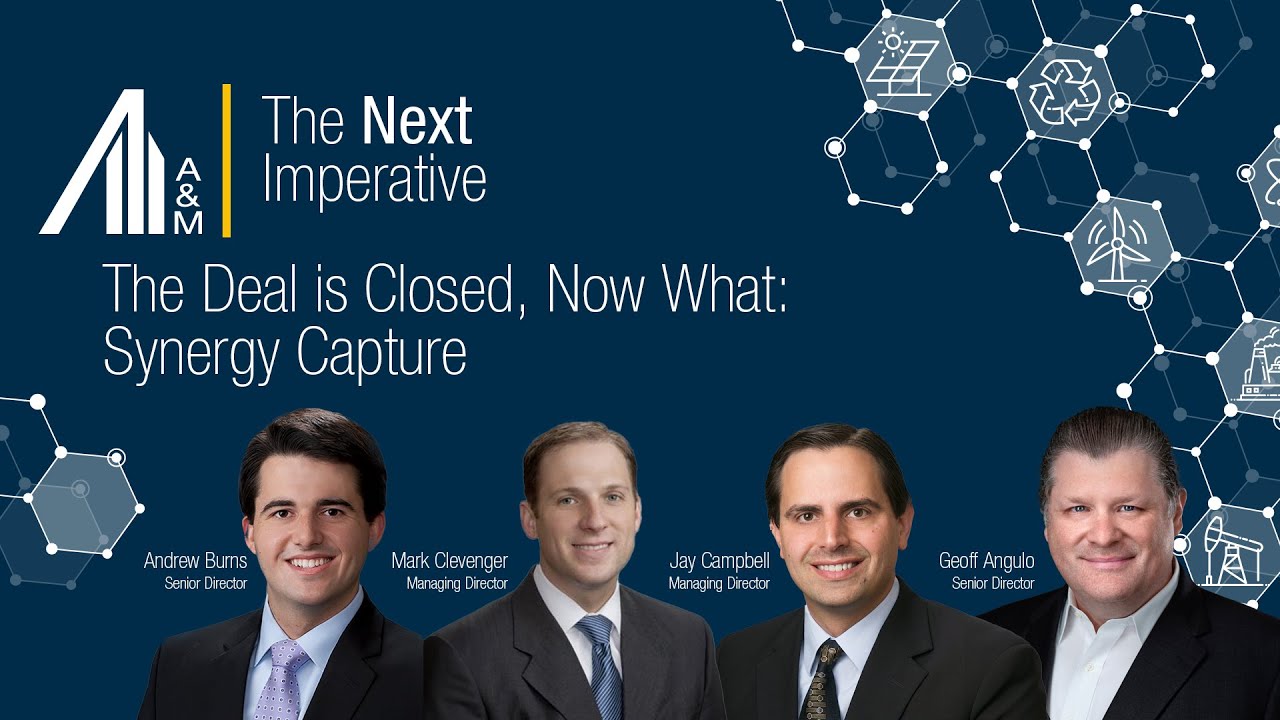




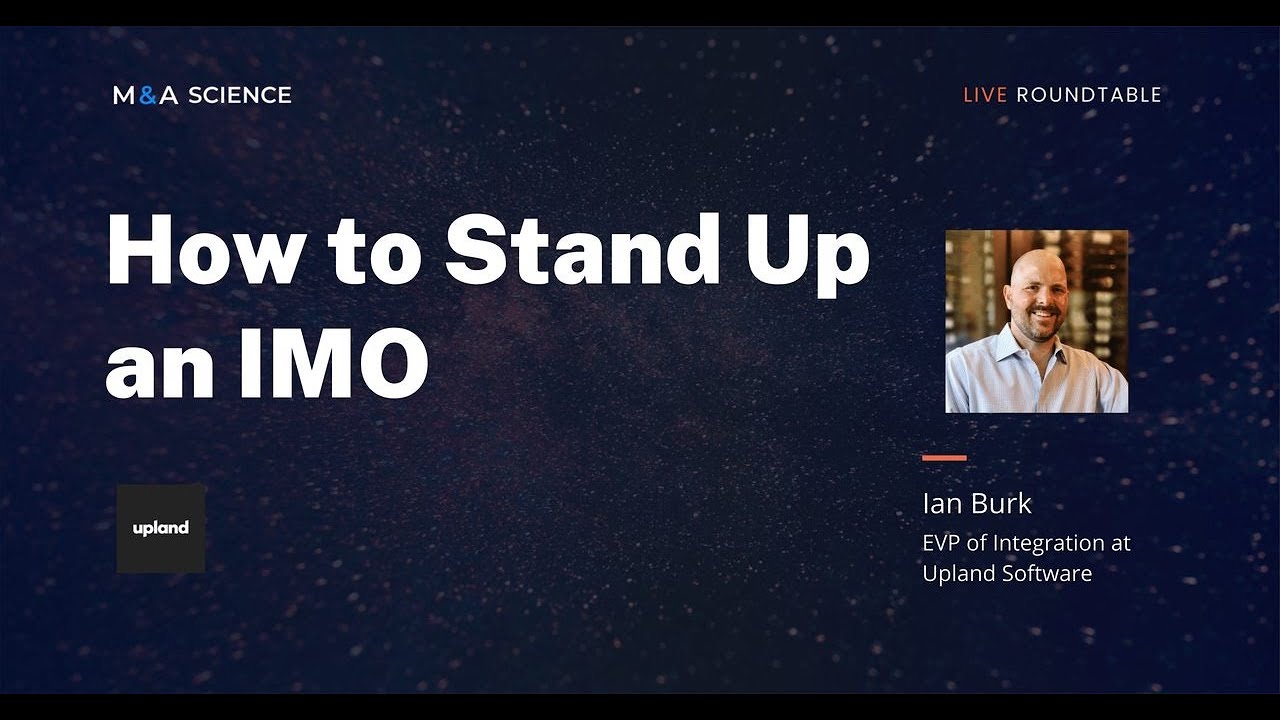

This video explains that successful M&A post-merger integration requires establishing an Integration Management Office (IMO) that operates above the acquired business to coordinate cross-functional integration activities, implementing systematic change management to help employees navigate transitions through endings, neutral zones, and new beginnings, and conducting thorough cultural assessments using frameworks like Edgar Schein's three classic elements (purpose, means, measurement) and four internal indicators (common language, group boundaries, authority relationships, reward allocation) to ensure smooth organizational integration.
M&A Post-Merger Integration: IMO, Change & Culture
Added:Understanding the basic M&A lifecycle, specifically the transition from due diligence to deal closing.
Fundamental concepts of corporate strategy, including strategic fit and the definition of cost and revenue synergies.
Basic organizational behavior concepts, particularly how corporate culture is defined and maintained within a company.
Core principles of project management, such as work breakdown structures, milestones, and the role of a Project Management Office (PMO).
Design and implementation of functional integration playbooks (e.g., IT systems migration, HR harmonization, and financial consolidation).
Establishing and tracking Key Performance Indicators (KPIs) to measure synergy realization and integration progress.
Applying advanced change management methodologies (such as Prosci's ADKAR or Kotter's 8-step model) to corporate restructuring.
Analyzing historical M&A case studies to evaluate how cultural misalignment led to integration failures or successes.
Managing the transition from temporary Integration Management Office (IMO) governance back to steady-state Business-As-Usual (BAU) operations.
1.2K views6likes13:20Original Release: 2022-01-12
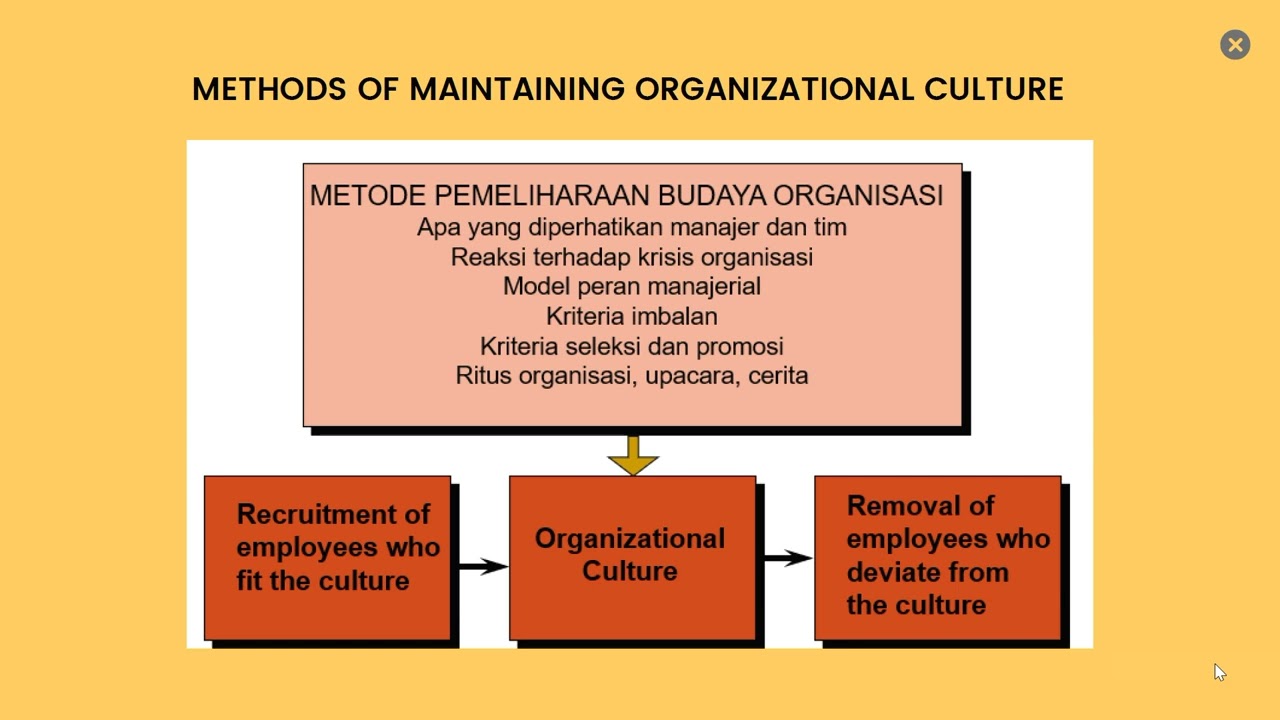
okay the next one is integration management office we talk about steering committee uh integration management office is kind of right after that now immigration management office has a strong similarity with project management office the only difference uh between the project management office and integration management office is integration happens on a business whereas project happens in a business and which is why integration management office often is at a superior level compared to a project which could be subordinated to a function or to a business unit so that's why it is important to keep that in mind sometimes of course the integration management office is embedded in a function and subordinated to function but the ones who have been doing it successfully integration management office usually sits above the acquired business so they have they have roles and responsibilities they have a certain accountability that supersedes um the the business so which is why it is important to understand what the integration management office right um and then you have the the box in the middle which has different functions because as you know in an organization if you're consolidating a full integration so where finance is combined hr is combined operations is combined legal is combined all the functions are combined so this is where you need to have teams that would come out from both um from both the acquirer as well as the company that is being acquired together so this is something that needs to be kept in mind now what you'll also see are the last three layers here change management communication customer journeys and other interdependences and special focus operations right so as you know in an organization typically the functions are vertically placed so there they are in vertical silos whereas uh these three things uh tend to cut across different functions and they are more horizontal so that's why they may be they may be looking at multiple functions at the same time like customer journeys this could involve the operations this could involve the sales and marketing this could involve hr technology etc similarly you may have an erp or it systems which could involve finance hr it teams operations teams to work together so so that's your an overview of an integration management office main activities of the integration management office is of course the administration of projects project governance and coordination they're also responsible for standards tools and templates they would uh set up the operating rigor and structures so all these tiercle meetings all the communication and updates regarding the projects setting up all the meetings with different work streams setting up meetings with the business people so all of that becomes part of the operating rigorous structure they would look at the calendar capacity and availability of management because it involves so many different people it is important to actually have an availability calendar um it also has uh capacity calendars where people can build um where the people who are involved in the project are um their availabilities are marked out etc and and again um as many people say uh the devil is in the detail of integration project and that's why small small elements like this you know where people's availability um become that much more important in integration management organization now um some of you who have worked in the corporate world would know that if you need to get eight or ten people in a meeting you know the first time when all of them are available it's likely to be two to three weeks time when you when you decide to have a meeting right so you know how busy the schedule of people are especially the more senior they are in an organization the less chances that you're going to get them early in the process so that's why it is important to have these calendars set out early enough so that people are aware of the operating rigor people are aware of the availability and they can work accordingly and the last one is progress reporting and communication whether it's going to be an email a powerpoint deck a software tool that's used to display update etc so these are all the things that are managed by an integration management office okay next one is change management in change management there is a people factor so as every organization that goes through an integration uh there's usually some sort of redundancies some sort of people move weren't that take place and that's why it is important that whether whether there are certain roles that are going to be terminated or transformed and changed that um people are helped through this transformation journey so we start with the new beginning we look at the ending and then we look at the neutral zone so which we start looking at ways by which people can be brought to the new beginning with with as as less anxiety as possible as less frustration as possible and typically as you can see from the diagram it's a combination of two major change management philosophies so the one curve in the middle of the diagram in the image is which is in black that's the kruger ross change curve and then in the background you've got the three layers the endings the neutral zone and new beginnings that's part of the willem bridges transformation transition method and the other thing of course is different people will have different change curves so just to make sure that the organization has the ability to manage the changes for different people becomes very very important as you can see from the other image that is there on on the screen here culture again very important the way most people define it is the way things work here right so that's like a very broad definition of what culture is and what i've seen over the years is people actually struggle with culture you know on two parts there are those who believe culture is fluff and then there are others who struggle uh finding a definition of what culture is so we've used number of frameworks in the past and and one of the most common ones which is based on edgar khan's um cultural organization culture after being tried to sort of give an overview of what that culture is over here right so three classic elements and then there are four additional elements first one is purpose right so this is where your mission strategy goals of an organization is defined right so now let's look at the um the company that is being acquired uh what you'll find is the company that's being acquired had a purpose right it had a mission strategy goals now um when the company has been acquired what's going to be the news mission for this particular unit for this particular organization it is entirely possible that this organization gets completely absorbed in the acquiring company but what that means is the people who are part of that organization who are now going to be part of the new um acquiring organization needs to be brought up to speed on the mission strategy and goals of the acquiring organization the second one is means and this is the structure the management system the processes right the same thing whether you're absorbing or preserving or whether you're combining consolidating the two companies you need to make sure that you make people aware of different structures different management systems and processes there are and then the third one is measurement so this is where we talk about error detection and correction system uh what is the process when there's an error in the system that takes place this could be an error an issue a challenge in an organizational operational processes this could be in support organization and what's the what's the correction mechanism is that through remedial uh systems that have put in place is that through some sort of a performance improvement of individuals or is that through rewards and retribution of a structure of an organization so these are three cultural classic elements of culture the second one is cultural internal indicators right so this is get gets into more details uh four sections here first one is common language and concepts right how to dress how to talk to your bosses uh what are the norms what are the ways of working and ways of thinking in an organization so this is where common language and concepts you know usage of acronyms for example uh in a lot of american companies or let's say uh showing respect to senior management in some of the asian companies uh are just you know all examples of common language and concepts the second one is group boundaries and identity right so these are your typically um these are informal groups where you belong to either one of the favorites of people who are in power or you're not part of that pool right so this is where these are your informal groups informal sort of clubs which are there and and when people make it to those clubs informal clubs um how do they behave versus people who are out outside of it how do they behave so this is again very important this is something which is quite often seen in larger organizations mid-sized organizations there are these power centers and there are always few people who are part of those power centers and then the rest were not so this these are essentially covered in the group boundaries and identity the third one is nature of authority and relationship so again in the organizational hierarchy how are the ranks of authority defined what's the degree of intimacy that exists between different layers a flat structure versus hierarchy consensus versus hierarchy et cetera how open and personal relationships etc right and and the fourth one is allocation of rewards and status right so is it pay increases promotions is it compensation versus titles i'm going to give you more money versus i'm going to promote you to a new position or i'm going to change your title so that it sounds um more it sounds more serious or it sounds a position with more power right so i've seen so many organizations where they have essentially taken a senior accountant and just added a manager next to their name without necessarily changing much in the content of the job but this is a way that an organization would award and reward their employees so these are the seven ones that i mentioned seven um aspects of culture by which you measure an organization a couple of things before we move to the next section when you do a cultural assessment it is extremely important that you do cultural assessment for both um the acquiring organization as as well as the acquired organization um you may not need to do a full-fledged acquiring organization but what happens is if you don't do it what you will find is the acquired organization you have defined all the you you have to find all the cultural aspects the cultural you have captured data for the cultural indicators but when you try and create a journey for them a transition for them it is it is essentially hostage to the person who is running um the transition to their thinking to their own concept of what that end state is going to be rather than the end state of the acquiring organization so it's individual interpretation hostage versus um versus the organizational thinking of the acquiring company so so that's uh one aspect the second aspect is culture is not something like an event culture is a journey so keep in mind that cultural changes take time they there are several interventions that need to be put in place there are several steps that need to be taken before cultural changes actually happen [Music] you
Up Next

103:37
Strategic Negotiation and Emotional Control: The Ethical Advantage
@brightmind023
550 views•2025-11-03
46:36
Retention Habits of Top DTC Ecommerce Brands Revealed
@SendItPodcast
44K views•2026-03-03

15:23
Decoy Effect: How Pricing Psychology Influences Consumer Spending
@bobinvestsUS
90K views•2026-01-05

17:30
The Planned Obsolescence of Light Bulbs and Tech
@veritasium
25.3M views•2021-03-26
Related Study Plans & Knowledge Roadmaps
Structured learning paths in Business
business
Pop-Up Retail: Strategy, Design & Execution
01Introduction to Pop-Up Retail & Strategic Goal Setting
02Budgeting, Site Selection, and Legal Essentials
03Experiential Retail Design & Visual Merchandising
+ 2 more learning modules
15h5 modules
Explore Roadmap
business
Reg CF: Startup Funding, Marketing & Launch
01Introduction to Equity Crowdfunding & Reg CF
02Platform Selection & Legal Preparation
03Crafting High-Converting Campaign Assets
+ 2 more learning modules
14h5 modules
Explore Roadmap
business
Productized Services: Scaling Solo Freelance
01Foundations of Productized Services
02Packaging and Scope Definition
03Pricing and Subscription Models
+ 2 more learning modules
15h5 modules
Explore Roadmap
business
Gov Procurement: Find, Bid & Win Contracts
01Introduction to Government Procurement & Business Setup
02Small Business Certifications & Set-Asides
03Finding and Analyzing Contract Opportunities
+ 2 more learning modules
14h5 modules
Explore Roadmap