




![[PS1] Medal of Honor 1999 PT-br - Encontre o Avião Abatido - [Parte1]](https://i.ytimg.com/vi/7rmCdP3SqAg/maxresdefault.jpg)






![[알릴레오 북's 22회] 수학, 과학 그리고 아름다움 / 김상욱 경희대 교수](https://i.ytimg.com/vi/NlGSbg8IM1Q/maxresdefault.jpg)



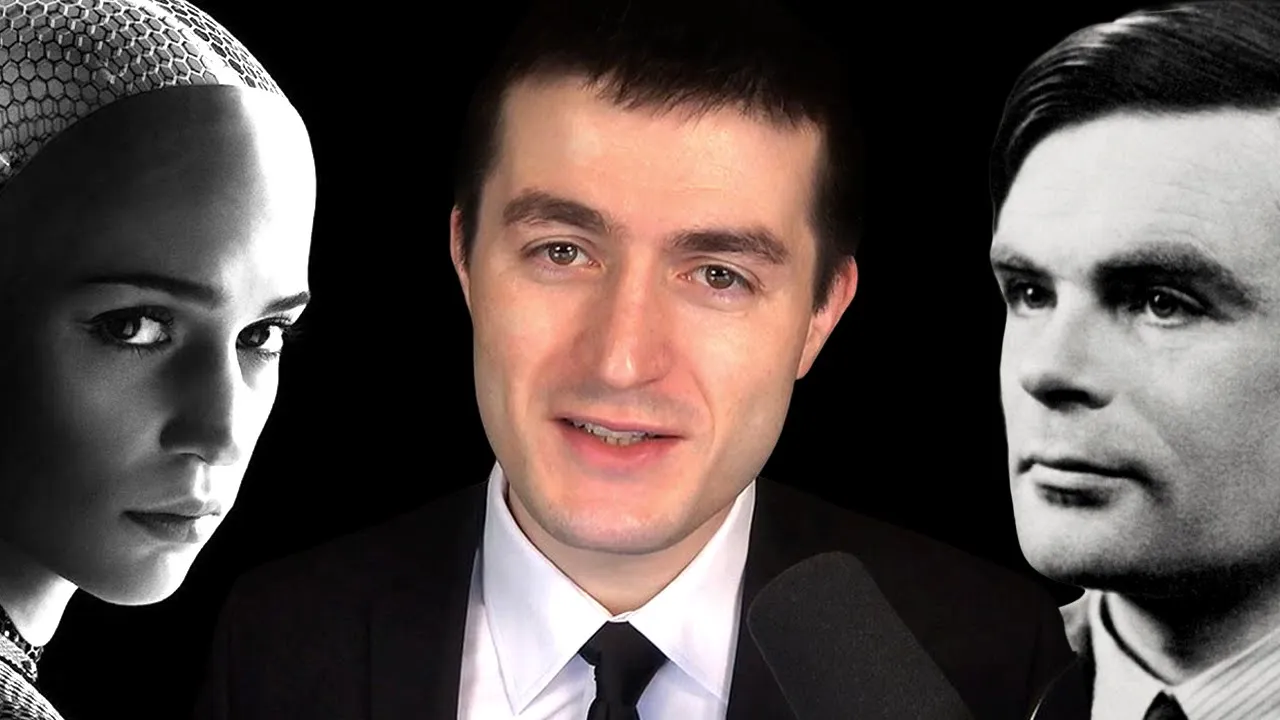


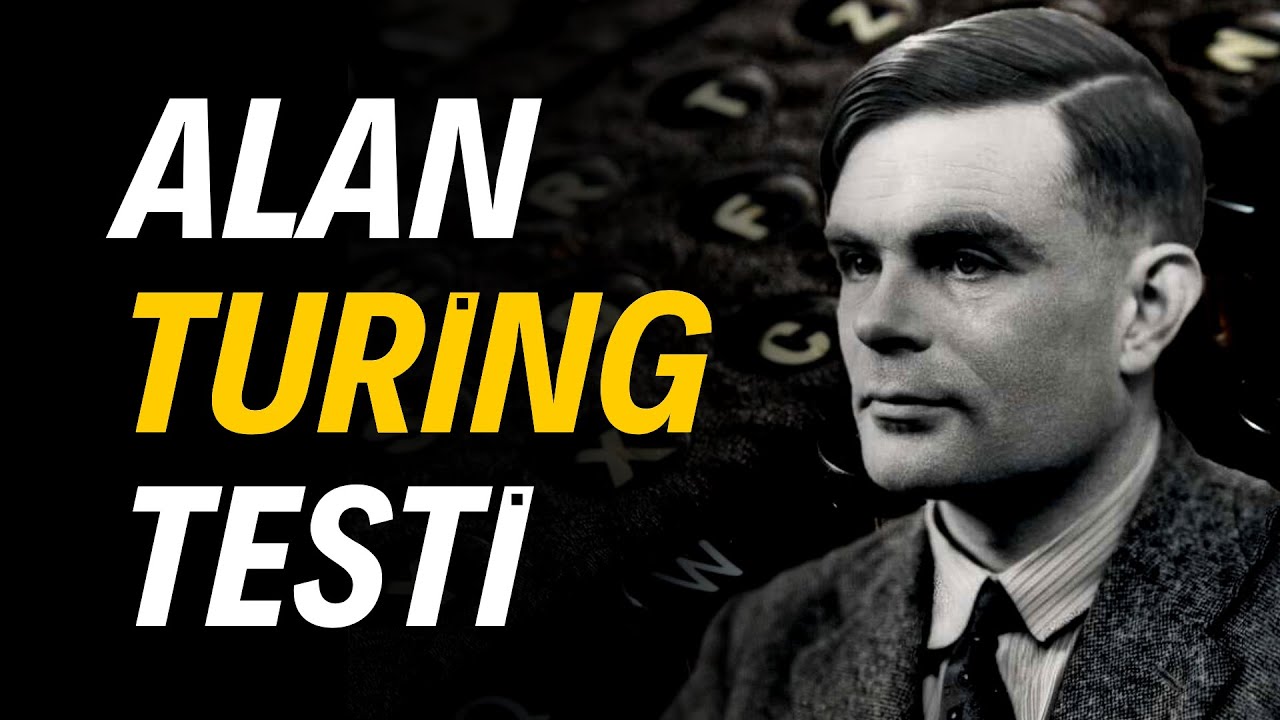



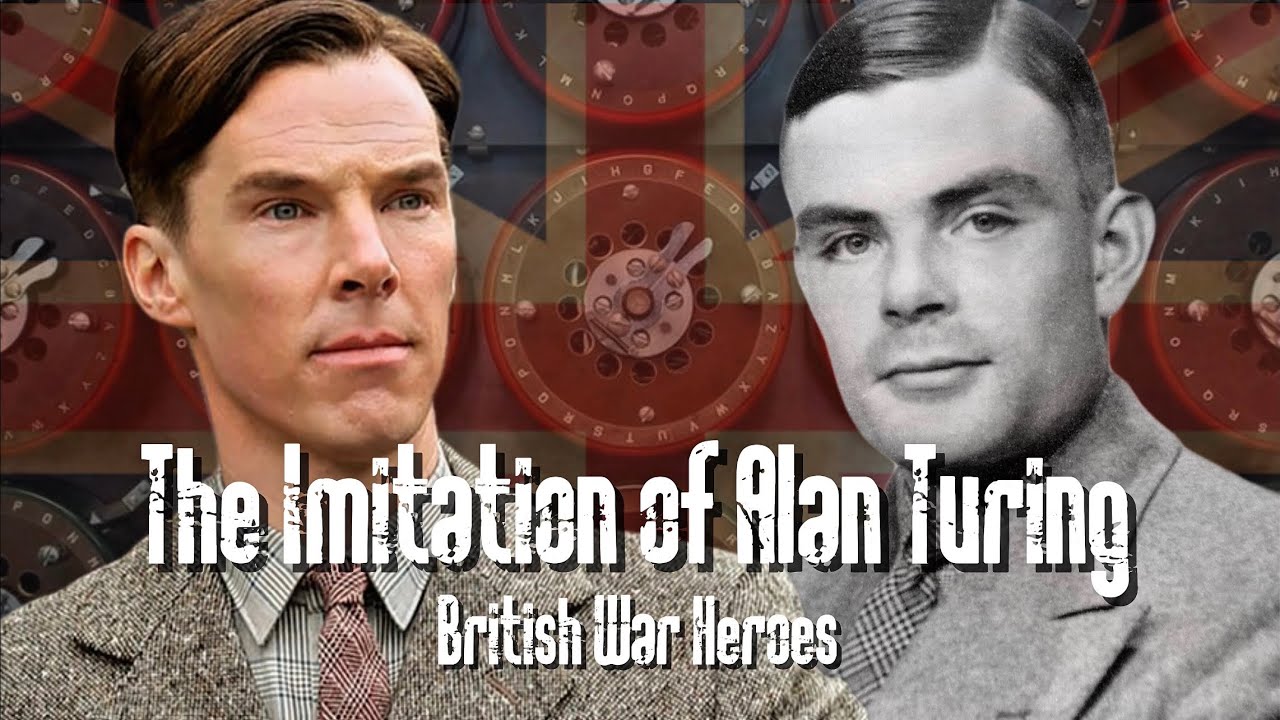
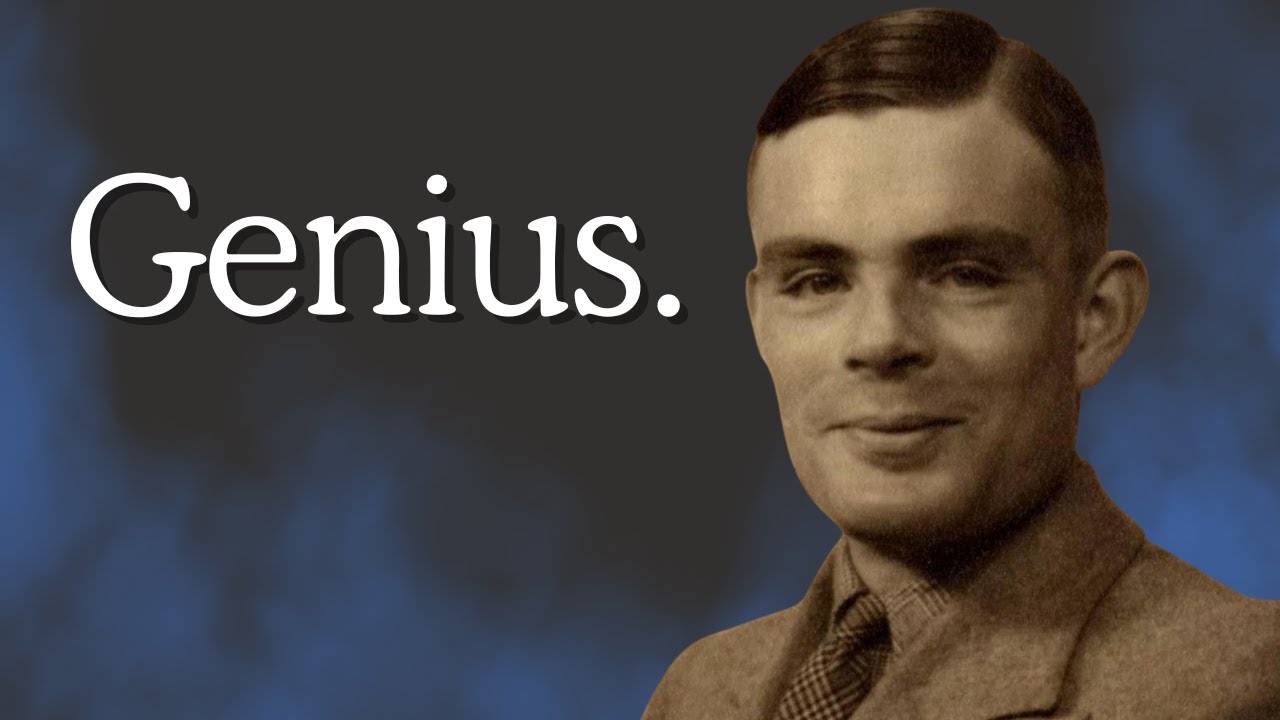

Alan Turing, a mathematician at Bletchley Park during World War II, developed the theoretical foundation for modern computers through his 'Turing Machine' concept and successfully broke the German Enigma code using the Bombe machine, which provided crucial intelligence that shortened the war by approximately two years and laid the groundwork for artificial intelligence and computer science.
Alan Turing: The Codebreaker Who Shortened WWII | Full Documentary
Added:Basic principles of cryptography, including the concepts of encryption, decryption, ciphers, and keys.
The historical context of World War II, specifically the geopolitical conflict between the Allied and Axis powers and the strategic importance of military intelligence.
The fundamental mechanism of the German Enigma machine, including its use of rotors and plugboards to scramble military communications.
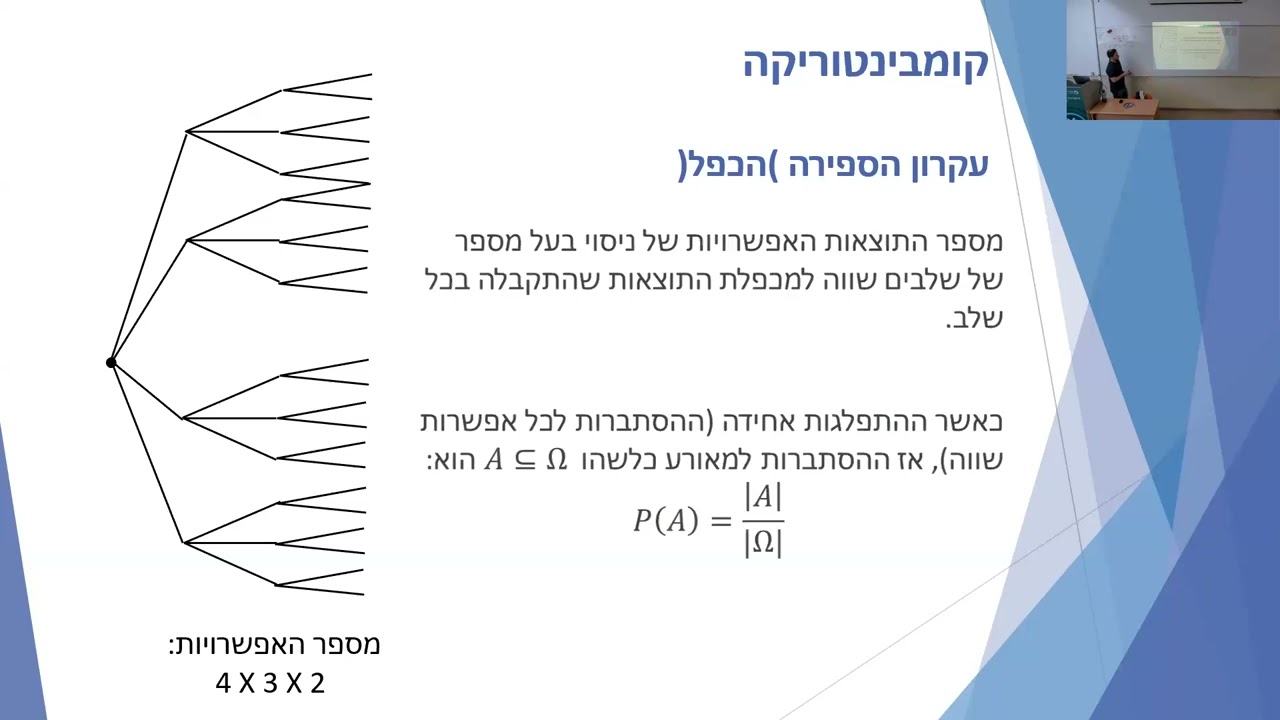
Introductory concepts in combinatorics and probability, which are essential for understanding how mathematical methods were used to narrow down code possibilities.
The concept of the Universal Turing Machine, which laid the theoretical foundation for modern programmable computer architecture.
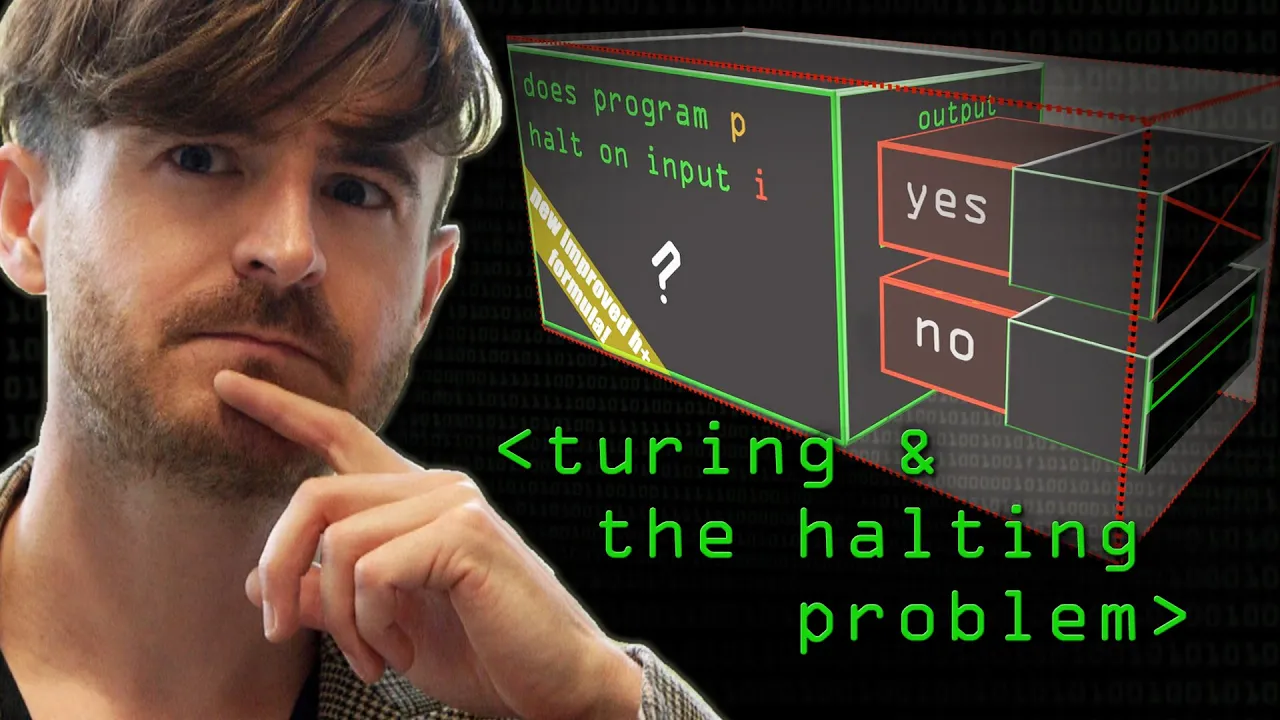
The Halting Problem and computability theory, exploring the mathematical limits of what computers can and cannot solve.
The Turing Test and the philosophical foundations of Artificial Intelligence, originating from Turing's question, 'Can machines think?'
Modern cryptography systems, such as public-key cryptography (RSA) and advanced encryption standards, which succeeded early mechanical ciphers.
The social and historical impacts of Turing's post-war life, including the consequences of the Official Secrets Act and his eventual posthumous royal pardon.
464.1K views4.8Klikes51:47Original Release: 2023-06-18
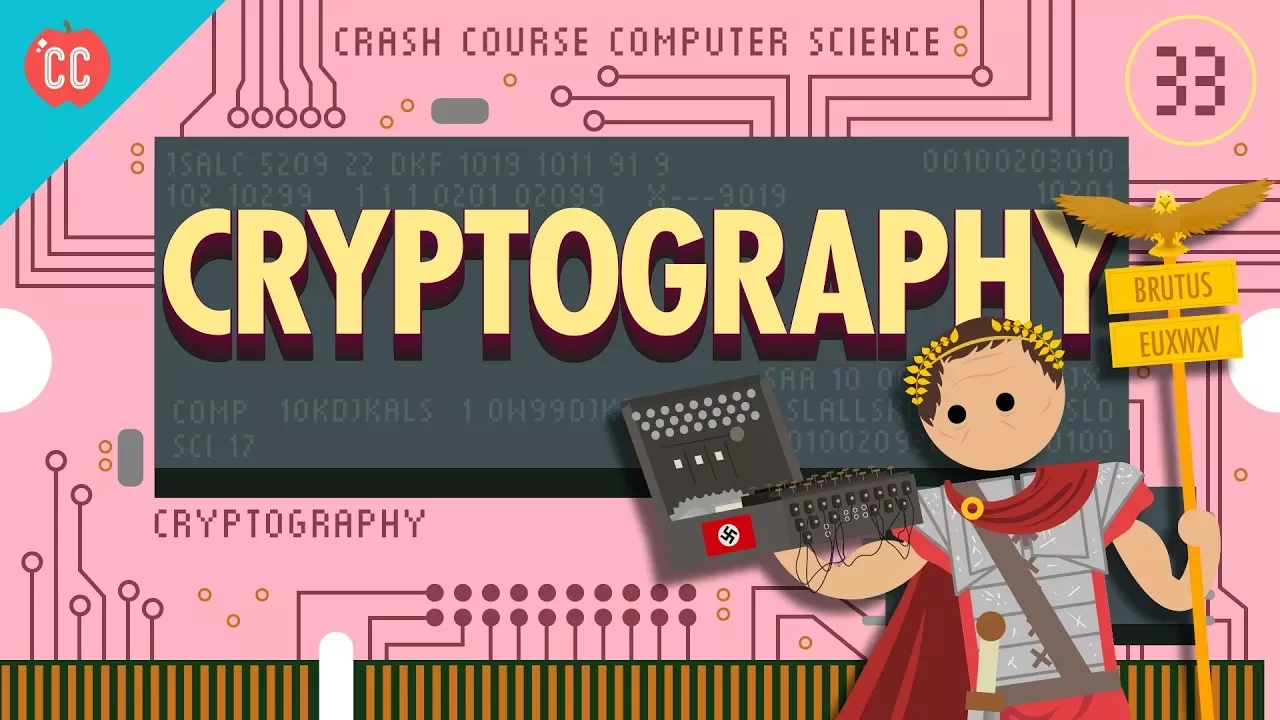
June the 6th 1944 one of the major turning points in contemporary history in one day 156 000 men and 20 000 Vehicles landed on the coast of Normandy [Music] they would change the course of the war and begin the final assault against the Nazis but in order for the picture to really be complete you would have to add to this immense Amada a brain and not just any brain a brain brimming with abstract speculations and imaginary machines in which you'd search in vain to find any strategic or military ideas the owner of this brain was called Alan Turing and here's is a strange story a paradox he was neither a general nor a strategist but rather a mathematician his domain was a very abstract branch of mathematics logic and yet according to some historians his ideas allowed us to shorten the war by two years How could a person concerned with such abstract things have impacted history so and how is it that such exploits were so poorly rewarded convicted as a homosexual Turing was subjected to chemical castration and died at age 43 under conditions that have yet to be elucidated Jack Copeland has dedicated much of his career to this extraordinary person Turing contributed to a remarkable number of diverse Fields during his life he was mathematical logician turned code breaker turned computer Pioneer turned artificial intelligence Pioneer turned mathematical biologist there are very few other scientists in the 20th century who match the span of turing's work it is all United by one overarching theme he was interested in what can be done by mechanical means so when he was studying mathematical logic he was really studying machines the strange machines imagined or inspired by Alan Turing are the basis for all computers today and they played a capital role in the victory against Nazism how then can this story be told let's begin it with a beach a beach on the Atlantic coast where without Alan Turing nothing might have happened on the morning of June the 6th 1944.
[Music] foreign [Music] due to the quantity of Naval land and Air Force is deployed D-Day was the greatest combined action of all time but before launching the troops and materials for the assault on the coast of Normandy they had to be brought across an ocean and thus the North Atlantic supply routes had to be kept opened it was from Liverpool that the Allied command led the battle of the Atlantic against the kriegs marine and particularly the U-boats the formidable German submarines [Music] this is the headquarters of commander-in-chief Western approaches in Derby house in Liverpool it is here where the battle of the Atlantic was fought on a daily and nightly basis from 1941 until the end of the battle of the Atlantic in May 1945.
the battlefield was a North Atlantic 50 million square kilometers [Music] the stakes were to keep the shipping routes open to allow Merchant ships to cross despite the German Subs people have concentrated on the 6th of June and indeed it was a considerable achievement Landing approximately a hundred thousand troops on one day in 1944 but to give you some idea by the end of that month by the end of June 1944 there were a million troops on the ground in Northwest Europe in addition to that all these troops have to carry with them sufficient ammunition fuel food and all these things all these supportive things have all got to be in position in Britain broadly speaking by the beginning of June 1944.
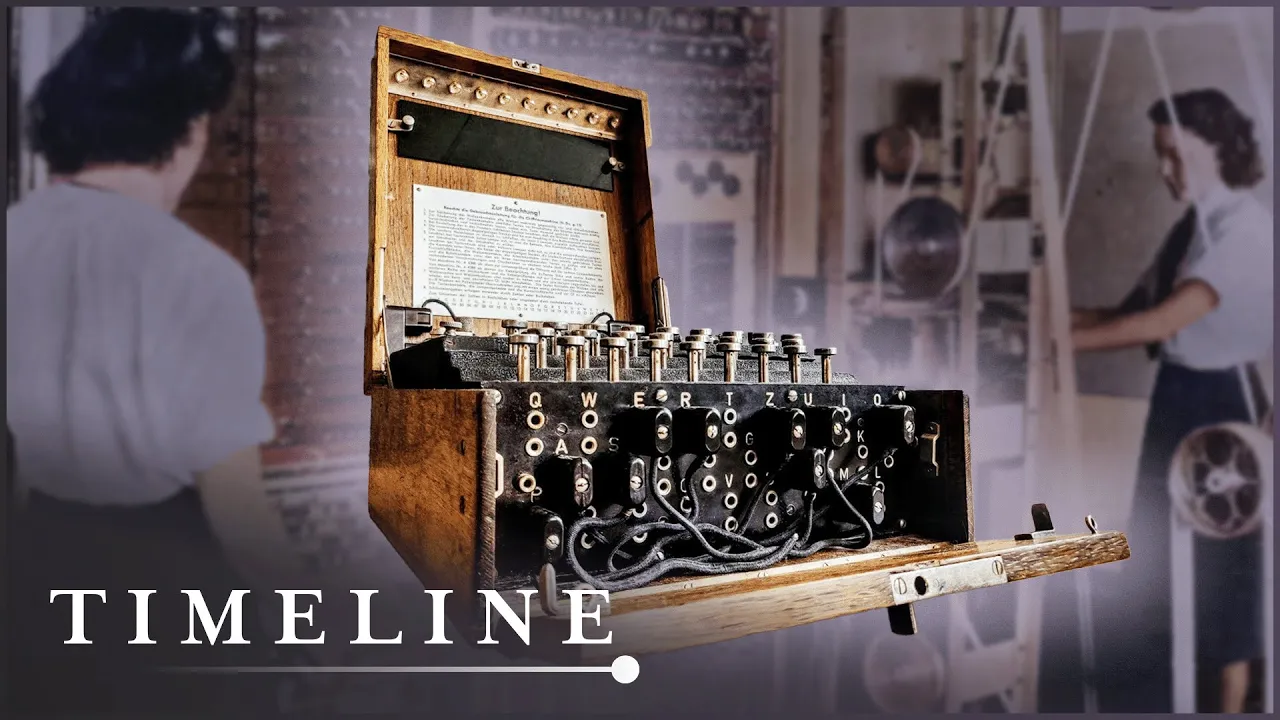
and that is where the battle of the Atlantic comes in because the only way that almost everything can come is my sea the other indispensable condition for D-Day to be a success was disinformation with Operation Fortitude the Allies would launch a vast campaign designed to pass off the operation in Normandy as a simple diversion before the real Landing more to the east in the padukali [Music] but in order to win these two battles the Atlantic and the disinformation a third would have to be one first a more abstract War the bulk of which will be played out in a small town north of London called Bletchley Another War was fought here far from the battlefields a war whose goal was to break the German and Japanese codes in this old-fashioned Victorian Mansion and these hastily constructed Huts are veritable decrypting industry would see the day one which would employ as many as 9 000 people by the end of the war Bletchley Park was the scene of the most incredible code breaking operation in the whole of human history it was the first time and possibly the last time that one side had virtually open access to the coded military Communications of the other side here at Bletchley Park the amount of detail that they achieved and the phenomenal quantity of information that they managed to extract from Germany's coded Communications coded radio communications is absolutely staggering [Music] today Bletchley Park has become a museum dedicated to the Cold War to its machines and to its Heroes you can see the traces of Alan Turing everywhere from his old office to his stuffed bear and also his statue [Music] foreign [Music] but in order to understand the central role he played in this Enterprise you must first take an interest in his ideas which in the mid-1930s were several decades ahead of the rest of the world [Music] here we are in Cambridge one of England's major university towns this is what Turin studied right here at King's College at the start of the 30s Turing was just a student here [Music] he was shy a bit awkward doubtlessly intimidated by this Temple of British education and distinction whose decor and traditions haven't changed in centuries more at ease with numbers than with his contemporaries he observed the world around him with a decidedly ironic eye think of people as pink-colored collections of sense data but as early as his high school years he was asking some fundamental questions questions he tackled never taking himself seriously I did believe it possible for a spirited death to go to a universe entirely separate from our own but I now consider that matter and spirit are so connected that this would be a contradiction in terms what is mind what is the relationship between mind and matter are they different things that can be separated and be in different places or are they in fact the same thing are the mind and the body one and the same thing is the Mind simply a machine these are questions that fascinated touring for the whole of his life in 1935 he encountered an abstract problem that would radically change the course of his life he was attending some lecturers in Saint John's College the lectures were on a problem that had recently been posed by David Hilbert Hilbert was a famous German mathematician he was really the pope of mathematics at that time and he'd recently opposed A Very fundamental very profound problem in the foundations of mathematics which was called the decision problem David Hilbert's idea was that every mathematical problem has a solution and the Holy Grail of mathematics was to discover a strictly defined method a recipe that allowed you to recognize every time a true proposition from a false proposition during worked in a way that would not at all be recommended to Young scientists neither in his time nor today he delved into the problem without reading the literature by existing logicians he attacked the problem directly by imagining and inventing his own methods he reflected while training at a sport soon to become an obsession running does there exist a recipe such as the one sought by Hilbert an infallible method would be required that could simply be applied without initiative or intelligence in fact a machine should be able to do it so Turing invented an imaginary machine composed of an infinite paper tape and a pointer that could write and array symbols it was an idea more than a physical machine one that could take on many shapes students at the ens in Leon made one out of Lego machine touring had the idea to create a machine because contrary to most mathematicians his frame of mind led him to represent abstract problems in the form of logical mechanisms which could be clocks calculating machines thought experiments no one could have imagined that this thought experiment hidden within an article on theoretical mathematics would be the basis of that which would be called computer science 30 years later in 1936 though it was not turing's discovery that made the headlines the Spanish Civil War and sluse history accelerated war was imminent and inevitable foreign and thanks to the radio Hitler's rants were heard all over Europe since the first world war the radio waves had also become a new Battlefield troop movements land aerial or Naval offensives radio waves transported orders and countermans secret information the positions of all sides using radio at any time and in Wartime exposes you to interception by an enemy one way of trying to solve this problem is to use encryption is to code up those messages foreign by well before the outbreak of war the English Coast was scattered with interception stations where hundreds of female Army auxiliaries permanently listened to the German Army's frequencies and transcribed the messages intercepted in Morse code incomprehensible messages since they were coded as far as codes are concerned the Germans had developed what they considered the Ultimate Weapon they replaced the old methods with a machine a machine named Enigma that could be configured in one thousand million million million different ways to break just one of its messages by Brute Force One of today's computers would have to run for an entire year Turing had never seen an Enigma machine but he would soon know it down to the smallest detail s so we have here an Enigma machine a rotor Cipher device the idea behind it is that when I push a letter on the keyboard this letter is encoded by another letter for example when I press the key the K lamp lights up inside the machine each rotor has internal wiring that transforms the letter entered into another a d arrives in the first rotor but an R comes out the r then becomes a u then finally a k and it is the letter K that lights up on the box it would of course be too simple a code if every time I press the letter D the K lit up so as you can see when I press the D again now another letter lights up the U each time a letter is entered into the keyboard at least one of the rotors turns to the extent that the electric circuit changes and ends on another letter to decode a message you have to know the machine's initial configuration the message receiver needed to know the rotor's starting position chosen by the transmitter when the rotors were configured in the same way he could then type the encoded message on the keyboard and receive the decoded message on the lamp board the advantage of this Enigma machine was that a message could be encrypted and decrypted with the same encoding settings that was the idea what his history has shown it turned out to be the machine's weakness in 1938 Turing was in the United States in Princeton where he was carrying out fundamental research on mathematical intuition he traveled discovered Washington [Music] New York and began to take an interest in cryptography the art of encoding and decoding in it he found a sort of hobby that gave him a rest from serious mathematics inventing secret codes [Music] one of them is pretty well impossible to decode without the key and very quick to encode I expect I could sell them to hm government for quite a substantial sum but I'm rather doubtful about the morality of such things on September the 1st 1939 the Nazi army smashed into Poland [Music] September the 4th 1939 the day after Great Britain entered the war Alan Turing was summoned to Bletchley Park where the British code breaking service was headquartered [Music] he discovered an atypical establishment where military discipline had to adapt to very peculiar recruits so at the moment we're in the library of Bletchley Park mantram and the Mansion is very much the same as it would have been when touring arrived here on the first full day of the war the atmosphere here at the beginning must have been quite strange one of the code Breakers described it as rather Prim and rather like the first day at an English Public School about 30 people had been recruited archaeologists linguists chess Champions they're even crossword fans [Music] and only two mathematicians which would suggest the British authorities still saw codes as more of a literary than a mathematical problem [Music] it's hard to imagine the sorts of people that were employed here and who thrived in The Bletchley Park environment even being employed in a secret organization in Germany here of course there were homosexuals there were Jews there were anarchists there were free thinkers and their talents combined in this Unholy ungoverned brilliant Crucible of code breaking that there was here at Bletchley Park but even in this small world of cryptologists Turin did not go unnoticed he despised social norms that he intended to sift through rationality if you wore a gas mask in the summer it was not due to a chemical alert but because he was fighting hay fever little by little the organization at Bletchley Park was set up every day operators in the intersection stations transcribed hundreds of messages unreadable messages that piled up on the cryptologist desks with little results and yet the English cryptologists had two exact replicas of the Enigma machine they'd been handed over by the Polish a few weeks before their country was invaded but actually having the machines here was not that much help in breaking them because Enigma was designed to remain secure even if it was captured by the enemy with a code a code generating machine there are kind of two separate tasks if you don't already know how it works then you need to work out how the machine is engineered how many wheels has it got how do they operate together you need to break the machine as they say and then the second part of the task is to devise code breaking methods that will enable you to read the daily messages that are sent by the German machines and that was the hard part that was where the Brilliance and the Ingenuity was needed Alan Turing would tackle the Enigma problem head-on and explore the way it operated in the tiniest detail [Music] but while the old code Breakers used graph paper and a pencil sharpener Turing was convinced that most of the reasoning produced by the human mind could be mechanized what if you needed a machine to fight a machine [Music] Gene Valentine was an operator on one of those strange machines during World War II 50 years later she returned to Bletchley Park where she works as a guide this machine invented by Alan Turing is called a bomb b-o-m-b-e it does a fantastic job searching for the settings on the rotors of the Enigma machines this is equivalent to 36 enigmas one two three four five six the same 12 in each of these Banks and three twelves are 36.
these drums they're called rotate connecting with the commutator on the back panel there are four little brushes behind every letter so let us all the way around and each of these little brushes has got nine teen filaments in it and these are connecting with commutators on the map starting in 1940 the English mass-produced bombs they enable systematic exploration of the Enigma machine's millions of possible configurations when it stops as it will from time to time there will be letters pointed out on these indicator drums and these are the possible settings we telephone this information through just to an extension number and when I was here I didn't know where we were ringing when I came here to train as a guide 15 years ago I discovered that these bits of information were going across the path a good what 10 meters though I didn't know where it was going and I'm sure they didn't know where it was coming from because here secrecy was the order of the day you didn't talk about what you were doing beyond the walls of the hut that you worked in you told nobody what your job was not even your closest relations husbands or boyfriends or fathers mothers anything you didn't you were told not to speak so we didn't the bombs were one of the best kept secrets of World War II thanks to them not just one message was decrypted from time to time tens of thousands of them were the English now had bulk access to a massive information orders to attack or Retreat combat reports troop morale and material status weather reports Naval or aerial reconnaissance results damage reports requests for reinforcement everything or close to it went through Enigma and arrived decrypted and translated on the deaths of the Allied command but in addition to the role played in the war proceedings it was the first time a machine set foot in a field hitherto the domain of human intelligence breaking codes is an activity that requires Great intelligence when human beings do it and here was a machine that was doing the work that human code Breakers did it was a machine that was performing tasks that require intelligence when human beings do them thank you if it is accepted that real brains as found in animals and in particular in men are a sort of machine it will follow that our digital computer suitably programmed will behave like a brain but in the late summer of 1940 piercing the mysteries of thought was not a priority even for touring [Music] ever since the French surrendered Great Britain stood alone against Germany [Music] in September came the Blitz [Music] the luftwaffe pounded England London Coventry Plymouth Birmingham Liverpool the major Urban centers were systematically targeted at the civilian losses were considerable thanks to the first bombs the Enigma used by the luftwaffe was decrypted and the Royal Air Force retaliated with ever-increasing efficiency [Music] but the battle suddenly changed course since Hitler could not invade Great Britain he decided to starve it in June of 1940 Carl denitz commander-in-chief of the krieg's Marine submarine Fleet visited loyal and decided to install there a gigantic submarine base as well as his Command Center his mission was to cut the shipping routes that Great Britain was entirely dependent on for its oil metal wood and food it was from this charming Seaside Villa beneath which a network of bunkers was dug that donitz would lead the decisive battle of the Atlantic Progressive the increasing number of submarines available at the front what the Germans called the Frontline U-boats will enable Donuts to implement a tactic that he conceived back in 35 when he began development of the submarine division that is to say the wolf pack tactics donets used a map of the North Atlantic divided into numbered squares [Music] each submarine established radio contact at least once a day to report its position and receive further instructions donitz could thus deploy the U-boats like pieces on a chessboard as soon as one of them spotted a convoy it reported its position to the command center which then gathered all the U-boats available for a grouped attack [Music] on the evening of October the 17th 1940 a convoy of 35 ships loaded with metal and wood was spotted by the submarine u-48 donets sent five submarines to simultaneously attack it in a single night they sank 20 ships it was the wolf pack tactic first major victory before submarines attacked in isolation so they could sink at most two to three ships at the very best five submarines though 20 ships by the end of 1940 hundreds of ships had already been sunk a more than 5 million tons lost to the bottom of the ocean [Music] this short propaganda film shows the efforts of the military authorities to warn soldiers of the deadly consequences of talking about classified information [Music] especially when they fall upon the wrong ears [Music] but propaganda was not enough the U-Boat seemed well on the way to winning the battle of the Atlantic [Applause] however the wolf pack tactic had a flaw it made extensive use of the radio cracking the code used by the U-boats would potentially allow the Allies to reverse the balance of power the problem is that there wasn't one Enigma but many enigmas the Germans used separate networks for their Communications one for the Western luftwaffe another for the Infantry on the Russian front and yet another for submarines in the Atlantic each Network had its own Keys its own procedures and sometimes its own variants of the Enigma machine the one used in U-boats known as dolphin at Bletchley Park was particularly difficult to decipher then the 25 000 kilometers when you are three thousand kilometers out in the middle of the Atlantic you don't have the capability of using a Communication cable the Navy was therefore dependent on the development of radio communication this is a very important Point that's why the Navy always tried to achieve the highest standards of security from enigma everyone at Bletchley Park seemed to think that the naval Enigma was invulnerable Alistair deniston the commander-in-chief at Bletchley Park even made this surprising statement you know the Germans don't mean you to read their stuff and I don't suppose you ever will but it was obvious to touring how important it was to break Noble and nikma and also it was a problem that that had a peculiar appeal to him because he was a lone worker and since no one else was touching novel anukma he thought this is the problem for me I can have it to myself around the manor they began to build barracks Huts in Bletchley Park jargon Turing moved into Hut 8 dedicated to the naval enigma he would spend days and nights there on his own pouring over the stacks of incomprehensible messages this is the original Hotel this is turing's office that we're sitting in at the moment Turing was head of heart out and this is where the battle of the Atlantic was won oh hidden in these strings of characters almost within reach he knew there was Vital Information that could save lives maybe change the course of the war days went by blending into one another all attempts systematically failed and then finally a night came along like no other Turing had several ideas on this particular evening that cracked open the door a bit on the naval enigma the date of that night went unrecorded but it's one of the most significant nights in the history of the Second World War it was a real double whammy from touring he he broke into the the new additional feature of the novel Enigma messages that had made them so difficult to break and that same night he invented a method called banburyismus which was used in breaking into the daily Enigma traffic if we superimpose two character strings at random the probability of getting two identical letters is for each letter one in 26.
in contrast in a German text some letters are more common than others so the probability is significantly greater 1 in 17.
it is on this basis that Turin invented a mathematical method to synchronize two encrypted texts thus multiplying the possibilities for decryption the naval Enigma no longer seemed Out Of Reach yet just a little nudge from fate was still needed in the spring of 1941 a series of German ships were captured allowing Turing and his team to complement their knowledge June a damaged German submarine was forced to surface the commander gave the order to abandon ship he and all the crew jumped overboard but the submarine Against All Odds did not sink the English immediately deployed a vessel and a crew who managed to board and seize a complete Enigma with documents including codes for several months [Music] submarines in operation left port with three months of codes so there were still codes for several weeks thanks to this new intelligence and with the help of the bombs Hut 8 would succeed in deciphering the naval Enigma on a daily basis so well that the admiralty would know the day-to-day positions of all U-boats present in the North Atlantic this information allowed the Allied convoys to slip between the concentrations of submarines during the 23 days following the first decryption no German submarines would succeed in spotting an Allied Convoy calculus calculations made after the war showed that 30 of the convoys thus 30 of the tonnage transported by convoys escaped destruction thanks to this code breaker while the battle of the Atlantic wasn't tipped in the right direction by this fact alone it was indeed a decisive factor in the battle Liberty progressively Bletchley Park went from being a workshop to a full-blown industrial unit dozens of new buildings were hastily built to house an army of typists archivists and translators it was at this moment that the war came to a critical Turning Point we interrupt this program to bring you a special news the Japanese have attacked Pearl Harbor Hawaii by air President Roosevelt has just announced [Music] in late 41 the entry of the U.S into the war quickly presented a new problem of an eventual landing on European coasts there were many possibilities along the French Coast but in any case the forward base was the UK and the U.S would then need to direct to the UK a very important influx of material and Personnel in addition to the existing flow of supplies that had begun from the start of the war debuted but as U.S troops amassed on the English Coast The Bletchley Park code Breakers were faced with a new challenge The Intercept people in Britain were very used to listening to the DAR of Morse code they knew this was Enigma and then one day in 1940 or 1941 they heard what they called a strange new music coming through their headphones it sounded completely different to Morse code it was based on two tones and it made a kind of burbling sound a high-speed burbling sound as it was transmitted [Applause] one must realize that the Enigma machine was an entirely conventional machine we could have made an enigma in 1900 at the beginning of World War II the Germans undertook the building of more modern and much more sophisticated encryption machines including the most well-known built by The Standard Electric Lorenz company and which the English code named chuni CUNY a nickname for tuna unlike dolphin and shark the code names for the naval Enigma CUNY wasn't based on Morse code but on the digital code used by teletype writers without ever having seen one the cryptographers from the research Department were able to discover the logical structure of the mysterious machine and they would soon be able to build a replica but like Enigma possessing the machine wasn't enough to break the code and by the fall of 1942 Turing was called to the rescue in just a few weeks he found a way to crack the CUNY messages a discovery that would play a major role almost immediately on the Russian front [Music] in the summer of 1943 after the German Army's defeat at Stalingrad Hitler tried to retake the initiative by moving troops and tanks towards the Russian city of Kursk much planning went into this attack and the planning the discussions between Hitler and his generals was all carried out on Tony so Bletchley Park was reading what Hitler was saying to his generals what the generals at the at the at the Russian front were saying back to Hitler and so they managed to discover practically everything about the German plans for cursed foreign promptly transmitted to Moscow enabled the Russians to Triumph in the largest tank battle in history start their Victorious Advance towards Berlin but the volume of CUNY messages was constantly increasing and turing's method which relied on the intuition of the cryptographers was manual thus too slow once again it would require a machine however the bombs were now old technology something new was needed and what Turing found this time was an engineer called Tommy flowers was a specialist in electronics an emerging Technology based on vacuum tubes or valves [Music] appliances at the time had just a few valves at most a few dozen but flowers wanted to build a machine with 2 000 of them there was a belief amongst Engineers that valves were too unreliable to be used in large numbers you could use a couple of dozen but the idea of using a couple of thousand um people believed was crazy so they said thanks but no thanks to flowers but flowers was a determined man he knew he was right so he went back to his own laboratory in North London and he quietly got on with building the all-electronic machine that he knew the code Breakers needed flowers machine was so gigantic that he had it nicknamed Colossus [Music] Turing was thrilled with its performance his dream of machine intelligence suddenly seemed much less of a dream it is customary in a talk or article on this subject to offer a grain of comfort in the form of a statement that some particularly human characteristic could never be imitated by a machine it might for instance be said that no machine could write good English or that it could not be influenced by sex appeal or smoke a pipe I cannot offer such comfort for I believe that no such bounds can be set beginning in February 1944 Colossus automatically decrypted the communications exchange at the highest level of the German general staff infiltrated at the heart of their Communications the Allies were poised to launch the biggest hoax of World War II the famous Operation Fortitude Operation Fortitude was conducted well before the D-Day Landings of June 1944 and its aim was to persuade the Germans that the landing was going to take place not in Normandy where it did but much further east than the padukala area what it did was to give the Germans the idea that that was where we were going now we were able to monitor that and to tune it to fine-tune it successfully in fortitude because we were able to intercept their strategic high-level Communications which made it clear that the deception was working and working very well [Music] What followed is well known having been narrated filmed photographed up and down and reenacted dozens of times in the cinema on the dawn of June the 6th Alan Turing heard the news at the same time as everyone else The Landing operations had begun Hitler didn't respond fully to the Normandy invasion he held his forces in reserve waiting for the Calais inversion so the Allied commanders knew that they had some breathing space at Normandy before the four German forces were flung at them and if they'd been there at the Normandy beaches to start off with the story might have gone quite differently a veteran veteran of the historian specialized in codes the decryption operations helped considerably to shorten World War II several times he went into printers saying that he thought Ultra shortened the war by two years we have to see this as being a symbolic calculation one just has to see them as being very important helping things Harry Hinsley also went on to say that one of the consequences had the war not ended in May 1945 would probably have been that the first atomic weapon would not have been dropped on Japan but on Berlin there would be no atomic bomb dropped on Berlin on May the 8th 1945 cheering crowds throughout Europe celebrated the Allied victory over Nazi Germany during no doubt deserved to be celebrated at the side of the royal family and be treated as a national hero instead he would Disappear Completely from official history [Music] [Applause] the victory was celebrated at Bletchley Park as well but neither Turing nor Tommy flowers nor anyone else could lay claim to the great progress that had been made there military secrecy was still the order of the day on the still smoking ruins covering Europe the Cold War had already begun [Music] as the German forces retreated at the end of the war they left Tony machines behind them all over Europe the Russians as they Advanced were capturing tiny machines and the Russians reconditioned these machines changed them in various ways and used them to encode their own messages so Tani transitioned the defeat of Germany and the language changed but the tiny machines just carried on Turing you too much on subjects that were too sensitive his individuality and his homosexuality set him apart and worried the authorities he wouldn't be treated as a hero rather as a Potential Threat to National Security on this day in May 45 Alan Turing had less than 10 years to live in 1945 he dropped the plans of what could have been the first modern computer if only his employers at the national Physics laboratory had considered the matter a priority [Music] in 1948 he anticipated by several decades the development of artificial intelligence and artificial neural networks work that his director would qualify as a schoolboys essay around 1950 he wrote some of the first computer programs among them the first chess program a complete waste of time According to some well-intentioned colleagues through constant practice Turing was by now a high-level marathon runner just narrowly missing selection for the first post-war Olympic Games foreign Manchester Turing would spend his last years it was here that he one day invited a young man with whom he would have an affair an affair that would end in court in March 1952 Alan Mattis and Turing was convicted of gross indecency he avoided prison only by accepting chemical castration a treatment using female hormones to reduce the libido his sense of humor remained intact though as evidenced by this account to a friend of his Misadventures [Music] half the police of North England were out searching for a supposed boyfriend of mine it was all a mayor's Nest perfect virtue and Chastity had governed all our proceedings but the poor sweeties never knew this being on probation my shining virtue was terrific and had to be if I'd so much as parked my bicycle on the wrong side of the road that might have been 12 years for me but a sense of humor and irony have their limits hormone therapy changed his body he gained weight grew breasts his State of Mind was affected by this from the beginning of his legal troubles he had sensed that he would not walk away unscathed from this one I'm not a present in a state in which I am able to concentrate well no doubt I shall emerge from it all a different man but quite who I've not found out thank you on June the 8th 1954 he was found dead in the bedroom of his Manchester home his body contained cyanide and a half eaten Apple sat on his nightstand a verdict of suicide was returned this was the starting point of a legend turing's Apple has joined those of Newton and Snow White in the Apple Hall of Fame a persistent Legend has it that the Apple logo is a Cryptid homage to the inventor of the computer you see everywhere it written that Turing committed suicide by biting into an apple that was laced with cyanide this is a myth of our time there is no real evidence for that he might have committed suicide or he might not I think we'll never know in 2013 the queen officially granted Alan Turing a royal pardon [Music] no one knows what the recipient would have thought of this very late Rehabilitation his body was cremated on the 12th of June 1954.
as for his spirit so far there's been no news and the link between thought and matter remains pretty much a mystery [Music]
Up Next

53:15
Mind Control Through Television: 1960s Social Engineering Ep. 2
@Truthunedited
163K views•2023-10-14

33:02
The Great Schism of 1054: Causes and Consequences
@SacredCathedrals
113.5K views•2026-02-19
52:18
Franco's Spain: Legacy of a Forgotten Dictatorship | History Documentary
@SLICEHistory
267.9K views•2025-05-23
17:05
Understanding the Cold War: Superpower Conflicts and the Road to Détente
@OverSimplified
46.1M views•2019-01-24
Related Study Plans & Knowledge Roadmaps
Structured learning paths in History
history
Byzantine Iconoclasm: Theology, Art & Politics
01Foundations of Byzantium and Early Christian Images
02The First Iconoclasm: Leo III and the Crisis of Images
03Empress Irene, Nicaea II, and the Second Iconoclasm
+ 2 more learning modules
9h5 modules
Explore Roadmap
history
Iranian Revolution (Causes, Events & Legacy)
01The Pahlavi Dynasty and the Roots of Discontent
02The Spark of Rebellion and the Rise of Khomeini
031979: The Fall of the Shah and the Climax of the Revolution
+ 2 more learning modules
8h5 modules
Explore Roadmap
history
Mali Empire: Mansa Musa, Trade & Timbuktu
01Foundations of the Mali Empire
02The Trans-Saharan Gold and Salt Trade
03The Reign and Pilgrimage of Mansa Musa
+ 1 more learning modules
6h4 modules
Explore Roadmap
history
1947 Partition: Politics, Borders & Legacies
01Foundations of British India and the Divide
02The Political Negotiations and the Mountbatten Plan
03Drawing the Boundary: The Radcliffe Line
+ 2 more learning modules
8h5 modules
Explore Roadmap