















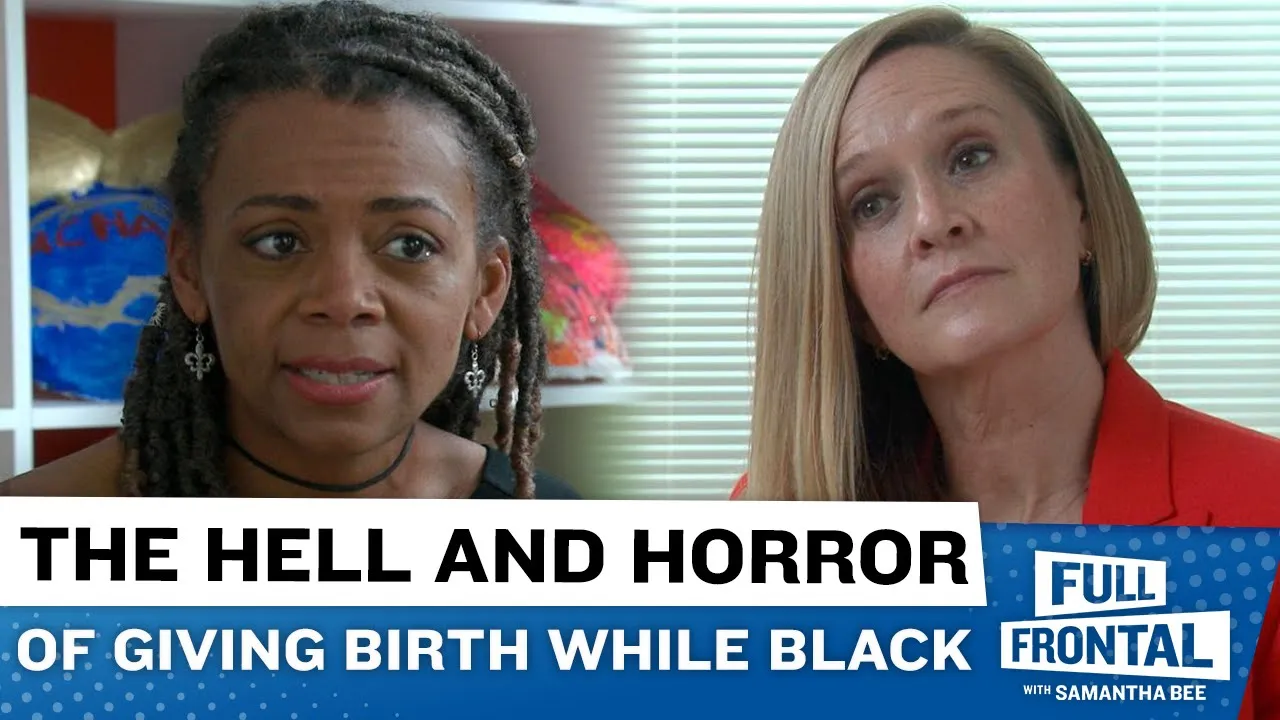


Race is a social construct, not a biological reality, yet systemic racism in healthcare creates significant health inequities where Black patients face higher mortality rates (Black mothers are 3-4 times more likely to die from pregnancy complications, and Black women with advanced degrees are still 5 times more likely to die from pregnancy-related issues), primarily due to implicit biases in medical treatment rather than inherent biological differences between races.
Racism in Healthcare: A Black Physician's Memoir on Systemic Bias
Added:Understanding the difference between interpersonal racism and systemic/structural racism.
The concept of Social Determinants of Health (SDOH) and how non-medical factors influence health outcomes.
An introductory knowledge of implicit bias and how unconscious stereotypes affect decision-making in clinical settings.
A basic historical overview of medical exploitation and neglect of marginalized groups in the United States.
Analyzing policy reform and institutional strategies aimed at achieving health equity and eliminating systemic bias in hospital systems.
Exploring the framework of 'Cultural Humility' versus 'Cultural Competency' in medical education and clinical practice.
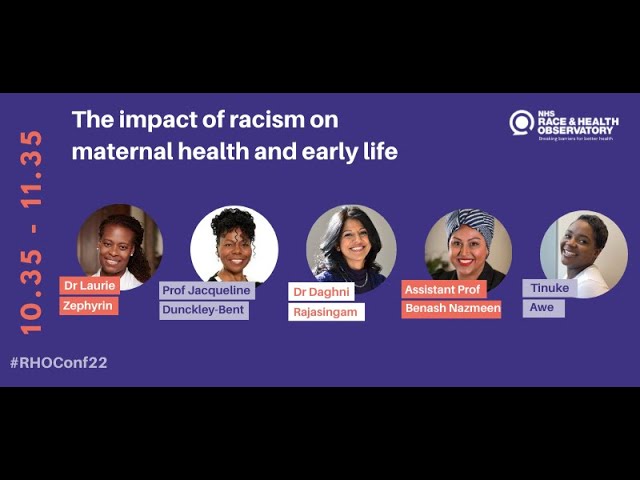
Investigating intersectionality in healthcare, specifically how race, gender, and socioeconomic status compounding maternal mortality rates.
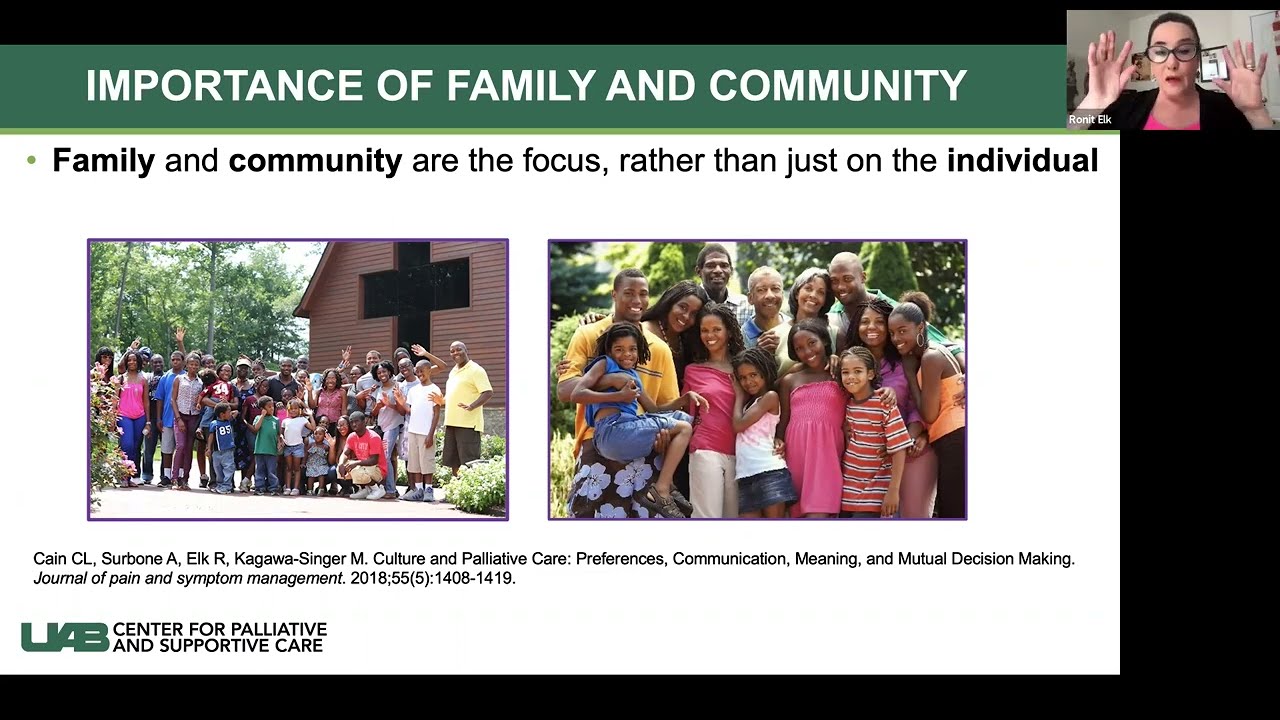
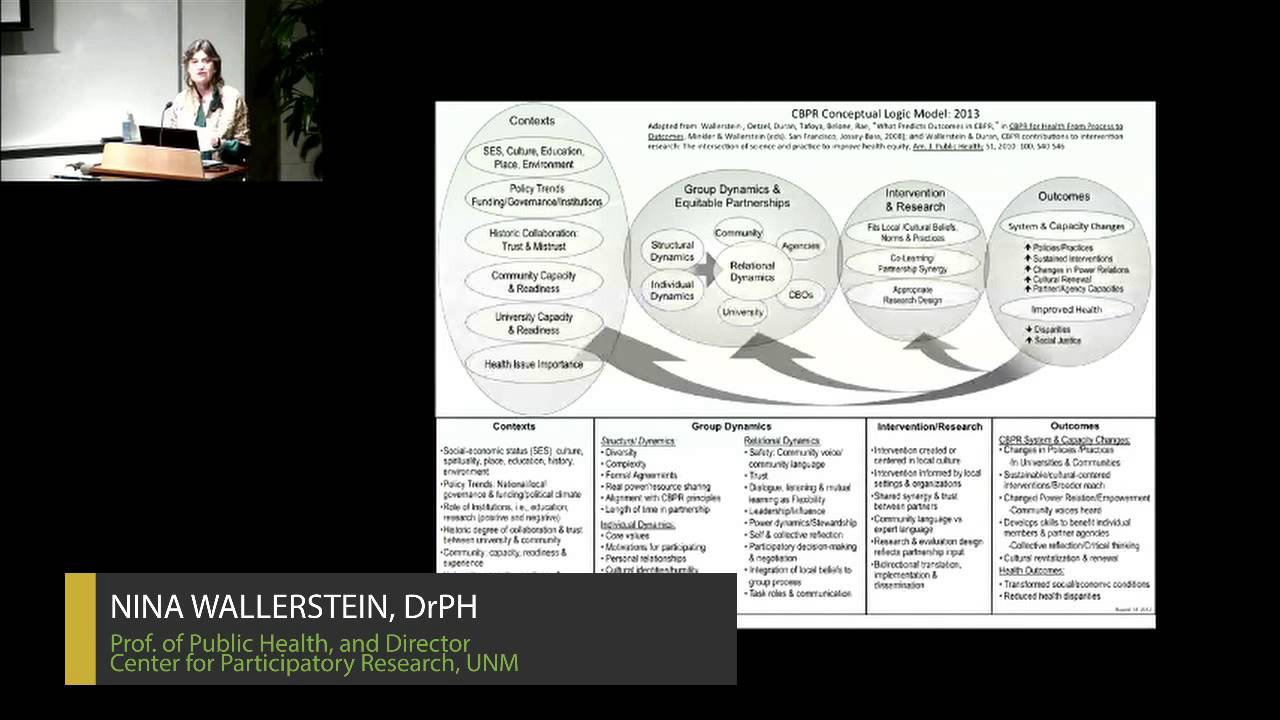
Studying Community-Based Participatory Research (CBPR) as a methodology to rebuild trust and address healthcare disparities in minority communities.
47.9K views1.9Klikes6:45Original Release: 2024-01-23
Dr USA Blackstock is on a mission to fight bias and systemic racism in healthcare Dr Blackstock graduated from Harvard Medical School in 2005 going on to become an ER doctor and professor of medicine at NYU she and her twin sister also a doctor oi Blackstock followed in the footsteps of their mother Dr Dale Blackstock who graduated from Harvard Medical scho School nearly 30 years earlier Dr usay blackstock's new Memoir is named Legacy a black physician re reckons with racism in medicine she reflects on the challenges that she faced and the Deep racial inequities in the US medical system Dr Blackstock we very happy to say joins us first on CBS mornings we are so glad to have you here I think this book should be required reading for all medical students black and white it is so good the way you take us on this journey it was jaw-dropping it was painful it was very revelatory but I want to just backtrack for a second about your mom who died before the age of 50 back in 1997 and even as we sit here today she had blood cancer you still wonder if the fact that she was black might have contributed to her death why yeah g thank you so much for having me here today I I think about it because my mother was born into poverty um you know she suffered from racism very very early in her life and she also took great care of herself she ate well she was a run she was a runner she ran every day she ate well um she was intentionally very careful about you her health and even despite all of that she died so early diagnosed at 46 died at 47 from leukemia and we know that that is consistent with the statistics that we have in this country where black people overall we have a shorter life expectancy and that's not because of anything inherently wrong with us yeah black men in particular you said have the shortest life expectancy but you're now on a mission to point some of this out can you help us understand because we've always been we've been told black people have a higher tolerance to pain um that our skin is thicker can you just set the record straight about the biological differences between blacks and white and I have to say that a lot of those beliefs are deeply rooted in the history of this country they are deeply rooted myths about the differences between black people and other people used to justify Catt slavery right used to justify Jim Crow used to justify us being treated differently from each other but the fact is is that race is a social construct right but what also is a social construct is is racism but it's the impact of racism on our lived experience every day you know how we where we live work prey that impacts our health but there are no differences between blacks black bodies and white bodies no there are no biological differences but there are differences in how we are treated and you write about how those myths are perpetuated in the medical field and you said that it was um your experience as a patient that really oped your eyes yeah you know it wasn't until I was a patient in medical school my first year of medical school where I developed really bad abdominal pain I went to the emergency room it took three er visits for me to be properly diagnosed with appendicitis wow but during those visits you know I was questioned about my my sexual activity people doubted me yes and I and I wondered like would this be have been the case if I wasn't a young black woman but it then ultimately ended in my appendix rupturing and I had complications I was out of medical school for a full month and that could have been avoided that could have been avoided so that's the the whole thing of like you know black folks when we interface with a healthc care environment often we are our complaints are dismissed or minimized or ignored but what that ultimate leads to is our harm that leads to the diagnosis being missed or delayed and even death yeah you lucky because your appendix actually ruptured and that could have been prevented but give us some concrete facts about why you say they're inequities for instance so for instance you know we talked about this you know black mothers are three to four times times more likely to die of pregnancy related complications than their white peers highly educated black and even myself with a Harvard college degree and medical school degree I'm still five times more likely to die in pregnancy or pregnancy related complications than my white peers you know black men why why be and so there are multiple reasons some because of the interactions we have in the healthcare uh settings where we're not taken seriously we're ignored and dismissed but also the weathering the this this experience that we have in this country where we are placed under chronic stress dealing with everyday racism that actually prematurely ages our bodies you talk about that you say you call it weathering uh and so the question then becomes why are there still these inequities and these gaps in the medical field and and we I want to read a statement here from Harvard Medical School because they congratulated you on your book and they say this Dr blackstock's recounting of some of her own personal educational and health experiences reminds us that much more remains to be done in the medical profession as we Physicians and Educators work to achieve diversity and Equity goals in service of our patients and in service of society as a whole but why are these gaps still there why are there doctors who are still treating patients who still have some of these ideas in their mind Gil just mentioned because like medicine or like every other discipline or social institution in our country medicine is De has is deeply embedded with racism and we have to be very intentional about undoing it so what that looks like is making sure in the classrooms that we're addressing this history right but we're also preparing future doctors to be able to care for diverse patient populations that they are addressing these biases that are internalized by messaging that we have all around us that black people you know are less human or or can't feel pain as much that manifests itself in how health professionals interact with patients and we see that ultimately in the poor health outcome you see it also maternal mortality in this country black women especially yes yeah I mean and the beauty of the book is you do a call to action you address black parents white parents the medical institutions the government right uh you really do give a very we don't have time to get into it but you give a very specific call to action based on your experiences because we this is something that can be solved and can be changed oh oh absolutely and we know that it is absolutely unacceptable and that everyone has a role in making a difference so that black people can live healthy full lives in this country right thank you very much Dr even the title of the book Legacy your mom's Legacy and then the Legacy yeah they come from good St so see what he did what he did there did thank you Dr usay Black stock we thank you Legacy is on sale now wherever you like to buy your books
Up Next
53:20
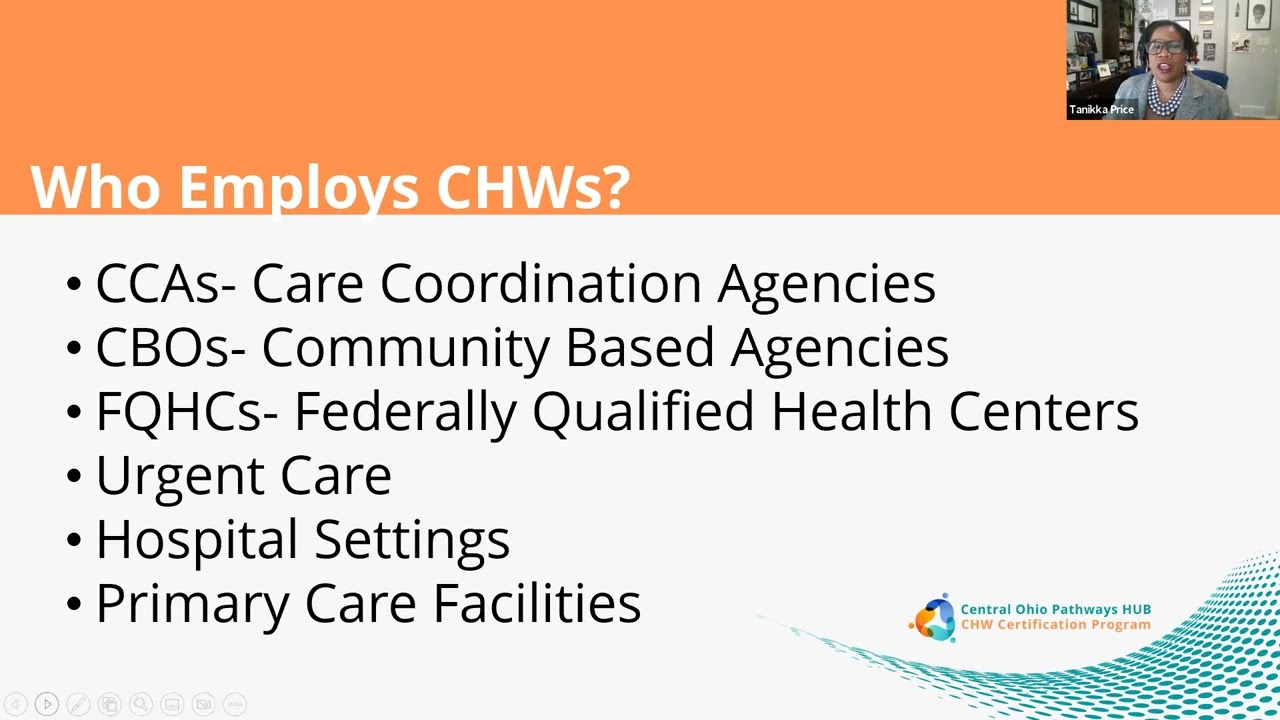
Community Health Workers: Key to Addressing Health Disparities
@HealthProfessionsWeek
103 views•2023-03-24

48:47
Graphic Medicine: Comics for Collaborative Healthcare Communication
@nationalpatientadvocate
189 views•2023-12-04

10:28
Neuroanatomy: Central and Peripheral Nervous System Divisions Explained
@AKLECTURES
136.2K views•2014-09-20
3:05
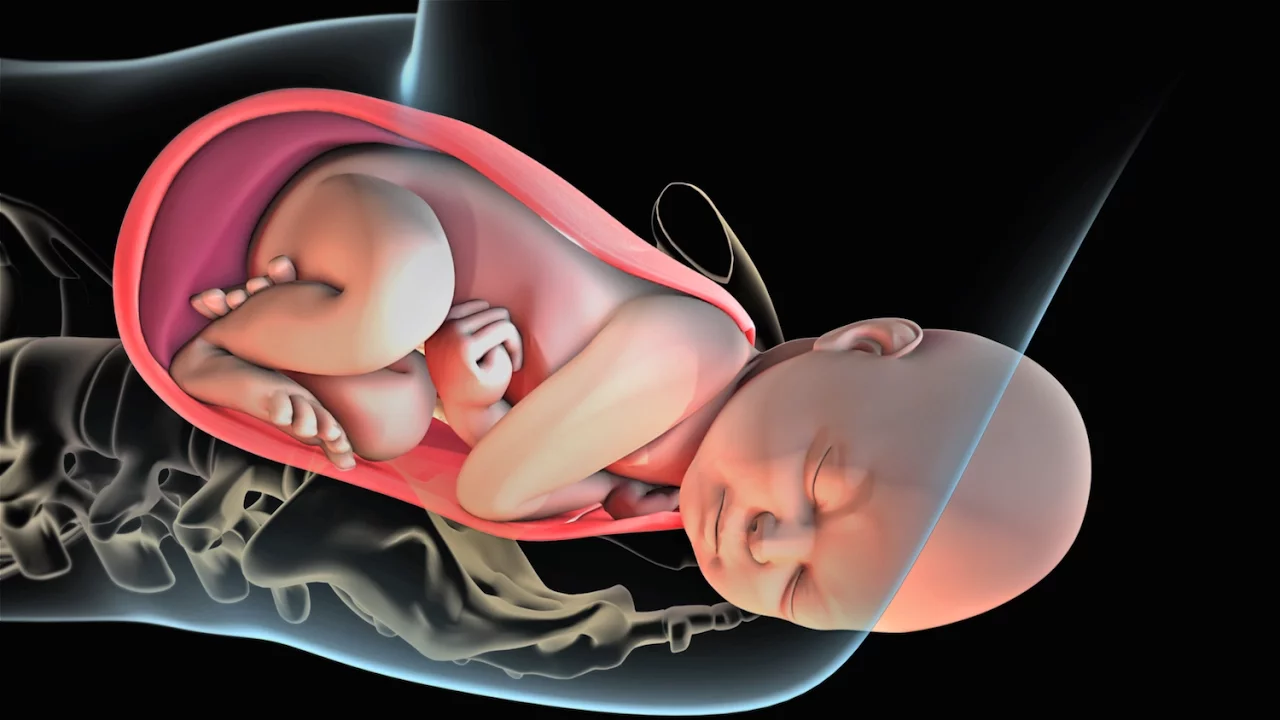
Stages of Labor and Vaginal Birth | Childbirth Animation
@nucleusmedicalmedia
52.1M views•2017-08-18
Related Study Plans & Knowledge Roadmaps
Structured learning paths in Medicine
medicine
Abnormal LFTs: Diagnostic Workup & Pathology
01Liver Anatomy and Basic Physiology
02Introduction to Liver Function Tests (LFTs)
03Hepatocellular vs. Cholestatic Patterns
+ 3 more learning modules
12h6 modules
Explore Roadmap
medicine
Analyzing Blood Smears: RBC, WBC & Platelets
01Introduction to Blood Components & Smear Preparation
02Normal Morphology of Blood Cells
03Erythrocyte Pathologies & Morphological Variants
+ 2 more learning modules
12h5 modules
Explore Roadmap
medicine
Mechanical Ventilation: Waveforms & Alarms
01Anatomy and Physiology of Breathing
02Introduction to Mechanical Ventilation & Core Modes
03Ventilator Settings and Waveform Interpretation
+ 2 more learning modules
12h5 modules
Explore Roadmap
medicine
Neuro Exam: Localization & Stroke Syndromes
01Foundations of Neuroanatomy and Vascular Supply
02The Neurological Examination: Step-by-Step
03Principles of Neurological Localization
+ 3 more learning modules
18h6 modules
Explore Roadmap