
















Community Health Workers (CHWs) are trusted community members who bridge gaps between healthcare systems and underserved populations by providing culturally competent navigation, connecting clients to essential resources, and addressing social determinants of health; despite facing challenges such as low wages, limited recognition, and inconsistent funding, CHWs play a vital role in reducing health disparities and achieving health equity through their boots-on-the-ground approach that integrates seamlessly into the healthcare continuum from hospital discharge through ongoing care management.
Community Health Workers: Key to Addressing Health Disparities
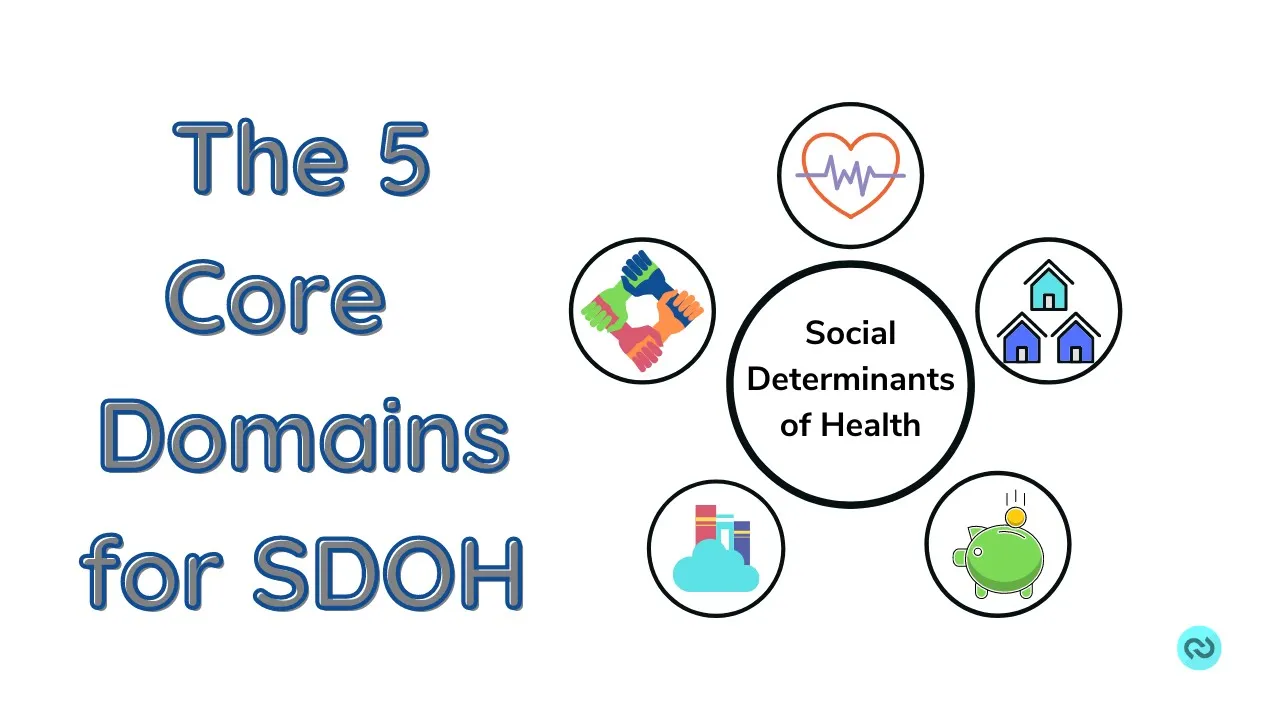
Added:Understanding the Social Determinants of Health (SDOH), including how socioeconomic status, education, physical environment, and social support networks affect health outcomes.
Distinguishing between health disparities (preventable differences in health burdens) and health equity (the pursuit of the highest level of health for all people, removing systemic barriers).
Familiarity with the common barriers to healthcare access, such as systemic racism, cultural and linguistic differences, lack of transportation, and trust deficits in underserved populations.
Basic knowledge of how community-based public health initiatives differ from traditional clinical care delivery models.
Analyzing policy and sustainable funding models for Community Health Worker (CHW) programs, including Medicaid reimbursement pathways and federal public health grants.
Designing and implementing training curricula for CHWs that emphasize cultural humility, advocacy, and navigation of social service systems.
Evaluating the impact of CHW interventions using both quantitative metrics (e.g., emergency department diversion, management of chronic conditions) and qualitative metrics (e.g., patient trust and agency).
Exploring methods for successfully integrating CHWs into interdisciplinary clinical care teams alongside physicians, nurses, and social workers.
103 views1likes53:20Original Release: 2023-03-24
welcome everybody thank you for being here we'll give everybody just a few more minutes before we get started all right well thank you for being here um we're gonna get started with community health workers the key to addressing Health disparities and achieving Health Equity today is Thursday March 23rd and as like I said before a welcome and thank you for joining us um this is being recorded and feel free to keep your cameras off or turn your cameras on um you will need to be to get permission to be unmuted so I'll be speaking today I'm Tanika price um I'm the chief education and Equity officer for health impact Ohio and the central Ohio Pathways Hub I also oversee the central Ohio Pathways Hub chw certification program so I'm just really happy to be here talking about chws which are such an integral part of our work yes if anybody has any questions please just drop them in the chat and we will get to them as we go so our health impact Ohio's mission is to improve social drivers of Health Health Equity access and quality in all communities through Community engagement and partnership multi-stakeholder training and coaching data collection and integration and strategy development and deployment our vision is we believe in Optimal Health outcomes for all individuals in every community so today what we're going to go through we've already done welcome and introductions I'm going to talk about the role of a community health worker how chws work in the community and then end with chw testimonial so this is me 2011 in the beginning and I like to call myself the No Boundaries No Limit chw Soldier I became a chw because I had a chw when I was pregnant with my twins Makai and Kira they were born at 26 weeks and six days two pounds and three ounces during this time I had a community health worker visit me in my home along with the nurse and they helped me to plan for if I did go into pre-term labor which I didn't think I would who would go grocery shopping who would take my other kids to school and how we would get through those months should I be hospitalized sure enough at 21 weeks at a doctor's appointment I found out that I was in labor I didn't feel anything but I was getting a transvaginal ultrasound and found out that I was in labor I went on complete bed rest in Mount Carmel West where I remained for five weeks until the Twins were born now having gone through that I wanted nothing more than to give back to the community the same way that someone had given to me I had a law degree but I have been unable to pass the bar exam at this time and so I decided to call the supervisor of the program that I was in it was called caring for two at Columbus Public Health and I decided to call Grace Coliseum and ask her if I could work for her she told me that I could be an Outreach coordinator or Outreach worker but she could only pay me 11 an hour so I started my job at cph as an Outreach coordinator and I was determined to meet every mom's need in every way possible I didn't have any boundaries I didn't have any limits I was a 24 7 chw and as you might already be thinking in your head I soon burned out so I found myself in the hospital for 10 days diagnosed with nothing but exhaustion because I was trying to be all things for all people including the five children that I had at the time and that's impossible to do if you're not taking care of yourself so this is where I started to learn about chw as a career I started to learn how the importance of chw self-care how vital that was to chws because most people go into the chw career wanting to be helpers wanting to give back wanting to see people who look like them who were in situations they were in and make sure that they have everything that they need and guess what that can lead to burnout so I started to supervise chws and built this community health worker program that I'm going to talk about tonight so what is a chw what is a community health worker well a community health worker is an individual known in the hub as a care coordinator and we'll talk about what the Hub is shortly who lives works or worships in the community that they serve chws are employed at care coordination agency ccas as well as various medical and social service providers chws are experts at connecting their clients with quality care and services to address the health risks that affect their lives as they reside in at-risk communities by making connections that link individuals with the resources and services which specifically meet their needs they help to address their clients social determinants or social drivers of Health what are some of the role of chws chws are trained in healthcare competencies such as basic anatomy and physiology CPR radio pulse knowing when to call 9-1-1 and knowing documentation methods they're also trained in Community Resources such as identifying and referring to local resources your WIC um your your car seats your your pack and play okay your food pantries also they're trained in communication skills interpersonal communication as well as written communication non-verbal communication and health literacy and also individual and Community advocacy they learn how to advocate for themselves by exercising self-care they learn how to advocate for others by recognizing diversity and advocating for underserved populations they learn about health education such as lifestyle choices impact on health the um identification of addiction in oral health and first aid and then finally service skills such as safety basic office skills time management and conflict resolution I wanted to share this because in 2018 um there was a study done across Ohio for all chws and here's some of the findings ninety percent of the chws that work in Ohio connect clients to Community Resources 89 educate clients about how to use Health and Social Services 86 motivate clients to obtain care and other services 75 provide information so clients understand how to prevent or how to manage health conditions and then another 75 percent conduct home visits to provide education assessments and social support so this is the bulk of the community health workers workload everything from connecting clients to Community Resources to conducting home visits to provide education assessment and social support who employs chw or chws are employed by care coordination agencies community-based organizations federally qualified Health Centers urgent cares Hospital settings and Primary Care Facilities chw's work here's the top 10 settings where chws work 79.4 work in the client's home that's where they interact with the client 59.6 out of agency location 53.9 community events 31.9 community health centers 31.2 percent shelters 31.2 percent hospitals 31.5 public housing units 26.2 percent at school 22 at private clinics or medical practices and 21.3 percent at the client's work site okay so this is where um chw spend the majority of their time we're still trying to make the case for hospitals we do have chw's employed in hospitals but I think what has been difficult for people to see is how chw works with a larger Healthcare team so this is basically to show that we have individuals who start at home and then they go to primary care where they may or may not be sent to a hospital when a chw interacts with a client at the hospital helping them with key transition tasks such as assessing post-discharge needs assisting with discharge planning including making appointments and medication and patient education they help them transition to home through community-based services such as Transportation Meals on Wheels or home support and then while they're at home they help them with key tasks such as confirming scheduled appointments reassessing Transportation needs confirming that their medication has been obtained and that they're adhering to them educate medication regimens identifying and Reporting concerning symptoms reviewing patient instructions and confirming health insurance all those things help to keep the client from going immediately back to the hospital okay and then they're able to return to Primary Care where chws are able to provide up-to-date contact information help to reschedule appointments and inform nurses about patient concerns and symptoms so this helps keep people from going straight back to the emergency room and helps them go through a Continuum of Care that is more beneficial to the entire Health Care system when chws were asked and interviewed they reported a high job satisfaction employers when they were asked to interview report that chws are valuable members of the health care team the average salary range in Ohio and in 2018 was between 30 and 35 000.
it was noted that there's no significant difference between the pay of certified chws versus the pay of non-certified chws and we'll talk about certification in just a minute many chws did report feeling underpaid most chws are supervised by a nurse or a social worker 20.1 percent of employers surveyed do not provide any specific training towards the supervision of chws that's a gap only 29.5 of employers surveyed employed I'm sorry provide training on how to integrate chws into the healthcare team some of the challenges that came up when interviewing chws and supervisors are it's difficult to find and maintain employment as a chw in Ohio some positions require a bachelor's degree why you only need a GED or a high school diploma to get a chw certification life experience has not always counted by hiring managers so there's there's really not a way to put down life experience on a resume there's little job security due to the nature of grant funding so a lot of these positions are Grant funded there are high case loads for chws and sometimes unrealistic expectations about what they are expected to do in the workplace and then there's some employers or supervisors who do not adequately understand the roles of the chw and unfortunately for some chws there are few or no advancement opportunities funding for chw saw we want chws to make a living wage so the national estimate for community health workers puts their mean wage estimates around 22 dollars an hour or 47 780 a year you see here that what is needed for them to have a living wage is somewhere around sixty one thousand and ten dollars and of course this is a national estimate so it's going to be higher or lower depending on where you are examples for where we go to for funding for chws a lot of chws are funded by grants so again those chws who are funded from Grants report job insecurity and limitations in their scope based on the priorities of the grants the grants may just be targeting pregnant moms or they just may be targeting the elderly or they just may be targeting uh people with asthma okay so there's limitations in the practice based on the grant also insurance reimbursement is reported to be received by 37 percent of those employers surveyed and out of those 51 are Medicaid 49 are managed Medicaid managed care which includes our Pathways Hub contracts 24 is Private health insurance 14 is Medicare and six percent are State children's health insurance programs the Ohio Department of Medicaid allows managed care plans to have the flexibility to use any provider that they deem necessary to advance population Health outcomes so most employers from managed care plans feel that their funding mechanisms for chws are sustainable here we have a map of the entire nation and what it shows are the different reimbursement mechanisms for different states so we'll start with the purple these are states that reimburse for chw services through its Medicaid programs and that's 15 states in the green you have Medicaid does not directly reimburse chws for service but mcls do reimburse for services or higher chws directly that's 10 States including Ohio and then an lime yellow is these states do not reimburse for chw services through Medicaid programs and unfortunately that Still Remains 27 States and then we have Minnesota for which um this information was not available here's another map of our country and this shows the level of chws per state so the Deep green have the most with between 1600 and 7750 chws next is a lighter shade of green with between 610 and 1500 chws next there's army green between 370 and 550 and then the lightest green is 90 to 350 chws so as you can see in Ohio we're doing really well as far as the number of chws go and this was as far as um as far back as May 2021.
now let's talk about what we do as far as our state for certification in Ohio the Ohio Board of Nursing issues and renews chw certificate certificates as authorized by House Bill 95 which was enacted in 2003 the certifications are to be renewed by annually training programs must be approved by the Board of Nursing and include at least 100 hours of classroom instruction and 130 hours of clinical instruction including a standard training exam certification needed in order to perform tasks dedicated by a nurse so there are some approved tasks that can be performed by a chw but they need to be supervised by an RN the standard minimum curriculum for community health workers shall include courses content and expected outcomes relative to the defined roles of the community health workers in the six areas that we already spoke about Health Care Community Resources communication skills individual and Community advocacy health education and service skills and responsibilities the standard minimum curriculum for community health workers show also educate students on needs throughout the span of a lifetime including the family during childbearing years the family during pregnancy the newborn infant and young child adolescents and special health care and social needs of Target populations such as grandparents raising grandchildren adults caring for aging parents and children and adults with disabilities and our curriculum covers all of that and then some every two years a chw needs to show that they have 15 continuing 15 hours of continuing education and again that recertification is done by the Ohio Board of Nursing so as I said the Ohio Board of Nursing issues and renews chw certificates biannually in order to be certified individuals must be at least 18 years of old of age have a high school diploma complete the chw training program and pass a criminal background check chws must be supervised by a health professional and are restricted from performing Services requiring a professional license so they cannot handle tasks that should be done by RN or a doctor or a social worker per Ohio Administrative Code rule 4723-26-05 all Ohio Board of Nursing certified chws are required to renew their certification in March of every odd year a certified chw's first renewal only requires the chw to confirm during that renewal process that is their first renewing renewal afterwards certified chws are required to obtain 15 contact hours through educational activities that meet the continuing education requirements so why certify I already told you in a previous slide that there's no monetary incentive to certify because most chws get paid the same amount whether they have a certification or not here are the top three attitudes of certified and non-certified chws about certification and this was again in the 2018 Community Health worker Statewide assessment conducted by the Ohio Department of Health and Ohio College of Medicine government Resource Center 76.5 percent of people felt certification better equipped them to serve the community 63.4 percent thought that certification gave value to the profession and 52.1 percent thought that certification increases the respect from the community these are all reasons why we started a certification program and we maintain a certification program on the other hand what does chw say were barriers to certification and these are some things that are certification program has tried to address number one training programs are too long number two training programs are too costly there's not enough affordable continuing education opportunities and the certification does not make a difference in terms of pay number three the location of training programs are not accessible for all chws and there's not enough accessible continuing education opportunities number four the process of certification renewal is not clear enough and some chws in Ohio are not even aware that certification exist and then finally number five background checks prohibit some chws from Ever Getting certified we've tried to address some of these so our training program is 12 weeks we meet three times a week for two hours at a time we've tried to break that long period of training down into something that is more palatable we also try to help connect chws to Affordable or free continuing education opportunities I'm happy to say that since covet there are a lot more continuing education opportunities available online and there are a lot more that are available for free we have started during covet so of course our initial trainings were online but we found that we were able to reach a larger a larger audience people who would not have been able to come in in our sessions because of child care because of Transportation or because they live too far from Franklin County so we've actually been able to make this more accessible for a lot of people in the entire state of Ohio because we are a virtual program we try to make the process of certification renewal clear we email all of our pla past graduates to tell them details about how to renew their certification we send them the link along with if anybody's ever not able to pay we are able to um pay for them we can't do anything about the background checks that do prohibit some chws from getting certified but we let all of our students know regardless of whether they get their certification from the Board of Nursing they are still able to take our class and be certified through us from our training program so our mission at our chw certification program is to educate and Empower community health workers to be competent and valued members of the Health Care system and the Greater Community our vision is to create a trusting learning environment that prepares community health workers to use their knowledge and life experiences to improve health outcomes provide Health Equity and eliminate Health disparities in the community our chw certification training started in July 2020 when we got our approval from the Ohio Board of Nursing and since August 2020 we've had four cohorts that have been certified by us and gone on to get their certification from the Board of Nursing we are currently teaching the largest class which is 43 students and we have a huge mix in this class we have high school students we got a grant from ode the Ohio Department of Education to be able to provide the chw certification training to high school students and we have welcomed them into our class where they are value members of our class and and absolutely participate we have individuals who are currently working as chw so the largest number of our students are currently working at chws however they have never had the time to get their chw certification we allow them to use their own job where they're working as a chw as a practical placement and we were the first in central Ohio to do that I'm also excited because last cohort we graduated one individual with a PhD and we've welcomed another individual in this cohort that has a PHD they both wanted to get chw certification training so that they're able to be boots on the ground and serve their community in a different capacity our chw certification program is offering each spring and fall as I said before it is virtual so we do meet over a virtual platform it allows for the Practical placement at the CCA where they are employed we meet 12 weeks three hours a day three two hours a day sorry three days a week and then upon completion we assist with their application to the Ohio Board of Nursing we do pay for that initial application during our course students also get CPR training first aid training in Mental Health America First Aid training requirements for the Ohio Board of Nursing again are just high school diploma or GED 18 years of age or older and being able to pass an FBI background check our course description is students are introduced to Community Health Concepts resources and skills of a community health worker they are introduced to the role and responsibilities necessary to become a community health worker our curriculum emphasizes such topics as impact of culture and socioeconomic status on the individual's health and the built and lived environment communication barriers to obtaining Health Care Services professionalism and Community Resources where are areas for training Improvement so again in that 2018 chw Statewide assessment done by the Ohio Department of Health and Ohio colleges of medicine government Resource Center people said things like to add or enhance curriculum on professional and soft skill so we've done that we have added um correct curriculum on professional soft skill we also model professional and soft skills throughout the class and if there are students afterwards who have not been in a jobs field we send them to Partners like Dress for Success to get additional professional and soft skills they would like more information and access to free or low-cost continuing education opportunities for certified chws as needed I've already discussed this but we do help our students access free or low-cost CES especially those that are online and easily accessible for them they ask for a unified core training for certified and non-certified chws so we've worked to work that with our CCR Grant with it which is our covet um communities resilience Grant by the CDC we offer training um by by monthly twice a month for both certified and non-certified chws where they can get the same information to take back to their clients expand or enhance curricula to reflect the varying roles and responsibilities that chws are asked to fulfill in the field Beyond a focus on Nurse delegation tasks again we've done this chws are employed by different names patient Navigators for instance care coordination um coordinators so there are different names and we train them on how these different uh roles may be how they may look different in different places you may be asked to do different things if you're in a hospital versus if you're in a community-based organization they asked for an annual conference focused on chw professional development as of last spring hio and the central Ohio Pathways Hub had in our first conference it was online and we are preparing for our second conference which will be this fall in person and then finally a clue content on teaching chw self-care to prevent burnout well obviously since I was such a core tenant of my own profession as being a chw I am you know I made sure that that self-care was just going to be a real Touchstone in our class it's something that we come back to over and over again and there is um absolutely training on self-care and how important it is for chws now we're going to transition a little bit we're going to talk about the community Pathways hub which is an evidence-based model for community health worker-led care coordination The Hub model was started by doctors Mark and Sarah Redding who crafted The Hub after years of working with chws and seeing the efficacy of chws working with vulnerable populations The Hub model is currently certified by pchi which is the pathways certification Health Institute Pathways Community Hub Institute sorry about that this was all initiated by Senate Bill 332 which was sponsored by Senator charlita Tavares and Jennifer Jones and passed on April 6 2017. this provided public policy support to decrease infant mortality and also provided the following chw certification standard through the Ohio Board of Nursing as well as certified pathway standard and it also provided for reimbursement through Medicaid and managed care plans The Hub service region so hubs are found in many um cities and counties across Ohio so you see here we have the Ohio network of hubs we've created a network of certified Pathways Community hubs and here are some of the regions that are represented um here's an example of a flyer that we did in order to to showcase the work that we were doing during the pandemic our specific Central Ohio Pathways Hub service regions are Franklin licking Delaware Union Fairfield Pickaway Madison Marion and Ross counties so through the Hub our three main tenants are to find treat and measure find is a comprehensive risk assessment so chws use a comprehensive risk assessment called the checklist to assess the client's current situation next treat the chws identify issues and open corresponding Pathways with which to work on with the client and then finally measure chws use use tools to measure the success of goals that are created with the client so this is an example of a flyer that we might put out you deserve to have the healthiest life possible the central Ohio Pathways Hub community health workers can connect you with coordinated health care and access the services such as signing up for health insurance unemployment food assistance finding employment housing and medical care and education managing your health and well-being including understanding illnesses and medications and then Family Planning Pregnancy Care and care for you and your entire family one of the great things that I love about the work that I do now I moved from infant mortality to looking at this life course model everything from pregnancy to interconception to looking at the entire family a holistic view of helping our families and our communities get better that's what we do at the Hub we like to call the Hub a good middleman because we work with the Managed Care organizations and other funders to get reimbursements to the care coordination agencies all the care coordination agencies have to do is employ the chw and then the chw works directly with the client to provide the resources and services that they need and then we're able to build the Managed Care Organization for those services and we get the reimbursement and then we disperse it out to the ccas so all the chws have to do is complete checklists Pathways and tools the supervisor's review and then they sign when complete and then the Hub staff reviews and signs sending back up there if there are any errors and then once a month an invoice is generated through our it system an invoice is then sent to the corresponding managed care plans and payment is remitted to hio and then dispersed to ccas we like to give the chws and supervisors tons of support so we never just leave them out there we never just you know we do a three-day onboarding but we don't just onboard them and then leave them okay we like to give them a lot of support so one thing we do is we um help the chws learn how to complete their checklist Pathways and tools and then we help the supervisors know what they're looking for when they're reviewing and when they're signing okay so that they're able to send back anything that needs to be changed or completed and then we're all trained so we know what to look for when we're signing because when we send it to the managed care plan we want to ensure that it's going to be paid for and then we complete the invoice so we make sure that the the managed care plans get the invoice that's generated through our it system and then we um again we get the payment ourselves and then we disperse based on those line items to the ccas okay so there's nothing that they have to do so now I'm going to just share with you um a video you give me one second and this will be our just a little bit of perspective from um the chw we love to have our chw students when they're in our class here from chws because you know it's one thing for me to tell them what it's like to be a chw but it's another thing for them to hear it from a chw so we do a class called the roles and the goals of chws and as part of that we share this video a second so I can share oh and we will clap hello to the beautiful new class of community health workers um I'm excited for you guys to be on this journey and I'm here um to talk about my experience as a community health worker so my name is Emily Johnson and I graduated or completed my chw certification in November of 2018 I was initially well at the time maybe I didn't know exactly what a community health worker was my background is in public health however I did complete a a bachelor's degree in public health in Salt Lake City Utah and I really knew that this field or Community Health was my life's calling from the first time I learned about what social determinants of Health were I would never forget feeling like I want to dedicate my life to addressing the stoh and and yeah I think that the work is incredibly important to our society as a whole and especially involving the healthcare world and I'm so excited to see that there are more and more community health workers joining joining the the workforce and addressing the sdoh so um yeah initially I was looking for a job as a in the realm of Public Health and the chw is just that in essence and so after I graduated and got my uh certification I then begin working at Heart of Ohio Family Health Centers if you guys are not familiar with heart of Ohio we are a federal qualified Health Care Center so we receive money from the federal government to help support individuals that are under underinsured or do not have insurance we offer a slightly scale and we do a ton of services from primary care to obstetrics to counseling nutrition services Etc including the community health worker Social Services so that's kind of uh where I've been since 2018 when I have found it to be incredibly challenging and also um you know when I envisioned myself graduating with the degree in public health this is exactly where I sell myself working with individuals who have these really complex and really unique situations that medical providers just can't can't address on their own um and that's why I've enjoyed being a community health worker so much is because we are the eyes we are the ears we are the mouths of certain scenarios certain people certain systems that have under support I primarily want your families um but you can say that this individuals um any essence of knowing the patient or the person as a whole you know the family you know their background you know where they're coming from and you're the you're the advocate for that family or that person you're the one that's explaining the situation whether it's to a school whether it's to another health care provider whether it's to um to Job and Family Services whoever it is you're the all-encompassing representative of that family or that person and I think that holds a lot of water for really supporting these people and really dire situations you are going to come across such unfortunately difficult scenarios in which there's not a resource for that person and there's not an easy answer you know that's why we're here to exist in this space because no one else can and and it's it's really tough but it's also insanely rewarding and you will never feel like your job is not working every day you will come home and you will know that in your heart I have done something for someone even if it's as little as I helped a family who speaks French enroll their child in an all English speaking school system or being able to um helping individual who is undocumented has just arrived in the United States three months ago has no idea how to navigate our Health Care system and is about to give birth to a child four weeks later you know these scenarios is every case is different and that's another reason why I love this world because it's never you never have a dull moment there's always something um there's always something challenging you as well and you will grow in so many ways professionally um and personally you could say as well so I'm very excited for you guys to join this Workforce I hope you love it so much and some advice that I would give you to be successful community health workers is being incredibly incredibly open meaning that your communication is open I really encourage you guys to look into explicit and implicit biases um to really pay attention to preconceived judgments you may have about certain certain type of individuals and constantly working to address those those biases and uh preconceptions that you may have about someone another important fact or factor in being a successful chw is being incredibly organized because when you're organized you're reliable and when you're reliable your patients are going to trust you and they're going to know that you're on their side and you're doing what you say you're going to do I think that's that's something that is found successful I hope success um for you and for me and yeah so congratulations on this journey it one day I'll see you out there I really wanted to share that because um not only is she just great at what she does um but also she just touched on so many points you know that are important to chws and I and I really thought it was you know best to hear it from her um she actually in addition to being a chw is currently in school to be a certified nurse Midwife so you know she's just she's used the chw as a Continuum and continues to to serve her community I want to show one more video and then I'll take questions this is from our high school students um from or from the last cohort sorry about that well my name is Jade I go to live on Twitter and I'm 16 I'm a junior and yeah I want to go to nursing my name is I'm 16 years old I'm a junior in high school I go to Reynoldsburg High School I want to become my doctor I'm also 16 also a junior also go to Reynoldsburg High School and I want to be a neurologist in the future my name is Michelle rodura I'm a sophomore forever Roseburg High School I still haven't chosen a specialty but I hope to do something um regarding medicine um hi I'm Sean Donna atikari I'm a Reynoldsburg High School student who is a junior I'm 17 and I want to be a nurse practitioner it's been a great opportunity a few times in my own health classes at school I've been able to apply knowledge that you know seemed apply knowledge that I haven't that was new to me and I haven't heard before um but also in as of an aspect I love about this class is that a lot of the time when we think of help or the healthcare industry sometimes our minds immediately jump to a very technical and strict side so we might think of diagnostic tests drugs difficult medical terminology um but it was refreshing in this class to see the social aspects of Health being addressed such as health inequalities and everything that can happen behind the scenes so uh in the class we identify problems such as why a patient may not be able to present to an appointment and instead of stopping there and putting the blame on the client we then ask ourselves what can we do about it what programs are available to help them so it feels new and inspiring to see these things being addressed and recognized when many times support they have been taken for granted this class really helped open my eyes to like many things I hadn't thought about before like obviously I knew there was discrimination but I didn't know there was like so much of it in healthcare so um I'm currently enjoying class so far I've been learning a lot from all the lessons that we've gone over and I'm really excited to continue forth with this class this class has allowed me to learn more about different communities and I'm hoping to take the knowledge that I learned from this class and also apply it to my community and other communities as well I'm very happy that I'm taking this class too because like I'm learning a lot and stuff and like in the future I feel like I feel like apply a lot of things I can like even like like when the teachers are like talking and like talking about the talking I'm like oh my God I already know about this stuff like it's just like so amazing like knowing this like beforehand stuff I actually really enjoy the class I'm learning a lot more than I think I would even learn in school because we cover a lot of stuff like every class there's like new and interesting facts and the numbers about everything I'm just like oh that's like cool to know so I mean even though like some parts of the class I can't really like speak on because I don't have experience in them it's still cool to like know about it and hear everybody else is point of view on how all that stuff is um my career goal hasn't changed but this class has helped me acknowledge the various resources that are available for patients so in circumstances where I might not be able to help my patients medically I can help them emotionally and socially with the resources that I'm learning from this class the class has exposed me a lot to just the realities of the world um so while it can be disheartening at the same time it uh it makes me it challenges me to want to change um and then really anything in the class can be it seems like it can be um put into any career because of how um just useful the information is I will say that I do want to go into nursing so it's really important that I know a lot of the stuff that we cover but when I first like before the class I was thinking more of like the um Technical and biological part of Nursing and not as much about the social part of nursing like I knew I was going to interact with patients but all this stuff this stuff that I'm gonna have to like put in the Forefront of my brain when I'm talking to a patient in the future so now it's kind of good to know some of this stuff ahead of time as a future health care person working in the healthcare industry I feel like I'll be able to apply everything I've learned in this class to make my patients feel feel more accepted even if I won't have as much time together with them as I probably won't like my goal is not to be a chw in the future is to be like an actual doctor so like but I still feel like I'd be able to help them feel included and help them be like they matter because of what I've learned um in the beginning I thought like this DSW like it didn't meant a lot to me but like now like it motivated and inspired me to like do what I want like I want to like do it like very badly now like like way inspired and motivated to like make a difference to the community it's hard for me not to get like choked up watching that every single time and I've seen him multiple times but um just knowing the impact and again um training high school students was one of our long-term goals that we've been able to reach sooner rather than later and um you know none of that was scripted we just put them in a zoom and had a conversation and that's what came out and it really means a lot that they're taking away um that much from the class so now I'm going to answer a couple um questions in the chat one is can you talk a little bit about how chw is different from social work yes that's a great question so um social workers are also a helping profession my mother and my grandmother were trained as social workers there there's a lot of overlap in terms of connecting the um community and the clients to resources and Services I think the main thing is that a chw is a paraprofessional so we really um we want chws to be themselves right like social workers are trained um to be um you know professionals and they come in maybe dressed like I am today but chws are trying to mirror the communities that they serve we want them to look like the communities they start we want them to dress like the communities they serve we want them to talk like the communities they serve whether that's speaking colloquial hey man what's up how you doing or whether it's speaking literally their own language chw's meet clients where they are chws are not asking clients to come in the agency and sit at a desk and fill out paperwork and talk to them chws are filling out the paperworks for their their clients they are asking very casual questions how's your housing do you have a doctor that you see regularly tell me a little bit about your previous pregnancies in a very conversational tone that builds trust so chws really are what we want to refer to as boots on the ground um when I was a chw I would have people leave their doctor's appointment and the doctor says do you understand everything do you have any questions they say no I understand and then they get in a car and they call me and they say what does this mean the doctor said the baby has such and such and then I was able to give them in vernacular or break it down in a way that they can understand by using a metaphor I could speak their language and they say oh okay that's what that means so there's a reason why we are not getting compliance from doctors and we're not getting compliance from social workers there is a divide between the professionals and the community that we want to serve and chw's absolutely bridge that Gap and fill that Gap any other questions before we wrap up tonight okay well thank you all um again my information is at the end of the slide so if you want to contact me if you have any further questions it's Tanika one and two k's at help impactohio.org you can feel free to log into healthimpactohio.org our website or find us on social media we're on Facebook um LinkedIn Instagram and Twitter just search health impact Ohio thank you all for having me tonight and I hope that you were educated on the impact and importance of community health workers
Up Next
9:58
Understanding Child Growth Charts: BMI, Percentiles, and Health
@GrowingIntuitiveEaters
1.7K views•2022-01-14

48:47
Graphic Medicine: Comics for Collaborative Healthcare Communication
@nationalpatientadvocate
189 views•2023-12-04

10:28
Neuroanatomy: Central and Peripheral Nervous System Divisions Explained
@AKLECTURES
136.2K views•2014-09-20
3:05
Stages of Labor and Vaginal Birth | Childbirth Animation
@nucleusmedicalmedia
52.1M views•2017-08-18
Related Study Plans & Knowledge Roadmaps
Structured learning paths in Medicine
medicine
Abnormal LFTs: Diagnostic Workup & Pathology
01Liver Anatomy and Basic Physiology
02Introduction to Liver Function Tests (LFTs)
03Hepatocellular vs. Cholestatic Patterns
+ 3 more learning modules
12h6 modules
Explore Roadmap
medicine
Analyzing Blood Smears: RBC, WBC & Platelets
01Introduction to Blood Components & Smear Preparation
02Normal Morphology of Blood Cells
03Erythrocyte Pathologies & Morphological Variants
+ 2 more learning modules
12h5 modules
Explore Roadmap
medicine
Mechanical Ventilation: Waveforms & Alarms
01Anatomy and Physiology of Breathing
02Introduction to Mechanical Ventilation & Core Modes
03Ventilator Settings and Waveform Interpretation
+ 2 more learning modules
12h5 modules
Explore Roadmap
medicine
Neuro Exam: Localization & Stroke Syndromes
01Foundations of Neuroanatomy and Vascular Supply
02The Neurological Examination: Step-by-Step
03Principles of Neurological Localization
+ 3 more learning modules
18h6 modules
Explore Roadmap