






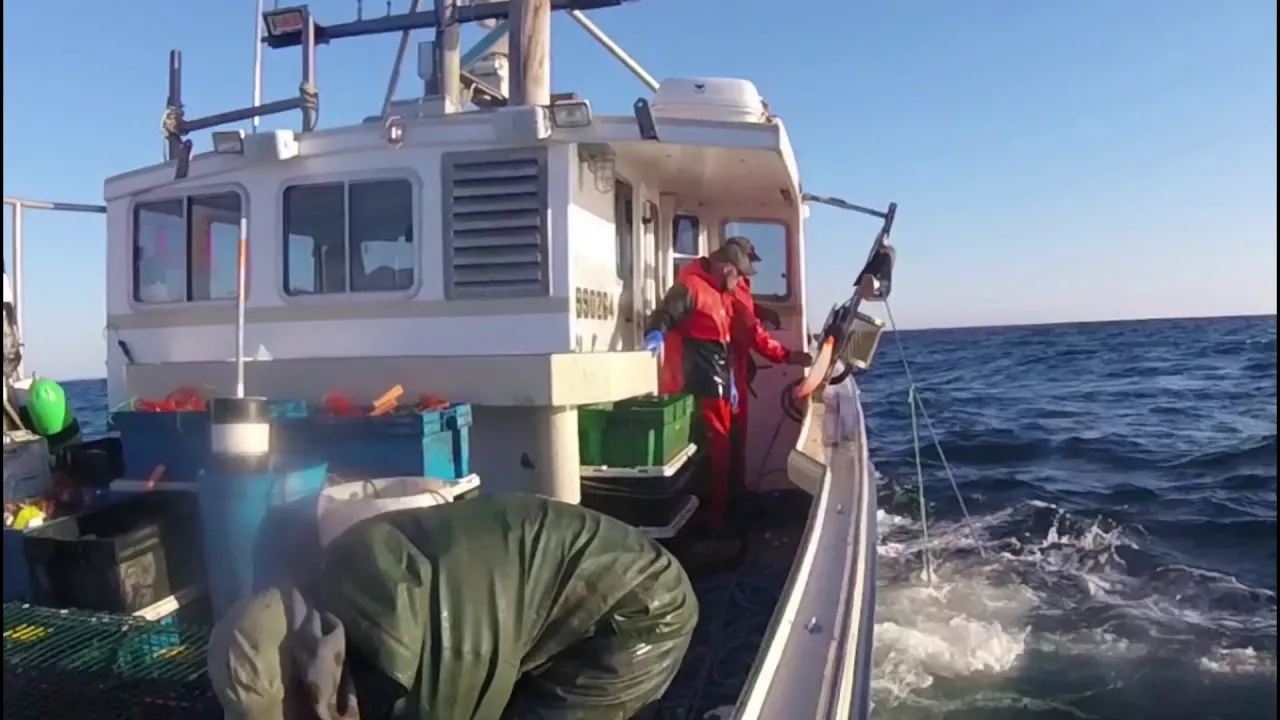











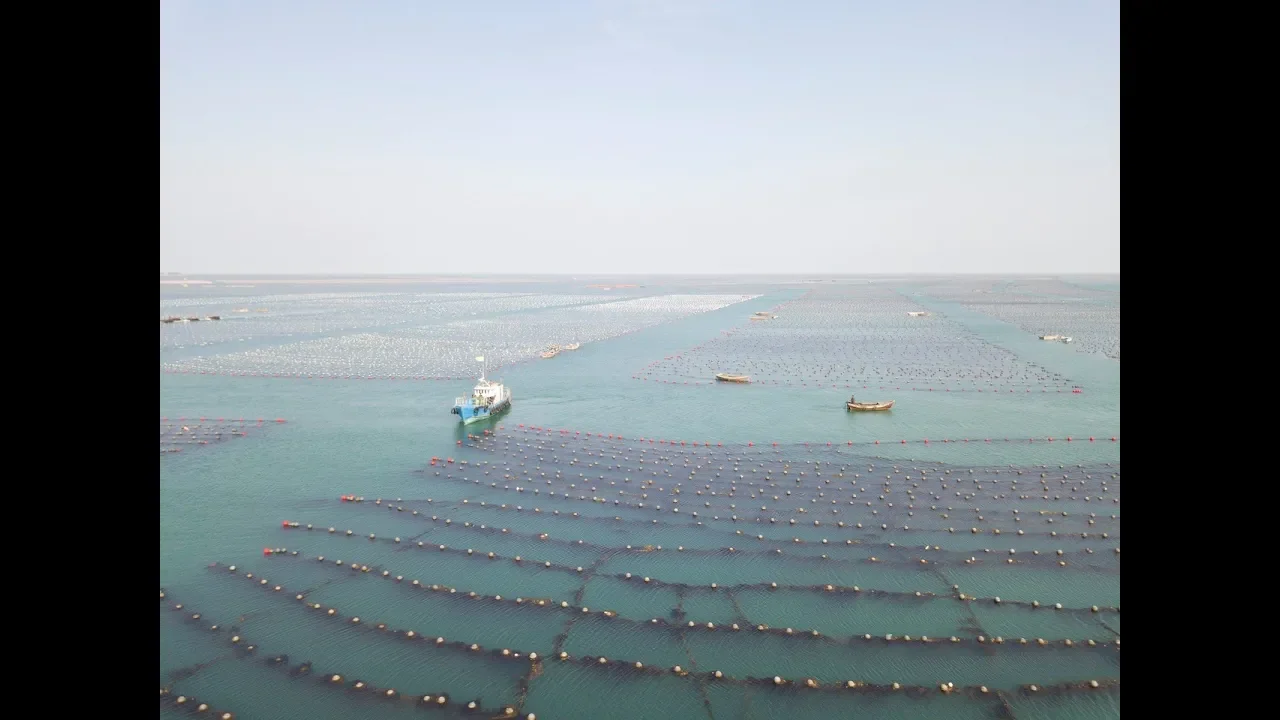



Seaweed farming, particularly kelp cultivation, offers a sustainable solution to climate change by naturally removing carbon dioxide from the atmosphere and nitrogen from ocean waters, while simultaneously providing economic diversification for coastal fishing communities facing declining fish stocks due to warming ocean temperatures; Atlantic Sea Farms in Maine demonstrates this model by partnering with local fishermen to grow sugar kelp and skinny kelp using a low-input, high-yield farming method that requires no watering, fertilization, or pesticides, transforming former lobster fishermen into seaweed cultivators who can earn additional income during traditional off-seasons.
Seaweed Farming in Maine: A Sustainable Future with Atlantic Sea Farms
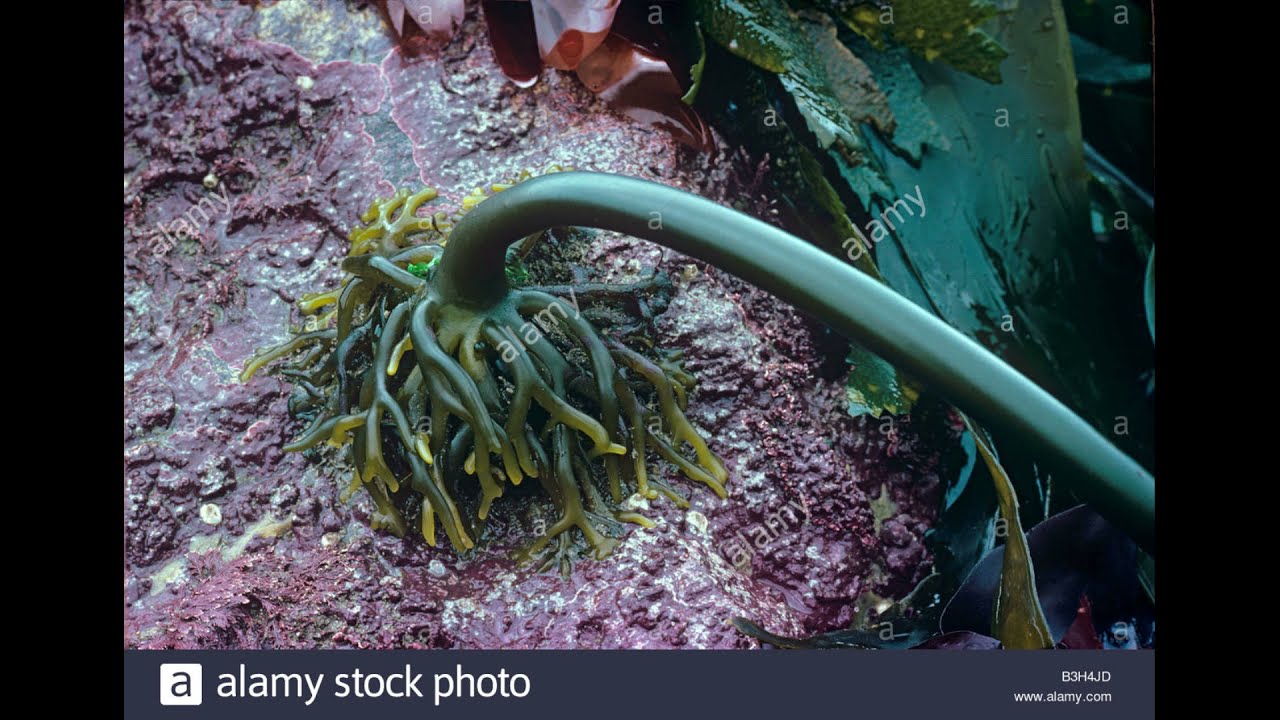
Added:Basic biology and ecological roles of macroalgae (kelp), including photosynthesis, nutrient absorption, and habitat creation.
The concept of ocean acidification, its causes (excess atmospheric carbon dioxide), and its threat to marine calcifiers.
An understanding of aquaculture versus traditional wild-capture fisheries, particularly within the context of coastal economies like Maine's lobster industry.
The core principles of regenerative ecological design, where human production actively improves environmental health.
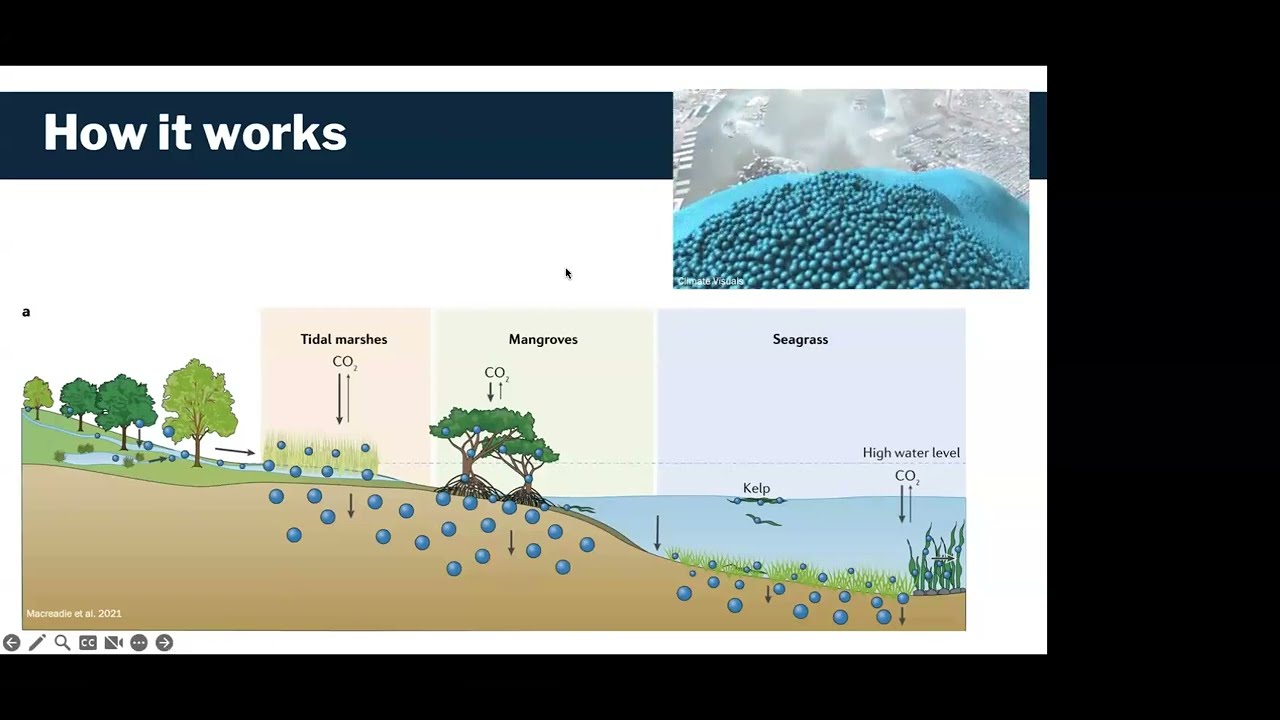
The science of 'Blue Carbon' and the methodology behind quantifying carbon sequestration by coastal marine ecosystems.
Downstream industrial applications of kelp biomass, such as bioplastics, biofuels, agricultural fertilizers, and methane-reducing livestock feed additives.
Marine Spatial Planning (MSP) and the regulatory, legal, and environmental permitting frameworks governing offshore aquaculture leases.
A comparative global analysis of seaweed cultivation, contrasting artisanal North American models with high-density industrial operations in East Asia.
120.6K views4.3Klikes18:45Original Release: 2023-07-19
this thing working boss looks great Brad we're gonna remain making itchy with brie [Applause] good spots [Applause] [Music] [Applause] is it oh yeah look at that thing huh dang seaweed it's in more than you might realize God's gorgeous a lot of us Americans we only associate seaweed with miso Super Sushi and most of the seaweed is coming from Asian on this episode of local Legends we're headed up to the first commercially viable seaweed Farm in the U.S Atlantic Sea Farms their CEO Bree Warner is going to show us why seaweed is such a game changer it's environmentally sustainable it's creating jobs for local fishermen in Maine and it's freaking delicious don't even get me started on their kelp kimchi that is so good we'll get out on the water with Bree Harvest some fresh main kelp ourselves and then chat with some local fishermen started growing kelp in their off season and have quickly become the leading cultivators of seaweed in the U.S so buckle up put your life jackets on pay attention class I'm gonna tell you why you should give a crap about [Music] your hands get cold quick I woke up I had like a hard stomach bug like feel great now I wasn't even hungry no I'm good man no bananas on the boat yeah yeah so that's your little backstory we got into Portland yesterday it's feeling good feeling I was cold you know when you're like fighting something that chills in your bone it just doesn't it just doesn't get out anyway we went and had a really nice lunch went and had a couple beers got back we checked in things just weren't going going well for old Brad here started getting cold sweat started throwing up and uh I tell you what I feel like a million bucks today big surprise I thought we were going to be calling Bree and being like uh can we go tomorrow Brad's throwing his guts out if I didn't eat anything had a couple spoonfuls of rice and a little Pedialyte got a little one-two punch in me we'll see how it goes maybe I'll be chumming in an hour I don't think so though I feel pretty good we're here at Casco Bay we're meeting up with Bree from Atlantic Sea Farms we're gonna be digging in on how they grow sugar kelp I got some really cool fish that we draw cured up with some miso in some shoyu oh no we cut that out sorry that's a different episode A little chilly a little windy this little center console gonna bring us out we got the cap excited to see how they grow it excited to meet some of the farmers get out in the water is that Brie in the in the Volkswagen coming in hot we've been trying to get you up here for three years I know we decided you're gonna do it here all right just a little something morning Henry oh geez careful all right thanks for having us here you're so stoked you're here oh my God thank you we've been planning this for you or at least talking about it for years totally you didn't get a flat calm day it's a little rough today you have your wet gear on got it you're ready to rock we're about three weeks from harvest season four weeks from harvest season we start planting the kelp in the fall and now it's getting to the exciting time where we go out and check it quite a bit to see if it's the right length how it's looking there's about six Farms down here that we work with all owned either by fishermen or aquaculturists who are in muscle farming that use it as sort of a complimentary income Source now for you who's watching at home it's March mid-march cold water is ice cold about as cold as it gets probably right for the most part and that's ideal right that's what you want it's perfect so kelp really grows when the sun's out and when it's a little bit warmer but it we like kind of a low slow growth through the winter it keeps it clean we do a lot of our products Fresh So the stuff that's coming in from Asia is all dried sure it has to be it's gonna go bad yeah it's gonna go bad it gets all fouled up what we're doing is we're pulling it out of the clean World riders in Maine where there's no fallings it gives us the ability to use a fresh product that is the first time it's ever been allowed in the market you guys ferment a lot of it too right I've had a little bit of your kimchi and Crouch man I say this I'm a fan of kelp but like it's very easy to eat like it's very approachable is it sugar kelp it's got that real mild taste right but it also because we're harvesting sort of a baby crop you know like a baby kale versus kind of that rough kale yeah it's still tender and snappy and probably nutrient dense exactly should we grab a little piece oh of course we can eat it right off the farm oh really you can eat it no problem totally it's like an oyster exactly oh really yeah very cool I'm looking forward to trying it help me help you let's get the boat in the water don't fall in I will I will try not to Total guy but we've got some high bunnies exactly I'm good at leaning does this have to be buttoned by law does it loosen in the back that's the smallest one we have I mean the biggest one thanks man yeah perfect [Music] so I'll tell you a little bit about what you're looking at right out here what you're seeing off Portland is what they call the calendar Island so it's a perfect place for growing kelp because it's Hydro protected no matter what whatever so the open ocean is a little while out yeah but we're still getting the movement of the ocean so if you're not familiar with New England in the spring the Atlantic Ocean is cold as hell oh yeah Cruise in the oven so we're out on a boat and the wind is blowing next breezy day in Maine luckily for me I'm a planner I was bundled up with the polar bear don't believe in bad weather just bad gear I gotta get a so we just pulled up tell me a little bit what we're looking at yeah so we work with fishermen to farm count you technically do you own a farm none right that's what we really focus on on our model is ownership models so here in the Gulf of Maine we have 4 000 plus Lobster license holders they're all owner operators of their own boats you cannot be on your boat fishing if you don't have a license most other Fisheries in the United States like one guy who owns like 17. sure I think we're not a bunch of guys yeah and a bunch of guys who break their back all day these guys break their own backs well you know what there's something to be said about that when it's yours there's no ceiling that's right and I love that I mean like who who wouldn't right and they work for themselves and they have their own boats Destiny conservation-minded so a guy if a guy pulls out an egg bearing female lobster they have to cut her tail into a knot right and then you can't catch her and you can't sell her until that Notch grows out oh is that it yeah that's right so the 10 of the best years have been in the last 15 for lobster which you don't see in any other fishery but the Gulf of Maine is warming faster than 98 of oceans in the world because of that shelf right the current that's basically the arctic ice melt is creating a situation where the bottom is super warm what we're seeing is while this is really cold we just got blasted really freaking cold this water is going to be so warm that Lobster larvae are not going to be able to survive at the rate that they are wow so no matter what we do from a conservation perspective we're going to see the lobster population diminish significantly so how did that tie into you getting involved with growing kelp so I was working with a lobster fishery to think about ways we could help fishermen diversify we have more coastline than the state of California 4 000 plus Lobster license holders that run their own businesses that know the ocean better than anyone and they're only fishing for one thing right now they got the boats they got the license they got everything they got the knowledge they got the knowledge and most importantly right there on the water at the time 98 of the seaweed that people eat in the United States was imported no one knows where it's from how it's grown the water it was grown in what water it was grown in and it was only in dry it doesn't even look natural does it it's not like that Green's not natural right right there's this incredible human capital and there's this need to diversify so I took over as CEO of this company who had started the first kelp Farm in the United States the whole country farmed including ocean approved 30 000 pounds in 2018. wow so we started working with fishermen the first year we had two or three that were real skept they did it they were skeptical then they made money people saw that they could make it in the off season people saw the diversification yesterday we had 27 Farmers we landed over a million pounds whoa and it's all being utilized we grow the seeds then we give those seeds to the farmers for free okay we help them pick their sites we help them set up their Farm we have an entire team that's only there for technical assistance we're not a non-profit but we want to make sure they're successful they need to know someone's picking up and we're the only buyers in the states of scale sure so we've guarantee that we'll buy everything that they grow whether we know what we're doing with it or not that's amazing and when you guys grow it out here I mean we can get into these grids that we're looking at you don't have to water it you don't have to fertilize it nothing you basically put it in the seeds in and then you in part cross your fingers it takes a really good farmer to set it up right the first year Farmers usually get four pounds a foot by the third year people are getting eight nine pounds because they just know how to farm better they're going to get better things out keep in your line straight that's it no water no fertilizer no pesticides and it seems like a farmer's dream it is and it removes carbon and nitrogen from the water column so I'm looking out here it looks like a whole field of lobster buoys what's going on that's part of the point it's beautiful right you can ride over it not have any idea that there is 40 000 pounds of kelp under there it's incredible so it's just a network of lines that's right so it's mornings on each side we have a thousand foot horizontal line okay and then the the seed spool is wrapped around that thousand foot line hit real tight and then it grows out from there well let's say can we get into some of this these grids and check out some of the cup let's go should I discuss this purple one again the wind doesn't seem that much until you're trying to catch something doing great cap oh yeah oh yeah oh yeah look at that there we go oh wow you can't smell it huh all right so bad this is a campfire so that's all that kelp growing the egg and the seeds you guys do are all inoculated on that line that's correct and how long has this been in the water since this line may be like late November right Sue oh beautiful huh yeah look at that color on it so what you're seeing is a month out from being harvested wow grows pretty quick yeah feel free to cut some movies oh wow huh isn't that beautiful look at that it's gorgeous yeah so that's sugar kelp we have two types of seaweed we grow here sugar and skinny kelp in this thinner ribbon it's much more thin you see that gorgeous color in the light there yeah it's just a beautiful beautiful product this one looks clean too yeah it does so take your take a nice little chunk out of that with your teeth yeah I'll taste it wow delicious super clean tender has like a nice vegetable but you could tell it came from the ocean flavor no it's really good I thought it was going to be um thicker yeah it's so this is still baby okay now so like you were saying it has about another month but it will get thicker but if we left it until July August it'd be it'd be super sexy chewy it'd be chewy cool we're gonna grab a couple more pieces of the sugar kelp and uh I'll throw them in the uh in the old Yeti cooler you know tomorrow when we do a little making it episode show what you make and I'd like to make you a little yeah this is great this is beautiful look at these straight lines look at these straight lines that's hot yeah give this shot of that that is hot okay yeah because you guys have the hardest job yeah that's a good looking grid guys yeah it is so each one of those colors and in that Grid in that buoy are identification we can trace it to the bed where we even got the seeds oh yeah okay cool and then what line it went out on what tank it was growing in for the seeds in our facility oh amazed like the ultimate train trackability yeah sounds like it's important too it is we got to learn you know we're the only ones doing it at scale so because you're on data you know we have to learn every year yeah coming on quick there gang nice skill oh yeah look at that thing huh dang so you see the stripes here is that this super good to cut up it's like chop it up like a scallion oh really yeah you pick them or anything right yeah yeah we don't grow for long stipes here certainly in Alaska you know yeah so if you want to cut it off right at the Stipe yeah let me grab the knife you know and just give look at that yeah beautiful capped I have some cold hands it feels nothing it feels nothing all of my uh nerves are damaged shop oh wow huh gorgeous and these are called stipes you said the The Roots so how does it grow does it grow a blade or is it started kelp is that every part of that is photosynthetic every part is you don't need that because you're surrounded by water you're circuits right so every cell in the entire is absorbing weed know that is four to five months old got bamboo beet yeah yeah that right into the yeti so Brad I think one of my favorite things to eat to me the most delicious part really it's got this great snap oh wow isn't that great oh my God so much flavor it's so much flavor it's so crunchy dense and I mean look at that color that is a gorgeous piece of kelp huh oh wow this is this Atlantic sugar coat Atlantic sugar kelp all right Brad why don't you grab it we think this is going to be a skinny kelp line let's see skinny cup yeah so what's the difference is a little sweeter oh okay sure uh but it's also thicker so it adds some more crunch to our seaweed salad so you know I couldn't help but the Wonder too I mean you created a whole little ecosystem like a kelp bed it must hold Bait fish in different species it must be its own little little reefy kind of little ecosystem there's evidence that there is some ecosystem Services we're working with the University of New England who has cameras under a few of the Farms let's see what's happening we're optimistic that there's some I can't be hurting and we know there's not negative because again there's kelp Farms all over Asia that have been there for 400 years and bring in one of the most nutrient dense foods on the planet that's making the planet better yeah heck yeah and helping people diversify in the face of climate change man have a hard time finding any negative in it yeah I mean the only negative is I'm not out here in July on the water I know I've been made in February yeah you forget how quickly you'd be if you fell in the water two minutes two yeah the boat couldn't even get you in time right that's a good one that was a good one man I'm gonna stop brain freeze did you see her get blasted in the face or not like a bucket of water she had to like spit water out all right we're good hey guys thank you yeah we'll see you later yeah back on land Bree introduced me to some of the farmers that she works with at Atlantic Sea Farms having some tasty snacks having a couple great drinks every time I go up short catching tuna or something yeah I'm chumming the whole time you boys probably got lead stomachs by now we've been growing mussels uh since 2010 and actually we've been growing to help since 2011. so quite a long time relationship with the kelp Clinic Rose yeah yeah so they they both do different things in the water but when you grow them close to each other then it benefits from each other help can help improve the water chemistry and the muscles benefit from that draft we're fortunate that kelp fits the slowest time of year but it there's a lot of Maintenance there's a lot of work busiest time of year is our absolute lowest income time of year and at least amount of work that we have going on sure it is a suspended aquaculture thing that doesn't interfere with our other Fishers we don't have to put our kelp Farm where we set traps we don't have to put the kelp where we talk to Scholars it opens up something for us without getting in the way of anybody else there's a nice balance there yeah it still says Fall Apart when Justin took it on there was two other fishermen in the entire state that were doing it I was like that's a huge leap of faith and it's hard work right that's hard work but it's rewarding you can see at the end of the day you look in the tank and you're like we accomplished them yeah we caught some stuff no fish Lobster that's the obvious stuff that they're really good at but being able to adapt evolve and grow into this new market and the passion for what they do the passion for the environment it's hard not to fall in love with these guys one thing I'm absolutely Blown Away by with the farming of kelp is how it sense it makes to grow it there's no watering needed there's no fertilization you put it in clean Waters and it comes out a clean beautiful product pulling carbon from the air putting it back into the system it's a win-win situation for everyone that Bree's not your typical CEO when I met her at the dock she came off looking like he was working on the boat you know just full personality but has that scientific passion background and skill set to make your business that she runs today good for you good for the planet I just can't count myself so stay tuned to the next episode of making Bree and I are gonna head back to her Farmhouse with our cooler full of fresh kelp and make some of our favorite recipes together [Music] yeah it looks nice though it is Christmas Chrysler cut off great all right
Up Next
86:37
Building Soil Carbon: A Biological Approach | Christine Jones, PhD (Part 2) - Idaho Falls Workshop 2020
@friendsofthetetonriver5806
28.2K views•2020-04-27

12:54
Triumph of Orthodoxy Icon: Byzantine Art & History Explained
@BenCallan
2.1K views•2024-08-06

9:49
FastAPI vs Flask vs Django: Choosing the Right Python Web Framework
@TechWithTim
302.5K views•2024-05-26

1:42
Game of Thrones Opening Credits: A Cinematic Analysis
@gameofthrones
46.3M views•2011-04-18
Related Study Plans & Knowledge Roadmaps
Structured learning paths in General & Interdisciplinary Studies
general-studies
Elevator Engineering: History, Physics & Cities
01From Hoists to Safety Brakes: The Dawn of Vertical Lift
02Hydraulic vs. Traction: The Engineering Physics of Elevators
03Modern Speed, Safety, and Algorithms
+ 2 more learning modules
12h5 modules
Explore Roadmap
general-studies
Rubber: Material Science, History & Geopolitics
01Origins of Natural Rubber & Mesoamerican History
02The Chemistry of Natural Rubber & Vulcanization
03The Geopolitics of the Rubber Boom & Colonization
+ 2 more learning modules
12h5 modules
Explore Roadmap
general-studies
Containerization: Evolution, Logistics & Trade
01Ancient Trade & Bulk Cargo: Amphorae to Barrels
02The Industrial Revolution & Cardboard Packaging
03The Containerization Revolution: Malcom McLean
+ 2 more learning modules
12h5 modules
Explore Roadmap
general-studies
Textile Tech: Evolution, Labor & Global Impact
01Pre-Industrial Textiles: Handloom & Cottage Industry
02Mechanization: The Spinning Jenny to the Power Loom
03The Factory System & Global Labor Transformation
+ 2 more learning modules
10h5 modules
Explore Roadmap