











![유효토심 만들기 4부 [상편] : 식물로 토양에 탄소 저장 (탄소 중립, 포집, 순환농업, 피복 식물, 녹비)](https://i.ytimg.com/vi/GWVu1ZI3yO0/maxresdefault.jpg)






Building carbon-rich soil requires focusing on the 'liquid carbon pathway' where plants exude sugars from their roots that microbes convert into stable soil carbon, rather than relying on decomposition of plant residues; this process is accelerated by maintaining continuous photosynthetic activity through diverse plant cover, proper grazing management that keeps plants in vegetative state, and avoiding chemical inputs that disrupt microbial communities.
Building Soil Carbon: A Biological Approach | Christine Jones, PhD (Part 2) - Idaho Falls Workshop 2020
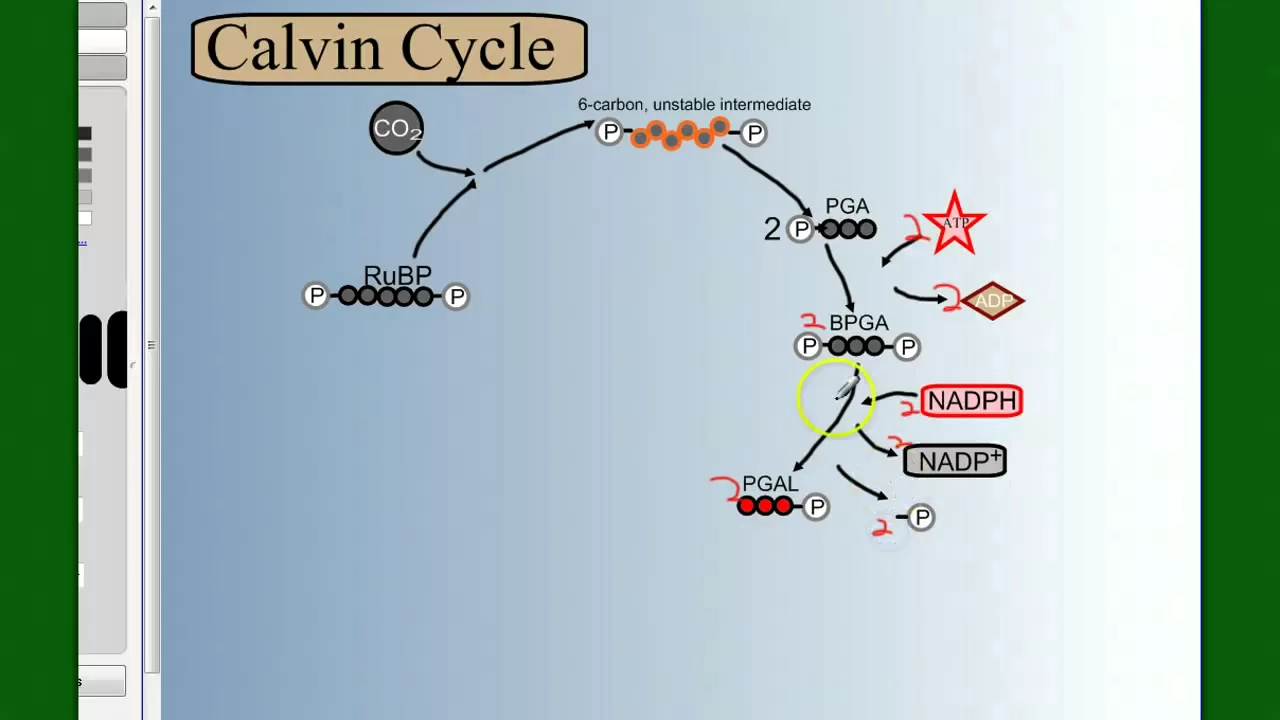
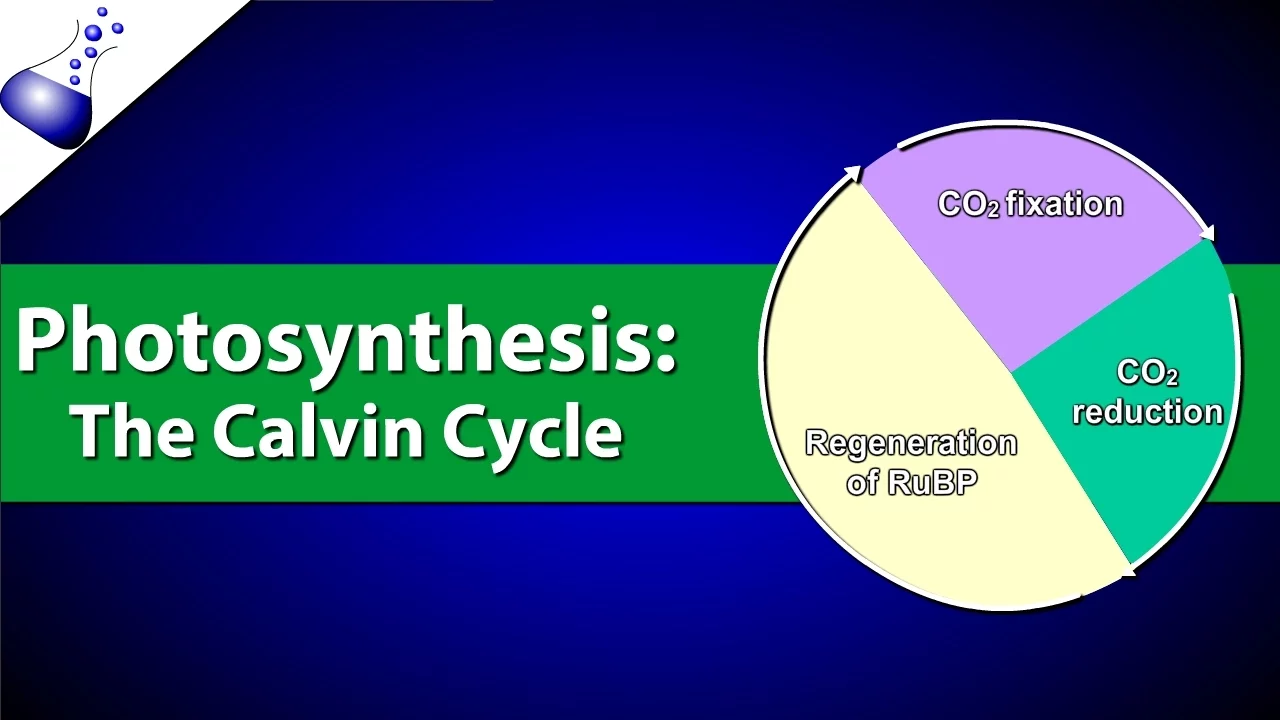
Added:Fundamental mechanisms of photosynthesis, specifically how plants convert atmospheric carbon dioxide into soluble sugars.
The basic structure of the soil food web, including the symbiotic relationships between plants, bacteria, and mycorrhizal fungi.
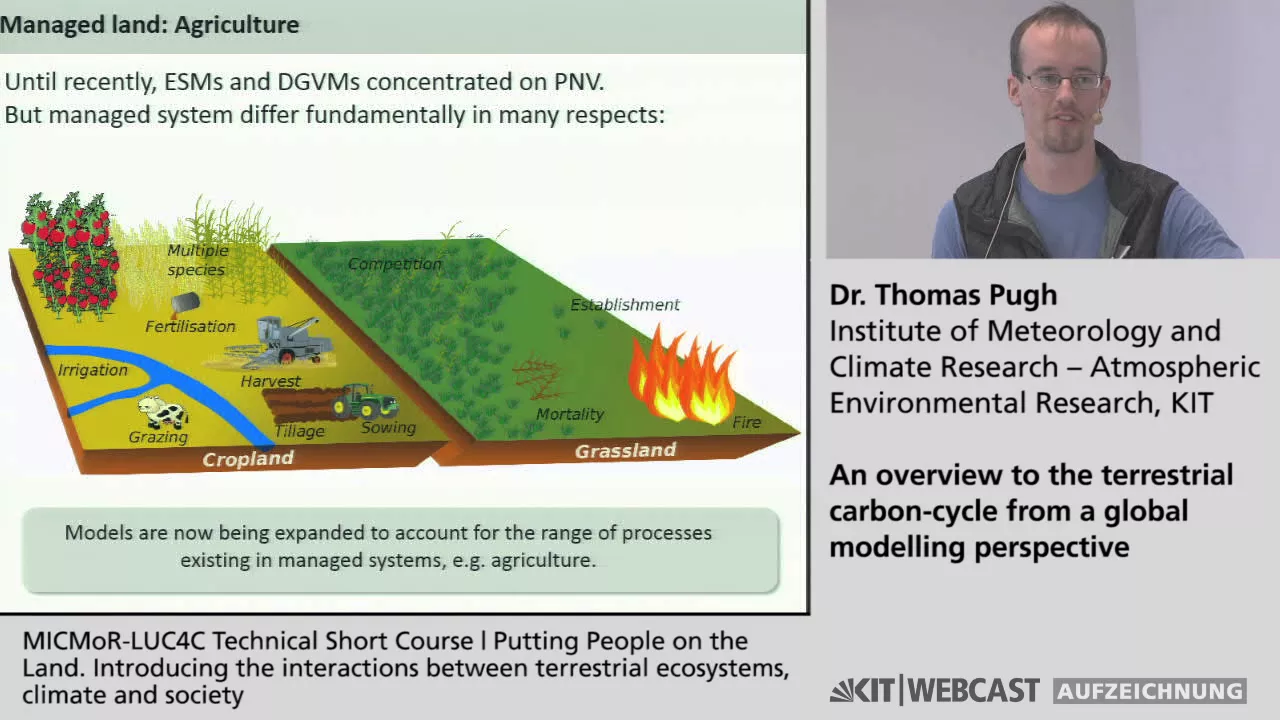
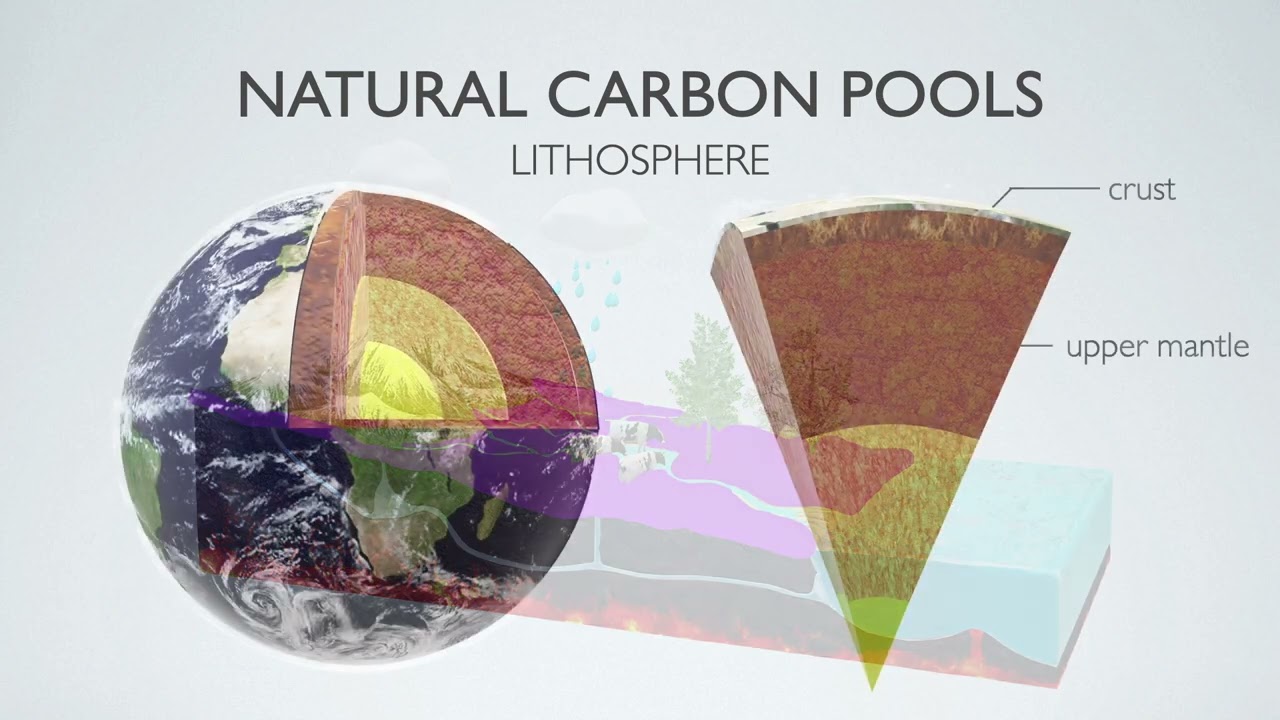
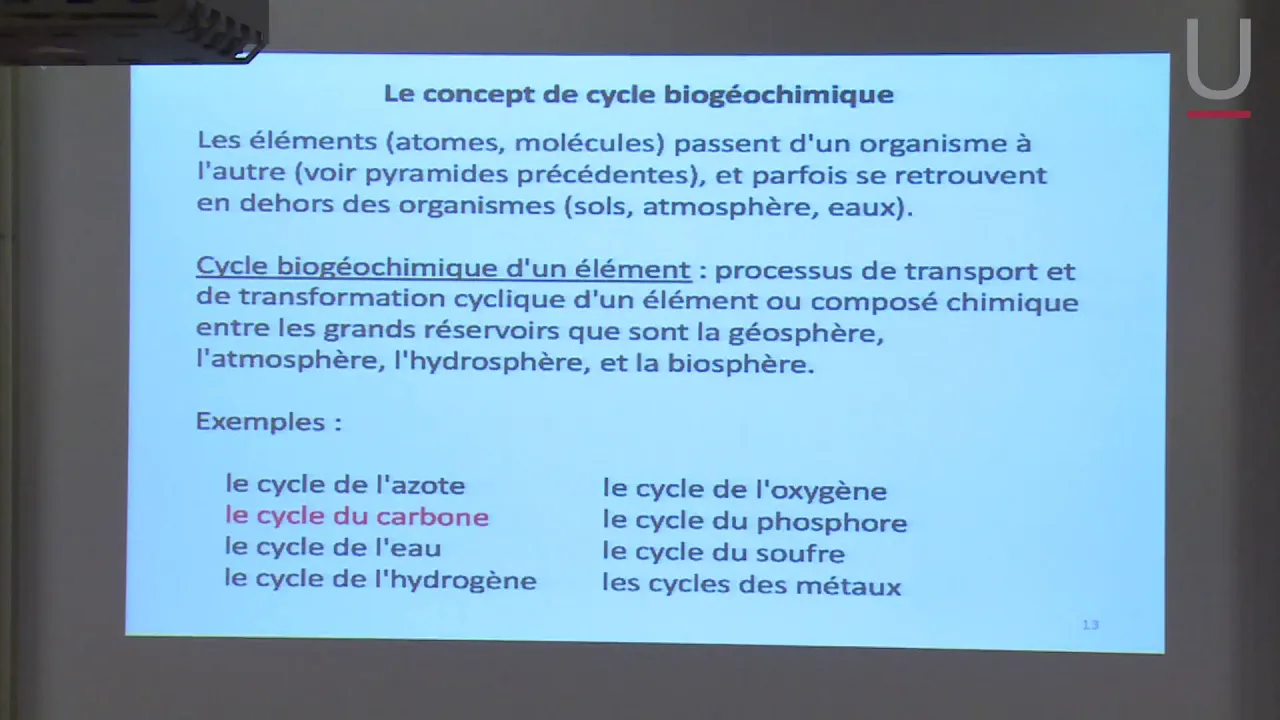
The global carbon cycle, understanding how carbon pools shift between the atmosphere, vegetation, and the soil.
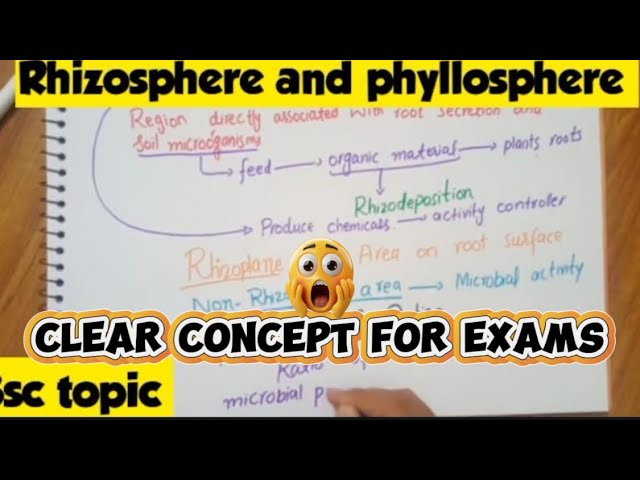
The concept of plant root exudates and the rhizosphere, which is the narrow region of soil directly influenced by root secretions.
Advanced mechanisms of glomalin production by arbuscular mycorrhizal fungi and its role in long-term soil aggregate stability.
Practical implementation of regenerative agriculture techniques, such as diverse multi-species cover cropping and no-till management, to maximize liquid carbon flow.
Biological nitrogen fixation pathways and how carbon-rich soils naturally cycle nutrients, reducing dependency on synthetic fertilizers.
Methods for monitoring and measuring soil organic carbon (SOC) and microbial activity, such as the Haney Test and PLFA (Phospholipid Fatty Acid) analysis.
28.2K views245likes1:26:37Original Release: 2020-04-27
there's obviously a lot that we can talk about with soil and I'm just basically talking about the basic principles so that you can apply them to your to your own operations somebody just asked me over lunch about perennials and it's really important if you have perennials that you keep at least part of your grazing area keep them in that vegetative state so even if you say okay this this field is going to be the one that I'm going to work on this year you know come in and graze them only take half of what's available to be grazed of the green leaf I'm talking about the if you take a perennial grass plant and cut it in half it like the top half from the bottom half it wouldn't matter even if it was a perennial even an annual like an oat or a barley or wheat or anything take half of the leaf area and put that into one bucket you might do this like on say 20 plants and then didn't cut it right down to ground level take the other half and put that in a separate bucket to send them away to a lab to have a feed analysis done on them and you'll find that the top half has double the protein double the energy double the minerals and trace elements in it as the bottom half so there is no point in you yet having your stock graze the bottom half if you just take the top half you won't have any effect on the roots the plant will regrow really quickly and in a growing season you will get much more production just by grazing the top half so obviously you have to be able to manage your livestock to get them in there get them out again and just work on that one field keep it vegetative when it regrows get them in there and graze it again get them in there and grades that again get them in there and graze it again once it gets like to be tall standing feed and it's gone to seed remember it's not building soil but you might want some of your grasses to go to seed so just move that area around your priority area we call it where you're really going to focus on building soil in that area and also with your livestock the animal production is going to be heaps better where they're just getting that fresh regrowth all the time alright so why is this liquid carbon different to what we think of as in terms of organic matter it's different because this is an anabolic process this is a building up process we start with some really simple compounds that come out of plant roots simple sugars and things and then the microbes are going to join all the elements together to make that complex polymer they're building up from something simple to something complex their composition which is when you have plant residues crop residues old grass hay whatever it might be and it's a complex carbohydrate it's usually highly lignified it's going to go from being a complex compound microbes are going to decompose it and turn it into something simple and it's going to get broken down into smaller and smaller and more simple things and eventually it becomes carbon dioxide and goes back to the atmosphere as carbon dioxide so in the same way we've all just had lunch and so you're now digesting food and you're digesting food in order to get the energy from it the energy is actually the sun's energy that was captured in a green plant and you either ate the plant or you ate the animal that ate the plant and you're now going to digest that food and release the energy and when you're breathing you're breathing in air that's high in oxygen and you're breathing out air that's high in carbon dioxide so the carbon dioxide that you're breathing out is the final stage of the digestion process of the food that you ate so you digested it you turned it back into glucose went into your bloodstream your cells used the glucose for energy and the cells were undergoing what we call respiration during respiration they use oxygen that's why you have to breathe in oxygen and they give out carbon dioxide so we're producing carbon dioxide all of the time and microbes in the soil are using producing carbon dioxide when they're digesting organic matter and eventually it ends up being carbon dioxide doesn't stay in the soil so if we want to build soil carbon we have to go through the anabolic pathway through the building up process with simple root exudates and build them up into complex polymers something complex like corn stalks or alfalfa hay or something like that can't turn into humans just cannot happen alright so we have those two pathways difference between Luca carbon and organic matter this is why the farm and the scientist get confused because they think that it's all about how much organic matter oh I had a crop that yielded this many you know bushels per acre sorry this many tonnes per hectare or something and therefore it should have built this much carbon well it doesn't work like that so the decomposition pathway is still going to start with dry matter still going to start with plants and still have some kind of biomass there but it will decompose and/or form carbon dioxide looks great during decomposition this is separate traffic funghi feeding on highly dignified material in the soil if you if you see all that white mycelium in the soil that's a really good sign these are very beneficial fungi but they're not the kinds of fungi that feed on living plants that feed on dead plants and they're still it is still a very beneficial process for the soil and we know that mulch is great stuff to have right but it goes back to be carbon dioxide again it's on the left hand side you have sand it's got lots of organic matter and on the right hand side it just goes back to being sand when all that organic matters Deacon post so that pathway ends in carbon dioxide and liquid carbon pathway produces humans and that's the one that we want to focus on for really rapid soil building but both pathways are important so what you're seeing there in that diagram is a green plant with if you follow it down from through the center you'll see that there's exudates there root exudates that's the primary pathway for soil building down to our stable carbon pool at the bottom but there are over on the right oh sorry your left-hand side you'll see there's leaf litter that's composed of complex carbon compounds like lignin and cellulose that gets broken down by extracellular enzymes from things like fungi in the soil and those enzymes actually feed into the human acacia as well so having organic matter there and having organic matter decompose is an important part and when you think of a natural system obviously it's going to have organic matter in it too but we know that root inputs actually build carbon 5 to 30 times faster than organic matter so this is the pathway that we we want to look at now if we're going to send soil off to a lab and have a test as I said most of the soil test results are useless your nitrogen test means nothing your phosphorus test means nothing but your carbon level is very important and the lab can't measure organic matter they can only measure carbon so they'll probably use the combustion method in other words they're just going to weigh the soil then heat it up to a really high temperature and then weigh it again and what's been lost is carbon dioxide they will calculate how much carbon that had in it and it does tell you a lot about soil health so you want to know over time whether your carbon levels are increasing or whether they're decreasing and the reason that you want to know how much carbon you have in your soil is because it's related to so many other factors it is the key determinant of the water holding capacity of your soil and that doesn't matter if you're in a wet area it's a soil it's gonna be less soggy if I can use that technical term if it's got high water holding capacity it will be better structure didn't won't be so subject to liked reading and things by animals or vehicles and in dry areas obviously we want to have high water holding capacity that's pretty obvious to maintain green for longer and when it's dry it's also the key driver for the nutritional status of plants I'll talk about that in a little while when I talk about microbes and therefore for your animals and for the people consuming that food so it's a very very important thing to know how much of it we have in soil and that for those reasons it's the key driver for farm profit unfortunately organic carbon levels now around the world are 50 to 80 percent of their original level not just here in the United States also as I mentioned places like Australia South Africa South America 30% of the world's crop land has been abandoned in the last 40 years due to saw decline and it's still being abandoned at the rate of 25 million acres a year so why is this happening worldwide why why is so much land deteriorating and continue to deteriorating why do you think that might be I mean why is all that soil all around the world going backwards and continuing to go backwards we're still losing valuable farmland it's being totally abandoned and it's not productive anymore we've done it but what what did we do because we have to stop doing whatever it was that we did right yeah insecticides a kind of a symptom like you wouldn't apply an insecticide unless you had an insect problem so why did you have an insect problem why did you have a fungal problem why have we got all these problems we've killed the soil and how did we kill it we didn't actually kill it with the insecticides and fungicides we only use them now to sort of try and solve the problem we're dealing with symptoms now how did we kill the soil we deprived it as carbon we took all the plants away exactly it's so simple isn't it and so theoretically we should be able to put them back so if we look at the statistics actually show that 50% of the world's cropland is bare in any 12-month period in any of you who fly around either across the United States or if you fly anywhere else in the world just look out the window and look down on agricultural land and you'll see how much bare ground there is as I said in Portland yesterday a high rainfall mild temperatures about 70% of the cropland that I was looking down on was bare and that's the soil is dying because it's bare and that's why we're losing it so it doesn't matter whether it's bare because we cultivated it or whether it was bare because we sprayed it out like where is the photosynthesis there where are the green plants we adopted no-till a very large percentage of Australian farmers adopted no-till back in the 70s it was very very rapidly taken on the government promoted it very highly and and encouraged it and lots of information for people through like swapping over to no-till Machinery particularly like disc openers and things and our soil carbon is still going down it never ever increased it never made any improvement to our source at all going to no tool because we never went to cover crops where is the green there is no difference between really doing that and doing that in terms of looking at it from the perspective of the soil so how can we know what we use what we know now about green plants to actually build topsoil well it doesn't matter what it is that you are using your soil for whether you growing a sugar beet or alfalfa or corn or potatoes I have to say potatoes don't know I haven't got potatoes on the list my goodness how could I've left them off I've got vegetables that'll do all right it doesn't matter what it is that you're producing you are actually just farming light you are a light farmer so you have to think about photosynthesis and there's two things about photosynthesis that we need to think about not that hard we have to think about photosynthetic capacity and we have to think about photosynthetic rate they're very different and they're both things that we have to consider so what do you think photosynthetic capacity might mean let's just say this room that we're in now is a is a field how would I know just looking at this room if this was a field how would I know how much photosynthetic capacity I had one of what would I be looking at what would I be looking for how much green I have and and if I was looking to see how much green I had what what important things would I be looking at there like the ex-service air like how much of it is covered I mean there could just be a few little clumps of green stuff and lots of bare ground in between so if it was a perennial pasture for example I'd want to know how much ground cover I had or even yeah well I mean that's going to be an important thing isn't it like how much ground is covered and then I'd want to know well how how tall with the plants and do I have lots of different kinds of leaves there lots of different shape leaves so this is one of the things about our multi species covers is that we're intercepting a whole lot more light in fact grasses don't really intercept that much light they're not that good because when you look like they're pretty thin leaves and the angle that they sit at something like a sunflower or some of you are forage brassicas and things with a nice big leaves actually collecting a whole lot more sunlight and if we've got lots of different shaped leaves of different angles and different kinds of plants in there and also it would be great to have things obviously the original prairies had plants that grew at different times of the year so whenever it rains there's a chance that something is to be able to grow so a photosynthetic capacity is how much green and there's lots of things that factor into that how much photosynthetic capacity is there we know that there's zero and in Australia when we went to no-till we still got no photosynthetic capacity so we've got things like you know your cover crops multi species covers that you can put in or in your vegetable garden make sure that you've got all the ground covered with lots and lots of different vegetables all in together and put lots of flowers in there so there's no spaces for weeds that's a photo from Gabe brown that's his chaos garden where he put twenty vegetables from 20 flowers threw them in the seed drill and just planted them all together and had a very bountiful crop with no need to use any chemicals for anything this is what we call pasture cropping in the United States in Australia where we grow cereals into perennial grasses so we've always got ground cover and an example from South Africa in a very very dry area in a citrus orchard where they've put a a plant that's in the succulent family it's got big pink daisy flowers it's a kind of a portulaca but I think use that word portulaca fruit to mean other things here in this country so I'll just say it's that plant is in the Daisy family but it's very very drought tolerant and they've just planted that down the rows it made a huge difference to the health of their citrus trees putting those other plants in there rather than having bare ground that they kept beer with roundup glyphosate so just to show an example from Western Australia we're just putting some plants in where you can see what it's actually done to the sand this the the farmer who owns these cattle actually is here in the United States right at the moment grant Bain he's at the there's a Cattlemen's Association meeting happening in San Antonio in Texas starting tomorrow and he says come over for that so it's interesting that he's here in Australia at this time but he had thousands of hectares of sand plain country that was originally perennial grasses at the time of European settlement but because of the hot dry climate in in that part of the world and having animals in contact not like not know not rotationally grazing animals they've lost the groundcar so and it was it's no seed bank anymore because a lot of the sand is blown so a lot of farmers in that area and grant was actually the pioneer of this formed a group called evergreen and they planted perennial grasses back into that sand plan and it's very interesting to see if you go out with a spade and dig underneath those grasses and have a look and see what they've actually done to the soil what you see is that they don't look all that flash and they're I mean it's like over 100 degrees for probably five months every summer and it doesn't rain in summer so these and those grasses have been grazed three times that's been grazed three times and that hasn't rained so it's doing extremely well but when you look at the the sand underneath it you can see how it's really change the color of the sand and it's actually building topsoil so it's not just feeding animals that's stopping the sand from blowing and it's building topsoil so if we were to take a soil core like use a metal saw coring device and take a soil core down through the Centers of those plants and then take soil cores in the intro where there aren't any plants and have a look to see what's what the plant has actually done to that soil in terms of its nutrient status this data was collected by the West Australian Department of Agriculture and what they found was that so that first column where it says between that's where there's no plant that's between the rows the interro and where it says within is where a soil core was taken in that row that's got plants going in it and you can see that the organic carbon even though it's very low remember I said that most Australian soils we now have less than 1% organic carbon but where the plant is there's four times as much that's a lot that makes a huge difference to things like how fast water can infiltrate and how much water can be held and how much life there is going to be under those plants you see that phosphorus availability has tripled and potassium availability has tripled and sulfur availability has almost tripled and the pH has gone from 5.8 to 7.1 in other words it's normalized so the plant has built soil underneath it how many of you have heard people say that plants take from the soil it's a really common thing then they'll tell you this at universities they still tell you this at summer universities I should say not all plants take from the soil what do they take and where do they take it to whenever people talk about plants taking stuff from the soul I have always had this vision of them getting up in the middle of the night and running off and taking stuff somewhere like a plant can't possibly take from the soil a plant is the only thing that can build soil and there are so much evidence for that I don't know where that plants take from the soil saying and they came from so what about photosynthetic rate so that's how photosynthetic capacity is how much green do we have there how much of the or is it green how many different shapes of leaves have we got so let's just say now that I've got two pots here in a glass house and they've got wheat in them and it's the same variety of wheat and I plant it at the same time and the soil is exactly the same the moisture content is exactly the same do you think that there is some way I could vary the photosynthetic rate do you think that we could have a wheat in one of those pots photosynthesizing at a different rate to the other one and how would I know I hear six take away the light well we're assuming that we're going to have the light for water all of those physical things are going to be the same how would I know how fast the plants will photosynthesizing is that well how could I measure it could I put a number on it bricks who said that right so I'm going to use a little device like called a refractometer that's going to measure the refractive index of the SAP of the plant you should all have one I noticed that they've got them on Amazon now for about 21 dollars when they first came out there about $200 and then $100 and then $80 and I'm not sure what the quality of the 21 dollar ones is but it's going to be better than not having one at all you also need to have a garlic press a stainless-steel garlic press so that you can squeeze some SAP out of your plants and you take a sample of SAP you're going to put it on a little glass plate on your refractometer you're going to hold it up to the light and you're looking at the refractive index you're looking to see how much dissolved solids in the SAP of your plant if you put distilled water on there it's going to measure zero so it's got nothing in it you want the SAP of your plants to be absolutely loaded with sugars and minerals and vitamins and trace elements and all kinds of things you want it to have a really high refractive index because then it's going to taste great to animals or if you're producing something like grain or potatoes or whatever it might be it's going to be nutrient dense so get a refractometer start measuring Brix look it up on the internet get down load the bricks tables figure out where you lie in terms of is this good bad or intermediate because every kind of plant is going to have a different optimum level and also it depends on whether it's a sunny day or not because you're measuring photosynthesis but let's just say okay so I have a refractometer I'm going to measure the Brix levels of these plants is there some way that I could apply something to one of these plants that would actually make the Brix level go down compared to the other one you think that it's photosynthesizing it's turning its in the light and it's got plenty of water it's good point you put it in the dark it's gonna stop photosynthesizing which is another good point if you're going to measure bricks you don't go out and do it in the middle of the night right so you would actually probably pick to do it at two or three o'clock in the afternoon and you'd be consistent about that because if you did it till o'clock one day and then at nine o'clock in the morning the next day you're going to get different answers so you start keeping records of your bricks measurements and figure out for yourself how photosynthesis affects it so bricks is going to start off low in the morning and increase during the day and then at night it's kind of drop when the when the plants going to download all its sugars down into the soil to feed the microbes and then the next morning is going to start low and it's going to increase again so I've got two plants here the lights the same the time of the day is the same I could put something on one of those plants and reduce its photosynthetic rate not glyphosate water soluble nitrogen why would putting water soluble nitrogen on a plant make the bricks level go down do you think makes it lazy absolutely what is it it doesn't have to photosynthesize to feed soil microbes anymore so it's bricks level will go down doesn't have to work exactly you just put it on welfare what could I put on a plant do you think that might increase its photosynthetic rate you could put compost tea on it exactly and why do you think that might increase its photosynthetic right sorry well no it's just you're actually making the plant aware that it's you know microbially rich environment and it needs to feed microbes to get the nutrients that it needs so you're just stimulating it it's called a biostimulant so something that stimulates a plant is plant will produce a lot more exudates from its roots when it's in a micro belly rich environment than it will if it's just in dead soil so photosynthetic rate is something that we can increase by a factor of 10 or 20 so photosynthetic capacity sure you can fill the whole field with lots and lots of plants and have great ground cover and lots of different kinds of leaves but you have to think about how fast they're photosynthesizing too because then you can come in on top of your photosynthetic capacity and hugely increase the rate and that's where we see people making really dramatic increases in soil building because for example if you planted a multi-species cover you could have 20 different kinds of plants in there and all different functional groups and you go to all that trouble and then you put fertilizer on another seed or you see that had insecticide or fungicide on it you've really shot yourself in the foot in terms of our photosynthetic rate and if you're using a refractometer you'll soon find that out and you'll also notice that you're not building anywhere near as much soil as you could so the liquid carbon pathway actually functions in two directions we have carbon moving from plants into the soil at the same time as we have the nutrients moving from the soil into the plants and into the and therefore into the food chain like into your animals and into people consuming that food but what you're measuring with your refractometer is how fast that's happening so when you're measuring Brix you're not only measuring how much sugar is in your plants but you're measuring how much nutrient is in your plant and that's why it's very important you you you okay so the question was I I don't know anything about that product but there was a product called bricks mix that you could give to plants and the question was would that have the same effect as using nitrogen or phosphorus the answer is no it wouldn't have the same effect because there are only two things that shut down photosynthetic rate and that is nitrogen and phosphorus so all of the other things like say lime or gypsum or anything like compost extracts or milk or any kind of bias stimulant or any anything else really there there is nothing that cuts down photosynthesis other than nitrogen and phosphorus other than poisons obviously glyphosate does a pretty good job but yeah so that's a good question because they're the only two nutrients that that do affect photosynthesis so we've just got our L plant and the green the yellow is the roots and then the little blue spots are just all the microbes living around the roots again that's an NRCS diagram but those plants symbionts really increased photosynthetic rates so the more things like Trichoderma and mycorrhizal fungi we have around plant roots the faster they will photosynthesize because they're feeding those guys and they're feeding them because they're very protective of the plant and they're also bringing lots and lots of nutrients to the plant so they increase the mineral and the content mineral and forage content so we've just talked about using a refractometer I just wanted to show you this graph here this is from Alan Williams some of you may know if you've any anyone here attended the soil health Academy with Gabe and Alan and Ray I know you had Gabe here last year anyway Alan Williams works with Gabe and Ray and he has a PhD in animal nutrition and I think he may have a PhD in something else as well anyway it's very clever man so this is his data and what you're seeing here is along the bottom axis is Brix level so Brix is measured as a percentage and percentage of dissolved solids in the sap most of the refractometers that you have will go up to our 30 and just so make sure if you're buying one that you get one that measures up to 30 because some of them only measure up to 10 and they're just for people making home brews and things like that so make sure you get one that goes up to 30 we have farmers in Australia with Brix levels up to 30 in their cereals and in Diane Haggerty who just spoke at no-till on the plains last week their wheat Brix is up to 30 I've actually seen it I've been in their field whenever they're measuring it so it's even off the scale here but what this shows you is it on the vertical axis we've got average daily gain in pounds per animal unit per day of cattle and you can see that the average daily gain per day is like almost a straight line relationship between that and Brix so what that means is that for the same weight of forage they could be consuming the same dry matter of forage but if it's got a higher Brix level they will gain more weight from that same dry matter get that because it's got more energy protein minerals nutrients vitamins and I like everything that animals need if it's got a higher Brix level so it's really important so what did I say about forage before the top half of the plant has double the protein double the energy double everything and you need to keep you want to keep plants in that vegetative state because not only how you're gonna get hydro animal live weight gains but you're going to be building more soil you can have your cake and eat it too it's all it's really really important to get that grazing management right and if you can't manage it over large area just concentrate on some smaller areas and see see the effect of of doing it that way so building topsoil is a biological process as well as obviously feeding animals and of all of the microbes that are important Micro sir are really key or we used to think that they were I think now the recent work on endophytes is showing that there's a lot of things that may be even more important than micro Rieser that we didn't know about and I am going to talk about elephants very briefly as well again an NRCS diagram just showing you the leaves the roots and then the golden threads are basically the micro riser they hugely increase the surface area of plant roots this one is an actual photograph so that's a plant root tip and all the things that look like little hairs or like a bottle brush or something coming out of that plant root tip are the high feet of mycorrhizal fungi so these are is a fungus that's living in a symbiotic relationship with that plant in the soil and you can see how hugely that increases the surface area of that that plant root but it's not just it's not just increasing the surface area for absorbing things out of the soil there's going to be all colonies of bacteria all around those fungal hyphae that are getting carbon from the plant root via those fungal hyphae and then so it's feeding a huge area of soil as well as extracting nutrients from a huge area of sorts keeping a lot of other microbes alive as well and remember the diagram that I showed this morning if you think of that if a plant root tip it's like that with all the fungal hyphae sticking around it you can see how when they pull the soil particles together that they can actually form those aggregates so we need to make sure that we have roots colonized by micro Iser to form these aggregates in the soil and if we look inside a plant root this is a cross-section looking under a microscope those little things that look like little trees or broccoli plants or something this is a close-up of one or like an animal lung this is the Arbuckle so there are vascular mycorrhizae and this is the exchange site it is like an animal's lung it is like our lung even where we're exchanging oxygen and carbon dioxide but this exchange site within the plant root is where we have sugars and things that the plant is manufacturing in photosynthesis are going into that thing that looks like a lung into that our bicycle going one way and then the other way we have all the nutrients and the water and everything that the micro riser is bringing from the soil going out into the plant so the micro riser is feeding the plant at the same time as the plant is feeding the micro sir now I asked what would happen and this increases the photosynthetic rate of the plant if it's got all these guys inside the roots when you stay in the roots and you can see all these fungal filaments in the root it's got a photo synthesize a whole lot faster to feed all these guys it gets benefit from it that's why it doesn't but if we come along and apply some water soluble nitrogen to that plan or put some water soluble phosphorus on that plant it doesn't need the micro riser to bring the nitrogen doesn't need micro riser to bring the phosphorus it closes those icicles down and you can actually see under if you're looking under a microscope you will just see that that Abascal will just close like that within two minutes it'll be completely gone the plant shuts them down so when the plant shuts them down it's not channeling carbon to the soil anymore it's not building soil anymore and it's photosynthetic rate drops that's why you can pick it up on a refractometer half an hour later after you've applied the N the Brix level will be lower so you've really really shot yourself in the foot by doing that that's a top of my head I can't say I would probably guess at 500 or something but I'm only guessing I could find out for you so this is a photograph showing the fungal hyphae coming out into the soil carrying carbon out if you actually want to stain stay in plant roots and look at Michael Reiser there's lots of information on the internet as to how you can do it yourself you can do it in the kitchen at home using an aniline dye I mean it's quite a complicated process but some people like to do it because they actually like to state numbers to see whether they're it's a it's a blue dye that you used to sustain them with and you'll find information about how to do it and how to what magnification to use and everything off the top of my head I'm not sure and this is very famous photograph that lots of people use but the point about this one is that this is a little pine tree little pine ceiling so we put the roots up sorry oh I don't think I've got a laser I don't know whether I've got a laser on here anyway you've got your you've got your leaves and then the roots so the yellow bit underneath that that are just about the same size as the leaves the rest of everything that's in that photo is the mycelium of mycorrhizae you can just see how a little sealing like that getting established how much difference that makes to how much soil it can explore and how biologically active that salt is going to be if it's connected to micro sir and again if we were to annihilate that like a fungicide is probably the worst thing you can ever use in your crops or pastures and some people apply fungicide because it doesn't cost that much more just to throw fungicide in with anything else that they're putting out well on it cost a few dollars more to put fungicide out we'll do it and just incredible damage to your soil so using a fungicide that's you can see that the root is just a bit going down the center of that photograph and all the rest of that are hyphy of micro riser and these plants are connected with mycorrhizal fungus so it is the highway and the Internet of the soil they're transferring nutrients between each other they're sending messages to each other so if a plant is backed by something like I don't know what kind of piece you have in this part of the world but some leaf chewing or sub-sect and so a SAP sucking insect or something like like a furred or something like that it will actually send messages to other plants you know the aphids are coming the aphids are coming in that message goes right through the mycorrhizal Network and plants that haven't been attacked yet will protect themselves from insect damage but of course if we're using fungicides then you know we we end up with more insect damage by using fungicides strange as it may seem so these little guys are the highway in the Internet of the soil they're inhibited by inorganic in and inorganic P so how the plants actually respond if you were looking to see what would happen when you add inorganic nitrogen to the soil was it a pretty classic sort of a photograph you'll see this many times in many soils around the world with sort seeds that are treated got fungicide and insecticide on them you'll notice that the roots coming off those seeds are very white and very clean they don't have any root hairs I don't have any soil sticking to them so basically those plants are completely unprotected and they're going to even though they're treated seed they're going to be very vulnerable to attack by insects and pathogens because they haven't got their microbial partners helping them and you can see that the soils got no structure as well so unfortunately this is how we've got to where we are in agriculture with all the chemicals that we use the plant on your right has had 100 pounds per acre of maaan ammonium phosphate under the seed very short root system the roots haven't got much soil sticking to them the two plants on your left grown in a biological systems the wheat is the same age deeper roots more soil forming going on around the roots more biologically active around the roots so this is a farm in Norway was an organic farm they were trialing 20 different kinds of compost they made compost from things like pig slurry chicken litter and and forest timber byproducts and all sorts of things 20 different kinds of compost and we were digging the plants out and having to the roots to see if we could decide which compost was the best and every single lot of plants that we dug out we notice that they had you can't see it so much when they're all together there but if you tease a couple of plants out by themselves the seeds are about halfway down in that photograph I don't know whether you can pick the seeds out you'll notice that the roots coming out from the seeds the seminal roots the first roots at the plant produced are clean we didn't shake the soil off or anything there is no soil sticking to those roots the roots that are coming out of the crown of the plant so what happens is the seed germinates it sends some roots down and sends a collie up tile up which is the chute that goes up to the soil surface and when it hits the soil surface and starts producing leaves then there'll be some roots will come out from the crown the crown roots all had lovely riser sheaths on them there's another photo there can you see I haven't got a point around here I don't think that can you see the seed and everything underneath the seed is clean which is not good not healthy okay thanks no all right so the seed is there okay you see the seed there there okay so see all the roots coming down from the seed are clean that's not good the roots above the seed have got lovely riser sheets on them so what's going on this is an organic farm they've trialing all these different compost and I'm just like well I have no idea I couldn't work it out I said it looks like there's some kind of toxin in the soil maybe whoever owned it before put massive amounts of insecticide or something like that anyway we went back and we had lunch in the farmhouse and then I said to to Sara Oh backwards that the lady that's looking at me there I said you wouldn't have put any nitrogen in this trial would you I mean you know you want it you're transitioning to organic your trial in compost it's the only thing I could possibly think of that could do that and she goes oh yes she's the scientists at the University I think it was a professor the professor at the University who designed the trial for us said because all these different kinds of composts had different carbon to nitrogen ratio so things like pig slurry obviously had a lot more nitrogen in it than something that was from the paper pulp industry that to take out the difference in carbon to nitrogen ratio she said we put 80 units of n under the whole trial and I said you put it under the sea didn't you I said the machine that you planted we've put nitrogen in under the seat she goes you know right well that explains exactly what we're looking at so what you're seeing there is the first time I've ever seen the two things on the one plant he's seeing clean roots where the nitrogen went and you're seeing riser sheets on the roots where they wrote in contact with the compost above the seat so the other thing about risers sheath is that a farmer from Washington State just sent me some photos the other day and he had and it was cereal rye that he was growing as a cover crop he said I can't understanding Chris I got really excited about riser sheets now and I'm going in I'm digging holes he's in one field we've got really great Ryder sheets on the cereal rye and the other field the roots are all bare I can't work it out I said I can what can you tell me about the seed he said neither one with the riser sheets was organic seed so it didn't have any chemicals on it so the rise of sheets are an indicator that the plant is forming a relationship with microbes that's what it's telling you and if you're not getting the microbes there if you're not getting the riser sheets there you need to look at well the other seed that was an organic I don't know how it had been treated or how to been grown but it obviously was anti microbial and we know there's off-site impacts of high analysis fertilizers I mean I don't need to tell you here in the United States that 49 states have some serious level actually of nitrate contamination in the water groundwater and it's a potent carcinogen at two parts per million I think EPA standard is something like ten parts per million or eleven parts per million its carcinogenic or two so that's something that we seriously need to consider well it's what it's doing to our soils it's what it's doing to our water so we've tried to replace the biological activity that we should see around plants with chemical fertilizers we now know that plants supported by high analysis fertilizers actually can't get the minerals and trace elements that they need which is one reason why their Brix levels are so low and we know that there's like soil degradation issues associated with using those things so how can we support microbes rather than using high analysis fertilizers so if we're just going to switch over to another presentation here oh thanks Hayley that was quick right so a recent census of lives showed that there was 550 gigatonnes of carbon based life forms on the planet don't ask me how they worked it out but somebody did and of those 550 Giga tons of life 450 Giga tons was in the form of plants which is hardly surprising because in most regions where you go most of the living things that you see actually are plants what was interesting is what makes up the other 100 Giga tons so most of the life on the planet is plants what makes up the rest of it well it's things we can't see 93 percent of the rest of the life on the planet are things that we would need a microscope to see the protists the archaea the funghi the bacteria comprise most of the life on this planet apart from plants and if we look at that diagrammatically you see the archaea are up there in the orange ice re the protists in the orange archaea purple fungi green and bacteria whopping 70% of that so these little guys are and gals are basically making up most of the weight of life on Earth and things that we can see when you think about life and living things you probably think about animals and birds and fish and insects and earthworms all those kinds of things and people when you add all of that stuff together that we normally think of as being life on Earth it adds to 7% and in fact humans are only a tiny tiny fraction of that we are point oh one percent of the biomass of life on Earth and that's by weight talking by weight when we look at the numbers what we find is that are even more staggering because one teaspoon of healthy soil and I'm talking about nice healthy soil from around the riser sheets of of healthy plants has got more microbes than all the humans on earth even a couple of grams or a couple of oh gosh I don't know what that is grams is not very much even half a teaspoon of really healthy soil from around the rhizosphere has trillions of microbes in it we've got something like seven seven billion people so we're talking trillions another order of magnitude of life just in a half a teaspoon of soil and then if we look in the rumen like the rumen of a cow or a sheep or a goat or a room and an animal that has this big vat where it's fermenting cellulose it's an incredibly rich microbial environment and one drop of rumen fluid contains ten thousand times more microbes than there are humans on the planet one drop a rumen fluid so it's really hard to get your head around these kinds of numbers right but even on a weight basis even if we're weighing them microbes don't weigh much even on a weight basis we don't figure in the biomass of life on Earth we're point oh one percent we've done a lot of damage haven't we point oh one percent but we can do a lot of good too and now any of you who are interested in human health will know that we on a cell count basis in other words if you can't have any microbes Levinas and on us that we have about one trillion human cells and about ten trillion bacterial cells so we are ten percent human on a cell count basis and I think there was a book written called ten percent human I haven't read it but some of you may have and then if we look at our genes like what really runs us our DNA we find that we have about three hundred thousand human genes and about a hundred times more that in bacterial genes so we're maybe one percent human now think about that we think of ourselves right as being well human I guess but we are microbe taxis we are absolutely covered and full of microbes and they have a huge impact on our health if we want to be healthy we have to look after I got your gut microbiome is running you whether you want to believe it or not and almost any magazine that you pick up on him and health today we'll talk about the gut microbiome and of course the health stores will all be trying to sell you something kombucha or whatever that's going to you know boost your gut microbiome but actually you just have to be really careful about what you eat because that's what's going to determine what what goes on in your intestine and we know now that our gut microbiome is running our brain function as well the functioning of your brain running how you feel what your moods like probably linked to a whole lot of mental health issues and I can't help wondering when you look at the standard American diet the sa D diet and the huge increase in mental health issues are homelessness all these kinds of things that are seem to be linked to mental issues that is it got something to do with what people are eating the other day I did a workshop in Portland Oregon and a couple of the women had brought their babies along and they were women who were you know growing organic food and being very conscious of what they fed their kids these babies were absolutely gorgeous absolutely gorgeous bright you know quiet like just beautiful children they didn't have any kind of instability issues or any mental issues and I think that you know we have to look really seriously at the relationship between our gut microbiome and our brain function but that wasn't what I'm here to tell you about today and what I wanted to talk about was what happens with the soil microbiome and how that determines how our plants and our animals function so the situation with plants is similar to the situation in humans there are more microbial cells in and on your plants then there are plant cells your plant is just a microbe taxi as well and now that we know more that we know about soil we know that plants are actually cultivating microbes farming microbes using microbes for their advantage they're probably a bit smarter than we are in terms of how they actually utilize the soil microbiome so the more microbial cells within plants then there are plant cells so all plants and animals are embedded in a microbial world and we have a microbial world embedded within us and we need to get used to that idea pretty quickly because actually a good thing because microbes are capable of performing all sorts of amazing tasks that we can't we can't perform we actually need to have them and we need to look at how they work so they're very tiny I can't see they can't speak they can't hear so how do they communicate how are they so extraordinarily capable of when you think about it these little dumb critters they can't talk to each other how did they get their act together to join all those elements together the carbon the hydrogen and the oxygen the nitrogen and everything and making humic polymers how do they do that when they can't even talk to each other how are they communicating do you think yes they hug communicating non-verbally correct lady down the front says chemically fire chemically yeah quorum sensing hey Howard if they were communicating using quorum sensing what kind of signaling molecules are they using quorum sensing is actually how they coordinate their activities but they're there they're sending out some kind of us a biochemical signal okay like because how does our body work you've got heart liver lungs spleen adrenals hypothalamus a lot of different organs in your body right that are all working together so you function as a unit by every organ in your body is doing something but you're not thinking about that right at this minute your hearts beating your lungs are breathing your livers detoxifying your blood yep that's good that's good that's good that's very good so if if your body let's say there might be something that you didn't need to eat you might actually get a craving for something that had some vitamins and minerals in it that you may not necessarily find in that sugar-coated donut that you might get a craving for eating a nice apple or something like that but anyway the point being that your body is coordinated your hypothalamus your pituitary your adrenals telling all of the other organs in your body all of the time what to do and they're sending out signals and those signals are in your bloodstream so for example if your pituitary wants to send a signal to your thyroid which is here in your throat to get moving do something we need some more t3 and t4 being produced it will send a thyroid stimulating hormone TSH it will be two trees up in your brain it's going to send make TSH it's going to go into the bloodstream it's going to circulate in your whole body and you know what your liver in your kidneys and your spleen and everything else is going to totally ignore it because it's not meant for them it's just meant for the thyroid so the thyroid has a receptor for TSH when TSH is elevated and it's in the bloodstream the thyroid goes up pituitary is telling me I got to get moving and it will respond to that so that's how our body works there's a whole lot of signals there that we ignore because they're not meant for that organ and they're a specific signals that are meant for specific organs that's how the soil works too so the microbes are all communicating with each other look we have to join these carbon and nitrogen and hydrogen oxygen level atoms together to make these humors but why do they do that anyway why do they go to all that trouble to coordinate their activities and make humans they could just use that come and have a big party they could just use it for any they could go and have a lot of fun reproduce and everything you know using all that energy couldn't they but instead of doing that they've actually gone to work and then they've made polymers out of carbon and hydrogen oxygen nitrogen why did they do that modify their environment did they make it a better environment or a worse environment yeah presumably better because they've made an environment that now holds more water and and it's got better structure and what do you think of the advantages if there's an advantage of having an environment that holds more water and it's got better structure and more nutrients are available and why would they want to do that sorry exactly the plant will grow better so the plant will photosynthesize more now which will feed them so they can reproduce and have more of them because now the plant is channeling more carbon into the sort of feed them all so the more soil they build and the more chance that the plant is actually going to survive in a dry time was going to survive in a really cold time or it's going to survive if there's insects around or fungal pathogens around because it can defend itself now it's got a really good immune system so they are building a more productive resilient plant that is going to feed them so that's why they go to all the trouble to make humans and build soil because why would microbes bother doing that there's got to be an advantage in it so they communicate extremely well and they're talking to the plant all the time and the plant is talking to them all the time and we're just starting to pick up on some of these signaling molecules and seeing how they work so like I said that just tells you it's like communication in the human body there's biochemical signaling going on in your body all of the time so the plant holo biome is the plant and all the microbes that are associated with it it is everything above ground everything below ground all the microbes on it around it and in it and the plant holo biome is made of the Phylis fear the rhizosphere and the enders fear so we hear a lot about the rhizosphere because that's something we can dig a plant up we can look at it we can see what's going on and in the past there's been a lot of research into things like mycorrhizal fungi that obviously live in the rhizosphere we're now starting to look more at the above-ground part as well the Phylis fear which is basically everything that's above ground there's a lot of signaling goes above ground one of the things is that if you were a plant that's what it would look like to you alright there's a whole lot of molecules out there that mean stuff that we can't we can't see them sometimes we can smell them if it's an aromatic plant if you touch something like a mint plant or something all about our basil you can you can smell it but for the most time we can't we can't detect all these chemicals but other plants can it's a plant to know what other plants are growing near them because of all the chemicals that are in the air and insects know so an insect for example this is a classic example here if you measured the Brix of that lower leaf it's it's much lower than the Brix of the higher leaf the more newly emerged leaf in this case has a higher Brix level the insect is picking up on low Brix so we know that insects will not attack leaves of Brix 12 and above and there's lots of information on that so if you're finding that your plants are brick Singh at 2 or 3 and you're needing to use insecticide that's why you're needing to use insecticide if you can get the Brix level up you'll see that the plant that insects don't attack the plants so this example of what it's actually like for plants all the signals that they're picking up it would be the same that this room at the moment is full of all kinds of Electress what if you want to call electromagnetic signals I suppose if you've got a phone it can pick up an SMS or you can get a call on it if you had a television receiver you could watch something on TV if you had a radio you could listen to something on the radio so this room is full of all those signals and if you have a device that can pick up one of those signals then you can read it you can read the signal right the plants are reading these signals all the time it's just that we can't pick them up but insects can so then the rhizosphere obviously that's the bit around the roots and we're all very familiar I think all most of us in this room with what happens around the rhizosphere we want to look for roses cheese I talked about you know that all the life that happens inside there the fact that you won't get rises sheets if you use nitrogen so the plant on the left that's just across the fence that's oats of the same age collected the soils clicked on the same day with nitrogen on the one side of the fence without nitrogen on the other you can't even see the roots is so much soil around them but when we stand on the top of soil we're actually standing on the top of this other world in terms of rises fears all the different root architectures and the fact that we know that the plants are actually joined together with common microbes on network so all of those plants are going to be linked underground they're going to exchange nutrients and water and those kinds of things and the most well-known cements in the rhizosphere of mycorrhizal fungi and they form common mycorrhizal networks so I mentioned about plants linking up underground there's been a lot of research on that as to who's putting carbon into the system who's using nitrogen who's using phosphorus etc and things like looking to see what happens when you put different kinds of plants together because plants with different functional groups will sometimes work better together than others will so there's a matter of like looking at a whole lot of different combinations and this one's just looking at monoculture sorghum compared to monoculture flax and when you put sorghum and flax together you find that the flax increases in a biomass by about 300% the sorghum increases a little bit so a lot of research now into like what kinds of things can we put together in which plants will increase the most by putting them together so if you have a look in your green cover seeds salt health resource guides that you have on them in front of you there'll be a lot of information in there on relay cropping poly copying interceding companion cropping whatever all kinds of different ways of putting plants together and that's going to be the future of Agriculture I have no doubt about that we are going to move right away from mono cropping because it first started it's very expensive because you have to put so many inputs in and the people that are poly cropping reducing their inputs hugely I don't know how many of you are familiar with dura Caxton at Minturn in saskatchewan he spoke just the other a workshop in South Dakota and Derek farms 6000 acres and he everything is pretty much poly crop now he's got uh something like 30 or 40 different combinations of things that he's put together he plants his crops together and he harvests them together and he's got an optical grader so he separates the seed after he's harvested it and he is easily doubling his profit by planting two things together he's cut back his synthetic first by 80% and so he's using diversity to replace fertilizer his soil is building unbelievably and he had photographs of some new land that they've just bought next door and he showed photos of that saw compared to his just across the fence which goes you know you could just see how much change they've made in the time that they've they've built there I've been building their soil so I have no doubt that this multi species everything is going to be the future and there's certainly quite a lot of research going on to what things to put with what flexes actually would thing to put with almost anything because it's not competitive at all this was in Ontario in Canada where there was a demonstration farm University research farm with a whole lot of cover crops grown as just mono mono crops and then 3-way mixes five-way mixes seven-way mixes 9 way mixes looking at a whole range of different things but this was radish that was just grown on its own it had actually all been fertilized and right next to it there was and it was obviously very nitrogen deficient even though it had been fertilized right next to it was a mix of radish with oats and sunflowers and for Celia no legumes in there and the radish was completely not like completely fine in terms of nitrogen there was no evidence of any nitrogen deficiency right next to each other the same amount of fertilizer on on the moor so even putting non legumes in there but increasing the diversity has solved the issue with the nitrogen and that's just splicing those two photos and showing them my site and of course you know Native Americans were very aware of the importance of diversity because they never grew corn on its own it was always the three sisters the corn the beans and the squash grown together so when the Spaniards talked about Spanish armies talked about marching up through Florida on one occasion without talking about corn fields that were a mile wide and five miles long and you think that that was all grown without fertilizer without mechanization of any kind and huge huge amounts of corn being produced corn grain being produced using the three sisters and in a in a part of the world now if you go to those very same places in Florida you can go to the very same towns that were exactly where the where the Spanish were talking about where they'd been camping and and finding all this grain which they plundered but nothing will grow there now other than pine trees it's just gray gutless sad that seems to be totally infertile and considered by as clever people in this day and age to be incapable of growing corn or any other crop so it just goes to show you that what you need is the life in the soil and the microbial activity and the diversity of plants that even that grey got us and can can be productive so we hear a lot about the social network of trees and how trees look after each other I particularly heard this when I was up in the Northeast Northwest sorry and you'll see lots of stuff in the literature like just to give you an example this is an example of Douglas fir tree and a paper birch so in winter time the paper birch doesn't have any leaves and if you measure carbon flow in the soil you'll see that carbon moves from the Douglas fir into the silver birch and keeps it alive over winter when it's not photosynthesizing itself in summertime when the paper birch has got big leaves on it and it's photosynthesizing much faster than the Douglas fir and it's also shading out any little seedlings tree seedlings that are in the forest you'll see that carbon is moving from the paper birch into the seedlings of Douglas fir for example that might be being shaded by the paper birch and the ecologists who've been looking at this go oh isn't this so lovely these trees they all care about each other and they're looking after each other and they're making sure that you know this one's kept alive in summer and this one's kept them they're looking after each other's babies well what a lot of bunkum who is actually looking after who they're wouldn't it be the common mycorrhizal network wouldn't it be these highly intelligent microbes that are living underground that are going well this tree photosynthesize is a lot in summer and produces lots and lots of sugars for us down underground so we're going to keep it alive in winter by we're going to take some sugar from from the Douglas fir and transfer it across and make sure that we keep that paper birch alive because it's going to look after us so what we see in actual fact is in multi species mixes whether it's trees or whether it's your cover crop that it's the microbes under the ground that are responsible for diversity having such a big impact because it is to the advantage of the microbes to have lots of different kinds of plants there and it's to the advantage of the microbes to have plants that can photosynthesize at different times of the day or different times of the year or respond to temperature differently or respond to rain differently the intelligence is actually coming from the microbial community or we actually have to do is our make sure we have the diversity and let the microbes figure it out because they're probably a lot smarter than we are so one of the other things that happens here in the rhizosphere is that some of the microbes that live around plant roots move into the plant roots and decide that they're actually going to live in the plant and all the other thing that happens so that's what I was showing you that photo for is that the plant will cultivate those microbes living there and then consume them but it doesn't kill them it just strips them of their cell walls it takes all the nutrients out of them pops them back out into the soil again through the root hairs and the microbes reform their cell walls load up with nutrients again and come back to the plant so it's called the raise off a GU cyclone or microbe every and it's becoming more you'll see more and more articles about this in the science in the scientific literature so it's a cycle it's not just a one-way plants eating microbes the microbes actually alternate between an intracellular and a FIDIC phase in other words intracellular inside the cells inside the plant and a free living soil phase so they can live out in the soil so when you look at that photograph there that's a new root tip forming on a plant and what looks like a swarm of flies around it is microbes that have been attracted to that root tip because there's lots of exudates coming out so the plant is sending out signals for the microbes to be attracted but it's also signaling for exactly the kind of microbes that it needs if it needs nitrogen it'll be signaling for lots of nitrogen fixing bacteria if it needs phosphorous it will signal to those if it needs ink if it needs copper cobalt boron whatever it is that it needs it's going to signal to those microbes and feed those microbes it's going to attract them to the root tip so remember these are newly emerging roots is another reason why you want your plants to be young vigorously growing your grazing management make sure you've got new roots forming all the time because this is where all of this activity is going to happen when when the microbes get close enough to the edge of the root it's actually engulfed by the route takes them in what's called endocytosis pulls them in as I said they get subjected to reactive oxygen get their cell walls stripped off all the nutrients are taken out but the microbe doesn't die the microbe might even multiply at that stage moves around in the plant and you'll find lots of stuff about this on the internet in fact there's a really good podcast John Kemp did an interview with James White a couple of weeks ago you'll find that on the net and also a really good YouTube video that's got lots and lots of photos of what this actually looks like inside the plant but in short basically plants nurture microbes in the root zone they into the root tip find the soft meristem cells so this can only happen in young roots microbes are exposed to reactive oxygen and breaks down their cell walls releases the nutrients the internalized microbes stimulate the formation of root hairs which is why you will see far more root hairs on plants that are interacting with microbes and you'll see very few root hairs in situations where using lots of chemicals and then they will exit the plant by the root hairs and start the cycle all over again so this brings me to the end of sphere which is very close to the end of this talk endo means inside so the end owes fear is what happens inside a plant it's the microbes that live in plants and we call them endophytes the endo means inside and fight means plant so anything that lives inside a plant is an endo fight but what's very interesting about endophytes is that they can be microbes that were just living in the soil and they got invited in or they decided they wanted to go in and live with the plant and they will live with the plant for its entire life and sometimes they'll end up in the seed so that when that plant forms seed the microbes that it took from the soil earlier up in the seed and when that seed germinates those microbes help the newly establishing plant they help it find nutrients they fight off paths pathogens they protect it from stressors like drought or frost so they're very very protective of that seed and then that plant will be more vigorous than its parent plant and then it will take up more microbes from the soil and and take them through to the seed so if you're growing plants in biologically active soil where the soil is building and you keep on keeping the seed the seed keeps on getting better and many people are noticing this so the seed will germinate with more vigor it will have more resilience for pests and diseases and and also abiotic stresses now when I was talking to Derek acciden about this the other day he's got mentioned who's Polly cropping and he's cut back right on his synthetics and he puts firming liquid on the seed and he's doing all kinds of really great things making heaps of money which is great he said that if they buy a new variety of something that I haven't planted before they'll buy certified seed and they noticed the first year they plant the certified seed that it is nowhere near as vigorous as anything else that they're growing on their farm because it's come from a situation where it's been grown with lots of fertilizer and chemicals and stuff like that they'll then keep that seed and it'll be it'll have a much better core microbiome I haven't mentioned the core microbiome yet but the core microbiome is all the internalized microbes and then they're plant that and it grows more vigorously and then they keep that seed and the next year it grows more vigorously and they're noticing that whenever they bring new seed in from somewhere else even though it's certified seed because it's grown in soil that's not biologically active it's nowhere near as vigorous as their own sieve so people are noticing this it's a very real thing it has very practical implications on the other hand if you're growing plants in soil it's not biologically active the plant not internalize many microbes from the soil won't have many endophytes in it it won't be able to get its own nutrients it won't be able to defend itself from pests and diseases and it won't internalize many microbes in the seed so even if you keep that seed it's not going to be very vigorously so when we're talking about the inner sphere there's two things to consider one is the core microbiome you'll find lots of information about that on the Internet which is basically the microbes that a plant is born with if you like in the same way that we humans are we are we get microbes from our mothers when we're born and the microbes are in a plant basically can't their maternal they're coming from them up from the mother plant so one thing is what microbes is in seed what does a seed have in it what is its core microbiome and the other thing is biological induction like how many microbes can it get from the soil so the healthier that you can get your soils the more biological induction you can get and the better the core microbiome will get if you keep your own seed so the core microbiome it's it's species-specific it's called of our specific it's an assembly of microbes that basically just belongs to that type of plant and it's not just bacteria it's protists or Nokia and fungi as well because they move out into the right and then after they've surrounded the seed when it's terminating from the rhizosphere they then move back into the plant into the stems into the leaves into the flowers and into the seeds and begin the cycle all over again and remains within plants throughout their lives so I think I've already told you all that so biological induction it's just free living microbes all kinds of amazing things that you would never think would move out of the soil into plants will do so if it sees them move in there and they may stay there for the rest of the plant's life they're very significant they're very significant to things like biological nitrogen fixing so for example I mentioned the haggerty's the haggerty's are in your book I think they're on page 32 or something I was looking at it the other day if you take a soil test if you take a soil sample from their farm send it off to the lab come back saying there is no nitrogen in this soil so how can they possibly grow a wheat crop when you send it there leaf samples off to get a tissue test a relief test or what have you call it in the United States it says there is optimal nitrogen in the leaves of this plant it's right in the sweet spot exactly where nitrogen should be but there is none available in their soil when they get their grain tested at the elevator the guy doing the test if he doesn't know them said where did you get this grain from you didn't grow this in Western Australia you didn't grow this on sand your protein level is higher than any other wheat grown in this region so how can they have the highest protein content of any wheat in the region absolutely optimal levels in their leaves and none in their soil because you don't want to have any free nitrate in your soil that's not where you want it to be you want to have lots of microbes that are living in your plants and fixing nitrogen from the atmosphere even in wet class doesn't matter what kind of plant it is so that's what's going on on their farm is that they have all this endophytes so you need to look at what how are they managing their seeds and how are they managing the way they grow their wheat in order to have biologically active system so I'm sure Marlon talked about the five principles to soil health this morning so I'm not going to ask him what they were can someone tell me what they are I'm sure he would have mentioned it yes living roots in the soil yep armor on the soil animal integration biodiversity that's for minimize disturbance five okay so they were our five soil health principles what do you think those five soil health principles do for microbes in the soil we're going to minimize soil disturbance that's going to be good for microbes isn't it we're going to maximize soil cover that's going to make it's much more comfortable for everything that lives in the soil plant diversity we know how important that is we're going to talk about that a little bit more just in a minute continual living plant roots yes keep microbes alive and livestock integration very very important lots of signals come from livestock manure urine absolutely full of biochemical signals actors via stimulants to buy coats in the soar go wow this is a great place you know this is there's animal integration it's more living it's more vibrance more wholesome if you like for when you're looking at it for all these things that are living in the soil the only thing they can respond to or biochemical signals and if you have animals integrated there's a lot more biochemical signals as well so if we just look at the plant diversity aspect of that because I figure that that's the thing that people have really caught on to like with multi species covers and now we're talking about like I said if you look in your book real a cropping interceding Polly cropping all kinds of ways of cropping as well and just looking at it from an animal fight like just looking at the forages we know it improves the animal nutrition hugely especially if you can get those bricks levels up we are seeing in places like New Zealand where there's everything is out on pasture really we don't have any confinement feeding in Australia or New Zealand improves growth rates of animals improves milk production for the dairies that are grass fed dairies pasture based dairies improves conception rates in their cows quite quite dramatically reduces dependence on that's not like and build soil so we're seeing all these advantages through plant diversity but these diverse systems are self-organizing that's the key thing that the microbe is actually known what to do so what we really have to do is manage for above and below-ground diversity and the details will take care of themselves and we do need more flowers this is my final passing parting comment as I mentioned earlier this morning the prairies had hundreds hundreds of different species of flowers in them so we really need to think about I mean take this seriously getting more flowers back into systems there's so many flowers that animals will eat and weakening as well having gourmet flowers that's becoming a thing in some of the top restaurants they'll put flowers on your plate as well as the food this is I'm not sure whether this would grow here this is a sheep's per net it's very very drought time and it's also cold tolerant if anyone aware of that plant I'm not is not sure does it look like that so maybe it might be the same thing just with a different name yeah that's that's a one of my favourites for inclusion in pastures also it's extremely high in secondary plant compounds which are very important for animal nutrition feed conversion efficiency some of these things that may not be the bulkiest plants on the planet it really improved feed conversion efficiency so you don't need as much dry matter to get good live weight gains chicory of course in the daisy family it seems to be a universal wherever I go in the world people love chicory evening primrose is another one not sure whether it would grow here but it's incredibly drought tolerant and very high in secondary plant compounds euro that's all yeah whoops evening primrose grows here great I saw yarrow growing over in Oregon so I'm whether or not it grows here I'm not sure this one's tansy which is not the same thing as ragwort but it's in the same family cosmos one of the favorites there was a yellow cosmos that was a native plant here when I'm sure it's still here was a native plant was the leaves and the flowers were eaten by Native Americans very very nutritious plant cows just loved cosmos this pink one is a native of South Africa you'll only ever see it growing on the side of the road because the cows love it so much that and it's one we can eat we can eat the petals of this as well but if you've got good rotational grazing you'll be able to get cosmos growing and your paddocks that's a delphinium that's just growing in my vegetable garden at home there's lots of different vegetables all mixed in together we always see insects on these kinds of things that's just cosmos and sunflower corn and celery like all growing together just in your vegetable gardens at home with all all the things students together just like what you would in a cover crop this is a crane farmer in this is sugarcane in Queensland all of our sugar comes from cane and he's planting some flowers in between the roads of cane because cane Cates takes quite a lot while to grow so he's seen huge benefits in his cane from integrating sunflowers in you can see a little bit of sugarcane just at the front there again in vineyards and other horticultural systems think about about your ground cover and think about getting flowers in there this is other strips program this is us this is corn I think you can have up to 10 percent of the area of corn with Prairie flowers in the in the strips and still get the same yield but to see huge advantages in terms of not needing insecticide because of the predatory insects that come and live in the strips and also farmers that have gone in with for the strip's in corn have talked about the big numbers of increases in birds that they're seeing on their farms so it's just called STR IPS strips and they're prairie strips in corn these green cover seeds which are the people that have put together the book it that you have to have lots of few days there in the summertime that's Keith Bern's just looking at different kinds of mixers or flowers and things that you can have that's flax or for Celia I can't see from here for Celia sorry yeah so think about the flowers and the thing about integrating lots of different things is that there are some plants like say flax for example it's not a high biomass plant it's not competitive with anything you can put flax in and it won't detract from the yield it will probably increase it it's highly mycorrhizal so when we're thinking about what to put together in our cover crops they don't always have to be high biomass things like sunflowers for example yes put some of you your plants with your big leaves put them in but remember as much diversity as you can as well so I'm out of time so I'm going to end there before I get dragged from the stage but I just got to the interest right at the perfect time so thank you very much for listening [Applause]
Up Next

16:07
Microfluidics and Lab-on-a-Chip: Progress and Challenges
@Asianometry
268.6K views•2022-09-04

12:54
Triumph of Orthodoxy Icon: Byzantine Art & History Explained
@BenCallan
2.1K views•2024-08-06

9:49
FastAPI vs Flask vs Django: Choosing the Right Python Web Framework
@TechWithTim
302.5K views•2024-05-26

1:42
Game of Thrones Opening Credits: A Cinematic Analysis
@gameofthrones
46.3M views•2011-04-18
Related Study Plans & Knowledge Roadmaps
Structured learning paths in General & Interdisciplinary Studies
general-studies
Elevator Engineering: History, Physics & Cities
01From Hoists to Safety Brakes: The Dawn of Vertical Lift
02Hydraulic vs. Traction: The Engineering Physics of Elevators
03Modern Speed, Safety, and Algorithms
+ 2 more learning modules
12h5 modules
Explore Roadmap
general-studies
Rubber: Material Science, History & Geopolitics
01Origins of Natural Rubber & Mesoamerican History
02The Chemistry of Natural Rubber & Vulcanization
03The Geopolitics of the Rubber Boom & Colonization
+ 2 more learning modules
12h5 modules
Explore Roadmap
general-studies
Containerization: Evolution, Logistics & Trade
01Ancient Trade & Bulk Cargo: Amphorae to Barrels
02The Industrial Revolution & Cardboard Packaging
03The Containerization Revolution: Malcom McLean
+ 2 more learning modules
12h5 modules
Explore Roadmap
general-studies
Textile Tech: Evolution, Labor & Global Impact
01Pre-Industrial Textiles: Handloom & Cottage Industry
02Mechanization: The Spinning Jenny to the Power Loom
03The Factory System & Global Labor Transformation
+ 2 more learning modules
10h5 modules
Explore Roadmap