








![[개정판 나무의사] 토양학 - 제5강 토양의 물리적 성질(1)](https://i.ytimg.com/vi/dJwh6aUSW1c/maxresdefault.jpg)

![[손해평가사 1차시험] 3과목 원예 재배학](https://i.ytimg.com/vi/eNv7t5miH_Y/maxresdefault.jpg)




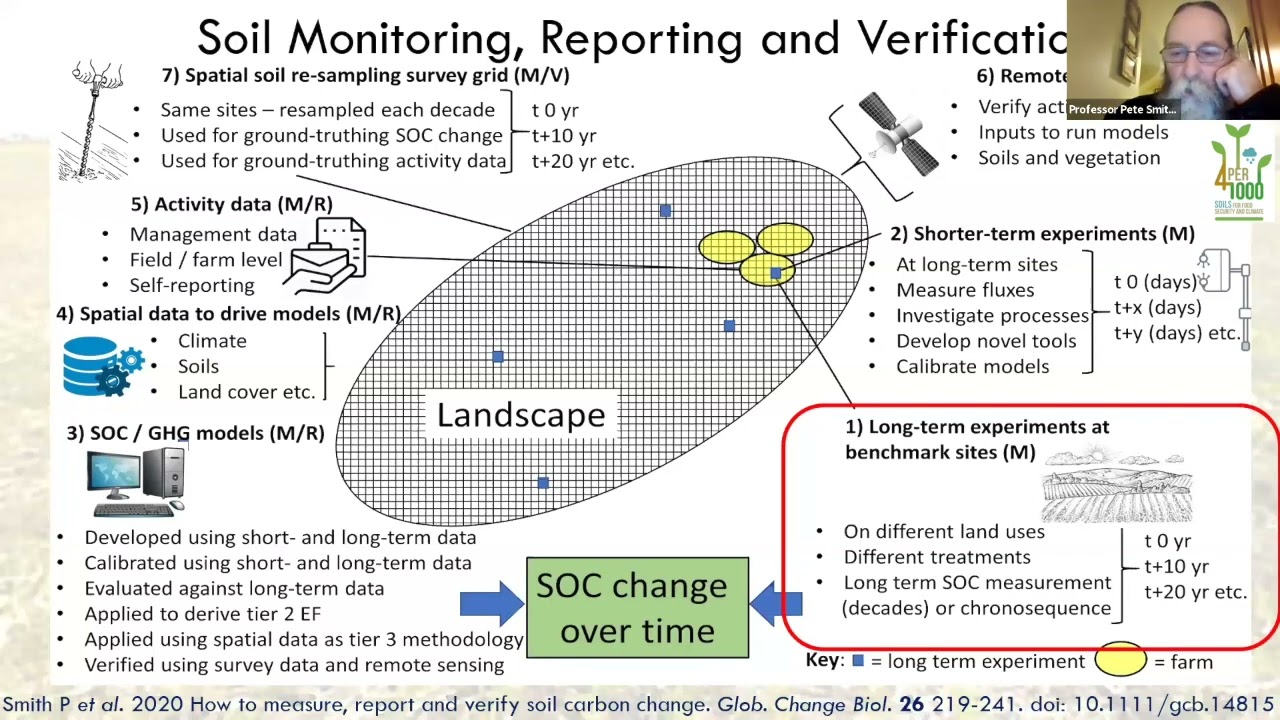









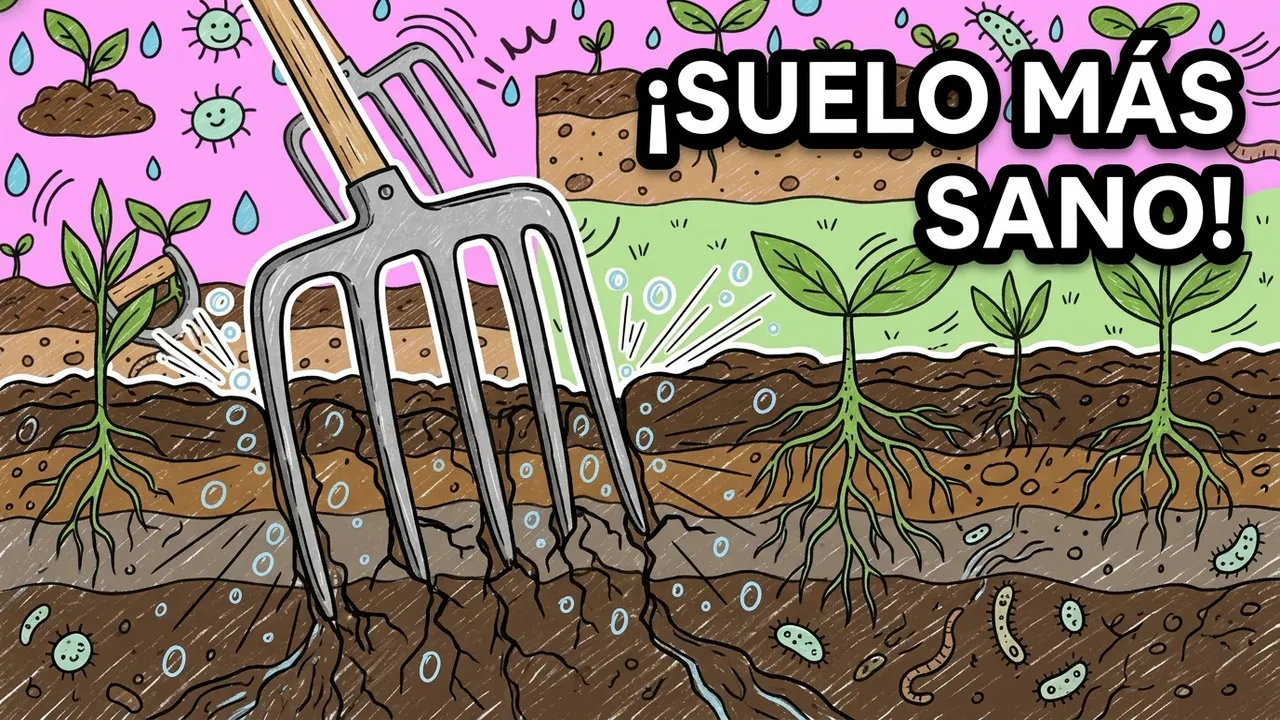
Strategic minimal soil disturbance combined with multi-species planting can dramatically regenerate degraded soils by preserving fungal populations that build soil structure and carbon, while stimulating beneficial biological activity; this approach, demonstrated through the Soilkee machine which disturbs only 17% of the soil surface while leaving 83% undisturbed, enables rapid carbon sequestration (up to 10 times faster than conventional methods) and transforms heavy clay soils into biologically active, moisture-retaining profiles within years rather than millennia.
Regenerative Agriculture: Building Soil Fertility with Soilkee
Added:The fundamental principles of the soil food web, particularly how soil microbes (bacteria and fungi) cycle nutrients and support plant growth.
The basics of the carbon cycle, specifically how carbon is sequestered in soil as organic matter and its role in soil fertility.
The concept of regenerative agriculture, including how it differs from conventional, high-tillage farming practices in terms of soil disturbance.
An understanding of soil physical properties, such as soil structure, aeration, water-holding capacity, and the negative impacts of soil compaction.
The economics and logistics of scaling agricultural technology like Soilkee on commercial-sized farms.
Advanced methodologies for measuring and verifying soil organic carbon (SOC) for carbon market certification and offset programs.
The role of mycorrhizal fungi and glomalin production in long-term stable soil carbon storage.
Policies and global initiatives supporting regenerative agriculture transition, such as agricultural subsidies and conservation incentives.
79.9K views1.7Klikes31:10Original Release: 2024-11-01
what have I told you that the answer to dramatically increasing top soil depth soil carbon and fertility could be a machine meet the ingenious Aussie farming Family behind the soil key soil regenerator let's find out how it works and have a look at some of the results good day Neils how you going mate hi Tim welcome to the S key Farm Neils tell me a little bit about where we are mate uh we're West gips Land um we're in that sort of uh a meter rainfall type country it is uh High aluminium clay messmate country so it's very very shallow top soil and that's sort of where we started and why we started this whole process of improving that and how many head of cattle you running here now mate about 170 Y and what would be the biggest challenges that you faced when you first started farming this place um really trying to grow feed into the late summer and and late winter that they were sort of really slow up times with the nutrient avilability to push past you through and you were saying you had some aluminium issues there as well yes yeah that really dry things off early so yeah and um we did a fair bit of working the soil putting summer crops in but it just brought more aluminum up and um slowed the whole process down so made it more difficult to sort of finish those summer crops so then you invented a machine to overcome all of those issues yes well we weren't thinking it was going to do virtually as much as it did but what we were initially trying to do was to plant um like an annual maze or a sorum into the pasture to actually increase that summer yield without disturbing the whole thing so that that was the main instance but then as we've moved forward we rapidly building carbon getting the nutrient cycling to happen and um yeah there's a myriad of other benefits coming through as well and you showed me um off camera a core that was taken from one of your p where you've been using the s c machine for seven years and a neighboring padic where it's never been used and the difference in the saw profile is quite St isn't it yes and and and that sort of coming in to late winter when those cores were taken like there's about a 30 40 mm depth of moisture in the neighboring property yet there's probably 40 cm of moisture in our property so we're actually capturing the moisture and holding it in the soil profile so the plants can utilize that for photos censes this and actually grow more yield so Neil your machine works in three zones really doesn't it you've got a cultivation Zone tell me a little bit about the cultivation Zone the cultivation zone is for competition free seed germination so you've actually taken the root systems out chopped a bit of organic matter up oxidized a bit of the soil as well giving a really good seed bed to start your new seeds which are perennials and annuals topping up your pasture and getting a bit of a cro in as well so you've got a Zone about that wide that's effectively rotary HED except it's with a hook yeah rather than a flat ho point which means that you don't get the compaction no there's no compaction underneath all the trials that we've tested there's no compaction it's actually softening underneath from the enhancement of the biological activity and capturing the moisture so any rainfall is extra captured in that trench as well so now beside that you've got another Zone here and as the hooks go forward I was watching there was a lot of soil spraying out in front but also you could just see that this ground here is lifted a little bit you can see when I pull with my hand you've got a zone of lift just about as wide tell me about that zone why is that important that that's very important because your existing pasture has been lifted up and air rated and loosened a bit of soil around it which really enhances the growth of the plant that's still behind after the so key and and I'm imagining this would also help capture water as well cuz we've sort of fractured it but we've kept the soil structure intact haven't we intact so it captures and fills up for the water very easily and lets the oxygen in or lets the air in as well yep because like you really need to run a system without uh any fertilizers you actually need that air which is 78% nitrogen that's got to be in the profile for the Free Living bacteria to pick that up now you've also got this Zone here that's not lifted and it's quite wide that's important too for the fungi isn't it yes so any disturbance in soil will destroy your fungal population and set it all out of balance where the center piece is undisturbed so the fungi that's in there before you go stays there and then repopulates out into the into the food sources that have been created right around it and people don't realize but it's that fungi that can actually access things like uh bound phosphorus in the soil and actually feed plant roots that's right so how much of the soil profile is Disturbed when you run your machine over it about 177% is Disturbed and that that is a you know you're losing a bit of that carbon by that disturbance but because of the sheet composting and the enhancement of the photosynthesis and the sugar exod dates you're up to 10 times the ability to build carbon in soil than has been recognized by the science Community now I I noticed when you were run your machine over you had a flail M running in front of the tractor that chops up your remaining pasture after a graze and then you're also covering that over with this fine layer of soil that means that you've got an anerobic environment for that fungi that's in this undisturbed soil to start working on the on the um pasture straight away well it's on the pasture straight away and and the inoculation of all the fungi in uh the different types of fungi from the soil straight to that food source because you've got your green green matter there in abundance it helps break all the stubble down balances that out and converts that fungal food into all those nutrients transformed into plant available nutrien nutrients in not 3 or 4 weeks so it really gets that uh nutrient cycling happening then that creates your aggregation in your soil where then your soil is breeding and you're getting that nitrogen into your soil profile now that's important I suppose for people that are wanting to put in an Autumn crop now you put in an Autumn crop about 14 weeks ago yes and you want to show me how far it's come yeah yeah in 14 weeks y we can do that let's go and have a look mate yep very good or Neil they say the proofs in the pudding you bake a pretty nice pudding mate that's right yeah seem to like it so Neils tell me a little bit about this seed mix that you're using in the padic mode um we've got sort of annual grasses and some oats and barley and uh sometimes we'll put wheat in there as well but you've got your you know your oats going to seed here now and your vet climbing up y um they're sort of dominating at the moment but you'll have a few herbs and some chery and stuff coming through and favor beans and some peas so we've got a bit of everything to cover seasonal conditions and to cover what's happening in the profiles in the soil and feeding the different microbes in the soil as well from the root exudates out of the different types of plants as well and you got c3s and C4 grasses yeah yeah and that's critical isn't it yes yeah yeah you've got to feed your uh soil structure to maintain it and if you haven't got enough of those C4s in there you don't actually get that enough of that fungal population built up so it it's when you're wanting to build carbon rapidly you've got to got to feed it you've got to capture it once it's actually um eating off and the roots are breaking down you got to capture that the the fungal population is the main capturing part of that now it's hard sometimes to get companies to give you multiple seed mixes like that where are you getting your seeds from at the moment well we use agf they've been really good at putting the seed mix together that we want requ and you they'll put it all over Australia Forest you anyone ask for it to the r store they they just um send it out to them under the soru mix there's a summer and a winter mix the real difference in that is you've got your early fiber of Ry corn for the winter and your early fiber of millet in the summer so that really gets early fiber with the high protein that you're growing with this crop method now your cattle can get a bit hot on its mix so you still do feed but you feed straw yes not really expensive locen and things like that no like we're growing all all our energy and protein is in ample or too much quite a lot of the time so we need the fiber and the straw to help balance their diet so you calm them down with supplementary feeding rather than heat them up that's exactly right y y so we're going to go now and have a look at one of your older paddocks that you've been s keing for a while but on the way there's a bit of a story being told here by the Kaiyu isn't there mate yes like we've had Kaiu problems in this padic for 25 years yep and um we soil it 3 years and we' been doing about nine now 3 years and the Kyu was out of the padic it used to be 80% Kyu now it's completely gone the treatment was soil key there was no sprays no nothing we've changed the nutrient cycling in the soil and the perennials and annuals at outperforming and no K anymore and I keep hearing this time and time again when people change across to regenerative systems and they go multi- species all of a sudden weeds disappear yep no weeds let's go and have a look at the old Paddock mate yep so Neils we're in one of the first paddocks you ever treated with a s key about 9 years ago you've been using it here for 9 years cuz this is the farm you invented the machine on mate yes that's it and we we started in these first few front paddocks and um really got some good results going and um been going well ever since now there's a fellow down here who's pretty interesting I want to go and meet Phil mvy yes tell me a little bit about him mate well he's turned up and started looking and researching on what we're doing wasn't a great believer of what the results were skeptical is all good scientist should be I suppose that's right very skeptical and came in knew what he was looking at straight away he could actually get in the field look at the look at the soil yes well all this is happening great went off and researched it and um it's been supporting us ever since Neils we got the whole family and your neighbors here mate yes having a look at what's going on in your padic y Phil how are you mate Jim pretty good lovely to meet you and indeed you I'm going to be fascinated to talk to you I want to find out about what's happening down there so Phil you're a little bit unusual for a soil scientist you come at it from a biological perspective you love the microbes yes I would I'd say a lot of soul scientists do but that's more recent but I came out it from literally 40 years ago I've been working on degraded land and when you got degraded land the biology and the organic matter is really important it doesn't matter if you're fixing tailings dams in the tanami desert or trying to recover War damage land in Kuwait or the acid sulfate soils of samatra you got to focus on the biology so the physics and chemistry can't be ignored they're all part of the system but the biology is hugely important to get the system back into production the biology is like the community in the soil that fixes the city isn't it yeah look there's layers of biology you're working with that you want to go well Fung is really important the bacteria is important the root interaction between the Fung F and the uh bacteria and the bacteria and the fungi is essential so Sean's got his snake killer out here he pulled it out of the Ute yeah he's actually using it for what was designed he's using it can you show me a little bit about what we should be looking for in a hole and what some signs of good biological activity are in a soil pit no worries but what I'll tell you about is that Shawn found a worm just a minute or two ago 70 CM down that's Fant fantastic infiltration now the thing to understand about this country and maybe Sean can can fill you in here a bit is this should have be what we call duplex soils it's on Old meta sediments so these are sediments that were being baked and really had the nutrient stripped out of them they're cirium which means they're very old and the soil here is basically crap but something's happened to it it's been improved substantively so Sean what did it look like before so we had a couple inches of pretty good top soil um and a bit of a gray gray Lamy sludgy stuff in the winter and rock hard in the summer for the next couple inches and then it was just High aluminum yellow clay underneath yellow yellow yellow I'm not seeing much sign of yellow all the way down there okay I'm an old guy and we go a long way down that's almost a meter and you can see where can bring the stuff up from down deep and look at this as you come up and have a look at it you can see that the yellow's gone it's actually quite Frable you can see roots and went down a meter down the Ming's almost disappeared and the really interesting thing is because we are here in Winter they've just had 40 mil of rainfall a few days ago it's not PCH perching but if you roll it out you can see and this is a test that that that Soul scientists do to work out clay content it's a over 7 cm long which means it's over 35% clay now I squeeze it no water's coming out but it's not hard either so that's saying that the the aggregation from organic matter is penetrating into it you can see the roots you can see that it's Frable even though it's a heavy clay now digging in this needs two things during summer it needs a crowbar in its un unrestored State and during winter you can't get it off the shovel so you can't get down but now with the S key we're down a meter and we got a lovely fiable material there's free draining through it it's changed the whole landscape because of it so we're able to get heavy rainfall events that don't run off get stored in the soil to carry through a drought and because the organic matter in the water we don't get heavy frosts in fact one of you guys was talking about getting fogs weren't you yes so often we often we see on the way to work on a frosty morning it's always which paddocks are going to be covered in Frost and and which aren't and it's consistently this is a low-lying flat look across the back of this padic so it should be Frosty should be the frostiest spot there is in between the two hills here and consistently for year on year it's a a low fog No frost the pasture regardless of the length and it's yeah it's consistent it's not just a oneoff thing whereas before the saw ke like 10 years 12 years ago heavy Frost if you did get one you could almost put the skis on and yeah it was quite Frosty yeah see that's the difference that that What organic matter does is the aggregation it improves water holding capacity so you increase the amount of water you can store but miraculously at the same time it allows more infiltration so you hold more water in your soil from a rainfall event but you have more water going down to your groundwater as well yeah so you get this stream effect where the basil stream the basil flow during summer increases because of the organic matter in your soil so it really is amazing what you guys have done as a family and I congratulate you for it from the soil science perspective it's quite extraordinary so Phil tell me a little bit more about the importance of your bacteria and your fungus in building that depth of soil how has that physically happened mate because the soil key it's only really going in that far that's true the S key doesn't go far at all but it's got some unique features about it it actually disturbs 17% of the ground just at a shallow level but in doing so it throws over the moan grass from the front or the or the trample grass by the stock uh a layer of soil a thin layer of soil and after the first around a soil key what you've got is you've promoted the primary fungal degraders so they're the ones that attack your lignan which is in your wood but also the hemicellulose which is in your stalks so you need the primary fungus to attack that and that's coming out of that undisturbed soil that that sort of yeah but you've stimulated them they're the ones that crack the straw initially and they depend on both the roots and the bacteria to be fed so if you don't have this relationship then the fungi won't crack it initially and and then build a glue that Aggregates the soil and sometimes humies or locks up a bit then all the bacteria do is crunch it quickly and mineralize it and that's why I've had as soil scientists in the past say to me that root exit dates are just Coca-Cola for microbes they just float off to the atmosphere as quick as anything but you're saying that's not the case if your soil biota is in balance that is correct the issue is to understand is that root exudates are good for the circumstances where you've got the balance with fungi and bacteria you actually switch your root exed dates off when you actually put fertilizer on it's evolutionary biology it's really fairly simple and the best way I can describe it is that why would you waste time doing something if there's no benefit so Phil we've got a machine that's only opening up 17% of the soil it's leaving you 80 83% of the soil undisturbed so we've got fungi in there we've got bacteria in there can you explain to me why it's so important to have a balance of fungi and bacteria in the soil if you're regenerating a padic right if you just have bacteria you mineralize which means you convert all the leaf litter on the top to CO2 and water and then the um which is why some soil s just discount microbes in the soil because they really only look at the bacteria correct but what wasn't understood until fairly recently was the role of fungi and fungi and bacteria and the root hairs all work together and basically the root says I will produce an exate that stimulates the bacteria to push the fungi out to go and find nutrients and water and bring it back to me cuz fungi break down minerals don't they in the soil they do but they also break down hard to break down organic matter such as lignum which is the main component of wood and hemos and cellulose which is that component of straw that sticks up so if we're cultivating the soil yep we're destroying some of that valuable fungi and breaking that link between the root and the bacteria yes you're getting sunlight directly onto it you're getting highly oxidative conditions so the bacteria don't need the fun to provide the oxidants necessary because photons and their own metabolism can break the leaf litter down to actually um create the nutrients the plant might want and on top of that we feeding them fertilizer anyway so what the bacteria does is it bypasses the step that the fungi do and it goes straight to converting to CO2 which is why when people put fertilizer on pedics for years upon years upon years they end up with a lot of bound phosphate that's not available to the plants yes and a lot going into the river systems so what you're dealing with is yes there's a stored quotient and and we were talked I got lectured about the Q factor back in the 70s which was that stored component yes but the stored component is stored as appetite which is a very insoluble phosphate but surprising enough certain fungies produce acids that break that um rock down that melt it effectively so they produce an acid that breaks it down but they've got to be fed by bacteria to do it but the bacteria got to be encouraged by the root to do it so if you're putting fertilizer out why would the plant waste energy on an ex your dat Coca-Cola if you like why would it waste it on it on a situation where it doesn't has to it could just put more into Leaf matter so the secret to regenerating your soils is to disturb only a small fraction of the soil put in the plants that are there to provide a multi-species environment put a small amount of oxygen in there but preserve the fungi and bacteria in the ecosystem that's already there and let it go about its work there's a few tricks to get it going which is a bit more than that of course but the the bottom line is you hear a lot of people saying any tillage is bad yes but um my wife keeps saying to me um when the grandchildren come in and says pH you need to be disturbed every so often to make you more useful so it's the same with a little bit of tillage now and again yes so you're doing with a occasional acute um stimulus or acute stress is actually good for the system but constant chronic stress isn't and a massive acute stress isn't the soil key applies localized occasional um acute stress which actually stimulates the whole system now how come the yellow soil is disappearing down that whole fill what's really really happening and this is what makes it's so interesting and why I'm as a soil scientist so excited about the multi the multi-response functionality of the soil key in this instance what's happened is you've had both root exudates and fungi and Roots themselves push down into it right and as they if you have a look so the Fung is following the roots yes um but the fungi goes out from the roots so it pushes out into the Matrix and as it pushes to make it's easier to push out it produc it's got a thing called hiy which is that white stuff you see yes now on the edge of hiy there's an exate it puts out the fungi puts out itself and it generally class in a group of substances called glomalin glomalin is like PVA glue it holds things together now that's going to look different to Mechanical soil structure isn't it yes now Phil you really want to encourage farmers and landholders to go out in the paddock with their snake killer and dig a hole yes what are three things they should be looking for mate okay the first thing is how easy is it to dig well that's obvious if you put the blade in and only goes that far you got work to do yep right if you put the blade and it goes a bit further and you can turn up and and put the tilth to a side and then you hit a really hard bit of clay you got work to do if you can go down like we've done easy digging on an old by an old guy then in actual fact that's looking pretty good the next thing is soil PH now look you can go and buy a pH K from Bunnings you can buy ones designed for Australian conditions that have been written up by CSO from from a group called Nole Laboratories I assume you can put that on on put the link in the description for you terrific so you do soil PH yep the third thing which is a combination of factors is I want you to fuel your soil you see how I rolled it you want to see how that looks you want to see if water comes out you squeeze it you want to smell it is it sour and all that so you physically want to be it should smell sweet shouldn't it it smells sweet yeah actually smells earthy and sweet if it's just earthy and not sweet you got another stage to go um if it smells sour you got a long way to go cuz it's Anor robic isn't it it's anerobic um if it's got no smell then you've also got a while to go it should have a nice pleasant earthy smell um and that sweeter earthy smell is when you know you've really got the biome pumping for you now when you squee it what should it feel like man well the trick is let's have a look at some of this cuz there are different soil types and obviously they're going to feel different but what are some general characteristics of healthy soil that we're looking for you want to see the aggregation when you see it like that um so this is up at the top soil further down when you squeeze you want to see that the moisture comes on your fingers just slightly but doesn't rush out and there should be some rebound so the guys got more to do here there should be a little bit more rebound than there is yep um but this is a really heavy clay and it's coming along well it's coming on brilliantly Neils congratulations mate you and your amazing family have built a business that is making a real change to soils in the back of your shed on the Family Farm And it's a story to be really proud of mate congratulations and we've got scientists involved now real hard-hitting scientists Phil you had something you wanted to say about tops soil yeah when I went to unia in the' 70s we got taught that it takes 10,000 years to build a centimeter of soil cuz that's the the dog isn't it well it's it's a natural rate of weathering yes we obviously erod so very very quickly but to build it from the base up yes takes about 10,000 years and so I've worked the last 40 years on mines and deserts and in particularly the tailings dams and waste rock where we have to build soil in a short period of time from the top down and that's what the soil key does well what it really does is you can throw a lot of money and build from the the top down and the farmers go well we don't have those resources what this does is allow the farmer to go green and stay in the black fantastic if you want to go green and stay in the black there is a link to soil key in the description there's also a link to a fantastic app that has been developed to make your soils easier to understand and manage get onto that app immediately and you don't want to miss out on videos like this so make sure you smash that subscribe button and if you hang around after the outro you might even get a few little extra Pearls of Wisdom done thanks Ste beautiful thank you were you happy with that Neils yes in a such a heavy clay system like this to see this sort of response and organic matter that far down when you can go across to the next pad you and see that it's just done that and you hit that the heavy duplex clay this is a slaking clay with somewhat dispersive which means it's actually pretty bad in terms of soil erosion it's pretty bad in terms of fertility so um this is quite typical of the zone right round the gold the gold filled countries As you move up into that and up into MGI up up the central table lands you have a lot of these salarian um deposits that are um that we have our mixed Farms on that where the quality is not overly great the bass in the granite country is generally a hell of a lot better now with products like so key it's only been around for8 or n years it was farmer developed it was developed to solve a problem the scientific Community is taking a fair while getting their heads around this and coming on board aren't they that's quite normal for science yes it is actually um most of the Innovation occurs behind the farm gate and then the job of science is to work out why it works and then set up a frame framework or a ree if you like where it can work on what what other farms and what other circumstances yes um and so innovation in agriculture um generally with the innovators to the scientists learning and training the extension officers is about a 15-year period and it could be even longer when you're a disruptor to current organizations and industries Tim um you're you're right there is existing you know existing providers and things in place that um that this could displace and therefore it's not in their interest to see changes but that's not to say that that it won't come on board because anything that increases um money for the farmers when I say money I don't mean increases yield because Farmers have got two levers and they seem to forget they can pull the cost lever too correct and they stop going round and around and circles with uh greater yield and less and less profit they can actually reduce their cost of sales of Dad they wouldn't actually use his shovel so I haven't been able to get a shovel that goes down deep enough so if you have a look I'm down now a meter and the mottling is starting to come in a bit and as you can see it's not plastic failure that I'm getting it is actually breaking and it's breaking along Aggregates so you can see that we've got aggregation occurring you can see not so well there we go you can see there's some Roots pushing ahead that's from a met down yes it's from a meter down and and this has been dug well not entirely but mostly by me um so you know this is you know comparatively soft digging um and you're dealing there's a little bit of char cuz CH does move down the down the profile and get taken down the profile but we break it up again you can see there's bits and pieces a root in there and there's no plastic failure it's actually breaking along aggregation there so it's interesting that you would expect a plastic failure but also as I pointed out before notice when I squeeze it even though this is you know the back end of winter I'm not getting any free moisture out and that's showing that that it's storing moisture in the organic component that there which is which is not overly great at this point um but it's way more than what you normally get under natural conditions or under Farm conditions elsewhere in the valley but the other thing to note is that that's allowing water to get down to the water table
Up Next

56:51
Fungi in Permaculture: Harnessing Mycology for Resilient Design
@DiegoFooter
82.2K views•2017-09-02

15:54
Life in Biosphere 2: Sustainable Ecosystems & Human Survival
@TED
334.9K views•2009-06-16

14:30
Microplastics Everywhere: How Plastic Impacts Our Lives
@TEDx
100.9K views•2018-05-08
10:28
Ice Stupa Artificial Glaciers: Solving Ladakh's Water Crisis
@SonamWangchuk66
3.2M views•2015-05-03
Related Study Plans & Knowledge Roadmaps
Structured learning paths in Environmental Science
environmental-science
Ocean Noise: Cetacean Impacts & Mitigation
01Fundamentals of Underwater Acoustics
02Marine Mammal Bioacoustics
03Anthropogenic Noise: Shipping & Seismic Surveying
+ 2 more learning modules
16h5 modules
Explore Roadmap
environmental-science
Road Ecology: Corridors, Overpasses & Fencing
01Foundations of Habitat Fragmentation and Carnivore Ecology
02The Road Barrier: Ecological Impacts of Transport Infrastructure
03Principles of Ecological Corridors and Connectivity Mapping
+ 3 more learning modules
14h6 modules
Explore Roadmap
environmental-science
Ocean Acidification: Kelp Buffering & Shellfish
01Fundamentals of Ocean Chemistry & pH
02Chemical Pathways of Coastal Acidification
03Bivalve Physiology & Calcification Under Stress
+ 2 more learning modules
18h5 modules
Explore Roadmap
environmental-science
Ice Stupas: Glacial Retreat & Water Security
01Foundations of Glaciology & Mountain Hydrology
02Climate Change and Glacial Retreat Dynamics
03The Science of Ice Stupas & Artificial Glaciers
+ 2 more learning modules
14h5 modules
Explore Roadmap