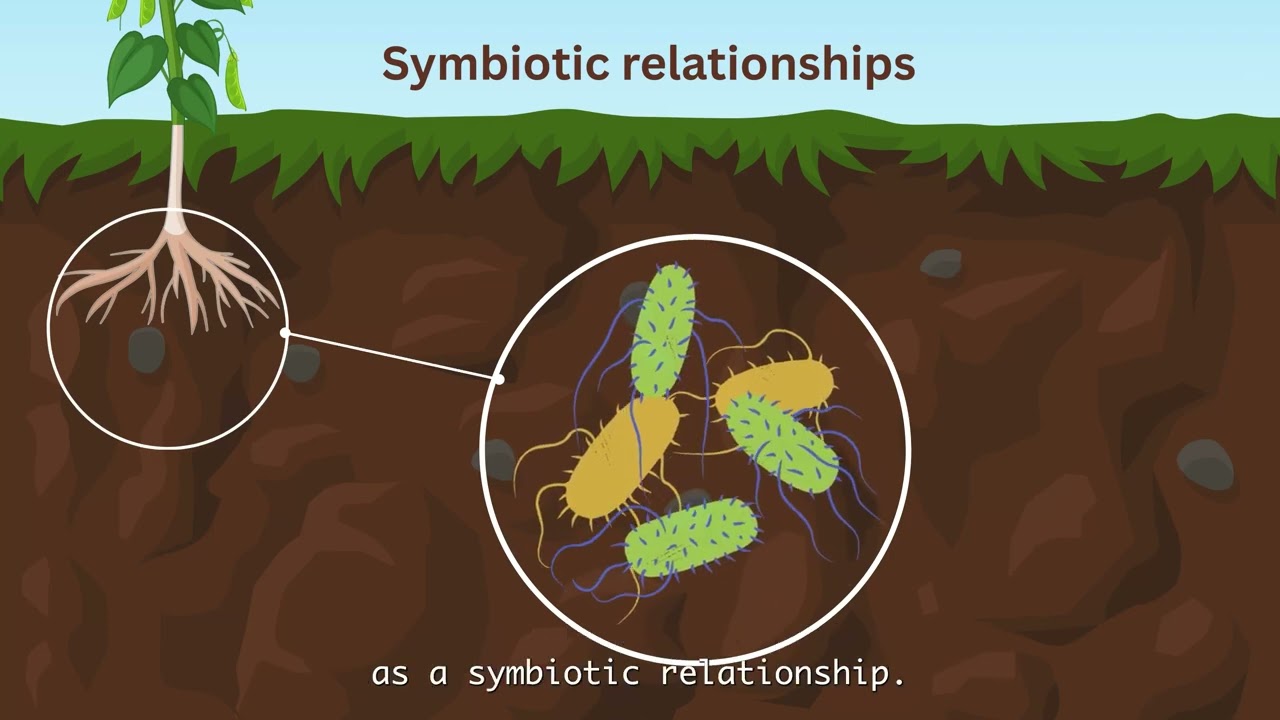








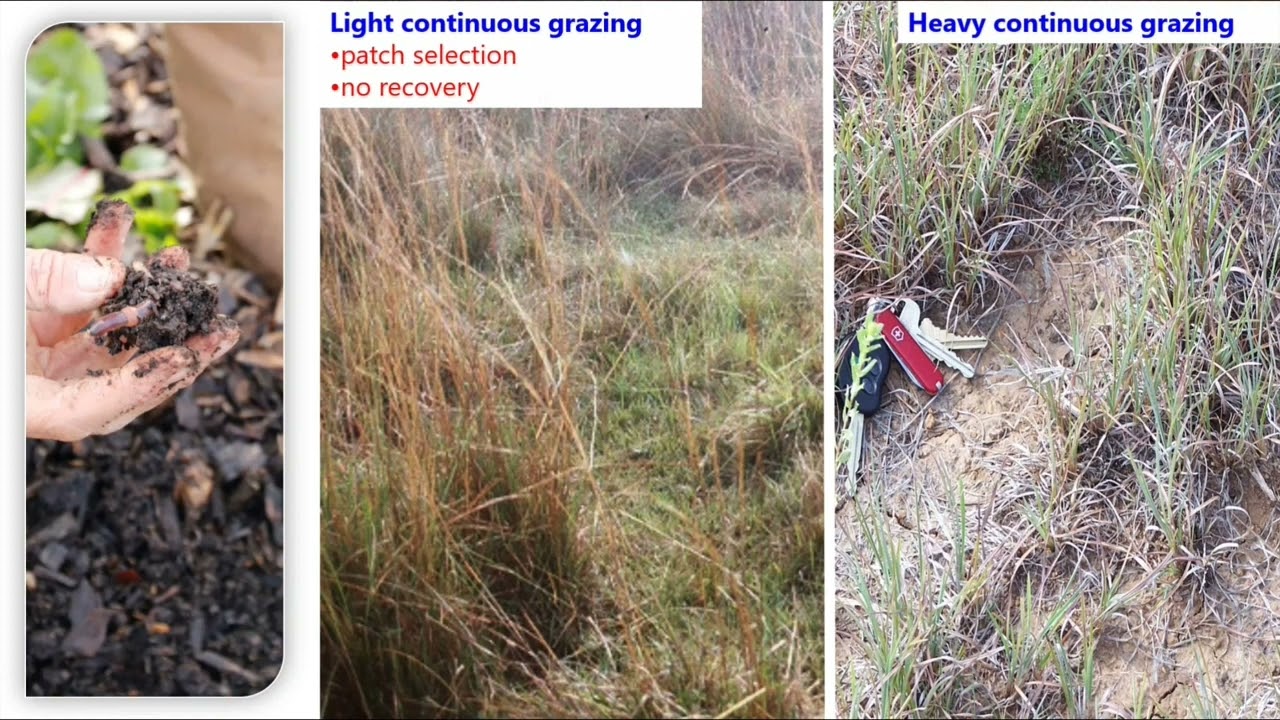









Regenerative agriculture is a farming approach that works with nature's principles to build soil health, increase biodiversity, and improve profitability. The six core principles are: (1) Context - farming must be adapted to local environmental, financial, community, and spiritual conditions; (2) Least amount of mechanical and chemical disturbance possible; (3) Armor on the soil surface through living plants; (4) Diversity in crop rotations and livestock integration; (5) Living roots in the soil as long as possible to cycle carbon and nutrients; (6) Livestock integration to enhance soil biology. These principles, when implemented, can transform degraded soil into healthy, productive land by restoring the natural biological processes that cycle nutrients and water through the ecosystem.
Gabe Brown Keynote: Regenerative Agriculture & Soil Health Future
Added:well thank you clean it's a real pleasure to be here was actually about three or so years ago she tried booking me and then perfect thank you I was booked the first year and I said okay we'll get it on the schedule so that was about two years ago we put this on the schedule and and it's a it's a real pleasure to be here in Michigan I get to Michigan occasionally but but not not real often now the first thing I'm going to do though is I'm gonna take a picture of you because I have a little I have a little thing going with my wife she says my wife has never heard me give a presentation we've been married 39 years she tells people hell I won't even walk across the street to listen to him let alone go to a presentation so I'm gonna send her that picture just so she knows there are really people out there that that do want to hear me it's a pleasure to be here I want to thank clean and Erin and all those at the at the district for for bringing me here I thank you to Pete for sponsoring me and thank you to Jamie for picking me up and chauffeured me around that's a real real pleasure it was nice to visit with him yesterday so I'm gonna just briefly share with you the journey that my family and I have been on the past 25 plus years could I ask is there a way to dim the lights up front so these these slides can show up a little better thank you so it's a journey that we've been on for 25 plus years and I'm gonna go through it rather quickly I want to make it perfectly clear I am NOT here in any way to tell you how you should or shouldn't run your operation only you can determine that I'm simply here to share with you my story the story of our ranch and how we've gotten to the point we are today now that one there we go that's perfect so it's really a journey about soil health and I tell people when my wife and I purchased the ranch from her parents in 1991 we didn't know where this journey would take us we didn't have a plan it's been a learning process all the way and to me that's one of the exciting things about agriculture is that you can always learn and you can always change and I have the good fortune now I'm literally on hundreds of farms and ranches all over the world every year and no two are alike everyone's different and that's the beauty of it but we have the ability to learn from that you know it's it's really my good fortune that I get on so many places because I'm able to learn from each and every one of them and I'll learn certainly learn things today listening to the other speakers so a little bit about the history of our ranch our ranch is located actually in the jurisdiction of the city of Bismarck North Dakota which is about a hundred and twenty-five thousand people in that area my in-laws bought that farm in 1956 that consists of about 5,000 acres my father-in-law farmed what was considered very conventional heavy heavy tillage he enjoyed tillage and I'll talk about him I always say that he practices recreational tillage he would go out just for the sake of tilling because he enjoyed doing that half summer follow half crop all small grains he used fertilizers pesticides occasionally a fungicide use organic matter levels when my wife and I bought the farm from them in 1991 on the cropland were one point seven to one point nine percent now that's significant because historically speaking so scientists tell us that that cropland in central North Dakota should have been in the seven to eight percent range so in other words we had lost over seventy five percent of the carbon in the soils due to managed practices also in 1991 I had good fortune J fear who many of you have probably seen YouTube videos of or heard present came out and he did some baseline soils work and he found that we could only infiltrate a half of an inch of rainfall per hour so that's not very much now we only get about 16 inches of total precip about 12 inches falls as rain and then the rest is from the 70 plus inches of snow we tend to get the grazing system there was three pastures they put cattle in season long and then they were run on crop aftermath a little bit and then fed for approximately six months out of the year calves didn't Corral's you know that that was just common and the animals were confined well I had the good fortune that I wasn't I didn't grow up on a farm my parents didn't farm I grew up in town so everything was new to me and I'd read about no-till and I had a good friend of mine who was an O tiller and he says Gabe you just got to do this it makes sense so in 1994 the spring of 94 I sold all my tillage equipment went a hundred percent no-till and we've been a hundred percent zero till ever since that's the original drill that I bought 1994 we also added peas to the rotation you know my father-in-law was was spring wheat a little bit of barley a little bit oats that's it I added peas because I had read enough to know you got to have legumes fix some nitrogen that fall following the peas I went in with winter triticale and hairy vetch and this was a combination I just thought may work for my environment I was trying to figure ways to diversify the crop rotation and take advantage of these synergies of nature you know why do we as farmers insist on purchasing our nitrogen when you know all you have to do is is plant legumes or provide the home and habitat for the nitrogen fixing bacteria in the soil that's what we need to do but we tend to not do that when we tend to purchase our inputs well that was the reason I went with the hairy vetch it's another legume in the system another way to get nitrogen naturally rather than right in a check for it so 1995 came along I had over a thousand acres of spring weed in the day before I was going to start harvesting that spring weed we lost 100% of our crop to hail now I never had any hail insurance at the time my father-in-law had been there 35 years he had had had hail twice but never to any great extent so we just didn't think it was a wise decision well I learned differently 1996 came along that spring I added corn to the rotation I was trying to diversify a little bit no tilled the corn into that hailed out wheat stubble unfortunately we lost a hundred percent of our crop to hail again so two years of zero crop income things were getting kind of tough banker was kind of squeezing me a bit and I had to learn okay how am I gonna make this work my wife and I both took off farm jobs to try and try and make the payments 1997 came along and we dried out there was nobody in our area who combined an acre back then so I was three years of no crop income and it was at that time that I heard Don Campbell speak as Killeen said and he made the statement if you want to make small changes change the way you do things if you want to make major changes change the way you see things and I knew then and there that was the answer I will never ever forget him saying that that was life-changing to me that statement and I knew I had to observe and figure out okay bankers not gonna loan me any money any more how am I gonna make this work without having to sell the farm well 1998 came along and that's actually a photo I took that evening and you can guess what that led to so that happened in June we lost 80% of our crop to him so then things were really really getting tough but what do you do right after hailstorm I didn't have feed for livestock so I went in scraped enough money together I planted cow peas and Sudan grass leggo him in a grass a pretty simple mix but I was trying to grow something to feed the livestock now truth be told my intention was to put this up for Forge as baled hay but I literally did not have enough money to pay for the twine in the expense of baling it so we turned our cattle in there in the winter and grazed them that was the start of winter grazing and it was also a real start of getting animals back out onto the landscape particularly the the cropland now think of what happened so I had four years I'd already gone no two we had three years due to the hail had put a tremendous amount of residue or armor on that soil surface we didn't disturb that biology started feeding on that we were doing soil tests every year and we noticed organic matter levels were starting to rise significantly we also started integrating the cattle that was another step to this process I really realized that what I was doing was I was taking the dirt that we started with and we were starting to grow a soil and that's really what it's about now I'm blessed I have 2,000 acres on our ranch that is what we consider native Prairie in other words it's to our knowledge it's never been tilled it's pretty impossible to tell it it's up down a lot of rocks I spent a lot of time as I was out moving my livestock observing what you see on native prairie and what we noticed was that nature acts in a certain way and as I traveled around the world I see this as a constant nature always acts in context and I'm going to talk more about these coming up there's no mechanical and there's limited chemical disturbance in nature plants put off chemicals all the time but we're not putting the copious amounts of chemicals nature isn't putting the copious amounts of chemicals on that yes compared to what plants do nature always tries to armor soil surface you know if you go out there until a field why do we do peer and come nature is trying to armor the soil she wants to protect the soil protect it from wind erosion water erosion evaporation nature cycles water very very efficiently well I'd mention that when we started we could only infiltrate a half of an inch of rainfall per hour that's not very efficient that's on our cropland but then you go on native Prairie we could have a two inch rain storm and it'll infiltrate why the difference because of our management in nature there's living plant ruck networks there's mycorrhizal fungi moving these nutrients and moisture throughout the soil profile we've lost that due to our management nature cycles nutrients bio biology and this is the hardest one for us as farmers and ranchers to understand you know one of the worst things that ever happened in farming and ranching was world war two where they took the minute after world war two they took the munitions plants and converted them to produce synthetic fertility so it became cheap for us to buy that but as we're seeing 70 80 years later that's coming at a great cost to our ecosystem and any other thing is nature there's thousands and thousands of years of research and development it's hubris of man to think that he can impose his will on nature you know nature knows what she's doing it will always win every time so these principles the first is context and I know many of you are familiar with the five principles of soil health my business partners and I added this sixth principle context because there's there's many of us who are farming and ranching out of context you look at your environmental context where are you at environmentally only certain species grow there yet it seems we're trying to impose our will and get species to grow in an area it's not ecological context is different on every single farmer ranch you might have different soil types as compared to your neighbors you know you definitely have different precipitation as compared to to those in other areas correct so there's an environmental context we need to look at there's financial context how much capital do you have for the past 25 years my wife and I have ran an intern program on our ranch where we bring in terns in and they help through the summer and they get an education as a part of that every intern pretty much that comes the first thing they want to do is run out and buy land that's exactly the wrong thing for somebody starting out and farming and ranching to do we have different financial context don't do that you grow your operation tell such a time you can afford to pay cash for a good part of that land then you purchase it there's community context everything family through society how many family members are involved what type of community do you have because that'll play a role in how you farm and ranch and then I really believe there's a spiritual context you know those of us involved in farming and ranching know that faith plays a great part in that you know we work with life and death every day in our business you have to have that spiritual context in order to succeed understand that it's different for every single one so back that after my wife and I purchased the ranch from her parents I started a purebred cattle operation I started calving in January in February in North Dakota that is out of context you know and I'm ashamed to say I did that for 25 years that is out of context now we we calves in context you know my son took this picture right when he got out of college moved back to the ranch and he took this picture to show all his college buddies this is how calving should be you know we now calves in late May and June on grass the way it should be much more enjoyable the animals like it much less stress on on us that's ranching in context with our environment I was not doing that before the second principle least amount of mechanical and chemical disturbance possible so this is my father-in-law my father-in-law loved tillage so much that when he retired he went and bought this disc and he went and discs for neighbors just for recreation you know well there was a lot of angst in the family when I went no-till in 1994 my father know it's a good thing he loved his daughter or I would have been gone he did not like that now he thought he had the last laugh because when he passed away guess what I got in his will that's true story you know an abyss lasted less than a week before it was sold okay yeah this is us today that's a picture of me planting corn into residue notice I don't even use trash whippers that's way too much tillage for me we're planting through three to four inches of residue that's what I want to do how much how many weeds are gonna germinate there okay how much soil am I gonna lose to wind erosion water erosion how much moisture am I gonna lose to evaporation okay I'm farming in context it wasn't uncommon for us to have a lot of pests pressure back when we were growing monocultures okay well what would we do would call you know airplane local co-op get him to spray on some pesticides right now Matt Jonathan longren and Jonathan Lundgren told me this now I'll never forget it he said Gabe for every insect species that's a pest there's seventeen hundred that are beneficial so what are we really doing when we spray that pesticide aren't we also eliminating all those beneficials why do we want to do that why do I want to write a check when nature can take care of it for me the key I found was that I had to provide a home and habitat for those beneficials how many of us on our farms and ranches really do that really provide the home and habitat for all those beneficials right we need to start thinking about that we need to do that the other thing you know I had to use the latest and greatest okay we got to put seed treatment on our seed right got to put any anecca denoise on there right in order to kill those pests but what did we see after time we've seen a decline in the insect diversity especially the pollinator species those pollinators are the same insects we need to pollinate our crops why do we want to do that also that insecticide is killing below ground biology there's more microorganisms in a teaspoonful of healthy soil and there are people on this planet yet how many of us as farmers and ranchers think about that you know there's way more life below ground than there is above ground are we doing what's necessary to ensure that they're below ground biology the same biology that cycles the nutrients for us has a chance to proliferate and live how many of you have heard of rice ology okay we've got a few that's good so dr. James white at Rutgers University I strongly encourage you to google his name there are several YouTube videos out there he has discovered that biology actually interacts with plants a lot differently than we thought this photo here drawing depicts the root tip of a plant dr. white has found that microbes actually enter in to that root to that plant once they are inside the root of the plant they shed their outer cell walls and then the nutrients in the biology are absorbed by the plant then they move up the root to the root hairs and are expelled out into the soil this is actually the picture of a red hair on a plant that's all microorganisms here these small dots being expelled back out into the soil to go gather more nutrients once they do they come up again that's the nutrient cycle yeah what are we doing by applying these seed treatment we're killing all this biology that cycles the nutrients now if that isn't mind-blowing enough what dr. white has also discovered that during the reproductive phase of the plant that biology moves up through the plant onto the seed and it's there on the seed so in that seed falls on the ground or is harvested and and seeded that biology is there to start the process all over again yeah what are we doing in our infinite wisdom in act are we not treating that seed killing the very biology that make this cycle happen that put more dollars in our pocket and then we in farming and ranching what happens we're stretched thinner and thinner with narrower and narrower margins right why not work with nature instead of against her third principal armor on the soil surface one of the things that now is the most disheartening to me is as I travel around the world I see a lot of areas that look like this this is a Central Valley of California ray Archuleta and I were out there doing some workshops that's where most of the produce that's grown in the United States a lot of it is grown is in that valley yet what what do we see bare ground bare ground bare ground between every crop multiple tillage what's feeding that soil life what's taking all those nutrients out of the atmosphere and putting it into the soil there's nothing there until I've cash crops growing right how much of that is prone to wind erosion water erosion where do the nutrients end up in the watershed right it's not only through tillage though oh it's also through our management if like me you're in cowboy country everything that can be bailed are put up for forage is and it's removed we're removing all that biomass from the soil surface I needed to get away from that so I've gone to the point now this is what this field is actually seeded okay that's what my fields look like after we're done seedy how much soil am I going to lose to wind erosion water erosion and now we're also planting green now where I'm at in North Dakota there's you know we will have about 110 frost-free days so I'm very limited in time I can't get this right an thesis we're rolling old work so we seed green into it and then terminate the Rye with a herbicide but I have a living plant in the soil as long as possible and it's not only for crop farming for grazing also I travel around to too many places where I see over grazed pastures and that's all due to a lack of proper management this is one of my native pastors I took this photo last year after we had grazed it and it had recovered so our rangeland and pasture land is grazed approximately one day every 12 to 14 months in my environment with my limited moisture it takes that long for those plants to fully recover your context is going to be different you get more moisture you can graze more often but the fact is we're grazing way too often many producers then they do not have that armor on the soil surface very very key and important to a healthy ecosystem fourth principle is diversity this is one of our native paddocks if you look at that paddock you see a tremendous amount of diversity I tell people I bought this land in 2003 I bought it for two reasons number one tremendous amount of diversity in a native ecosystem number two with that amount of rocks I'd never be tempted to tillage right for five years my son taught rangeland management at the local community college he brought his students out to this paddock and in two hours time they collected over a hundred and forty different species of grasses forbs and legumes that's the type of diversity that nature dictates works best yet what are we doing in production agriculture today it's all about monocultures right when I started my father and I was strict monoculture cash crops in the spring we oats barley the Halen's that we had monoculture alfalfa monoculture monoculture I started to diversify this is hairy vetch winter triticale and cereal rye now I've added to that we're also growing yellow blossom sweet clover and winter barley I'm developing a winter barley variety that'll overwinter in North Dakota been successful two years in a row now I'm getting diversity into that mix we can do that this is corn with multi species covers grown between the rows many producers are doing that you've seen that here in Michigan too and then the diversity in our pastures why don't we want it see I had to put this photo in for you guys it shows that I do have a tree there are north this is just one yeah yeah when the wind blows there's a lot of cattle stacked behind their fifth principle living route and the soil as long as possible if farmers could do one thing that would really change their operation besides eliminating tillage it would be this one we have to have a living root in the soil as long as possible throughout the year never ever pass up the opportunity to cycle carbon okay but what did--what crop you grow here this shoutout what's one crop you grow here corn and soybeans yeah they're growing everywhere okay if you take a corn plant soybean plant cut them off dry them out what's left what's that comprised of 97% of what's left will be approximately will be carbon oxygen hydrogen and nitrogen what are those four elements have in common carbon oxygen nitrogen hydrogen they're all found in the air right so 97% of what your plants need I don't care whether we're talking tomatoes blueberries corn soybeans comes from the air do we ever think about that yeah what are we doing we think we have to feed it all those things right how do we take that out of the air put it into the soil right here living plant yet how many farmers are doing that okay what does picture depicts this field up front this was a Syrah rye winter triticale here in that field that I combine that's my most profitable cash crop urine in your up I immediately then the next day I was in there with bin Ron oats barley peas and two pounds of daikon radish now I could raise this if I so chose it's there though just to cycle those elements out of the atmosphere and put them into the soil to fuel the next year's cash crop why do we insist on doing things the hard way why not let nature do it for us and people say oh that's too expensive really take a little one field of yours grow some peas and some oats together combine it you've got enough seed for last you for years right buying two pounds of daikon radish throw in there just as a nitrogen sink and you're starting the process this isn't rocket science okay also we added the very very diverse covers into our system they're an important part of the system now because we're optimizing solar energy collection how many different leaf sizes and shapes do you see there is any sunlight that falls on that field is it going to hit the soil or is it going to hit a leaf it's gonna hit a leaf if it hits a leaf photosynthesis is going to occur and I'm gonna take those elements and put them into the soil six principle livestock integration and I know this is difficult we work with clients too that do not integrate livestock but as often as possible we're going to try and do that today I can drive for hundreds of miles and not even see a fence we've removed the livestock from the landscape and put them into confinement and then we wonder why the urban public is so upset with us guys if we don't pay attention they're gonna start dictating through legislation what we do we need to get livestock out of confinement and back out in the land now on our place we integrate livestock and we grass-finished animals so this particular field this was a fall seeded biennial spring wheat excuse me winter triticale winter wheat hairy vetch sweet clover forage winter we all seated in the fall we graze that off went in immediately with the warm season mix and now we're grazing it with grass finishers so we've added double crop cover crops into our cropping rotation the energy and nutrients that this is accumulating plus what falls on to the back end of the livestock well fuel the next year's cash crop we can grow extremely profitable cash crops following this with zero synthetic inputs we can also use those covers if we don't graze them during the growing season to to graze livestock on during the winter we've integrated pasture pork we finish hogs now out on pasture we've got 1,400 laying hands out on pasture we've got a flock of sheep we've diversified integrated as much livestock as possible the result of that after 20 years we've taken soil like this and grown we've taken dirt like this and growing soil like this that's the difference take a look at these three soil pads here ok one of these pads was from a farmer who practice very little diversity primarily only grew to different cash crops no cover crops tillage another one of the pads was from a farmer who very diverse crop rotation ten different cash crops cover crops between each body use tillage the third pad was taken from the edge of a field no management driven over by buy equipment occasionally grazed by some wildlife which pet is which yeah the top pet obviously is the end of the feed field the metal pad is from the farmer with the diverse rotation until it's this bottom pad is from the farmer with no diversity in tillage now you might say yeah that makes sense but would you believe these are all collected within 100 feet of each other and they're all the same soil type management makes the difference we can take that soil and destroy it to that but we can also regenerate our soils from this back to better than that and that's what I was proven here can be done and we can do this anywhere you know as I travel around I hear over and over again but Gabe you don't understand my soul sandy you don't understand my soils heavy clay you don't understand I get too much moisture do you understand we can do that I'm not 99% confident that these principles are work anywhere in the world where there's dry land production agriculture I'm 100% confident if you don't believe me I will bet you your farmer gives mine that I can do it on your farm come on take me up on it I'm waiting for that bat I'm going to own another farm I'll guarantee you because they're the principles of nature they work anywhere the tools we use as clean set are different you're not going to grow the same crops that Gabe grows in North Dakota you're not going to run the same species of livestock you may not use the same brand of equipment that doesn't matter the principles are the same understanding the principles implement those principles and here's what'll happen now one of the benefits of having a big mouth and traveling all over is I get a lot of scientists who want to come to my place to do research ok we have an open-door policy on our ranch anyone can drive up our driveway at any time and look at anything they want my wife does not like that policy too much at times last summer we had twenty six hundred and forty people drive up our driveway that we were aware of ok there's others that come you know when we're not home but so be it I want to be an open book and show people I have nothing to hide I would rather they come and see and if we're home we'll explain it to them then somebody else dictate what's being done on our farmer ranch so I get these scientists who want to come and do research now I invite them and usually they come and show up and they say okay Gabe I need you to tell here you got to plan a monoculture here and I said no if you're gonna do research on my ranch you're gonna do it on my management scenario I'm not gonna go till one of my fields that's been no-till for twenty-five years just to appease you can't be done well they get mad they say there's too many variables to quantify and they leave but there's a growing number of researchers who are truly looking at ecology and the interaction of all these things a few years ago we had the good fortune one of these scientists came with his research team and they wanted to see the difference management made in soil function so they looked at for producers very close proximity same soil types okay in other words it was me and three of my neighbors unbeknownst to a few of the neighbors but that's another story okay so producer a uses tillage but has a high amount of diversity they grow a wide array of different cash crops very very diverse rotation they do not use any synthetic amendments but they do use organic soil amendments such as fish meal rock phosphate chicken litter etc now real cover crops except for alfalfa and sweet clover which are occasionally plowed down no livestock integration so this producer had some flowers growing that year what do we see we see the capping that crust on the soil surface that's indicative of a tilled field once it dries out you'll always have that crust that's going to inhibit right moisture from entering it also is going to warm up the surface and and you're going to have very high soil temps you see the horizontal breaking down here where those tillage layers were now they actually the scientists did biodiversity studies they found a tremendous amount of above ground by diversity by that I mean insects birds etc they did not find a large amount of below ground about biodiversity and that of course is due to the tillage the next producer 10 years they had been in no-till but low diversity the 30 years prior to that this producer only grow two crops spring wheat and flax the only two crops they grew they have since added a little bit of soybeans to the rotation but that's his rotation use of anhydrous ammonia no phosphate had been applied in the past thirty plus years to this farm they do use insecticides and fungicides no cover crops no livestock integration now the year the researchers were there they had planted this particular field two spring wheat May 22nd on that year we had three and a half inches of rain in 45 minutes washed his entire spring wheat crop away and he had to plant sunflowers okay this is ten years no-till look at this photo here now go back this is the tilled operation you'd swear that was the same field right you see that capping on the soil surface you still see horizontal breaking even though there are no tillers they're using points to inject the unhide hrus that's why you get this horizontal braking very little above-ground biodiversity as far as insects and birds very little below ground biodiversity we didn't notice any earthworms or other macro organisms the third Purdue serve twenty years no-till medium diversity but high input type system this producer grows corn sunflowers barley soybeans spring lee tremendous amount of inputs they're going to put it on there's going to be seed treatment on all the seed there's going to be both dry fertilizer and liquid both pre and post insecticides fungicides are used no cover crops no livestock integration look at that soiler this surprise the researchers more than anything else look at that that's like a brick okay we'll get to why in a few minutes look at those roots of those sunflowers they move down get a hard pan move horizontally they can't even penetrate through it that's so hard no above-ground biodiversity minimal below ground biodiversity the fourth producer is myself for 26 years no-till we grow a wide variety of different cash crops occasional herbicide now since this was done most of my cropland now is 7 years with no synthetics of any kind so I could easily be certified organic if I wanted to know glyphosate we haven't used glyphosate for many many years we try and get a cover crop growing on every crop land field every year either before the cash crop along with it or following a cash crop but we're gonna have living plants as long as possible throughout the year and then we integrate as much livestock as we can onto the cropland and that's what our soils look like and yes I made sure it was a really nice picture so ok a little bit of difference though right the amazing thing and I tell people if I had one regret and going down this journey I wish I would have had the foresight to archive my soils but I had no idea the path God was going to take me on back when he sent me those hail that hail and drought so I hadn't done that so the best I can do is go to my neighbor's and use that as a template now as part of this study the scientists looked at the analysis soil analysis as far as nutrients I want to explain one term before I go any further and that's water extractable organic carbon I don't know if you've heard of that your agronomist better be talking to you about it if they're at Eastern agronomist think of it this way organic matter is the house where biology lives water extractable organic carbon is the food it's the refrigerator in that house because it's what biology eats one of the real issues we have today is that 95 plus percent of the soil tests being taken out there it's probably closer to 98% are fairly meaningless they only give you a snapshot of the inorganic fraction of nutrients that are available the day that test was taken they don't tell you how much foods in the system okay and then how much total both inorganic and organic nutrients you have that will cycle via biology so here's the analysis from these four farms this is pounds of nitrogen phosphorus and potassium okay I want you to look at the top three the other producers here obviously the producer that uses the most tillage has the least amount of nitrogen because it's going to volatilize and be released during that tillage practice but look at that there really isn't much difference between those three okay and then you look at mine now what I haven't told you is I have not applied a single pound of either synthetic or organic amendments since 2007 okay yet look at what I've got for nutrients people told me for years yes Gabe you can plant legumes and you can get nitrogen but you got to run out of phosphorus and potassium really then why do my numbers keep going up and we are not applying manure except what falls out of the animals as they graze or run out there okay so where is it coming from what's holding back this first producer from getting these numbers now I should step back a moment and make this clear thank you my neighbors have every bit as much nutrients as I do in their soil here's what they don't have water extractable organic carbon the food that biology eats look at that I got over four times doesn't matter scenario their farming style their stewardship practices they don't have the food remember I said green living plants taking all those nutrients out of the atmosphere pumping them into the soil it's biology that's the difference so what's holding back the first producer tillage obviously right remember that producer had a diverse rotation excess tillage is destroyed lips what's holding back the second producer lack of diversity plants have the ability to send out red eggs innate to attract biology to cycle different nutrients bring those nutrients to them if you don't have diversity how's the plant gonna get the nutrients it needs third producer hi hi use of synthetics remember this soil oops right there what's happening here okay he's using such high inputs all soil breaks down to about 11 to 111 parts carbon one part nitrogen he's applying so much synthetic he's feeding that biology all that nitrogen the biology is going to go okay for every one part nitrogen I need 11 parts carbon it's destroying eating all the carbon in the soil aggregate and you're getting these compressed soils right it's all management that's making them you give me management if any of these three farms give me ten years I'll get you numbers like that it's strictly management that's how come I can stand here and be so confident I can do that anywhere and we'll talk more about that okay how about organic matter look at those neighbors 1.5 to 1.7 remember when I told the history of our ranch we were at 1.7 today my cropland fields are from 5.3 to 7.9 most of you in this area have hi organic matter levels you once had really high organic matter levels because you were more fungal dominant you were forested area but look at that each one of these producers has something holding them back from advancing the carbon that they have in the system rainfall infiltration x' per hour remember I told you Jay fear tested half of an inch per hour look where my neighbors are at that tells us in that area in North Dakota you're gonna level off at those numbers okay I'll show you coming up what we can do now and people say yeah game but how fast can you do that this is Michael Thompson in western Kansas fairly dry environment three years that's his soil he's changed it in three years time are you working with nature or against it that's each of you has to decide on your own ask yourself that question take a look at those principles they're constant everywhere you go on your farmer Ranch these principles are there one of the things I really had to realize is this my farm is a direct reflection of me so if you come to Gabe Brown and say but Gabe you don't understand I'm not going to feel sorry for you one bit because your farmer ranch is a direct reflection of you it can be what you want it to be your management your stewardship determines that so take a look at your farm or ranch what issues do you have on it if you're in Michigan or wherever you're from do you see a lot of weeds do you see a path does drought seem to be a problem for many of you flooding is a problem right how about do you have salinity issues that's becoming a greater and greater problem across the Upper Midwest how about poor fertility are you having to put on more and more inputs to get the same yield how about this compaction I hear it all the time gotta go till because I got compaction every one of these is a symptom of a larger problem that's all they are symptoms they're trying to tell you something that problem is a lack of diverse living plants we can't grow soil we can't stimulate healthy soil without living plants ray Archuleta said it best when he said plant and soil are one you can't have healthy soil without living plants dr. christine jones dubbed it the liquid carbon pathway plants taking co2 out of the atmosphere photosynthesis occurs it's converted to amino acids and all these other compounds that she calls liquid carbon part of that is used by the plant for growth part of that is translocated to the roots where it's exuded into the soil that's the root tip of a plant exuding out those carbon compounds out into the soil and why does it do that to feed biology it's attracting soil biology take a look at that critter look at the happy lines on that thing that's a healthy that's a water bear yeah let's call the water bear yep soil is a sub aquatic ecosystem biology lives in and on thin films of water in that pore space between soil aggregates if you don't have soil aggregates you're not going to have the biology then this Creator is going to start the rice Sava G cycle moving that biology into the soil well and into the plant so what happens bacteria eat those carbon compounds then these are protozoa they're trapping bacteria around this air bubble consuming the bacteria when they do that protozoa have a carbon nitrogen ratio of approximately thirty to one bacteria is five to one so they got to eat five bacteria to get the nitrogen it needs I get to carbonate needs excuse me and then what happens they excrete all the excess nitrogen that starts the nitrogen cycle now part of that is consumed by biology part of those are it exudates those carbon compounds combined with water to form a mild form of carbonic acid and it's that mild acid that start breaking down rocks organic matter etc okay this makes nutrients available we've all driven through the mountain and we've seen this right through the mountains and seen a tree growing out of iraq how did that get there is there a pocket of soil in that rock now here ray and I are in Mexico Chihuahuan Desert those are grass plants this is sheer rock here those are grass plants growing out of a rock seedling lands on the rock its moist long enough for it to germinate starts to photosynthesize excretes those compounds those compounds combined with water and start breaking down that parent material so now go back to what I just talked about before how I have increased the level of nutrients I shouldn't say I've increased the level of nutrients the level of nutrients is going to be static I've increased the availability of those nutrients people say all Gabe you're going to run out of it really I'm going to farm it all the way to China how many billions of years is that going to take right I'll never run out of nutrients millions of years we're not going to run out this is the reason why that's the reason I can have those nutrients cycling and have profitable crop production is because of this we must have living paths to grow healthy soil you have to have that so could the symptoms that we see on our own farm and ranch be a result of our management let's take a look if you have a lot of weeds what is that telling you weeds are an early succession plant they grow because of our management or lack thereof weeds like a bacterial dominant system how many of you have done PLF 8 tests on your soils you need to fire your agronomist and get them to do it PLF a stands for phospholipid fatty acid all living organisms have phospholipid fatty acid you take a test to your soil it can determine how much bacteria do you have how much fungi do you have how many nematodes in the vast majority of nematodes are good by the way ok how many protozoa what's the bacterial the fungal component ratio of the soil we want it to be pretty close to one to one okay this is typical of what we see tested 2243 bacteria 205 fungal 10 to one the other way and people wonder why they have weeds that's the reason okay we need to get this number much much higher that number can stay where it's at but we need to get this much much higher so how do we do that I was really blessed on my journey that I met a lot of the right people at the right time in 2003 dr. Chris Nichols came to my ranch she's one of the world's foremost authorities on Michael Rhys Alphonzo she told me Gabe your soils will never become sustainable as long as high rates of synthetics are used so I said really she said you need to back off because as long as you're feeding that the biology is just going to consume the synthetics and it's never going to get in the proper balance and it's never gonna start cycling the nutrients it needs on its own so from 2004 through 2007 I did split trials would fertilize the field at various rates then would have a zero check all four years the most profitable notice I did not say the highest yielding I get sick of these people talking about yield we need to be talking about profit yield doesn't do us any good if it's not profitable the most profitable crop was the one where I didn't apply any so we eliminated all of our synthetic fertility and our owner owned land in 2008 and on our rented land in 2010 when I did that I noticed an immediate improvement in the aggregation of our soil now I want to caution you I am in no way standing here to tell you to remove your synthetics you do that chances are you'll have a rack and then I'll be getting a phone call from you okay which it's fine you know I get several hundred a day it's fine not because people are mad just because they're asking questions you have to do this judiciously use the proper soil testing where are you at in your system and then you start weaning yourself back I'm not going to stand here and tell every one of you you'll really Minh ate all your synthetics that may or may not fit your context all I'm concerned about is can we do it in a way that's good for the environment while adding more profit to your bottom line so what happened when I remove the synthetics remember I showed you that neighbor soil and I talked about his high use of synthetics that the biology then was eating the carbon in the soil we noticed more aggregation this is a photo of a millet right this is the formation of new soil aggregates a soil aggregate only lasts approximately four weeks and then it's going to be broken down you've got to form new ones if you don't have the biology the mycorrhizal fungi secreting globulin you're not going to start putting these sand silt and clay particles together and forming new soil aggregates you don't form new soil aggregates you got no nutrient cycling right then you need the whole thing just crashes you can't infiltrate water your soils become like a brick and then you're saying oh I have to go till tillage isn't the answer this is the answer you do this and you can end up with soil like that so how are you going to increase mycorrhizal fungi reduce chemicals reduce tillage reduce for tip not only synthetic fertilizer the same can be said when we use a lot of manures out of a confinement type system that's too much nitrogen in the system we got to be careful with that also living plant cover as long as possible throughout the year what about drought floods salinity issues all those are the result of a dysfunctional water cycle take a look at this photo here okay this is just a county road separating these two fields how come we have copious amounts of salinity here very little here it's totally management when I tell you the history this is a tilled monoculture system this is a no-till system with cover crops and perennials added back into the system that is a hundred percent management there were seeing vast areas of the northern plains that have salinity issues back in my home state of North Dakota this is problem number one why too much tillage in eastern North Dakota too much monoculture plain and simple who agrees witness the amount of moisture wanders receives is irrelevant I got a few takers that's good what is relevant is effective rainfall doesn't matter how much rainfall you get I don't care whether we're talking about in a drought or in areas where there's too much moisture effective rainfall is the amount that can be infiltrated into the soil move throughout the soil profile and then stored there - when the plant needs it so I talk a lot about my neighbors I don't have to worry they're not here today so I can talk about this neighbor is no tell with the exception of this low spot every year for the last 35 years I have watched this neighbor come until this low spot my family and I we own the land right on the other side of the road here we set up lawn chairs and watch him do it it's entertaining as hell because what happens he tells that the next spring he'll get in there and get a crop seated we'll get 1/2 inch rainfall and that's what happens he's combine two crops in 35 years off that low spot in my mind that's the definition of stupidity doing the same thing over and over and expecting a different result you know that's just ridiculous I was going to nominate him for a Ducks Unlimited award for a while life habitat you know this is a photo I took off the front porch of my house June 15 2009 they were forecasting a major rainfall event started raining at about 5:30 in the evening by the next morning would add 13.6 inches of rain jayveer came out and took this photo I'm a little embarrassed : you can see I got a little bare soil here but it doesn't look too bad for thirteen point six inches there is quite a bit of slope one out here Jay dug down he made this comment he says you could have drove any implement our vehicle I want what that you wanted across that field and not made a rut that morning after thirteen point six inches of rain this is the reason why look at that aggregation of that soil now this is the same fields that we Ted Jay tested at 1/2 inch per hour is all they could infiltrate here's what we can infiltrate now that the scientists that were there doing those tests so this is an inch of water on Mike whoops an inch of water on my cropland fields this is how long it takes to infiltrate the answer is 9 seconds so where once we could only infiltrate a half of an inch an hour we can infiltrate the first inch in 9 seconds the second inch in an additional 16 seconds 2 inches in 25 seconds I've never ever seen it rain that fast right so if you got problems with compaction salinity drought floods look in the mirror go look in the mirror you know I just wonder now yes I'm not saying it'll alleviate it a hundred percent you know the tragedy we had in the central plains with the flooding last spring I'm not saying that could have been alleviated a hundred percent but think of the difference that could have been made if we would have decent infiltration rates instead what are people doing oh I got to go put in tile drainage why would anyone want to write those checks rather than just let's focus on the soil health right we have many of our clients who are considering putting in tile drainage after three years valve of management with cover crops building soil health building soil aggregation no need for that I've come to the conclusion way too many farmers must have tax problems that they want that expense because it's simply a lack of management is the reason they need to do that too much or too little if you have too much water you need to increase your crop intensity in other words diversify your crop rotation grow more cover crops if you do not have enough water you need to increase your water holding capacity that means you need more carbon in the soil the way to do that is through roots two-thirds of your organic matter increase approximately will come from roots you have to grow more covers it's all about living plants plain and simple it's only going to happen with good soil aggregation and structure you have to have high populations of mycorrhizal fungi and biology case in point this is organic matter and available water holding Basti so whether you have sands soils silt loam or clay soils when I started I was less than 2% organic matter which means I could hold less than two inches of water in the top foot of the soil profile now I'm down here look I can easily hold five or six inches 20 16 17 and 18 were three very dry years in central North Dakota we had five point six eight point two and eleven point six inches of total precipitation for the year I farmed all three years raised profitable cash crops every year grazed all my livestock every year without buying feed this makes me resilient to drought resiliency that's what it's about the water cycle depends on plants okay next one how about poor fertility if you're happy to put on copious amounts and I'm gonna say nutrients I'm not only talking about synthetics talking about organic amendments also my question to you is this what soil test are you using soil test used today claim that your soils lack fertility but do they how many of you have done total nutrient extraction test on your farmer ranch good that's a few that's great so total nutrients extraction is the soils bank account it looks at how much both organic and inorganic compounds you have in the soil now part of my our business understanding AG this last year we tested 45 farms in a northern Great Plains in candidates that are enrolled in a program were overseer we use total nutrient extraction we measured in the top 12 inches we just did the top 12 inches of the soil profile and he guesses as to the amount of nitrogen average on 45 farms top 12 inches 9,000 pounds the lowest farm we tested was 4,000 pounds okay is there a need for any one of those farms to add nitrogen how about phosphorus 2300 pounds in the top 12 inches potassium 11 thousand pound average okay now think of yourself maybe you had to add any I'll guarantee you your levels aren't gonna be a whole lot different they'll be some you've got plenty of nutrients how about micronutrients look at this look at the micronutrients 2,000 pounds of salt for 40,000 pounds of calcium look at how here 60,000 pounds of iron just in the top 12 inches our soils are not deficient in iron and yes that is a pun I put up there purposely okay they are deficient in living roots and biology that's the only difference between my farm and my neighbors I have live or living plants than they do a lot longer throughout the year that makes biology available that drives the system what we tested on 45 farms there was no deficiencies why do we insist on applying fertilizer instead of focusing on having a living plant which would promote the biology we need to make those nutrients available now I want to be clear about that total nutrient extractions looking at the organic fraction and inorganic the soil test your agronomist shown you is simply showing you the inorganic fraction what's water soluble today it's not tied up with a carbon molecule okay you need the biology to break that bind and to cycle those nutrients so what's the total value of that on those 45 farms just the average look at that thirty six hundred dollars worth of nitrogen eleven hundred dollars worth of phosphorus how much would be available in 4 feet 6 feet 8 feet 10 feet how deep can the roots go in your soil on our ranch we're involved in a very intensive monitoring study of the carbon cycle we've spent a hundred and seventy thousand dollars to monitor carbon on 600 acres of land this is a very extensive study we took over 300 soil probes four feet deep what we found is we did not probe near deep enough it's an incomplete test because I have well aggregated soils now four feet deep roots are going down four feet and most of my field so now this next year we're going to add more money to it and go eight feet down and try that are you farming the top six inches of your soil are you farming the top six speaker the choice is yours do we really need to be applying the amount of fertility we are okay are we holding it on our landscape or what's happening with it our soils are going down the watersheds right and when they do that what goes with them the nutrients right it's a proven fact that well over 50% of the nutrients you apply in any given year go down the watershed they're not up taken by that plant what's that doing for water quality and then we wonder why our urban cousins want to legislate to force us to do different management practices isn't it in our best interest to change that now okay what about herbicides okay I'm not picking on any particular herbicide but I'll just use this as an example because it's the most common one use this is glyphosate glyphosate patented as a biocide it will kill biology okay it's also patented as a key later meaning it will tie up heavy metals so it kills the very biology that makes our nutrients available and it ties up the very nutrients that the plants need to ward off diseases past take a look those of you who are a little gray or worse like me haven't we noticed the last 10 20 years the increase in the use of fungicides when I first started farming there was very little fungicide being used now today it's used like water they're putting it on every year multiple passes why is that now think of what's happening what does a plant need to ward off fungal diseases manganese zinc iron copper right most of the heavy metals what are we using as herbicides a lot of them are key laterz tying them up okay now we got to pay attention to this because there's companies out there both General Mills and Kellogg's have announced that they are no longer or in the future they are restricting and not buying any crops that have had those applied at certain times and you can bet they're gonna expand that are you gonna be ready for that so my question to you is what are all those inputs doing for our profit after those three years a hail and year a drought that's what my bank account look I tell people we were so broke the banker knew when we bought toilet paper you know that's pretty broke okay this is not a stats Canada but look at this the green down here is that farm profit this is the input cost okay why do we put up with that why do we put up with that we are told that we need to produce more and more to feed the world right hey I'm feeding the world I hear that all the time so we focus on yields and we focus on pounds but what does that lead to what a higher and higher yields and pounds lead to lower and lower prices higher subsidies right do we think our urban cousins are going to put up with that for very long yeah but Gabe we got to feed the world there's more and more people take a look at this current world populations about 7.2 billion people 2018 how much food did we produce enough to feed how many people 2017 we produced enough to feed ten point two billion people we are absolutely kidding ourselves if we think a growing population will cure low commodity prices you know we all remember 2012 2011-12 the drought corn shot up okay what's happened to it since then just here a month ago my business partners and I put on a workshop in Canada I went back to 1970 50 years prior corn and bean prices and wheat prices were higher 50 years ago than they are today yeah boy we got to produce more and more right what is all this production done for the quality of what we produce yes we now produce plenty of food but the nutrient density of that food has decreased anywhere from 15 to 65 percent average 27 kinds of vegetables look at that percent client decline in nutrient density here's meat look at that many people think a llama need beef for the iron really it's declined 54 percent an individual today would have to consume twice as much meat three times as much fruit four times as many vegetables to get the same amount of minerals and trace elements as compared to 1940 the United States spends more on health care than any other country in the world yet look at this we now ranked at the top our near the top and ADHD a DD cancers Parkinson's Alzheimer's autoimmune diseases osteoporosis and the list goes on our farmers and ranchers to blame for all of that no are we to blame for some of it absolutely we cannot have ecological integrity without human integrity we all need to look in the mirror and do our part so let's look at the big picture why do I spend so much time touting regenerative agriculture there is no set definition of regenerative agriculture but here's my definition it's a renewal of food and farming systems which seems to regenerate topsoil increase biodiversity improve the mineral carbon and water cycles while improving profitability throughout the supply chain and it's that last one that farmers and ranchers really get pushed out on we don't think about the profitability we don't think about the mental health aspects of what we do no other industry has the ability to bring people together like those regenerative agriculture you know one of the things I'm seeing and Jamie and I talked about this on the drive down here is we're seeing many facets of society being brought together by regenerative agriculture why because regenerative agriculture has the ability to clean air we can take large amounts of co2 out of the atmosphere we can clean our water cycle look at what's happening just here last week I was on a conference call with the Great Lakes environmental fund they're wondering how they can get involved to move regenerative agriculture forward in these states surrounding the Great Lakes that's a good thing we can address climate issues now I happen to believe the climate is changing all the time but there's no doubt that we have more co2 and half fear now than we used to remember what I said about the carbon in my soils it was down to one point seven to one point nine percent 75% of it had been released into the atmosphere how are we going to get that back into the soil the answer is up to us we need diverse cash crops cover crops minimal disturbance following those principles we need to integrate livestock those are all key and when we do that look at the change that can be had this is a friend of mine in Canada he wanted to know does it make a difference if I move my livestock more than once a day or just move them every other day this is one year look at the difference in those sorts its management right we can sequester more carbon due to our management this is some work my business partner dr. Alan Williams has done this is carbon and co2 equivalent from regenerative practices rotational grazing continuous grazing look at the difference in five years that's huge how can Gabe be so confident that these practices work it's because I've lived them I've seen it on my own farm we've been able to regenerate soils and we're doing this on farms all over the world and when we do this and focus on our ecosystem we can produce nutrient-dense food and do not think for one moment that there's not a difference we're part of a project with dr. Van Vleet at the Duke University Medical Center where we're actually measuring the compounds in both meats greens produce all of those things the what we're seeing the initial studies it's absolutely amazing absolutely amazing the difference for instance we tested carrots 2,000 times difference in some of the phytochemicals two thousand times not two not two hundred two thousand times so where's this all leading to this is a bio nutrient meter it is our goal that within five years every iPhone will have the ability to scan products for nutrient density so any consumer will be able to walk up to any blueberry any tomato any cucumber corn wheat doesn't matter loaf of bread scan that product and they'll know the nutrient density of that product are you gonna be ready for that it's coming this this is this is the prototype it's already been to develop there's a big company in Israel and another one in Japan that have developed it were into the testing phase now we've already tested lettuces we've tested carrots we've tested milk we're testing all products where is this leading to my firm has been contracted by General Mills we're now testing their products we're on 90 farms Kansas North Dakota Manitoba Saskatchewan it looks like we're going to be doing a project in Indiana coming up where we're testing not only soil health not only nutrients going into the watershed but we're testing the nutrient density of what's being produced on those farms and ranches do you think for one moment that General Mills doesn't believe this is the future walk into their corporate office in Minneapolis I was just there three weeks ago right on the wall it says the future of our business is regenerative agriculture they've got that right on the wall during the summer when you walk from their parking lot up to their main office building there's cover crops planted there with signs what those cover crops are these businesses see that this is the difference why because consumers are demanding it so where are you going to be are you going to be selling at the top-tier bottom to General Mills in our organic division has set up these practices there it's a self-assessment they put their producers in three different tiers based on are they growing cover crops what's the diversity of their cash crops are they zero tilling do they have armor on the soil surface are they integrating livestock they're keeping track of it and they want to source their products from those that are moving down the regenerative path are you going to be ready for that that's the future of Agriculture I spent several hours every day literally talking to these companies that are demanding this we have been contacted by the majority of large food companies in the United States and overseas about regenerative practices and where they'll lead us and this is the reason we need to focus on them it's for future generations you know my generation has unfortunately taken this soil ecosystem in the wrong direction it's up to us to regenerate it move it back so I just simply say this to your farm your ranch is a direct reflection of you make with it what you want but trust me you can convert dirt to soil with that I have time for a few questions on time clean I told you I would be questions I went through an awful lot yes yep-yep-yep so that picture was not from my particular whoops what did I shut it off Oh repeat the question I'm sorry so how do you establish corn into a living cover there are several ways to do that how I do it is we plant our corn and then three days later I seed the cover crop okay that's how I'm doing it because I'm not using herbicides if you're using a herbicide it's pretty easy you go in there and you you plant yeah you know till into a living cover use a herbicide like with winter triticale or cereal rye hairy vetch if you go in there into that living fall biannual plant your corn hit it with the light application you're only going to make the hairy vetch sick it won't terminate it then corn gets up established and then the vet comes back to life in a no-till situation and organic where you're not using herbicides then it's plant your corn wait three to five days seed the cover crop I only recommend you doing that though if you have good soil health good bacterial fungal ratios and biology otherwise weeds are going to come and bite you yes following what yeah you saw that what am I putting ahead of that you saw the thick residue that I'm planting into that was a warm season cover crop mix grazed by livestock terminated by winter every location has what I call its unfair advantages us in the northern plains here are unfair advantages we get winner winner will terminate those things plant species that winter will terminate question back there yeah having a cover crop growing prior to to v5 through v7 is detrimental to yield they are correct okay but realize by v4b five-year maximum yield potential has been set so the key is though I'm seating that just slightly delayed from the corn I give the corn you know five days head start about the most and so I'm not seeing that big yield rack it's not like I'm planting into a cover crop that's already established that's the difference plus you gotta remember you're talking yield I'm talking profit that's two totally different things yes yes of the cover crops in front of the corn are they winter killed yes now that I'm not using a herbicide if you're using herbicides then plant into a living cover and terminate them immediately after you plant yeah how long after that that all depends on context how much moisture what's the soil temp at etc you know one of the issues we see with corn production people have totally forgotten that corns a warm season grass for crying out loud they're trying to plant it when it's snowing still it's ridiculous wait till soil temps are 55 degrees yes yeah have neighbors asked me for advice okay the one neighbor I talk about right across the road we get along fine but he's been up my driveway once in 35 years okay once he got stuck and he had to walk up and ask me to come pull him out he sees the bus loads of people all the time he just doesn't care now the county I'm in Burleigh County North Dakota to my knowledge in 94 I was the first true hundred percent no tiller in our county now our county is 75 to 80 percent no-till that was adapted adopted very readily but they're not doing the livestock integration like most places livestock have kind of left the environment there so they're just doing monocultures you got to realize people always ask what's holding people back number one is fear fear of the unknown number two and my belief hands downs the federal farm program revenue insurance is one of the most antagonistic things there is on the regenerative practice because in regenerative agriculture you have to have the power to observe and make decisions based on it we've had a real battle over the last five years to get the RFA to adopt and allow cover crops to be seeded within so many days of planting a cash crop and they're still not fully on board so let's face it 95 plus percent the planting decisions are based off revenue insurance yet I didn't put it in this presentation today dr. John Lundgren did a study and General Mills this will be in what we're working on with the 90 farms we're tracking profitability regenerative farms were 78% higher profitability 78% that's huge the reason my neighbors don't see that is they don't look at my bank account plain and simple you know the cropping system to improve the soil can you do it when you're having do you have to have a cropping system can you do it with perennials you can do it much much easier and faster with perennials and grazing animals perennials and grazing animals it's all about timing it's about stock density and a recovery time may make the bison and what they were doing we can improve I I didn't put it in this presentation because I knew I wouldn't be talking to a large number of livestock producers one of our consultants Alejandro Carrillo in the Chihuahuan Desert 16 inches total annual rainfall we were on Alejandro's place you drive through 60 miles a desert and then you open the gates and it looks like you're in a totally different world you gotta forage up to here and just green as can be and you cross that gate you're in a desert all management yes yeah yep and what do you do to taking over conventionally farm that has a lot of herbicide resistant weeds and that's context do you have livestock available okay you have livestock available we can use the livestock it depends do you want to convert that into perennial grazing or do you want to keep it in a cropping system you know that's up to you once we determine the context that will determine our approach usually what we do in those situations is I would ask the question has it been no-till there hasn't been tilled if it's been tilled you can tell it once more realize you if you need to smooth it out of that realize you're just going to plant more seeds but with that tillage plan pass plant two very diverse cover crop mix graze that with livestock in order to convert that to cash that will start the process the first time I'm not saying I'd have to see it but that's one of your options it's all about context every place is a little different yes yep okay corn soybeans corn soybean producers in a conventional quote unquote system okay depends if they're no-till or not the first thing we got to eliminate as much as possible the tillage now I'm not saying sell you know go change your equipment that might not remake read make your financial context you know so that's the first thing we got to eliminate the tillage David Brandt good friend of mine who's chairman of our soil health Academy Board of Directors he says the number one thing he did was went no-till added wheat to his rotation and the wheat is rotation obviously wheat is not that profitable but that allowed him the window of time to grow a longer season cover you're kind of farting in a thunderstorm if you think planting a cover following corn or soybeans is going to capture enough solar energy to fuel the next year's crop not going to happen you've got to have diverse covers for a lot longer period that's why you diversify the crop rotation so no-till diversify that rotation for the reason even if it's diversified enough to get a a full season cover in it that that's just key yes yeah for for any of those perennial species blueberries etc yes you work between the rows with perennials we were doing a large project on apple orchards down in the chew on desert and they were killing everything between the rows we simply went in there plant of diverse covers now we have sheep grazing in there increase their profitability because it decreased their input costs they no longer have to spray for pests and that plus it's improved their water infiltration and down there obviously it's all irrigated you know no we well that's going to be context to I never recommend a monoculture of legumes we're seeing as much damage being done with overuse of legumes look at natural systems or low-end legian percentages you don't want a lot of legumes in the system just some it'll be diversity but it'll be diversity mainly of your grasses and forbs yes yeah and what I'll do is I'll compare it to County average established yields was the question so how do we compare County average for corn in Burleigh County is 98 bushels an acre my proven long-term yield is 127 okay County average for oats is 62 my proven long-term average is 112 okay and for a wheat County average is 49 62 so I'm significantly higher am I the highest no am I the most profitable yeah I'm willing to bet I'm close yeah so that's what it's about how often am I happen to Lyme never I've never lived I never consider it and with our clients I'm not going to say we will never but right now we're consulting on over 17 million acres across North America we have yet to once recommend Lyme do the math you're you're absolutely kidding yourself if you think applying a ton or to a Lyme is going to change things it I just showed you the amount of calcium that's available that that excuse me is in the total nutrient extraction that there's absolutely very very little reason to ever line we haven't ran into it yet on 17 million acres so yes are you single you came up and asked me a question I remember that read everything blueberry farmer and with anything you try to learn from the people who are doing it but also read in your obvious leases read everything you can about it whatever but just read everything and keep how it's changing and I know with smaller grows you know you just have to take it experience it try a little bit at the time I'm doing a little bit and then I did cheetah you have a permaculture thing on my farm but I just learned you this I go and I do believe that it's possible to change thank you and I didn't even pay her for that coin thank you with that my time is up I'll be around all day though so feel free to come up at air speed question [Applause] thank you so much cable that was wonderful I hope everyone's brain isn't mushy because we're going to continue this show
Up Next

The Expanse: Science Fiction World-Building Analysis
@SkipIntroYT
382.6K views•2019-04-01

Triumph of Orthodoxy Icon: Byzantine Art & History Explained
@BenCallan
2.1K views•2024-08-06

FastAPI vs Flask vs Django: Choosing the Right Python Web Framework
@TechWithTim
302.5K views•2024-05-26

Game of Thrones Opening Credits: A Cinematic Analysis
@gameofthrones
46.3M views•2011-04-18
Related Study Plans & Knowledge Roadmaps
Structured learning paths in General & Interdisciplinary Studies