





















Effective world-building in science fiction requires starting with fundamental physical realities (like gravity, physics, and environmental conditions) and working down to cultural, social, and political implications, creating a coherent world where every detail stems from its foundational elements and shapes character motivations and societal structures.
The Expanse: Science Fiction World-Building Analysis
Added:Fundamental concepts of physics, particularly Newtonian mechanics, thrust gravity, and the Coriolis effect in rotating structures.
The distinction between 'hard science fiction' (emphasizing scientific accuracy) and 'soft science fiction' (prioritizing narrative over scientific realism).
Basic geography of our solar system, including the locations and relative distances between Earth, Mars, and the Asteroid Belt.
Core literary concepts of world-building, such as internal consistency, environmental storytelling, and how setting influences character motivation.
The real-world physics of space travel, including orbital mechanics, the rocket equation, and the theoretical feasibility of fusion propulsion.
Astro-sociology and space politics, examining how resource scarcity and isolation affect societal development and international relations.
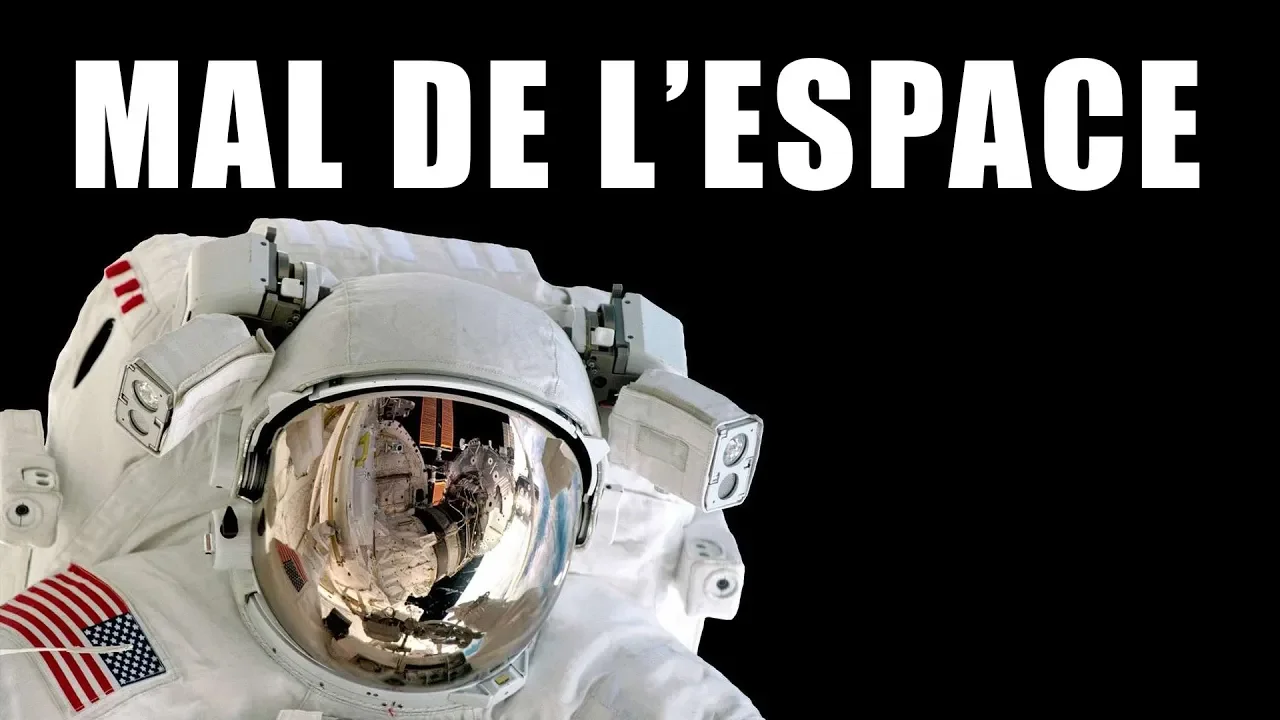
Space medicine and the physiological effects of long-term microgravity, radiation, and variable acceleration on the human body.
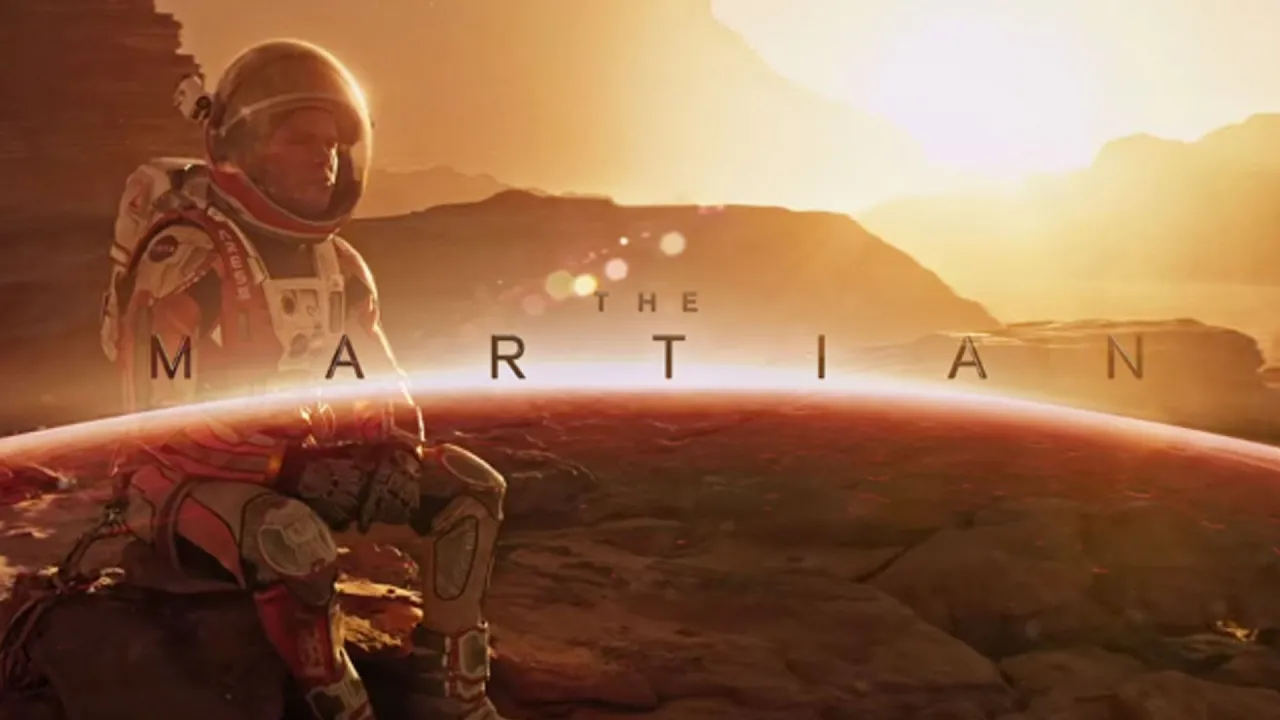
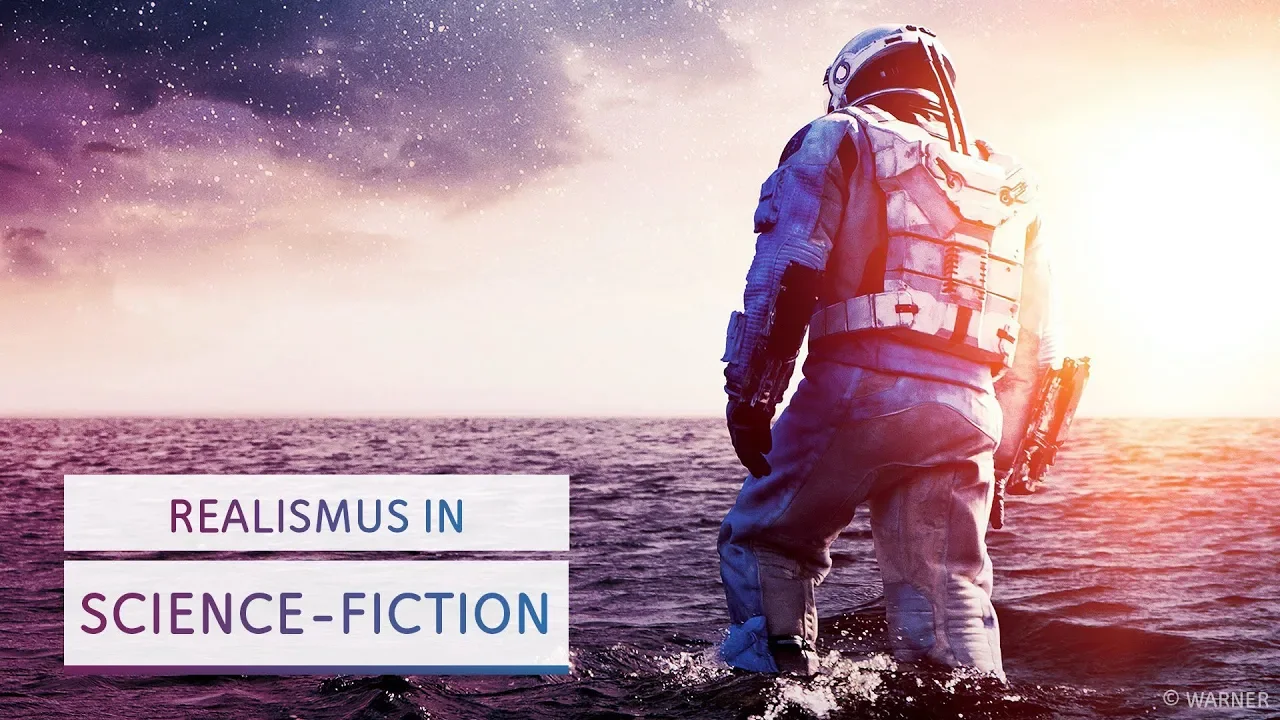
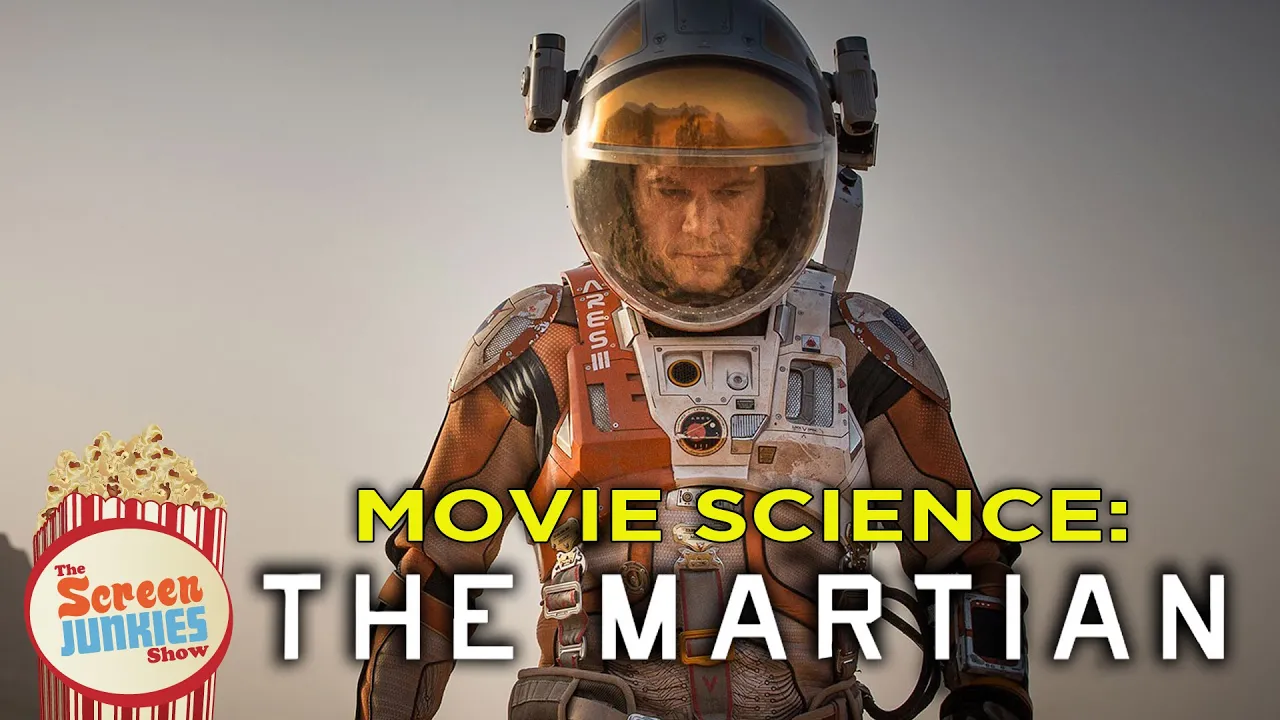
Comparative analysis of other hard science fiction works (e.g., 'The Martian' or 'Interstellar') to evaluate different approaches to realism in media.
382.6K views15.6Klikes11:59Original Release: 2019-04-01
today's video is brought to you by eight hours a new online platform curating video essays on film and television head over to 8hours.com to browse over 4 000 video essays on topics like screenwriting filmmaking and genre that's right i have a sponsor i've seen a lot of space battles on tv and movies but when i saw this one it felt different there aren't any lasers no force fields and there's this crazy attention to the detail of physics and then i realized that what makes this battle so interesting is exactly what makes the series it comes in so good how it carefully thinks through every detail from the ground up this is the expanse the sci-fi or amazon series that's one of the best shows on tv at this kind of world building now every work of fiction builds a world to hold the story tells whether it's with the ice zombies of game of thrones or a fictionalized albuquerque with a thriving methamphetamine industry but the expanse is one of the best places to see this kind of thinking because it takes huge swings it projects into the future where humanity has colonized the solar system living on mars the asteroid belt and far-off moons of jupiter and saturn that you haven't heard of since your solar system unit in middle school keep hearing about phoebe's station let's go back to academy we are going to i o land of course for callisto demas is just a little dot while the show is critically acclaimed it didn't really make major headlines until last year when it was killed by the sci-fi network as science fiction fans are programmed to do from birth they mobilized to save their show but this time it actually worked people flew planes with save the expanse banners and george rr martin called up fantasy sugar daddy jeff bezos to beg him to save the show and in a nutshell that's what makes the expanse so great its ability to build a world that feels so real that people will take to the streets to defend it so that's what we're going to look at today how the expanse builds its world and why it's so interesting yes i'm aware that this is also a book series but on this channel we talk about tv and i haven't read them where are you going with this whereby god damn like i'm jackson and this is ideas of play let's start by jumping back to that space battle that got me thinking in the first place in a sentence what makes this so different is the show's willingness to rethink everything and envision how something like this would actually have to look by getting rid of lasers and shields the crew has to depressurize the ship to prevent air leaks once bullets start ripping through the hull because inertia is going to be a major factor every change of direction is tough on the crew like that spinny thing astronauts and pilots train on each concept that the show rethinks sends these massive ripple effects on down the line the result is a world that feels a lot fresher than a lot of other build worlds we see on television so much of fantasy takes place in some kind of medieval northern europe or in a space navy like star trek but the expanse is somehow both grounded and pardon the pun expansive executive producers mark fergus and hawk ospie are masters at creating worlds that don't fit those stereotypical molds like they did when they wrote their classic sci-fi film children of men the world was stunned today by the death of diego ricardo the youngest person on the planet there they tried to think through what a world might look like if nobody had been born in 18 years and here on the expanse they start that recalibration on an even more fundamental level gravity earth's gravity is hell on the martian physique you need to take one dose of each of these every day and blood ox booster muscle fatigue inhibitor and this is osteo x which is a rapid bone density enhancer from interstellar to the martian to well gravity sci-fi films have been thinking about gravity a lot more recently but the difference is that they deal with gravity in the short term what it would be like if you or i were suddenly thrown onto a different planet the expanse thinks about how cultures and people would evolve over generations in those environments for example think about how different you'd be if you grew up on an asteroid space station with really low gravity your bones would be less dense and you'd be taller your environment is more hostile so your culture would probably value self-reliance and toughness the most and that kind of culture combined with being spread out over a bunch of asteroids is tough to govern so there probably wouldn't be much of a centralized government what i just described is one of the three main factions in the expanse and the one we spend the most time with the belters i'm sorry the gravity of a real planet hurts but it's appropriate you wish to hurt earth the earth that is now crushing your weak belt her lungs and your fragile belts and bones and that technique of using gravity as a launching pad is the first step that author nk jemisin describes in her world building workshops she's won the hugo award the top prize for science fiction and fantasy literature a record three times in a row so she kind of knows what she's talking about in her workshops she recommends starting on the biggest possible level and working your way down to the most minute details because it's those fundamental changes that shape everything even if we're not aware of them at first every one of those details about the belters stems from the previous one and they can all find their roots back to the physical level but the expanse keeps pushing those physical differences where do you get your air who controls the air and how does that power structure affect the people who live there hair is good don't you think of course this is way way way too much information to just dump on an audience so the expanse gives you a steady diet of kernels that slowly reveal the larger structure beneath the best writers think about this as an iceberg with ten percent of their world explained and ninety percent beneath the surface that ninety percent while invisible is really really important just ask the titanic [Applause] the audience needs to feel that there is a 90 down there because even if it's not present in their minds it's shaped the characters they're watching here's how nk puts it we understand the world that we live in innately because we live in it we aren't standing around having conversations with each other about hey nitrogen's pretty good today but we do understand it so the characters who are going to inhabit this world also need to understand it we don't need someone to explain that the belters are poor we see it in the broken screen on detective miller's hand terminal we can see the martians militantly working on creating a new earth on mars in their straight laced haircuts and clothing earth's wealth is obvious in their wide open spaces and sports card racing ships one of the most fun ways that the writers do this is through the lingo the characters use running a special on some fine new digital duster seems we just got in stock enos of the inus 9 and tank even more interesting is the way that the belter language sounds according to its creator nick farmer belter creole as it's called incorporates chinese japanese slavic germanic and romance languages to sound both familiar and unfamiliar at the same time and that all makes sense for the belters they're immigrant workers from all over and you hear that in their shared language something that changes accents from person to person felt a lot better built a lot visually we see this on screen the expanse has one of the most diverse casts on television which makes sense because humanity is colonizing the solar system not just white men it's a vision of our world projected into the future and shaped by changing circumstances which brings us back to that battle that's a microcosm for all of these things you don't need to be in ap physics to understand what's going on each of the unique details the lack of shields the bullets the danger in every maneuver is mined for more tension and drama there's no countdown to when the shield will run out ship is being hit shield's at 60 and any shot could be fatal hell dodging too quickly could knock them out it's using that world to up the ante to tell more exciting stories and the work of building that complex world starts to really really pay off as it fills in our characters do you know how old you are 19 i think 13 years even our sense of time comes from them the time it takes the earth to spin on its axis by describing the world and its conflicts in such detail the world starts to feel like a character itself making its presence felt in the lives of each and every character earth and mars i've been stepping on the necks of the belters out here for over a hundred years and i didn't want to be the boot so you decided to switch signs i stopped playing those systems drive their motivations their decisions and their relationships with each other so that when two characters from different backgrounds sit down to talk we feel the weight of all that baggage you know what i love most about mars they still dream we gave up they're an entire culture dedicated to a common goal working together as one to turn a lifeless rock into a garden had a garden and we paved it but to me what really sets the expanse apart is that its story asks the same things of its characters that the show asks of us as a show the expanse makes us question and think about the basic tenets of our world but as a story it demands just as much re-examination from its characters in order to survive they have to form empathy and understanding for people from different backgrounds and groups overcoming their own biases and looking at things from a new perspective all while a mysterious and unknowable alien threat looms without giving anything away these are not your parents little grey aliens for a split second i thought i was hallucinating after hearing what went down in that lab i wish i kinda had been when the european tall ships first arrived in the american continent the natives couldn't see them the site was so completely outside of their experience this couldn't compute and i think this kind of world building is a perfect fit for television think of game of thrones or the wire shows that immerse you in a world you aren't familiar with by examining it from every conceivable direction that of course doesn't mean it's an easy sell as much as i can fall in love with these shows i can have a really hard time getting into them in the first place because sometimes the first season can feel like anywhere between 5 and 10 hours of exposition to bring back nk world building is the the process that you use to come up with the world that you then write the story in world building is not a substitute for writing a story but on the expanse it's not yes the beginning can feel plotting and at times the dialogue is not my favorite but burn me in mind and i'll go through you like a door i mean is that a threat or an insult doors you're kind of supposed to go through them anyways dialogue isn't all there is to writing the expansive story is based entirely on the world it's building and how that world and those systems react to change assert power over each other and shape the lives of ordinary people so it makes sense to spend time to describe it and to really appreciate the thought and reasoning behind every choice the show makes sure you could watch the expanse because you like space and it looks cool but its world building offers a completely immersive experience if you're willing to give it the time and for me thinking about how a world is built from the ground up also helps me understand our world think about if hypothetically oh i don't know the temperature of the planet rose by two to four degrees physically rising sea levels would erase islands and coastlines growing deserts would shrink food supplies tropics could become unworkable in the heat of summer refugees would tax even the most stable countries gdp would play conflicts and wars would rise in the chaos saying nothing of what happened sorry anyway watch the expanse i'm glad we had this talk thank you so much for watching if you liked this video please share like and subscribe i was really happy to have eight hours as a sponsor today they're a really cool website that curates all the best video essays about film and tv and sorts them for you to find really easily you can head over to 8hours.com to browse over 4 000 video essays on topics like screenwriting filmmaking and genre and you can also listen to my podcast couch taters like couch potatoes where i talk even more about tv see you next time
Up Next

22:11
Sci-Fi Architecture: An Architect's Review of 5 Films
@DamiLeeArch
2.4M views•2022-06-29

26:22
Walking in the City: Urban Rituals and the Flâneur in Contemporary India
@PSBTIndia
1.9K views•2016-08-02

9:49
FastAPI vs Flask vs Django: Choosing the Right Python Web Framework
@TechWithTim
302.5K views•2024-05-26

1:42
Game of Thrones Opening Credits: A Cinematic Analysis
@gameofthrones
46.3M views•2011-04-18
Related Study Plans & Knowledge Roadmaps
Structured learning paths in General & Interdisciplinary Studies
general-studies
Artificial Light: History, Tech & Human Impact
01The Pre-Electric Era: Fire, Oil, and Gas Lighting
02The Incandescent Revolution and Grid Electrification
03Gas Discharge and Fluorescent Illumination
+ 3 more learning modules
14h6 modules
Explore Roadmap
general-studies
Elevator Engineering: History, Physics & Cities
01From Hoists to Safety Brakes: The Dawn of Vertical Lift
02Hydraulic vs. Traction: The Engineering Physics of Elevators
03Modern Speed, Safety, and Algorithms
+ 2 more learning modules
12h5 modules
Explore Roadmap
general-studies
Rubber: Material Science, History & Geopolitics
01Origins of Natural Rubber & Mesoamerican History
02The Chemistry of Natural Rubber & Vulcanization
03The Geopolitics of the Rubber Boom & Colonization
+ 2 more learning modules
12h5 modules
Explore Roadmap
general-studies
Containerization: Evolution, Logistics & Trade
01Ancient Trade & Bulk Cargo: Amphorae to Barrels
02The Industrial Revolution & Cardboard Packaging
03The Containerization Revolution: Malcom McLean
+ 2 more learning modules
12h5 modules
Explore Roadmap