










![52.MUNDELL-FLEMING MODEL | FLEXIBLE EXCHANGE RATE REGIME |Macroeconomics Detailed discussion [Part1]](https://i.ytimg.com/vi_webp/EasUTFTpreA/maxresdefault.webp)









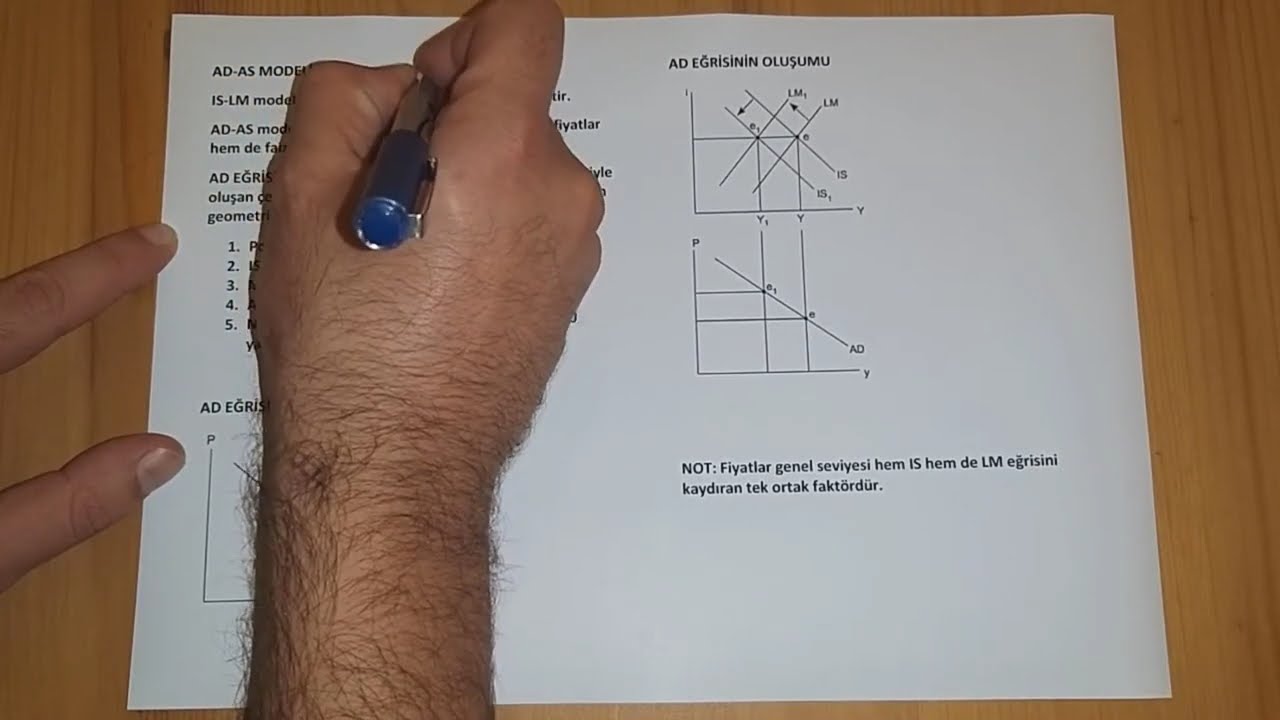
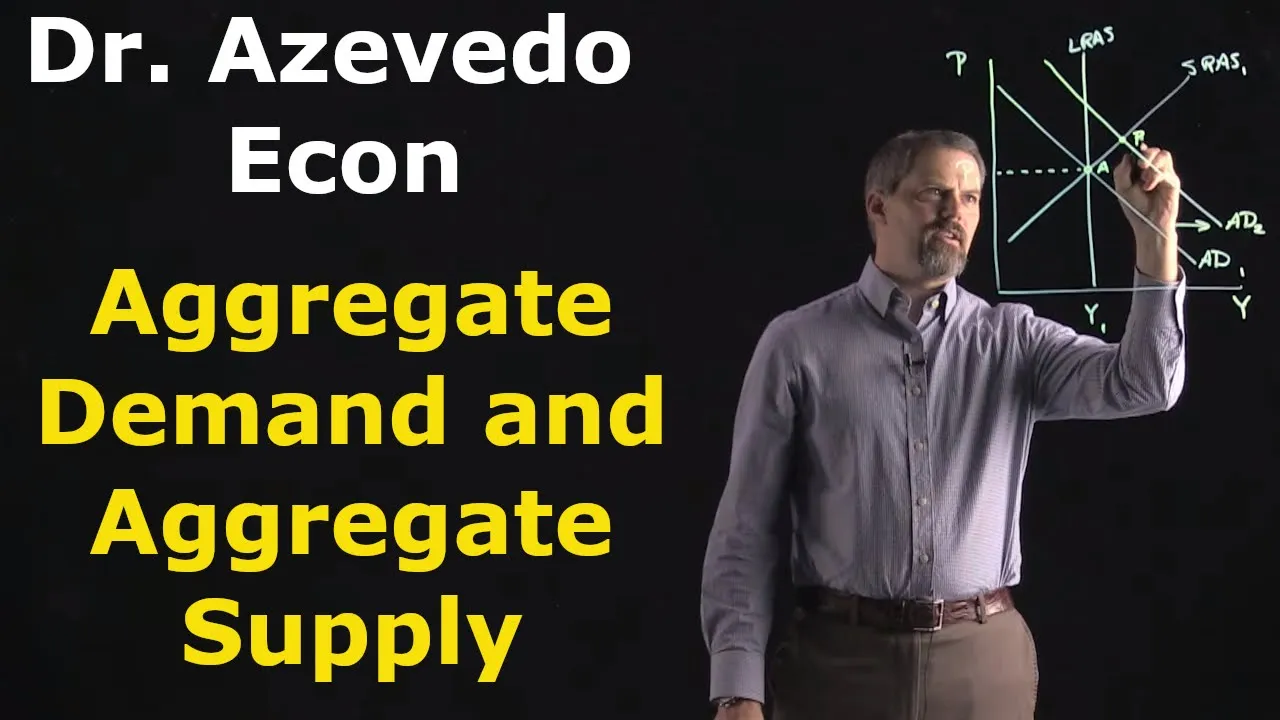





In the linear IS-LM-BP model, monetary expansion is more effective in open economies than in closed economies because lower interest rates cause capital outflows and currency depreciation, which improves the current account and further stimulates GDP; conversely, fiscal expansion is less effective in open economies due to the crowding-out effect where higher interest rates attract capital inflows causing currency appreciation, which worsens the current account and partially offsets the initial fiscal stimulus.
Monetary & Fiscal Policy in Open Economy IS-LM-BP Model
Added:The standard closed-economy IS-LM model, representing goods and money market equilibria.
The Balance of Payments (BoP) structure, specifically the current and capital/financial accounts.
Basic exchange rate systems, including the distinctions between fixed and floating exchange rate regimes.
The concept of capital mobility and how interest rate differentials trigger international capital flows.
The Mundell-Fleming 'Impossible Trinity' (Policy Trilemma) and its implications for modern central banking.
Dornbusch's Exchange Rate Overshooting Model, explaining short-run currency volatility.
Integrating price changes into open economy macroeconomics using the open-economy AD-AS model.
Analysis of historic currency crises (e.g., the 1997 Asian Financial Crisis) through the lens of policy conflicts.
559 views23likes26:45Original Release: 2021-04-11
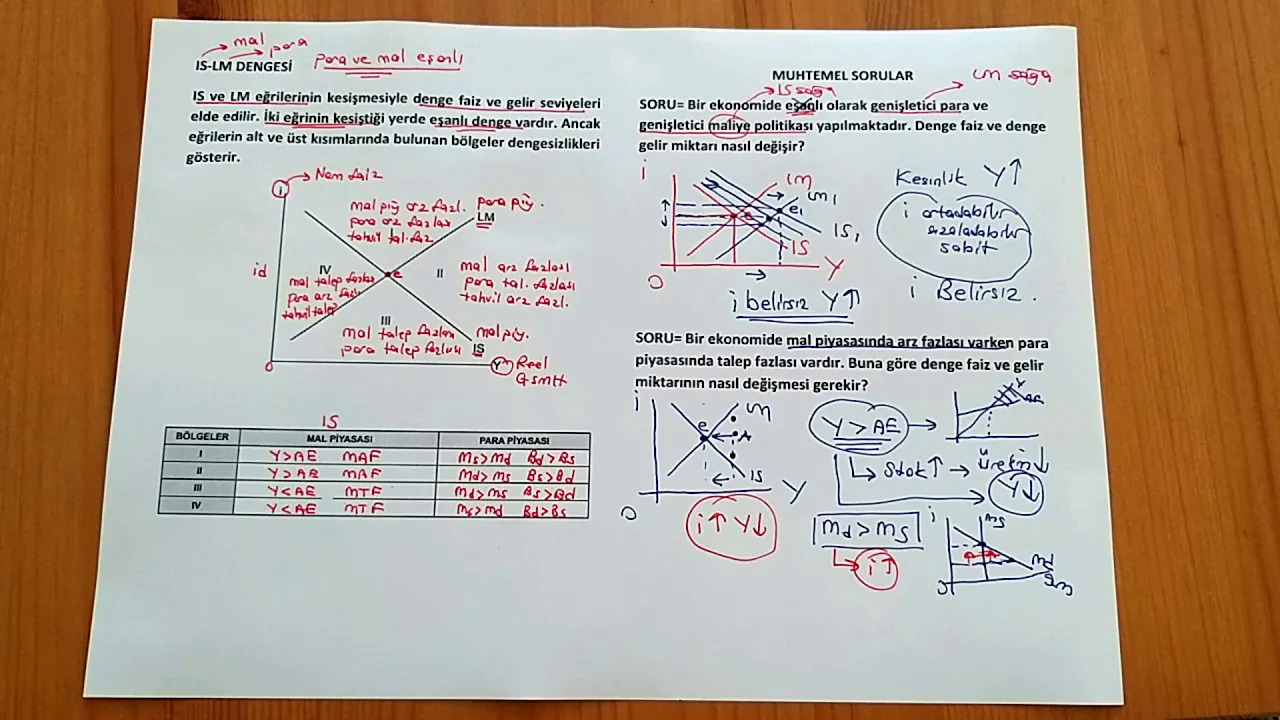
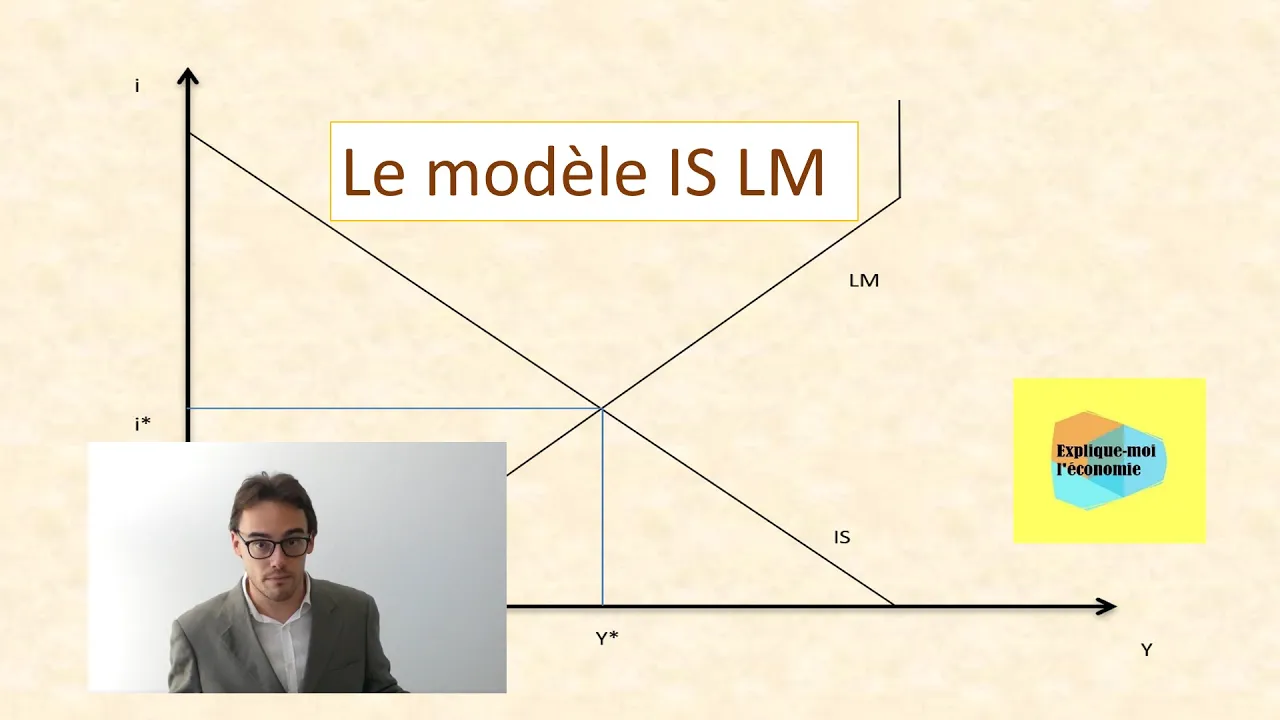
hi in the previous video we've actually proven that uh equilibrium in iso vp model exists so we know that the three lines is 11 and bb are intercepted at one point and what is more we've actually calculated the value of gp and interest rate for this [Music] assessment of equilibrium exchange rate for later once we get to implicit function rule to make the calculations simple okay so now we are actually ready to see what happens in islam and p model when central bank uses monetary intervention or a government is using physical expression and let's start with monetary intervention so what we want to see now is what happens if central bank decides to increase money supply so first thing of course we need to calculate cooperative static derivatives so what happens to equilibrium exchange rate level of income if central bank is increasing once and look if we differentiate this expression with respect to m0 all we've got is this coefficient that you see over here so calculating the derivative is really straightforward in this case it's e plus w divided by 1 minus b times 1 minus t l plus k e [Music] hello we clearly see that all those expressions are positive so we know that even in the open economy monetary expansion has positive impact on income now what about interest rate well again all that we have to do is to calculate comparative static derivative of interest rate this time with respect to m0 and again we see that n 0 is just this coefficient 1 negative 1 minus b times 1 minus t over 1 minus b times one minus t l plus k e plus b and do you see that this is between zero and one this is positive we've got minus in front and we have uh and we have a negative expression so what we've learned from this is that once we open the economy still the effect of monetary policy is more or less the same as in case of uh of a closed economy so the outcome of increased money supply is higher gp and lower interest rate however we should stress that what is happening over here is happening for different reasons and actually there's way more effectiveness than needs to take into consideration and this is what we're gonna do right okay so as i'm gonna be talking about the impact of monetary expansion and later physical expansion i'm gonna try to stick with the stick as least as possible to what is happening in the closed economy and i'm gonna be putting more attention to what is happening in the open decline uh but okay let's go central money is increasing money right and what do we see look every time money survives increased health goes to the right right okay and this is what we see that is happening in this country in our economy higher money supply means assuming that we will have the same money demand means lower interest rate lower interest rate means higher investment higher investment mean higher g right and look this is what we've seen in regular island right as a consequence of higher money supply we see that equilibrium interest rate is going to be lower and the equilibrium level of income is going to be high however in open economy this is not the end we've got a second part to this story and let me demonstrate what do i know look [Music] if our interest rate goes down what is going to happen is a capital account we said that capital account depends on the difference between domestic and foreign interest if our interest rate is falling it means the new observer capital outflow right so capital account goes into deficit right what else does it mean well it means that now our residents will be purchasing foreign currency so there is a pressure on foreign currency it will be purchasing foreign currency in order to buy foreign assets because they held relatively higher uh return so we expect of course this increased demand for foreign currency to cause pressure on depreciation of domestic areas right okay now what is happening over here now look if income is increasing this is going to impact current account in which way well [Music] the higher is the income the higher are the exponents right so current accounts in this case also goes into deficit because higher income in our country means we can import more goods right and again this creates if current account is being deficit it means that we need more foreign money than foreign rights so this is a second source of pressure on depreciation and look we clearly see that pressure from both current accounts and capital account are forcing our currency to depreciate so [Music] our currency actually depreciate what happens then well if our currency depreciates exports are going up so current account is improving as current account is improving we buy less from outside work we sell more our income is going up and as our income is going up money demand is going up higher money demand means higher interest rate and higher interest rate creates a pressure on capital account to get back to zero okay so look now we understand the entire chain of gaza how should we draw it however on the graph well let's denote let's say that this is the closed economy part the green one and the blue one is the open economy part so first we see depreciation of the currency and depreciation of currency means that bb moves to the right or downwards and is moves upward as a result of improvement in current account and look as a result we see new equilibrium level of income and interest and what is the key to [Music] is look if this was a closed economy we would be at this point if but this is open economy we ended up at this one with even a higher gdp and look this actually means that monetary expansion is more effective in open economy than closed economy and look this is because first when central bank increases money supply and you've got this internal effect lower interest rate higher investment higher gdp right however we've got the open economy effect now lower interest rate creates capital account deficit because now foreign assets are more each and more and more attractive in terms of return than ours so our residents want to buy more foreign currency pressure on depreciation of our currency also higher income means higher input imports when imports are getting higher a current account goes into deficit we see that this creates a pressure on depreciation as well right because we need more foreign currency than the bit of dollars both of these effects as you see work in the same direction and as a result you actually induce depreciation of the currency that improves current account and as a result further increases g b okay so now do we understand how monetary policy works in open economy let's see about fiscal policy here the situation is slightly more complex which is slide so now we have fiscal policy in fiscal expansion again in order to assess what happens to gp and interest rate right all we have to do is to calculate cooperative static derivatives like those but this time we will be differentiating with respect to government spending and look this is why i told you that we need to you know write this into two expressions because what we see over here is actually the expression with government spending and this is the only coefficient of it which means that this is our alternative static derivative okay then we know that this expression everything here is positive it's clearly bigger than zero okay we will no longer need this but we don't need more space on the world okay so let me now just calculate comparative static derivative of uh interest rate and again we've got our answer here [Applause] and then again we see that everything here is positive so we've got positive so again the final outcomes are similar to the ones we had in island so this componency increases both output and interest rate right okay let's see this on the graph okay so we start [Music] from initial equilibrium where is ln [Applause] is what happens if central bank if government increases the level of spending so again we can start with the closed economy effect so higher government expenditures means higher income higher income means higher money demand higher money demand means higher interest rates right this is the effect then we're having a closed economy right we saw this as ice curve moving to the right right to level ice right and then we see that over here we have a higher interest rate and higher gpa however as before this is not the end of the story because you've got open economy and open economy implies that with higher gdp we will have higher imports so current account goes into deficit and we already know that if current account goes into deficit it means that we purchase we need more foreign money than they need ours this will create a pressure on depreciation however what is happening upstairs also notice that interest rate now is bigger but interest rate is bigger it means that our assets are becoming more attractive so foreign residents need to purchase more of our currency to purchase those assets as a result capital account is improving it's going into surplus and this in fact creates pressure on appreciation of our currents okay and look here is the tricky part because look now those two effects work in opposite direction depending on which one is stronger we will either have appreciation or depreciation of the currents so which one lands well this actually depends on the degree of capital hello in this case we will assume high capital mobility assuming high capital mobility what do we deal with what does it mean high capital mobility look high capital mobility basically means that what happens in capital account is way way more important way stronger than what happens in current accounts look this is a situation where countries are very well financially integrated and actually what happens in the current account is not that important in determining actual exchange rate as what happens in incognito hello if this is the case under our assumption it means that our currency actually appreciates and if our currency appreciates so it's increasing in volume it means the current account is worsens right and as a result g false of course we should remember that this fallen gdp will cause lower money demand lower interest rate and again this is going to bring this time capital account to balance however as you see now this open economy effect so what we see over here and over here well i'm just saying that this part is important to us is that part of the increase in gp is eliminated because of the fact that pressure on appreciation of our currency actually worsens our current account so our trade one worse how do we see it on the graph well bp moves up every time when we when our currencies depreciate and because our current account worth it is shifts back so what we see over here is that income has actually increased but it increased by less than it would [Music] in open enclosed economy so the main conclusion from here is that uh fiscal policy assuming of course flexible exchange rate this will this has in detail on the occasion of uh international economics but we clearly see that fiscal expansion is less effective in influencing gdp than in closed economy and look i told you that this expression that you see over here measures crowding out of that and look we can rewrite this expression just this expression over here k l and now kle is internal crowding out effect [Applause] this is the one that we've already discussed so if government increases spending this causes higher gp higher one intimate higher interest rate and as a result we will see lower investment right and lower gdp however as you see i didn't draw this over here in our chain of causality because this is the one we've already established however in open economy we've got this expression this is external what is this effect associated with look this one k out this is simply ko is nothing more than the slope of l right and look the slope of lm definitely has something to do with it and in case of internal crowning out event we get that it was a product of slope of ln and e e measures sensitivity of interest rate of investment exchanges in interest here we have w w is associated with capital mobility and capital account group the second source of gravity is associated with the fact that higher interest rate at home induces capital income and capital info is associated with the pressure and appreciation and this pressure on appreciation causes worsening of current account and this is the second source of inefficiency in fiscal policy g b okay so this is it about the isolated model for now we this is all we need however we will go back to this model and analyze it more thoroughly once we've uh once we've learned some new tools that will actually help us make the model more complex with the calculations way way simple okay so this is it thank you for your attention and i hope to see you in the next video take care
Up Next

27:11
Fixed Exchange Rates: Mundell-Fleming Model for Small Open Economies
@dr.amjadali6338
2.1K views•2021-01-14
5:07
Impact of Yuan in Indo-Russian Trade Amid Sanctions
@WION
261.9K views•2022-07-01

36:41
IS-LM-BP Model with General Functions: Introduction
@lazarskiopencourses4059
386 views•2021-04-26

113:18
The Age of Easy Money: Fed & Inflation | Full Documentary
@frontline
21.2M views•2023-03-15
Related Study Plans & Knowledge Roadmaps
Structured learning paths in Economics
economics
Sovereign Debt: Defaults, IMF & Restructuring
01Introduction to Sovereign Debt & Government Bonds
02Debt Sustainability & Credit Ratings
03Anatomy and History of Debt Crises
+ 2 more learning modules
12h5 modules
Explore Roadmap
economics
Market Design: Matching Theory & Gale-Shapley
01Introduction to Market Design and Price-Free Markets
02Two-Sided Matching & The Gale-Shapley Algorithm
03School Choice Systems and Mechanism Design
+ 2 more learning modules
10h5 modules
Explore Roadmap
economics
Impossible Trinity: Forex, Capital & Policy
01Introduction to Monetary Policy and Central Banking
02Exchange Rates and International Capital Flows
03The Mundell-Fleming Model
+ 2 more learning modules
8h5 modules
Explore Roadmap
economics
Healthcare Economics: Market Failures & Systems
01Introduction to Healthcare Markets and Market Failure
02Asymmetric Information and Adverse Selection
03Moral Hazard and Insurance Design
+ 2 more learning modules
12h5 modules
Explore Roadmap