


![KSM Kompre | [SE] Ekonomi Mikro dan Ekonomi Makro](https://i.ytimg.com/vi/LHcvIM59nq4/maxresdefault.jpg)























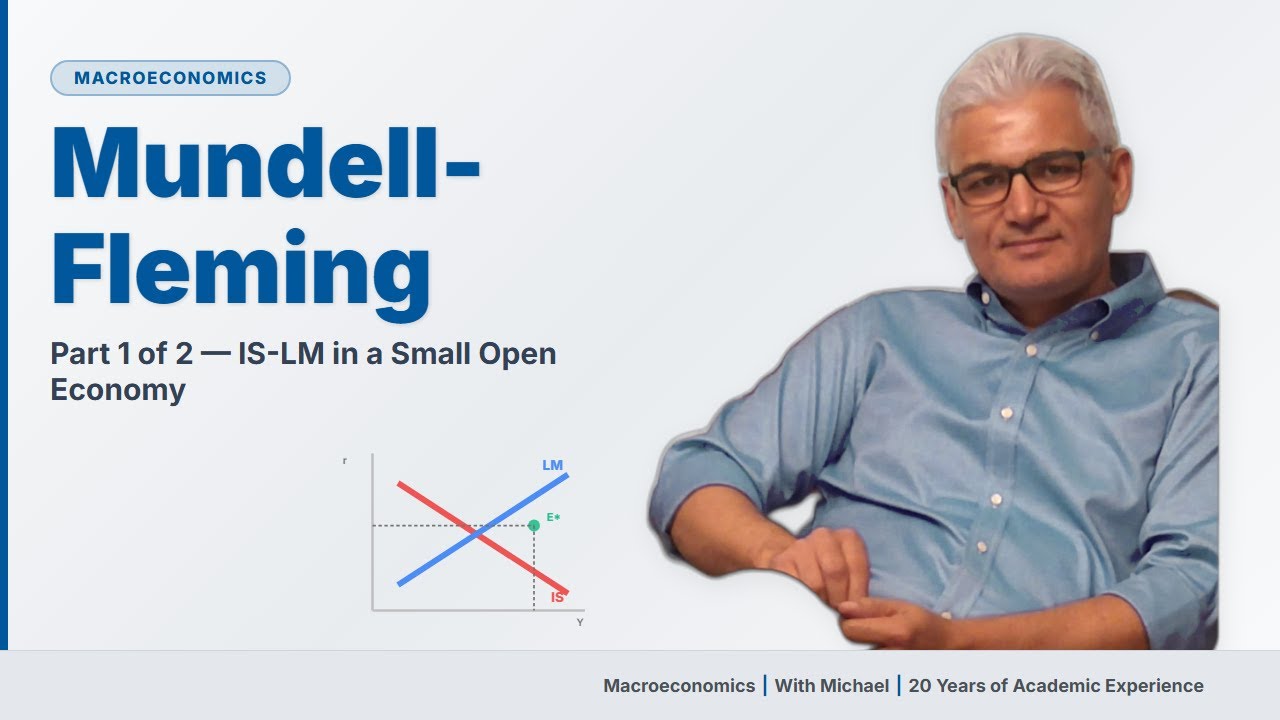




In the Mundell-Fleming model for a small open economy under fixed exchange rates, the central bank commits to maintaining a predetermined exchange rate by automatically adjusting the money supply through foreign exchange market interventions; this commitment makes fiscal policy effective (as government spending increases raise national income without currency appreciation) while rendering monetary policy ineffective (as attempts to change money supply are offset by currency market pressures), and trade restrictions paradoxically increase net exports through induced monetary expansion rather than currency appreciation.
Fixed Exchange Rates: Mundell-Fleming Model for Small Open Economies
Added:Understanding of the standard IS-LM model for closed economies, including how fiscal and monetary policies shift the curves.
Basic concepts of open economy macroeconomics, specifically the Balance of Payments (BOP), current account, and capital account.
The definition and mechanisms of a fixed exchange rate system, including how central banks intervene in foreign exchange markets to maintain a peg.
The concept of capital mobility, particularly the assumption of Perfect Capital Mobility (where domestic and world interest rates are equalized).
Analysis of the Mundell-Fleming model under floating exchange rate regimes to compare policy effectiveness.
The 'Impossible Trinity' (or Policy Trilemma) which highlights the trade-offs between fixed exchange rates, free capital mobility, and independent monetary policy.
Real-world case studies of fixed exchange rate crises, such as the 1992 European Exchange Rate Mechanism (ERM) crisis or the 1997 Asian Financial Crisis.
The Mundell-Fleming model under conditions of imperfect capital mobility, where international assets are not perfect substitutes.
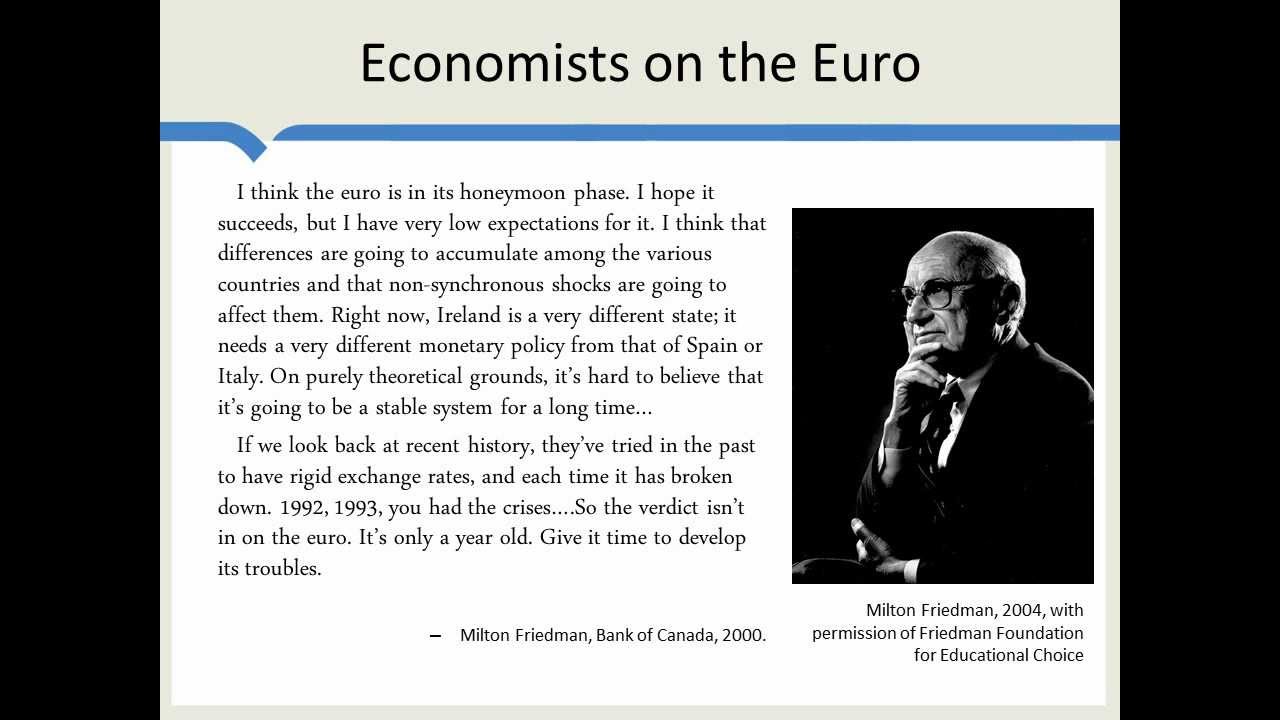
The theory of Optimum Currency Areas (OCA) and the economic implications of adopting a common currency like the Euro.
2.1K views40likes27:11Original Release: 2021-01-14
welcome dear audience student and Scholars here I'm drj in this video we are going to discuss about the small open economy under fixed exchange rates the mundle Flaming model dear Scholars now we turn uh to the second type of exchange rates system that is fixed exchange rates under a fixed exchange rate the Central Bank announces a value for the exchange rate and stands ready to buy and sell the domestic currency to to keep the exchange rate at its announced level in 1950s and in 1960s most of the world's major economies including that of the United States operated within the Britain wood system and international monetary system under which most governments agreed uh to fix their exchange rates the world abant are abolished this system in the early 1970s and most exchange rates were allowed to flood are flexible yet fixed exchange rates are not merely of historical interest more recently China fixed the value of its currency against the US dollar a policy that we will see was a source of some tension between the two countries um in this video we discuss how such system work works and we will examine the impact of economic policies on an economy with a fixed exchange rate so let's discuss the question here that how a fixed exchange rate system works under a system of fixed exchange rates a central bank stands Worth to buy or sell the domestic currency for foreign currencies at a predetermined price for example SW the FED announced that it was going to fix the exchange rate at 100 yen per dollar it would then stand ready to give $1 in exchange for 100 yen or to give 100 yen in exchange for $1 to carry out this policy the FED would need a reserve of dollars uh which it can print and a reserve of Yen with uh which it must have purchased previously okay while discussion about how a fixed exchange rate system works a fixed exchange rat uh dedicates our country's monetary policy uh to the single goal of keeping the exchange rate at the announced level in other words the sense of a fixed exchange rate system uh is the commitment of the central bank to allow the money supply to adjust to whatever uh level will ensure that the equilibrium exchange rate in the market for the foreign currency exchange equal the announced exchange rate moreover as long as the Central Bank stands ready to buy or sell foreign currency at the fixed exchange rate the money supplyer just automatically to the necessary level to see how fixing the exchange rate determine the money supply consider here an example suppose that the FED announces that it will fixes the exchange rate at 100 yen per dollar but in the CR equilibrium with the CR money Supply the market exchange rate is 150 Yen per dollar the situation uh we see the first graphically here here uh how a fixed exchange rate uh governs the money supply we have two panel the first panel is the equilibrium exchange rate is greater than fixed exchange rate we have here income output why on x-axis and we have exchange rate uh e on y axis and we have a vertical uh LM curve lm1 static here and we have a downward sloping is static curve and we know that the intersection of is and LM will decide the equilibrium exchange rate and national income so the equilibrium exchange rate initially exceeds the fixed exchange rate arbitrager will buy foreign currency in foreign exchange markets and sell it to the FED for profit this process automatically increases the money supply and shift the uh LM curve uh to the LM steric to so here we have uh increased money supply and we have the LM St curve to the uh shifting to the right word and which uh will lower the exchange rate from our equilibrium exchange rate to the fixed exchange rate and we have uh new equilibrium that equilibrium is here now with rise in income from y1 to Y 2 okay in the panel B the equilibrium exchange rate is less than a fixed exchange rate we have income output y on x-axis we have exchange rate on y AIS and we have vertical lmic one curve and uh we have a downward sloping is curve is static and we have here the equilibrium exchange rate and uh we have a y1 here so the equilibrium exchange rate is initially below the fixed exchange rates arbitrager will buy dollars in foreign exchange markets and use them to buy currency from the fed this process automatically reduces the money Supply Shifting the LM St curve to the left word and raising the exchange rate so our LM Curve will shift to the left word that is LM steric 2 and we have uh that fixed exchange rate and we have a higher exchange rate and we have a new equilibrium from this point to this point with a reduction in national income that is Y2 notice that uh uh there is a um profit opportunity uh in panel a um when an arbitrager could buy 300 Yen in the Foreign Exchange Market for the uh for the $2 and then sell the Y to the FED for $3 making a $1 profit when the FED buys these Yen from the arbitrager the dollar it pays for uh for them automatically increases the money supply the rise and money supply shifted here the LM curve from lm1 static to lm2 static to the right word loading the equilibrium exchange and this way the money supply continuously to rise until the equilibrium exchange rate falls to the announced exchange rate okay on the other side uh suppose when the FED announces that it will fix the exchange rate at 100 yen per dollar the equilibrium uh has a market exchange rate for 50 Yen uh per dollar uh this situation in the panel B shows that in this case an arbitrager uh could make a profit by buying uh 100 yen from the FED for $1 and then selling this yen in Marketplace for uh $2 when the FED sell these Yen then uh uh the $1 uh will receive uh we can say that automatically reduces the money supply from lm1 static to lm2 static and the fall in money supply shifted the uh LM curve to the leftward and uh raising the equilibrium interest rate uh from this point to this point and the money supply continuously uh fall until the equilibrium exchange uh uh rates or Rises to the announced level here we have uh uh uh to understand that this exchange rate system fixes the nominal exchange rate whether it also fixes the real exchange rate depends on the time Horizon uh under consideration if prices are flexible as they are in the long run then the real exchange rate can change even while the nominal exchange rate is fixed therefore in the long run a policy to fix the nominal exchange rate would not influence any real variable in including the real exchange rate a fixed nominal exchange rate would influence only the money supply and the price level yet in the short run described by The mundle Flaming model prices are fixed so a fixed nominal exchange rate implies a fixed real exchange rate as well so let's discuss some of the policies uh for the fixed exchange rate the first is fiscal policy let's now examine how economic policies affects a small open economy with a fixed exchange rate suppose that the government stimulates domestic spending by increasing government purchases or by cutting taxes this policy shift the is curve uh to the right putting upward pressure on the market exchange rate but because the Central Bank uh stands ready to trade foreign and domestic currency at uh the fixed exchange rate arbitragers quickly respond to the rising exchange rate by selling foreign currency uh to the central bank uh uh leading to an automatic uh monetary expansion this rise in the money supply shifts the LM steric curve to the right thus under a fixed exchange rate of fiscal expansion raises uh aggregate income so let's see a graphical presentation here uh fiscal expansion under fixed exchange rate we have income output why on x-axis we have exchange rate e on y- axis we have a vertical LM uh static one and we have a downward sloping is1 static we know that uh here at the intersection of is and LM will decide the equilibrium income and exchange rate so here we are supposing that we have a fixed exchange rate so a fiscal expansion shifts the is curve to the right word so we have a shift in is curve is one stating to is2 [Music] static okay to maintain the fixed exchange rate the FED must or the Central Bank must increase the money supply thereby shift the uh LM static to LM staric two here from lm1 St to LM two St with fixed exchange rate here we have a rise in national income from y1 to Y2 this revealed that under fixed exchange rate fiscal expansion raises the national income from y1 to Y2 okay let's discuss another policy that is monetary policy imagine that a Central Bank operating with fixed exchange rate tries to increase the money supply for example by buying bonds from the public here we have one of the main question that what would happen the initial impact of this policy is to shift the LM St curve uh to the right lowering the exchange rate but uh because the central bank has committed to trading uh foreign and domestic currency at a fixed exchange rate arbitragers quickly respond to the falling exchange rate by selling the domestic currency to the central bank causing the money supply and the LM St curve to return to their initial position hence monetary policy as usually conducted is influential uh under a fixed exchange rate by agreeing to fix the exchange rate the Central Bank gives up uh its control over the money supply so let's see a graphical presentation for that a monetary expansion under the fixed exchange rate we have here income output y on x-axis we have exchange rate e on y AIS and we have a vertical LM static curve and we have a downward sloping is static and we know that the intersection of is and LM Curve will decide the equilibrium exchange rate and national income and here we have a fixed exchange rate at this point and uh if the Central Bank tries to increase the money supply for example by buying bonds from the public it will put downward the pressure press on the exchange rate to maintain the fixed exchange rate the money supply and the LMO must returns so by this point if this uh Central Bank uh buys the bonds from the public and to maintain the fixed exchange dat the money supply and the LM St curve must returns to the must return to the initial position hence under fixed exchange rate uh normal monetary policy is uh INF factual okay while talking about the uh income we have an income fixed at that fixed exchange rate okay moving toward the further explanation about the monetary policy a country with a fixed exchange rate can however conduct a type of monetary policy it can decide to change the level at which the exchange rate is fixed a reduction in the official value of the currency is called a devaluation and an increase in its official value is called revaluation sometime the appreciation in the mundle Flaming Model A devaluation shifts the LM St curve to the right it acts like an increase in the money supply under a floting exchange rate a devaluation do expands net Expose and uh uh raises aggregate income okay let's discuss another economic policy that is uh okay while while while talking about the revaluation shifts the LM St curve to the left reduces the net exports and lows the aggregate income okay let's discuss another policy that is trade policy okay suppose that government reduces uh Imports by uh imposing and import quota or a tarff this policy shifts the net export schedule to the right and th shift the highest St curve to the right okay the shift in the is St curves tends to raise the exchange rate to keep the exchange rate at the fixed level uh the money supply must rise Shifting the aleric curve to the right okay the results uh of a trade restriction uh under a fixed exchange rate is very different from that under a floating exchange rate in both cases a trade restriction shifts the uh net exports schedule to the right but only under a fixed exchange rate does a trade restriction increase net export NX the reason is that a trade restriction under a fixed exchange rate induce uh monetary policy expansion rather than an appreciation of the currency the monetary expansion in turn raises aggregate income recall the accounting identity that is n x is equal to s minus I when income Rises saving Also Rises and this implies an increase in net export so let's see a graphical presentation for that a trade restriction under fixed exchange rates we have income output y on x-axis we have exchange rate e on y AIS we have a vertical LM static one and we have a downward sloping is one static okay we have a fixed exchange rate at this equilibrium point we have that income we have a that fixed exchange rate with this income so a trade restriction shifted the is curve to the right word we have is two steric here this will also uh provide uh induced shift in the LM curve and we have a right word shift in the LM curve lm1 to lm1 static to LM to static here so this will raises the national income from y1 to Y2 so under the trade restriction with fixed exchange rate we have a right word shift in is curve and right word shift in LM Curve will rise in national income from y1 to Y 2 [Music] okay here we have policy in the mundle Flaming Model A summary here the mundle Flaming model shows that the effect of almost any economic policy on a small open economy depends on whether the exchange rate is floting or fixed we have here uh some of the policies that the exchange rate regimes floting here we have floting exchange rate and fixed exchange rate we are going to see the impact of floting and fixed exchange rate on our these variables here we have income exchange rate and net export income exchange rate and net export and we have here uh three policies that is fiscal first one is fiscal expansion second one is monetary expansion and then we have the import restriction okay when we are imposing the policy of floting exchange rate with fiscal expansion we have no change national income we have a rise in exchange rate with reduction in net exports and while with the fiscal expansion in the presence of fixed exchange rate we have a rise in national income with no change in exchange rate and net exports by talking about the monetary expansion we have uh rise in income a reduction in exchange rate will raises the national uh will raise the net exports when we are talking about floating exchange rate when we have the fixed exchange rate there is no change in income exchange rate and net expose by talking to the uh import restriction under floting exchange rate we have no change in national income but we have a uh rise in uh exchange rate but there is no change in our net exports we have uh rise in our uh national income when we are have a fixed exchange rate and we have uh no change in exchange rate with rise in net exports so this table summarize or analysis of the short run effects of fiscal monetary and trade policies on income The Exchange rate and the trade balance so here we have main question that what is the most striking is that all of the results are different under floting and fixed exchange rate to be more specific the mundle Flaming model uh shows that the power of monetary and fiscal policy to influence the aggregate income depends on the exchange rate regime either we are following the floting exchange rate or fixed exchange rate under floting exchange rates only monetary policy can affect income so see here the monetary policy can affect income the usual expens impact of fiscal policy is offset by a rise in the value of currency and a uh decrease in net expose under fixed exchange rate we have uh only fiscal policy can affect uh the income so here fiscal policy can affect the income and uh uh we see that uh uh the monetary policy is lost its impact because money supply is uh uh is detected to maintain the exchange rates at its announced level so we can see that uh the Mandel fiming model shows the effect of almost all the uh economic policies on small open economies under uh different uh exchange rate regime floating and fixed so so this is all about the small open economy under fixed exchange rate uh the mle Flaming model so see you with another video ciao
Up Next

20:15
Mundell-Fleming Model: Small Open Economy & Floating Exchange Rates
@dr.amjadali6338
2.3K views•2021-01-10
5:07
Impact of Yuan in Indo-Russian Trade Amid Sanctions
@WION
261.9K views•2022-07-01
10:33
Behavioral Economics Explained: Rationality, Nudges, and Risk
@crashcourse
1.1M views•2016-03-12

113:18
The Age of Easy Money: Fed & Inflation | Full Documentary
@frontline
21.2M views•2023-03-15
Related Study Plans & Knowledge Roadmaps
Structured learning paths in Economics
economics
Sovereign Debt: Defaults, IMF & Restructuring
01Introduction to Sovereign Debt & Government Bonds
02Debt Sustainability & Credit Ratings
03Anatomy and History of Debt Crises
+ 2 more learning modules
12h5 modules
Explore Roadmap
economics
Market Design: Matching Theory & Gale-Shapley
01Introduction to Market Design and Price-Free Markets
02Two-Sided Matching & The Gale-Shapley Algorithm
03School Choice Systems and Mechanism Design
+ 2 more learning modules
10h5 modules
Explore Roadmap
economics
Impossible Trinity: Forex, Capital & Policy
01Introduction to Monetary Policy and Central Banking
02Exchange Rates and International Capital Flows
03The Mundell-Fleming Model
+ 2 more learning modules
8h5 modules
Explore Roadmap
economics
Healthcare Economics: Market Failures & Systems
01Introduction to Healthcare Markets and Market Failure
02Asymmetric Information and Adverse Selection
03Moral Hazard and Insurance Design
+ 2 more learning modules
12h5 modules
Explore Roadmap