



























The adolescent brain, characterized by heightened dopamine sensitivity and an imbalance between the reward-seeking primitive brain and the still-developing frontal lobe, is uniquely vulnerable to sexual conditioning from high-speed internet pornography, which can override natural sexual development and lead to conditions like porn-induced erectile dysfunction; this occurs because the brain's reward circuitry, driven by dopamine surges and the accumulation of Delta fos B molecules, wires sexual arousal to whatever stimuli accompany masturbation during this critical developmental window, potentially creating lasting changes in sexual preferences and function.
Adolescent Brain Development and High-Speed Internet Pornography Effects
Added:Basic neuroanatomy, specifically the asynchronous development of the prefrontal cortex relative to the limbic system during adolescence.
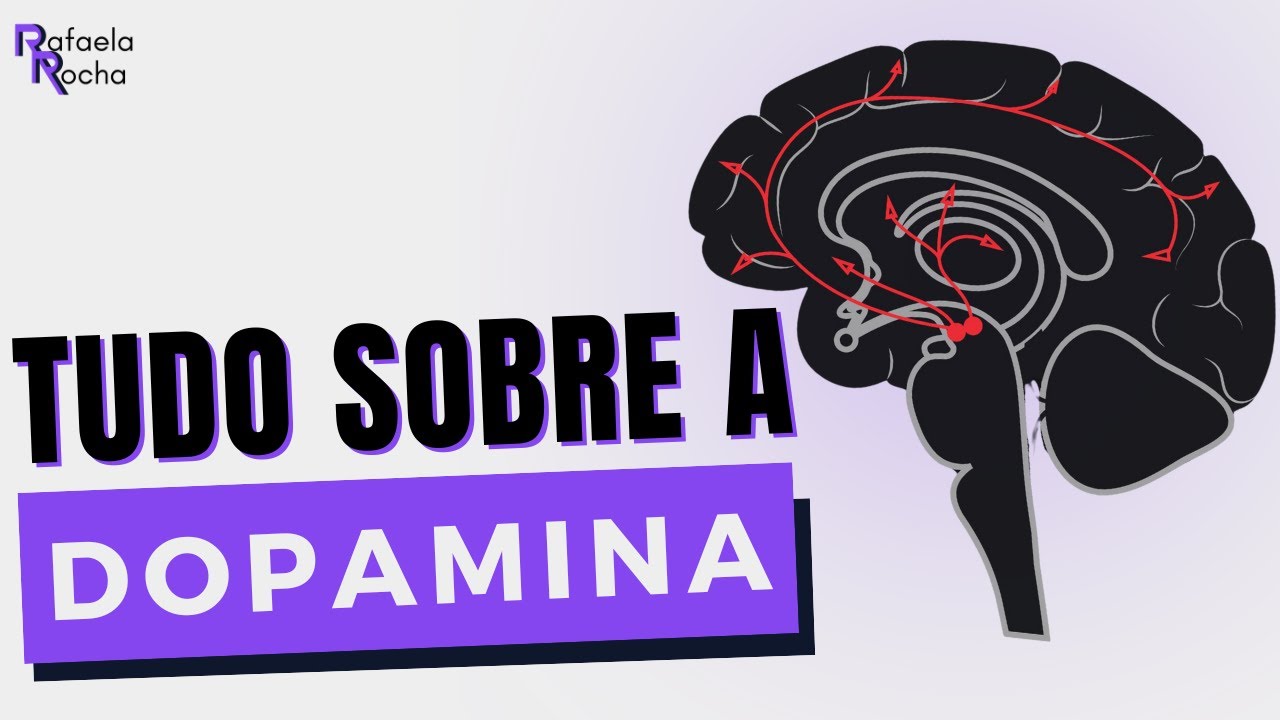
The role of neurotransmitters, particularly dopamine, in the brain's reward and motivation pathways.
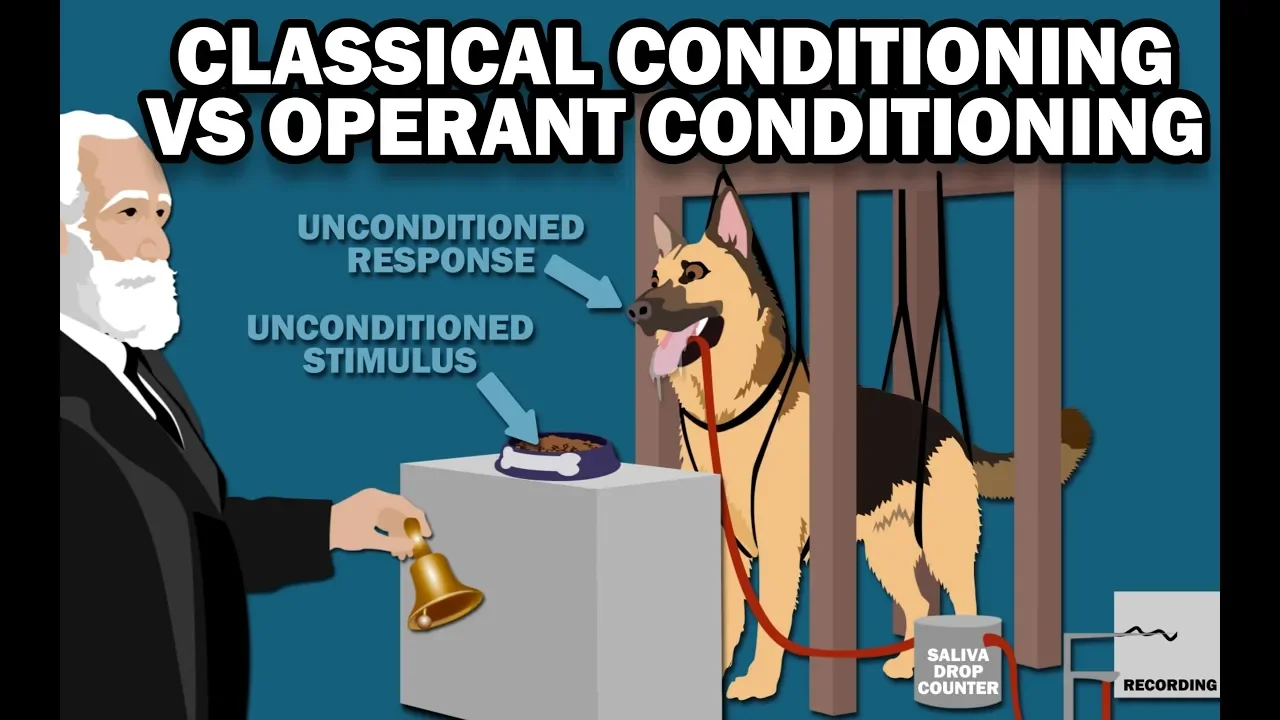
Foundational principles of psychological conditioning, including classical and operant conditioning and how they influence habit formation.
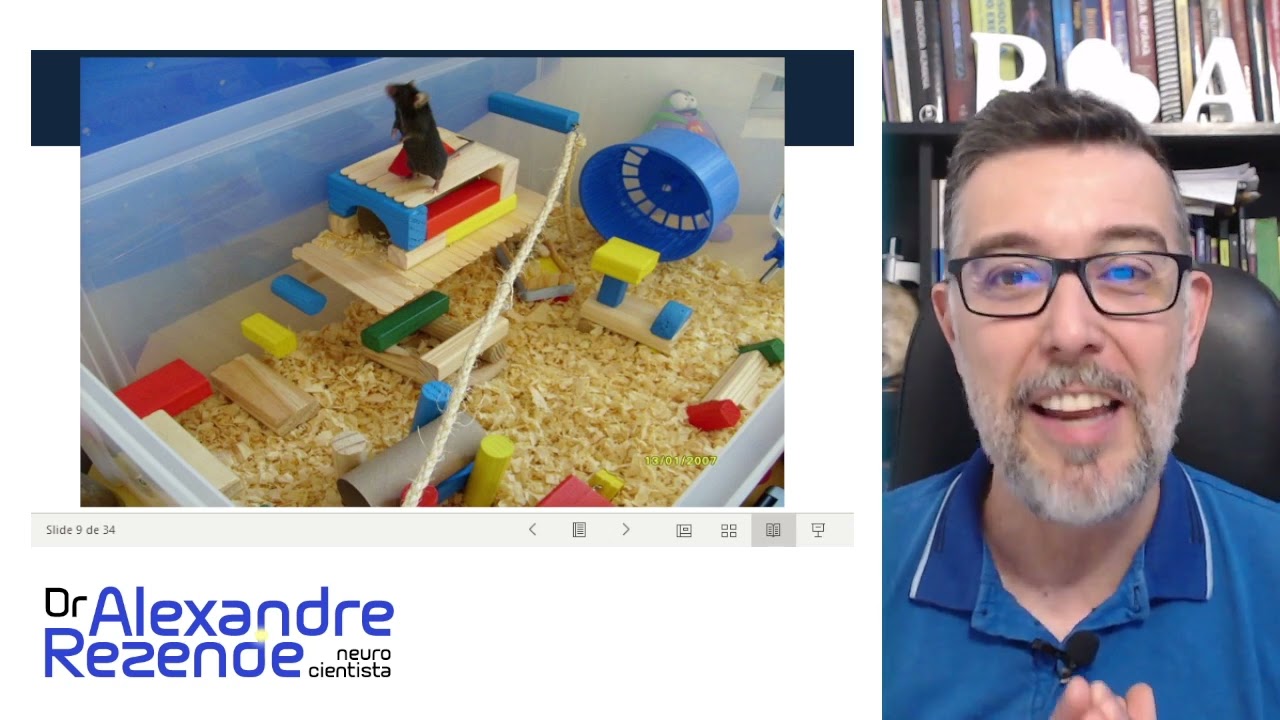
The concept of neuroplasticity, which refers to the brain's ability to structurally and functionally adapt in response to repetitive stimuli.
The neurological processes involved in recovery and desensitization, specifically how the brain 'rewires' after cessation of high-dopamine behaviors.
The clinical diagnosis and therapeutic approaches for behavioral addictions, such as Cognitive Behavioral Therapy (CBT) for compulsive sexual behavior.
The impact of digital hyper-stimulation on adult relationship dynamics, attachment styles, and sexual satisfaction.
Public health policies, age-verification technologies, and educational frameworks designed to promote digital wellness and media literacy in youth.
249.4K views1Klikes33:01Original Release: 2013-05-17
this presentation explores a few of the ramifications of the Adolescent brain growing up using high-speed internet porn let's start with the most dramatic phenomenon showing up in some of today's young porn users porn induced erectile dysfunction few years ago guys on many diverse forums began complaining of chronic unexplained erectile dysfunction all were heavy porn users amazingly the cause of their problems appeared to be in internet porn why do I say this because they generally recovered after about 2 months of no porn no porn fantasy and little or no masturbation and orgasm they call it rebooting in February 2011 Urology Professor Carlo Foresta noticed the same phenomenon in Italy in a press release describing the results of a large survey he said it starts with lower reaction to porn sites then there is a general drop in libido and in the end it becomes impossible to get an erection unquote more recently a popular us medical Show Dr Oz did a program on porn induced Ed urologist Andrew Kramer the guy in the red tie advised that erectile function can return in as little as one month without masturbation to porn however the porn related phenomenon has been rapidly shifting the earliest guys to complain of the problem were typically computer Wizards or it Specialists they had acquired high-speed internet porn ahead of the pack and then developed uncharacteristic delayed ejaculation or Ed during sex some had Ed even while using porn nearly all were in their late 20s or older soon we began to notice two unexpected Trends with porn and deed DD number one a flood of young younger guys in the early 20s late teens showed up with the same sexual problems rapidly they compris the majority of visitors to the websites where men were complaining of these porn induced sexual problems number two unlike older guys who needed two months or less young guys needed 3 to 6 months maybe even 9 months or longer to recover from porn induced Ed another difference older guys are usually completely healed once they ere return young guys often continue to see improvements even after their erections return now this leads to an obvious question why does a guy age 50 recover much faster and more solidly than say a 23-year-old especially when the 50-year-old has been using porn a lot longer than the 23y old sometimes for 30 years or more and the 50-year-old has lower testosterone and the 50-year-old has less dopamine dopamine in the brain is what powers erections and drives liido and he has older blood vessels the main cause of organic Ed is inadequate blood flow basically he has older everything such as nerves and genital muscles and this last one seems strange but older guys can occasionally orgasm during their reboot and it doesn't set them back the same way it does many of the young guys so why does a guy age 50 recover much faster and more solidly the young guy spent his adolescence wiring his sexual response to high-speed internet porn and the 50-year-old did not consider this a natural outcome of the highly Malu adolescent brain conditioning itself to today's high-speed internet porn now this presentation isn't really about Ed it's about sexual conditioning however unprecedented Ed young men is strong evidence that internet porn can powerfully condition sexuality let us consider our fifth year-old who recovered quickly and easily from porn induced DED what did he wire as sexual arousal to well he began his adolescent masturbation career maybe with a catalog or a TV star or magazine if he could find one or the most likely scenario using his imagination maybe fantasizing about the girls at school if you are 12 13 14 and you have never had a sexual experience what are you going to fantasize about when you are masturbating if you grew up in the 70s maybe it was kissing a girl in your class maybe it was a girl touching you perhaps feeling up fair faucet all are age appropriate today a 13-year-olds imagination is replaced by hardcore streaming videos of people engaged in all sorts of crazy stuff none of it is age appropriate maybe it's not appropriate for any age and little of it resembles real sexual encounters instead of wiring his sexual arousal to real people today's adolescent is often found in front of a screen and he is wiring his brain sexual circuits to being alone in his room voyerism rather than participation continuously searching and seeking for the next thing and the next thing multiple tabs maybe 10 20 tabs open each with a three minute HD video shock and surprise we know how team boys love to be grossed out multiple porn stars pession or per video fetishes of every imaginable and unimaginable type this is like trying to learn how to play football by shooting free throws on a basketball court but it's more than just training for the wrong sport using porn is replacing these guys ability to play the sport they really want to learn the following quote highlight likes the key difference between our 23-year-old and 50-year-old sexual conditioning I'm 25 now but I've had highspeed internet access and started streaming porn videos since age 12 my sexual experience is very limited and the few times I've had sex have been total disappointments no erection been trying to quit for five months now and finally have I realize that I've been conditioned to the point where my sexual urges are deeply linked to a computer screen women don't turn me on unless they are made 2D and behind my glass monitor unquote now let's get back to what the 50-year-old and the 23-year-old had in common as I said dopamine is a major player in libido and in erections in both the Old and the young guy porn induced Ed seems to be related to reduced dopamine signaling that is there's less dopamine released and fewer dopamine receptors one term for this is desensitization reduced dopamine signaling or desensitization is one of many brain changes caused by addiction the purple pathway is a simplified picture of the reward circuit desensitization and many other addiction related brain changes occur here this ancient circuit is shared by all mammals its purpose is to urge us to repeat behaviors that further our survival or the survival of our genes such as eating and of course sex it does this with the help of dopamine here's how dopamine Powers erections when you are sexually excited the Red Dot which is the heart of the reward circuit fires up and sends dopamine signals down to the hypothalamus which is the blue dot the hypothalamus erection senders send signals streaming down the spinal cord to the penis producing and sustaining and erection here's the key point if dopamine signaling is well below normal either in the Red Dot called the nucleus succumbent or the hypothalamus the message is weak and so are erections a new Italian study confirmed this hypothesis scientists compared two groups of men with erectile dysfunction first they had men with an obvious physical cause and then secondly they had men without any known physical cause the group without a known cause had less gray matter which means fewer nerve connections guess which parts of the brain were affected the reward center in red the hypothalamus in blue less grey Manor translates into less dopamine signaling which is desensitization a major player in porn induced sexual problems if desensitization were the only factor in porn induced DD younger guys would recover a whole lot faster than older guys so we are back to the other Factor sexual conditioning that naturally occurs during adolescence when the brain is primed to learn all about reproduction which is what this presentation is really about brains not penises so back to the brain the neurobiology of sexual conditioning revolves around a crucial detail nerve cells that fire together wire together for an adolescent brain this means connecting sexual excitement experienced in the reward circuit to whatever is causing it in the environment so we have to ask what is the impact of this evolutionarily new sexual stimulus internet porn during this critical window of brain development I say critical because research is revealing that it's surprisingly easy to condition sexuality in young mammals and the experience of many of today's young porn users is affirming This research consider this research recounted in Jim F's review of sexual conditioning who what where when and maybe even why how the experience of sexual reward connects sexual desire preference and performance I call this experiment so this is how you do it scientists introduced a receptive female to a male and then a minute later yanked her out of his cage with enough repetitions this conditioned the young male to ejaculate much faster than normal how did these rapid ejaculators behave when given all the time in the world well they contined to be rapid ejaculators the key Point here is early sexual conditioning remained even when circumstances changed how did the same sexual conditioning affect experienced males who learn sex at normal speeds sure they learned to become rapid ejaculators but this was temporary once they were allowed uninterrupted access to females the experienced males returned to their normal mating habits if staring at a computer is the answer to the question so this is how you do it could early sexual conditioning help explain why young guys with porn induced Ed often need longer to recover here's a guy in his early 20s alien is the word I'd use to describe how it felt when I tried to have sex with real women it felt artificial and foreign to me it's like I've gotten so conditioned to sitting in front of a screen jerking it that my mind considers that to be normal sex instead of real actual sex unquote here's another experiment I call this one what was aversive became erotic researcher Jim F sprayed female rats with the odor of Rotting Flesh this is called C davine normally rats avoid decaying flesh it's an eight it's not a learned behavior they will bury dead buddies and wooden Dows soaked in cavine next he placed the smelly but willing females into cages with young virgin males with their dopamine soaring the Virgin males mated and ejaculated several times a few days later the young male rats were placed in a cage with normal smelling females and females smelling like death the cavine conditioned males made it with both the non- stinky females and the stinky females when unconditioned normal males were given full access to both types of females they wouldn't go near the females that stank of death how deep was the conditioning a few days later the conditioned ex virgins received a wooden Dow saturated in cavine they played with it and not on it just as they would if the Dow had been laced with something they normally love such as chocolate or vaginal secretions as researcher Jim F says this finding may have implications for the formation of sexual paraphilia in humans that might otherwise be perceived as aversive end quote f is saying that early sexual experience has the power to wire in all kinds of fetishes including stuff that would normally be pugnet this could also explain why some porn users end up baffled or distressed by the porn they have escalated to in their search for more and more stimulation these next two guys are describing their fetishes fading after eliminating Porn first guy I looked at weird porn when I was masturbating porn that disgusted me after I watched it the brain always goes to more extreme porn to get off I don't think they were true fetishes because if those things had actually happened in front of me I would have left the room I won't go back to porn ever because after my last relapse it took only two weeks to go from normal porn all the way back to the really weird porn end quote second guy I've been into female wedgies bondage humiliation and enf since my sophomore year of high school ruined a few relationships because of it since quitting there are weeks now where it doesn't even enter my mind end quote really get that guys may not be sure of their true taste until after they quit porn what is behind the acquisition of porn tastes it appears to be sexual conditioning what is the driving force behind sexual conditioning all evidence points to dopamine this experiment really shows us the power of dopamine in sexual conditioning in that a virgin male can be conditioned to prefer a samex partner researchers injected a male rat with a drug that mimics dopamine thus imitating the buzz of sexual excitement and then placed him in a cage with another male the two rats just hung out together for a day that's the time it takes for the drug to leave the system the researchers then repeated this process two more times 4 days apart a few days later the reconditioned mail was offered a choice with no drug in his system he entered a cage with access to both his mail buddy and a sexually receptive female guess which rap turned him on the most he showed the much more response to the male more erections more genital investigation and even femal likee solicitations as opposed to normal male mounting Behavior the researchers said the rat was not gay because he didn't try to mount the other rat you might find this surprising but some porn users report escalating over time to porn that that does not match their innate sexual orientation take these two guys for example first guy I used to think I was bisexual with a foot fetish now it disgusts me I'm straight and like girls not feet no offense to anyone who has any other preferences does anyone else feel like the part of their brain with all those fetishes and stuff is just going away end quote second guy I became addicted to internet por born in my late teens gay sex to me is very normal and natural but I lost interest in it over time I became interested in straight porn and found myself increasingly losing interest in the male anatomy and developing a fetish for female genitalia I decided to stop watching porn and after quite some time I can happily say my fetish for women has gone gay sex has returned to be the norm for me end quote their innate orientation had not changed but constant reinforcement while in a high dopamine State altered what type of porn turned them on acquiring new porn fetishes or taste is not that unusual in 2012 approximately 1,500 guys responded to a lengthy survey on the popular reddit.com site as you can see 56% of them reported that their porn taste had become increasingly extreme or Dev 24% were bothered by this 32% were not psychiatrist Norman Doge explains what was going on this is from his bestseller the brain that changes itself the content of what patients found exciting changed as the websites introduced themes and scripts that altered their brains without their awareness because plasticity is competitive the brain maps for new exciting images increased at the expense of what had previously attracted them here's a good way to visualize de's comment adding internet porn into the mix creates competing sexual Pathways it's a type of natural selection sure Jessica and algebra is cute but if a 13-year-old is masturbating every day to gang bangs cream pies or double penetration the Jessica Pathways will have a difficult time keeping up here's why he's not masturbating to thoughts of Jessica but to porn his brain is constantly reinforcing the stimuli he Associates with masturbation and ejaculation remember nerve cells that fire together wire together whether it's garine plus ejaculation or hardcore videos plus masturbation this yellow arrow is more than just a cartoon those red lines are nerve Pathways growing stronger and and more efficient in other words nerve cells that fire together are wiring together and what helps them wire together and facilitate sexual conditioning is a unique molecule called Delta fos B but didn't I say that dopamine was the driving force behind sexual conditioning it is dopamine surges are the trigger for the reward circuit to produce Delta fos B and Delta fos B accumulates in proportion to the amount of of dopamine released this image shows how Delta fos B accumulates with chronic overc consumption what's unique about Delta fosb is that it hangs around in the brain for a long time as Delta fosb levels rise this rewies the brain to want it whatever it is now this can create a circular process of wanting leading to doing and more surges of dopamine which triggers the production of more Delta fos B and so on simply put Delta fos B's job is to have us remember and to repeat its message is this activity is really really important and you should do it again and again Delta fosb accomplishes this by wiring together the sights The Sounds emotions Sensations and memories associated with a big reward such as Climax and creates a circuit that can blast our reward Center when activated this circuit creates feelings of wanting or even Cravings analogy time dopamine is like the foreman for a highway construction crew and the workers are like Delta fos B dopamine barks the order saying connect these experiences together but Delta f b builds the highways here's the key long after Delta Vos B vanishes the wanting circuits remain just as the roads remain after the construction crew leaves for the next job these brain highways or circuits are why early sexual experience can have such a powerful and Lasting effect where else does this same process occur it occurs with all addictions chronic overc consumption of drugs or Natural Rewards keeps dopamine elevated which leads to the accumulation of Delta fosb and rewires brain Pathways to crave it for example long after an alcoholic is sober a trigger can activate an old addiction pathway which causes cravings and is the mechanism behind relapses sensitization is the technical term for the construction of these deeply entrenched addiction Pathways as you can see from this 2001 study it's been known for quite a while that Delta fosb is the master switch for addiction but obviously the Delta fosp switch did not evolve to help us get addicted to stuff as several later studies discovered Delta fos B's true function is to urge animals to pursue high fat high sugar foods and sexual opportunities now that makes evolutionary sense what also makes evolutionary sense is for an adolescent to quickly learn all about sex and remember the details so he can improve his chances whenever an opportunity presents itself by 2010 several more studies affirmed that Delta fos B was behind the long-term brain and behavioral changes that occur with sexual conditioning and earlier this year this study put it all together quote natural and Drug rewards not only Converge on the same neural pathway they converge on the same molecular mediators and like in the same nerve cells to influence the wanting of both types of rewards end quote that's a mouthful but what it means is that cravings for addictive drugs or for sex or for porn all tap into the same mechanisms and brain Pathways with Delta fos B driving the bus it also means that behavioral addictions exist and share the same fundamental mechanisms and brain changes as do drug addictions does this mean that sexual conditioning is exactly like an addiction no of course not sexual conditioning is a natural process that all adolescents experience addiction is a pathology nevertheless Delta B is common to both its instructions are to remember and repeat rewarding behaviors whether it's smoking a cigarette or having sex with a female smells like death or surfing the internet for your favorite fetish porn if a teen is watching a lot of internet porn where does sexual conditioning leave off and porn addiction begin there's no simple answer because both share common brain mechanisms older guys can often tell when they slip into an addiction because they know what normal was for them before internet porn arrived if a 23-year-old has only known regular porn use since age 12 how does he figure out out that he's crossing the line into compulsive use now that hardcore streaming videos are available to any age Humanity has entered a new paradigm obviously internet porn is not sex but it certainly activates our built-in dopamine response to sexual stimulation over and over Beyond sexual stimulation internet porn has unique properties that can keep dopamine surging novelties searching and seeking material that shocks or surprises all Elevate dopamine independently of one another as soon as dopamine starts to drop you can click to the next image or video and jack it up again you can't do that with a Playboy magazine or a DVD rental some users maintain this High arousal state which means High dopamine for hours deliberately deferring ejaculation many use porn without masturbating they watch on airplanes or at work or maybe in the libraries or on their smartphones at school or maybe they start after dinner and surf porn until they fall asleep at 2 a.m. not only has the content of porn evolved to be ever more extreme so has the delivery system porn is now omnipresent free and accessible to every age at any time which brings us to the most technologically Adept segment of the population adolesence there's an in the room here which we haven't talked about yet it's the Adolescent brain an adolescent brain is not an adult brain with less experience it is anatomically biochemically and physiologically different from a child's or an adult's brain those differences fall into two main categories the first is an imbalance of power between the thrill seeking parts of the Primitive brain and our more evolved rational brain the second is an explosion of new brain connections followed by rapid pruning and reorganization let's start with the first feature during adolescence a temporary imbalance develops the sex drugs and rock and roll part of the brain is in overdrive that's the reward circuit well at the same time the let's give this some thought part of the brain is still under construction in fact those frontal loes won't reach full maturity until about age 25 five now how does the Adolescent reward circuit produce much stronger go for it signals first the team brain squirts out far more dopamine than does an adult brain second the brain sensitivity to dopamine and other exciting neurochemicals is significantly higher it Peaks around age 15 this combination of more dopamine and more dopamine receptors sends novelty seeking skyrocketing in fact one study found that teen brains respond to anything perceived as exciting with two to four times the reward circuitry activation of adults not only our team brains pumping out more dopamine and other reward neurochemicals they produce higher levels of Delta fos b as we saw already Delta fos B is at the heart of sexual conditioning one outcome of higher levels of dopamine and Delta fosb is that adolescent brains are far more vulnerable to addictions than our adult teens also have weaker stop signals unfortunately the sex hormones that initiate teen sensitivity to Thrills do nothing to speed up the development of the frontal lobe the frontal lobe controls impulses inhibits inappropriate behavior and weighs the consequences of one's actions a teen brain is like a car with a Ferrari engine and forward Pinto breaks in that the urges from the high powerered reward circuit can overwhelm the under underd developed frontal lobe teens often base their choices on emotional impulses and have trouble perceiving consequences of going for it again this is no accident this imbalance of power has an evolutionary purpose all social mammals exhibit the same characteristics during adolescence increased risk-taking and increased sensation seeking both helped animals get fired up about sex leave home explore new territory and eventually find mates outside their group the purpose to discourage inbreeding today adolescent humans impelled by these very same urges encounter hazards that they never evolve to face motorcycles fast cars recreational drugs video games junk food and of course internet porn the second major feature of the Adolescent brain is an explosion of new nerve connection during early adolescence perhaps 50 to 100 billion new ones which is followed by rapid pruning and reorganization so the brain begins shrinking after age 11 but its functions gradually become more orderly and efficient this process allows the team to learn all about his environment and then wire in important new experiences and memories using the fire together wire together principle to understand this better think of forming Pathways or ruts in the brain the more often you take A New Path the easier it becomes these ruts become memories skills habits even ways of coping the key point you are more likely to use an established path even if you don't want to it becomes the rut of least resistance top adolescent brain expert Jay G describes the process as the use it or lose it PR principle quote those cells and connections that are used Will Survive and flourish those cells and connections that are not used will wither and die so if a teen is doing music or sports or academics those are the cells and connections that will be hardwired if they are lying on the couch or playing video games or watching MTV those are the cells and connections that are going to survive unquote there's no doubt that the cells and connections for sexuality Will Survive and flourish during adolescence the question is what input will shape these circuits just Ponder the enormous diversity of environments and Customs that human adolescents have adapted to over the ages this adaptability worked well for a wide range of sexual customs and practices involving real mates today though a 13-year-old sexual Pathways may be molded by by hardcore pixels and constant novelty perhaps years before his first sexual encounter or even his first kiss clicking a mouse has replaced leaving one's tribe to search the Savannah for fertile mates while glued to his screen a young guy is not learning courtship skills or interacting with potential mates the very tasks for which adolescence evolved and his brain is not wired during his sexual response to flirting pheromones or three-dimensional partners of normal proportions in conclusion as Jay felin UCLA biology professor and co-author of mean genes says all excessive stimulations of the reward circuitry that are not the behaviors for which it originally evolved are problematic like crack and crispy Cream Donuts internet porn is another manifestation of mismatch the phenomenon of our modern world deviating from the world to which we became adapted over evolutionary time this is not yet appreciated for internet porn unquote thanks for listening the science behind this presentation can be found on www.y yourbrainonporn.com below the presentation itself
Up Next

4:56
Hypofrontality in Addiction: Brain Mechanisms and Craving
@kevintmccauley1965
173.8K views•2012-03-19
21:56
Investigating Circuits of Conditioned Fear | Greg Quirk
@MichiganEngineering
1.9K views•2016-06-20

4:10
Vagus Nerve (CN X): Anatomy, Nuclei & Functions Explained
@Alilamedicalmedia
305.2K views•2022-10-31
13:03
How Exercise Benefits Your Brain: Science Explained
@TED
11.4M views•2018-03-21
Related Study Plans & Knowledge Roadmaps
Structured learning paths in Neuroscience
neuroscience
Fear Circuits: Amygdala, Context & Extinction
01Introduction to Brain Anatomy & Neurobiology
02Fundamentals of Fear Conditioning & the Amygdala
03Microcircuits of Threat Processing and Defense Responses
+ 2 more learning modules
12h5 modules
Explore Roadmap
neuroscience
Appetite Regulation: Brain Circuits & Hormones
01Foundations of Endocrinology and Brain Anatomy
02Introduction to Energy Homeostasis
03Peripheral Signals: Leptin, Ghrelin, and Insulin
+ 2 more learning modules
14h5 modules
Explore Roadmap
neuroscience
Neuroeconomics: Value, Risk & Brain Mechanisms
01Foundations of Neuroscience and Brain Anatomy
02Introduction to Neuroeconomics and Subjective Value
03Dopaminergic Prediction Errors & Reinforcement Learning
+ 3 more learning modules
18h6 modules
Explore Roadmap
neuroscience
Spatial Navigation: Cells, Grids & Brain Maps
01Foundations of Brain Anatomy and Memory
02Place Cells and Head-Direction Cells
03Grid Cells: The Brain's Coordinate System
+ 2 more learning modules
12h5 modules
Explore Roadmap