


















Hypofrontality is a brain state in addiction where abnormal activity in the orbital frontal cortex and anterior cingulate cortex impairs top-down control, causing the brain to prioritize drug-seeking behavior over rational decisions; this condition creates intense, involuntary cravings that persist even when addicts are not actively using drugs, which explains why addiction is fundamentally a disorder of choice rather than simply a lack of willpower.
Hypofrontality in Addiction: Brain Mechanisms and Craving
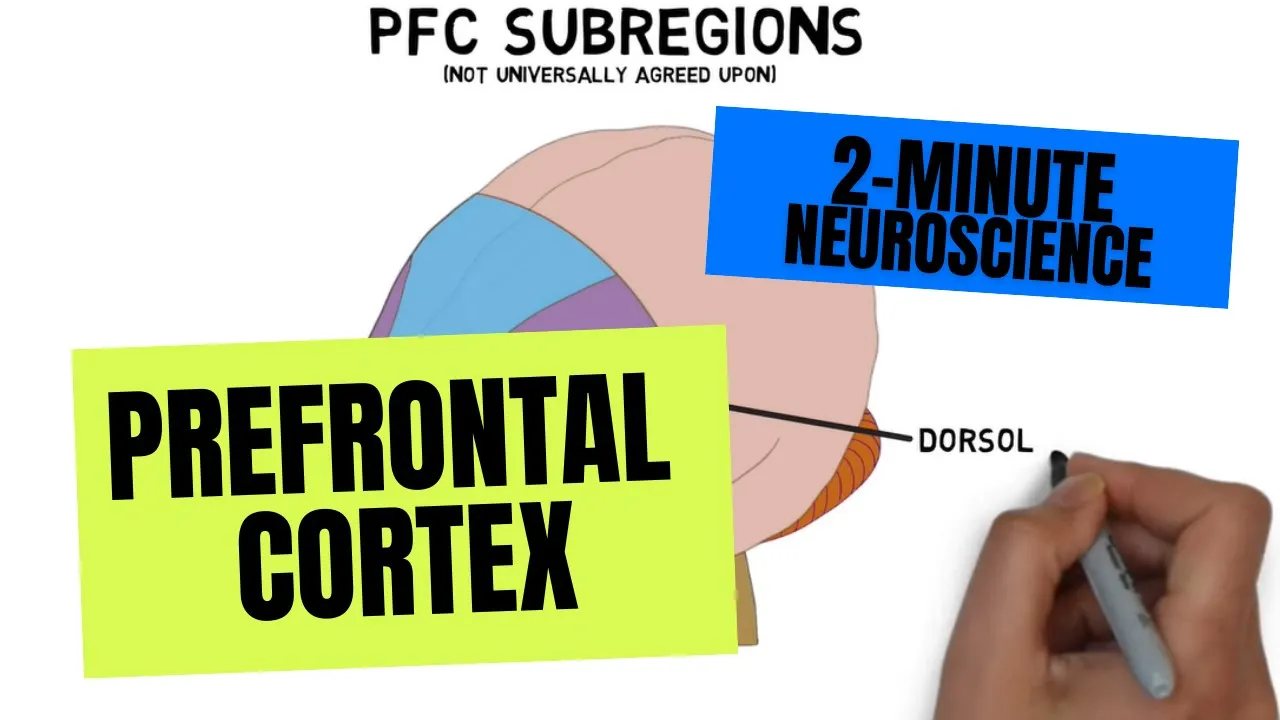
Added:Basic neuroanatomy of the human brain, specifically the location and general functions of the prefrontal cortex (executive functioning, decision-making, and impulse control).
The fundamentals of synaptic transmission and how neurotransmitters facilitate communication between neurons.
The role of the mesolimbic dopamine pathway (the brain's reward system) in reinforcing natural behaviors like eating and socializing.
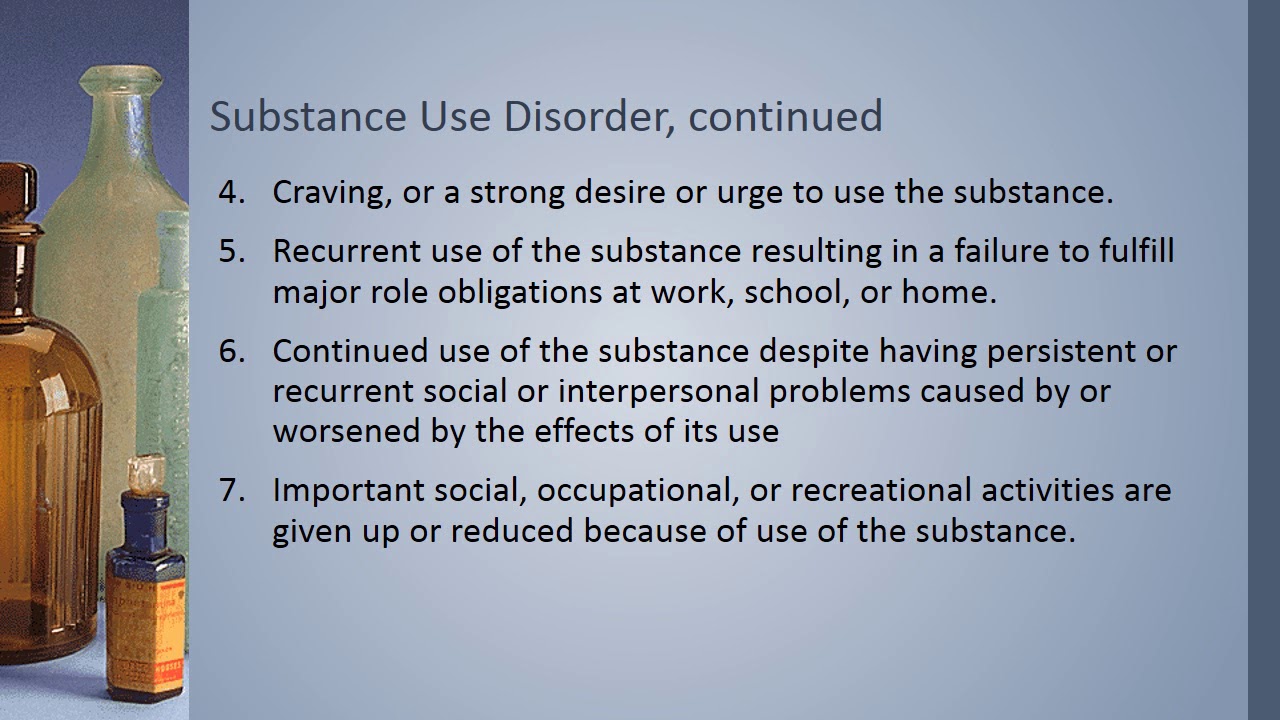
Basic clinical definitions of addiction, tolerance, withdrawal, and substance use disorders.
Neuroplasticity and brain recovery: Mechanisms through which the prefrontal cortex can heal or adapt during long-term sobriety.
Cognitive-behavioral therapies (CBT) and mindfulness-based interventions designed to strengthen executive function and top-down cognitive control.
Pharmacological treatments for addiction that target dopamine receptors, glutamate pathways, or frontal lobe activity to curb cravings.
The ethical, legal, and social implications of the 'brain disease model' of addiction regarding criminal justice and public health policy.
173.8K views917likes4:56Original Release: 2012-03-19
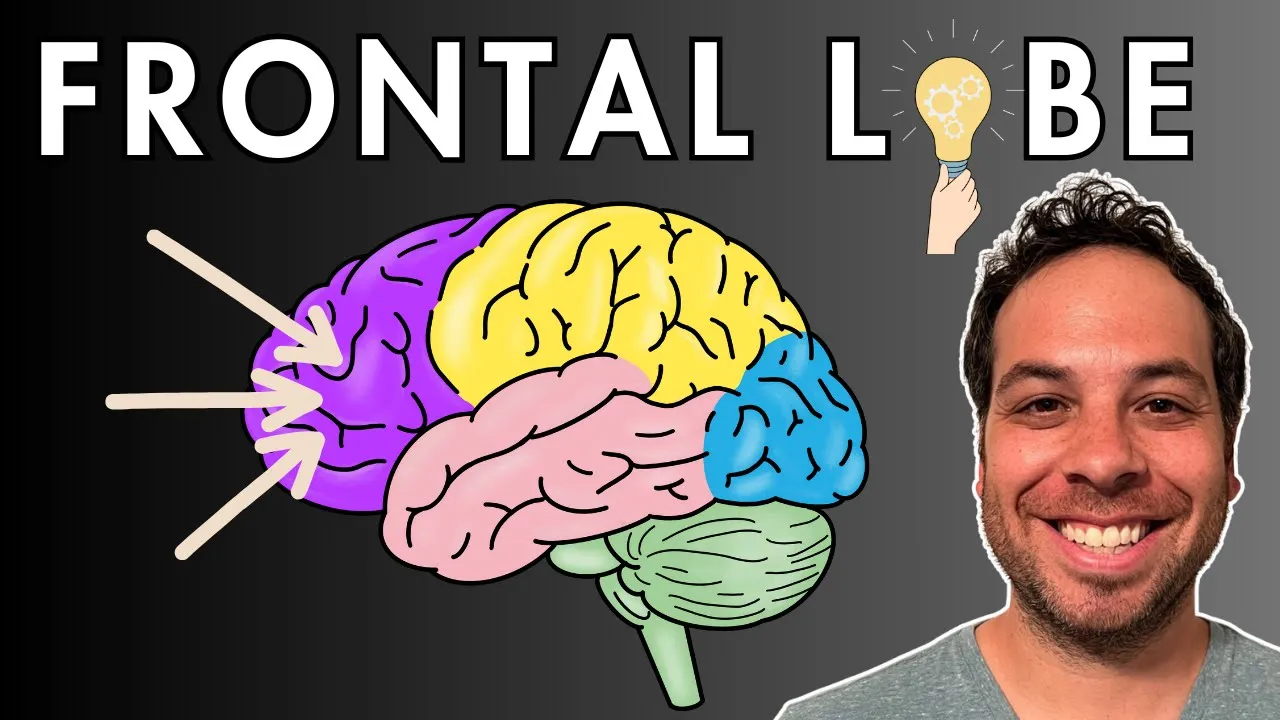
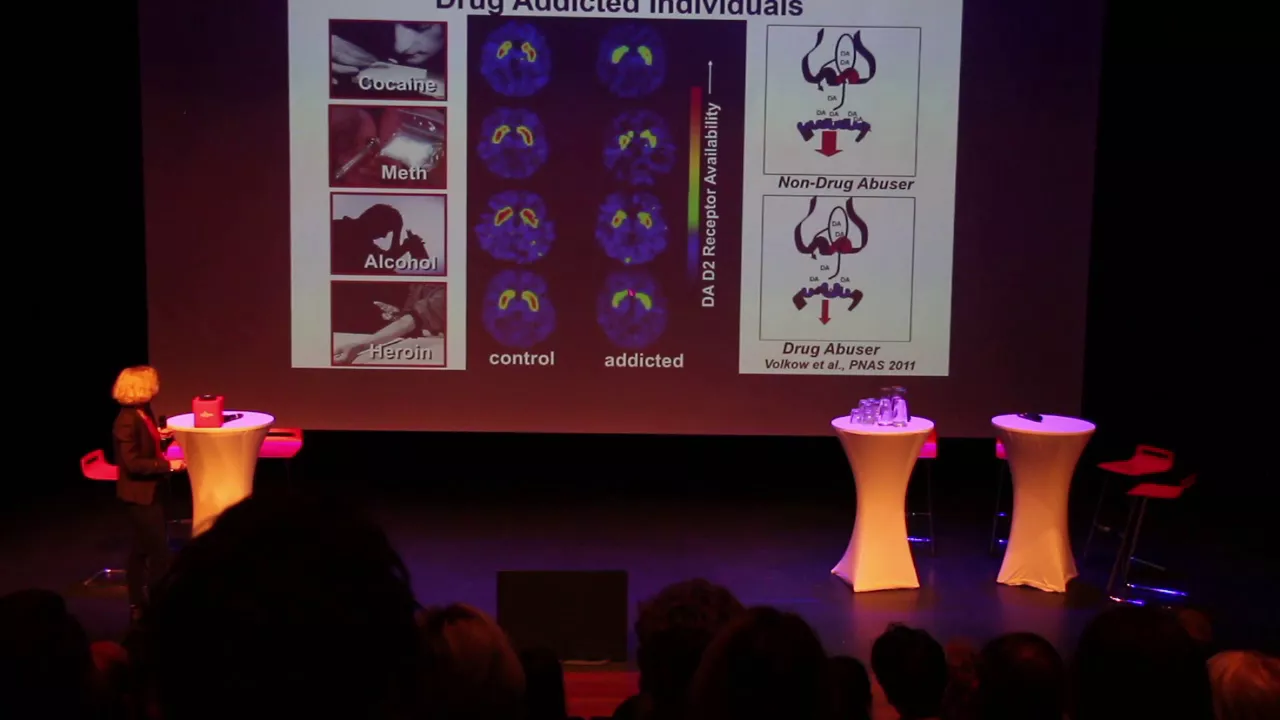
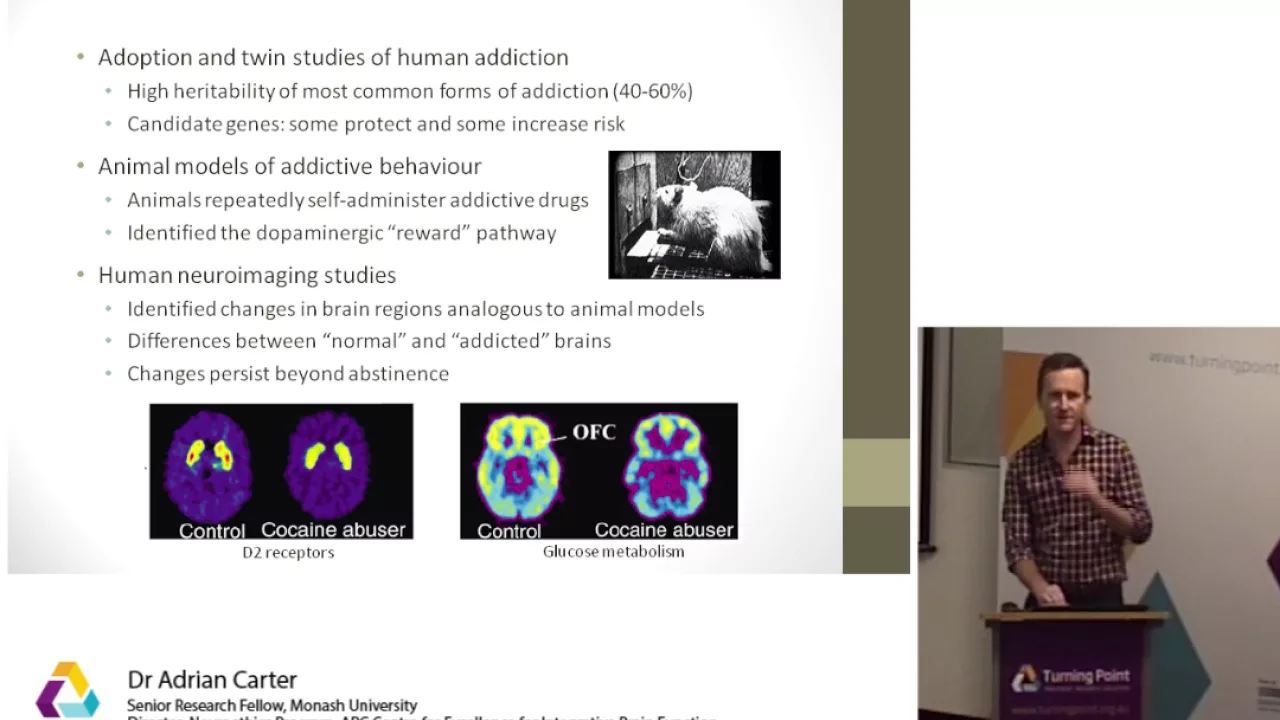
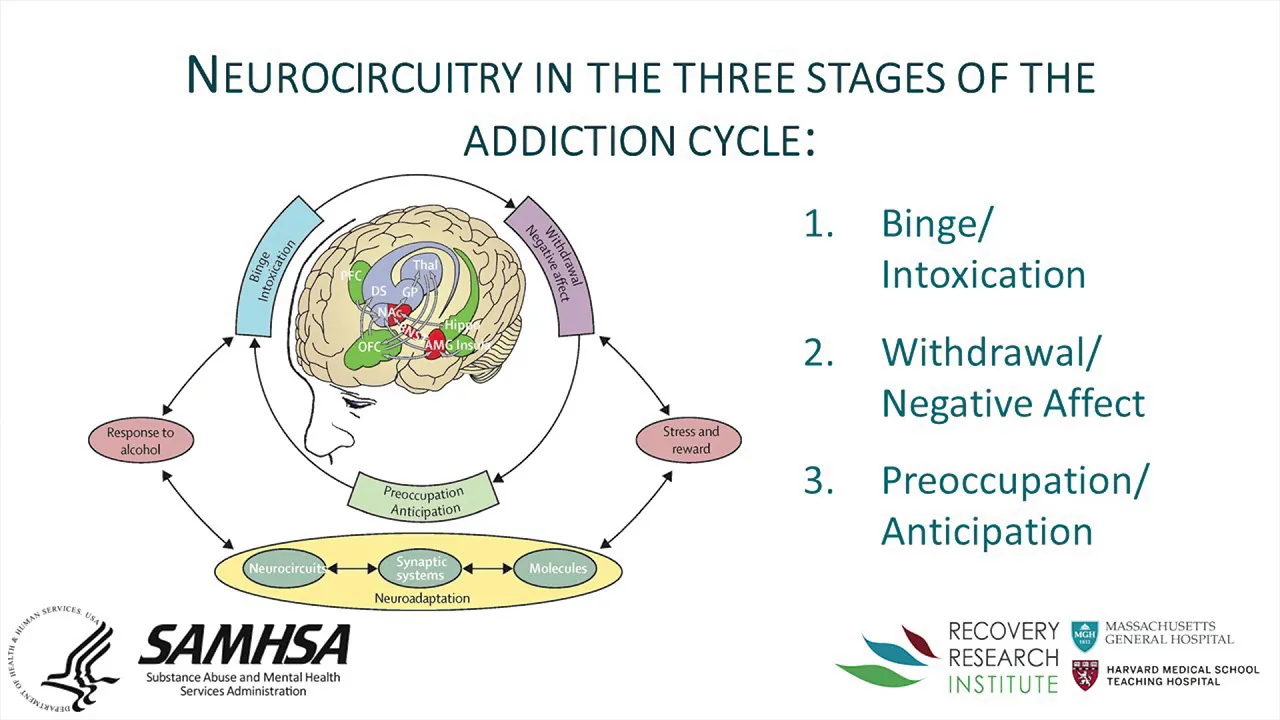
the theory that describes what goes wrong in the frontal cortex during addiction was developed by Dr Peter calivas at the Medical University of South Carolina and Dr Nora vof the director of the National Institute on drug abuse they recognize that dopamine is important in the early stages of addiction but the final common pathway in addiction is the glutamate neurons projecting back down from the frontal cortex calavas and volkov's research is based on an important new tool that is only recently become available to Neuroscience the technology of brain scans brain scans are essentially photographs of the brain in action now what these brain scans say exactly is still controversial but calavas and volov have found abnormal activity in the brain scans of addicts in two important areas of the cortex the orbital frontal cortex and the anterior singulate cortex these areas are critical for emotional attachment and decisionmaking calavas and vov believe that the abnormal activity here is the basis of the overwhelming importance the brain gives to drugs and the uncontrollable urge it feels to seek them in addiction the normal top down control of the cortex over the midbrain simply fails the addict's prior commitment to quit their memory of what happened the last time they drank or used drugs the love they feel for their family the knowledge of the punishment they know awaits them if they relapse when the cortex fails these things are invisible to the addict [Music] calavas and volov called this brain State hypofrontality what was once a healthy functional decision-making frontal cortex is reduced to a shadow of its former self overactivity in some areas of the brain and other areas is Desolation this is what lies behind the denial the personality changes the breathtakingly impaired decision-making in combination with the tragic loss of insight that characterize endstage addiction addiction begins as a disorder of genes and pleasure but it ends as a disorder of choice hypofrontality gives the addicted brain a powerful tool to protect the connection of the drug to survival and that tool is called craving craving is a difficult concept we all use the word craving when people say they crave chocolate what they mean is they really want chocolate a lot it's important to understand that's not what the addict means when they say they crave craving is an intense emotional obsessional experience the addict wants to think about other things their brain is constantly bringing them back to the drug they are up in the middle of the night they can't sleep their pulses at 120 they're thinking over and over again just one more time that's craving and make no mistake that is genuine suffering and I think it's the presence of craving that defeats that choice argument you remember the choice argument addiction is not a disease because the adct can quit any time he wants go ahead put alcohol in front of the alcoholic and when he reaches for it you point a gun at his head and he will choose not to drink and that's true with a gun to his head the addict can in that moment choose not to drink but even though the addict isn't drinking or using he's still craving he doesn't have the choice not to Crave once that connection of the drug to survival has been carved into the brain you don't actually have to have drug use anymore for the disease process of addiction to be active the choice argument fails because it measures addiction by the addict's behavior in doing so it misses the most important feature of addiction to the addict the craving the other thing the choice argument doesn't quite get is that if you put alcohol in front of an alcoholic and a gun to his head he doesn't think oh I better not drink or I'll get shot in the head no what he thinks sounds more like this I wonder if he'll really shoot me I wonder if he's even got bullets in that gun maybe his finger will slip off the trigger I wonder if I can get that alcohol into my brain before the bullet comes crashing through my skull that's craving and that experience is as miserable as it is involuntary [Applause] [Music] we
Up Next
37:27
David Jentsch: Impulsivity, Addiction, and Diversity in Neuroscience
@stephenvmahler56
217 views•2022-10-30
21:55
Deciphering Neural Circuits Controlling Anorexia in Mice | Richard Palmiter
@AllenInstitute
2.3K views•2011-10-10

4:10
Vagus Nerve (CN X): Anatomy, Nuclei & Functions Explained
@Alilamedicalmedia
305.2K views•2022-10-31
13:03
How Exercise Benefits Your Brain: Science Explained
@TED
11.4M views•2018-03-21
Related Study Plans & Knowledge Roadmaps
Structured learning paths in Neuroscience
neuroscience
Appetite Regulation: Brain Circuits & Hormones
01Foundations of Endocrinology and Brain Anatomy
02Introduction to Energy Homeostasis
03Peripheral Signals: Leptin, Ghrelin, and Insulin
+ 2 more learning modules
14h5 modules
Explore Roadmap
neuroscience
Neuroeconomics: Value, Risk & Brain Mechanisms
01Foundations of Neuroscience and Brain Anatomy
02Introduction to Neuroeconomics and Subjective Value
03Dopaminergic Prediction Errors & Reinforcement Learning
+ 3 more learning modules
18h6 modules
Explore Roadmap
neuroscience
Spatial Navigation: Cells, Grids & Brain Maps
01Foundations of Brain Anatomy and Memory
02Place Cells and Head-Direction Cells
03Grid Cells: The Brain's Coordinate System
+ 2 more learning modules
12h5 modules
Explore Roadmap
neuroscience
BCIs: Neural Decoding & Prosthetic Control
01Neuroscience Foundations: How the Brain Signals Intent
02Signal Acquisition: Recording the Brain's Activity
03Neural Decoding: Translating Brain Waves into Data
+ 2 more learning modules
25h5 modules
Explore Roadmap