








![Биология поведения человека: Лекция #7. Генетика поведения, II [Роберт Сапольски, 2010. Стэнфорд]](https://i.ytimg.com/vi_webp/_l8zgjT5z0c/maxresdefault.webp)





















Addiction involves dysfunction in frontal cortical circuits that regulate inhibitory control over reward-seeking behaviors, with individual differences in baseline dopamine D2 receptor density strongly predicting susceptibility to substance use disorders; this relationship is evolutionarily conserved across species from mice to humans, highlighting the importance of using genetically diverse animal models to understand addiction mechanisms.
David Jentsch: Impulsivity, Addiction, and Diversity in Neuroscience
Added:Basic concepts of neurotransmission, specifically the function of dopamine as a key neurotransmitter in reward and motor pathways.
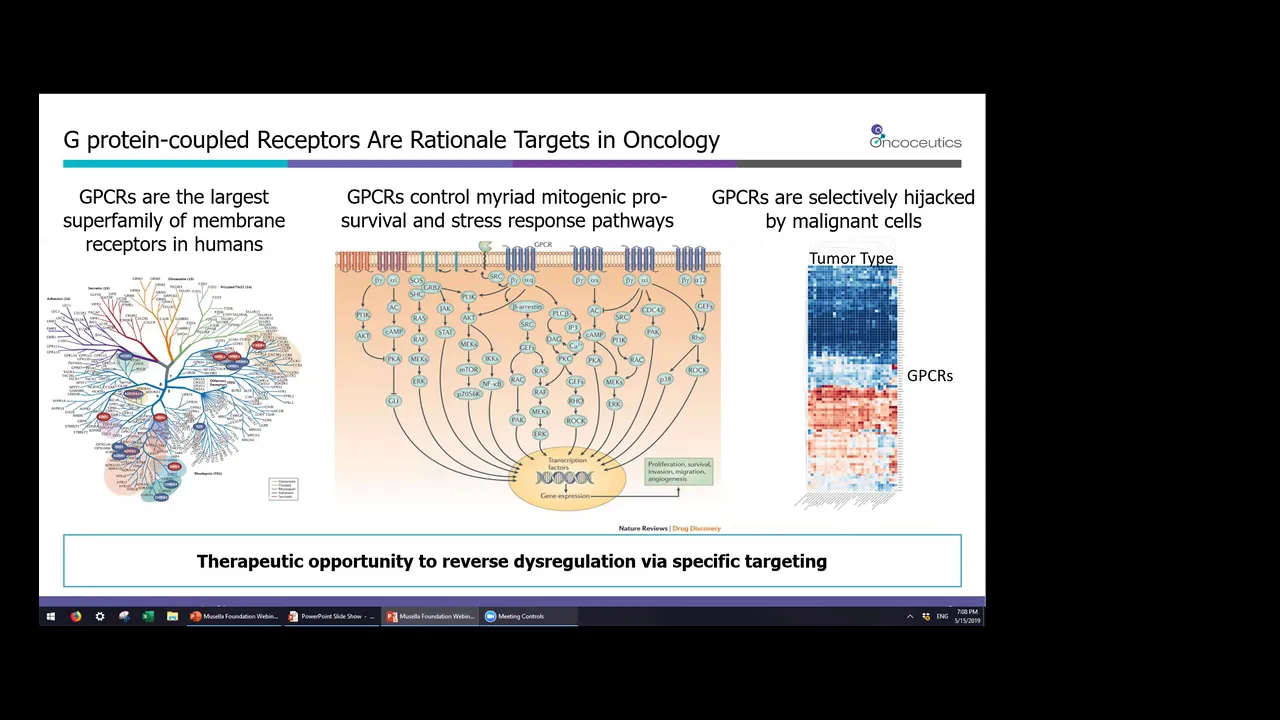
An understanding of G-protein coupled receptors (GPCRs), with a specific focus on the inhibitory nature and signaling pathways of D2 dopamine receptors.
The fundamental neurobiology of addiction, including the mesolimbic pathway (ventral tegmental area to nucleus accumbens) and how substances alter reward processing.
An introductory understanding of behavioral genetics, specifically how genetic variation contributes to individual differences in behavior and cognitive traits.
The purpose and methodological limitations of using traditional, inbred animal models in translational neuroscience and psychiatric research.
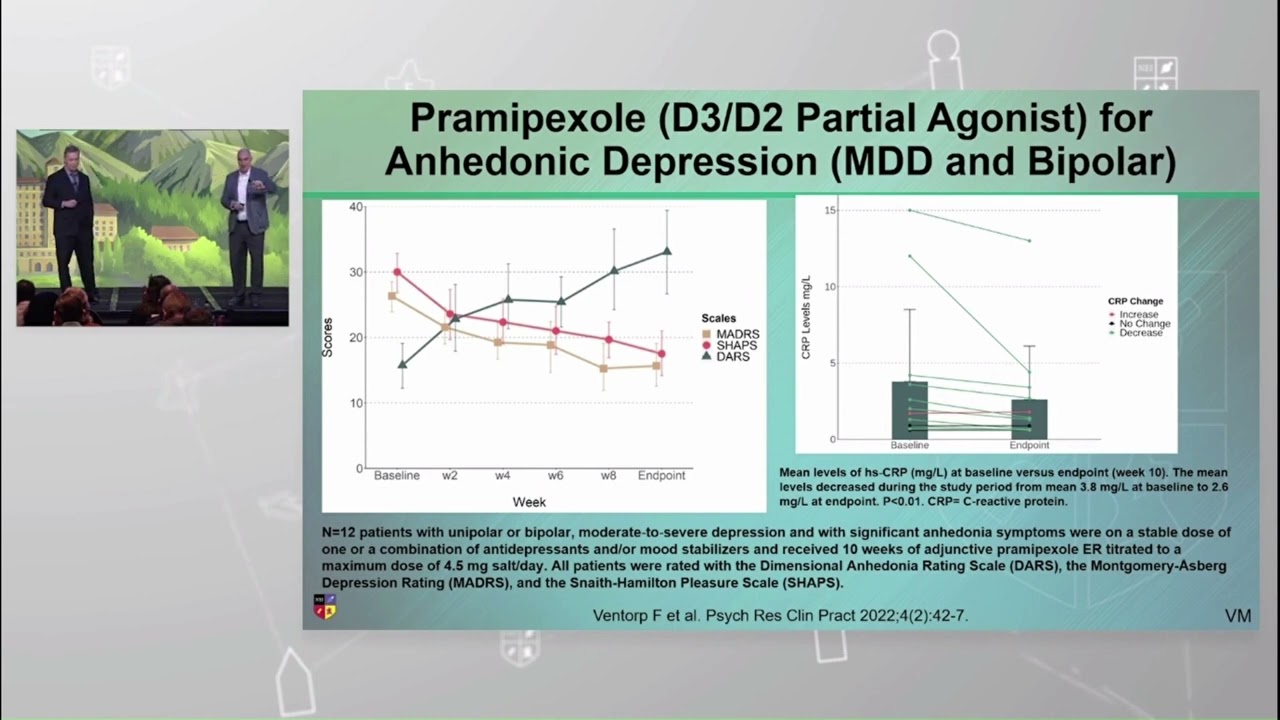
Advanced psychopharmacology, exploring how novel therapeutic agents target D2 and D3 dopamine receptors to treat impulsive-compulsive disorders.
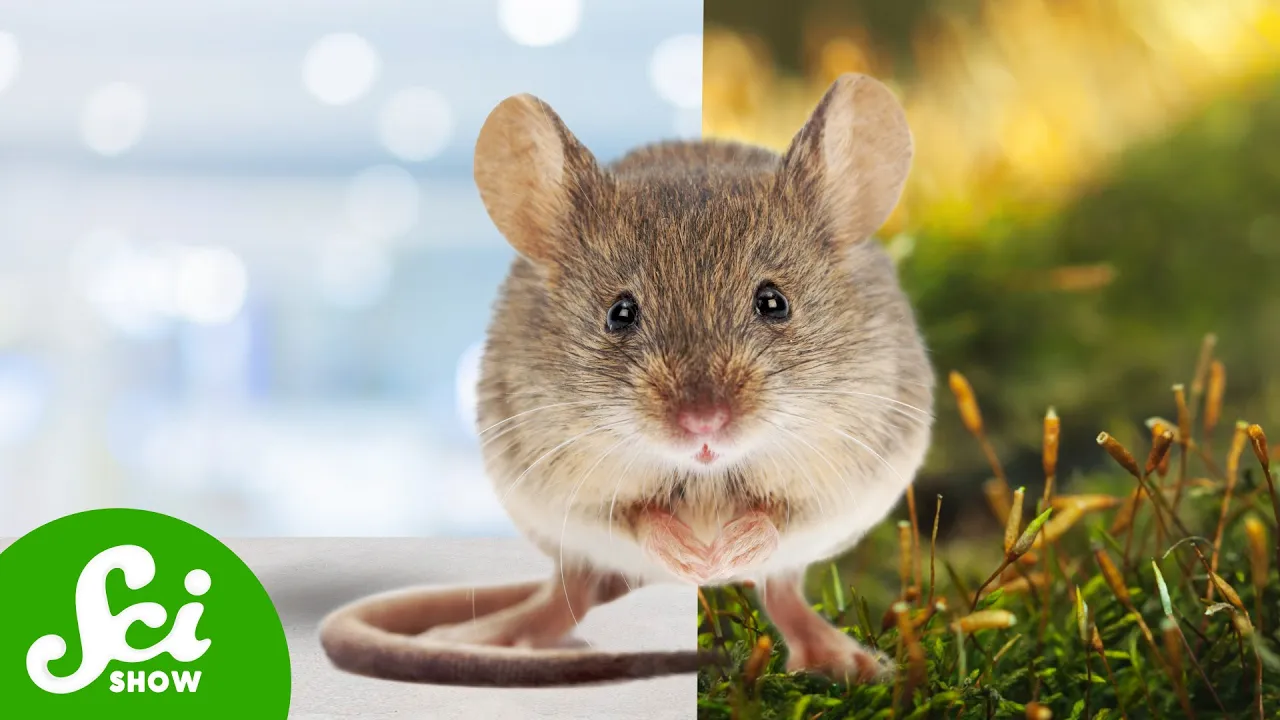
The use of genetically diverse mouse populations (such as Collaborative Cross or Diversity Outbred) to better replicate human genetic heterogeneity in preclinical trials.
Translational neuroimaging techniques, such as Positron Emission Tomography (PET), to measure receptor availability and density in living human subjects with substance use disorders.
The application of precision psychiatry, using genetic and neurobehavioral biomarkers (like high-impulsivity phenotypes) to tailor addiction treatments.
Neuroethical and societal implications surrounding genetic screening for addiction vulnerability and the classification of behavioral traits as biomarkers.
217 views2likes37:27Original Release: 2022-10-30
it's my great pleasure today to um bring to you an interview a conversation with uh Dr David yench who is the Empire Innovation professor of psychology at Binghamton University that's at the State University of New York um Dr yunch has had a long history with the journal psychopharmacology with at least 11 Publications there that I counted perhaps more um including its uh number 10 most cited paper of all time and which was in 1999 with uh Dane Taylor um welcome Dr Young great thank you for having me yeah so I thought maybe we would start then by um uh talking a little bit about that 1999 paper obviously it's made a huge impact on the field it's been cited a ton of times and you know one of my first introductions actually to this idea of kind of top down bottom-up um processes in the context of addiction and I'd love to hear um you know what do you think about this paper 20 years on one of the things that it kind of you find most important about it is there anything that you've changed your opinion about over those years well first off it was of all the papers I've written it was one of the greatest Pleasures to write that paper um I was in the final years of my doctoral work at Yale and I was collaborating with Jane at the time on a number of different projects both my dissertation projects and work that was going on in her lab and it was it was such a joy to write because one I got to write it was somebody who was a great mentor and collaborator and friend um and it really was a product that neither one of us could have done on our own it was the melding of our ideas um onto the page and it was really during my doctoral work that we began thinking which was focused on the chemistry of the frontal lobe and how addictive drugs modified the chemistry of the frontal lobe that we began really thinking from the perspective that you know these chemical changes in lateral and ventral frontal cortical regions could likely contribute um to the loss of voluntary inhibitory control over reward related behaviors which was I think In fairness a fairly novel idea at the time although a couple of groups that's kind of at the same time were coming to similar kinds of conclusions um and so I really also enjoyed the paper because it was not just a listing of the past literature we really strove to put a new idea out there um in the in the field and it was a little scary because there was very little empirical data to sort of directly support or reviewed this concept um accepting for some of the work that was coming out of my dissertation um and then it's a joy because it turned out to be over the intervening 20 years um just so substantially supported by empirical data and the pre-clinical level as well as in um in people who are suffering from substance use disorder so all those things make give me her very fun memories about the paper even if it hadn't recruited a lot of citations in the intervening years um but I think what's happened uh since then is that the idea that frontal cortical dysfunction is Central to the pathophysiological physiology of substance use disorder as well as potentially other behavioral addictions um has really solidified it's con it's in virtually every diagram that specifies the relationship between neurobiology and behavior um and so I think you know it was it was you know it's nice to look back and feel like we contributed to that process in some ways um you know what turning the corner um it opened you know raised more questions than it resolved at the time we knew very little about underlying neural mechanisms that eroded frontal cortical function um we knew very little about the contribution of individual differences which we might talk about a little bit later um we knew very little about you know the functional significance of this um to relapsing the relapsing nature of addiction which is still true today because we don't have any good solid interventions that that really reverse or or reduce um the level of chronochortical dysfunction and addictions and so without an intervention it's it's still we're still in the stage we can't test the causal impact of what would happen if we prevented or or reverse this from occurring so there's still many many questions um in the field but I think it's still a very relevant topic absolutely and and one thing in rereading that paper um that I noticed was that um you know you'd mentioned that there wasn't a whole lot known about the neural substrates of these kinds of processes especially at that time um and and you did have a figure in there kind of couching some of these Concepts impulsivity and so on in the context of um sort of direct and indirect Pathways in the basal ganglia which is something that kind of came out of motor function part you know observations to do with Parkinson's disease and things like that and um and I just wondered if you had any comments on that and because you know this is something that I always find my students kind of confused about I'm not sure what to tell them like how are these things you know how are these things all coming together like these motivation functions decision making and then you know stuff like the motor problems people have in Parkinson's disease um you know as I said at the time we knew very little about the neural mechanisms that would contribute to the uh predicted effects that we were talking about in that paper we did however know that um certain types of manipulations of frontal lobe function it's just ablation lesion cytotoxic lesions and activations um tended to across the board actually not attended across the board we result in dysregulation of subcortical neurotransmission including dopaminergic modulation of subcortical structures that was known and that was part of our hypothesis was that um not only were you remove it removing sort of the inhibitory control functions of the frontal cortex zebra also progressively dysregulating subcortical Drive including in those systems that are less motor and more limbic on in terms of their functionality more ventral structures probably um and you know it is also the case that the parts of the frontal lobe that that contribute the most to inhibitory control over reward related behaviors are the ones that project the more ventral you know ventromedial aspects of the the basal ganglion contribute to motivated Behavior so that seems to be a circuit that with with you know the cortical break and the subcortical go kind of built into it but that distinction I just stipulated is also not really true because what we've learned since our paper um from you know pharmacological evidence but also from evidence from animal uh you know transgenic animals that allow us to manipulate the strip of Nigro versus stridal palatal Pathways is that the strato palatal the D2 regulus rival palatable pathway seems to play a privileged role in this sort of constraint of behavior um the you know the the flexible flexible inhibition of sort of pre-potent actions and so we think that you know somehow cortical uh drive to this to the ventral medial striatum is interacting with strata niagolsterital parallel Pathways to optimize sort of you know the deployment of reward seeking actions versus flexible control over them um and so and that that's what's getting dysregulated in the you know in in the brain that's being exposed to high levels of addictives potentially addictive substances um so you know obviously we a lot there's been a lot more our experimentation since 99 that sort of that really built a you know a better framework to understand these relationships as it's sort of embarrassing to look back into the 90s and realize what we didn't know back then about how the brain functions and that we now sort of take for granted that we know because of technological revolutions and also just so much more work going on in the field yeah recurring a theme I've noticed is that uh we don't uh we learn the more you learn the less you realize you know and then both science and in life probably also um another question I had about that paper um was I was just curious how how you know some of these Concepts um relate to I guess how how impulsivity plays a role in addiction so you know I I oftentimes you know people talk about impulsivity playing a role in you decide to actually try drawings in the first place so certainly that is that is one of these things you can't really get addicted to drugs if you never try them and perhaps that could be an impulsive decision at times and I think some of what you're talking about is also to do with a slightly different aspect of impulsivity in terms of the ongoing process of addiction itself what does you decide to go ahead and take the drug anyway for example despite the fact you're trying to quit Etc did you comment down there a little bit more in in the context of this you know last 20 years of um so um you know my way of thinking is that impulsivity or impulsive behavior proclivity to engage in impulsive behavior reflects an atypical set of psychological processes that are really the ones that are most important to us um and I often talk about you know neurocognitive mechanisms that allow us to exert goal-directed inhibition over our Behavior right where our goal is to not do something um and so there are again there are these neural mechanisms that support the ability to constrain pre-protein or reward related actions and that's really a a cognitive mechanism That's essential to either the expression of or the constraint of impulsive behaviors and that explains that relationship um I see of the you know dysfunction and inhibitory control circuitry is having an extraordinarily pervasive relationship with the the processes that underscore you know undergird the emergence of addictive behaviors um both in terms of initial decisions uh to engage and and Drug Pursuit and consumption eventually to its escalation um and and ultimately to you know failed attempts at abstinence every step of the cycle I see there being an important contribution from these inhibitory control mechanisms um and it's why it there's evidence to support the idea that um it it is a reasonable predictor of outcome at you know sort of the beginning middle and end stages of the of the process of addictions um and so I think that's the kind of the way I think about its relationship um between the two and you know if if that prediction is true then it is actually an important set of you know cognitive mechanisms to try to to be able to intervene on um and it's just that there's there are in fact just relatively few tools that have shown definitively that they can do this um either in you know healthy brains or in the brains of people with the substance use disorder um but you know going back to your question I think you know when we first put this idea out there people did have that kind of more you know hi I'm guess I'm called folk psychology explanation of the relationship between impulsivity and addiction which is just what you said that you know people that are impulsive are more likely to pick up the needle to begin with and that after that um you know maybe nothing else really matters but it became pretty clear that that was that explanation couldn't hold water because um when we have gone forward with studies of animal models in which um individuals vary in their level of impulsive behavior are their tendency to engage in impulsive behaviors because of either genetic variation or because of manipulations that are made those animals are also at Great risk for high levels of self-administration of the drug right and including in an environment where they didn't make the choice of the environment that they were in they didn't make the choice about the drug being available um it's there and they can take however much they want and the fact that animals with high levels of impulsive behavior self-administer with such greater alacrity than do low impulsive animal supports the idea that there's actually much a much more first off evolutionally conserved relationship between these processes and that the folks psychology account is unlikely to be the real explaining variable it's something more fundamental than that um and I think other work that's been done since that paper really supports that idea um you know I'm thinking in particular of Harriet Dewitt's studies in which she's shown that individuals of high levels of impulsivity report higher drug reward and responsive to fixed dose of amphetamine then do low impulsive individuals so again it supports this idea that there's a strong biological explanation for the relationship between the two and that um you know again it's evolutionary conserved it seems to be present from People's First drug experience that impulsivity matters in this equation and then as I said earlier I think it just it just continues to matter as they escalate as they develop clinically impairing patterns of use is they try to attempt make attempts at abstinence and eventually relapse so I view it as being um an operating factor in addiction from beginning to end and to have more than just sort of a superficial explanation about what the relationship between the two is absolutely yeah I mean this is this really gets at I think one of the key things that perhaps we've been missing a bit in the field in the past is this idea of individual differences so in what you were just saying how you know pre-existing differences genetic or otherwise in impulsivity may have implications for various aspects of The Addictive process um and even just the cut the idea that you know most people try drugs and they'll get addicted this individual difference here is is really something that we kind of need to explain like just um do you say yes to the person operating your drugs or not is not sufficient to really get at this whole process and that then gets me into my next thing I wanted to discuss is this um something that you've been working on I think really making a big impact on in the field looking at individual differences and not just individual differences but also strain differences within Mouse screens and I think some of this um perhaps relates to some of your other work in other species as well would you like to say some things on that topic sure um to be clear at the time we wrote the 99 paper and it's written in there our primary hypothesis was that drug-induced neuroadaptation um targeted frontal cortical circuitry and that the impulsivity that we found in associate that would we predicted to be um in association with addiction was a consequence of drug exposure that was clearly our thinking at the time um and so Jane and I set out to do a number of you know empirical studies to try to support that our first study we looked at how chronic exposure uh to cocaine in vervet monkeys would affect their inhibitory control functionalities we train them on at a test that's relevant to inhibitory control we then gave them um cocaine for two weeks and then we retested them and found that in fact compared to their Baseline there was um an emergent loss of inhibitory control over their reward seeking actions in this discrimination test um and then we became interested in understanding neurobiologically how that emergent inhibitory control problem uh came to be and so I was uh developed another set of studies with my grad student at the time Stephanie groman and my collaborator at Edie London at UCLA and we wanted to see using neuroimaging weather perturbations in dopaminergic Transmission in the ventral stride again that was part of our hypothesis about how this impulsive behavior emerged um would occur after a chronic exposure to methamphetamine and so we use neuroimaging methods to measure dopamine function and we used our same behavioral test to look at inhibitory control before shortly after or a long time after we gave the animals six weeks of amphetamine and what we've found is what we predicted by the way what the study was designed to test that we could dysregulate dopamine transmission we could reduce D2 receptors in the striatum um as a consequence of methamphetamine exposure and we could produce this inhibitory control problem and we actually believed already at the time based upon some pharmacological evidence that the low D2 receptors and again the dysfunctional regulation of stratopalatal neurons was potentially a causal mechanism for the emergence of that but then Stephanie had a realization um when she was doing an unplanned analysis where she was looking just at the Baseline data the data before anybody got in he manipulate drug manipulation and what she found was that in that Baseline data was that there was an extraordinarily strong relationship between the animals Baseline dopamine D2 receptors and their Baseline behavior and those monkeys that have the lowest dopamine D2 receptors even before the drug had the porous inhibitory control and those monkeys that have the highest D2 receptors have the best inhibitory control so the drug did lessen D2 receptors and it did produce an inhibitory control loss but there was also this relationship at Baseline and the relationship at baseline from an effect size perspective was an order of magnitude greater than the drug effect um now it wasn't surprising to me that those differences were there because I had been working with non-human privates for many years and non-human primates unlike inbred or or even outbred rodents are maximally genetically and phenotypically diverse because of their again differences in their genome and their differences their life experiences um and so uh these individual differences tend to be much greater in magnitude than they are in our road head models um and it but this pattern of results signaled to me that we were on the right track in terms of understanding brain Behavior relationships but that we were missing a big factor which is these individual differences at Baseline um uh which suggested you know one that animals like people vary in their inhibitory control over their impulsive behavior that's some kind of genetic or environmental Factor programs different levels of dopamine receptors and emergent inhibitory control problems and that maybe we should start turning this whole thing around and rather than trying to study how the drug changed the brain we should study how the brain changes the drug response um and so that kind of opened my eyes to wanting to explore this more and it's not that you can't study this in rodent models it's just that our con one has to use a slightly different approach um because any one line or strain of animals is itself minimally genetically diverse um but there are many different lines and strains of animals that are all as a population of maximally genetically diverse there are hundreds of different inbred lines of also certain lines of outrid mice that have been generated to have maximum genetic diversity like the diversity outbread mice and so that I you know always having uh you know a research program where I had one foot in the human Primate Research in one foot and wrote a research I wanted to figure out whether we could bring some powerful and high throughput Mouse models to bear on this and I had a really talented graduate student at the time Rick Laughlin who had a lot of background knowledge in this area and launched my first experiment to look at sort of you know uh phenotypic diversity and impulsive behavior on drug self-administration and in a large population of inbred mice that were suitable for genetic mapping so we could actually even find the genomes the genetic loci that were responsible for their variation and impulsivity and we also with a talented Pope stock in my lab Catalina sarvantes at the time were able to not just document and study the genetic basis of individual differences in impulsive behavior we were able to show this for the first time this prediction you know this predicted outcome that those animals that were at high genetic risk for impulsivity were also the greatest self-administering animals and those that were at low genetic risk where the love were the least and that leads to a very special kind of conclusion that we that in the behavior genetics we call genetic correlation which means that two traits are co-varing in a population because they share genetic architecture um and so when it's possible that when Harriet's High impulsive individuals have a high drug response it's because the same underlying molecular genetic architecture is changing drug reward subjective reward effects and impulsive behavior and so this try to further supports this idea that there's some kind of really deep biological relationship between these two um phenotypes that explains why they're so you know interconnected with one another in animals and in people absolutely yeah that makes a lot of a lot of sense um and even if by the way like you know the mouse genetic variation that relates to high drug picking or compulsive drug taking or whatever is not the same as in humans now it becomes a tractable problem you can study that and you know make hypotheses and the correct their in fact and and so then let me ask you then another question so let's say so I have some data from one of your papers looking at a whole bunch of different Mouse strains and their responses to to alcohol or ethanol um up behind me here so let's say that I'm you know not a person who wants to do the extremely difficult laborious work that you're showing the data from here behind me um I just want to study alcohol addiction in mice would you say should I just get this red strain over here that drinks a ton of alcohol and now I'm studying addiction and mice or is that too simple as they go away within the method right well I think um it's somewhere in between that it does of course depend upon the question you want to ask but I think the bottom line is that most of us are using model systems for historical reasons because of our training because we've gotten a lot of data in this use of this particular um genetic this particular genome type or because um you know uh other people in the field are doing that and so we follow their cue another reason is because it's just more ones more available than the other maybe lower costs there's lots of reasons anyway none of those are scientific right and so presumably if I want to study any phenotype doesn't care matter what phenotype it is any phenotype Under the Sun I want to choose a a model organism which is optimized for the study of that phenotype right um so we know now know from you know 40 Years of research uh that if you take two genetic lineages of mice dba2j and c57 black 6j mice they radically differ in their level of ethanol consumption and preference and you know no matter all different kind of response of all different kinds of assays and there's been lots of work trying to figure out what that difference is um but just to place this in context that when we've gone to populations and panels of mice that have expanded genetic diversity um so they're even more profoundly diverse than that dba2j founder and the c57 black 6G founder contribute to a population one you get the predicted effect which is that more genetic diversity means more phenotypic diversity you expand the range of the phenotype that you're interested in and you happen to encounter lines of subject that show more extreme levels of that phenotype and that may to answer your question that might be exactly what you want um in a study right um so we know that there's you know many years of research and many so many countless numbers of papers that say that the c57 black 6j miles is the ideal model for studying binge alcohol consumption but as a result of this study we also learned that the pwk phj mouse which is a wild arrived strain routinely drain drinks and con and prefers alcohol into levels that are far beyond the 6j Mouse um and so again that might be a good cause to want to study that subject instead of the 6G mouse or alongside the 6j analysis we did in this particular study another thing that was really interesting about that and it's hard to see unless you go to the paper and look at that particular panel it wasn't just that the pwk mice have more extreme levels of drinking they also have an extreme sex difference um the sex difference in ethanol consumption and preference is almost qualitative I can almost tell you what the animals sex is by biological sex is by knowing how much they drank um and one of the things we have found subsequently is that across strains um you find different patterns of sex differences there is an asex difference there's a genotype moderated sex different set of sex differences and the reason that happens we've learned since is because background genetics reshuffles the contribution of the sex the three major sex biasing factors to behavior so in some lines sex chromosome complement matters a lot um as recent papers support for um alcohol consumption in the blacks extreme Mouse and in other mice like the um pwk mouths it appears to be entirely of the sex differences entirely due to gonadal secretions and very little to do with sex chromosome complement so background genetics is sort of pushing different sex biasing factors to the front which is producing this varying pattern of sex differences I think that's really important because we want to know that sex are observations about sex differences generalize and if we only study one line of mice or one species something we're not necessarily going to find a generalizable sex difference so that's a cautionary note there um and so this is an interesting aside um you know the goal of the production of that panel of mice was to again introduce maximal genetic diversity um and the way that they did this was to introduce um five they did an advanced intercross between five common laboratory inbred strains and three what are called wild derived strains right so you know probably that most laboratory mice we use today um made their way into CC Little's lab from the pet trade the fancy mouse trade and so there were people who were breeding mice because they had fancy fur and fancy colors and they but they were also selectively breeding them because they kept them in their homes and so they didn't like mice that were mean and they didn't like mice but try to escape all the time and and do bad stuff they didn't like mice that killed each other like mice in the real world too so they selectively bred them and domesticated them um to the point that you can you'll walk around with a c57 black 6j mouse in your hand and it just sits there and it doesn't run and it doesn't bite in general um so they did a lot of selective breeding and the wild derived strains are not selectively bred and they do behave wildly so they do attack and they do try to get away and they put them on a plus Maze and they run away all the kind of things you expect a wild mouse to do um and I started to think is it the pwk phj is one of these um wild derived strains and I was started thinking to myself um is that distinction relevant like is it is it something about it being the wild derived strain versus being the common Labs trains that explains its high alcohol drinking behavior and at least one hypothesis that I think actually holds some water um is that you know in humans aggressive behaviors and alcohol have a long recognized relationship with one another people get mean when they drink some people get particularly mean when they get drunk um and in fact um one of my former post-docs during her dissertation work showed in hamsters this strong relationship between impulsivity and aggression and Drug reinforcement and so I started to think that the process of domestication that by removing the genotypes that produce aggression um and the and some other wild characteristics advice actually also removed some of the character the genotypes that maybe promote drinking and it's why I think I hypothesize one of the reasons that our rodent models drinks we're always confused why not drink more why don't they drink more I mean they don't drink until they they get drunk um I think the process of of inbreeding and domestication of mice probably contributed in some ways to this and that it's not a random chance that it's the wild derived train that drains the most it's because it was allowed to retain its its characteristics including its tendency to be mean interesting I wonder then how you think um obviously you're a person who who is doing a lot of This research with interest in understanding ultimately human brains and disorders and things like that um I mean are we sort of like an outbred BC the wild type species of this type that maybe like these um pwk phk mice or are we sort of self-domesticated or like how do you think we fall into this um in in terms of that kind of an analogy right as a well I think that in order to understand um us as a species better we have to use um these highly genetically and and life experience diverse models um because we you know human species is a mass um from all kinds of perspectives um so I do think we have to I think these populations with maximal diversity um where there's huge individual differences just a face the face ballot level um are in fact more like us right um and so it you know you can get to the question whether they're they we respectively vary um in the same ways that becomes another deeper question more construct kind of question and I would suggest that we do because you know after our observation that there was this uh there was something about earlier where there's a strong relationship between D2 receptor abundance at Baseline which we now know to be abundance although we measured it with neuroimaging it does seem to be the density of D2 receptors that's that's uh we're being are being measured that a high density of D2 resulted produces good inhibitory control and vice versa one we've we studying the mouse population found the same uh genetically diverse amounts population found the same relationship um you know the the Cambridge group using outbreak rats found the same relationship and ultimately a number of labs dated solid slab 80 London's lab has found the same exact relationship in people right people mice rats monkeys that have low data receptors are more impulsive and have poorer inhibitory control this suggests that the ways in which we vary are identical at least at this level at least for this particular phenotype and so it's not just that we you know I mean it's nice that we have a population um that's usable in the pre-clinical lab that varies at face value in the same ways that we do but it seems to be that they vary because of the same things as we do and and if you and if if that's believable to you and I would actually argue that the relationship between D2 receptors and impulsive behavior is arguably the most reproducible brain uh behavioral to molecular Association that we have in the literature um and from a biomarker spectrum perspective it's a strong reproducible biomarker for impulsive behavior um if you believe that then um there's every reason to bring all of these approaches together um to sort of synergize to figure out what's um you know what what are the best cellular and circuitry and molecular and processes that are associated with this relationship and then again in the human with the consequences of that relationship are um for ongoing addictive behaviors and whether it's a side of you know intervention that can affect the outcome which again remains an undetermined question but all of this supports the idea of putting those resources under into trying to figure this out better absolutely yeah I mean it's it's very clear I think this kind of work really demonstrates that there's there's huge amounts of diversity in both the population we're trying to study humans as well as our animal models and if we're not um embracing that we're missing part of the story here we're missing um you know we're arguably perhaps studying a um population that doesn't have a whole lot to it's an internally consistent biological organism like a c57 black six Mouse but it's sort of not something that really exists in the world it's not kind of varying in a lot of the ways that are hugely important probably to understanding our psychiatric disorders and humans I'd say so so thank you for doing that work um and also you know kind of argue that um that that this kind of diversity needs to not just be in our animal models but also probably in our Labs themselves as well since this kind of you know diversity of thought diversity of people's backgrounds where they're coming at and asking these kinds of questions I think this has been one of the things for potentially holding us back as well as a field no I mean I think there's there's literally no question that that's true and it's it's perplexing to me that in light of the overwhelming empirical data um that human diversity in our workplaces promotes more creative uh more Innovative work pro and more effective work products um it's it's surprising that it's it's still difficult to convince people to to put their time and their resources and their effort into into sort of turning a corner in terms of the demographics of our academic institutions um but you know I think at every level um we should be focused on this and I should say I don't you know I'm may come across sometimes as being critical of the lack of diversity in our animal populations and animal research but I want to be clear um human research has been equally a big problem on which you know most of Psychology and Neuroscience is Psychology and Neuroscience of mostly white very relatively well uh college students who live in the Western World um and we don't understand very much about how psychological principles and neuroscientific observations um operate in in uh in diverse populations and you know I you know so there's there's plenty of of error and political room for criticism at multiple angles um um in in our in our uh academic institutions and I do think we need to be you know highly focused on all of these different components the people doing the work the people that were studying the animals that we're studying and then ultimately um the the groups that benefit from research um you know uh have historically been also a relatively small segment of the population and so we we need to you know be increa I think it's just important for us all to be you know focused on this couldn't agree more yeah um obviously it's uh you know the case that we have a lot more work to do here but um but I would like to thank you for for making these you know doing these really difficult experiments that I think kind of make us all consider these issues even if we're not necessarily doing it in any given experiment we're using our little inbred strain or whatever you know this is something that is now out there we are having to sort of confront in our research and and and hopefully make things better and as we go forward as a field so I thank you for for your important contributions there and I'd also like to thank you just more generally for for doing this interview it's been really fun to talk to you I feel like you know there's three other topics we didn't get a chance to talk to it all so perhaps I'll have to invite you back at some point um to have another conversation but but I do really appreciate your time Dr yunch um and thank you again for for uh for being here today oh you're very welcome thanks for inviting me and I just like this past that you'll close with one note which is you know these these even when I started doing this work I found it to be in 10 dating um and you know difficult to wrap my my brain around doing studies of this scope but I like to say to people if I can do it you can do it too um there's nothing special about my laboratory that I have had some very challenged people but so do you um and if I can do this work so can you great thank you so much uh again I really appreciate your time all right have a great day bye-bye
Up Next

10:52
The Neuroscience of Addiction and Relapse: Understanding Brain Circuits
@DonQuixoteBac
133.2K views•2012-06-29
21:55
Deciphering Neural Circuits Controlling Anorexia in Mice | Richard Palmiter
@AllenInstitute
2.3K views•2011-10-10

4:10
Vagus Nerve (CN X): Anatomy, Nuclei & Functions Explained
@Alilamedicalmedia
305.2K views•2022-10-31
13:03
How Exercise Benefits Your Brain: Science Explained
@TED
11.4M views•2018-03-21
Related Study Plans & Knowledge Roadmaps
Structured learning paths in Neuroscience
neuroscience
Appetite Regulation: Brain Circuits & Hormones
01Foundations of Endocrinology and Brain Anatomy
02Introduction to Energy Homeostasis
03Peripheral Signals: Leptin, Ghrelin, and Insulin
+ 2 more learning modules
14h5 modules
Explore Roadmap
neuroscience
Neuroeconomics: Value, Risk & Brain Mechanisms
01Foundations of Neuroscience and Brain Anatomy
02Introduction to Neuroeconomics and Subjective Value
03Dopaminergic Prediction Errors & Reinforcement Learning
+ 3 more learning modules
18h6 modules
Explore Roadmap
neuroscience
Spatial Navigation: Cells, Grids & Brain Maps
01Foundations of Brain Anatomy and Memory
02Place Cells and Head-Direction Cells
03Grid Cells: The Brain's Coordinate System
+ 2 more learning modules
12h5 modules
Explore Roadmap
neuroscience
BCIs: Neural Decoding & Prosthetic Control
01Neuroscience Foundations: How the Brain Signals Intent
02Signal Acquisition: Recording the Brain's Activity
03Neural Decoding: Translating Brain Waves into Data
+ 2 more learning modules
25h5 modules
Explore Roadmap