










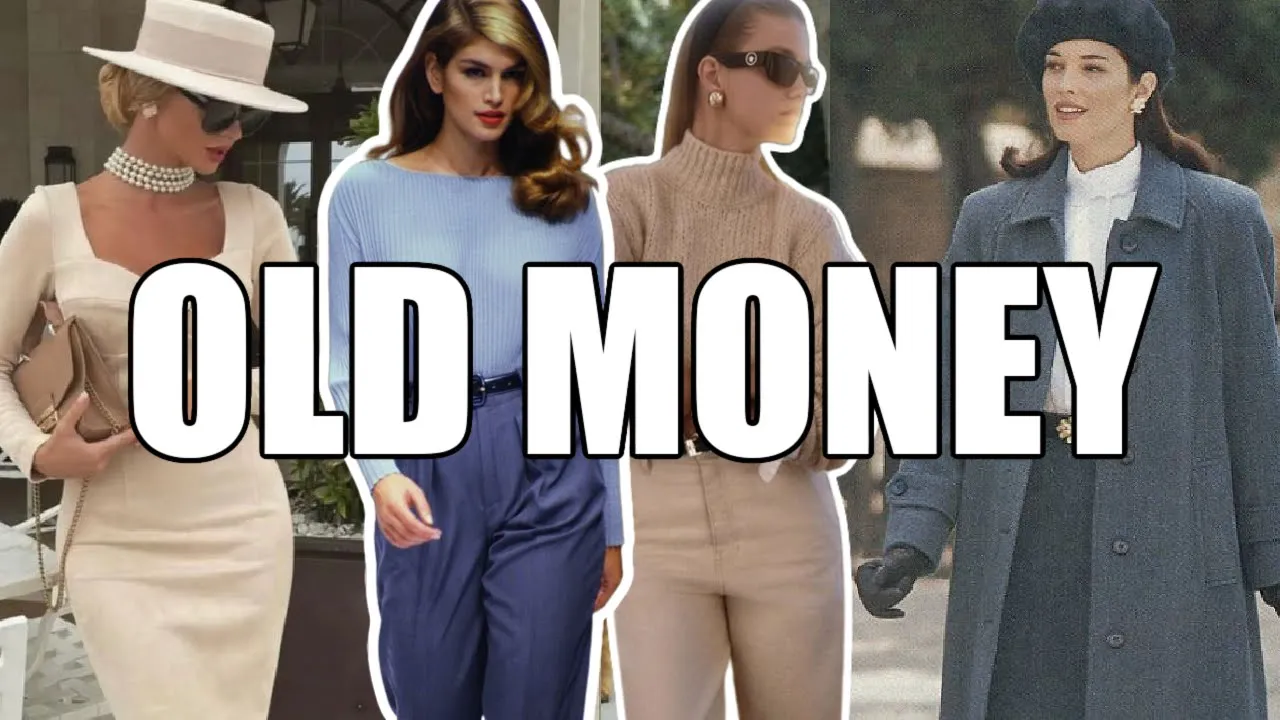




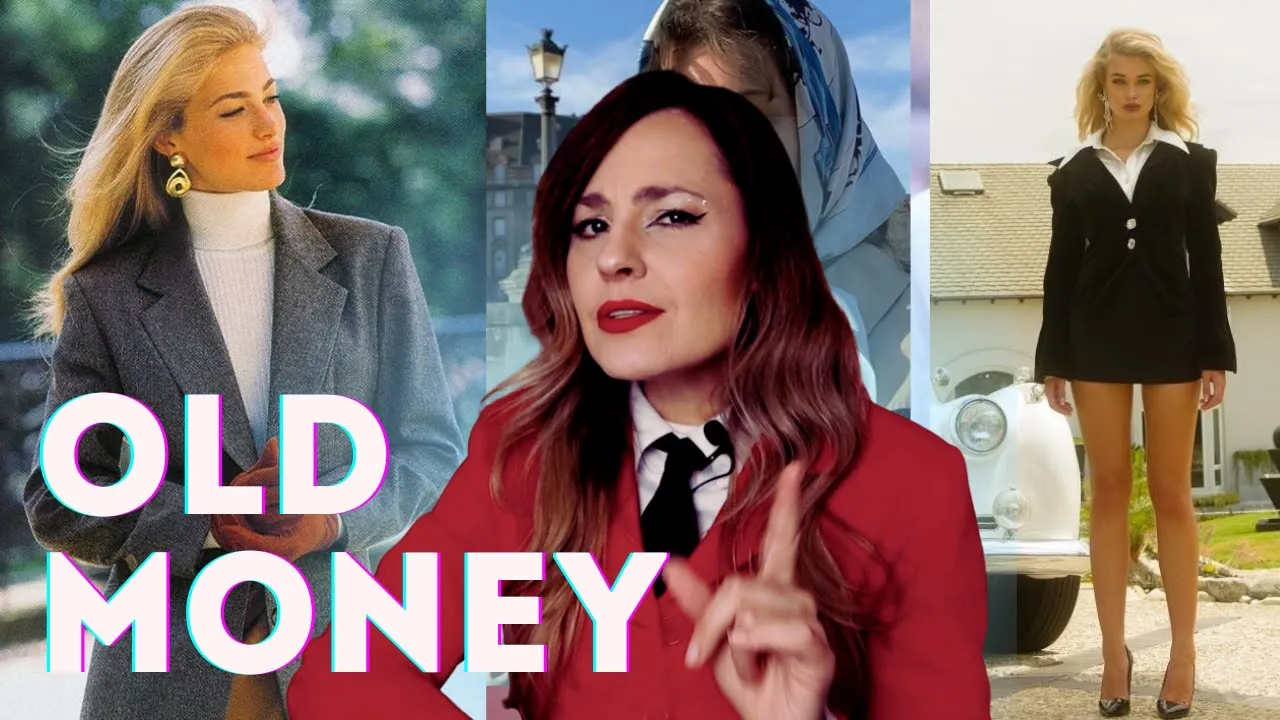








The 'old money aesthetic' is a fashion and lifestyle trend that has gained popularity on social media, characterized by understated, timeless clothing (such as khakis, stripes, and classic pieces) that signals inherited wealth rather than newly acquired riches. This trend reflects broader economic theories like Veblen goods, where demand increases with price due to status signaling, and may be symptomatic of economic instability as younger generations become fascinated with wealth they will never directly experience. While the aesthetic promotes sustainability through quality, long-lasting garments, it ultimately represents a fetishization of wealth that can undermine class consciousness.
The Old Money Aesthetic: Economic Drivers of Fashion Trends
Added:Thorstein Veblen's Theory of the Leisure Class, specifically the concepts of conspicuous consumption and conspicuous leisure.
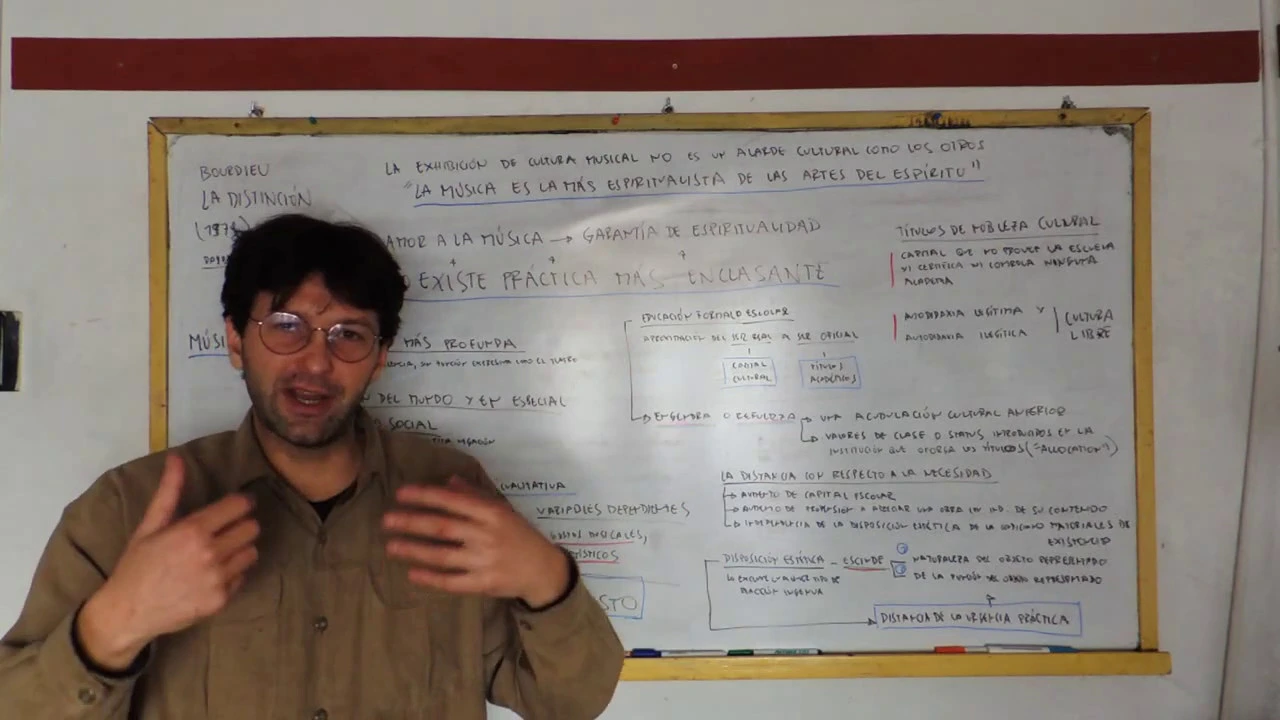
Pierre Bourdieu's theory of Distinction, exploring how social class influences aesthetic taste and cultural capital.
The basic relationship between economic cycles (recessions, inflation) and consumer behavior in the retail sector.
The historical distinction between 'old money' (generational wealth, understated style) and 'new money' (nouveau riche, logomania).
The role of fast fashion algorithms and social media platforms (like TikTok and Instagram) in democratizing and accelerating class-mimicking trends.
Aesthetic shifts during historical wealth gap crises, comparing the modern 'old money' trend to fashion movements of the Great Depression or Gilded Age.
The marketing strategy shift of luxury brands toward 'quiet luxury' and how it affects brand equity during economic instability.
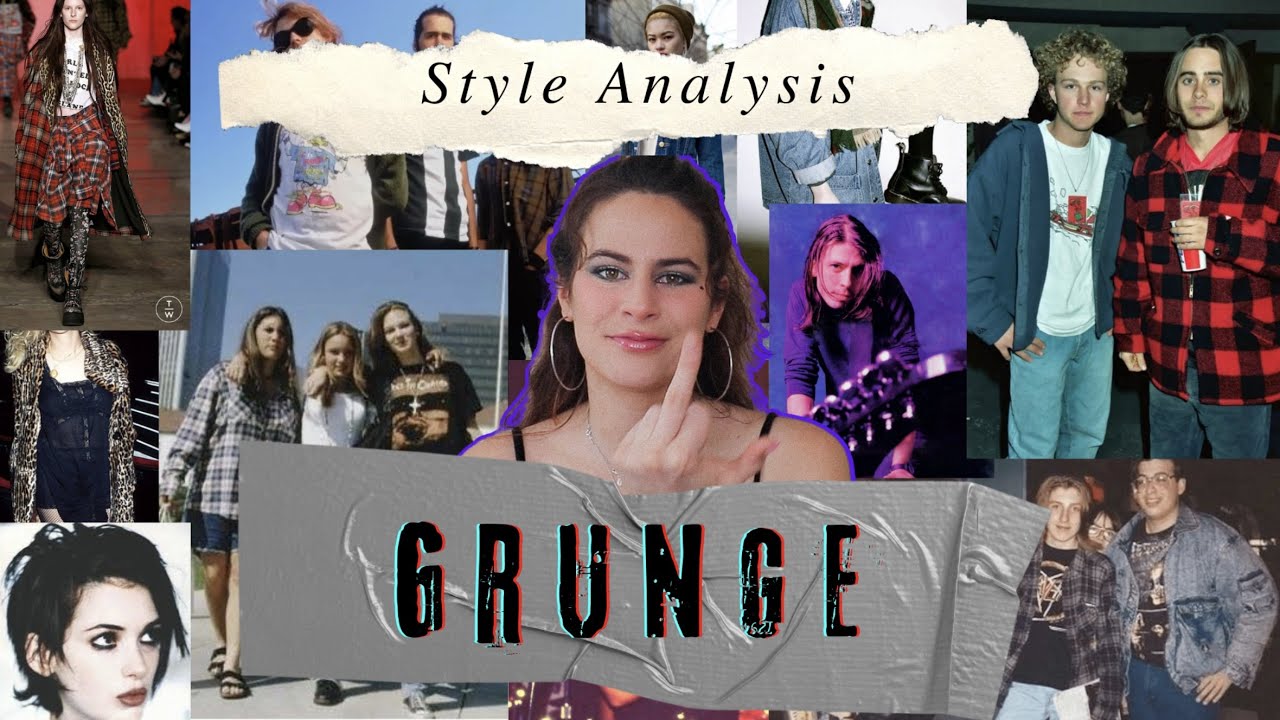
Counter-cultural fashion movements (such as punk, grunge, or utilitarianism) that arise as direct rejections of elite aesthetics.
291.1K views7.7Klikes19:20Original Release: 2023-05-09
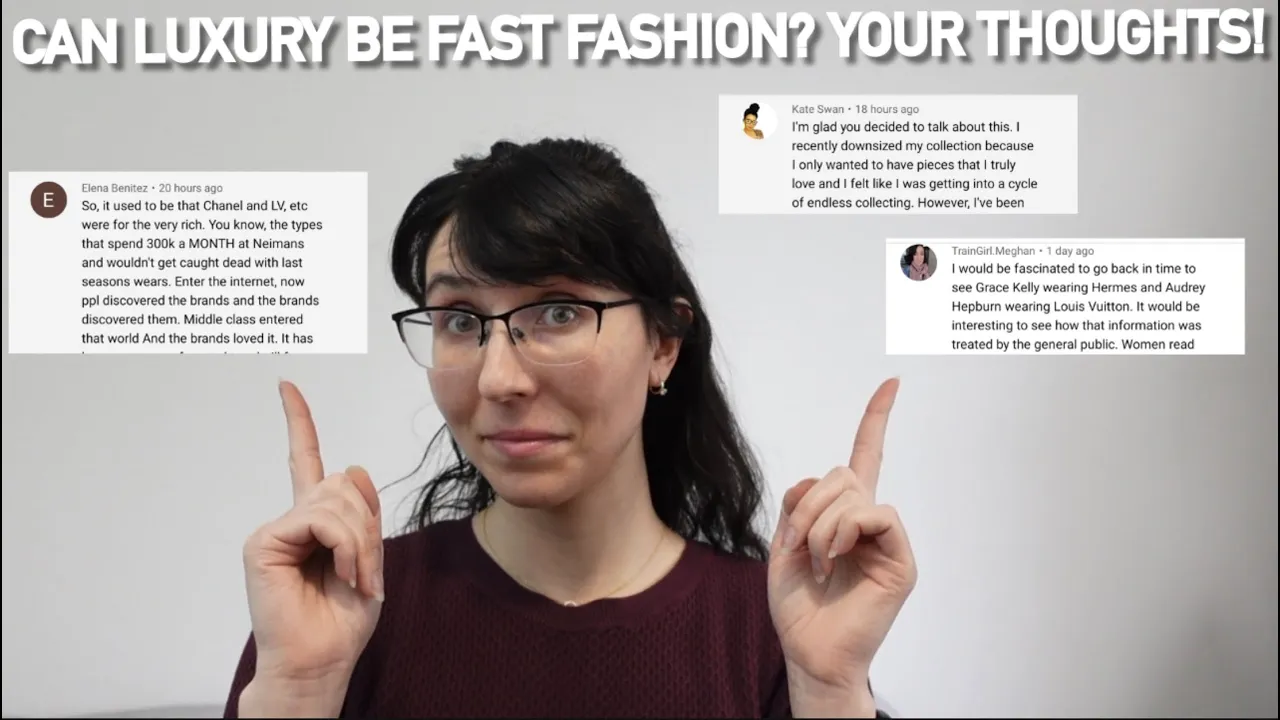
hey guys it's Chelsea here and I'm just popping in to let you know about the society at tfd our exclusive members only Community available to join here on our YouTube channel as well as on patreon if you want to support tfd and the special projects we work on like fan favorite podcasts too good to be true we'd love for you to join giving to TFT directly is the best way to ensure that we can keep making the content you most want from us the society is available both on YouTube and patreon and before you ask the membership offerings are very similar on both platforms so you only need to join one Some people prefer YouTube so join us there prefer patreon join us there and since you guys have been asking for clarification here's a breakdown of what you guys get for each tier on each platform on YouTube our membership tiers are 299 and 4.99 for 299 you get loyalty Badges and Mona mojis on YouTube 40 off tfd digital events monthly office hours with Chelsea access to our Discord Community Access to our monthly book club and access to our questions answered by me or guests on the the financial confessions for 4.99 you get everything from the 299 tier plus exclusive ad free videos each month where you can catch me rant about Dave Ramsey Tick Tock face girl bossing goop and so much more entire backlog of ad-free bonus videos 50 off tfd Live digital events on everything from 12 workshops to 199 courses Priority Access to get your questions answered by me or guests on the financial confessions and over on patreon our tears are seven dollars and twelve dollars for seven dollars a month you get exclusive ad free videos each month our entire backlog of ad-free bonus videos 50 off TFT Live digital events on everything from 12 workshops to 199 dollar courses monthly office hours with Chelsea access to our Discord Community Access to our book club automatic enrollment and exclusive patreon only newsletters priority voting on the monthly Book Club selection and Priority Access to get your questions answered by me or guess on the financial confessions for twelve dollars you get everything from the seven dollar level plus our weekly ask tfd anything newsletter where you get your personal questions answered by the tfd team no topic is too small or too big to ask the society has something for everyone so click the link in the description of this episode to join us on your preferred platform and Mafi you'll want to thank you it's time to shake up a cocktail and Tire D of the horrible Mid-Atlantic accent Ure wait what are they like how do you like what's the thing about a boat and Muffy it's time to put on your boat shoes and shake up a cocktail I sound like Tim Curry yeah put on those Sperrys and shake up a dry martini it's time to talk about old money so today as the title suggests I want to talk about old money and are not that new but newly really intense fascination with it so for those who aren't following my Tick Tock and if so why not honey I recently had a tick tock go a little bit viral about my experience working at a yacht club which I have talked about before on this channel with tons and tons of people in the comments talking about their own experiences working for similar members only clubs mine happened to be a yacht club which is essentially a country club where you also have a boat but many people have country clubs that are centered around golf courses or just sort of being rich in the same room together because at the end of the day for most private members only clubs that is the point now as I've spoken about before in this channel a lot of my early working life was defined by working for really really rich people and there were ways in which I chose that intentionally because it was bad beneficial but there were also ways in which it was insanely degrading and quite frankly pretty disillusioning a lot of the behavior and Norms that I saw while working in these Ultra exclusive environments gave me a very harsh Awakening as to what extreme wealth and privilege actually looks like behind closed doors and the answer is it's not pretty and as we've also talked about many times on this channel being very wealthy also does not necessarily confer feeling great in life you're often more socially isolated there is enormous pressure to be constantly spiraling upwards in terms of earning potential and your communities are often reduced down to fewer and fewer people who you can actually call peers while almost everyone else in your life is someone you pay to be there or in some cases pay not to see and old money in particular holds a very specific luster because although in America the most prevalent dream is one of someone starting from nothing and ending up super wealthy which is also as we've discussed many times on this channel a huge myth our social Mobility is actually fairly low even amongst the wealthy there is a particular Allure of people who were to the manor born and have never once in Generations had to question their social standing and on places like Tick Tock the concept of dressing like your new money or acting like your new money or aping some of their mannerisms or habits or preferences has exploded in popularity but before we get into it we should Define what this sort of old money aesthetic really is foreign so in its current iteration again especially Through The Eyes of for example Tick-Tock users who have probably never even spent time around old money let alone embody it themselves it's a sort of vague amalgamation of your average preppy Style mixed with a kind of coastal grandmother aesthetic for women and for many people a dash of succession Chic and for those who may not know the coastal grandmother aesthetic can be described thusly as put in Marie Claire when Coastal grandmothers tire from pruning their hydrangea bushes they grab a nice crisp chilled glass of sauvignon blanc and that juicy mystery novel from the weekly book club and bonus points for Real Estate overlooking the ocean adjacencies to the coastal Grandma lifestyle include any main character that screenwriter Nancy Myers has created any combination of khakis and Stripes Martha Stewart has worn any excellent olive oil that Ina Garden would use or Oprah at Peak heirloom season and as for the succession flavor which is currently my favorite show on television because I am a Basics with basic tastes it has the dubious distinction of often featuring different strains of old money style and Ultra Elite fashion within the same episode from a New Yorker article on the subject of the show's fashion in another episode The Roy's travel to a New England estate to meet another billionaire family The Pierces who own a left-leading media Juggernaut that Logan intends to buy compared to the Roy family homes the Pierce's turn Haven is shabby chic chintz warn Chesterfield sofas paisley bed spreads the family matriarch played by Cherry Jones wears plain almost quaker-like clothes a crisp white shirt a single string of pearls that telegraphed generations of inherited wealth The Pierces are not ostentatious the costume designer told me I could see one of the sons wearing the sweater his grandfather wore 20 years ago they have absolutely nothing to prove in some ways though the senses of The Pierces and the Roys are not that far apart during a cocktail gathering at which each Roy sibling is assigned to talk up a family member of the Pierce family the camera pans out revealing nothing but dull tones of camel Dusty Rose navy blue brown and off-white the decor is as bloodless as the small talk and this style has simply exploded in popularity on social media over the past few years and especially in the past 12 months to the extent that basically every influencer and fashion magazine has created their own Guide to the style or has demonstrated their own spin on it and even on social media it tends to vary between people who actually might embody that lifestyle themselves giving glimpses into their life to people who are trying to recreate the aesthetic through primarily things like Fast fashion clothes which is obviously in many ways the worst of Both Worlds but the fact that it's so popular now does seem to feel somewhat in line with the extent to which younger Generations are increasingly removed from any semblance of financial stability or security let alone exorbitant wealth the average person is never even going to come in contact with the kind of people who can afford to wear subtle discreet designer wardrobes that they can treat like garbage while they pull into their slip at their yacht club with the Schooner that's been in their family for decades unless of course like my former self they happen to be working for them but it makes total sense that as we get further and further away from these ideals we become more and more fascinated with them as one Harper's bizarre article put it the term old money and the lifestyle and status that come with it has been a point of Fascination for decades the secret lives and unspoken codes of the obscenely wealthy have served as a backdrop for countless films and television shows inspired many a novel and in essence been the gold standard of what one can achieve under capitalism for the most part it was a lifestyle that lived in the realm of Dreams under the guise of if you work hard enough you two can live like this and now the ideal of old money has hit the eyes of younger Generations thanks to social media in short this recent rise in young people's infatuation with exorbitant wealth feels paradoxically at odds with and also symptomatic of a period of economic instability several economic theories may be able to explain gen Z's move into a more demure style and subsequent shift away from the glitzy Y2K looks for example in 1926 Economist George Taylor coined the hemline index theorizing that women's skirts get shorter during times of financial prosperity and longer in a recession then there's former IBM consumer products expert Trevor Davis who conducted a study which found that long periods of recession led to the height of high heels getting lower in short we are casting away sky-hive platforms and mini skirts in favor of more demure Styles now don't get me wrong even though old money style might have the appearance of being demure it is not actually in and of itself a demure or modest style in fact real old money style is in many ways the most maximally relevant embody payment of what is called a veblin good a phenomenon that we've talked about a few times before on the channel as Investopedia explains it a veblin good is a good for which demand increases as the price increases due to its exclusive nature and appeal as a status symbol this runs counter to the prevailing circumstance of demand falling as prices rise thus a bablin good has an upward sloping demand curve rather than the typical downward sloping curve few things could embody this more acutely than the preference that the ultra wealthy often have for the most discreet clothing that only other ultra wealthy people can recognize which is why you'll often find the ultra wealthy opting for styles that to an untrained eye might look like you bought it at Target but in reality to those in the know very clearly cost insane amounts of money things like the Roe Brunello cuccinelli and others the fascination with a certain type of wealth as subconsciously on some level being better than other kinds of wealth more aspirational more relevant more desirable is at the end of the day just not a good strategy long term ultimately whether wealth is inherited or gotten through extreme corporate maneuvering in one single generation we simply shouldn't have the level of extreme wealth and inequality that we currently do just because one version of wealth happens to be more discrete doesn't mean that it's better and the tendency to fetishize any kind of wealth ultimately just undermines the essential kinds of class Consciousness that basically everyone outside of a few very core wealthy people need to develop but on the other hand if we look at it from a purely aesthetic perspective there can be some good to the embracing of the old money aesthetic on mass as opposed to the more flashy new money style in the sense that much of the aesthetic of old money is about inheritance there's often a fundamental quality of garments lasting long term being passed down through generations Etc This lends itself more naturally to say vintage or secondhand shopping as opposed to buying fast fashion and to a more General ethos of fashion that is based on Heritage and durability rather than Trends in ephemerality and though quiet luxury can often still be very much caught up in the pointless upwards trajectory of all veblin Goods as we've discussed there is a benefit to Breaking the Stranglehold that labels and logos have had on consumers for years as someone who's been around a lot of different levels of wealth including very very wealthy people who've had money for a very long time interestingly sometimes you find that the very oldest money isn't even really all that interested in designers at all and are often wearing tattered that they've had for years and never bothered to replace and if there were any aesthetic that we could all probably benefit from imitating at least from a consumer slash environmental perspective it would be the one that has us keeping the same ratty sweater for decades on end a recent New York Post article broke down the popular tick tocks of one Creator who worked and moved in very elite circles and explains many of the nuances of old money culture as the article puts it while designer items with flashy logos seem to indicate luxury vandoren debunked that theory in fact she insists that her wealthy neighbors wouldn't dare buy a Louis Vuitton bag or anything dripping in logos Thou shalt not purchase Louis Vuitton she declared especially anything with a logo on it unless you want people to think you're poor posting photos of ski trips or vacations is also unworldly she noted really social media participation is frowned upon she said adding that the elite also snubbed red bottom Louboutins so while on some level there can be that feeling of well no one can win because the Styles and Trends and logos and designers that one group of wealthy people are saying are important are the exact same ones that another group of wealthy people are saying are totally gauche the truth is that they're all wrong we should just wear whatever we want and feel good in but on a more sustainable note it's important to remember that at the end of the day over consumption is a problem at any wealth level and if the one thing we can take from the old money trend is the idea of investing in quality pieces that we keep for very long periods of time and often by Secondhand or vintage when possible that will have been a good thing but the broader point will still remain that we do need to be eating the rich no matter what they happen to be wearing and now it's time for our society questions of the week for those who don't know every week on my Tuesday show I answer two questions asked to me by members of our society at tfd which comes with tons of other benefits besides just asking these questions and you can join by hitting the join button right below this video or by joining us at patreon which is also linked below the video so the first question asks lately I find myself thinking more and more about building community and solidarity as spaces for resistance for imagining alternatives to our current system I guess my question is how do you envision practicing solidarity in everyday life beyond giving and volunteering like how do we move Beyond competition and feeling constantly lagging behind and more towards helping and sharing I'm going to answer this question in a way that may seem kind of counter productive but it's something that I think about all the time and it's also something that's really dawned on me since I stopped using Twitter about a month ago which is one of the primary online spaces where I was engaging in a lot of like political and social kind of chatter so I think one thing that progressives often do that kind of really shoots themselves in the foot is put an undue amount of pressure on themselves to live in a way that is totally aligned with their beliefs and is sort of maximizing their goodness and their um sort of social value towards causes that they believe in at all times and I think that this is just not realistic for human beings to live that way I think if you're the kind of person who asks a question like this which is already already a very small percentile of human beings even think in these terms beyond that people who are already volunteering already donating already giving of their time and money and energy to the causes they believe in you are talking about being in an extremely high percentile of people who are living their values most people don't even vote in most elections most people don't give a about any of this stuff and I'm not saying that's a reason not to care but I'm saying that it's a reason to give yourself a good amount of Grace and frankly uh acknowledge the immense amount of effort you're already putting into these things when compared to the average person to me it sounds like you're doing more than enough it sounds like you're living in a way that is uh really ethical and thoughtful and adds a lot of value to the communities and causes that you believe in but as someone who does volunteer you know for various political causes who donates to uh you know various organizations Mutual aid funds Etc even individuals I very much live by the practice that I focus on what I can do that's productive I do a few things maybe a day maybe a week maybe a month and then I move on with my life and I don't constantly worry about whether or not I'm doing enough because at the end of the day I'm also a human being with a life to live with friends with family with food to cook with errands to run with things to take care of and like I said at the beginning I think oftentimes progressives can really bog themselves down with not feeling like they're ever good enough you're already doing a lot more than most I think you can just be happy with that the second question today says I'm in my 20s and I'm soon starting a new job where I'm salaried which is totally new to me I've always been paid hourly for the most part I'm excited about this but I'm apprehensive about not being paid for overtime and being in a situation where I'm expected to stay late for no discernible reason and to answer work-related calls and messages after work hours do you have any advice for getting off on the right foot and seeming motivated about this new position but also not coming across as someone who is always available thank you so much first and foremost never ever make yourself available don't log on after hours don't send emails don't initiate conversations like even if you like sometimes I'll work in the evenings but I schedule my emails generally so that they arrive in the morning not just for me and setting the right tone for myself but also so that other people don't feel like they're obligated to jump on in the morning in the evenings or on weekends or what have you so first and foremost setting that example yourself is really really important a lot of people get into a vicious cycle where they do it and then it's expected of them beyond that there may be occasions where you do work over your hours and you are not compensated for it this is pretty common at salary jobs I've never worked a salary job where that hasn't been the case you know we try to account for it as best we can at tfd we're already starting on a four day work week so that does help but you know sometimes it's inevitable that like for example if we have a big event we're producing sometimes we will work overtime that week and it's impossible to tell always whether or not it exactly is compensated for uh or accounted for we just try to encourage people to take time off after that we also have six weeks PTO which does you know help make sure that people are getting their time back um but in general a lot of this comes down to company culture and Norms so it really is up to you to sort of look around and be aware of the kinds of dynamics that are being created at this work environment and realize that you may happen to be in a work environment where constant overwork is a real problem and is not compensated in which case you may think I need to just stay at that job for not as long as I would other jobs and look at it as a stepping stone to a place that has a better company culture as always guys thanks for watching don't forget to hit the Subscribe button and to come back every Monday Tuesday and Thursday for new and awesome videos goodbye
Up Next

17:56
MIU MIU's Top Luxury Brand Status in the 2023 Lyst Fashion Review
@CassieThorpe
33.2K views•2023-12-18

12:54
Triumph of Orthodoxy Icon: Byzantine Art & History Explained
@BenCallan
2.1K views•2024-08-06

9:49
FastAPI vs Flask vs Django: Choosing the Right Python Web Framework
@TechWithTim
302.5K views•2024-05-26

1:42
Game of Thrones Opening Credits: A Cinematic Analysis
@gameofthrones
46.3M views•2011-04-18
Related Study Plans & Knowledge Roadmaps
Structured learning paths in General & Interdisciplinary Studies
general-studies
Elevator Engineering: History, Physics & Cities
01From Hoists to Safety Brakes: The Dawn of Vertical Lift
02Hydraulic vs. Traction: The Engineering Physics of Elevators
03Modern Speed, Safety, and Algorithms
+ 2 more learning modules
12h5 modules
Explore Roadmap
general-studies
Rubber: Material Science, History & Geopolitics
01Origins of Natural Rubber & Mesoamerican History
02The Chemistry of Natural Rubber & Vulcanization
03The Geopolitics of the Rubber Boom & Colonization
+ 2 more learning modules
12h5 modules
Explore Roadmap
general-studies
Containerization: Evolution, Logistics & Trade
01Ancient Trade & Bulk Cargo: Amphorae to Barrels
02The Industrial Revolution & Cardboard Packaging
03The Containerization Revolution: Malcom McLean
+ 2 more learning modules
12h5 modules
Explore Roadmap
general-studies
Textile Tech: Evolution, Labor & Global Impact
01Pre-Industrial Textiles: Handloom & Cottage Industry
02Mechanization: The Spinning Jenny to the Power Loom
03The Factory System & Global Labor Transformation
+ 2 more learning modules
10h5 modules
Explore Roadmap