

![Leitura Comentada: Pasta al Limone e o romance epistolar [ LABORATÓRIO DE LITERATURA - CLUBE LER ]](https://i.ytimg.com/vi/n__Kbd7z6x0/maxresdefault.jpg)




![[LIVE] Let's discover the Montblanc Johan Wolfgang Goethe and Pierre-Auguste Renoir](https://i.ytimg.com/vi/EXVKF5SS_pI/maxresdefault.jpg)








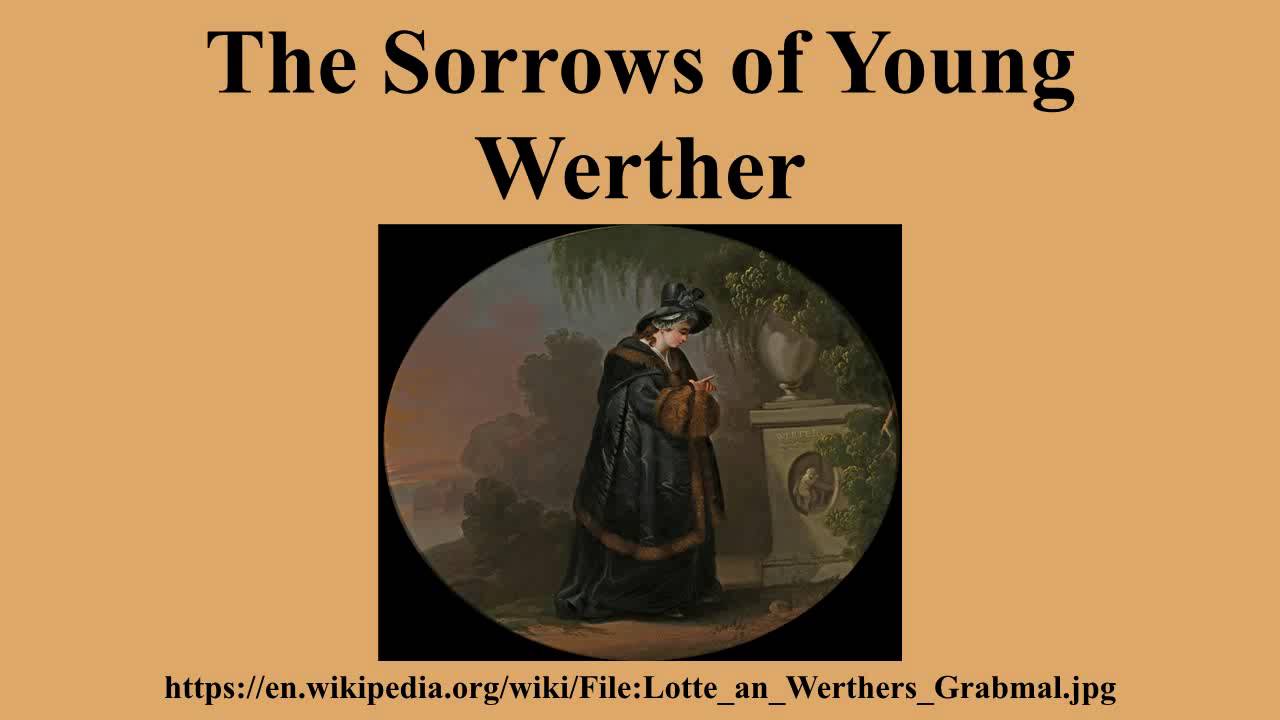






Johann Wolfgang von Goethe's 'The Sorrows of Young Werther' (1774) pioneered the epistolary novel form by structuring the narrative entirely through letters, with a fictional editor compiling Werther's correspondence to reveal the protagonist's psychological unraveling; this innovative literary device creates a lopsided perspective that demonstrates how mental illness manifests as an impassable gulf between the afflicted individual and the outside world, ultimately portraying the tragic consequences of allowing obsessive emotions to override rational judgment.
Goethe's Werther: Literary Analysis & Psychological Novel
Added:Understanding of the Epistolary Novel structure, specifically how narrative perspective and intimacy are constructed through letters.
Familiarity with the 'Sturm und Drang' (Storm and Stress) literary movement in 18th-century Germany, which emphasized subjectivity and extreme emotion over Enlightenment rationalism.
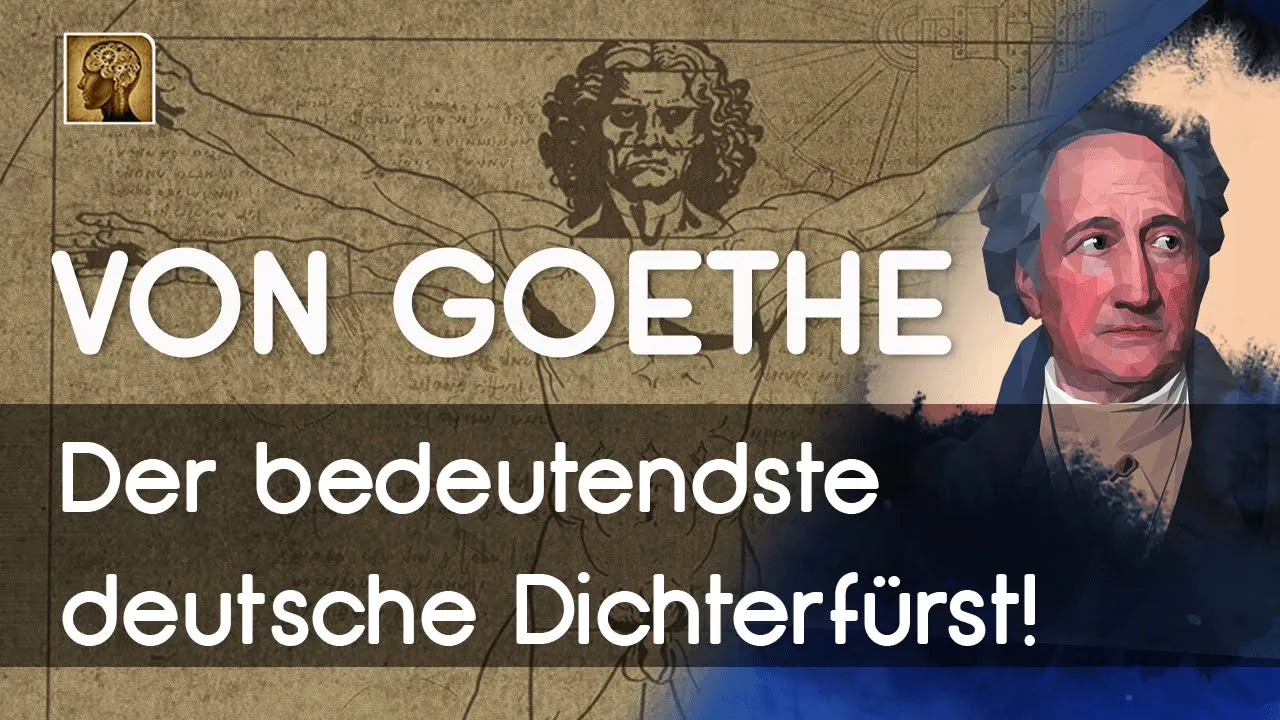
Basic knowledge of Johann Wolfgang von Goethe's position as a monumental figure in German and world literature.
An introductory grasp of literary Romanticism and its core tenets, particularly the focus on the sublime, individualism, and unrequited passion.
Analysis of the 'Werther Effect' (copycat suicide phenomenon) and its historical and modern implications in sociology, psychology, and media ethics.
Exploring the influence of 'The Sorrows of Young Werther' on later Romantic works, such as Mary Shelley's 'Frankenstein' (where the Monster reads Werther) and the poetry of Lord Byron.
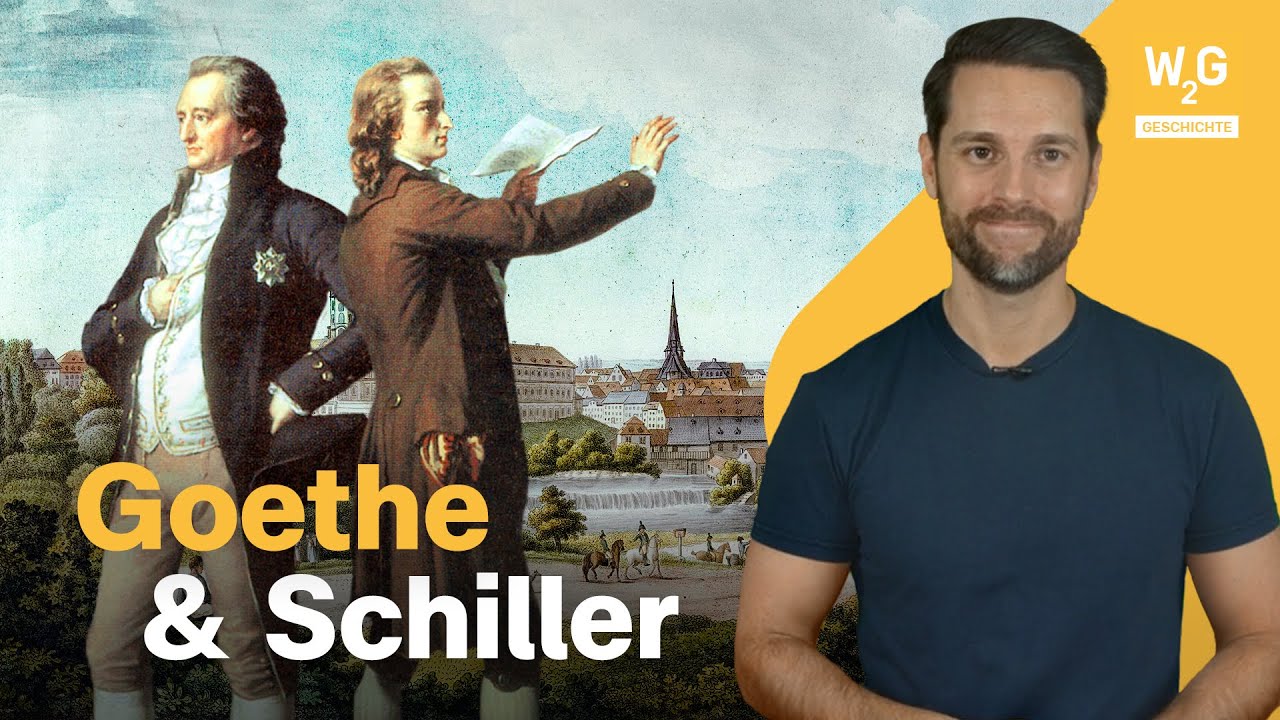
Studying Goethe's subsequent transition from 'Sturm und Drang' to Weimar Classicism and how it reflected in his later masterpieces like 'Faust'.
An investigation into the evolution of the psychological novel, tracing a line from Werther's internal monologue to the 19th-century works of Fyodor Dostoevsky and 20th-century stream-of-consciousness narratives.
17.6K views558likes16:38Original Release: 2020-02-11
okay so I want to talk about sorrows of young Berta by Goethe and I think it's a brilliant book it's a wonderful piece of work it was written when he was only 24 it caused this extraordinary amount of controversy there was this phenomenon supposedly during the time right called voto mania where apparently people you know they would dress like him you know even there was like a whole franchise basically a voter stuff I you know there wasn't a copyright sort of thing back then so a lot of people could we produce copies could create clothes merchandise etc they put them on coffee mugs and so forth um without good to getting any of the licensing the author right didn't get any about licensing and there's a tremendous amount of content already summarizing the plot giving a basic sense of what the story is and situating it a little bit inside the historical context so I thought I would try to do something a little bit richer and a little bit deeper and in the link below or I mean in the description below rather you're gonna find a link to a really great summary of the book because other people again have already done really good jobs and so I feel like I should share the views with someone else as well and so you check that out if you need a summary of the book I'm assuming you come here because you've already read it and so source of young vote some of the stuff I want to talk about are the literary devices employed which i think is really interesting right like I think there's something really singular and unique now vota is not the first epistolary novel and what I mean by epistolary novel is it's a novel told in letters right so you can see Samuel Richardson I did this before an English novelist Rousseau did this before Goethe did um there were so there are a number of writers who did employ this form but good to actually does it in a way that's completely unique because so in addition to the novel being structured as letters from the to the protagonist two other people write to his friend Vilhelm to lotta who's his love interest so he has these letters to different people the thing is there's an editor that actually is overseeing he says you know I've collected everything I about this sad case or whatever at the beginning of the book and so and what he's referring to is virtus spoiler spoiler alert right but what he's referring to is virtus suicide at the end of the book the whole book is a saga the suicide and so this person this editor right this fictional editor is trying to put together the evidence to sort of determine why this very troubled very sensitive soul took his own life and so he said you know I collected all the evidence but what's so interesting is Verta we see all his letters to other people but we don't see any of the letters of the other people to him and so he consigns at the very end he can signs a bunch of texts to the fire he mentions this in a letter he mentions his own diary right but we never see a page not a word of that diary and so we're assuming is that vota the protagonist actually took all of the things that other people wrote to him and threw them away right and so all we have is this one side of this lopsided correspondence and so it creates it structurally it's really interesting right because this is the story of the slow slow dissolution of a person's psyche and and the psyche goes from from he seems to be delighted at almost everything right and and he becomes in love he falls in love and he's filled with love and the world is beautiful and then in the second half of the book you know it's divided into two parts and the second half of the book everything that he found beautiful and the first half becomes horrifying right the very same symbols some of them I take on a more a more unpleasant and at times like really baleful cast basically like as a as a document right and structurally the fact that we only have that one side of the letter and the fact that it's about a suicide is is we get to see it's it's a way of very explicitly demonstrating the loneliness of this protagonist right it's it's like it all this guy lives in is this echo chamber of his own thoughts and emotions and miseries because instead of it you you know there's this there's this idea that so much a mental illness and so much of suicide and so much of this sort of disorder right has to do with a lack of capacity to communicate with the outside world there's this almost impassable gulf between someone that is so afflicted as vota is and and other people other people can't reach him right and always see is this is the interior bubble of this person that becomes more and more and more and more degraded and disordered and it's been said by a number of critics that vota is the first truly psychological novel and i think that's a fair amount what do we mean by that because you know with the exception of those those passages from the narrator which are very brief at the beginning and they get a little longer in the end but besides that we are entirely locked in the psyche of our narrator and the narrator sees the world in what becomes more and more apparently a skewed way and right now I'd like to take a chance to talk about this structure like this book one to book two structure mm-hmm because in book one in general Verta is happy until the arrival of Albert right her Lotus fiance but he's generally happy he's filled with love for her and there's even kind of a happy relationship between the three of them he doesn't loathe Albert rather he well there are two versions of the book and he sort of has a disdain for Albert Moore in the first one but in the second one especially pardon me one second my cat is chewing some styrofoam and I have to fix that sorry about that okay and so there are two versions of the book and in the first version he does show a measure of disdain for Albert but in the second one it's really not as explicit and he actually sees he sees himself as being at fault I mean this especially in the second part of the book right Verta is is tormented by his own desire a desire that controls him and not the other way around and yet he begins to justify his need to be with lota and to lament his state but so these two parts of the book right so in book 1 for example uh vota meets this farmhand and he's all the time he's condescendingly praising the common folk you know the people who aren't lettered who aren't educated who don't who don't live in high society but rather they're there the peasant types and he says oh they have a much more real and alive view of the world than these people that are constrained by the strictures of society especially high society and he despises this high society and this high society in turn despises him it's it's a it's a mutual antipathy for sure but so he meets this farmhand who's in love with the woman that he serves and so he admires him and he admires his the farmhands love for this for this woman that he works for because he sees in him a mirror of himself but seeing in part two he sees the farmhand again and the farmhand actually kills a rival suitor for this woman this woman's affections move towards this other guy and the farmhand driven mad actually kills this person and then is arrested and and vote to actually comes to his defense much to the consternation of the other people in the in the place where he lives because they all seem as guilty and and virtuous attempts to justify him not only betray his feelings for lota I think in the mind especially if someone like Albert loaches fiancee and later husband but they they also show that vota is his state is disordered and I think other people see that and even from the you know the myopic view that the letters provide us we also sort of get that indication another great example of this use of the same symbol in a different way in part one and part two is the tree there's this tree that Verta adores in the first part of the book and the pastor who and his wife who tended he spends a lot of time talking about his admiration for them then the pastor's wife dies the new wife he finds to be a cold and unkind person he doesn't like her theology he doesn't like her view of religion which he finds to be unspiritual it leans more toward a scientific and materialistic worldview and corresponding to that this woman chooses to cut down the tree and she pisses off the whole town Wow as she does this the whole landscape in part 2 of vota is one of death and of madness and of unpleasantness there are so many ways to talk about how one can read this book when it was initially released it would cause extraordinary controversy that Verta mania that I talked about to begin with there are stories and apparently they're not true but there are stories of a number of copycat suicides that came as the result of unstable persons reading but and then killing themselves but this in fact apparently did not happen or at least not in the way that it is that people used to believe it did however the story itself is based on a suicide of of an associate of good to someone that he knew and almost every figure in the novel is based on a real person however their their actual relations to him and to the main character are considerably altered and it actually upset many of the real personages the book and through correspondence etc got to actually he changed for example the Albert character he softened voters view of this character in consideration for the feelings of the person upon whom it was based but regardless the the reaction that initial reaction to vote was a furious one there are there were people who staunchly defended it and there were people who condemned it outright and it's because it was such a different unusual book so the condemnation derived mainly because they thought of it as a justification for suicide first of all that that the the book rises to such emotional Heights and a reader who's not careful who's not really trained in how to understand literary devices might see the voice of the narrator or the protagonist for being the voice of the author that that the opinions articulated by vota would actually be good as which is not at all the case even though goto himself said something to the effect that you know there's not a single young person ever who hasn't felt like Verta has at some point but that doesn't mean that it's a celebration of suicide and especially if you see the way that Verta dies that becomes very clear first of all virtue dies in agony shoots himself in the head and then he spends hours dying it's not a quick and easy thing he's you know they find him and they put him on the bed and people come visit him and it's a mess and he's gasping and he's bleeding and it's ugly and it causes a bunch of misery for everybody and then the last line of the book is no priest attended vote to who actually compares himself to Christ who sees his suicide as a form of sacrifice so that lota and Albert can finally be happy so he sees his deed as selfless and yet at the very end he says to lota we're going to be together again he keeps promising he says oh god is going to unite us so whatever it is in terms of sacrifice it doesn't really seem to be a sacrifice really and and I think in the narrative this is mirror in the narrative and by the editor this has made quite clear that that virtus state is a disordered one his his mindset and his reasoning are completely compromised by his his delusional and obsessive love for lota and so so first he thinks they're gonna be together again he thinks God is going to bring them together again in the afterlife and so what it's really doing is escaping from the painful reality of the social strictures that he rebels against because even when he gets a job as a civil servant for example he doesn't do well he has to quit he doesn't adjust well as an adult he's not able to put his emotions in order and function as an adult and and instead he throws all of his effort and energy into loving a woman who cannot because of the fact that she's engaged and then married to another man who cannot reply to his affections in kind without committing what everyone in the book considers Verte included to be a grievous sin and so I think that as a justification for suicide that argument is unfair now it's it's defenders on the other hand thought that it was and and rightly so thought that it was a truly singular work of art because it's so unrelentingly and unflinchingly portray that kind of disorder and because it made us feel so deeply for someone that was in a kind of impossible bind and they also thought that that what really should justify a work of art was not it's social good but it's aesthetic merit which Verta has in in spades now in my view what what I find most profound about the book and I don't think that this is what geta intended necessarily but I see it as a as almost a deeply moral book because it's a critique to me what what I feel intentionally or otherwise I read it as a critique of allowing oneself of this disordered state of this seating of authority of of one's reason to emotion and it's not that virtue does this intentionally so maybe critique is the wrong word but it's very clear and I think we've all been in that situation where we've been in love with someone that didn't reply in kind to our affections um but this idea of being consumed with love or with lust or with greed or anything when our emotions take the wheel instead of our reason directing our emotions you know every episode of my 600-pound life or to catch a predator shows people whose lower impulses actually take precedence over their reasoning capacity every one of them right and these people are in a sense in the same spot because they're enslaved to parts of themselves over which they apparently have no control and parts that direct their person to disordered and ultimately destructive ends every drug addict in the world has the exact same experience and I think we've all had that experience in in to one degree or another and I think that's what's so profound and what's so lasting why but is an enduring work of art because it is a chronicle and a very clear a very articulate very poignant chronicle of that kind of disorder and I could not recommend it more strongly
Up Next
36:00
The Rise of the Novel in 18th Century English Literature
@historyofenglishlanguagean6293
49.5K views•2017-09-11

13:43
Formalism in Literary Criticism: An Academic Lecture Overview
@mattalberhasky9952
39.1K views•2015-08-05

6:08
Point of View in Fiction: First Person vs. Third Person
@magicalthriftyteacher
153.8K views•2014-03-31

15:25
1984: Orwell's Dystopian World and the Mechanisms of Totalitarianism
@AlternateHistoryHub
7M views•2017-03-04
Related Study Plans & Knowledge Roadmaps
Structured learning paths in Literature
literature
Graphic Memoirs: Visual Art, Trauma & History
01Foundations of Sequential Art and Visual Language
02Autographics and Processing Historical Trauma
03Visualizing Personal Trauma, Grief, and Graphic Medicine
+ 2 more learning modules
14h5 modules
Explore Roadmap
literature
Campus Novels: Evolution, Themes & Critique
01Introduction to the Campus Novel Genre
02Mid-Century Satire and the Post-War Academy
03Dark Academia and the Critique of Privilege
+ 2 more learning modules
14h5 modules
Explore Roadmap
literature
Theater of the Absurd: Philosophy & Plays
01Postwar Existentialism & Historical Roots
02Dismantling Narrative: Esslin & Absurdist Conventions
03Samuel Beckett and Tragicomic Existentialism
+ 2 more learning modules
12h5 modules
Explore Roadmap
literature
Revenge Tragedy: Justice, Madness & State
01Foundations of Early Modern English Theatre
02Anatomy of Revenge: Structural Conventions
03Psychological Complexity: Madness and Melancholy
+ 2 more learning modules
15h5 modules
Explore Roadmap