








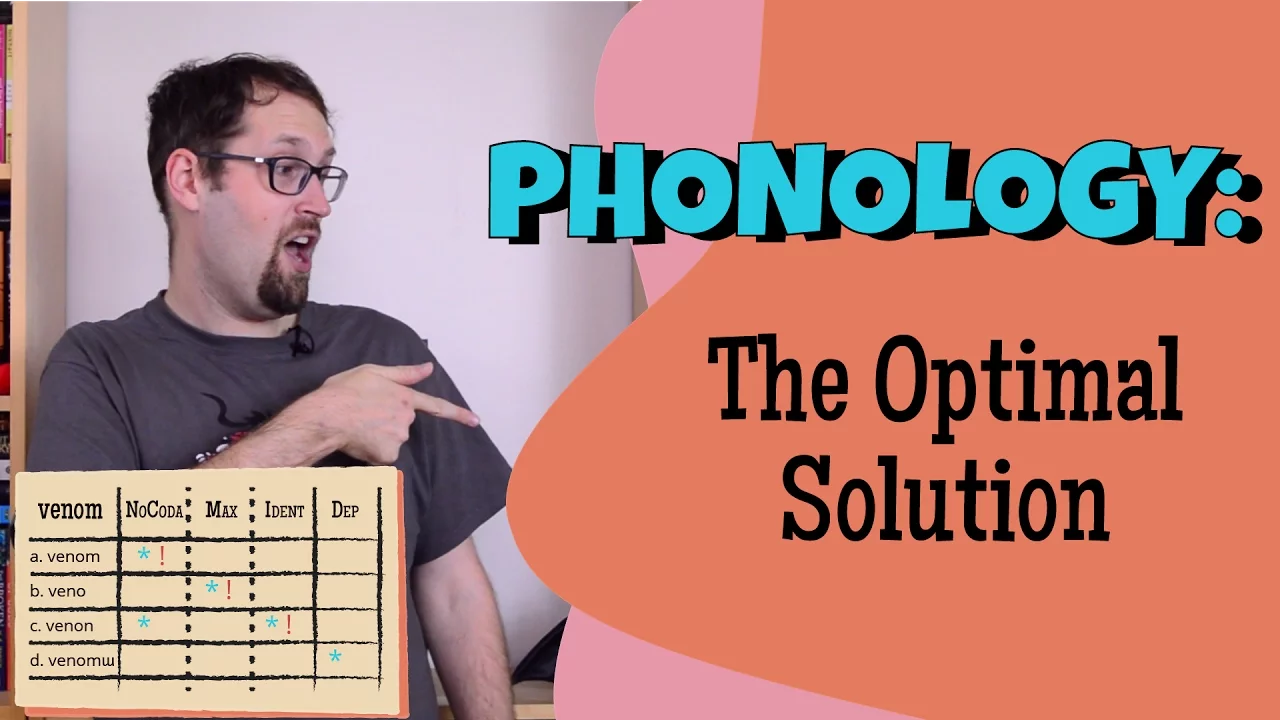

![[Phonology] Autosegmental Phonology: The CV Tier](https://i.ytimg.com/vi_webp/LCJeEtDoBVE/maxresdefault.webp)





Autosegmental phonology, proposed by Goldsmith, represents suprasegmental features like tone on separate tiers from segments, addressing limitations of generative phonology which bundles all features together. This theory explains phenomena such as tone stability (tones surviving segment deletion), floating tones (tones without underlying segments), and toneless segments (segments without underlying tones) through multi-tier representation. The theory employs the Obligatory Contour Principle (OCP) to prevent adjacent identical autosegments and uses association conventions (mapping, dumping, spreading) to link tones to segments, though it faces limitations in explaining long-distance assimilation.
Phonology Theories: Autosegmental to Optimality Theory | Lecture
Added:A foundational understanding of basic phonetics and phonology, including the International Phonetic Alphabet (IPA), phonemes, allophones, and distinctive features.
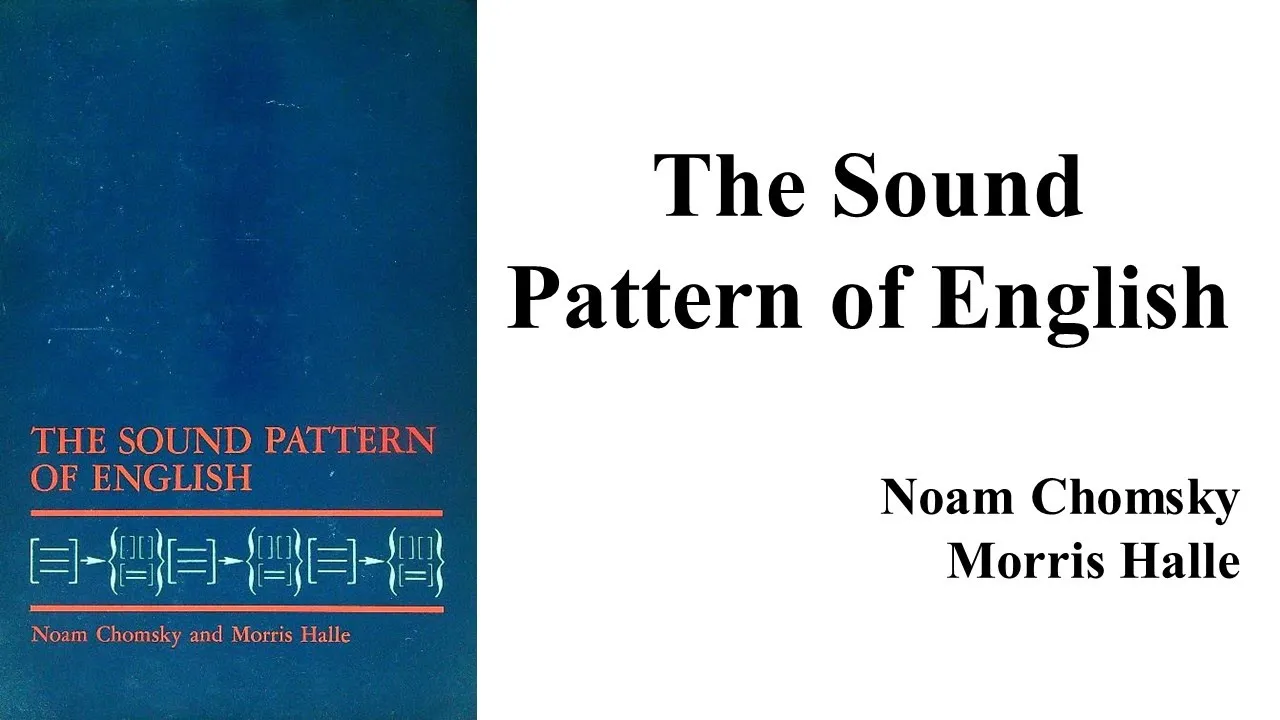
Familiarity with classical rule-based generative phonology, particularly the framework established in Chomsky and Halle's 'The Sound Pattern of English' (SPE).
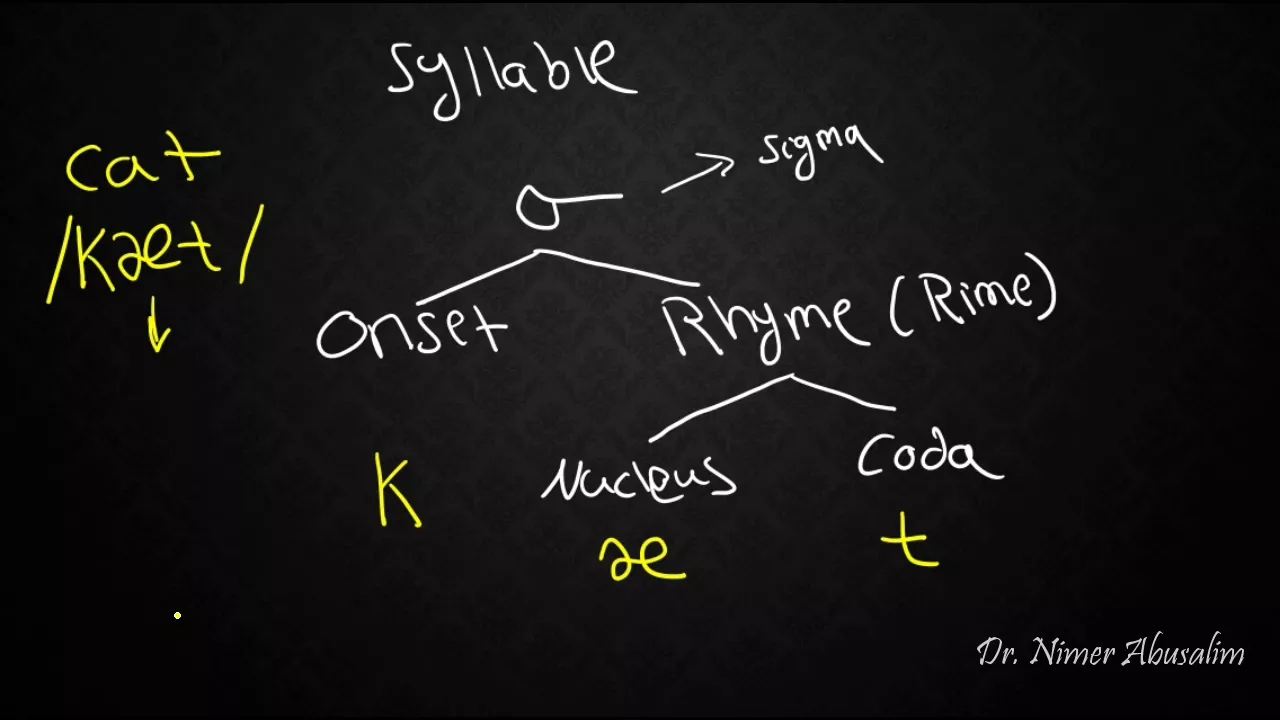
Basic comprehension of syllable structure, including the division of syllables into onset, nucleus, and coda, and how these structures interact with prosody.
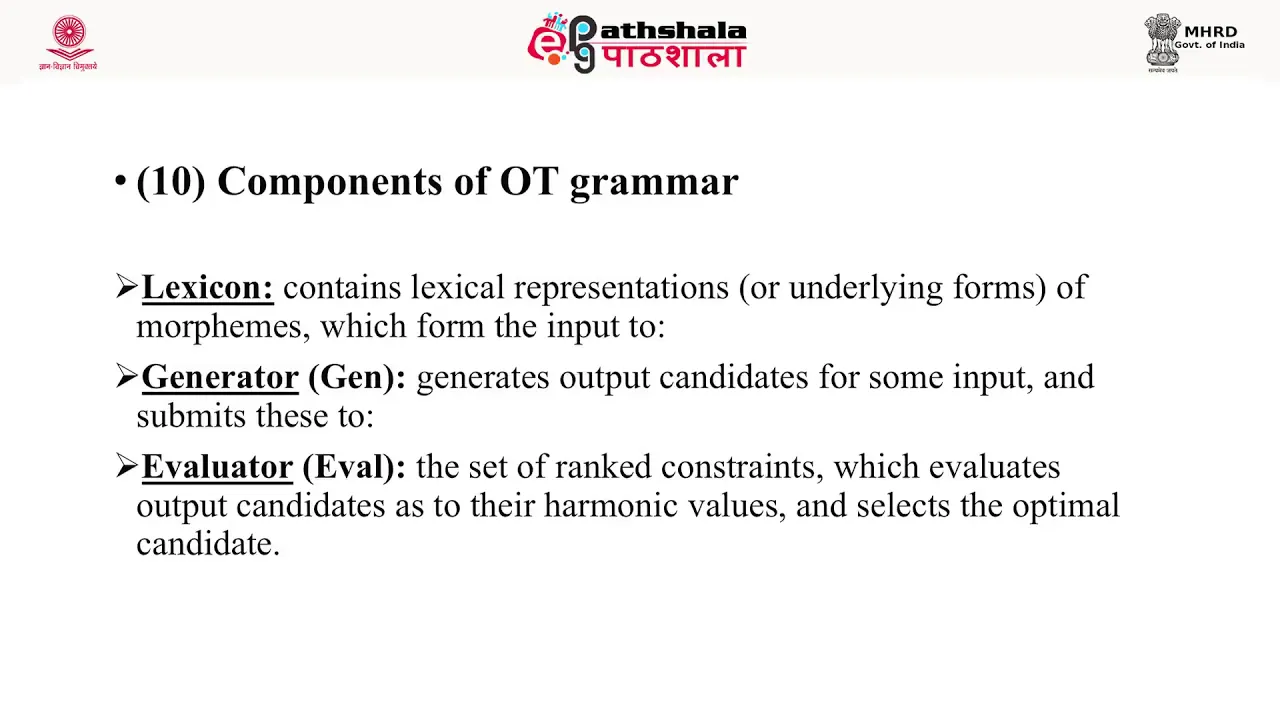
Practical application of Optimality Theory (OT) mechanics, including constructing constraint tableaux and determining strict dominance hierarchies (GEN, CON, and EVAL).
Analysis of tonal languages, vowel harmony, and nasal spreading using multi-tiered Autosegmental representations.
Exploration of advanced and alternative constraint-based frameworks, such as Harmonic Grammar, Stochastic OT, and MaxEnt (Maximum Entropy) grammar models.
Investigation of phonological acquisition and learnability, specifically how children acquire constraint rankings using algorithms like the Gradual Learning Algorithm (GLA).
119 views3likes2:27:51Original Release: 2025-08-14
There was a second class on phology.
Uh last week we uh the class started last week and uh I am sure we learned a lot from the class and we are going to build on that foundation and as we go along I encourage you to keep connecting today's concepts with what we learned previously so the bigger picture becomes clearer.
Uh let's get started.
Uh thank you sir. You're welcome.
>> Thank you.
>> Please can you all see my screen?
>> Yes sir.
>> Yes.
>> Yes we can.
>> Okay.
Um sir last time we met we tried to like talk about classical phmic and look at some of its uh beliefs and what it actually does and we're able to see some inadequacy in the in the theory which led to the proposal of another theory by Chsky Hi and from there we also ended up showing some of the inadequacies in the generative phology founded by Chsky and Hi.
So today we want to move on to auto segmental phology and we are going to end it up in optimality theory.
Okay. So like I said comes result say that if there is no problem in the existing stuff like exit theory we don't need to like propound a new one. So when you have a particular challenges or some challenges with a certain theory then a new theory might definitely pop up. So we want to move to the next theory which is called auto segmental phology.
So now we have this.
I'm sorry. Some stuffs are popping up here that I want to like Sorry. Just give me a moment.
Okay, it is better now. So here towards auto segmental phology the proponent has been ghost by thesis and the goal is to actually represent super segmentals you know super segmentals such as stone stress and a lot of stuffs that rise on top of segments. That is what supra segmental mean auto segmental phology try to do to just account for stuffs that arise on top of segments. The word supra means above above segments and anything supra generative will not be able to account for anything supra. It believes that everything whether supra or segmental they are all the same. They are contained in the same bundle. like we said in the last the last class.
So the representation in this type is a multi-tered levels of phological features. So what they represent there are different tiers. There is a tonal tier there. In fact all your all the features we talk about under genative phology they are potential tiers.
Ti in which they are independent on their own. You can talk about them separately or independent of segments.
Other name that this theory actually bear is nonlinear call nonlinear phology. You can call it super segmental. You can call it multi-ology apart from auto segmental phology.
Now quickly don't forget we said some limitations of generative phology led to auto segmental phyology. So we quickly want to review some of these limitation.
In our last class, we talked about the fact that generative phology characterizes all transes as a bundle of another features that are arranged in an ordered sequence.
Now with this in mind, it means genetic phology try to I mean yeah if you see this bundle that we talked about last time this is a bundle of another feature. For example, each of these word constitute bundle of another feature that talks about the vowels that you see like this vow e plus the tone. You have the bundle under it.
This bundle plus I minus round minus back plus high tone minus low tone. They are called bundle of unordered features.
I told us you can order them anywhere any way you like.
And I now said last time that if you order this bundle the second to the last as well as the last part the last one anywhere you like there you might definitely not been able to distinguish between this falling tone and the rising tone. And when I ordered them the way I like at the right side here you say features are another then the feature within this bundle and those within this bundle are arranged the same way. admit please let me know if there's any question at the comment section so that I can quickly attend to that you can just cut me off if there's any question okay so we they said that when you compare if you compare this with this now the arrangement here shows that we have the same feature and the same arrangement so how do we distinguish between falling the I the E with falling tone and E with rising tone there's no how we could use these features to disagree them and the purpose of the CC feature is for you to be able to distinguish all the sounds used in the languages of the world. So the problem they are having here is that according to segmental phology this generative is matching two different representation. This plus high tone and plus low tone should be on another tier. You don't mind them together with the segmental tier. The plus high minus round minus back is for segments and generative go ahead to match tones that the segment be them together as if everything is contained in the same bundle. That was one of the challenges of this theory. Both the tonal tier and the segmental tier are assumed to be in the same bundle.
So there's no separation between them.
It doesn't account for tone separately and segment separately. It considered all of them as contained in the same bond. It sees them as the same either the segment or the tone. Now we now said it has challenges explaining features that behave independently from segments. So the way tones behave sometimes may be different from the way it segment behave. So generative doesn't account couldn't account for that and furthermore we sorry um we realized that even um the segments like tones that we talk about is being analyzed as though they are contain bond I think I've talked about that the way it's analyzes segment and to show as if they are contained it in bond but that is not true they are not contained same bundle so they are different and having that that in mind it's as if when you have okay let's assume that a language like Euroba having three tones high tone mid tone and low tone so generative phology will tell you that each of the vowel system in that language will will be three number so there will be for example if we are considering Low in Euroba low in the lexicon of Euroba language. So you have a low with high tone, a low with mid tone and a low with low tone.
Why? Because it doesn't believe that tone is on a separate auto segmental tier. It believe that they are together.
So if you now multiply the number of V system in Euroba times number of tomb you can know what is talking about. So we are going to have as many as possible number of flowers. So Euroba has like 12 hours seven aura and five nasal. So we are going to say that's 12. So 12 times number of tone 12 * 3. So you have the number of you know the number of tone that generative is trying to predict because it doesn't see tone and segment as different it it apply I mean it accounts for them uh in the same way okay now let's move to okay now we want to motivate auto segmental phology motivating it means what is the relevance of this auto segmental phology if you compare it with other theory Is there anything that this theory is doing that is different from other theories that we have been talking about before?
So don't forget the bas now the basic assumption of auto segmental phology is this the assumption is that tone and segment are not containing the same bundle that is it's just like saying a man and a cap that the man is wearing they are the same all the supra segment of a thing they are just like a cap that that that a man will put on okay they just like cap you put on top of your head when you are moving on all the daily that the women to tie on their head.
So the fact is just that those talks are not part of man. The path is just not part of man. That is what segment is saying. So when you have a segment whatever tone that that segment bears is not part of that segment. If I have E and there is a tone there's a high tone on that Egmental theory is saying that tone is not is not just part of that bondu the bond of the vow it is something that it can leave there any time that's just it you can remove your car but you cannot remove your head your head for example is part of your body but the cap you are wearing you can drop it and put on another one any time that's the way the tone behave on top of segment they a tone that a particular v is carrying.
Now that v can drop it and put on another tone. So they are different.
They are not in the same bundle. So now that is the that is your basic assumption of auto segmental. Don't don't don't analyze tone and segment as if they are the same. They are not. The tone is doing another thing on top of the segment. The segment can also be doing another thing. So what are the motivation? What are those evidence that segment show to prove that tones and segment are not contained in the same boundary? Number one thing, number one evidence is what we call tone stability.
You can see here. Now, what do we mean by tone stability? There are lot of processes that can affect tone without affecting I mean that can affect segment without affecting tone. Yeah. For example, you have deletion, you have assimilation, quality. What do we mean by that? Let's start from deletion and see if tone is stable.
For example, you can delete a to I mean a segment and the vowel I mean and the tone on top of that segment remain impervious that it does not I mean survives deletion. So you delete a segment but the tone on the segment will not get deleted. Now let's look at this word in Euroba. B means carry a means chair. The next thing you can do, you can do vowel deletion and tone deletion.
Now the vow you are deleting it tone survives. Look at it now. So here you delete our A but the tone on A in front here survives the deletion.
You delete the low tone on A but the segment survive. So the segment is doing something different from the tone. So now the segment here if if truly what auto segmentology is saying is that if truly your segment and tone are contained in the same bundle then when you delete this A in Euroba you should also delete the tone alongside. Why are you leaving the tone if two are the same? If a man dies, you cannot tell me the head still survive. The head will die along because the head and the body are containing the same bundle. But you can a man can die and the cap can still be transferred. Remember when my father died, there are some clothes, some caps that I inherited. Even though they were so bigger than I do, but you know they share some properties like that. So the reason is because those clothes, those cap are not part of the man. They will just go and bury the man. Okay. But the caps that the man had can see beyond grant. That's what is happening here.
The man here who is by a is dead. But the auto segment the toe is carrying survives. So if they contain disborn the two of them should die at the same time.
So the tone that survives here now I mean suely show up on the surviving segment. Don't forget this R has lost its low tone. Then the low tone that lost its own segment now reappear. Now I said it the other time that even the tone that a particular segment is wearing at the time can can be changed to another thing at the input level. This R is wearing a low tone. The final output is wearing a high tone. That is one evidence to show that tone and segment are not contained in the same bundle. They doing different thing at the same at different time.
This is another example here means read means book you do in Euroba there's something that we call according to a jiu there's a paper they published long ago blank uh exchange and a whole lot of them publish a paper on tone whenever you whenever a low tone verb this is called syntactically derived midtone Whenever a low tone verb takes an object noun that low tone will change to mid tone in Euroba language is a rule that happens that occurs in Euroba language this means read in Euroba means book because of this eway which is an object noun in front of the verb ka it will automatically lower the load tone. I mean it will automat automatically raise the low tone to a midtone.
That might not be funologically intuitive or that good enough to like explain but at least this is evidence that whenever you see a noun after a low tone verb the low tone becomes mid. So now that's the first thing that will happen here. So car plus eway when you when you pronounce it you have kway that is read book. Now the next thing you can also do is to do a vowel and tone deletion. You can delete the midtone on top of the a after your statically derived mid tone. That midtone can be deleted.
Then the next thing is that the next vowel to that v a can also lose its segment.
So eventually you realize that a segment of the second vowel is lost but the low tone on that second vowel survives but a also loses its mid tone. Then the next thing is that this tone is floating here.
It needs a tone bearing unit like vow.
So that tone bearing unit I mean the available tone bearing unit around this one is our that has already lost its midtone. So tonal transfer realize that a retain another low tone here that low tone is coming from the E that is deleted. Assimulation can also happen between segment to segment but the tone will not assimilate themsel. Look at it.
He lay his house in Euroba. He weigh his book. Eventually the vow A and E can become the same. can turn to the same thing through the process of assimilation. You now have double A here. The question is that why is it that the tone on top of the two vowels does not assimilate as as well. If we are having giving you why don't we have such that the tone on the two vowels also assimilate each other. The reason is just because tone and segment are not contained in the same bundle. That is why the tone can be doing different the segment can be doing something and the tone is not doing that thing. So here the segment are assimilating each other but the tone remains the way they were right from the inputs.
Okay. So that's what I show here the v and he is becoming a a but tones high tone plus low tone still retain high low. It doesn't change to h or ln to behave like the segment. Same thing here. See the R here and the mid tune.
I mean the R and the O changes to O here. It's a process of assimilation.
But don't forget a tone is high plus mid. It still retain high mid here. So the segment are doing different thing but the tone does not comply with that process of assimilation coalition can also happen anyway the argument about whether there's coalition in Euroba or not between the scholars people like professor pang bushi may not agree that there's coalis in euroba but people like will tell you there's coalesence whichever case may be. You realize that and A here are different value at the input level at the surface level.
Sorry, you are muted. We can't hear you.
Something went wrong.
Can Can you unmute yourself, sir?
Dr. Hello sir. Okay. Yes. Yes, we can hear you now. Sorry, something happened.
I was I'm trying to troubleshoot something and this guy is dragging with me. Sorry. Thank you.
Now you are muted again. Oh sh I also have a question. I don't know.
I don't know. Um >> Dr. Are you ready to take one or two question now sir?
>> Yeah yeah yeah yeah yeah yeah sure.
>> Okay sir. Yes you can ask about >> here. What about if we have a situation like a what is happening there?
>> Yeah that one is just like the process I explained last time is on where I said some people will say is that is on the line. So whichever one that is let's just forget about that.
Don't forget the underlying form is on the same I told us that you are going to delete the E and the tone on that E is a high tone. It will survive.
That tone of E of on will survive but you delete the segment E. That tone that survive is the one that will move to the next vow a in the word a. So if you consider only so the survive but the vow e of the is deleted. So the surv now reappear on another vowel not deleted and that v is a of a so the same thing.
>> Yeah. Yeah. the of I mean that's where you find the uh surviving tone of so the question is that why do you delete the vow e of without deleting the high tone on top of it so this theory is arguing that is because they are not the same un of e of why the tone survive that tone that survive reappear because it needs a tone unit to survive I mean at a phonetic level so it will not survive or reappear on the by of a yeah it's the same thing that happens there are you clear with that sir >> thank you yes sir >> okay is there any other question at the section there okay so now you we also have the same thing here where you have a and o the two vowels merge together to produce u but the tone on top okay I was explaining this that the u and a in this is 20 ag is two in euroba then the and a here they match together to produce o the question is that why is it that the tone on top the i to and the low to on top they are supposed to also match to produce another tone entirely. So why tone deletion happens to tone here?
The segment is doing quadense.
So it means they are not the same. The same thing happen here. The R and O man together to produce but the se the tone on on top high plus mid is producing high. Why is it that high plus mid is not producing low? Something different from the input. Just like the segments R + R is producing something different at the output.
So that is the one motivation for auto segmental tone stability. That is tone can tone can survive any kind of funological processes that happens to segment. Why?
Because they are not contained in the same bundle. Let's move on to the next one.
Okay. The next evidence for the next evidence is called floating tone. There are evidence of floating tones in language. What do we mean by floating tones? Tones that do not have segment under them. But at the phonetics level, when you want to speak, it must find its way on top of a particular segment.
So we have some tones that are underline. I mean we have some some tones that are segmentless at the underlying level. They don't have segment on which they ride. So what they do at the phonetics level when you want to produce such word what they do is to look around for any available segments and they will ride on top of that segment because there's no how you can produce tone in isolation whenever you are speaking but we have evidence that some tones I mean some some tones float at the underlying level let's look at this example I got it from 20 2008 so here In Nebo they called that tone associative morphing. In Nebo there is a word called aba which is jaw and there's monkey which is n.
Now in isolation you will realize that there is no low there is no other tone other than low in all the two ways that is low low and where is also low low.
But if you want to create a possession, you are going to have the question is that where do you see the high tone that suddenly show up on top of this a.
So the calculation is that there is a floating underlying tone here which is a high tone that is floating between and such that when you want to create possession that floating low tone suddenly survive on the high tone.
The question is where do you if this if there is if if two segment and auto segment are contained same bondu this floating tone should have its own segment at the underlying level. Somebody's raising hand.
>> Yeah.
>> Yes. Um thank you so much Dr. this is so fantastic, so refreshing, so sweet to hear. Um I have um I have a very quick question. Why do we think that these tones are floating? Why not they not inserted? For example, you know, you have vowel insertion which is that the vowel that is not in the impute surface at the output, right? Why do we treat this floating? Why do we treat as floating tones and not tone insertion?
What's different between a floating tone in this kind of case and that we insert the tone? If segmental phology can if tonal phology can behave much more like segmental even more than segmental phology why do we have to import another terminology for this kind of case where we ought to I think we can just call it like tone insertion instead of saying a floating tone I'm just curious to to see what you have to say about that >> thank you so much for that brilliant question okay the fact is that Um we have two kinds of floating tones. Let me start from there so that I can link it to the insertion that you talk about.
We have two types of floating tone. We have according to a lub we have those that are called phologically floating tones and we have those that are called morphologically floating tone. Now because this tone you know when you are doing all your all your funological processes phological process will not create many. It will not add to meaning.
It will not change meaning in which insertion that you mention is one of them. If you do any funological process, it will not change meaning or add meaning whatsoever.
For example, let me quickly check what we did uh uh on top here. Sometimes the screen got stopped.
Uhhuh. Thank you. Quickly look here. I talk these are called phological processes. I talk about file deletion here. I talk about tone deletion.
Everything from this aa to gaga the same thing. If you say a learner and another person say gaga everything either or the same meaning comes out which is carry a chair. If you are assimilating where do we assimilate here now plus if you will not change mainly when you when you delete or when you insert. Okay, let me let me base the analysis on on the insertion you talk about insert a lot.
When you borrow from English bread say the fact is that if you compare bread and bi the meaning does not change the meaning of bread remain constant when you do insertion and a lot of processes.
So now if you now compare it to this one. If you call this one insertion then we will realize that monkeyy's jaw is from jaw and monkey because here you are now showing possession. There's a many possessive construction is already here when you have this high tones sly showing up. So the question is that if you are inserting this high tone then the meaning of this word the meaning of this construction should not change if it is a process of insertion. So but because the meaning is changing this is called morphologically floating tone. Now this floating tone has meaning on its own. That is why the language are tracing this high tone back as a tone that is floating underliningly because it doesn't have its own underlying segment on top of which it can ride and it has a very crucial meaning it want to bring out. Apart from the fact that apart from the fact that this high tone in terms of tonal strength is more powerful than low tone on this vow apart from that fact the fact that it has a minute that you want to carry out it kicks off the low tone on this A and survive that. So according to your question uh Dr. S the fact that this tone changes the meaning Okay. The minute here from jaw monkey it changes to monkeyy's jaw.
Then this cannot be a case of insertion.
It must have been that something is on the line and by the time the lu it to the line form they realize that this is just floating there. It doesn't have it.
I mean it doesn't have a segment but it has many. It's just a possessive marker in that construction. So once it has many it can't just be that you come and insert it. it you trace it back to what happens at the underlying form and they couldn't search till now I'm not sure they have been able to propose any underlying segment for it but at the surface level it is shown that surfaces are the on the by that ends the first morph so you can't do insertion and affect many yeah you won't affect many a lot of doesn't just affect many like that okay so now the next one is called toneless segment.
There are some segments that doesn't have tone. Just like we have some tone that has no possession I mean that has no segment.
We also have some segment that has no tone at the underlying level.
So if if the question is if if tone and segment are contained same it's just like saying you have somebody you have a cap without body or you have a body without cap so to say. So if you have a body without cap then it means that cap is not just naturally part of the body.
Okay.
Or somebody is asking a question.
Is there any question at the chat that that you think I should address now?
Yeah, somebody's asking whether the the the issue of um I don't know how to pronounce it but it's the you gave us that there is an assimilation that I'll call >> at the at the output and not that there is only tone it's not just about the tone itself but also like a simulation happen which actually strengthens your explanation in my opinion but you can you can but the person is asking >> that there is the vowel assimulation that occurs to >> okay you know I don't speak ebo probably that might give you a or something like that maybe the two virus assimilate each other right >> can I sir >> okay okay okay go ahead >> all right sir okay sir uh thank you for the explanation so far so my my concern is the ah why is there the tone the high tone on the instead of on the air because when we have back simulation we say so the drops The air takes up occupies the whole sounds. It becomes then since it is the high tone I think should be on the air sound instead of on the that has already dropped.
>> Okay. Thank you. So sorry. So what you mean is that you going to have two a here right?
>> Exactly one.
>> No two. Two.
>> Ah thank you. Okay. Thank you. Somebody I saw some comment that suggested that that won't affect what I'm trying to argue. Thank you. So even if assimilation take place between the R and the A such that R becomes A the argument remain constant. The fact is just that underliningly there is a low tone here that has disappear. Okay and suddenly question is that where does this high tone comes from? Okay that's what we are doing here. Even when you have a a here like she has rightly clarified a a here at the input level.
This is the input level. At the input level there is no high tone from this place where you call the two muffins does not have high tone in themselves. But when you want to make construction like this, we are tracing the high tone back to a kind of floating high tone that does not have segment under itself. So now the R and A they will assimilate each other as regressive regressive assimulation such that the R becomes A. Okay.
Yeah. Yeah. Somebody said this. Yeah. So the A will now take the I tone at the phonetics level. So but that doesn't that doesn't condemn our analysis that this low tone is actually floating underliningly it doesn't have a segment but at the output level the argument now is that it rise on a so we can actually change this one to here at the final level. Yeah. So but the fact is just that where does this item come from? If you compare these two words that we have and the input level there's no high tone on top of any of them but suddenly we see a high tone. So we trace that item back to a floating tone at the underlying level. So if this one is a, it doesn't uh uh fify our argument.
Okay, thank you for calling my attention to that. Now toneless segments. We say there are segment without tone. Yeah, there segment that has no underlying tone. That is what we mean. And how do we know that a segment does not have underlying tone? Its behavior will tell you that so segment has no underlying tone. It's just trying to look around.
It look it looks around itself and see any tone around then it can do anything about it. But I say oh can we say floating high tone causes a tone raising based on your explanation sir.
Oh, that's that that if you if you say okay maybe the floating high tone cause a tone raising the question might be that if there's a new tone that is raised here the argument is that this floating high tone this floating high tone kicks off the preceding low tone on this v a it will kick it off you know when two tones meet at boundary sometimes they fight so but one will have to survive in some cases so it's just like low tone and High tone here are fighting.
Okay. And I told you the reason why this high tone may have to survive. There are two major reason why this high tone will have to survive. Number one, it has a meaning that it want to display within this construction which is possession.
Secondly, in terms of tonal strength, the strength of high tone is more powerful than low tone. We see it in Euroba and some other languages. When high ton and lotto meet at boundary and one in which one of them must delete the lotto will have to delete for high to survive. But if the meaning if the lo is carrying a powerful meaning such decision may not occur. So this tone is carrying a mini and secondly is more powerful than low. So it just is not just a case of raising it kicks off this low tone. This loto has to delete such that the low the high tone will appear on it.
Yeah, thank you for that. Yeah, we may need more more data but this is just an example to show that we have there are a lot of languages with floating tone anyway with mono it may not be ego alone. Now another uh illustration is what we call toneless segment that we are trying to to show here in Mari. There's a language called marri the tense marker is this a then somebody's asking in what ways do floating toes trigger downstep or upstep in a tonal system? Oh that is that is another uh discussion I'm coming.
Yeah whenever that's that's that's quite a a Physically it is assumed that when a high toe a high tone can trigger upstep a low toe can trigger down step. I think we don't want we don't want to go into that now because it's a topic on so you of down step even down drift up step and stuff like that. Okay. So it's it's it's a different stuff like that. But the fact is just that if you if if we if we see this one probably as a kind of it tone that is that triggers upsteps here.
Okay. We are still not trying to clarify the fact that there is a morphin here.
There is a morphing here that shows possession. So don't let us dwell too much on this because like somebody suggested we might need more data in IU.
I don't know maybe we have enough examples of this that we can further prove to show that oh this tone is the one that actually appear here and not that is doing an upstep something here on on the on the uh low tone maybe you can trigger upstep here such that the low tone here just move up then if it triggers up what happens to it is a deep explanation you have to explain what happens to it okay to show that oh after it triggers upset then it get deleted So and and stuff like that.
Okay.
So now let's go to toneless segment like we are saying if you have this is tense marker in mari the one in black here at the other at the other end they are second person singular.
How do we know that these terms the tense macra and the second person singular has no underlying tone? They are toneless underliningly. The reason is that we realize that it's only looking around in mari is a common stuff that the tone that next to this tense marker the tense marker look at the tone that is next to it and it takes the opposite in mari where we have three tones I mean two tones or three I don't know precisely but the fact that this what we call tone polarization that is the tense marker takes the polar opposite of the next tone to it. Why?
Because it doesn't have it own original.
When it gets here, let's look at the first one. When the verb go is on high tone, the test marker is on a low tone. But when another verb comes in with another verb with a low tone, when it comes in, the test marker will change its low tone to high tone.
This the case of tone polarization. is just looking at the tone around itself and is copying the exact opposite. That is for tense marker. The same thing this guy is doing because it's the same item. You can't be having two different tone.
Two different tone on the same item.
This is you and you second person singular. If it is if it is the fact that this tone is constant on it, then you should retain it every time you see it. is changing just like this tense marker is also changing. So the verb go here is taking the opposite as well. The opposite of the opposite tone that is preceding it.
When you have high tone it will be low.
When you have low tone it will be high.
Somebody's raising hand. Yeah.
>> Yes. Very brilliant. Um I like the way you explaining toneless segments. So I'm I'm I have just a another curious question.
>> Okay. Um what does it mean to be toneless? Does it mean it doesn't have any tone or does it mean that um does it mean that it's it just assimilates to a tone that is it's it's tone is determined in the environment?
>> Because if we say something is toneless >> in a tonal language we know that >> F not is the acoustic correlate of tones right?
>> Yeah. Yeah. So does it mean that when we say something is toneless means it doesn't have f like f0 does it mean that it doesn't have fundamental frequency that can lead to tone or that it has it but it's losing it because it's taking up another turn that is not clear to me I've been I've been thinking about it uh >> thank you >> what do we mean like what do we mean we should clarify that >> I think that that's a very good question yeah um don't forget maybe I should start like this don't forget generology that that we are talk that we were talking about before believes in two levels of representation underline representation and surface phonetic representation UR and SR if you could still recolct this I mean this auto segment I mean auto segmentology does not destroy or does not do away with those stuff they are still the same the underlyation and surface quantic rep is still the same in auto segmental phology I'm sorry I want to like maybe prepare a an underlying form here just like I've been doing before now in this case there's difference between when you are talking about tone toneless segment we are looking at a segment at the underlying level in a in a in a in in a tone language there so how you can have toneless segment at the phonetic level what I presented here is basically at the phonetics level so you know when you want to try your f whatever to know to know the f0 of the tone or whatever you use phonetic level so this is exactly the the the speech form of this speaker that you're going to use but the claim is that the underlying level. Okay, at the underlying level I say underline is abstract. It's not what we produce. The argument is that this a which is called tense marker in mar has no tone at the phonetic level when you want to speak it looks around the next tone to itself it copies the opposite.
So but underlin it has no tone. The same thing for this goo it has no tone underlin.
Okay.
How do we now know what's the UR? Is there a definite process for that? Okay.
Now, when you are talking about URL is what is inside. Now, if this thing for example, don't forget if this has an tone at the URL, that tone will survive at the output.
That is that is that that's exactly what this analysis is showing that tone might survive at the output but because it has no underlying level underlying tone that is why it's changing tone it just looks around and pick up a tone.
Okay. Okay. Now if if we are not even considering the fact that it is segmentless why is it taking different tone? The fact is just you know our argument the argument that is leading up to this is just to show that tone and segment are not contained in the same bundle. Somebody can just ask a question. If you say tone and segment are contained in say bondu and there's a word in mar that marks tense why is it that that word that mark tense is taking different tone at different time.
So if this is the owner of this low tone and it made tense why is it changing again here? So the people announcing at the underlying level it has no to on itself. It's just looking around to pick up the tone that is next to it. The same thing about here it is assume it has no underline. It's just picking up the opposite of the tone that pre that pre the same thing. This one is just taking the exact oppos the exact tone that comes after it. Okay. The exact tone that comes after it. That's what this one is taking which means on ma and ma so it looks around oh the tone that precede me is low I will take low the tone that pre is high I will take high here the same item changing tones like that then like will analyze that as segments without underlying tone that is why they only look around I need a tone at the level I just need a tone so some cases they will look they will polarize with the tone around themselves in Some cases they will just assimilate copy with the tone around. So this one will just copy this. This one will just just copy this. So these are the arguments that motivate auto segmental phology to show that segment and tone are not on. You just look at this word tense I mean tense marker. Look at it. If you look at it very well, why is it having different tone? The same word having a different tone on itself. It's because this tone can just move all around while the segment remain the same. You having low here, you having high here. Why are you having that or the same item? It is just because the tone can be doing different thing because it's not they are not the same. Okay? Just like somebody changing head, changing your head, you sometime you just cut off the head and put on another one. You know that is not possible. If two lady they are the same one less segment syllables or I I didn't read that is there any other further question let me somebody admin can you just put off any other question so that I can attend to them before I move forward in the chat room >> yes um I don't think there's any question how do we know what is your okay I think you've answered everything >> okay okay sir >> let's let's let's move on to the next so that we don't stay too much on this motivation but all of these you are different you that will take a lot of time to to address we need more data now there were argument anyway there are not things that people just agree like that some people tell you no there must be a to you should propose that is on the line further theory will just say that there must you have to say that this particular marit has a low tone underliningly there at the surface for level the low tone can change to high before a low tone you know there are different argument I'm just proposing what scholars have said before now to motivate that theory scholars like Kiz Al and Clement and so on and so forth so let's just move on now how does auto segment actually represent uh structure >> okay so when you want to see the structural representation in know in auto segmental phology you have to consider what is called obligatory contour principle >> that principle is and OCP's a noise that is interacting with it. So OCP according to go in fact this OCP has been incorporated into UG universal grammar such that it has been given a place in fact is one of the constraint in in optimality theory OCP is just saying that don't allow two identical auto segments to be placed side by side so it forbids you to place two identical auto segment side by side in the leical representation of a morph. So it banned the adjacency of identical auto segment.
Whenever you hear auto segment just think of super segment just think of tone for example there are very many tone stress and all these your features ATR is also part of auto segment whatever low high all these features bond they are part of they all auto segment so he's saying that when you when you want to represent the structure of auto segment the structure of toll do not allow two I mean two auto segment that are the same do not allow them to be side by side. Okay. Anytime you are placing auto segment, don't allow them to be placed side by side. So let's look at this illustrative example using the word aur that's the capital city of state. Now the tone on it is low high high do mimi aur. So they said if you represent it as L h that is a kind of pattern that you will find. Now OCP will reduce that pattern to a kind of melody. So we need this background knowledge so that when we are doing some stuffs in auto segmental phology you understand what OCP is doing. So OCP will tell you that these two high tone they are just a kind of can be reduced to one but it's the same high tone that just spread. So through the service of OCP you can generate this. So the I high you have here can be reduced to one as the service of OCP. So it reduces the high high to just one high. So it will now spread across. If you have thousands of high high on the same word all of them just represent it with one. It's just a representation.
Represent all the high to if they come together without any intervening low tone or midtone represent all of them with one single hand. That's one representation that OCP is trying to talk about. So one of the advantage of this is that if you reduce the number of logically possible pattern that you can have in a language the men I talked about the other time it has 13 logically possible tonal patterns and these are the tonal patterns you will find in men language it has a word with high tone that's monosabic word thatabic word with two high tone then triabic word in fact the interesting thing about menday is that you cannot have more are three syllable words in that language according to scholars that have worked on the language. So you can have a a a a word with high tone, a word with high high according to OCP all of these are the same represent them with just one high whether you have two highs without you have no intervening tone between them then represent them as one. Here again if you have a shell a word with high low a word with high high low a word with high low low everything is high low I will tell you why this high low originally there are no it doesn't violate OCP but this one violate OCP by having two high beside each other those two high is going to be marked as one then the next low tone will come down for this we have only one high followed by two low tone. This two low tone is not separated by any other tone.
You match them as one low tone. And that's why all of the stuffs you have here will be represented as high low.
Then this one as well, this low low is still low. Don't forget this single low is low. This low low represented one low. If you have three all of the three without intervening to represent it with one here LH is this one then where you have L H double H here merge it together as one double L here mag together as one L then everything here is going to be LH there's nothing you can do here other than to know that this is just the same LHL because there's intervening thing so it's still going to be represented as OCP cannot operate on this okay now if you count the number of logically possible pattern here they are 13 OCP has help us to reduce them to like five through the service of OCP so it's such such analysis enhances learnability just to tell you that it's just a pattern but the melody is the same from here to the same melody that you're going to generate all through here so that's why representing with just H they all that is one one thing about the representation of auto segmental uh phology Now let's look at this here. We want to see how the question has been that okay people are arguing the scholars of the ghost mint and co they arguing that tone and segment are not contained in the same bundle. Let's assume that that argument is now tenable. We have agreed that they are different based on the fact that tone can be stable. You delete segment you don't delete the tone. Uh we look at evidence of floating toe. We look at um toneless segment to show that all those things just to prove that your tone and segment are not contained in the same bundle. Yeah sure you are right. So tone and segment are not contained the same that has been the argument we trying to push forward auto segmental phology. Now the question to auto segmentalist is this if you say they are not contained in the same bundle. How do they come together in our speech when we are talking? You said tone is another tier.
Segment is another tier. Now how do you now bring the tone and merge it on top of the segment? Because in generative phology each of those segment already carry tone. So you have with a low tone, you have with a mid tone, you have with a high tone. If you need with a high tone, go and pick it up. That was the previous theory. But this now say no no no. There's no with a mid tone at the underline level. You just have to like separate them. The tone is another tier only one v exist. You pick the v and whichever tone you need on top of that v and pick it up from the tonal tier and merge it on top. So people are now asking how do they come together in speech. How do you now match the toes and segment together in speech? Because when we talk we realize that all these tone you are talking about that are on separate they come together and ride on top of this segment. How do they come together to ride? That has been the question and co has been able to show what we call well for neess condition. A one per condition will repair whatever analysis you have done but you can't do anything without mentioning Durant 1990s association convention that is a convention that explain how those tones come together with on top of the segment okay and we are going to divine a convention as b as possible now how do tones and segment come together in speech that is the question transition conversion try to answer and well forness condition we just mar them together just now let's look at this the first thing is that your tone and segment will come together these are the underlying representation your tone and segment will come together and line up so have tonal tier and segment that's why they call it multi-ter segment different tier you can have at tier you can have tonal tier you can have tier t very many tiers too many tiers so they will now come and line now let's let's assume we have a construction like this in Euroba this construction in Euroba say ora for example now don't don't forget autography system of want to extend this one as two and you separate the two but just for the purpose of analysis do you about the book. If you have that construction, the question is that how does these stones on top of these words come on them? How do you have them? How do you realize them in speech? So the first thing is that they the proposed convention by go Smith and by Doran 1990, he says that oh let the tonal tier exist and let the segmental tier exist.
So the two of them come and line up at the UR. So you pick for example this is orural. Don't forget the tone on this or is low low. The reason why we are representing it with only single L you remember OCP obligatory control principle says if you have two identical tone on the same morphim represented with one it doesn't want you to say LL here underline representation that is UR sorry underline representation at the underline representation all the segment will just line up so on top of this or at the underline level you just put a low tone. One low tone because OCP will not allow you to put low. Here you have LH on top of this away.
Yeah. Just to reduce it. Exactly.
Exactly. Yeah. So that you don't repeat yourself. You don't dancing. Yeah. Now you have LH on top of E here. Then HL here on top of now. Now this is how they will come and line up. tonal will line up segment the segment will line up at that tier when they line up a convention the definition of a convention is now this he said the first thing you are going to do is to map you do mapping and what do we mean by mapping you are using vowels to tone one on one from left to right what do I mean by that after you have after you have lined up the tones and segment like this then the next thing to do is to do mapping mapping will Start from the left to the right. Okay. One on one from left to right until you run out of tone or V.
When you are doing mapping just one on one. So I can map any place the operation take place. You will see dotted line. You see dotted line like this. That is where the operation takes place. So the operation of mapping takes place across what we are seeing here. So one. So I will map low onto the first O.
Nothing to map on this O here. I will map this L on top of this E. I will map this H on top of E. The reason why you don't map anything here yet is because there's no tone on top here to map with this. Don't forget OCP does not allow us to put any L here. So then the next thing is that I will now map the H on top of this R here. Now some things are floating the floating things. Now L here is floating. The meaning is that it doesn't have it has it has not come on top of any uh it has not come on top of any vowel. It doesn't have any vowel on itself. So one on one H on top of a this H on top of A this L on top of E the L on top the O is floating I mean O has no tone while L is floating. Then after doing that mapping the next thing is dumping. What dumping is saying is that if you have any tone or any auto segment that is free after you have done your mapping one on one if you have any auto segments or tone that is free map them or drop them on the right drop on the vowel on the right. Now here the only tone that is free that has not been linked as a result of mapping is L. So dumping now says such air that is floating drop it on the vowel to the right. So that is why this is where dumping exist. That's where we have dotted line. Dumping says any I mean any tone that is floating that has not been associated as a result of mapping link it to the next vowel to the right.
Okay. Now just to explain now, now the next thing is what we call spreading.
They now said after you have done your mapping, after you map one on one like this, some vow may still be free. Some vowels may still be free. If you have any vow that is free, then link that v to the next to. So here now this vowel is free. O has been free before. It has no tone.
So spreading will just spread this low tone on top of it. That's what spreading is saying. to spread this tone since it has no tone on top of itself. Yeah. Like says the other time this complexity when you get to you begin to see different thing these are too complex. You are right. So now the the next thing now is that there's a rule that association lines must not cross.
As you are doing all these lines, all this complexity, all these things that you are doing here, do not allow the lines to cross. You cannot cross like this. If you cross like that then it will lead to it's not allowed for you to cross l it's it's it's possible like we have said before. Do you want me to answer that question?
Look at LH LH.
OCP says you should match this H together as one as a result of OCP. M them together as one and that's why we are having only one H here but the L will come down this L L again you have two L mark them together as one L so it the remaining will not be LH that's just a it's an operator that you need to apply so that you don't you avoid redundancy okay now let's move on to the next thing we now say don't forget we say association line yeah the last thing the last point here says assure lines do not cross Yeah, Azor line must not cross. So no crossing is very very important. Azour line must not cross. That is when you are trying to like make all these lines connecting using convention. Do not allow as association line to cross. Now I want to demonstrate that here that that a line is very effective. I'm working on a language called spoken in l and they have spoken in four communities in Nigeria.
Yeah. Uh in those in some part of state as well as some part of Edo state spoken in Kakum is auga. Now look at this. The work has been on V harmony. I just want to demonstrate the effectiveness of no crossing that is you don't allow your auto segment to cross like what happened here. If you see this place now you can see how this line cross from minus ATR to it crosses this minus that line crosses plus ATR. This is not allowed in auto segmental representation.
Now let me just explain what I have here briefly before we don't forget at the UR at the underlying representation we say that auto segments and segment come together and line up.
So I'm presenting two kind here. So we have in this language if you want to say she saw you these are the v system sorry these are just the v system and all of them has nasal counterpart and we have those that are plus atr you have those that are minus atr. Now in the language minus the atr normally spread from one vowel to another but it's spread from right to left in the language. What do we mean by ATR? Advanced tongue root.
These are the advanced tongue root vow.
Anything high either plus high or I mean high v mid high vowels they are usually plus atr but mid low and low vowels they are usually minus atr vowel. The only plus the only minus atr vowel that is high are the e and u. These two they are plus high but still they are minus ATR.
Advanced tongue root is saying when you produce these bowels or the minus atr the the the the root I mean the the root of the uh tongue you know the root of the tongue is down there there's no enough space at the root there. So because the root of the tongue does not move up to create enough space at your uh fangial cavity. So the space in the paria cavity is a little bit uh uh clumsy that is the the tongue body does not rise to give enough space there. So we call it minus but for this one they are plus because when you produce them the root of the tongue moves forward creating enough space at the paria cavity. So that's why we call this one advanced tongue root but this one retracted tongue root the tongue root will move downward. Okay. So, but that's not the focus. Now, now what I want to what we want to see here is that in this language there's a kind of agreement between the subject of a of of a sentence and the verb that follows it in terms of ATR.
Now, what has been represented here is just a dummy item that is not specified for ATR value. That's why I use capital letter call it a chief. Okay? So, it's not specified for ATR. It doesn't have ATR value. That's why it's in capital letter. Some features are missing and the feature that is missing is ATR. It's not specified. That's why it's represented with capital letter here. So the question is that at the underlying level the subject marker does not have its own ATR value like we have been saying before. So it derive its ATR value from the next vowel the vowel of the verb. So because this one is plus ATR, the plus ATR spread on the capital letter O that has no plus ATR value. So we can generate the small letter O which is plus ATR here. A is from the verb. So it's spread on the O of the subject uh pronoun subject pronoun. So that's why we have O here. The two of them are from the same at class O and A. Then the second one here too. Don't forget it's still the same item he or she also has no ATR value. So the ATR of a spread onto it I will generate all because both of them are from the same class or and R. Now how do this happen? Don't forget we say auto segment says multi- multi level. So such that even ATR is part of ATR. So I can put my underlying representation to show that at the underlying level ATL come up to line up then segment also line up the segment are O this O has no ATR value yet then we have and something like that. So this the set here the reason why we don't put anything on top of this capital O is because we don't know it ATR value yet until it interact with the next value that's when we will determine it at that's why no ATR is on top here no ATR value lining up on top here we already know the value so it's plus ATR like I've said this all we already know the value as well is minus ATR is from here so it's minus ATR. So they line up like that. The second example as well. This O has no ATR value yet. So we didn't put anything on top here. This is minus ATR for all the two R here. Don't forget OCP will not allow to say minus ATR minus ATR to represent each of them. So we use only one minus ATR because this is a muffin. Then this O is another muffin.
The ATR on top of it is minus ATR. So the the tier the two tier come up and line up. Then when they line up, mapping says one from left to right. So one map one 10 one 10 one 10 one 10 one 10 one one 10 one one 10 one one 10 one one 10 one one 10 one one 10 one one 10 one one 10 one one 10 one one 10 one dumping now says if you have any auto segment that is floating like if you have any ATR value that is floating drop it on the power to the right none is floating after we apply mapping. So that is why our dumping is not applicable because all the super segmental feature has been linked to a particular value.
So we not apply dump dumping there. So the next thing is what we call spreading. Spreading in this way says if you have any vow that is still free. So you have to they have to generate they have to get a linkage. Now in that particular language the spreading is usually from minus ATR and is spread to the left. So if you make a command that ATR should spread from minus then I will violate a rule.
So the reason why this ATR cannot spread just a spread at for example you cannot spread ATR from here.
You cannot spread ATR from here. You have to spread it from the next one. If you spread the ATR from this minus ATR value it will cross this one and it will generate on grammaticality.
That is why we say ATR I mean auto segment must not cross as line must not cross to say.
Because here if it cross it means you are you are requiring minus ATR to spread onto this power that has no ATR value. Then to give you all here you are not going to get all work and that is bad. The reason why this one is bad is just because line has cross where it does not cross here it is good but where it crosses it is bad because that is not what the speakers will say.
the speaker would rather use O here. So now if you if you do not allow to cross then you can generate you you just spread from here plus ATR and you spread it on the old that has no ATR before then you can generate plus ATR plus ATR.
So the reason why this is bad is because there is a crossing of the association line that's why you are generating an unacceptable form here you don't need any repairment here because there's no crossing but here we have repaired it because there's a crossing here we have to repair it and allow and do not allow a line to cross.
So when a line cross they believe is that it will lead to un grammaticality and that's not allowed. Okay. Now let's move on to shortcomings of this theory.
There are some shortcomings I will tell you. Number one is somebody has mentioned Dr. the other very complex complexity of representation. In fact two tiers a lot of tier all of your decision features are potential tears too hard to read and understand. Okay it's too hard to read too hard to a lot of complexity are there. Then another thing is overgeneralization.
They overgeneralize such that it even makes predictions. Don't forget the other time we talk about okay now the question is how can we also account for that under segmental phology if you say this is floating before how does it come together in speech now don't forget the underlying representation tones and segments will come together and line up this line up don't forget low OCP will not allow us to represent this one auto segment phology that's AP sorry for the abbreviation AP auto segmental phology so now for the when you have double tone here OCP will not allow us to represent them separately so you choose only one then don't forget this is our floating high tone that does not have a tone bearing unit it doesn't have any segment on top I mean under So it will float there. Then two is low low.
So you represent it with one low because of OCP. So the next thing is your assertion convention mapping from one from left to right one on one. This one will come here.
This one will not be able to be linked on anything. It just float there because nothing is under it. Then this one will link here.
Now the next thing is that dumping.
Dumping says if you have look at what dumping says if after applying mapping after we apply mapping oneon one some tones are still free link them to the last vow to the right that is what it says so this tone is still free don't forget it's free here after applying mapping then it say link them to the last v to the right it now move them to the last v to this is the last v to the right it moved them to the right okay now after that there's spreading will come up. You will see that because you say because of the way auto segmental phology actually account for uh how uh tones and segment come together in speech. You realize that it may not be able to account for the complexity in this underlying form. So it links it to the right. Yeah, that's what dumping does. They're spreading now. If you have any bowel that has no tone yet, you start l you start spreading. You spread this low tone on this one. Spread it to the last to the right. This one eventually you are going to get the high tone on the second vowel here instead of the first vowel.
So let me let me finish the spread the the line as stops. So spreading spread the low tone on the available vowel that has not been linked before. Then the next thing is delinking. You have to delay because two tones will not be able to be on this one. So the low tone here will have to go away for this L I mean for this H to survive. So don't forget even when we assimilate the R and A into a A the analysis of auto here shows that the high tone will be on the second A which is not true because spreading is saying we should link from right he say after applying mapping some vows are still free I mean sorry dumping is because of dumping yeah the demination of dumping is saying if after you apply mapping some tones are still free. This is where the problem is. Link them to the last vowel.
Yeah, link them to the last V to the right. So this tone is T free and it says you link them to the last V. This is the V. In fact, in fact, if you want to link them to the last V to should be this one. But because a lines are not allowed to cross. If you drop it here, there will be problem. If you drop it here, there will also be problem because the thing has to go back to this place.
So there are been a lot of criticism and worry about the theory.
Now let's move on to yeah another thing that the theory will not be able to do is that the theory will not be able to account for longd distance assimilation that things are the long distance the theory cannot account for that what do we mean look at this in the same language called anara you realize that there's a kind of low assimilation If this preface is plus low then the demonstrating which is this will be plus low. But if it is non plus low demonstrating will be non plus low. So the assimilation seems to be a long distance assimilation. It's a v harmony.
We call it nondes harmony or you call it assimulation. So this a will keep this intermediate vowel and affect the demonstrative.
the previous air will skip the intermediate B and affect demonstrative auto can never account for that that long distance stuff. So if you follow the uh convention so the URL you line them up the fact is that in that language this demonstrative has no feature of low I mean it doesn't have low feature they don't have it it only derive it low feature from the prefix of the preceded word so it looks at the prefix and take whatever the prefix is look at this one and take whatever this one Yeah, I have enough data that can support this one. We don't even need more much argument on that. I just selected these two a lot of data that can prove what I'm talking about. I selected these two because of space. Now here what we do is that we set up auto segmental and we set up segmental level. So because this one has no underlying low feature then it has no uh low value on top. The same thing here it has no low value on top. So the first thing is mapping one on one don't forget from left to right from left to right this one has nothing on top from left to right from left to right we ran out so we ran out of auto segment here we ran out of auto segment here then next is dumping dumping says if after you apply mapping some auto segment are still free there's no free auto segment so not applicable that's why we write we wrote na here the next is that if some vowels if you have some vowels still free which is spreading the link link onto them. Link the next auto segment onto them. So auto segment will just link this minus low directly on this air because of no crossing. It cannot come and pick this one link in there. It will not if you move from plus low you will cross this line and you violate no crossing.
But in order not to do that the only thing that is left for you to spread I mean to to spread yeah is this minus low. And when you spread this minus low onto a I mean onto this demonstrative it generates unacceptable form. This one not what the speaker will say. This one should be R. It cannot be R because auto segmental says you should not cross. So you cannot move this plus low and cross this line to generate R here. The same thing here. You cannot move this minus low and cross this plus low to generate air here. That is why all of these output are ungrammatical. The only thing you can do is to cross and that will violate auto segmental phology. You cross here, you cross here. So these are the shortcomings of optimity I mean auto segment phology. Now let's quickly move to the rule base. Do we have question?
Okay, people are just chatting on the comment section. Okay, now let's go to rule base.
Yeah, now the rule based phology now come to like yeah I'm going to drop the material.
Thank you. I'm going to drop the material either here or to the maybe after this class I'll drop it. Thank for that reminder. So the next thing now is rule base to constrate base. Now ether your generative phology we call GP or your autog they are all on rule base. They are using rules to account for deletion, rule of assimilation, rule of spending, rule of rule of that. But the constraint based phology says do away with rules.
We don't we don't need rules. It's not even the rules that are important. I will explain when we get there. So the proponent are prince and small. They started in 1990s and started doing constraint and con. Oh, people are just talking about rules. All this why why don't we lose rules? Rules are not the most important thing. The most important thing is just constraints. Before a rule can show up, there is a constraint. You know what we call constraint. Okay? That thing that forbid you from doing something, that thing that try to like tell you what to do and what not to do.
They are constraints. Okay? It is as a result of constraint that rules will show up. It is a constraint that tell you I don't want this before you go and make use of one process either process of deletion or assimilation.
So as the key concept in constraint based phology we call it constraint based phology we can call it optimality theory. Okay these are the names. So the key concept there is just constraint.
They began to look at all of those things people have been doing before.
They are just saying deletion they just information. Why why are they saying why why are they saying all these they don't look at the most important part that triggers deletion that triggers all those processes. There's something more important that than all these processes you are talking about. It is those thing that forbids how language should operate that trigger all these processes. You should look for it. They are more important than processes. That's constraint. Now for example, let's look at this. If yuba will say we are the under this this language I mean this theory still make use of underlying representation and surface representation but what we call it here in OT is called input and output. That's the name. Okay. So at the input level give birth to a baby Yuruba we say B is give birth or is a child give birth to a child. So the output will be BM in Euroba. The question is that people will look at this other previous automatic theory called OT comes and say don't you think something is more important than the delion you are saying and that thing is called constraint there's a constraint that says I don't want these two vowels side by side whatever you like go and do it I just that's a constraint so the constraint will not allow you to do something that's something you are the optimality theory is less concerned if you like go and go and insert to break this cluster if you like go and delete if you like go and match together and match the value together I just don't want this sequence of v so that conraint that you can propose here is called you can propose this this is just a short form the conraint are usually abbreviated yeah this hiatus hiatus mean vowels in sequence two vowels in sequence that the meaning of hiatus Like we have learned in syntax when you see this star it means not allowed or ungrammatical. So it says when you have two v side by side I don't want it or you can simply represent it like this.
This means you don't want two vowels placed side by side but you have to define your constraint and the conraint are in the literature anyway. You can see a lot of conraint to account for stuff. So the language just says I don't want two v side by side. If you if there is a word that has two vowels side by side or yeah if there's a word that has two vows side by side it will violate this constraint to violate it. So now let's look at this word for example the input is B or more for example in Euroba give birth to a child there is a constraint in this word the reason why you cannot repeat this word at for at the output is because there is a constraint that says I don't want two vowels you have to do something I don't want these two vowels side by side do something and in doing something there are a lot of candidates the candidate means possible output output that you could have when you get gen will generate a lot of output and they are very innumerable output that will be similar at least to some reasonable level to the input. So if you are to do something so in not we are going to assess all of these possible output that we can have can be b all of these are possible output that we can have from the input B or more. Now in each of them a process may take place but this process does not concern optimiz theory here. Now what the speaker has done is to delete one of the val here again it do it does glide formation by changing the E to a glide here it inserted a value between two uh between two vals. I mean it inserted a consonant between two v ites the two v input level here. The two you find here it mar them together as one v here. Here it retain what is in the input. It doesn't change anything. That's why we have NA here not applicable. We do not apply any process into this. Now if you compare all of these candidates, all of these output, the only one that violates no hy is this one because there are two v. So this one will never win if this constraint is ranked very high. Yeah, B, we are still getting there. It's also part of the candidate. Thank you. We cannot have all I don't just want to bother us with all the possible candidates. I said they are inable.
Thank you. B is also part of the candidate. You will see it in the final table where I propose what will happen.
B is also a candidate here. It also pass because it does not have hiatus. It also pass then look at this. Look at another example I propose here.
In German final consonant cannot be voiced at the output level. So jam is just having a constraint. That is a conraint. I do want now the previous theory we just call that one devoicing where the D that ends the word we have to change to a T. They call it devoicing.
But you don't look at that divoicing OC I mean OT is saying that why don't you look at a conraint that forbid this thing to show up here that conraint is this I don't want plus voice consonant at the word final position do something anything you can those things you can do is that you can devise it to satisfy this constraint you can delete that final consonant to satisfy this constraint you can insert E to satisfy this constraint. But if you leave it like that, you will violate this constraint.
That's what we call NA here. Okay. So we can now see that the most important thing is constraint. That's just what I want to use this page to talk about.
Constraint is very important as far as OT is concerned not for logical processes. That thing that is underline that is saying you should go and apply process is more important than the process itself.
Now let's move on to more uh issues there. Now these are the definitions the definitions of some terms that we quickly want to check. Constraint that we have been talking about is just a principle universal principle. Now in syntax we talk about principle and parameter. The constraint here is just the principle but the way the constraint are ranked is a parametric variation.
What do we mean by that? The constraint are present in all languages of the world. If you are saying is bad that constraint is in English is in any language you can think about. For example, if you also say that you don't you don't want I mean you don't know voice conant at the word final position that constraint is also in all languages of the world. But the way you are going to rank them the one that is more important to the other will differ from one language to the other. So that is parametric in nature that is each grammar will define the way the constraint will be arranged which one is more important than the other one. So that is the I mean that's the thing that differ in terms of constraint the ranking different differ from one language to the other but the constraint is present in all languages of the world. Now there are two major constraint that you can think about.
Some are called faithfulness constraint while some are called marketness constraint. What do you mean by faithfulness constraint? Fon constraint want the input and output to be similar.
If you say this is an input, it want it to be more similar to the output. Just like we see we saw the other time here.
Here faithfulness con will will allow you to shoot this one as the best candidate. If faithfulness constraint is ranked above marketness control. This is a marketness constraint. Marketness constraint is just trying to repair.
It's a repair strategy that want you to do something to the final output. But faithfulness says you should be faithful to the input. So this one will pass faithfulness constraint but it will be the only one that will fail marketness con. Okay. These are under marketness constraint. This one will also pass faithfulness constraint but it will fail marketness constraint. All right. So these are example of faithfulness constraint that we see in the literature. Max I maximize input and output that is let input and output be similar. So here you just say don't delete item in the input. If you check input any item in the input, you must also see it in the output. Don't delete.
Y dep I IO that maximize input output.
That's max IO dependency input output. This one is telling you that the output any material at the output you must also see it in the input. This one is saying don't insert. If you insert anything at the output level, you know I will not see that material you inserted at. I will not see it in the input. then you have violated de I io ident whatever you can use this you can you can uh you can actually adjust all of this constraint to suit whatever issues you are looking to okay you can say ident voice ident anything it's also it's also a faithfulness constraint it's just a identical invoice that two segment must be identical invoice it could be ident they must be identical in ATR it could ident could be ident back anything so these are called faithfulness constraint just tell you that input and output must be similar to a reasonable length while marketness constraint is just looking at more on mark structure or mark structure are simple yeah they are simple than mark structure mark sounds are complex sound while unmarked are simple one so when you are saying no coder that is not end a syllable with a coder then that is also a marketness constraint it's trying to adjust to something that is more simple. If you say you don't want two consonant to follow each other, that's also a marketness constraint. It's not is trying to tell you do something. If you if you have trouble conant, if you have two conent beside each other, you have to do something. I don't want it.
These are called marketness constraint.
Okay. Now there are some another thing we look at in OT is called candidate.
Don't forget we said constraint are very important. The candidate by candidate we made the output all possible output they are called candidate. And how do we generate the output? You look at the input then you can create a lot of output. The candidate are generated by the operator that is called gen. When we get there we going to look about we are going to talk about that. For example, if you have this input cat gen this is the generator will generate as many as posible possible form. This is this is a possible output from cats.
You can have cat by the persona. This another possible output k this another possible output that will be that will be faithful to the input. You can also all of there are more than these are just few example that we can generate from this input cat. So candidate are very many. Okay. Now tableau tableau that we call it tableau just like a table in OT there's something we call tableau. They are just where you assess the candidates.
Constraint will be placed on top. The first thing is that you have your input here. You put the input item here. When you put the input item here all of these place will be occupied by constraint.
You need at least two constraint because constraint are usually constraint are usually in conflict. You understand?
Conflict are usually in conflict.
So now in most cases these constraints can be more than two or but minimum of two.
They can be more than two or minimum of two. So you can't just use one constraint to assess is not common to assess candidates but candidate can be two or more than two as well but candidate are usually innumerable. So you are going to select those few ones that you can use to assess on the automat I mean on the OT tableau. So you can choose like three candidates or two candidate depending on but sometime you have to choose as many as possible to like maybe like five to assess them the way they behave on the OT tableau. So you place your constraint on this syntagmatic axis that this horizontal line candidate will be at the vertical line. Okay. Now there are a lot of stores you will see on top of this.
This is an example of the OT tableau.
When you see dotted line like this, it shows that the two constraint beside each other are ranked equally well. So constraint one and constraint two have the same ranking status.
That is whether you move this constraint two here and this one here they have the same status and the arrangement of the constraint has to do with how important they are the way by which they must not be violated. It means this constraint one now is more important that than constraint three and constraint four.
Constraint two as well is more important than constraint three and constraint four. So candidate that minimally violate this constraint the most the most important constraint will definitely win. So but constraint three and constraint four also have equal ranking. That's why you have dotted line. Okay.
Now when we get there I'll show you how to evalate the ranking. Now so the next thing is solid. We talk about solid line. The solid line is just talking about this constraint and this constraint are rank higher than each other. So conraint two is higher than this. That's why you have this solid line unbroken line. Two and three two is higher than three. Then when you see aesthetic, aesthetic is talking about violation. When you violate a conraint, if a if a conrint says I don't want two valves beside each other, if this candidate candidate have two beside each other, you are going to use this T show that candidate violated it. Okay. Now for exclamation, exclamation shows that that candidate is knocked out. has violated the high rank constraint while other candidate does not do not violate such constraint. So that candidate is knocked out. So if we know the candidate are also competing to do something. So if a candidate violates high rank constraint why we see one candidate has not violated that constraint that candidate violates high rank constraint you you indicate exclamation to show fat we call it fatal violation.
That's the language fatal violation.
That is that candidate will be dropped.
It cannot compete again. It can never win again. Then we have pointed finger.
Pointed finger is just indicating the winning candidates. For example, here now I can say that candidate two is going to win. Don't forget candidate one has lost out here because of this exclamation. It it has one violation and loses out. The candidates two and three does not violate anything here. So they are still moving on. They are still competing. So candidates two and three also pass under constraint two but when you get to conr three candidate three loss out don't forget here candidate three has two violation while candidate two have one violation so the exclam exclamation will be on the second violation of candidate three because in the first violation here they tie so because candidate three has the second violation that's why candidate will lose out but the remaining part here you cannot use it to assess the winning candidate because these two candidates one and three has already lost. Despite the fact that C2 has the maximum number of violation, he's still the winner. Why?
Because it least violates the high rank constraint. It as the constraint is going downward, you begin to assess them until it gets to where the final candidate actually wins. When you see frowning emoji like this is showing that unacceptable candidate wins. When a wrong candidate wins on the you use this emojis are just simple terms that we need to like know before we go to more advanced thing. These are the principle of I very brie like I showed the other time the winner can still violate constraint can have more violation than the loser but the violation the reason why is the winner is because it does not violate the high rank constraint that's why it can win.
Okay. So then universality is talking about the fact that constraint are universally present in all languages of the world. The only thing that differentiate them is the way each language rank the constraint for example no coder if you compare no coder talking when we get to ranking I'm going to explain that the way we rank is what so universality is just talking about the fact that constraint are universally present in all language of the world but ranking is what actually differentiate one language from the other so for example no coder and max IO maximize input and output this one is saying don't don't end a war with a coder I mean with a consonant for example why this one say you should maximize what you have in the input at the output.
Okay, these are two country that are conflicting in Euroba. Euroba will prefer this ranking. This this is greater than Euroba will tell you that no coder is greater than max IO. That's why when Euroba is borrowing a word, if that word has a coder, that word will fail, it will violate no coder. Maxim is saying what you what you have in the input you must have it in the output and violate this. A word in will violate and it will still win. This is the ranking for you for example when you get there you going to see the table and for English max IO might be better than no coder so you can see the ranking here yeah we are going there Dr. I have I have an example there. So the next h principle of is called inclusiveness.
Now by this term we mean that all possible output must be considered.
Inclusiveness all possible output in which generation I mean which generates must be considered. It will not it will generate all possible output. While parallelism is saying all constraint are applied at once. You don't have a sequential application of constraint.
Okay, you don't have sequential application of constraint. You apply constraint step by I mean you don't apply constraint step by step.
Everything applies at once. Don't forget at the day of generative phology and to segmental phology that we just check we say after do this one you do this one after do this one you do this one after do this one you do this one. Okay. All this sequential application does not happen in OT. Everything applies at once. Now these are the operators or the functors. Gen the functors or operators in OT gen will just generate gen will generate the possible output from an input. Somebody has mentioned bread the other time. If you brought this word from English to Euroba the input is bread.
But gen will generate this possible output. I put it here to tell you that it might be more than this. This is what J will generate. These gen are called output candidates that will place to tableau. Then con just provide a set of conraint universal conraint. provide universal constraint that those universal constraint like I've said will be ranked according to the language parameters the grammar of the language eval means evaluate you just evaluate what we have put on the tableau at once then you can choose the best candidates that satisfy the con ranking these are just called uh functions or gen Uh yeah operators in OT. Now let's now move to illustrative tableau and begin to see.
Now let's assume there is a word in English.
Let's assume there's a word in English called bread. This bread in English you can assess it at the underlying level.
You have bread. That is what we put here. Don't forget.
Now we now want to see how would English speakers produce bread.
There's generate different possible candidate. I only chose two here. I know there are more there are more than this that gen can generate. You can even have bre without a D is also pos is a possible candidate. Okay. So you assess in fact input your input is also a possible candidate and all other candidate are also possible on the OT tableau. Okay. But you choose those one that are more similar to what you are doing and place them on the OT tableau.
You don't just bother yourself with many candidates on the OT tableau. Okay. Now let's assume we have this. Somebody has asked a question. How do you now rank?
Let's assume you have two constraint here.
Because you think of how do you generate bread from bread. This bread is from this bread. Okay. You want to see that there's a faithfulness constraint in your mind. You might be thinking oh there must be a faithfulness constraint that prevent you to do anything.
Don't do anything to this input. That's the beginning of that faithfulness conraint or maxio. So IO say don't insert anything. I don't want to insert anything. That's one of the constraint that can come in. Okay? Don't insert anything. If I see any output, I don't want to see any I compare with the input. I mustn't see anything you have inserted. If you insert anything at this level, I can't see that thing at the input level. That's a violation. Another conraint will say no coder. Do not end a word with a coder. In fact, you can have more conraint depending on the number of candidate you continue to have. For example, if I if I have a candidate, I just have without this D these two conraint this this might they might tie. Yeah.
Eventually you know that bre when I get I have a have a construction like that you realize that bre without will also not fail. Okay. Now, so this is how English my you might first. Now, somebody was asking how do you do the ranking? You can just do the rank anyhow at the first time.
For example, if you do the rank anyhow at the first time and the candidate you expect to win does not win, that means you might suspect that your constraint are not well ranked, you change them until you get to the uh to the uh final output. So if if if you do this maybe by chance you just rank them like this and you realize that oh the candidate you want to win or win that means that this constraint actually outrank this constraint because if you swap no coder before I io like I do here look at this now here I reranked my constraint to see if it will work for English I rerank the constraint I put no coder which is the last I put it first then which is the first I rank it lower eventually. Look at the candidate that wins in English.
English speakers will never say okay because this is the candidate. How do I know that this candidate wins? Now here no coder this candidate does not have any coder.
Look at look at the syllable red.
There's no arresting consonant. So it it pass this constraint. It does not violate this constraint. And this con is higher is ranked higher than this. But here no coder this has a coder. This D here is a coder. It fails and this one pass. That's why you have exclamation. This mean this candidate is out of competition. So the winner candidate will be ready. Now that I says whatever you have in the input, whatever you have at the output, I must see it in the input. Whatever material I have here, I will compare it to the input. Who is there? But I can't see who here. That's one violation.
here another thing E is here I can't find E here I can't find E in the input that's another violation that's why we have two violations here despite the fact that the first candidate has two violation while the second has one violation the second candidate still lose out the first candidate wins so if you compare these two table that tells you how you will rank these two constraint because in one of them you do not generate the required output at the other table two here. Now there is wrong output for English that shows that this should be the best way to rank your constraints for English for these two candidate. If you add more candidates, you might need more constraints to assess which one should be the best. Okay. Now look at Euroba.
Euroba is doing a different thing.
Euroba is doing a different thing. And what's the different thing that Euroba is doing? Euroba is ranking the country differently from what English is doing.
No must outrank B.O.
Now look at B now coder is saying you should not add a coder there's no coder here then it pass but here there's a coder it fails so because it fails here this candidate is knocked out this becomes the winner candidate but under de IO it has two violation because there are two materials U and E that are inside this output but are not in the input but if you if you swap the two constraint maybe at the first attempt you do it like this then you will understand the fact that this cannot be the ranking for Euroba so because you generate the output that is not you generate the output that is not actually uh possible in Euroba language so I think that answer's question how you do the ranking you firstly rank anyhow you will see things mixing up then you do a ranking again until you get to the final final the correct ranking. I'm I'm running out of time. So, look at this illustrated tableau again. Now, I have more candidate like I said the other time for English. Now, I have added this candidate before because I added this candidate.
If I don't add this constraint, if I don't add this constraint, a wrong candidate will win.
If I don't add this math IO because B, it will not violate that IO. That is I didn't insert anything here that I couldn't find here. No insertion here.
So it pass IO and there's no coder as well. So it will pass no coder. So B will not be the winning candidate.
That's why we need another constraint that will prevent us dropping any segment here. And max IO says anything I have in the input I must also have in the output. So you use this max IO to actually get this candidate as the best candidate. So max IO says I will compare my input to output. So here there is a D here. That D is lost here. That's why this candidate fail and I must not lower rank this max IO. If I lower rank this max IO, I will see a problem. If I try to lower rank this max IO, there will be problem. I may not be able to get get this one as a winning candidate. Cuz if I move maxio to this nooder and promote no a this candidate will win before I get to maxio where the first candidate violates a constraint. Okay. So because maxio is high rank then this candidate lose out. Then don't forget we have assessed this the other ones before. So you see where this one now it doesn't violate this. It doesn't violate here it only have one violation. So and from here once this candidate loses out you don't use this place to assess it whether it doesn't even viate anything here you are less concerned it has already lost out the remaining two candidate will compete and here it will this one will lose out at this level you don't need to bring the exclamation mark to the second point here it must be at the first point because this one does not have any violation at all. So right this mean that the second violation does not even have any relevance again it has one violation and the second candidate does not have violation then is out of the competition that's why you have this exclamation but you must show the number of violation that the candidate actually has then no coder this the only violation that this candidate has no coder and is the winning candidate the same thing when you do the same thing in Euroba the ranking will now be different look at the ranking we have for Euroba compared to what we have for English max that was promoted to the higher level here is lower rank in language such that must win because if you promote max problem when you compare input to output problem so here you you just have to like do no coder this one will fail no coder this one will fail max IO max IO says whatever I have in the input I must have it in the output so I have D in the input but I didn't have D in the output here so one violation. So that candidate is gone.
How do I know that? How do I know that this this candidate pass? For example, how do I know that this candate pass max? I will compare all the segment I have in the input here. If I can find them here, then it doesn't violate max IO. So I compare B R E D. I can see the B. I can see the I can see the E. I see the D. So it does not violate maxio. But when I get to de IO this one two does not violate max IO this they are the same if I get to de IO de IO says in fact this this should be two violations sorry not one IO say I will compare my output with the input if there are materials in the output that are not in the input you have to show violation so who is not in the input that's one violation is not in the input that is second violation there should be two violation here I'm sorry oh Somebody's asking question.
Lina also.
>> Hello.
>> I can't hear.
>> We can hear.
>> Yeah, we can hear you.
>> Yes. Can you speak louder? I think maybe she doesn't know. She has unmuted herself.
>> Oh, she has muted herself.
>> Yes. I think I would just read that question. What is the difference between max io and de I io?
>> Okay. Is that her question or yours?
>> Yeah, that's her question. She put it in the the chat. Yes.
>> Thank you. Like I said h for max IO the full meaning of max IO means maximize input and output. So for max IO what you are doing is that you are comparing input to output.
You start comparing input to output.
What they are saying is that whatever material whatever segment you find in the input it must be in the output. Now let's check the candidate the candidate that that fail. Let's start from English table here. You know this candidate failed max IO. What we have done to know that this candidate violate maxio is because we are comparing the segment in the input here with the output.
This is B is here. No violation R and R E and E but D there's no D here. Max IO has been violated. There's a segment in the input that we couldn't see at the output. So it violates max IO. Now why don't this one violate DE IO for DE IO you are not moving from input to output.
You are moving from output to input.
That's why this one say dependency input and output. So your output depend on the input. you are calculating from your output. Any material that I see in the output, I must see it in the input.
That's why Maxio is just saying don't delete. Why deio is saying don't insert.
So whatever I see here at the output, I must see it in the input. So I see bar at the output, that bar is in the input.
I see R at the output, that R is in the input. I see a in the output, that A is in the output. you are less concerned about what is in the input. Max IO we talk about this D. So from this dep IO all the material I see are the output for candidate A they are already in the input. No extra material no insertion here. That is why it passed B IO here.
Okay look at this one. Now let's check the second candidate. Now for max IO we conclude that this one pass max IO. Why does it pass max IO? Because my say I will compare my input with the output.
If I see anything in the input, it must be in the output. So don't delete material in the in the output. That's what maxio say. So B R E D I can see the B I can see I can see I can see D. So it means materials in the input are preserved in this output. That is why there's no violation for max IO here.
But for dep IO we said there are two violations. Why? because their Bible said don't insert anything. So compare what you have at the output with the input. If I see any extra material you insert in the output that I can't find in the input, that's a violation. So U is here. I can't find U here. E is here. I can't find E here. That is two violations.
Okay. So that is what defines um max IO and de IO. These are faithfulness constraint. Why no coder is a market next con? Do we have any other question?
Yeah, I can look at this as well. Look at this. Somebody suggested B the other time I say I will get there. Sorry for time. You can call my attention to that please. So let address this table for example. Let's have more candidates >> question.
>> Yeah question. Okay. Okay.
>> Yes. From the last um the last you were looking at.
>> Okay. I've gone back there >> when you said I want to find out why um for bett >> okay >> why do you have the fatal violation like you know you have two violations but the first one is just a violation and then the second violation is fatal why is it like that >> for is it 5 or six >> table 5 that's the second candidate bi >> for under the conraint IO >> okay yeah I understand thank you for for here the reason why we have fatal the fatal violation is after the first violation not after the second I will tell you why why I didn't put this exclamation after this second don't forget this bread candidate A has already lost out so he's no longer competing again the remaining candidate to compete is candidate B and C now when we so the candidate B and C pass max none of them violate max IO so the competition continue then when we get here in bread firstly have it has a first violation in which I candidate B has first violation there's no violation at all for candidate C so the the judgment of candidates B comes immediately after it has one violation in which candidate C does not have anyone but we must stipulate in fact if it has time violation you must put all the star but to know where the fatal violation comes in you have to compare it with the second candidate I mean can they see can they see does not have any violation then the the fatal violation should be here this is where it's knocked out the remaining violation does not even matter so because this one does not have any but if this one have if you have one violation here and you have one here if this one have two violation this one has only one violation then I will have to move this exclamation from here to the second violation not on the first viol because it will tie if you have one here one here It already ties but this one is having two where it has two it has more violation than can they see that's where you put the the exclamation we might still see something like that somewhere here I don't know do we still have one more question okay I just wish to clarify this table where somebody suggested >> hello sorry I have a question >> okay >> and okay is there any limit to the amount of um constraint that can be proposed in OT.
This has occurred to me even in syntax I sometimes you see a piece of data and you are thinking of what can be the constraint that I will add to this list to be able to explain my data properly.
>> Okay, thank you. Number one thing, thank you for that brilliant question. Number one thing we should know is that you don't just bother the table with too many constraints. But the constraint is you have to stop applying the constraint. Once those constraints you have could address the number of candidates you could propose. Once they can address it and you are able to get the winning candidate, you should be okay. But sometime you have some literature that have like six constraints, some have eight but when you are now having like 15 constraints, 20 con no it's getting too large too large for you to like have a very big number of table even candidates despite the fact that Jen can generate innumerable number of candidates. You are not expected to put like 30 candidates 30 like we are just adding like 30 or 20 here. No no that would be too much. What you do is that you select those candidate that are similar to the input you can select like maximum of six or eight will be okay for you. Okay. Why your constraint depending on how you are applying the constraint and you are getting the result once you are able to get the result then you stop applying constraint but conraint two conraint are many as well but you can just put everything there are some conraint that are in a language but may not be relevant you don't need to put it there all conraint are in all languages of the world like I said but some are so irrelevant for a particular issue that you are dealing with you leave them alone you only use those that are relevant for what you are doing at a particular that time.
Yeah, somebody is raising hand.
>> Yes, I have a question.
>> Okay, >> thank you so very much for this um teaching.
>> So, you mean that we can stop Jen from generating candidate? We can we can just randomly stop it ourselves, right?
>> Okay. Yeah.
>> So, like are you saying we can we can stop Jen with the power of Jen as if constrained?
How can we how can we how can we constrain Jen so much that Jen would >> Jen would not generate keep generating and then if you have constraints you mean that I can remove some constraint myself u maybe my fundamental assumption is wrong my assumption is that OT was meant to do this thing itself right was meant to generate this candidate evaluate it with this constraint and give us the the output but then if I am the exam examiner and I'm the student at the same time.
>> How do I mark my student for bring? If I am the examiner like if I am the one generating the candidate and I'm the one evaluating myself against the constraint, why is it that I will be the one then I will I will penalize some people for for winning and some for >> for for losing. I don't know whether the analogy meets my question but has Jen been constrained and I know there is a something something richness of the base >> right where it says that everything everything is in the base but my question is that how can we contain cartel uh gen so much that it doesn't generate beyond what we want it to generate and we are within the threshold of what we are working with I don't want to ask more question but this is what I would love you to like clarify based on what the person ask.
>> Okay. Thank you so much for that question about Jen. Like you have said, one of the problem is that Jen is so powerful because it can generate as many as possible candidates. Like I have five 1 2 3 four five candidates here. Now this is not what this is not enough for what J can generate. J can generate as many in fact it can generate as many as possible. But this is what we do to like partially constrain the power of Jen.
There's something we call the most conservative candidate. When Jen just generate as many as possible candidate for you in fact you can have a candidate where you only have B M and O where B and M will cluster and you have is also a candidate because it's similar to the input. You can even have H or you can have EO. You can have more. a lot of things. But what what you will do as a language is trying to analyze on the tableau, you choose the most conservative. What do I mean by the most conservative candidate? Candidates that you actually need to accept that are similar that are most similar. Let me put it that way. more similar to the input because by the time you are saying more if you generate just more and that more is also a possible candidate for B or more then you know that this more is far away from the five candidate I proposed here five candidate that Jen I'm not the one I'm not Jen it is Jen that gave me all of this so all these five candidate that Jen has generated if I have more I should know that this more is too far away from this input So I will reduce it by the conservation. So the most conservative one, the one that are relevant for the issue at hand, that's the one you are going to select because generate as many as possible candidates. Somebody's raising hand.
Okay.
>> Well done sir.
>> Thank you sir.
>> Okay. I was just wondering what are some of these fundamentals that determine uh the uh constraints because I could see in some of the tableau that um you put no coder for English as part of the constraints.
Uh Abra I was thinking perhaps no coder should have been more appropriate for yuruba.
>> Yeah.
>> So like when we are talking about language specifics and uh the kind of processes that obtain across languages how do we determine which of the constraints is more appropriate for the analysis? Thank you sir.
>> Thank you so much. Yeah it depends on the analysis part time. You know the first thing I talk about principle the principle thing about is that the constraint is universally present in all languages of the world. So whether you are talking about English or German no coder is there mention any language in your language in Euroba no coder is a constraint. Now the reason why you have to like why you may bring up the service of no coder is is because of the particular issue you are dealing with at a particular time. You may be addressing something that doesn't need no coder where no coder is there underliningly but if you don't need it you don't need to bring it up but the reason why you saw me bringing no coder here is very important because we are talking about a kind of uh uh issue where English also want to be there because I said that all these con are usually in conflict there's a con say delete the final con the no you must preserve it they are always in conflict and the fact comparing it with Euroba in which no coder will be ranked higher than any other constraint because Euroba does not allow coder. So I wanted to compare the two languages. That was why I quickly import the service of no coder. But the fact is that no coder must be ranked low in English because English allow coder.
If you rank it high your candidate the expected optimal candidate will violate no coder and it will knock it out. But in Euroba I want to compare the two together but in Euroba that no coder must be ranked high because you will never see a word that with a coder in Euroba. So you rank that no coder very high in Euroba but it be very low ranked in English. That's why I import of no coder to English despite the fact that English allows coder. No coder is still a constraint that you can use to access.
If if you for example if English is borrowing a word that has no coder but when they borrow it for example they they add a coder to it you now realize that oh don't borrowing if a word does not have a coder if you borrow it to English put a coder no coder is still relevant because no coder will prevent you from adding something into the input that has no coder. it will prevent you from adding it. But what will now refresh it? What will refresh it is the fact that maybe max IO you with max IO conraint then you begin to like see oh no here is if you rank it high then when I can so the fact is just that the conraint no is in English you use it if you are using it in your analysis it must be ranked low because if you rank it high it will violate it will knock out the expected output that is just a fact. So all of this conraint even when the language is doing it there's a conraint that say don't do it that's what I'm saying even the language is doing that for example English is adding coder but there's a conraint that is saying no coder that constraint is still relevant in the analysis of English but what you do is that you rank it low because if you rank it high you just realize a lot of words that has been violated but you can only import that no coder if that no coder is relevant to the analysis you are doing at a time I can teach this without even saying no Kodak in English but because I want to compare it with Euroba to see that Euroba says no Koda is high ranked while English says I low ranked it based on what is happening in in the system we have more like we've gone we've run out of time >> please I have a question >> okay >> okay so thank you Dr. building. Um I you know coming from generative phology you we are meant to understand that there is underlying um representation and um it also gave um credit to competence gave credit to the speaker's intuition.
So but coming to OT I want to understand because I heard you mention that it is not you it is Jen. So I want to understand you know the the whole abstractness of OT shows that you are employing my services as a linguist as a native speaker and then you are not giving me credit because you said it's Jen and then Jen I look at Jen Jen is me you said is a val I look at a val a val is me you know even it looks somehow redundant to me because even before I start this analysis I already know the answer. So what do you what is your perspective to it? I want to know. Thank you.
>> Thank you very much. Yeah, I got what we are trying to say. Then that we are talking about just an operator that I said. Yeah. Now you said is me. Yeah. I told you the other time and I was laughing. I said here I am not the one because this is what Jen would do. If I were the one for example, what if I go ahead and add a a a candidate and I call that candidate for example, if I have a like ha for example, I can say if I am not J for example, I can say Ela is also a candidate because I hear in language it's also a candidate but Jen would prevent me from saying Ela is part of the candidate from this input because it's will never generate for this input at all. But somebody like me produces the word. Why can't I also assess that word alongside with all other stuff here? Yeah. The time when I say is the one doing this and not me.
I'm just saying the fact that this is the way Jen operates. Yeah. I'm I'm standing in the position of Gen. I'm using the knowledge of Gen to create this kind of candidate. But if I want to rely on myself, I can produce El and say this another candidate now can say. So will go there but J will constrain me and say no it's not part of the candidate you can use here when you compare the input we're only saying those operators that actually guide us on how to like adjust ourselves so if I am not there I may suggest to you that is also a candidate put it on that tableau but that would be too wrong that's never a conservative candidate that is expected to participate in this tableau at all is far from be you understand so but somebody like me I can create any other thing but Jen we are just saying Jen Jen has a kind of somebody was saying that Jen is so powerful yeah it's so powerful but it's power too does not mean I can just generate anything no he's just saying that I will generate what is similar to the input somebody like me is not gen I can just create anything so I'm just saying that I'm using the knowledge of Jen I'm using the knowledge of Jen here to create this based on what Jen says I'm creating this.
>> Yeah.
Do you do we get that? Any other question? We not running out of time.
>> I have your question, please. Can I ask?
>> Yeah, go ahead. I'm ready. But just that I'm considering.
>> Okay. Thank you so much for your presentation, sir.
>> Yeah. Uh before I learned that in OT every candidate including the winning one must have a constraint that they violates.
>> Yeah.
>> Yeah. Yeah. in this your tableau seven and uh and eight now let me use tableau 7 as as my case study.
>> Okay.
>> Yeah. Your winning candidate uh is A.
Yeah. Because you put emoji for B is A.
>> Yeah. And that one does not violate any constraint. So I'm thinking that uh can't we find a constraint that uh candidate A violate an add so that at least it it will there is a term that used I forgotten that term so that at least I'm able to indeed also validate I validate one constraint though we now be low we now be ranked low to stars and depio so so that's my question there before okay let me stop there sir I believe you got my question sir I Thank you very much. That should be right.
>> Yes sir. Your student sir USA sir.
>> Yeah thank you. How is US? Yo thank you very much. Yeah. Um let me just quickly correct one impression. Number one thing is this that yeah like he actually said >> or or in fact the winning the idea not that even the winning candidate will have problem is that the winning candidate will still violate.
>> Yeah. Exactly.
>> But it's not compulsory.
>> You understand? It's not composite. It violates a a conraint. But if you want if you want this first candidate to violate constraint, look at what I did here. When I compare this when I firstly assess the candidate on this tableau because the lecture doesn't because of time that was why I didn't I have not talked about this tableau at all.
>> You realize that two candidates wins like you said.
>> Yeah.
>> You can't leave it like this because this is not the optimal candidate for the input B or say B. But when we assess using just two constraints we realize that two candidate seems to pass >> but the second one here you have a frowning face because it is not the output that is expected but it's also an optimal candidate. This is also an optimal candidate but the reason why we have this one here is to show that it is un grammatical.
>> Yes sir. Now like you are rightly asked now it means we need more constraint to be able to to be able to drop this so that so that this one will fail so that this one will pass because like somebody asked the other time we have we know the answer already we know that >> but we only looking at constraint that will guide us and lead us to the answer.
So here now when I use two constraint I realize I have two candidates that are competing none of them violate a constraint. So you can't just say your answer is eight. No, you need one constraint that will constraint this.
That's why I now have W8. Look at W8. I introduce max V1. That is maximize one.
That's what the con. Don't delete one.
If you delet one, you get this one wrong. So when you have max V1, max will now help you to choose between the candidate A and candidate B.
>> Exactly. Exactly.
>> IO.
>> Exactly. when I introduced max v1 max but this guy go ahead caddy went ahead and delete bar >> now it violates max v1 >> and now you can now see where I was talking about that it is possible for a winning candidate not to violate any conraint you okay with this cand does not violate any conraint the only thing we normally say is that the winning candidate must least violate the most rank rank conraint it can have violation but it may not even have any if it is yeah it's good if it doesn't have any but here you can't stop here you need one c constraint to like show how this one how this one f and how this one actually did a candidate that was what I was trying to give here we see a more question >> okay >> also I have a question >> okay >> sequent to what he asked >> okay >> uh this is what I I think it's more like a conceptual question what I'm saying is a candidate May the winning candidate may violate more constraint than than maybe one or two of the other ones that we are lowly ranked.
>> But what is mission is that the winning candidate must not violate >> the most.
Exactly. Exactly. Exactly. Yeah.
>> Exactly. Yeah.
>> That that seems to be a contribution.
>> Yeah.
>> Yeah. Sure. I think I have let me just show some examples. Maybe I have some examples somewhere else that I can use to support that your I'm always I'm almost done. I think I have a tableau where I can that support your argument.
Look at this first table here. Yeah.
Where I illustrated look at candidate two. If you count the number of violation that candidate two has we have one 2 3 4 5 6 violation. It has the highest number of violation but still the winning candidate. You know why?
Because it does not violate the high rank constraint. It it least violate the high rank constraint. This one only have one violation. In fact, it is the first to be knocked out because it violate the high rank constraint. The second candidate only have I mean the third candidate only have two violations. Why was it knocked out? Because it violate the next high rank constraint. Why this one only have one violation here? And in fact, right from here, right from here, you don't need to assess this candidate again. This candidate is already the winner. Despite the fact this one is irrelevant to assess candidate two.
Yeah. All the violation here they are irrelevant to assign candidate two because already candidate three has failed. You don't count the number of violation at all. You don't count the number of validation on a tableau to know which candidate wins. Although there's a there's an aspect of that is doing that now but we don't be able to get to that level. So you don't count and begin to like but yeah for now you don't count the number of constraint I mean violation and use that to judge which candidate will you are looking for which constraint is highly ranked and which candidate violates those high rank constraints. Yeah, somebody is still raising hand.
>> Uh, please I have a question.
>> Okay.
>> Yeah. My question is I don't know if this um I don't know if this accounts for uh coalitions because I I just want to know the the extent to which we can resist the power of Jen because what if Jen uh generates some some candidates for me then to my own knowledge maybe I already know what should be a high rank for a particular language or I don't know about the language then I try to you know when Jen generates some uh candidate for me then I try to look at the candidate then I see that in the case I I used one example the other time where I said I don't know maybe this accounts for quadric whereby we have a a word like obo that becomes arub then to me I I might want to see that Arub arubu that you know the e uh two vowels as met together we have the e and o but what I have as the output is so to me I might look at it that maybe arubo is not out of it and you know you said we can restrict this we can restrict the power of jen so by me restricting the power of jen being that I don't know uh I don't know I I'm not familiar unlike Euroba.
I'm not familiar you know I might familiar to Euroba you know I might suggest that okay Aruba should be one of the candidates but what if I'm looking at a language I don't I don't even know about the language then I want to use this uh theory to account for that language am I not going to restrict the power of gen beyond what it should be so that's my question >> you know yeah when you are when you are considering the gen of a thing we are talking about all you want is the input once you get the input the gen will help you to create possible similar structure that is what gen is even if you don't speak the language once you able to you know as a language you'll be able to anal you can predict what should be the input once you get the input for a particular output then you can begin to look for what is similar based on the knowledge of gen what are the other forms that are similar to this input so the input will guide you with the knowledge of gen what you have at the input gen will now help you to I mean guide you to select what are the possible output the possible candidates that Jen can generate from this input you don't just put anything there look at your input when you look at the input like obo that you mentioned the other time that gives you arub you can't say that arubo is a candidate here what you need is that obo that is your input then you begin to create as many as possible candidates based on the knowledge of J is similar to that input you mentioned coalis the other time look at this one I believe we call this one coalis tell you that E and O has marked together to produce R it doesn't account for that but it doesn't care whether you are doing coalisence or not does not care about processes you are applying at all it's only being careful about what is the possible output from a possible set of uh candidates so this candidate now it will fail here in a fail insert. You inserted T. That's why this one fail. In fact, if you get to max for the candate where you have look at the W8, this candidate more that we have.
Yeah, this candidate will still fail maxio.
It's unfortunately I didn't complete because max IO says whatever I have in the input I must have in the output but there is e and all that is lost in the output. So true violation should be here as well but that doesn't even matter everything the cand will definitely be this so you can't just create anything even when you don't know the language all you just need to search for is what is underlying the richness of the base that Dr. So I measure the other what is underline when you get what be should be the input then you can begin even that input is also a potential candidate according to gen it should be it should be part of the candidate then all other things that are supposed that are similar to the input we also fall in then because gen is so powerful it can generate like millions of you have to constrain it by reducing by selecting those forms that are closer to the input like I told you more is also a candidate should be a candidate here just more alone is a candidate that Jen can generate but you can ignore that because it's too far from what you are doing as B or more that's how to like try to constrain the power of J if not your tableau will run from like 10 pages you just create candidate no select those that are most conservative and put them on the table okay so that's that's that's what is done here thank you sir Ah, you have more question.
>> Thank you so very much. I think uh I think that we shouldn't stress Dr. Abiodum too much. He he he didn't propose he was wasn't a proponent of this theory. So uh he has done an an excellent job. I'm sure he doesn't agree with a lot of things too. I mean it's just the way it is.
>> Exactly. That's what I want to say is because I didn't get to that level.
There are a lot of criticism. In fact, people are also showing up their criticism. Some of this criticism the theory is so powerful that we we use it to account for anything. You can use account for centers. It has gone to centers but currently I and one of my uh colleague is working on a paper he's in brock university that paper is and we are using OT to account for that. Some have been criticizing this that this OT is becoming too powerful that is going beyond boundary. You understand? So you people just use OT you can use to do semantics to do morphology to anything.
Okay. So it's becoming cheaper but it's one of the strength that has been credited to it that you can use to do anything at the level of anything whatever but people still see it as no no this this just be it's looking like a child play and a lot of talks like that there are criticism against it and I believe some other theories will switch up.
>> Yeah. Uh thank you so very much Dr. Ibul that's it. I mean you did an excellent job. I was really intrigued by how you were able to map a lot of things like you were able to streamline to know what to cut away and to know what to present is one of the challenges. It's not even >> like knowing it knowing something and then knowing what to teach per time >> is the hardest part of it. Thank you so very much. We are really >> uh grateful. So we'll stop now and people can keep chatting. We have like 20 minutes to expect the next class.
So I'm
Up Next
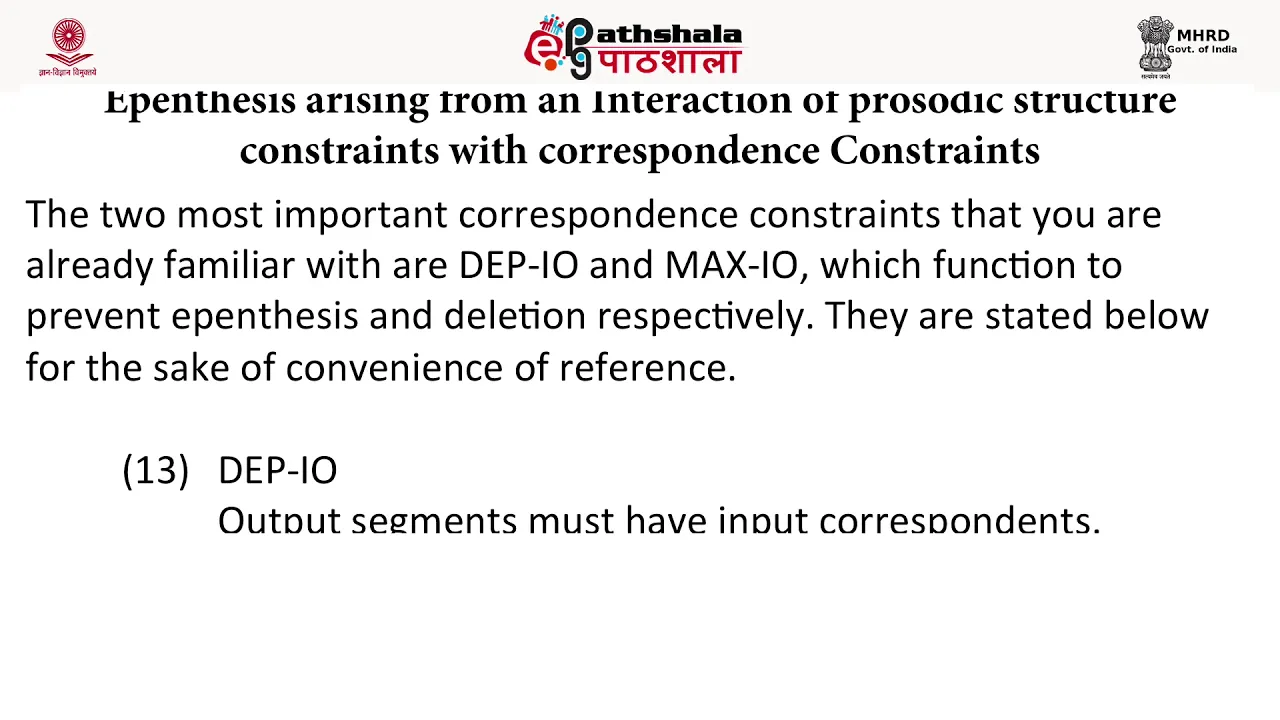
36:52
Constraint Interaction in Optimality Theory: Epenthesis & Deletion
@Vidyamitra
180 views•2018-08-20
53:56
Metrical Theory and Optimality Typology | Alan Prince Analysis
@MITLINGUISTICS
3.2K views•2013-10-18

8:59
Forensic Linguistics: How Language Solves Crimes | PBS
@pbsstoried
1M views•2024-01-25

21:32
Accent Expert Explains U.S. Regional Dialects | Part 1
@WIRED
9.3M views•2021-01-21
Related Study Plans & Knowledge Roadmaps
Structured learning paths in Linguistics
linguistics
Optimality Theory: Tableaux & Constraints
01Phonological Basics: Sounds, Syllables & Rules
02Foundations of Optimality Theory: GEN, CON, and EVAL
03The Constraint Inventory: Markedness vs. Faithfulness
+ 2 more learning modules
15h5 modules
Explore Roadmap
linguistics
Morphosyntactic Alignment: S, A & P Systems
01Foundations of Syntax: Transitivity and Arguments
02The Linguistic Variables: Mapping S, A, and P
03Nominative-Accusative Alignment
+ 3 more learning modules
12h6 modules
Explore Roadmap
linguistics
Analyzing Sign Language: Phonology & Syntax
01Foundations of Sign Language Linguistics
02Phonology: The Five Parameters of a Sign
03Morphology: Word Formation and Classifiers
+ 2 more learning modules
14h5 modules
Explore Roadmap
linguistics
Pragmatics: Speech Acts, Grice & Politeness
01Introduction to Pragmatics: Meaning in Context
02Grice’s Cooperative Principle & Implicature
03Speech Act Theory
+ 2 more learning modules
14h5 modules
Explore Roadmap